This article is part of a collection of short essays written by the Fellows of the Middle East Institute to explore aspects of the ongoing war with Iran. The intent of the collection is to help readers see new and unexpected elements of the dynamics and impact of the ongoing hostilities and to think harder, deeper, and broader about the implications of the conflict.
Egypt: How the Iran War Has Affected Egypt’s Calculations
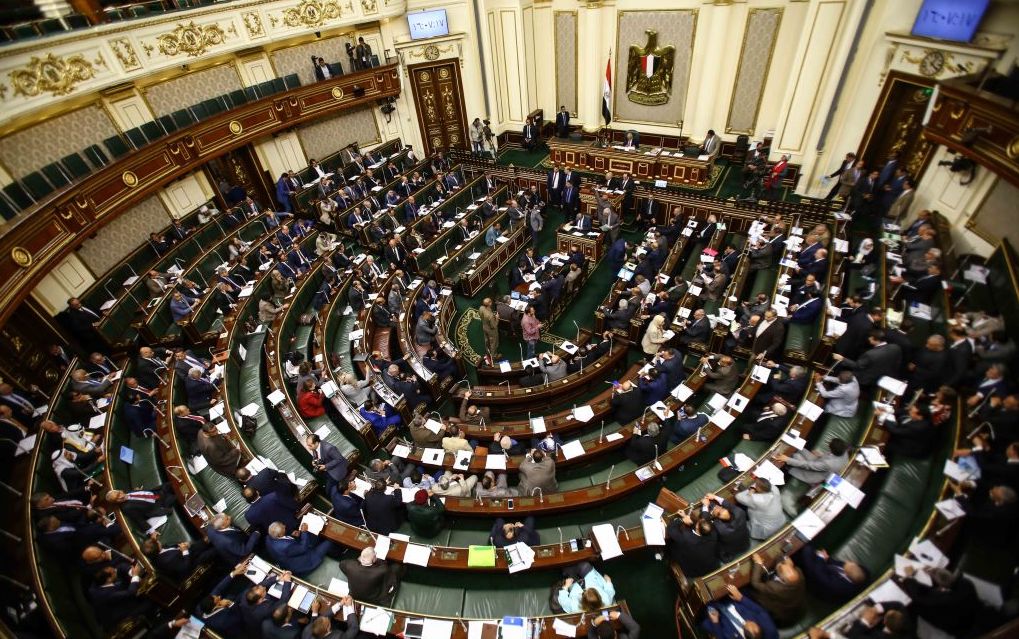
Egypt, which is not party to the war on Iran, has become a target as well as an intermediary in the conflict. As a result, the war has affected Egypt’s future calculations, particularly in three major areas: its economy, its security, and its regional alliances.
Algeria and Morocco have long been at odds, but recent diplomatic moves may signal a widening geopolitical split in North Africa. Hosts Alistair Taylor and Matthew Czekaj are joined by MEI Senior Fellow Intissar Fakir to unpack Algeria’s decision to sever diplomatic ties with the United Arab Emirates and Morocco’s warming relations with both the UAE and Israel. They also explore linkages between these diplomatic shifts and the Western Sahara conflict, Moroccan domestic concerns, particularly in light of this week’s elections, as well as broader regional stability.
Egypt’s potential perfect storm: Pandemic, recession, returnees, and remittance losses
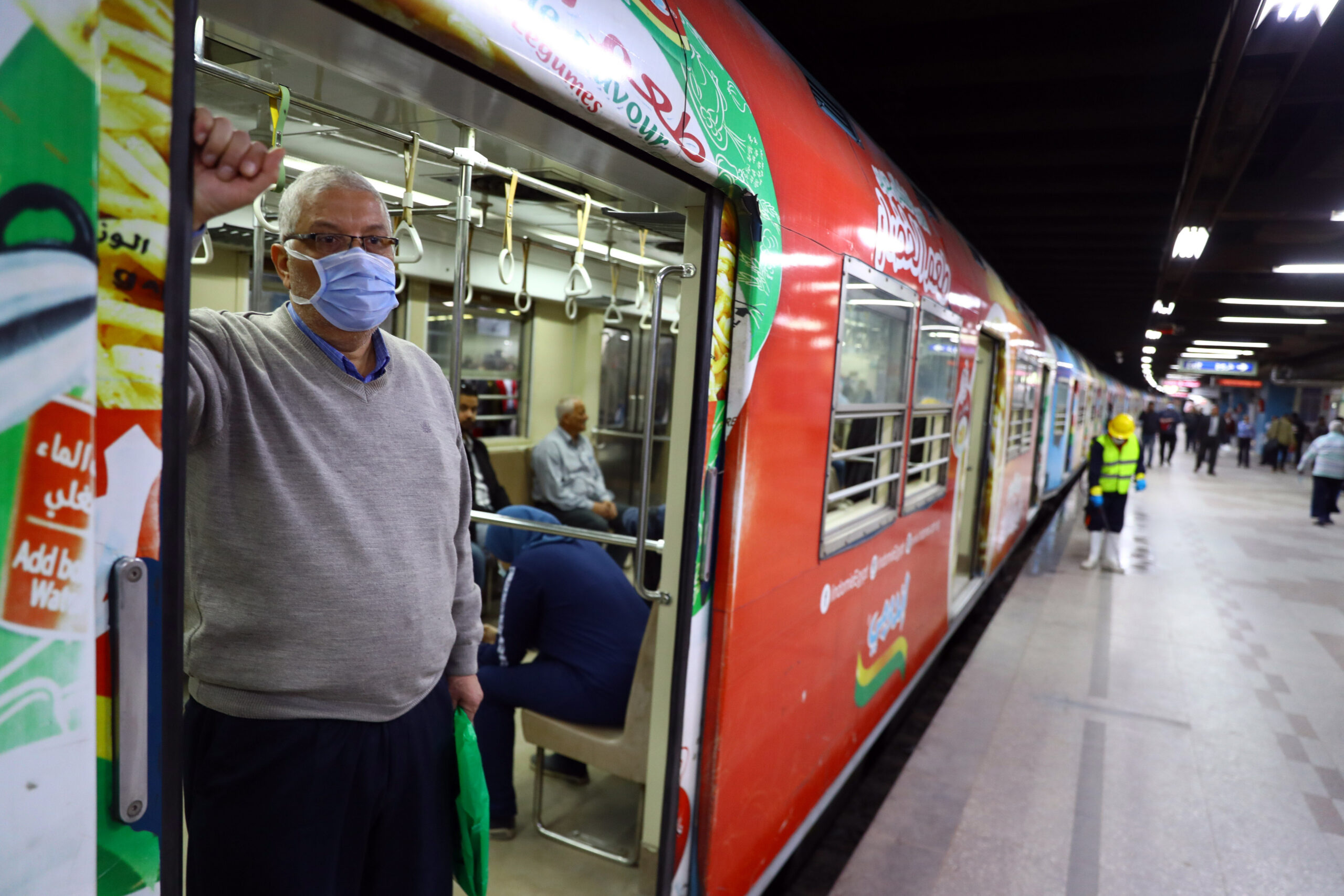
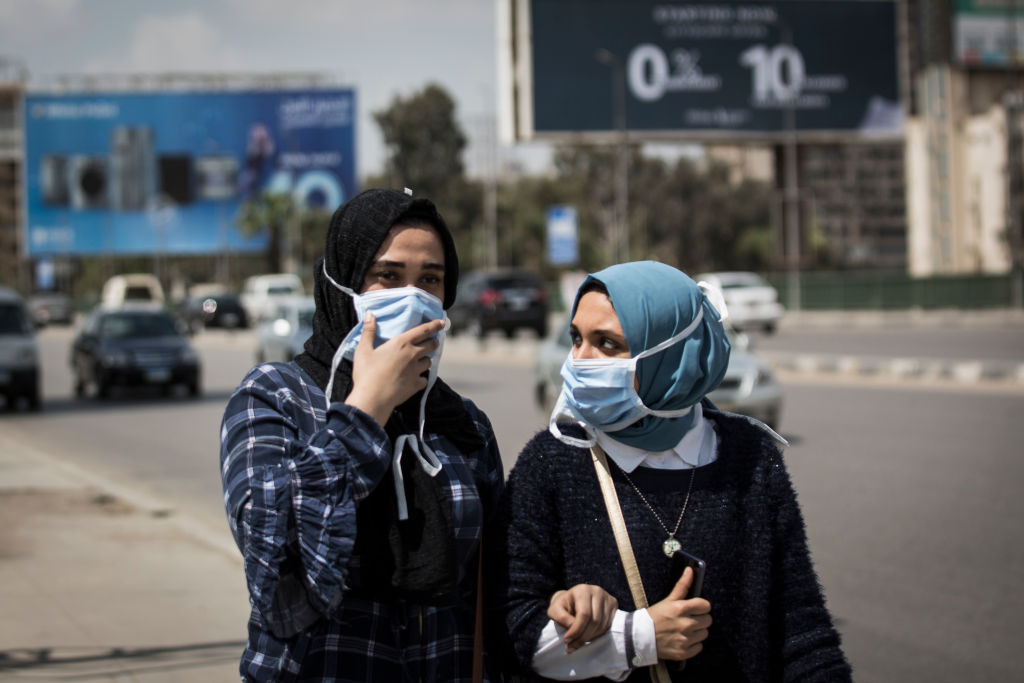
A possible influx of returnees from the Gulf swelling the ranks of the unemployed is bad enough, but it also comes with a serious complication — the possible loss of remittances.
Salafism Meets Populism: The Al-Karama Coalition and the Malleability of Political Salafism in Tunisia
The nascent research on political Salafism suggests that it can often be much more pragmatic, flexible, and malleable than both the quietist and the jihadist Salafist strand and can sometimes show a certain openness to other political actors and ideologies. The case of the Tunisian al-Karama Coalition (Dignity Coalition) indicates that the new (tactical) openness of some politicized Salafists can also extend to populism. In this article, the authors locate the rise of al-Karama within the context of Tunisia’s successful but still incomplete and “bumpy democratic transition.”
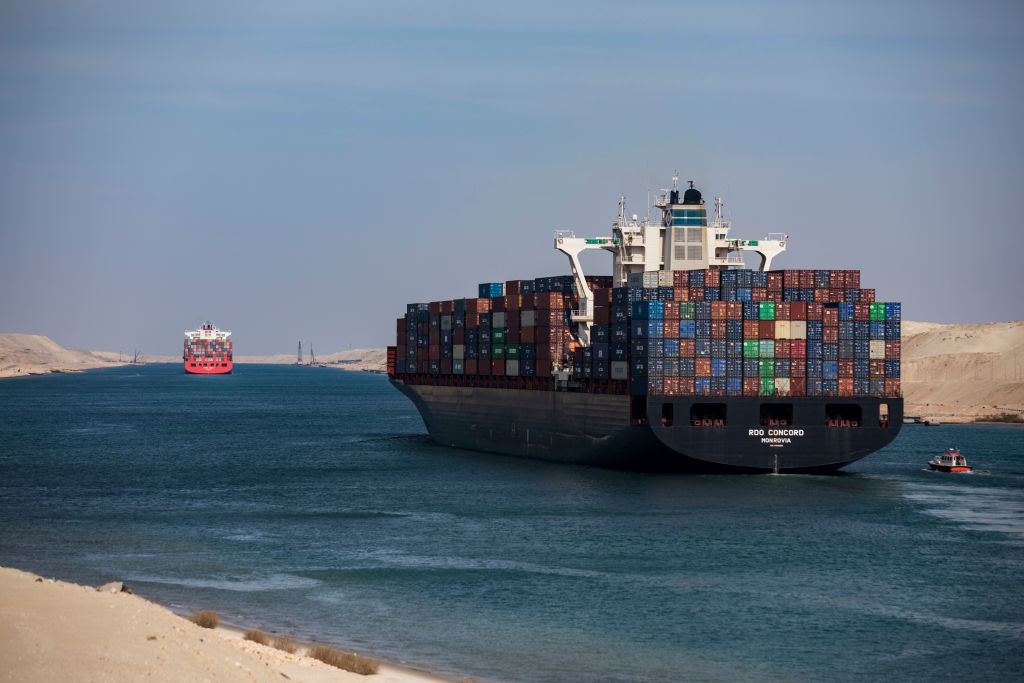
Egypt’s Suez Canal: A ray of light amid the economic gloom
It’s difficult to overstate the importance of the Canal to the international shipping trade, but it’s importance to Egypt economy is even greater still.
Last week Libya witnessed one of the oldest tricks in the book: unilaterally declare a cease-fire at exactly the moment when your opponents are poised to gain territory.
Sudan, Hong Kong, and Venezuela: Key takeaways from popular protest movements
The COVID-19 pandemic has delayed elections and brought about a surge in disinformation and rising authoritarianism worldwide. Popular protest movements are seeking ways to adapt to this new reality, and their survival is perhaps more important than ever in ensuring governments take a citizen-centered approach to the management of this crisis.
Protest movements in Algeria, Iraq, and Lebanon during COVID-19
Vish Sakthivel, Hafsa Halawa, and Nour El-Achi join host Alistair Taylor to discuss the impact of the coronavirus pandemic on protest movements in Algeria, Iraq, and Lebanon. While each case is unique, all three movements are pushing for sweeping reforms of the corrupt political system, a change in the ruling elite, and improved state services.
Gantz leaves the door open for Arab states to counter annexation
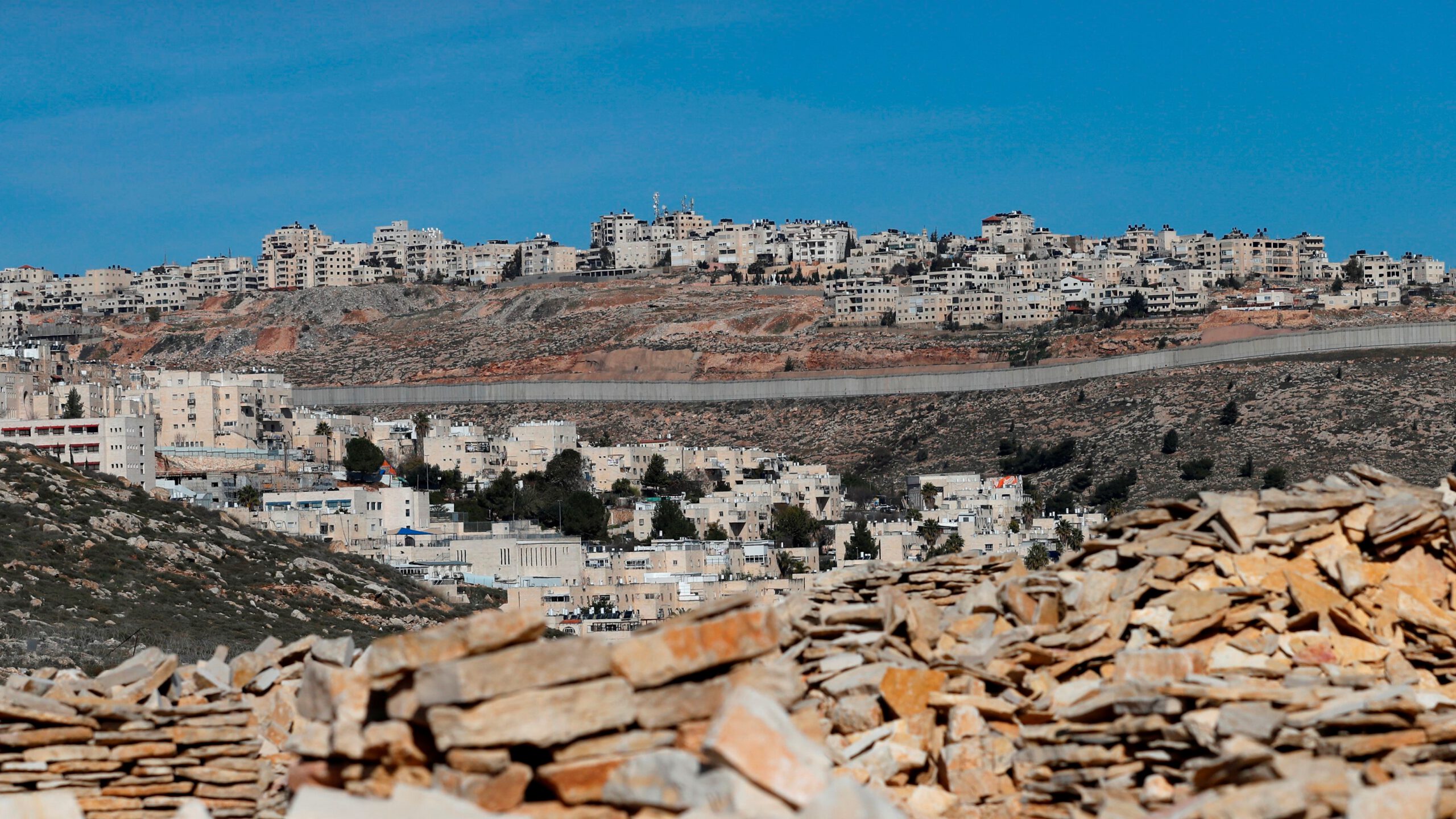
The April 20 Netanyahu-Gantz agreement legitimized the possibility of an Israeli law that will act as a unilateral annexation of parts of the West Bank to start as early as July 1, based on the controversial Trump Middle East plan. Articles 28 and 29 of the deal condition such annexation on the “consent of the Trump administration” and note that such a move would only be possible if the annexation preserves “the security and strategic interests of the state of Israel including the need to keep regional stability, keep existing peace agreements, and pursue future peace agreements.”
Digital security and the LGBTI+ rights movement in Tunisia
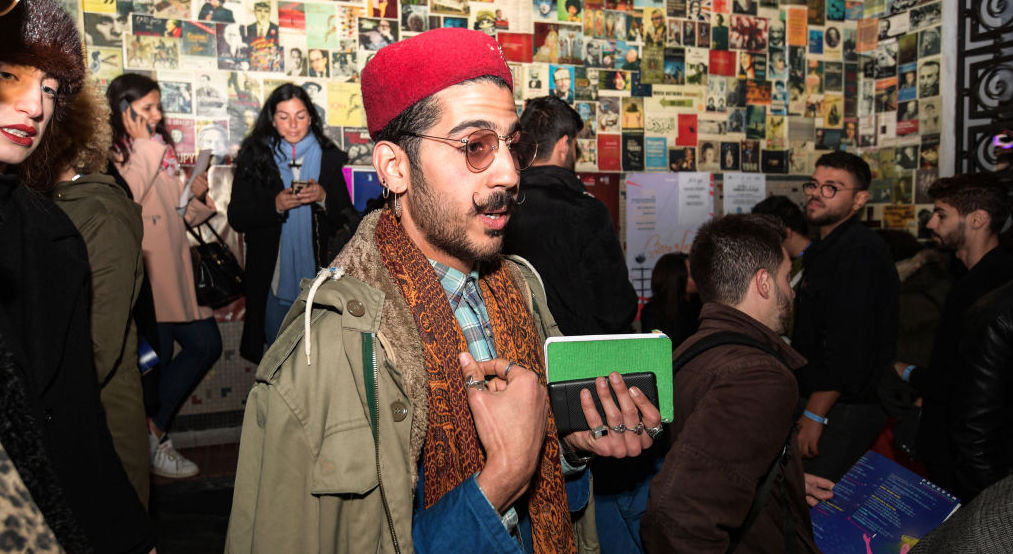
For LGBTI+ individuals in Tunisia, the internet and social media have played a critical role in the development of a community and activist network. Simultaneously, however, these technologies have been used by legal authorities to suppress and harass the queer community.
The times have changed, but the need for a US-led MFO hasn’t
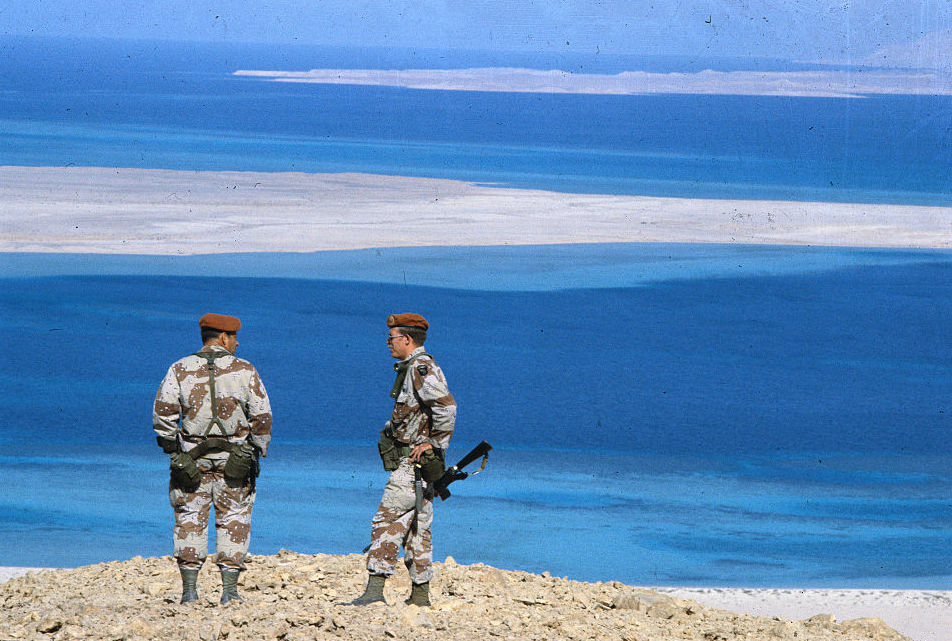
This is not the time to hang out the “Mission Accomplished” banner for the MFO. At a nominal cost to the U.S. in money and manpower, for nearly 40 years, the mission has been a phenomenal success. At a time when the U.S. commitment to the region is being viewed with increasing skepticism, the MFO is a prime example of U.S. capacity to organize and lead a multinational effort to support regional security and stability.
The oldest peer-reviewed publication dedicated to the study of the modern Middle East, MEI’s flagship journal covers politics, society, and culture in the region.