This article is part of a collection of short essays written by the Fellows of the Middle East Institute to explore aspects of the ongoing war with Iran. The intent of the collection is to help readers see new and unexpected elements of the dynamics and impact of the ongoing hostilities and to think harder, deeper, and broader about the implications of the conflict.
Egypt: How the Iran War Has Affected Egypt’s Calculations
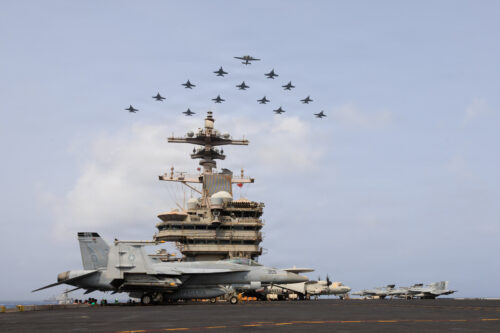
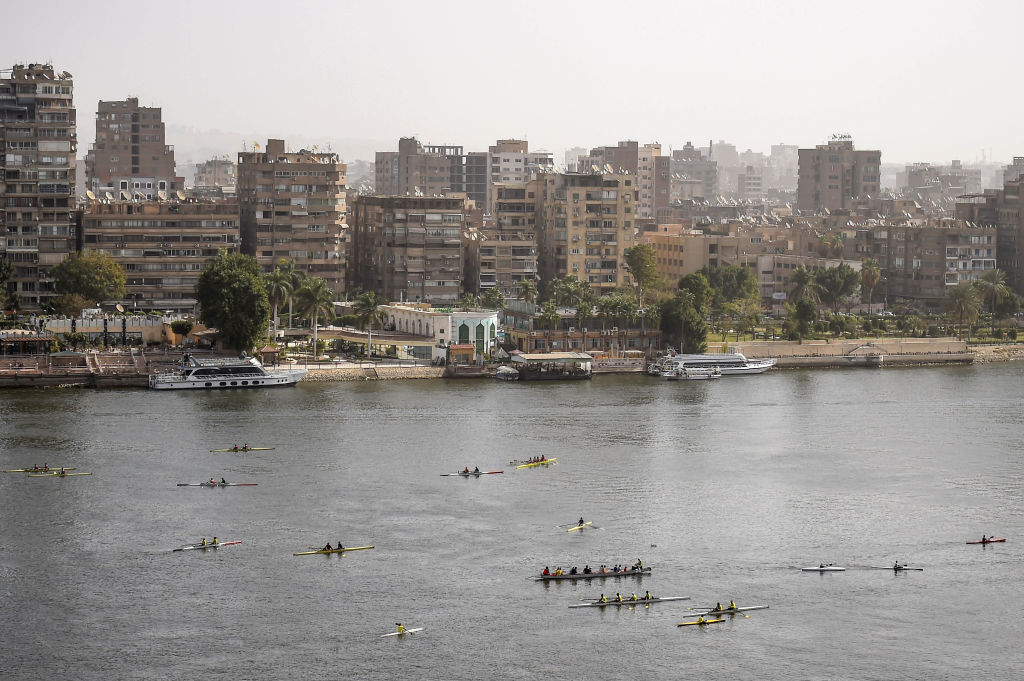
Egypt, which is not party to the war on Iran, has become a target as well as an intermediary in the conflict. As a result, the war has affected Egypt’s future calculations, particularly in three major areas: its economy, its security, and its regional alliances.
Algeria and Morocco have long been at odds, but recent diplomatic moves may signal a widening geopolitical split in North Africa. Hosts Alistair Taylor and Matthew Czekaj are joined by MEI Senior Fellow Intissar Fakir to unpack Algeria’s decision to sever diplomatic ties with the United Arab Emirates and Morocco’s warming relations with both the UAE and Israel. They also explore linkages between these diplomatic shifts and the Western Sahara conflict, Moroccan domestic concerns, particularly in light of this week’s elections, as well as broader regional stability.
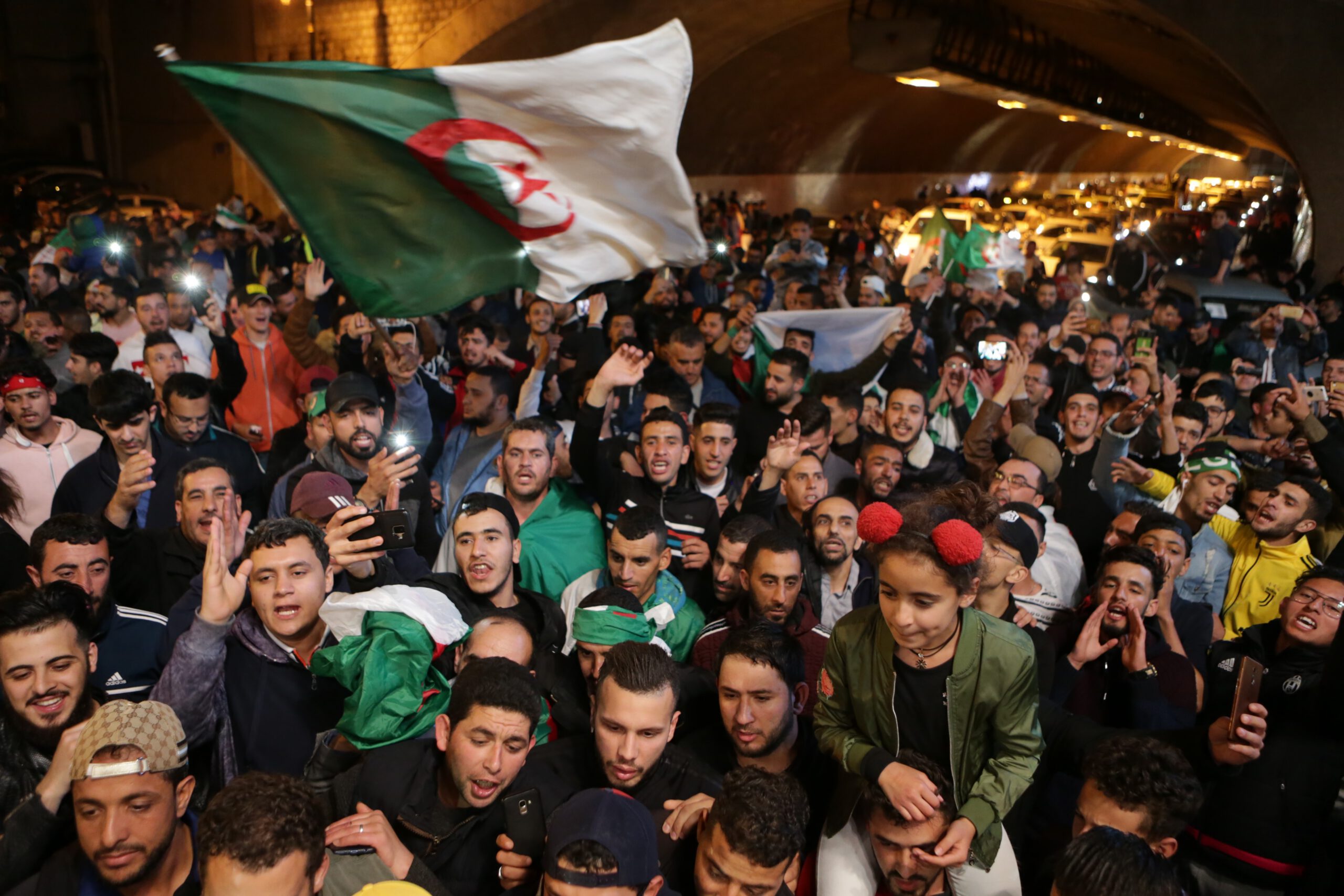
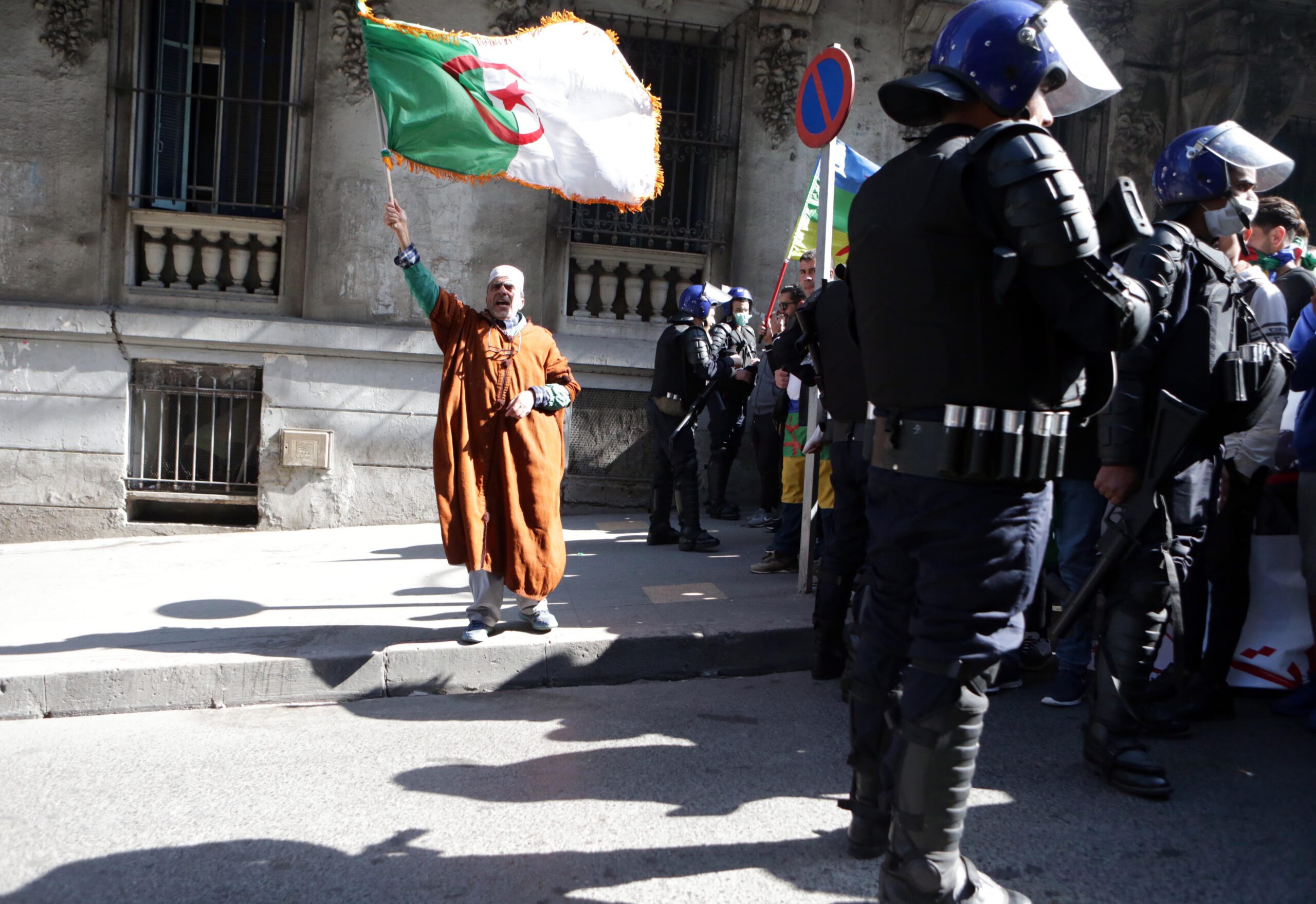
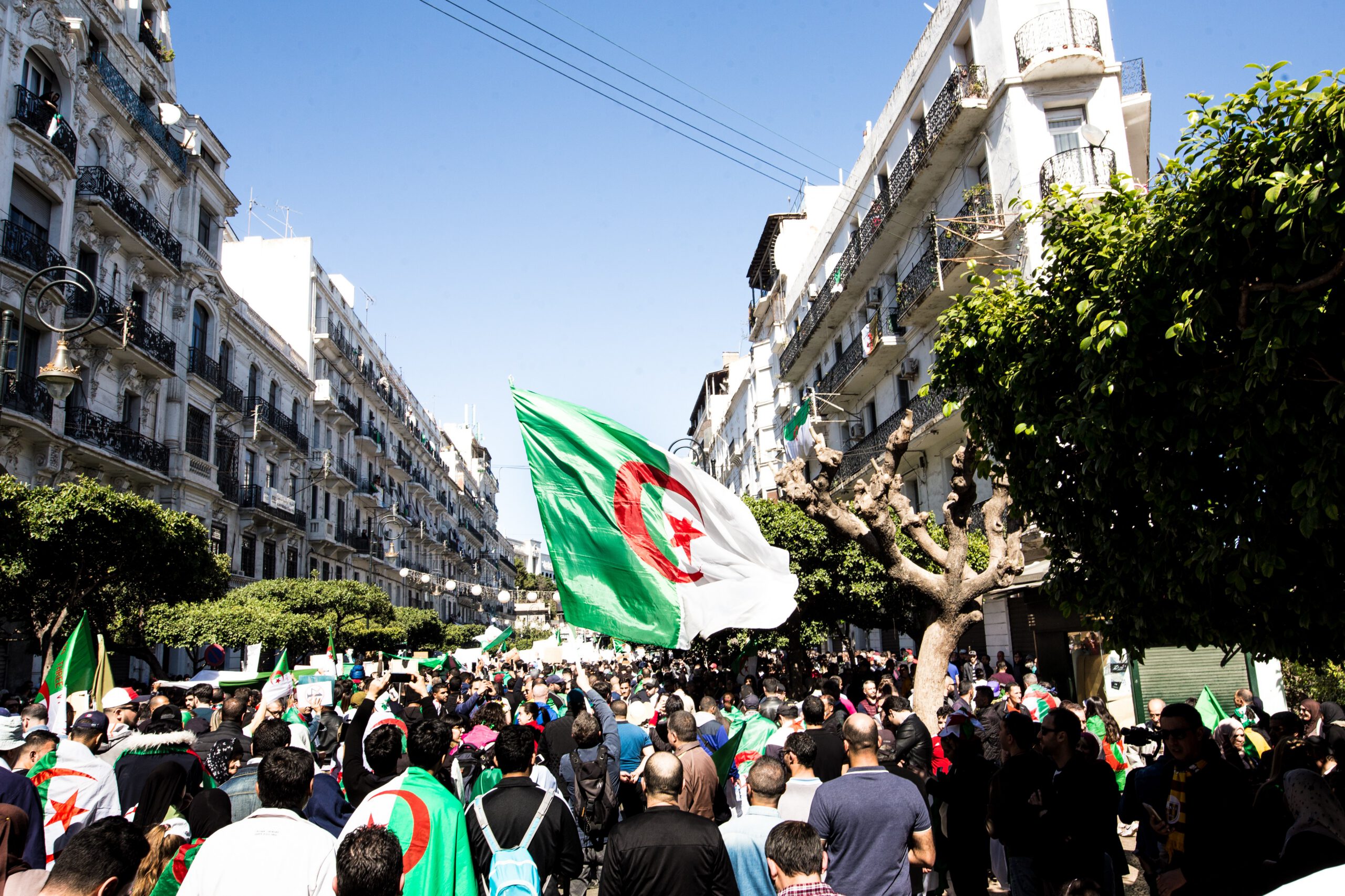
Following the resignation of 82-year-old President Abdelaziz Bouteflika in early April after weeks of mass demonstrations, the dispute between Algerian protesters and the country’s entrenched power structure has entered a new phase. The protest movement has viewed Bouteflika’s peaceful removal as an initial victory in the longer struggle to overhaul Algeria’s political edifice. But any attempt to fundamentally change the governance system and introduce a new relationship between rulers and ruled is likely to quickly come up against the will of established power-brokers, especially the military, and the ongoing dispute has the potential to escalate into violence.
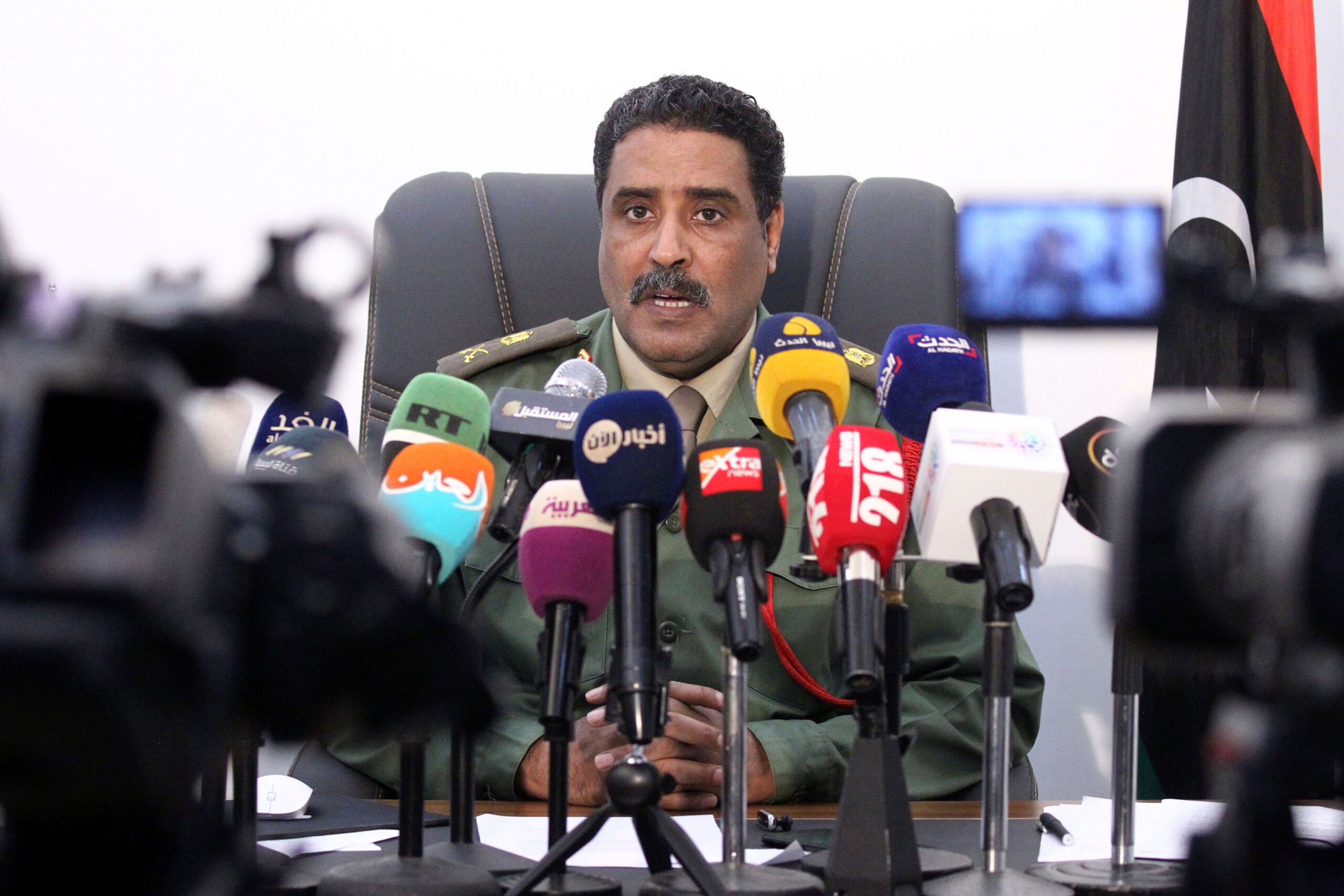
The fluid and chaotic situation in Libya is confusing and predicting how the ongoing violence in Tripoli will play out and impact the broader trajectory of the civil war is difficult. Nonetheless, Hifter’s campaign appears to be connected to several international and regional developments, the alignment of which seems to have prompted him to determine that this was an opportune time to move forward, dealing a harsh blow to the UN-led peace process.
Russia looks to the Middle East to boost arms exports
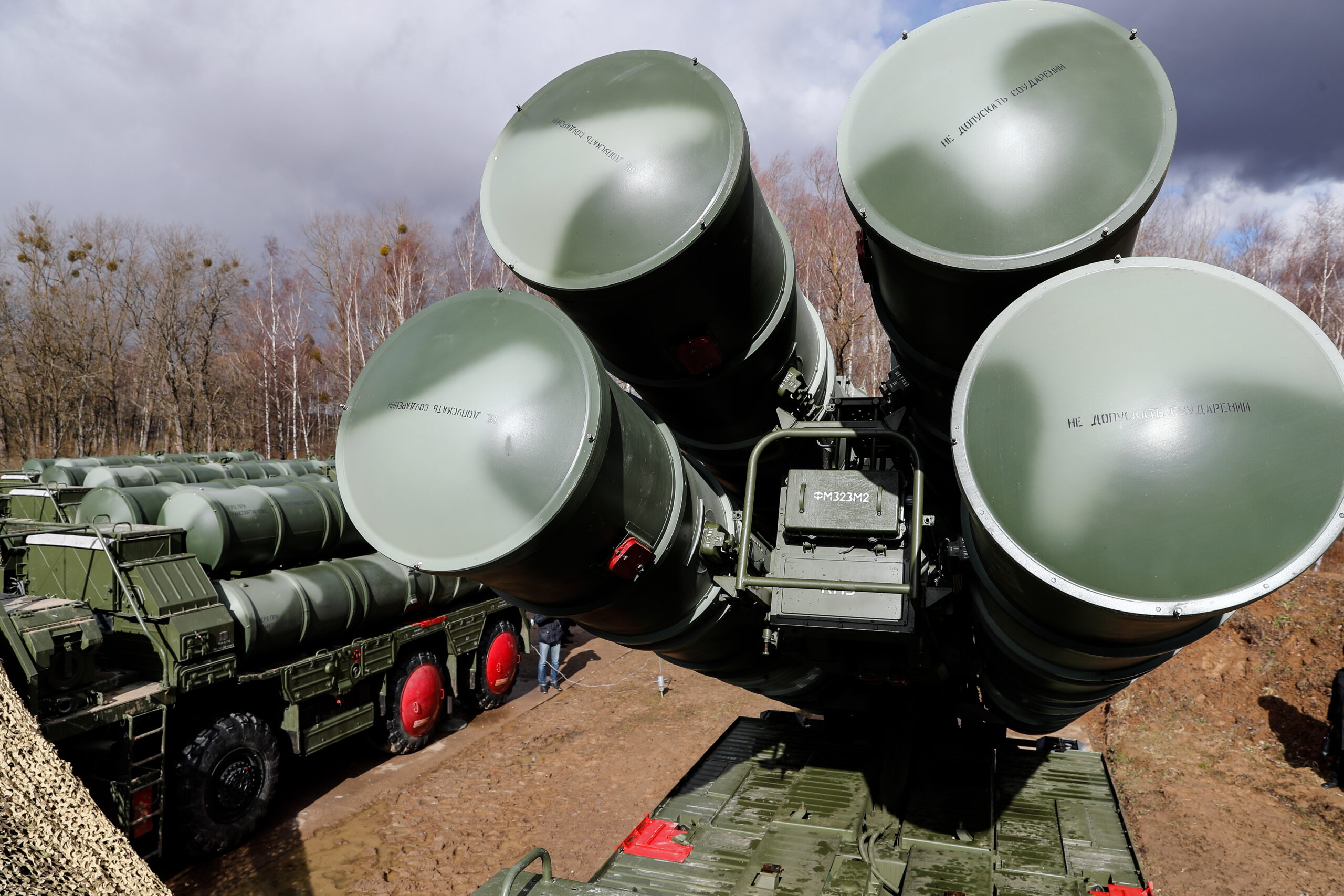
According to SIPRI’s recently published annual report, Russia’s share of global arms exports shrank by around one-fifth over the last decade, falling from 27 percent to 21 percent, while the U.S. share increased from 30 percent to 36 percent, widening the gap between the two major arms exporters. As Russia looks to reverse this decline, it is focusing on the Middle East, the world’s second-largest and fastest-growing arms market, as a way to boost its exports.
In this week’s Monday Briefing, MEI experts Robert S. Ford, Mirette F. Mabrouk, Nathan Stock, Marvin G. Weinbaum, and Jean-François Seznec provide analysis on recent and upcoming events including the government shakeup in Algeria, Egyptian President el-Sissi’s visit to Washington, rocket attacks from Gaza, Imran Khan’s war against poverty, and a $69 billion merger between Saudi Arabia’s oil and chemical giants.
Monday Briefing | Iraq: Outreach abroad, but troubles at home
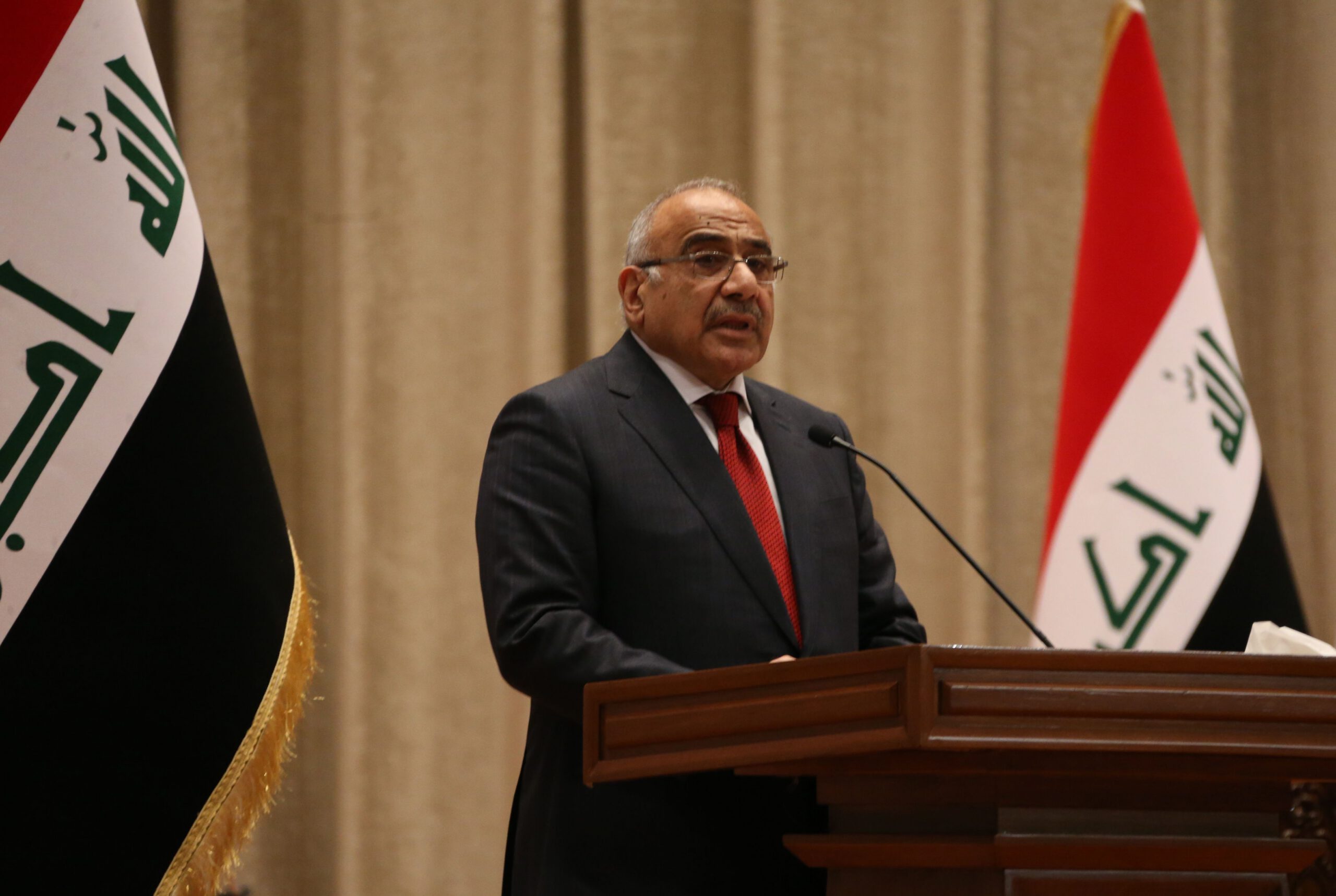
In this week’s Monday Briefing, MEI experts Randa Slim, Charles Lister, Gerald Feierstein, and Paul Salem provide analysis on recent and upcoming events including Iraqi Prime Minister Abdul-Mahdi’s first foreign trip to Egypt, the future threat posed by ISIS, Israeli Prime Minister Benjamin Netanyahu’s AIPAC meeting in Washington, and Secretary of State Mike Pompeo’s visit to Lebanon.
Annette Weber, senior fellow at the German Institute for International and Security Affairs, and Abdullahi Ibrahim, emeritus professor of African and Islamic history at the University of Missouri, join host Alistair Taylor to discuss the popular protests in Sudan, now in their third month, and how the government has responded to demands for the resignation of President Omar al-Bashir.
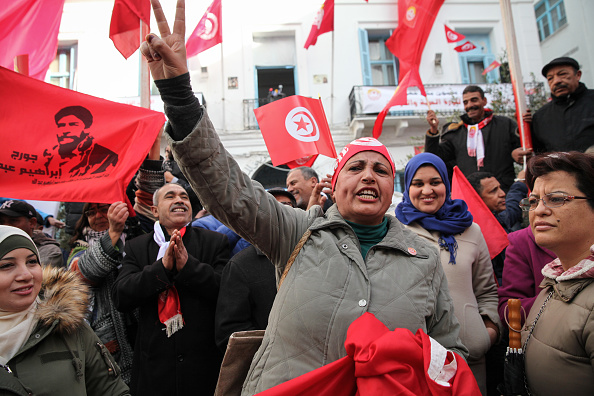
Diaspora Activism in France and Italy and Tunisia’s Democratic Transition
Scholar Charles Tilly does not believe that social capital can, by itself, build democracy. In fact, according to Tilly, citizens lacking favorable environmental and historical conditions — even if highly engaged — cannot establish a democracy. If establishing democratic institutions is such an arduous task for citizens living under dictatorship, what political leverage do those living in the diaspora possess? This article explores how the Tunisian diasporas in Italy and France have sought to help implement the transition to democracy.
Monday Briefing: Algeria's political crisis is deepening
In this week’s Monday Briefing, MEI experts Robert S. Ford, Paul Salem, Marvin G. Weinbaum, Wa’el Alzayat, and Alex Vatanka provide analysis on recent and upcoming events including Algeria’s ongoing political crisis, the 16th anniversary of the U.S.-led invasion of Iraq, criticism of the U.S.-Taliban talks by Afghanistan’s national security advisor, international fundraising efforts to aid Syria, and Iranian President Hassan Rouhani’s fading political clout.
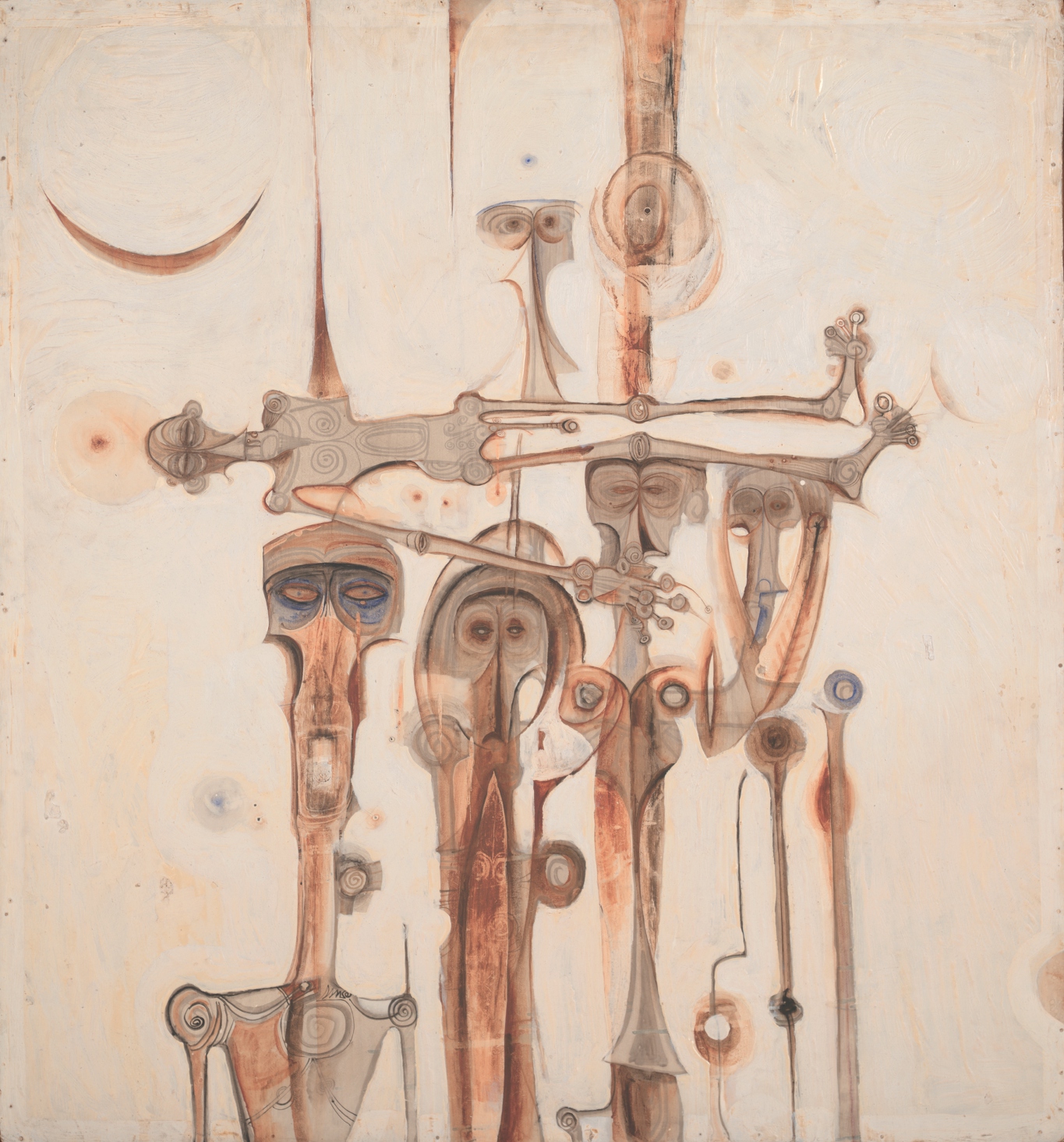
The works of Sudanese artist Ibrahim El Salahi were long overlooked by the international arts community. Today, his extraordinary works are recognized globally as defining works of African modernism and are housed in some the world’s most prestigious galleries, including they Tate Modern and the MoMA – all thanks to the tireless work of fellow Sudanese scholar Salah Hassan.
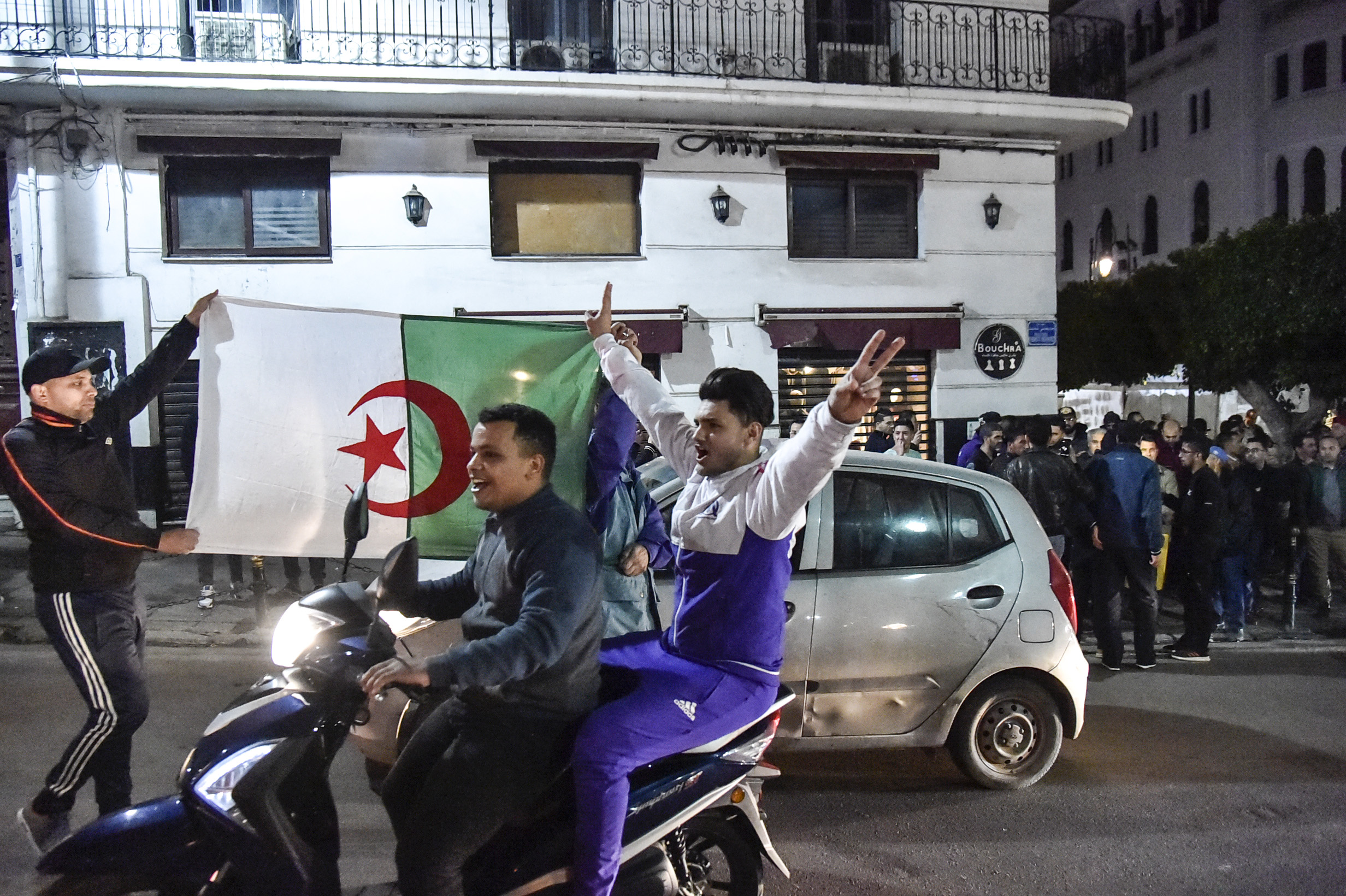
Bouteflika rules out fifth term, but the contest to change the Algerian government has only just begun
President Abdelaziz Bouteflika’s announcement late on March 11 that he would not pursue a fifth presidential term answers the most immediate demand of the protest movement in Algeria but leaves the transition process in government hands.
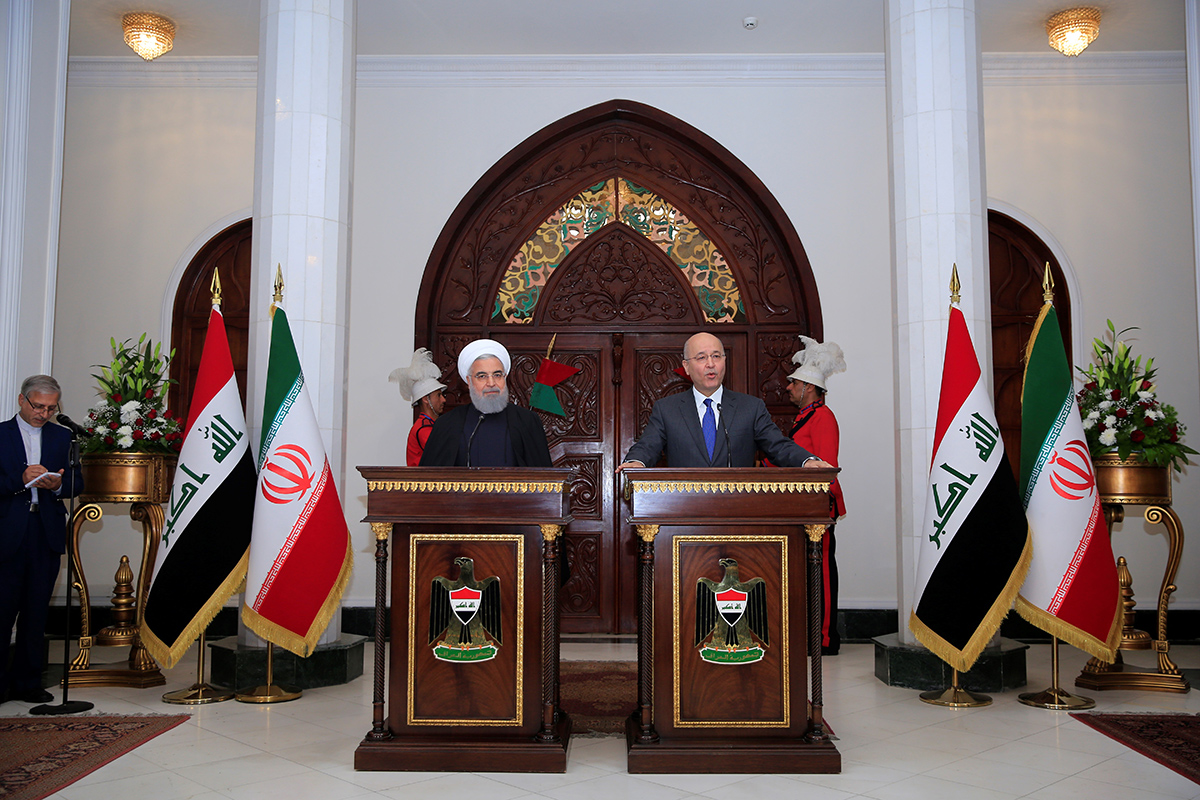
In this week’s Monday Briefing, MEI experts Randa Slim, Robert S. Ford, Marvin G. Weinbaum, James P. Farwell, Emadeddin Badi, Guney Yildiz, and Jean-François Seznec provide analysis on recent and upcoming events including Iranian President Hassan Rouhani’s visit to Baghdad, reconstruction efforts in Syria, the crackdown on militant Islamists in Pakistan, Iran’s cyber attack capabilities, upcoming elections in Libya, Turkish-Egyptian tensions, and Qatar’s $12B loan from bond markets.
William Lawrence, visiting professor of political science and international affairs at George Washington University’s Elliott School, and MEI’s Robert Ford join host Alistair Taylor to discuss mounting protests and political turmoil in Algeria in the lead up to next month’s presidential elections.
General Hifter’s southern strategy and the repercussions of the Fezzan campaign
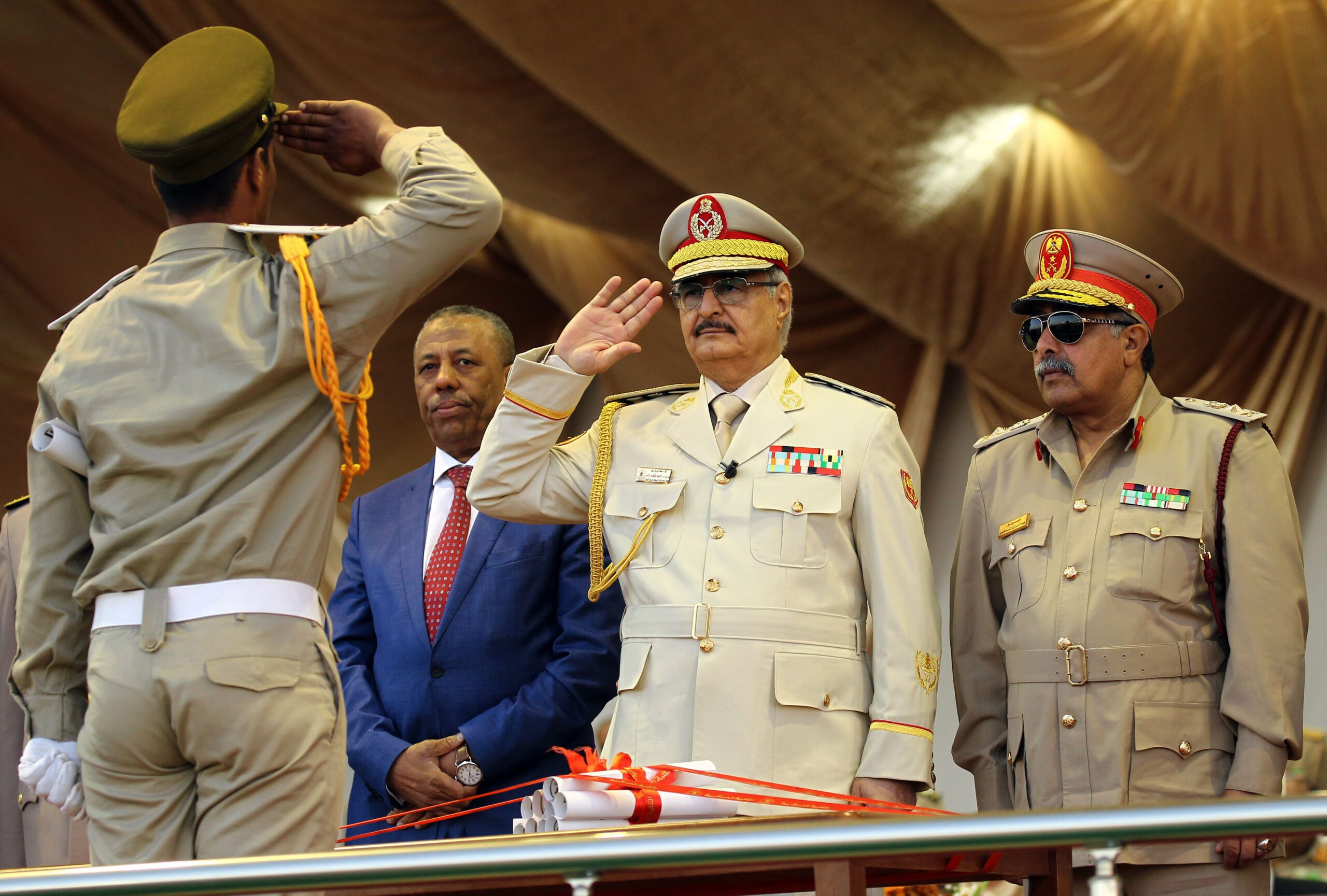
The Libyan National Army (LNA) loyal to General Khalifa Hifter has launched a military operation to capture the Fezzan region in Libya’s southwest. While the move seems to have garnered significant international and regional support, it is unclear what the implications of this operation may be for the country’s fragile stability and the country’s dialogue-based political process.
Mounting tensions between Morocco and Saudi Arabia
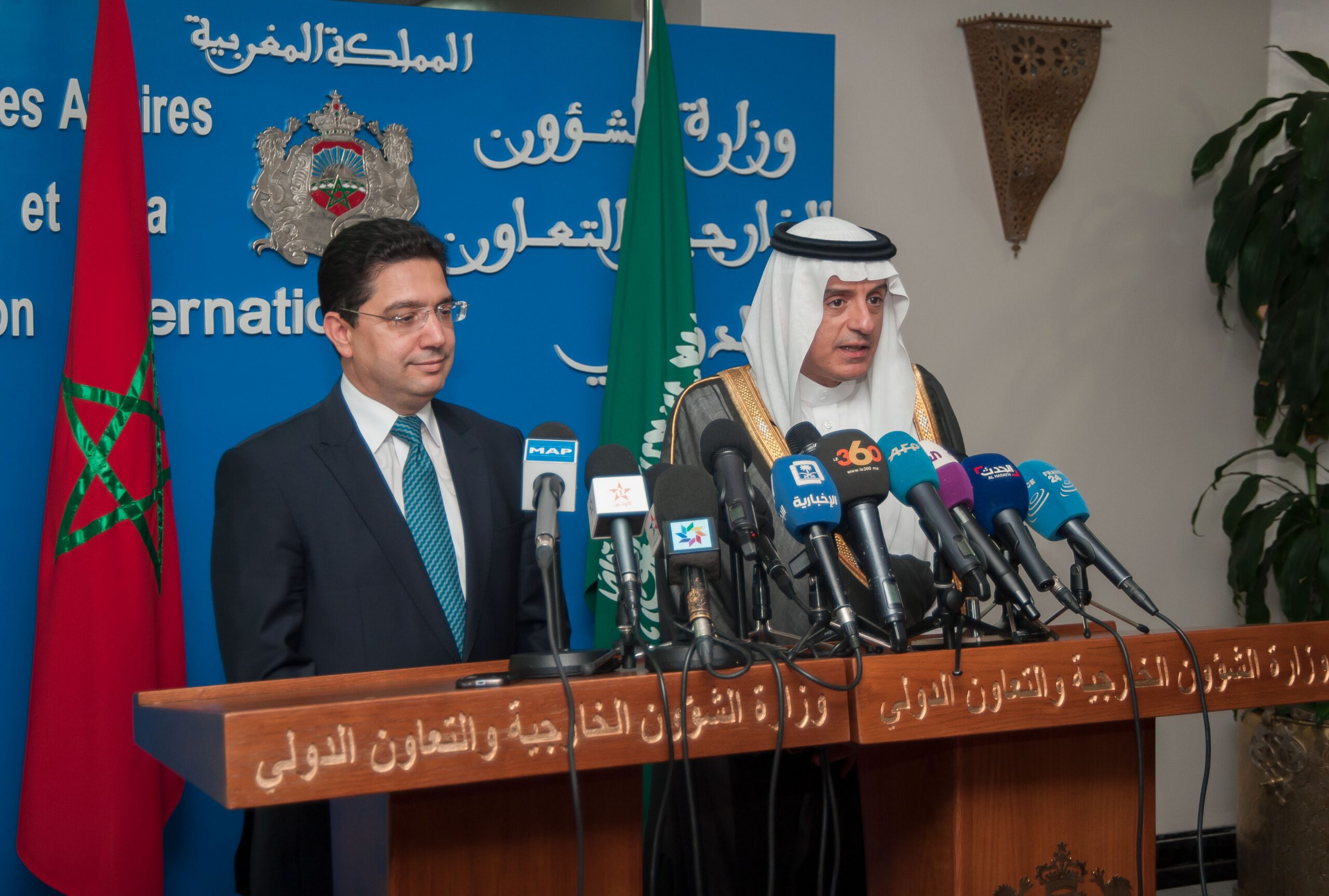
The alliance between Morocco and Saudi Arabia has historically been strong, bolstered by shared concerns about regional turmoil in the aftermath of the 2011 Arab Spring protests, but recent tensions have brought bilateral relations to an all-time low. Last month, frictions between Rabat and Riyadh came to the fore when Morocco recalled its ambassador from Saudi Arabia.
The oldest peer-reviewed publication dedicated to the study of the modern Middle East, MEI’s flagship journal covers politics, society, and culture in the region.