This article is part of a collection of short essays written by the Fellows of the Middle East Institute to explore aspects of the ongoing war with Iran. The intent of the collection is to help readers see new and unexpected elements of the dynamics and impact of the ongoing hostilities and to think harder, deeper, and broader about the implications of the conflict.
Egypt: How the Iran War Has Affected Egypt’s Calculations
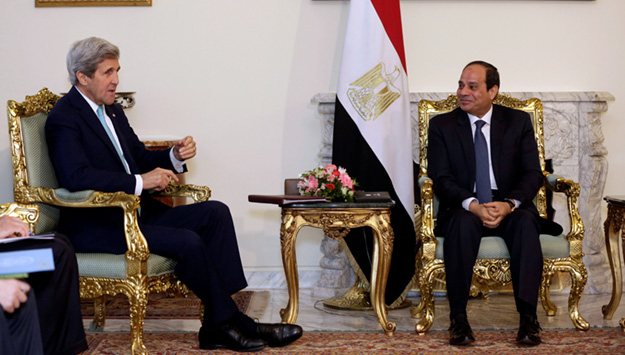
Egypt, which is not party to the war on Iran, has become a target as well as an intermediary in the conflict. As a result, the war has affected Egypt’s future calculations, particularly in three major areas: its economy, its security, and its regional alliances.
Algeria and Morocco have long been at odds, but recent diplomatic moves may signal a widening geopolitical split in North Africa. Hosts Alistair Taylor and Matthew Czekaj are joined by MEI Senior Fellow Intissar Fakir to unpack Algeria’s decision to sever diplomatic ties with the United Arab Emirates and Morocco’s warming relations with both the UAE and Israel. They also explore linkages between these diplomatic shifts and the Western Sahara conflict, Moroccan domestic concerns, particularly in light of this week’s elections, as well as broader regional stability.
Tunisia's Evolving Islamic Charitable Sector and Its Model of Social Mobilization
This essay discusses the evolution of Islamic charities in Tunisia since 2011 as new actors of associational life. In particular, it considers the extent to which they represent an alternative model of social mobilization.
“[Food insecurity has] the potential to amplify destabilization, engender violence, and even accelerate state failure processes in an already geopolitically charged region”
– Andy Spiess in Food Security in the GCC Economies (2012)
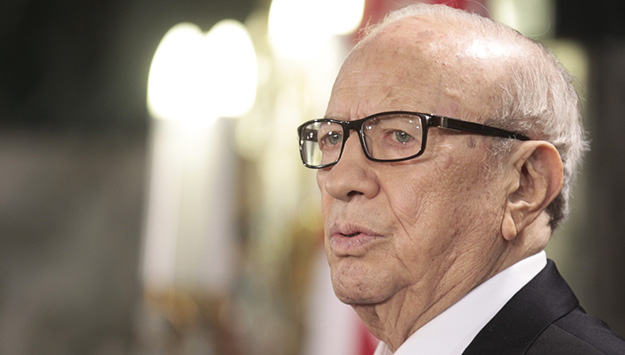
Essebsi’s Power Grab Imperils Tunisia’s Nascent Democracy
The Tunisian parliament on August 27 endorsed the new government led by Youssef Chahed, a month after the assembly dismissed the previous Essid government.
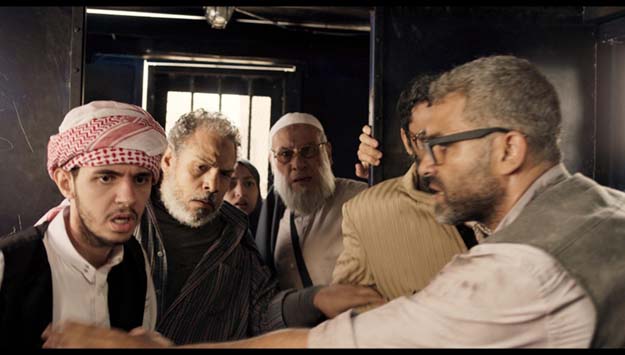
Clash—Hit Movie about Post-2011 Egypt Fails to Provoke
How do you comprehensively depict an impossibly complex event like the Egyptian January 25 Revolution and its aftermath on screen? This is the question Egyptian filmmakers have ventured to tackle since the outbreak of the country’s transformative uprising in 2011. The first batch of movies—omnibus fiction 18 Days, the documentary The Good, the Bad and the Politician, Ahmed Rashawan’s Born on January 25 —were reactionary pieces, imbued with the jubilant sensation of Mubarak’s ouster.
Military Cooperation in MENA: Uncertainty in the Face of Changing Threats
Regional Cooperation Series
This Policy Paper is part of The Middle East Institute’s Regional Cooperation Series. Throughout 2016, MEI will be releasing several policy papers by renowned scholars and experts exploring possibilities to foster regional cooperation across an array of sectors. The purpose is to highlight the myriad benefits and opportunities associated with regional cooperation, and the high costs of the continued business-as-usual model of competition and intense rivalry.
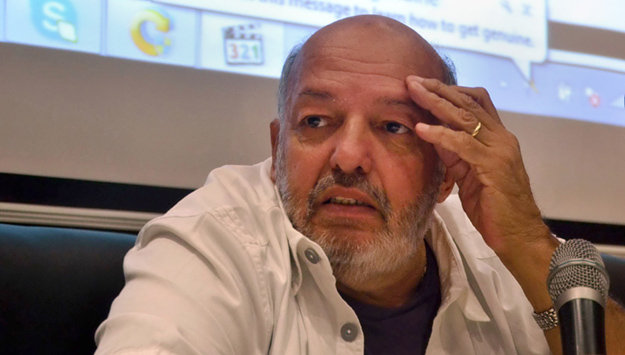
Remembering Mohamed Khan—the Leader of Egypt’s Neo-Realist Cinema
Of the numerous artists claimed by the grim reaper this year, the sudden death of veteran Egyptian filmmaker Mohamed Khan at 73 was among the most impactful. Widely considered as one of Egypt’s greatest directors, the vivacious, imposing Khan had a voracious appetite for life that concealed his real age. He was a man who always seemed to be bigger than death.
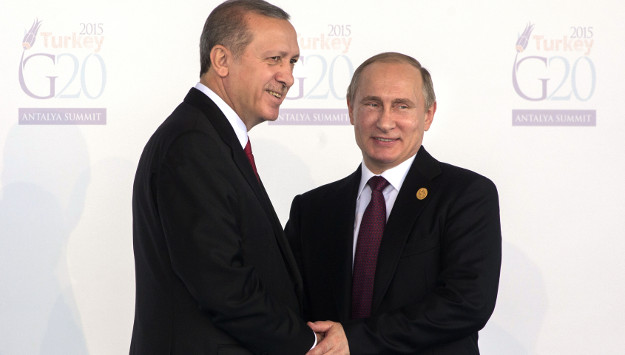
Monday Briefing: Erdogan Reaching Out to Russia; Update on Battle for Aleppo
In this week’s Monday Briefing MEI experts provide analysis on recent and upcoming events including Turkish President Erdogan’s trip to Russia tomorrow, Iranian President Rouhani’s upcoming meeting with President Putin in Baku, the ongoing battle for Aleppo, strains in U.S.-Pakistan relations over the Haqqani Network, and what’s next for Tunisia’s political transition following the vote of no confidence in the current government.
Monday Briefing: The Battle for Aleppo, Turkey's Gulen Extradition Request, and IMF talks in Cairo
In this week’s Monday Briefing, MEI experts Charles Lister, Gonul Tol, and Paul Salem provide analysis on recent and upcoming events including the battle for Aleppo, Turkey’s extradition appeal for Fatullah Gulen, and IMF talks in Cairo this week on Egypt’s request for more than $12 billion in loans.
Resolving Egypt’s Housing Crisis Crucial to Long-Term Stability
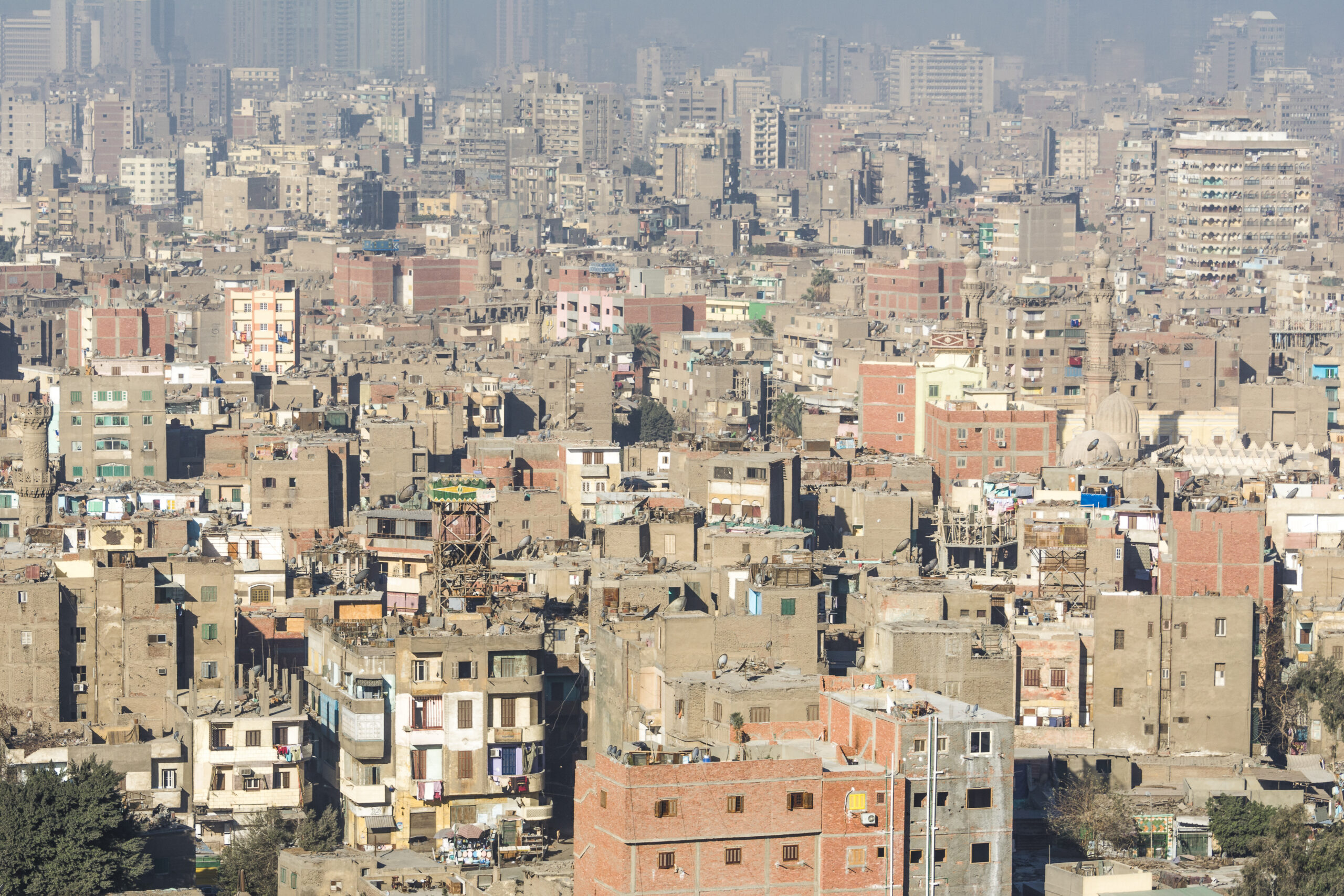
With a population growing at a rate of approximately 2 percent per year, Egypt is faced with an urbanization crisis, as many of its cities find themselves increasingly overcrowded. Egypt’s housing crisis affects millions across the country, and, if the Sisi government is looking to further consolidate its power, it must ensure that it maintains the support of the country’s poor urban communities, which have historically revolted against worsening living conditions.
After the liberation of Sirte from ISIS, now the really hard work begins. The nine-member Presidential Council (P.C.) and the Government of National Accord (G.N.A.) that it named under Prime Minister Fayez Serraj have yet to receive an affirmative vote from the House of Representatives (H.O.R.) in Tobruk. Although a majority of H.O.R. members were prepared many weeks ago to confirm Serraj and his cabinet, speaker Aquila Saleh declined to bring the matter to a vote.
The Libyan Presidential Council (P.C.), representing a rough consensus of Libyan political forces, is making slow but promising gains in several key areas. There will probably be setbacks on the road to the kind of progress that will generate wider support from both key Libyan factions and the general populace. Signs are encouraging, however, in areas such as security and legitimacy. It is too early to say that the Government of National Accord (G.N.A.) appointed by the P.C. is truly governing, but it is taking steps that provide more confidence to the international community.
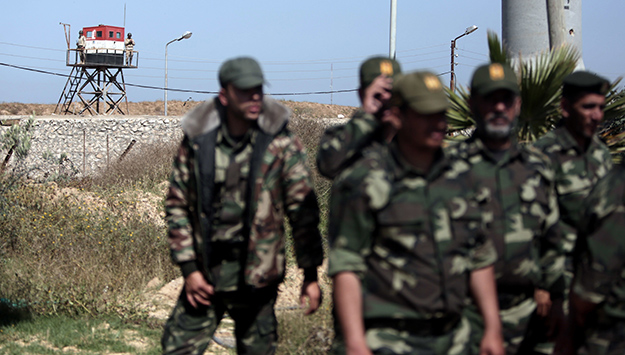
Egypt, which enjoys friendly relations with both the Palestinian Authority and Israel, understands that it must normalize relations with Hamas to be able to act as a mediator between the three parties. The Egyptian government, which has yet to achieve convincing results in the fight against terrorist groups in Sinai, is also in need of Hamas’ cooperation in this area.
Monday Briefing: Responding to Orlando, ISIS in Libya, and Hamas-Fatah Meeting
In this week’s Monday Briefing, MEI chairman Richard A. Clarke responds to the mass shooting in Orlando, and Charles Lister and Antoun Issa provide analysis on events including the pushing back of ISIS in Libya and the upcoming meeting of Hamas and Fatah.
تُعد المجلة الرئيسية لمعهد الشرق الأوسط أقدم مطبوعة محكّمة مكرّسة لدراسة الشرق الأوسط الحديث، وتغطي المجلة الرئيسية في المعهد السياسة والمجتمع والثقافة في المنطقة.