This article is part of a collection of short essays written by the Fellows of the Middle East Institute to explore aspects of the ongoing war with Iran. The intent of the collection is to help readers see new and unexpected elements of the dynamics and impact of the ongoing hostilities and to think harder, deeper, and broader about the implications of the conflict.
Egypt: How the Iran War Has Affected Egypt’s Calculations
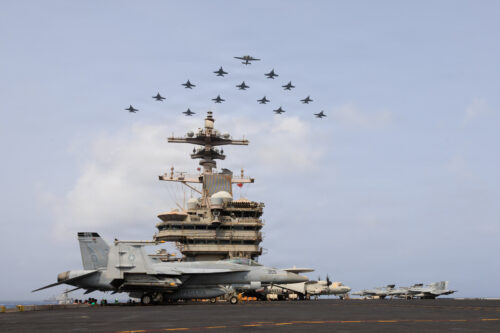
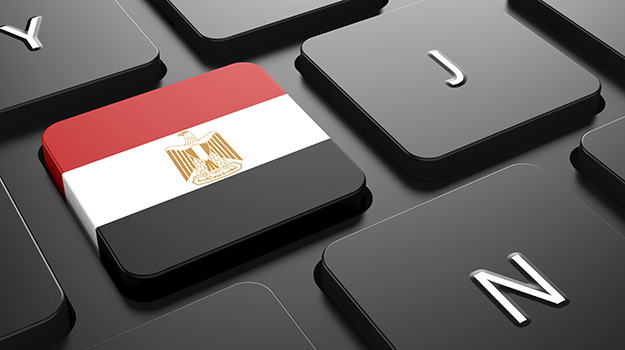
Egypt, which is not party to the war on Iran, has become a target as well as an intermediary in the conflict. As a result, the war has affected Egypt’s future calculations, particularly in three major areas: its economy, its security, and its regional alliances.
Algeria and Morocco have long been at odds, but recent diplomatic moves may signal a widening geopolitical split in North Africa. Hosts Alistair Taylor and Matthew Czekaj are joined by MEI Senior Fellow Intissar Fakir to unpack Algeria’s decision to sever diplomatic ties with the United Arab Emirates and Morocco’s warming relations with both the UAE and Israel. They also explore linkages between these diplomatic shifts and the Western Sahara conflict, Moroccan domestic concerns, particularly in light of this week’s elections, as well as broader regional stability.
Sabbahi, Spoiled Ballots, and the Egyptian Election
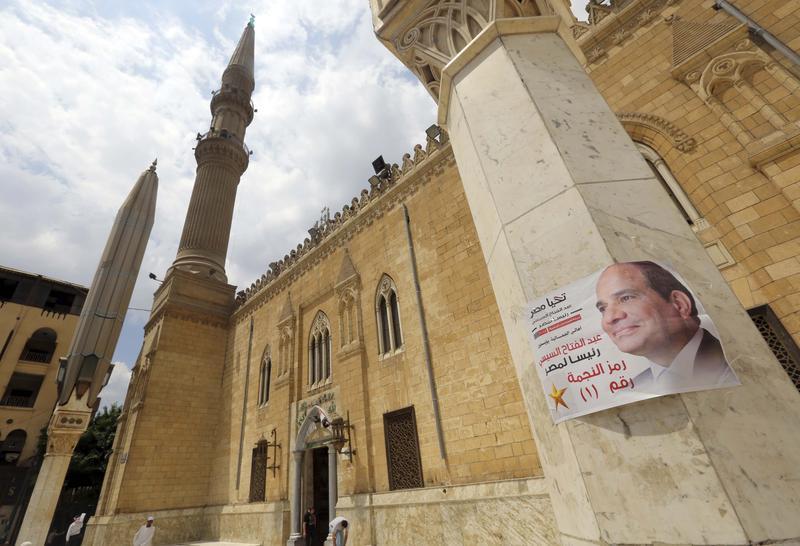
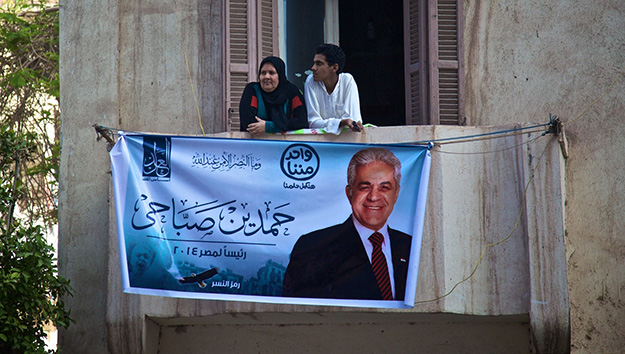
Egyptian presidential elections underdog Hamdeen Sabbahi achieved the impossible: he came in third in a two-horse race. The 60-year-old leftist politician and sole rival to the country’s ex-army chief Abdul-Fattah el-Sisi secured just under 757,000 votes in the preliminary count as opposed to Sisi’s more than 23 million votes—as well as to the votes of a last-minute unexpected entrant: the spoiled ballot.
Egyptians have headed to the polls to elect a president for the second time since the January 2011 revolution. Field Marshal Abdul-Fattah el-Sisi is expected to win by a wide margin over the only other contender, leftist politician Hamdeen Sabahi. The magnitude of that victory, however, will have an important impact on Sisi’s electoral mandate, and many questions remain about what he plans to do with it once in power.
The Egyptian Military’s Economic Channels of Influence
Egypt’s new constitution grants the country’s generals greater autonomy and an increased formal political role. The draft authorizes military trials for civilians (Article 204) and ensures that the military’s budget be beyond civilian scrutiny. The most significant change is that the Supreme Council of the Armed Forces (SCAF) will have the final say in choosing or dismissing the defense minister for two presidential terms (Article 234).
Civilianizing the State: Reflections on the Egyptian Conundrum
The military, though it has been the most powerful and influential actor during Egypt’s transition since 2011, is not the great deus ex machina of the Egyptian system. Rather, it is an actor that, since the fall of Mubarak, has managed to maintain some organizational coherence and legitimacy and has served as the convener for various and changing forces that are the crux of a new ruling coalition. Consequently, civilianizing the Egyptian state will require that security sector reforms be embedded in a broader set of political reforms.
Five Arab Elections in Search of a Democratic Transition
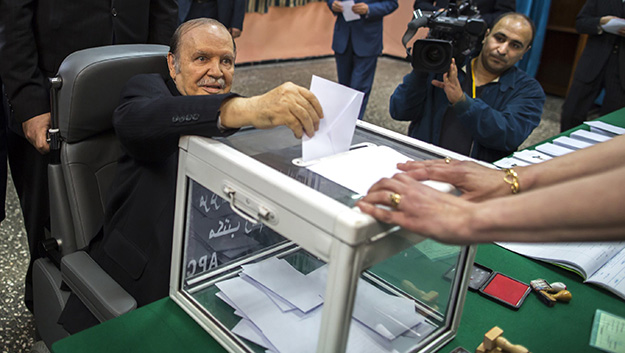
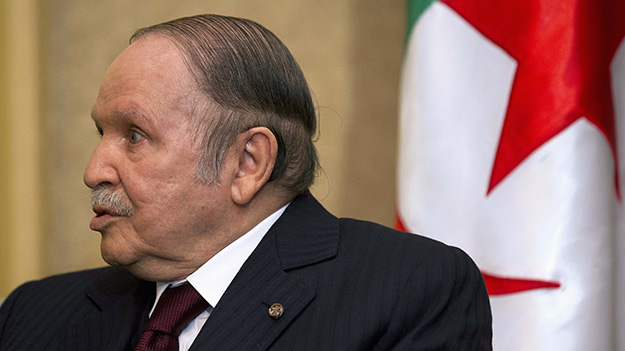
Algerian President Abdelaziz Bouteflika casts his ballot on April 17.
In the current two months between mid-April and early June, five Arab countries—Algeria, Lebanon, Iraq, Egypt, and even war-torn Syria—are holding key elections, with little sign that any is moving in the direction of meaningful democratic transition.
Egypt and Subsidies: A Country Living Beyond Its Means
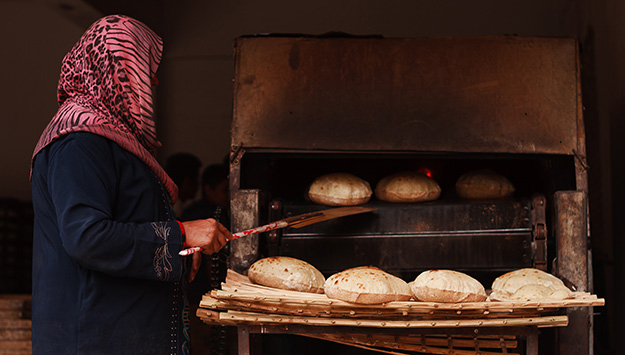
Since Egypt’s 2011 revolution, the country’s economy has been suffering, with almost all economic indicators pointing to a deteriorating situation—and this despite the unprecedented support of some of the Arab Gulf countries. Subsidies, which have always represented the social contract between the governing regime and the population, are a major problem. Though reforming subsidies has consistently been a concern, no regime over the last 60 years has been able to implement serious measures. Rather, a piecemeal approach has been used when adjustments to the subsidies system became urgent.
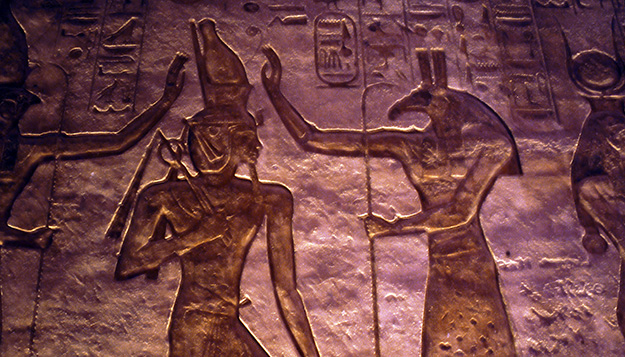
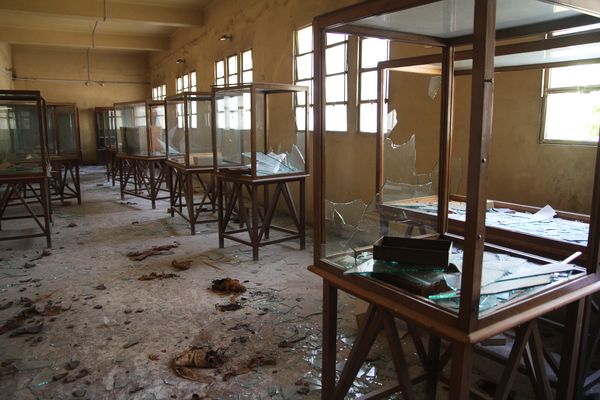
Shortly after the onset of the Egyptian revolution in January 2011, the police and many of the associated security forces abandoned their posts, creating a vacuum that has had a devastating effect on Egypt’s antiquities. With great alacrity, villagers who lived near historic sites started appropriating land, while others with more nefarious intentions, such as tomb robbers and organized mafias, began the process of plundering.
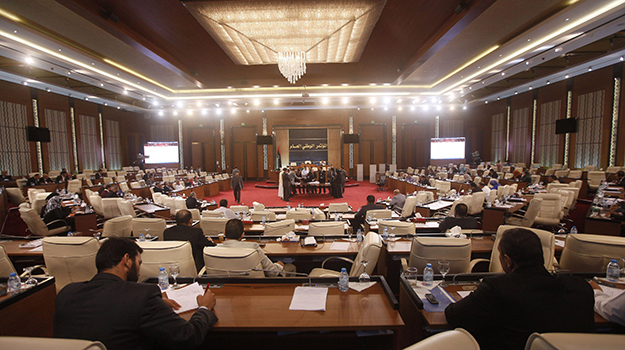
Libya’s road to democracy is shaky at best. Security is deteriorating, with targeted killings, criminal attacks, and bombings on the rise and clashes between rival armed groups—some apparently with government legitimacy and others not—growing more frequent. While these negative trends put tremendous pressure on the transition, Libya’s political process, albeit fickle, manages to keep moving. The efforts at institution building in Libya present a nuanced landscape: for every step forward in one aspect, there are steps backward in others.
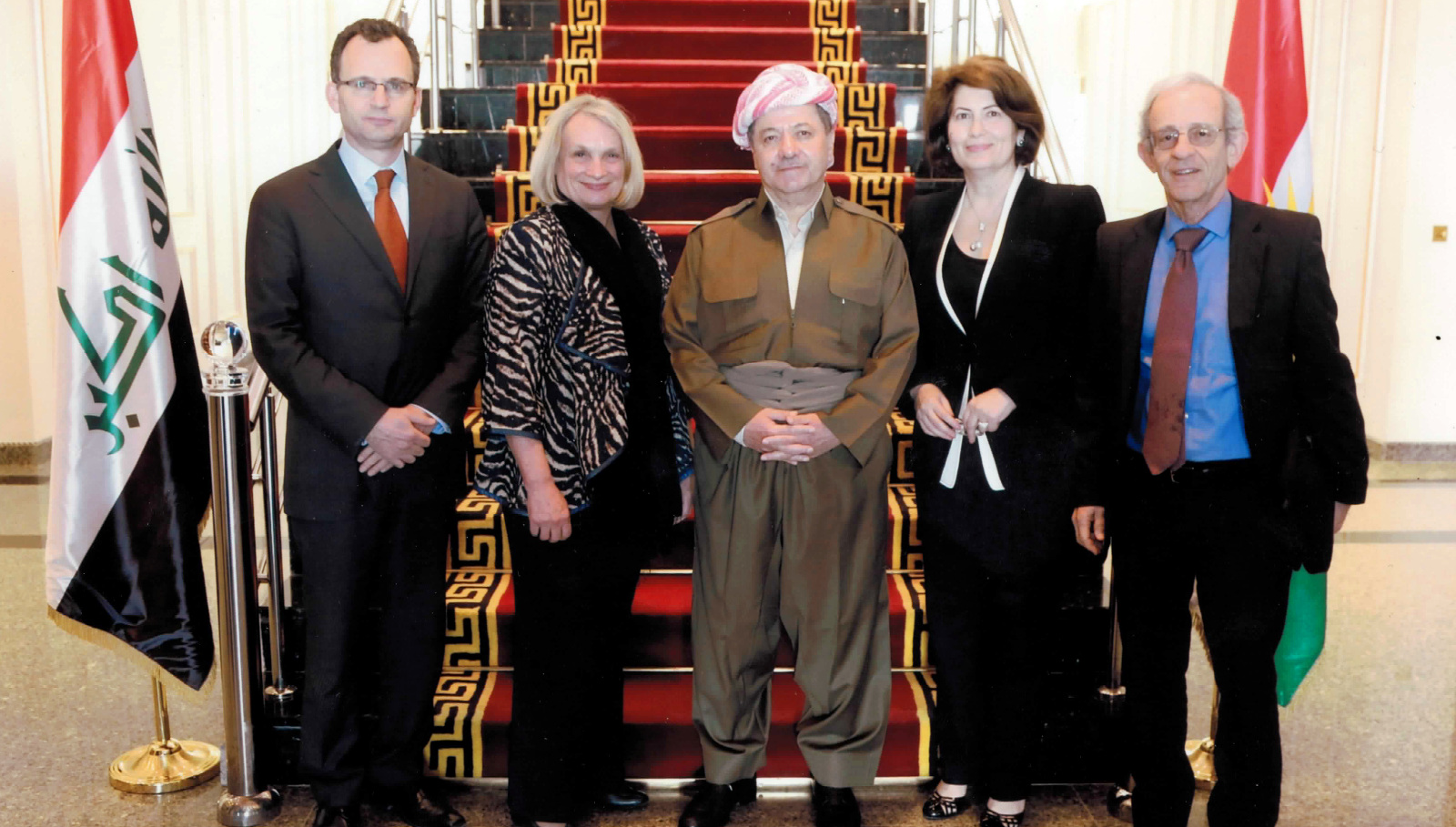
The Middle East Dialogue is a regional Track II forum that meets twice a year and brings together current and former officials and senior experts from the Middle East, the United States, Russia, China, and the EU to discuss emerging political & security trends in the region. What follows is a report from the latest meeting of the Dialogue in Erbil, Iraq, on March 30-31, 2014, led by MEI’s Director of Track II Dialogues Randa Slim and VP for Policy and Research Paul Salem.
As in many other authoritarian regimes in the region, the Algerian elections are not meant to facilitate a change of leadership through voting, but are merely a vehicle to give some token electoral “legitimacy” to the regime’s candidate. Disqualification of opposition candidates, administrative and financial hindrances, backroom deals, and political cooptation, as well as media control and poll fixing, have been the most common electoral tropes in Algeria since the mid-1990s.
تُعد المجلة الرئيسية لمعهد الشرق الأوسط أقدم مطبوعة محكّمة مكرّسة لدراسة الشرق الأوسط الحديث، وتغطي المجلة الرئيسية في المعهد السياسة والمجتمع والثقافة في المنطقة.