تمت ترجمة هذا النص بواسطة الذكاء الاصطناعي وقد يحتوي على أخطاء.
تخطي إلى المحتوى
Food Security in a Hotter, Drier North Africa
  • Podcast
  • Food Security in a Hotter, Drier North Africa

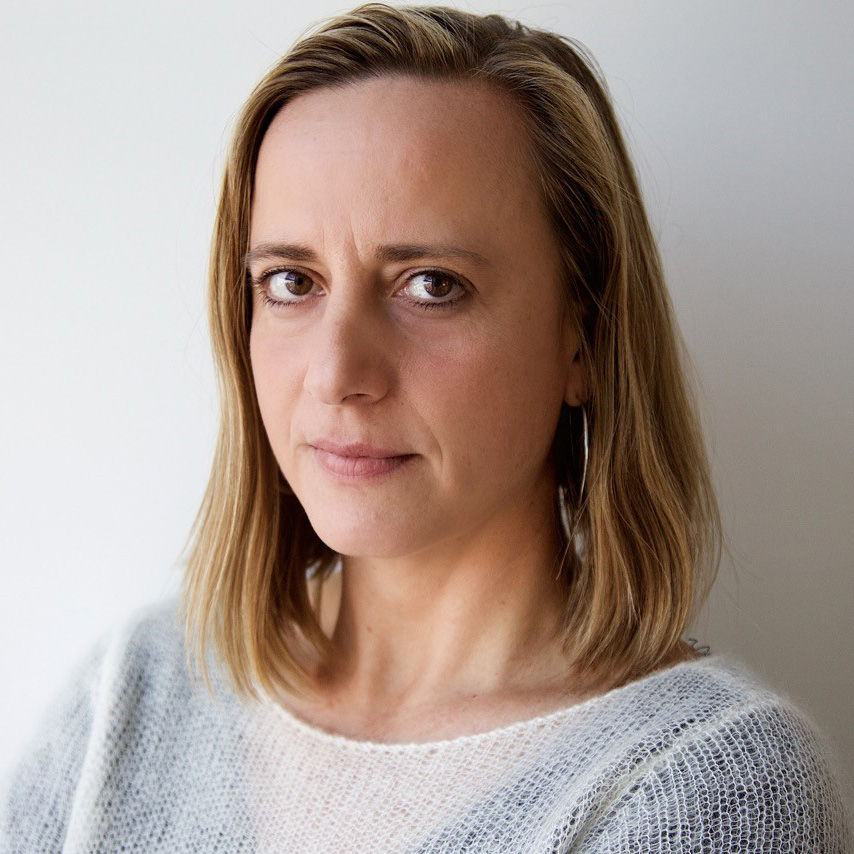
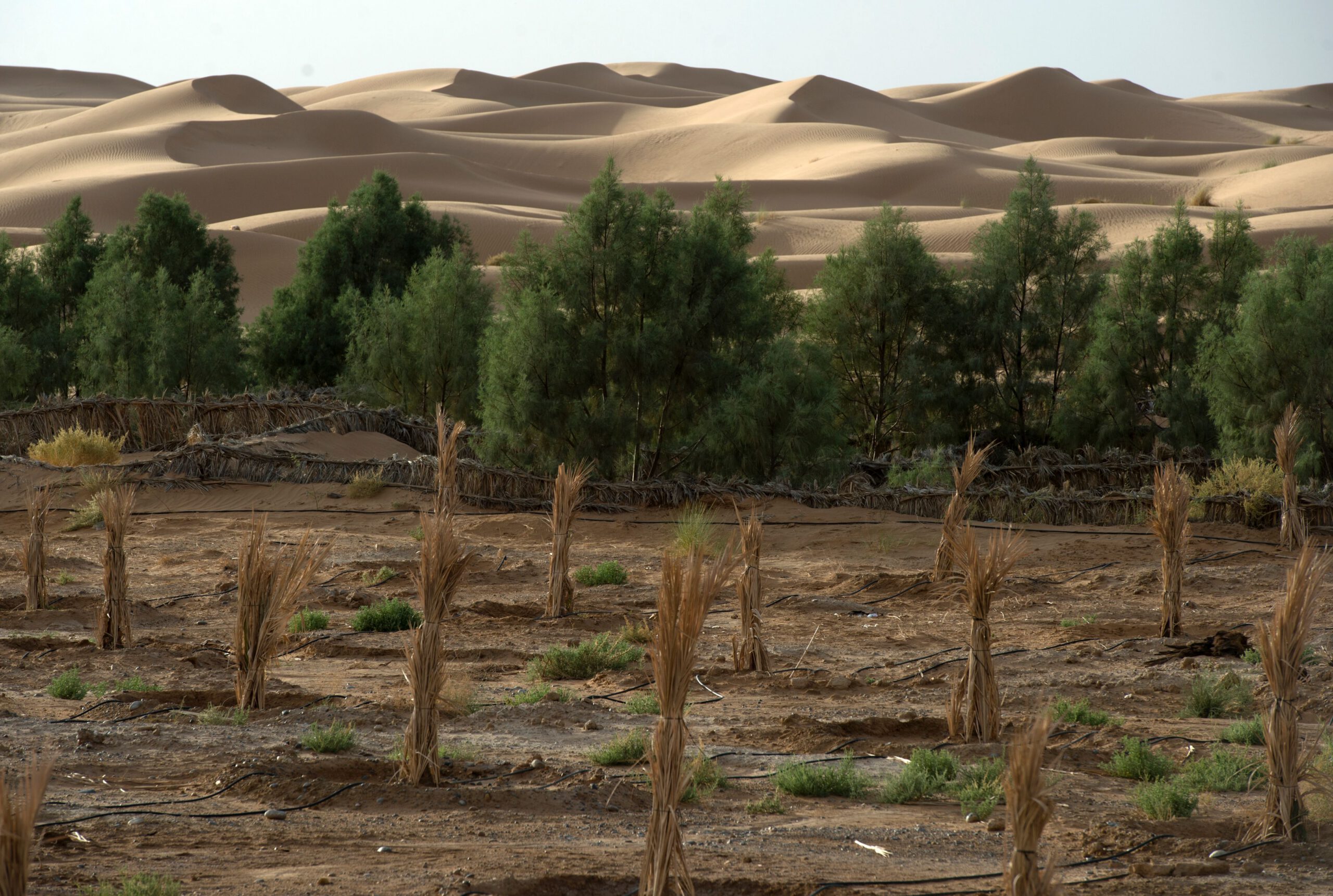
    This summer, brutally hot temperatures, deepening water scarcity, and spiking fertilizer costs have put North Africa’s agricultural sector under intense pressure. Host Alistair Taylor is joined by Mohammed Mahmoud, CEO and founder of the Climate and Water Initiative and lead for Middle East Climate and Water Policy at the United Nations University Institute for Water, Environment, and Health, to unpack the region’s food and water security challenges. Drawing on Mahmoud’s new report card on agricultural sustainability in North Africa, they explore the diverging picture across the region, why some countries have weathered the strain better than others, and what it will take to build a more resilient and secure food system.

    July 23, 2026

    Outlook for Sustainable Agriculture in North Africa: Report Card Assessment
  • Report
  • Outlook for Sustainable Agriculture in North Africa: Report Card Assessment

    This report assesses the future sustainability of agriculture across North Africa using a multidimensional approach that considers the dynamics of water, climate, land, and economics. To enable this assessment of sustainable agriculture across the region, the author evaluates water resources reliability, water use efficiency, agricultural land sustainability, and the food sector economy for Egypt, Sudan, Libya, Tunisia, Algeria, Morocco, and Mauritania, and provides recommendations for action.

    June 22, 2026

    The Human Cost of the Strait of Hormuz Closure
  • Podcast
  • The Human Cost of the Strait of Hormuz Closure

    When the Strait of Hormuz closed in March, fertilizer prices spiked within weeks, triggering a food security crisis across North Africa and the Sahel. Host Alistair Taylor is joined by MEI Senior Fellow Intissar Fakir to explore what it means for the region, unpack the link between food security and regional stability, and assess how the strait’s reopening could impact those affected.

    June 18, 2026

    الخبراء البارزون

    المشاريع

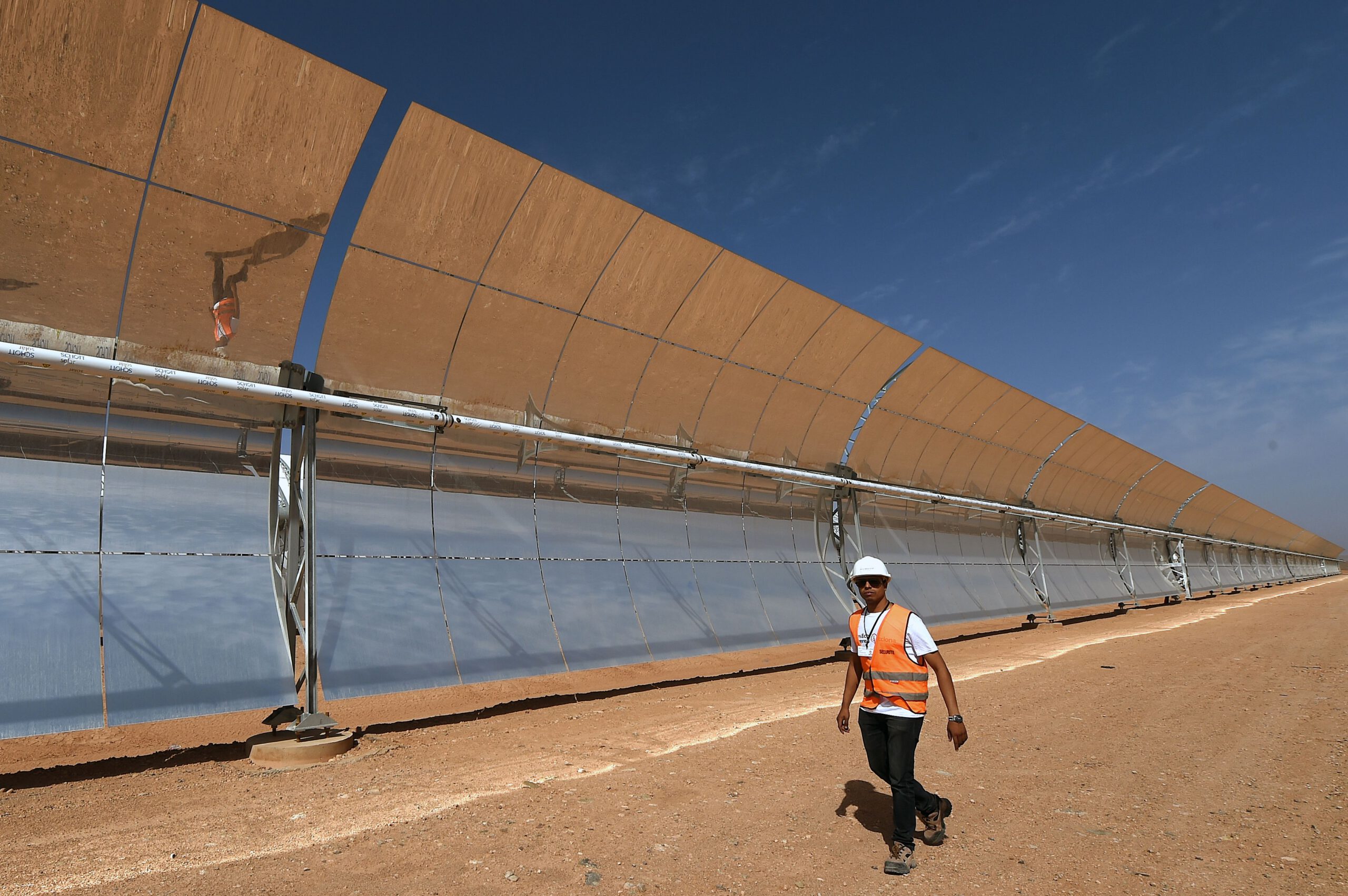
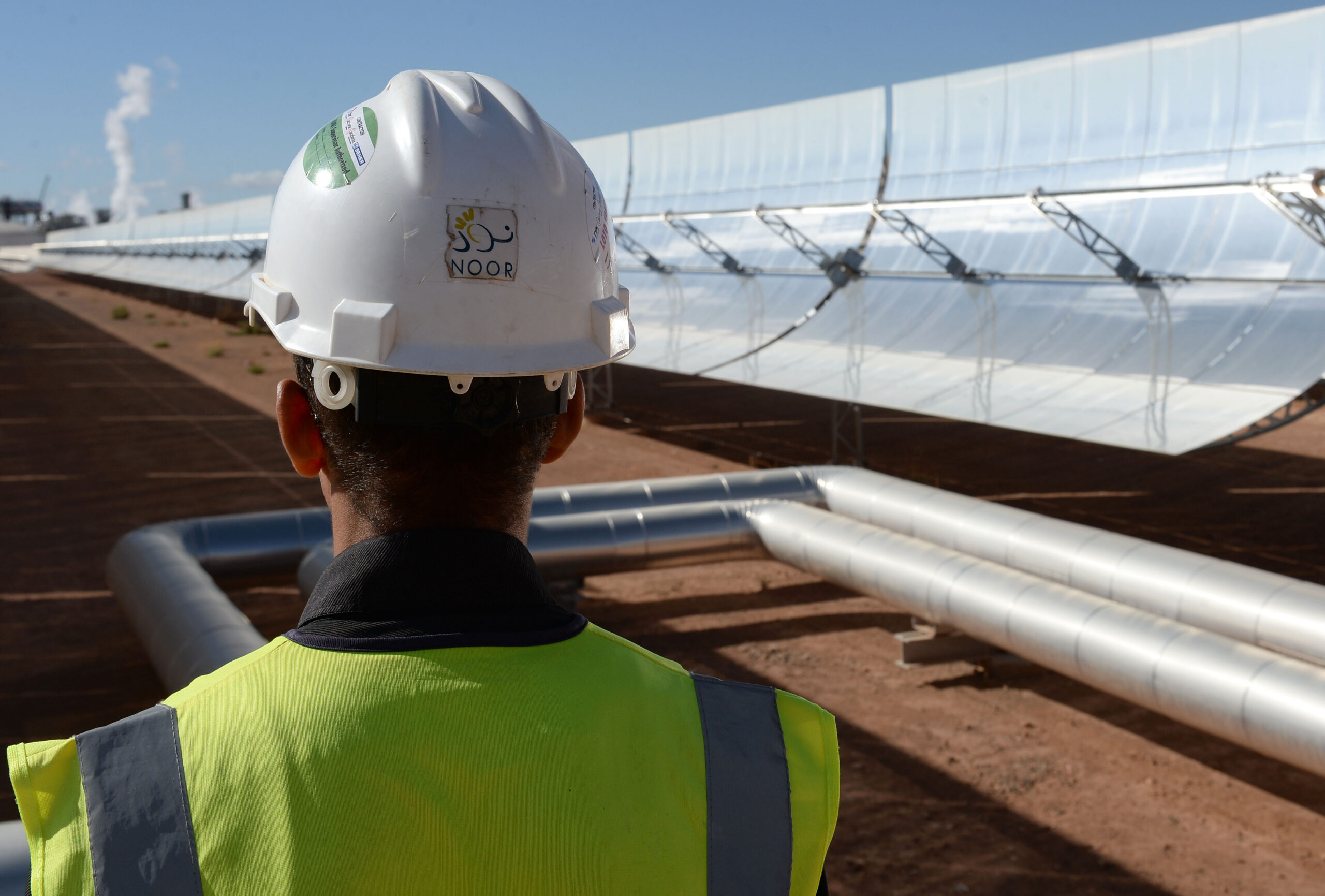
    تحول القوة في شمال أفريقيا: تطوير الطاقة المتجددة وأمن الطاقة

    دور الشركات المتوسطة الحجم في تعزيز النمو في عملية التحول إلى الطاقة النظيفة في منطقة الشرق الأوسط وشمال أفريقيا

    تصفية حسب
    1564 Results
    Securing Egypt's Future: Afternoon Session

    Securing Egypt's Future: Afternoon Session

    September 13 – January 1, 1970, September 13 - 1:30 PM – 12:00 AM
    January 1 - 1:30 PM – 12:00 AM

    Four Seasons , 2800 Pennsylvania Ave NW, Washington, District of Columbia 20007

    Securing Egypt's Future: Morning Session

    Securing Egypt's Future: Morning Session

    September 13 – January 1, 1970, September 13 - 9:00 AM – 12:00 AM
    January 1 - 9:00 AM – 12:00 AM

    Four Seasons, 2800 Pennsylvania Ave NW, Washington, District of Columbia 20007

    Sinai: Tipping Point or Pretext for Ouster?
  • التحليل
  • Sinai: Tipping Point or Pretext for Ouster?

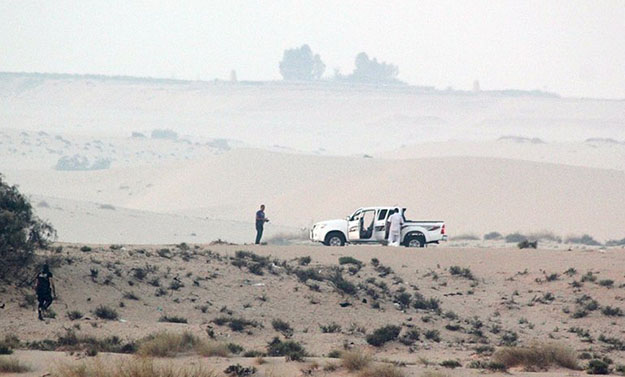
    Much of the analysis on the causes for the military’s ouster of Mohamed Morsi focuses on the Muslim Brotherhood’s performance, or lack thereof, in domestic affairs. Glaringly absent, however, is an examination of the preeminence of Sinai in the military’s decision to intervene in otherwise civilian political disputes between the burgeoning liberal parties and the veteran Muslim Brotherhood and its Islamist allies.

    September 12, 2013

    The Lessons of Benghazi: One Year Later, Never More Urgent
    معهد الشرق الأوسط
  • التحليل
  • The Lessons of Benghazi: One Year Later, Never More Urgent

    The situation in Libya one year after the attack on the U.S. Special Mission in Benghazi on September 11, 2012 is chaotic, dysfunctional and disheartening. It remains not as abjectly horrible as it could be—the General National Congress did this summer finally approve a framework (however imperfect) for electing a constitutional assembly, and UN-backed efforts are under way to create an unofficial dialogue of national reconciliation—but these advances paper over ever-deeper failings, many of which were not inevitable.

    September 10, 2013

    The Lost Land of Egypt
    معهد الشرق الأوسط
  • التحليل
  • The Lost Land of Egypt

    Egyptians call their desert country “the protected” (al-mahrousa) in homage to its longevity and the idiosyncratic features that have consistently saved it from destitution: a geostrategic location, Nile-fed farmland, and a stunning array of in situ antiquities. While much has remained unchanged in Egypt since the 2011 uprising, including the authoritarian nature of its government, alarming quantities of the country’s precious agricultural and archeological land have been vanishing to make way for cheaply-built homes of low-income citizens.

    September 5, 2013

    Support for el-Sisi: What’s in it for al-Saud?
  • التحليل
  • Support for el-Sisi: What’s in it for al-Saud?

    When King Abdullah of Saudi Arabia and his foreign minister, Prince Saud al-Faisal, issued unequivocal pledges of support for Egypt’s military government and its crackdown on the Muslim Brotherhood, their move was widely depicted in the news media as a logical extension of the kingdom’s opposition to revolutionary movements in the Arab world. This simplistic view overlooks the fact that Saudi Arabia has responded differently to different uprisings—it supports the rebels in Syria, helped to crush them in Bahrain—and that aligning itself with Egypt’s new rulers could be a risky strategy.

    September 3, 2013

    Egypt: Reconciliation Or Repression?
  • التحليل
  • Egypt: Reconciliation Or Repression?

    This article first appeared in Al-Monitor.

    The ongoing confrontation between Egypt’s military and the Muslim Brotherhood has left the country in deep disarray.

    August 30, 2013

    A Conversation with Amb. Raouf Adly Saad
  • Video
  • A Conversation with Amb. Raouf Adly Saad

    The Middle East Institute is pleased to welcome H.E. Ambassador Raouf Adly Saad, former special envoy to Africa of the interim president of Egypt, for a conversation about Egypt’s political transition and future. In light of Egypt’s many challenges, Ambassador Saad will discuss the transitional government’s goals and priorities and offer his insights about how to get Egypt on a path toward economic stability and democracy.

    August 28, 2013

    How the US Can Use Aid to Nudge Egypt
    معهد الشرق الأوسط
  • التحليل
  • How the US Can Use Aid to Nudge Egypt

    This article originally appeared in The Christian Science Monitor

    The American relationship with Egypt needs to change if Washington wants to have substantive influence in Cairo. America’s recent strategy in Egypt has been focused on buying Egyptian compliance through military and economic aid, but it seems to have had little effect.

    August 27, 2013

    Reasons to Be Optimistic About Egypt
    معهد الشرق الأوسط
  • التحليل
  • Reasons to Be Optimistic About Egypt

    With the dual announcement this week of the completion of a preliminary constitutional draft by a ten-member committee of experts, in addition to appointments to the quasi-governmental National Council on Human Rights, Egyptians finally have reason to be cautiously optimistic.

    August 23, 2013

    A Conversation with Amb. Raouf Adly Saad
    معهد الشرق الأوسط
  • Podcast
  • A Conversation with Amb. Raouf Adly Saad

    Wed, 8/14/2013 12:00 pm to 1:00 pm The Middle East Institute is pleased to welcome H.E. Ambassador Raouf Adly Saad, former special envoy to Africa of the interim president of Egypt, for a conversation about Egypt’s political transition and future.  In light of Egypt’s many challenges, Ambassador Saad will discuss the transitional government’s goals and priorities and offer his insights about how to get Egypt  on a path toward economic stability and democracy.Bios:H.E. Ambassador Raouf Adly Saad served as the special envoy to Africa for Interim Egyptian President Adly Mansour.

    August 21, 2013

    A Conversation with Amb. Raouf Adly Saad
    معهد الشرق الأوسط
  • Podcast
  • A Conversation with Amb. Raouf Adly Saad

    Wed, 8/14/2013 12:00 pm to 1:00 pm The Middle East Institute is pleased to welcome H.E. Ambassador Raouf Adly Saad, former special envoy to Africa of the interim president of Egypt, for a conversation about Egypt’s political transition and future.  In light of Egypt’s many challenges, Ambassador Saad will discuss the transitional government’s goals and priorities and offer his insights about how to get Egypt  on a path toward economic stability and democracy.Bios:H.E. Ambassador Raouf Adly Saad served as the special envoy to Africa for Interim Egyptian President Adly Mansour.

    August 21, 2013

    A Conversation with Amb. Raouf Adly Saad
    معهد الشرق الأوسط
  • Podcast
  • A Conversation with Amb. Raouf Adly Saad

    Wed, 8/14/2013 12:00 pm to 1:00 pm The Middle East Institute is pleased to welcome H.E. Ambassador Raouf Adly Saad, former special envoy to Africa of the interim president of Egypt, for a conversation about Egypt’s political transition and future.  In light of Egypt’s many challenges, Ambassador Saad will discuss the transitional government’s goals and priorities and offer his insights about how to get Egypt  on a path toward economic stability and democracy.Bios:H.E. Ambassador Raouf Adly Saad served as the special envoy to Africa for Interim Egyptian President Adly Mansour.

    August 21, 2013

    اقرأ مجلة الشرق الأوسط

    تُعد المجلة الرئيسية لمعهد الشرق الأوسط أقدم مطبوعة محكّمة مكرّسة لدراسة الشرق الأوسط الحديث، وتغطي المجلة الرئيسية في المعهد السياسة والمجتمع والثقافة في المنطقة.