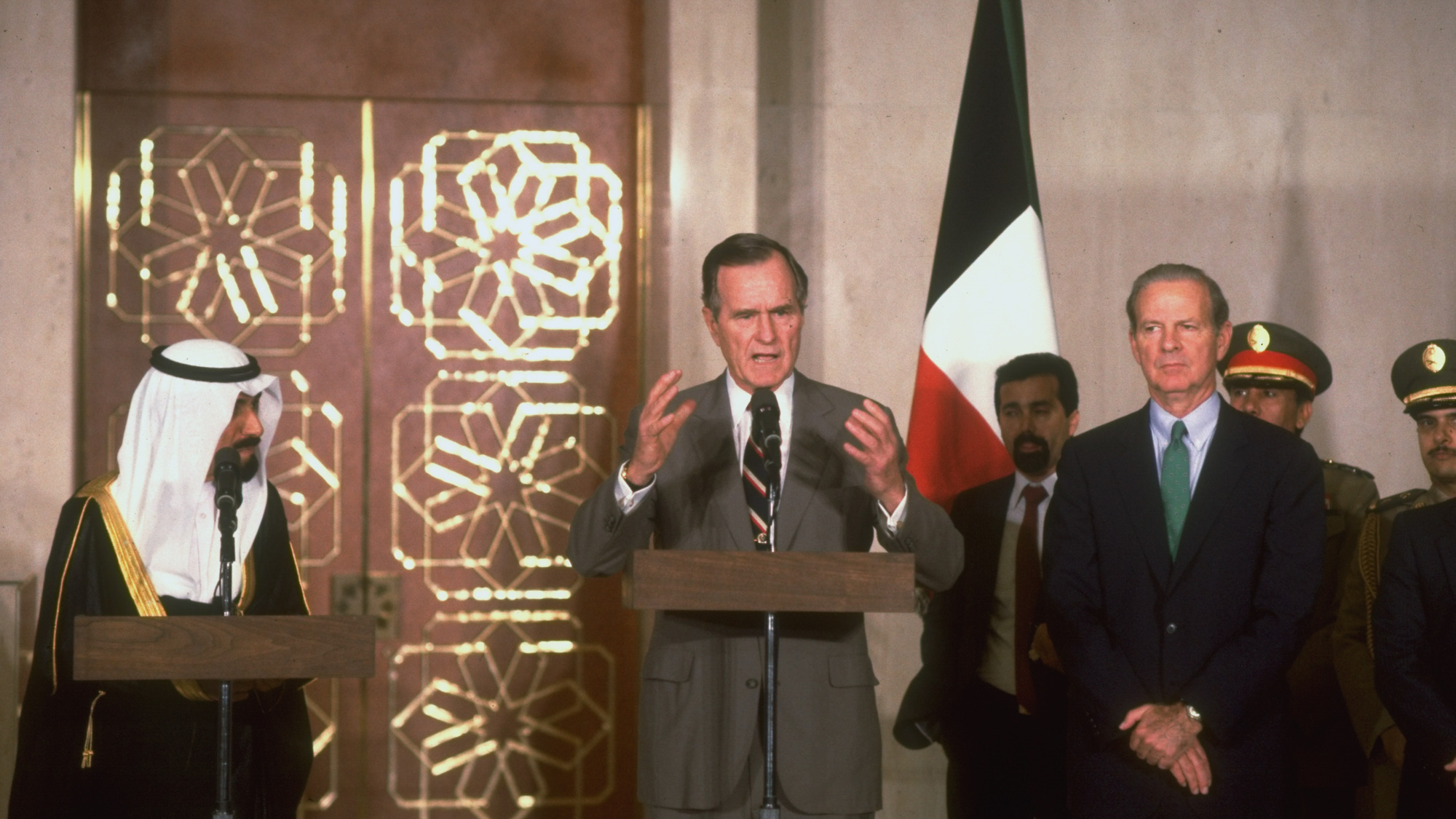
In his new book, Steve Coll casts doubt on whether Iraqi intelligence had actually tried to assassinate former President George H. W. Bush in Kuwait in April 1993. If the Kuwait plot were a fabrication, it would fit yet another brick in the wall of many well documented falsehoods and misunderstandings that led to the US invasion. Unfortunately for that allegation, the plot was very likely to have been quite real.
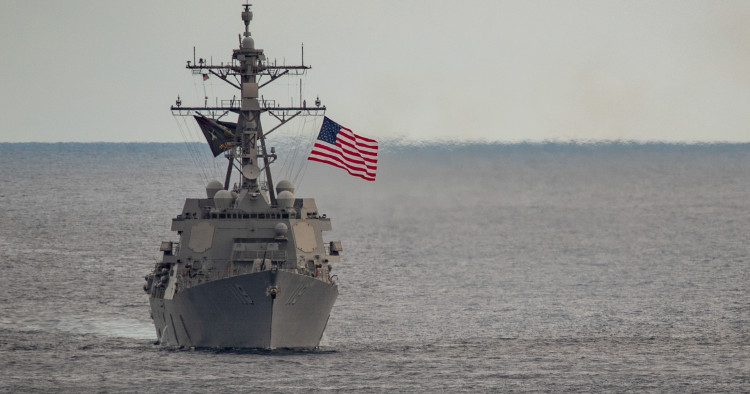
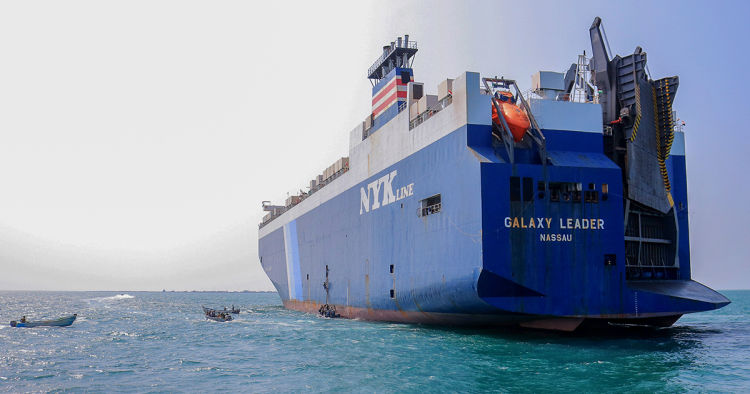
The recent Houthi attacks on commercial shipping in the Red Sea have highlighted the critical importance of US Naval force presence in the Middle East.
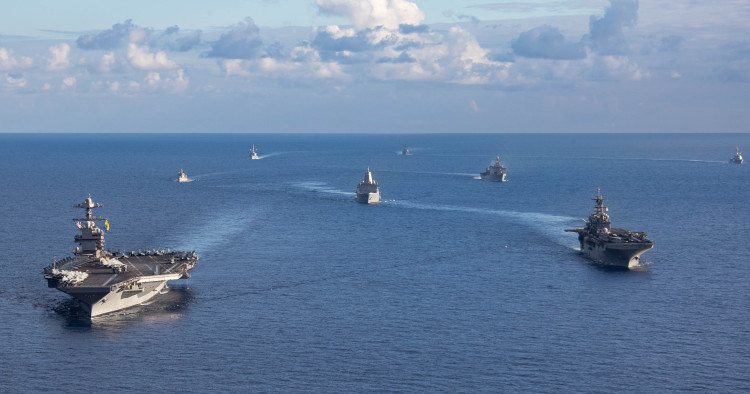
When the decades’ long commitment of US ground troops to Afghanistan ended with the debacle of a withdrawal in 2021, the headquarters of the US Navy’s Fifth Fleet in Bahrain once again became the anchor to US regional presence and the core protector of national interests in the region.
Egypt’s Economy: Missed Opportunities and Flawed Priorities
For the past several decades, successive Egyptian governments have practised the economic equivalent of riding a skateboard without a helmet; risky but manageable in the short run as long as one doesn’t encounter any obstacles. However, the inevitable has happened. Egypt’s economy smashed into not one, but two, major obstacles; a pandemic, which it just managed to stagger away from (World Bank, 2021), followed by the full-scale Russian invasion of Ukraine.
Why Gulf Arab states are not intervening in the Red Sea
As Yemen’s Ansarullah movement—better known as the Houthis—steps up attacks on commercial vessels in the Red Sea, Gulf Arab states have opted to stay on the sidelines. They have their reasons for not engaging, including security concerns and the fact that their economies have, to a significant extent, remained shielded from the impact of the strikes. More importantly, these countries are bracing for the more serious economic risks they may face in the future.
Elections in the Islamic Republic are highly restricted and engineered to produce the veneer of political representation. And yet, there is significant symbolism around heightened absurdities of holding elections in Iran that the vast opposition to the Islamist rule could have utilized if it had any gameplan.
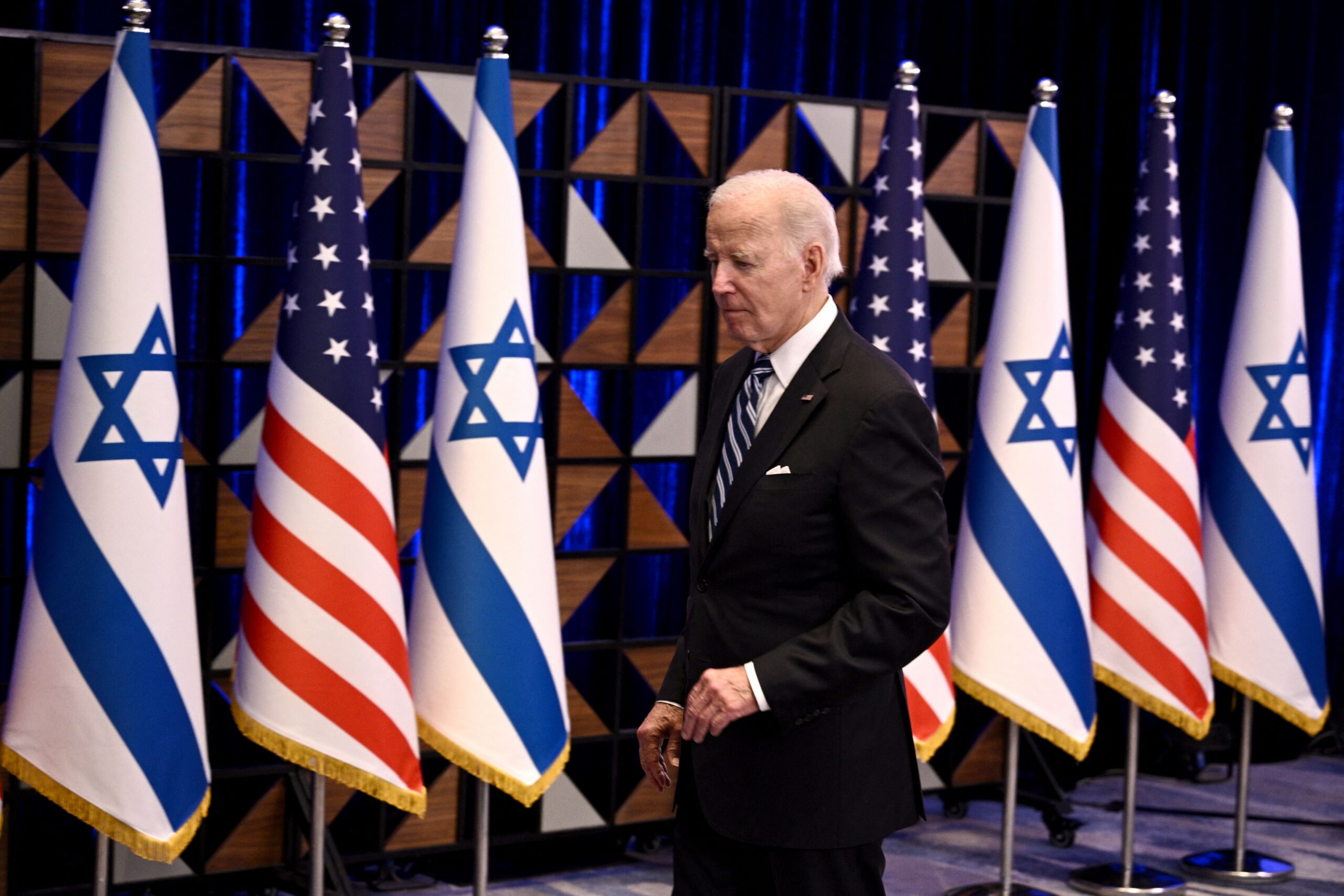
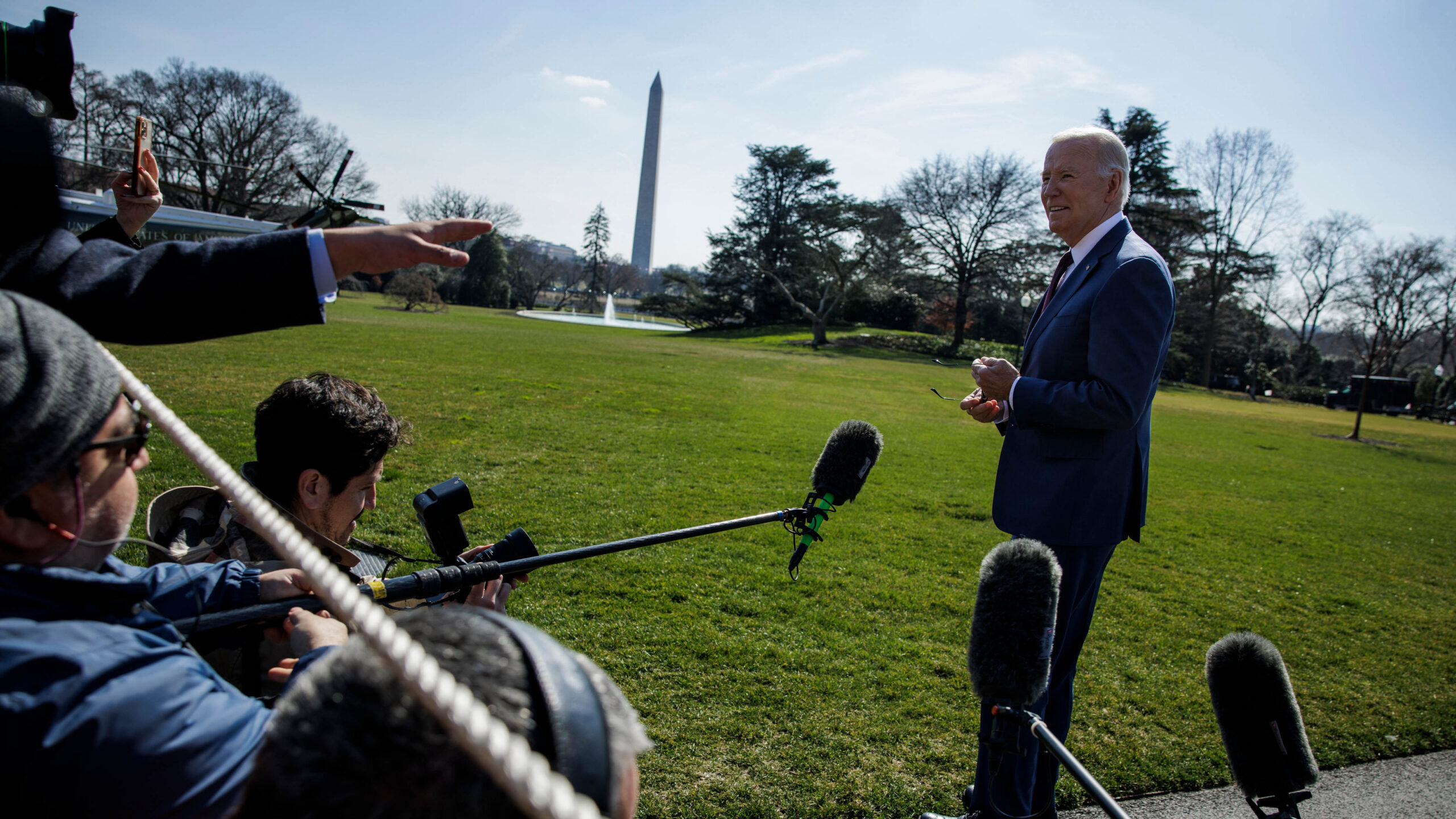
On 13 December 2023, following discussions with Israeli Prime Minister Benjamin Netanyahu on Israel’s military campaign in Gaza, US President Joe Biden rejected congressional calls to stop or condition US military assistance to the Jewish state.
“We’re not going to do a damn thing other than protect Israel in the process. Not a single thing,” he said at the time.
A month earlier, Vice President Kamala Harris said the United States “(was) not going to create any conditions on the support (it) was giving Israel to defend itself.”
Africa-to-Europe value chains: How nearshoring can mitigate Europe’s migration crisis and aid energy transition
Africa-to-Europe value chains in manufacturing and agri-food production can mitigate factors driving current migration patterns by employing Africans in local value-added production and boosting African GDP growth, reorienting Africa-Europe relations towards mutual economic benefit and dignity.
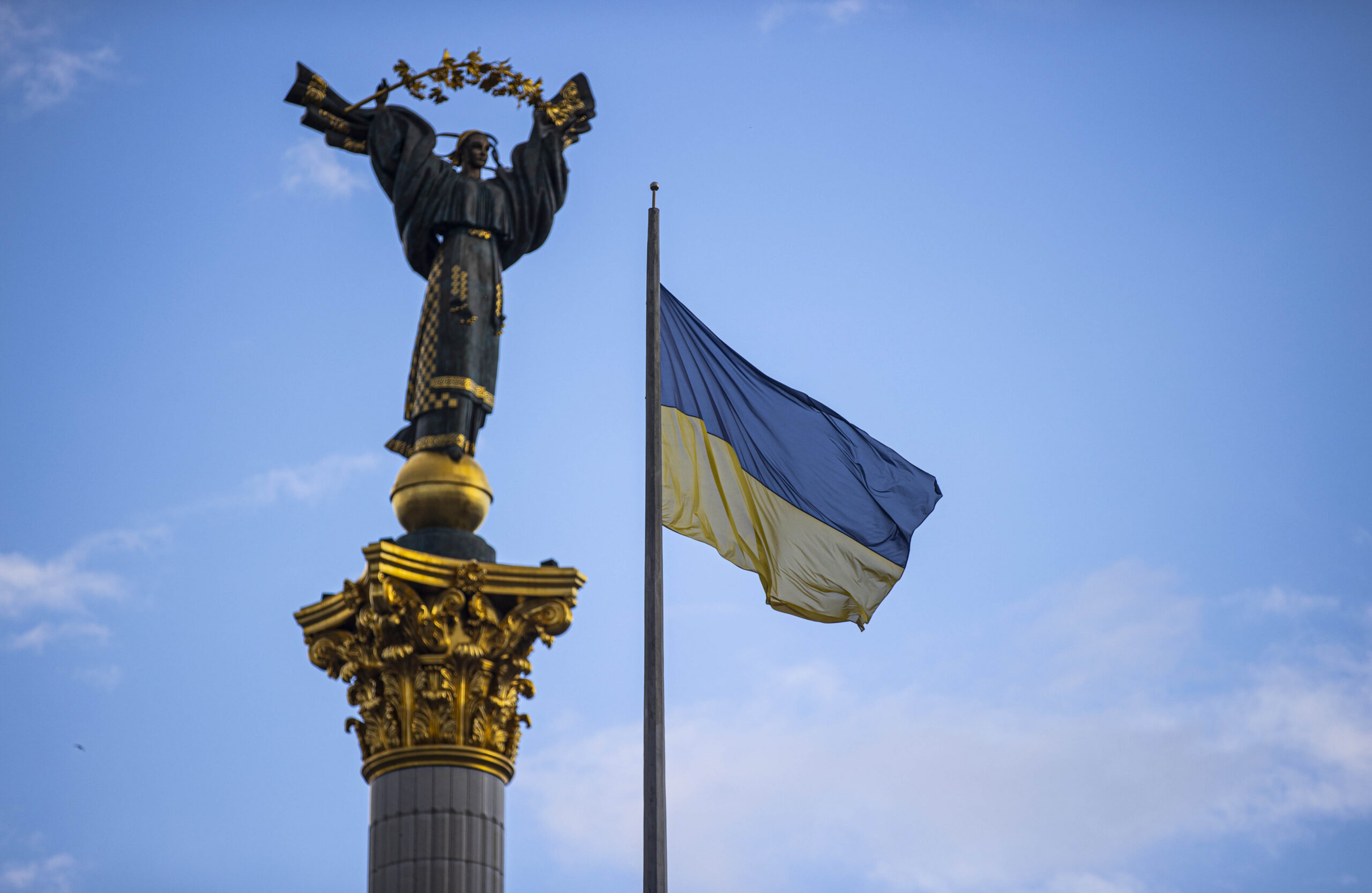
After weeks of inter-party disputes, the US Congress ended the first month of 2024 without agreeing to an additional $61bn military aid package for Ukraine.
The same can be said of the EU, where Hungary blocked a $55bn aid package.
There was no matching uncertainty in the Kremlin. Putin persists, his aim unchanged — the emasculation of an independent and sovereign Ukraine.
What will the rest of 2024 bring? Here are three scenarios.
The Biden administration has largely relied on airstrikes to prevent the Houthis from causing further harm to international maritime trade in the Red Sea and the Gulf of Aden. But as we have seen already, this approach is unlikely to work against an armed group that has survived years of such one-off attacks from above. To effectively degrade the military capacity of the Houthis, a comprehensive and fully-resourced interdiction regime at sea is needed to target their supply lines and deny them the use of various forms of Iranian assistance.