The common understanding of the state of economic integration in the Maghreb is that it is victim to geopolitical rivalries and poor economic management, both of which prevent the region from flourishing to the same extent as other regional blocs. The forgone conclusion is that greater economic integration would generate trade, boost levels of growth and increase the region’s bargaining position.
But as the global debate about nearshoring and the importance of local value chains continues, a renewed look at the appeal of this goal of a more integrated Maghreb is warranted. It is also important to understand the current reality of economic exchanges and the readiness and willingness of Maghreb countries to engage outside of the established geopolitical wisdom about rivalry and tension. This will help assess the viability of such an aspiration, which has diminished over the last few decades as countries have prioritised global integration and multilateral alignment and as domestic agendas have taken on different trajectories.
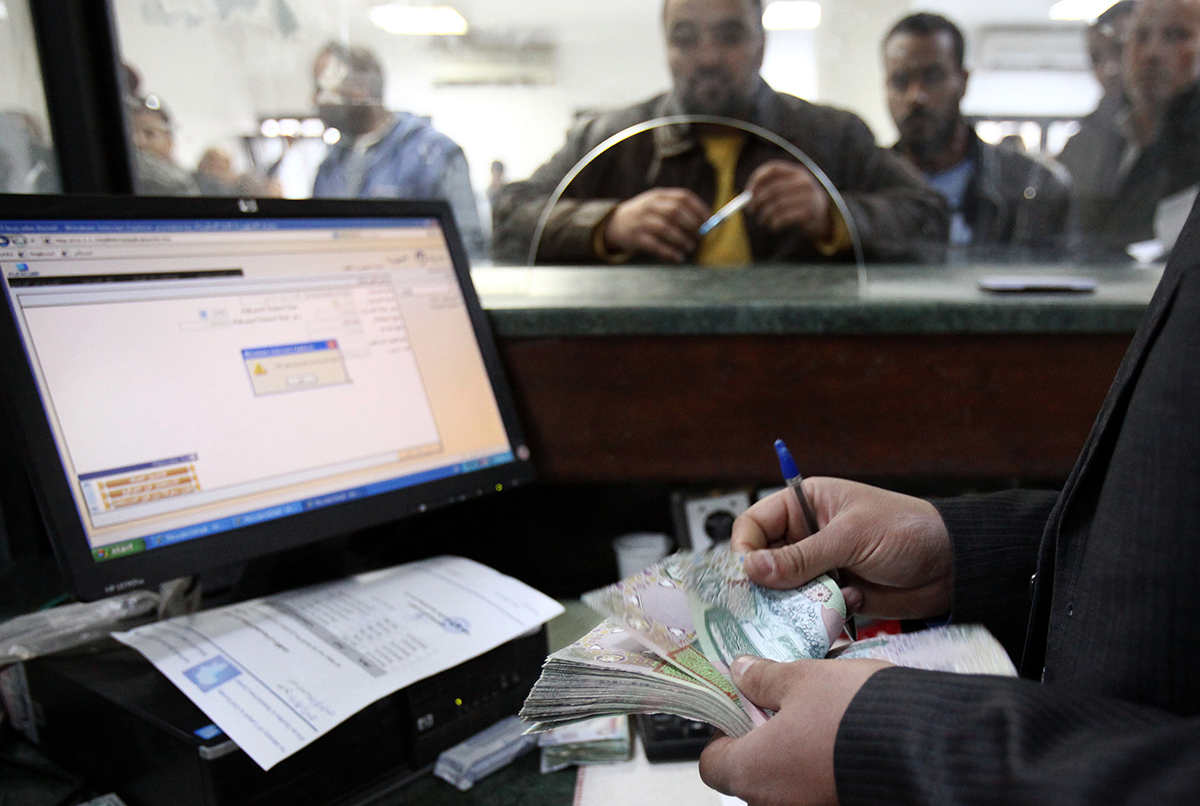
Photo by MAHMUD TURKIA/AFP via Getty Images
The Middle East Institute (MEI) is an independent, non-partisan, not-for-profit, educational organization. It does not engage in advocacy and its scholars’ opinions are their own. MEI welcomes financial donations, but retains sole editorial control over its work and its publications reflect only the authors’ views. For a listing of MEI donors, please click here.