Built For Growth: Energy Storage Systems In The Gulf
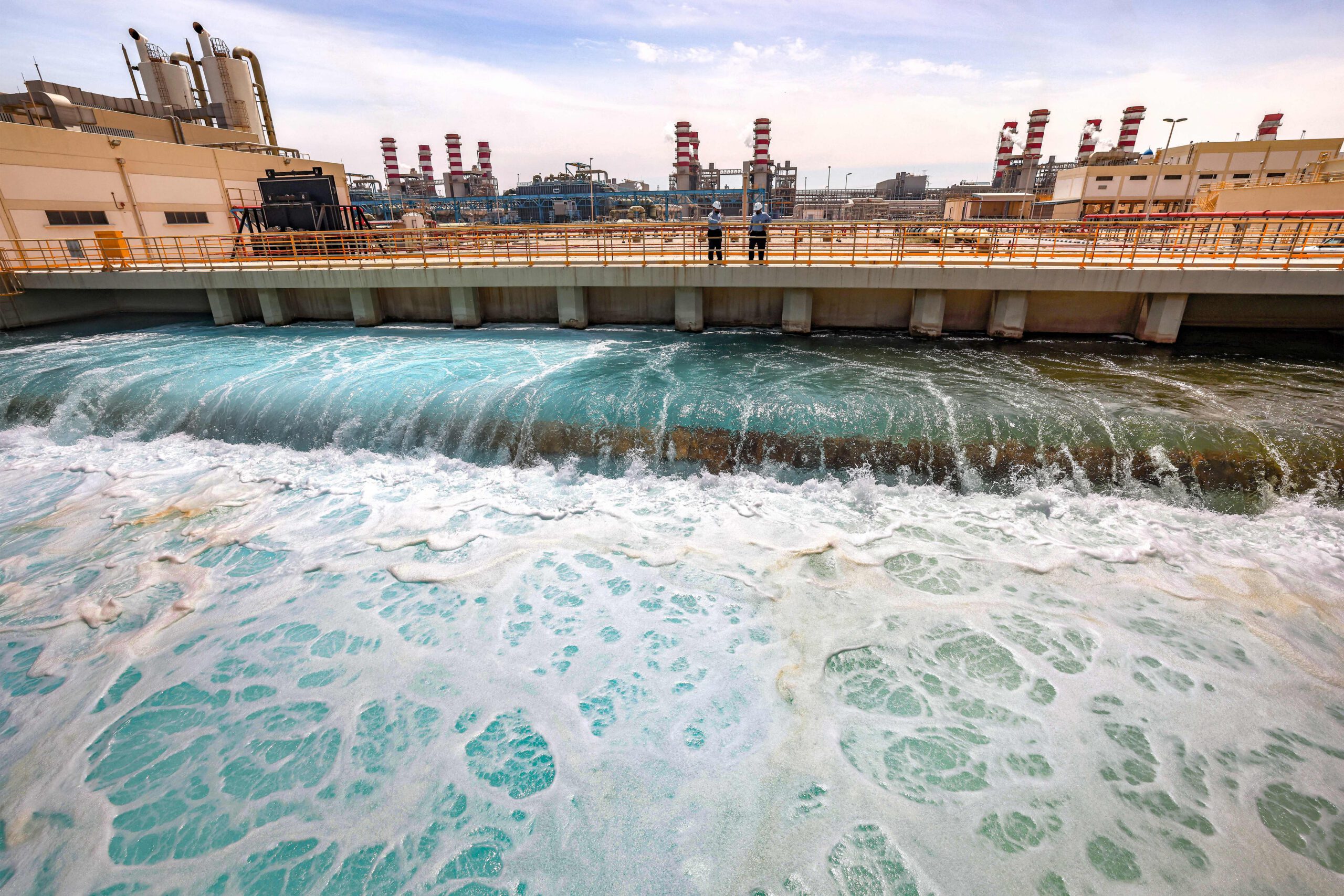
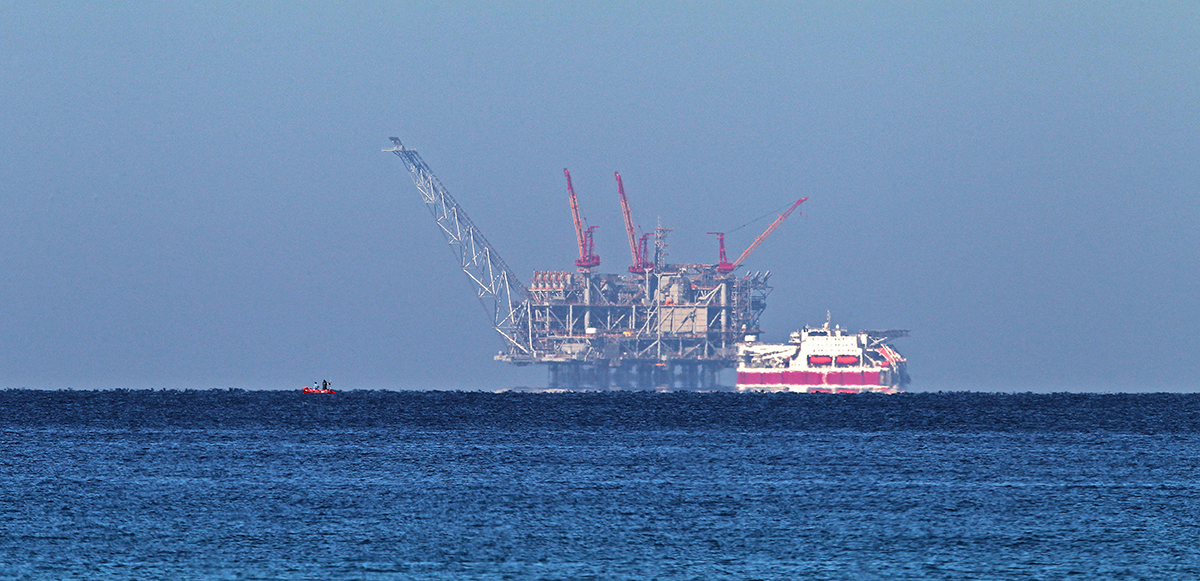
Increasing deployment of large-scale grid-integrated Energy Storage Systems (EES) in Gulf Arab states is being driven by the implementation of renewable energy systems. More and more, variable renewable energies are being integrated into the grid as upgrades to transmission and distribution networks are being deferred. As a result, demand for ESS is likely to grow.
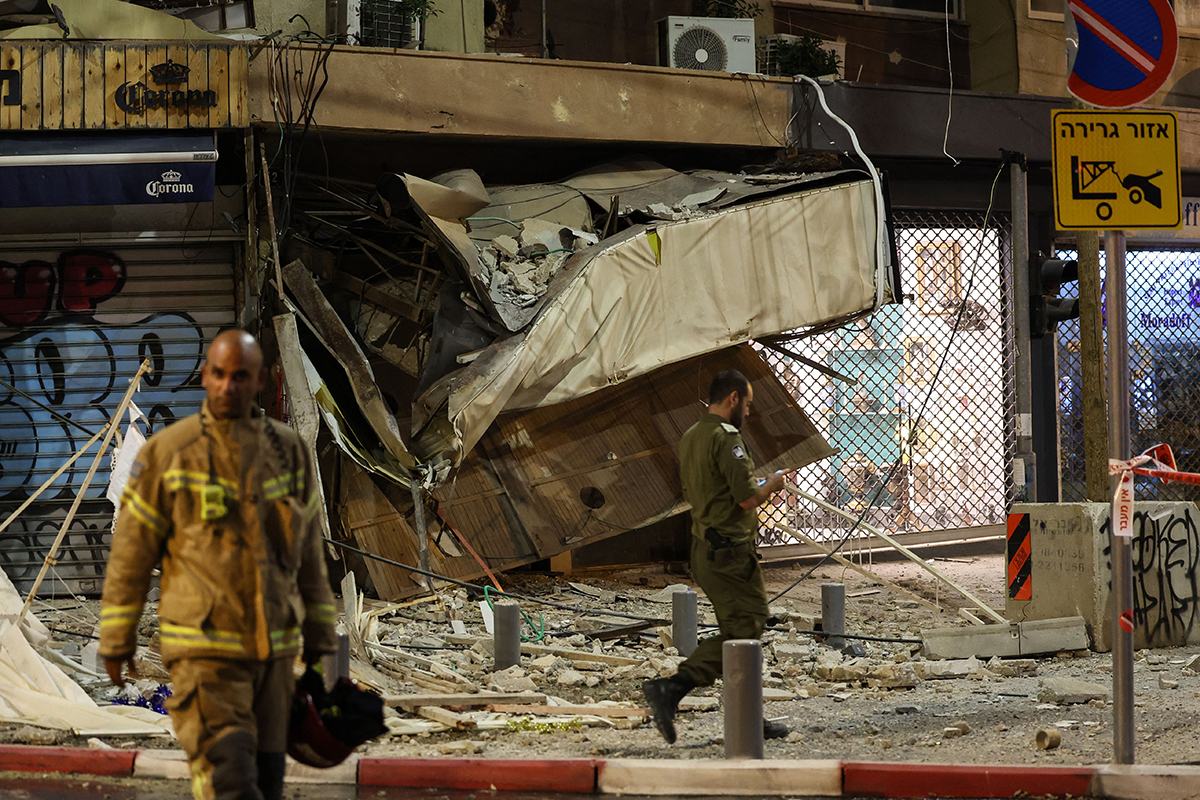
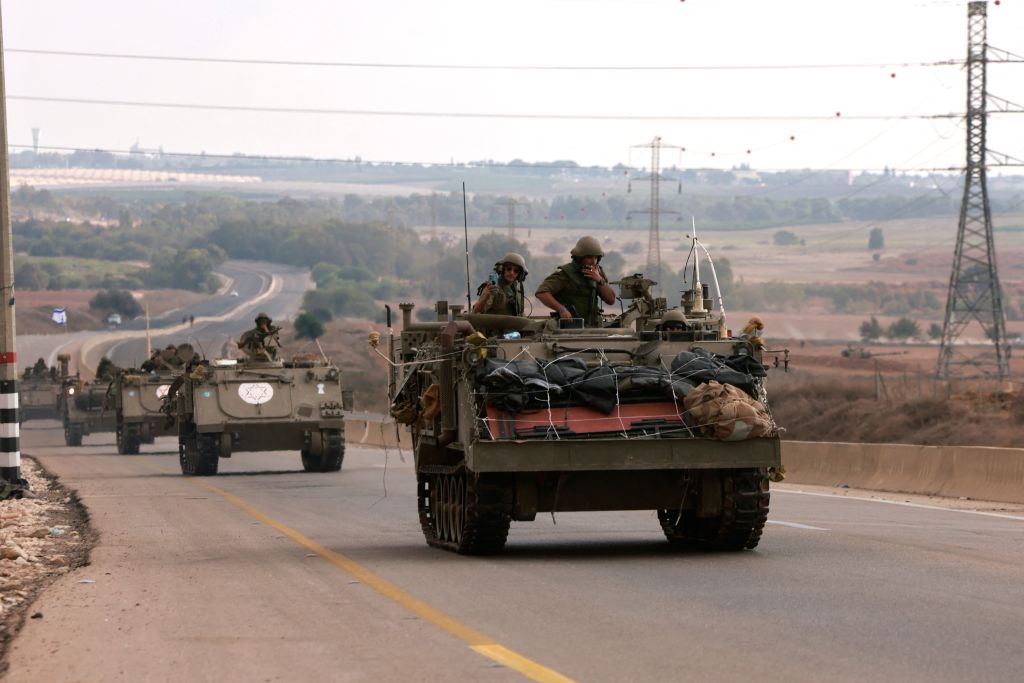
Israel has the capacity to significantly damage Hamas with a ground offensive. But politics will restrain it throughout
There is political logic behind the Israeli government’s declaration that it will ‘wipe Hamas off the Earth’.
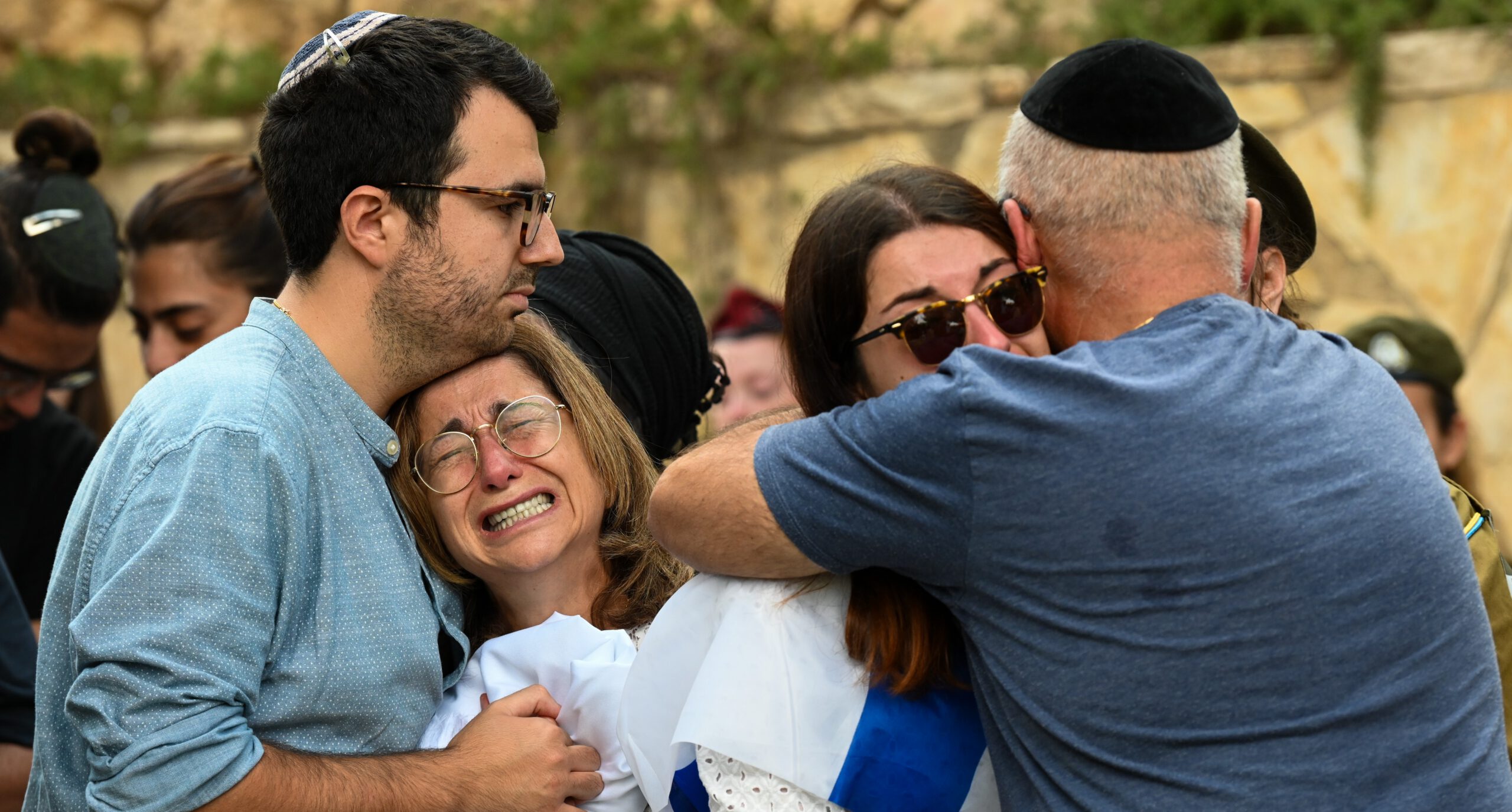
The Israeli public want to see Hamas destroyed once and for all, given the unprecedented mass murder it just committed.
Israeli Prime Minister Benjamin Netanyahu and his colleagues, already under intense pressure for allowing the attack to take place (and for putting Israel in a vulnerable position by pursuing anti-democratic policies) were compelled to make big promises. Their maximalist goals reflect the stakes in their fight for political survival.
From petrostates to green leaders: China and the Gulf's climate commitment
The 28th Conference of the Parties to the UN Framework Convention on Climate Change (COP28) will take place from November 30 to December 12, 2023, at Expo City Dubai in the United Arab Emirates (UAE). COP28 comes at a pivotal moment for international climate action. The findings of the UN “Global Stocktake” on global action to address climate change, released in a Synthesis Report in September, reveal just how far the world is from achieving the Paris Agreement’s goals and emphasize that the window of opportunity is closing.
Bytes and Beltways: Decoding Beijing’s Tech-Centric Geopolitics in the Gulf
As China pursues a grand strategy aimed at displacing the US-led global order, technology has emerged as a fourth pillar alongside the political, military, and economic elements of its plans. A test case is the Arabian Gulf. Since the 2010s, China has been strategically enhancing its influence in West Asia, with a particular focus on the Gulf states, leveraging technology as a potent tool. This approach involves the deployment of Chinese software and hardware, coupled with joint technology and cyber initiatives.
Hezbollah’s calculations on opening a second front against Israel
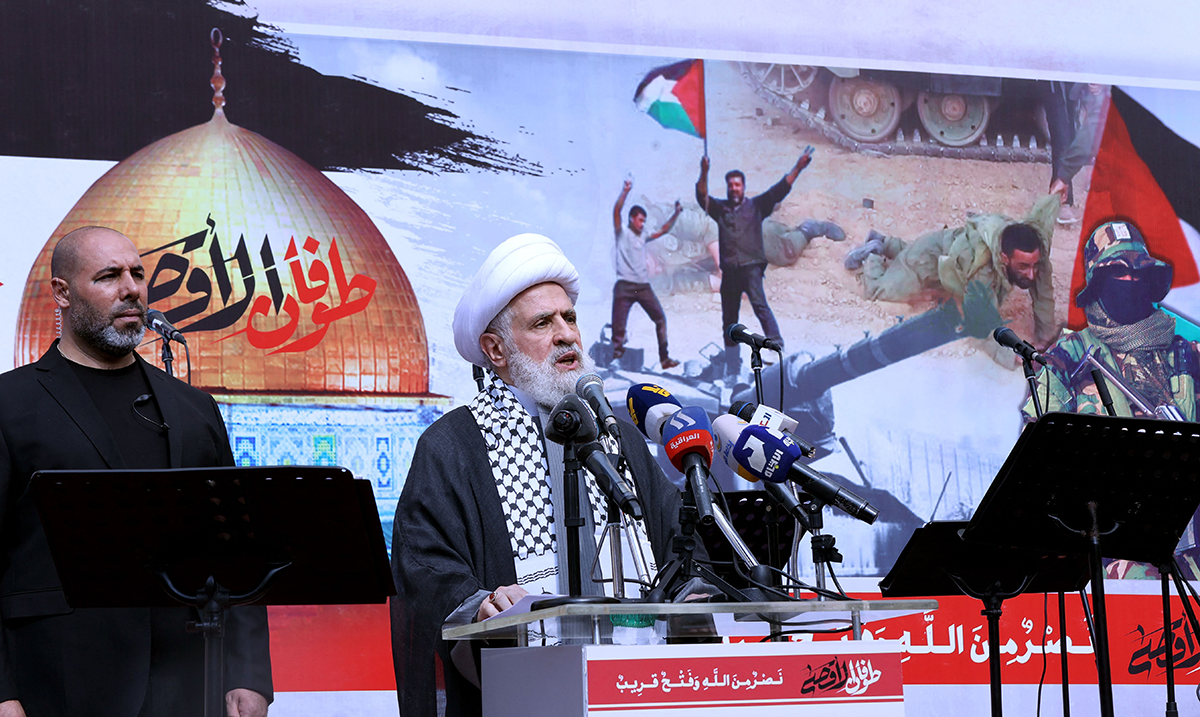
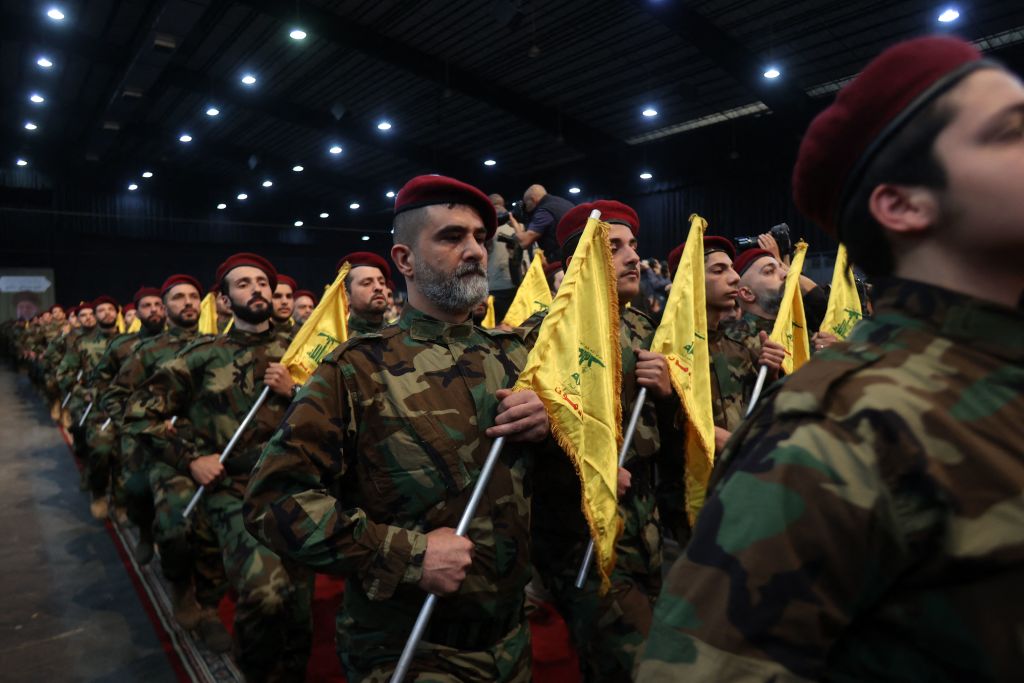
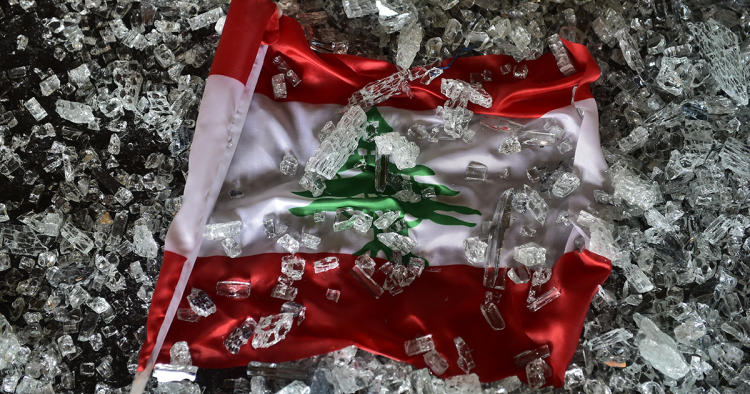
Since the Hamas attack on Oct. 7, regional and extra-regional actors have been working to prevent an expansion of the conflict beyond the Gaza-Israel theater, focusing particularly on the Lebanese-Israeli border. A decision by Hezbollah to enter the ongoing war would open a second front and bring into the fight their large arsenal of rockets and precision-guided missiles capable of hitting critical Israeli infrastructure. It would also bring destruction to Lebanon while the country reels from a severe economic crisis.
If the war in Gaza isn’t horrific enough, the world also has to worry about its possible expansion. The one theater that could prove to be the most lethal and devastating to the entire region is Lebanon-Israel. There, Israel would have to deal with Hezbollah, a foe with capabilities far more significant than Hamas’s, and which many view as the world’s most powerful non-state militant actor.
So, will Hezbollah join the fight and turn this into a regional war to aid its Palestinian partner?
مخاطر الطاقة في حرب إسرائيل الجديدة كبيرة ومتزايدة
تخوض دولة إسرائيل والجماعة الإرهابية حماس صراعاً وجودياً، حيث يهدد كل منهما بقاء الآخر، فضلاً عن بقاء المدنيين الفلسطينيين والإسرائيليين العالقين بينهما. وقد يتوسع هذا الصراع ليصبح أزمة إقليمية أو حتى عالمية. وبالنسبة لأسواق الطاقة والاقتصاد العالمي، فإن المخاطر كبيرة ويمكن أن تتغير أو تتسارع استجابة لمتغيرات متعددة.
Dehumanization, lack of empathy for Palestinians is alarming—and dangerous
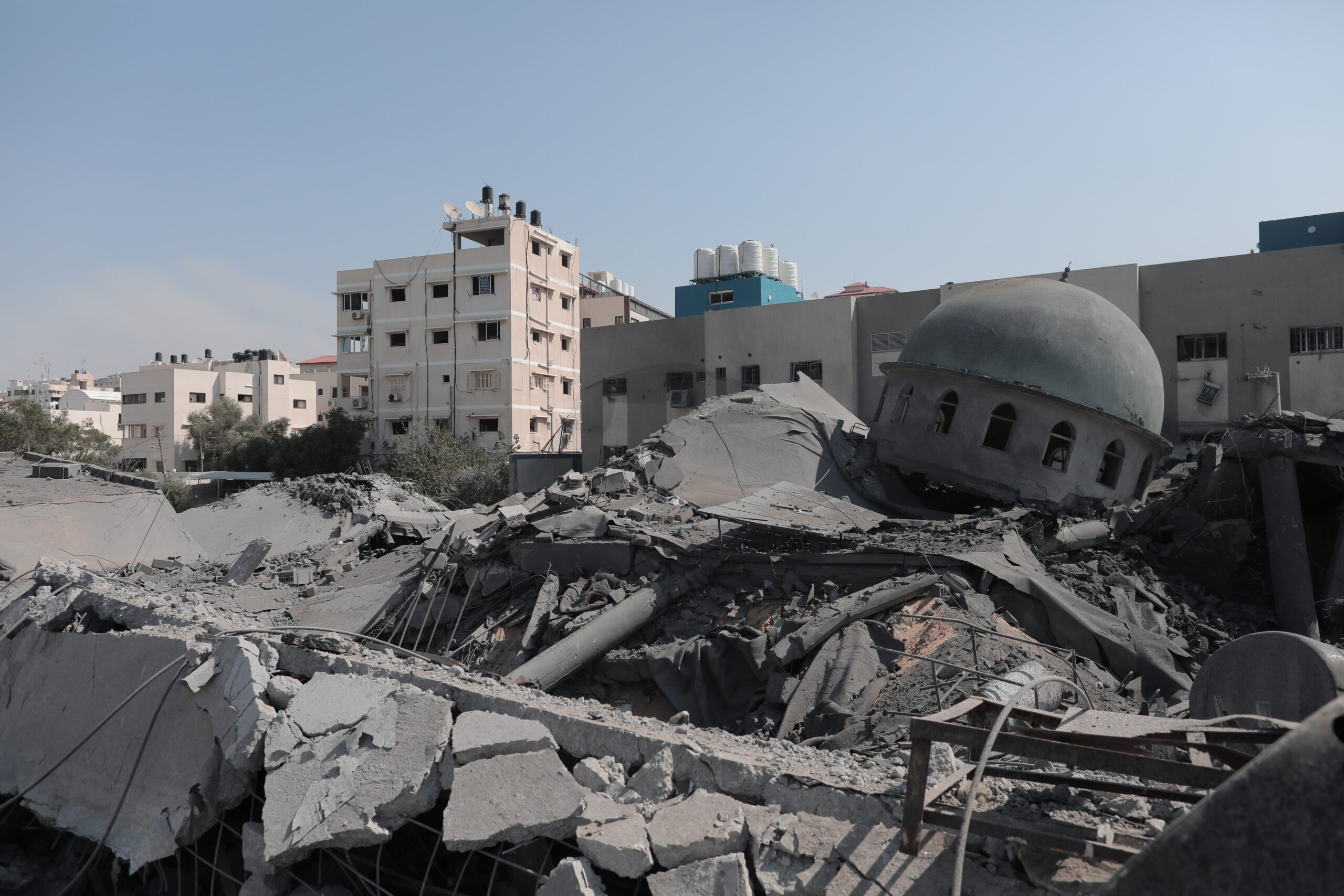
The scale and brutality of Hamas’s grisly attack on Israel last Saturday has understandably triggered a massive outpouring of sympathy and solidarity with Israel. And yet, there has been no similar outpouring of sympathy for Palestinians, who are now also dying in disturbingly large numbers.
As Israel-Hamas war begins, it’s not too late to shape this historic inflection point
Hamas’ murderous raid on Oct. 7, resulting in the deaths of more than 1,300 Israelis, mostly civilians, may well turn out to be a consequential inflection point, having unleashed political and popular forces that could lead in a positive or, just as likely, extremely negative direction.
A devastating Israel-Lebanon war is brewing, but it can still be stopped
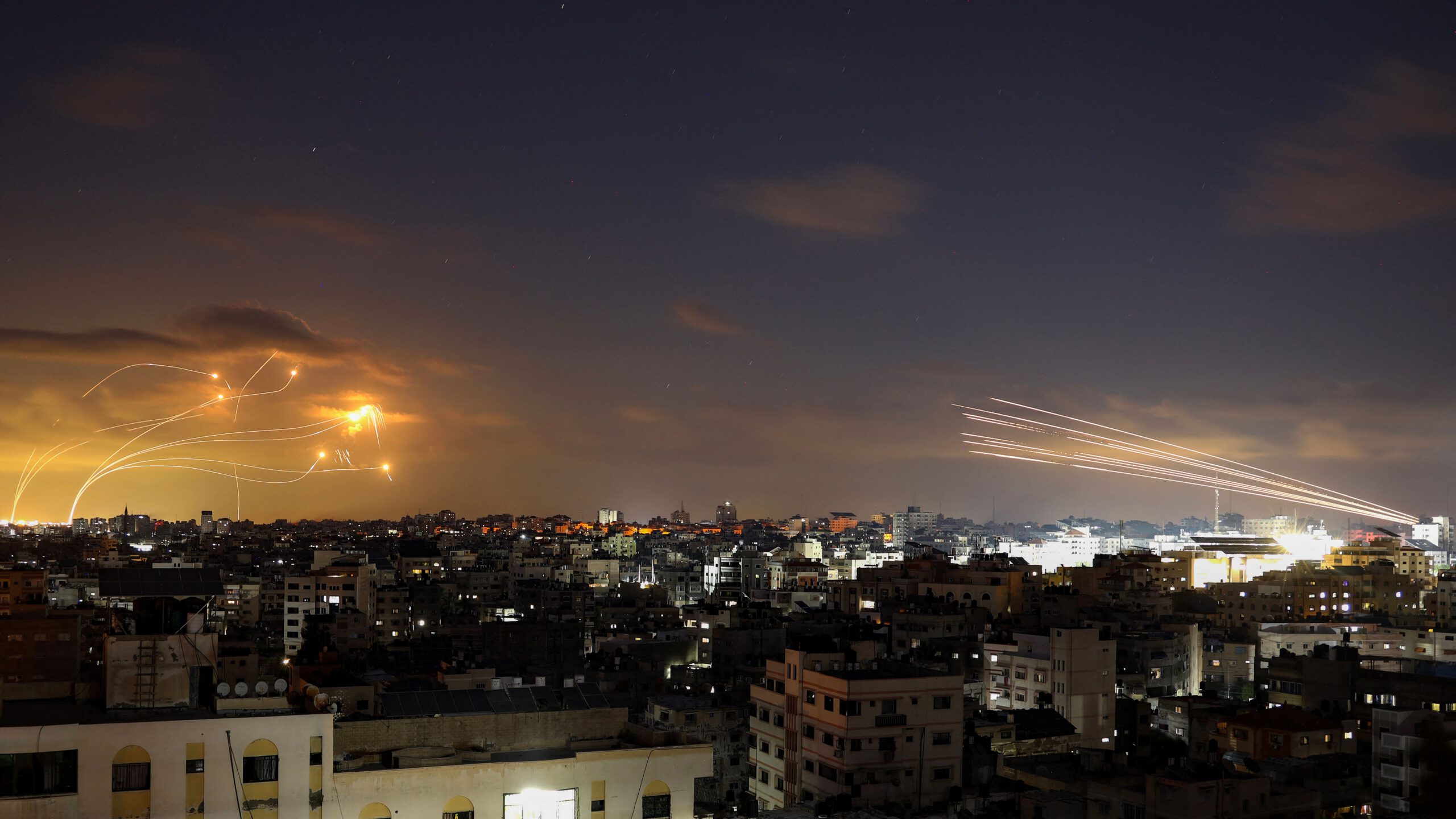
This week’s shock attack by Palestinian militant group Hamas against Israel left the Middle East on a knife’s edge. The world remains focused on Israel’s unfolding military response in Gaza, which in the days ahead will surely prove long, punishing, and unpredictable.
Gulf States should push Iran to get serious about lowering tensions
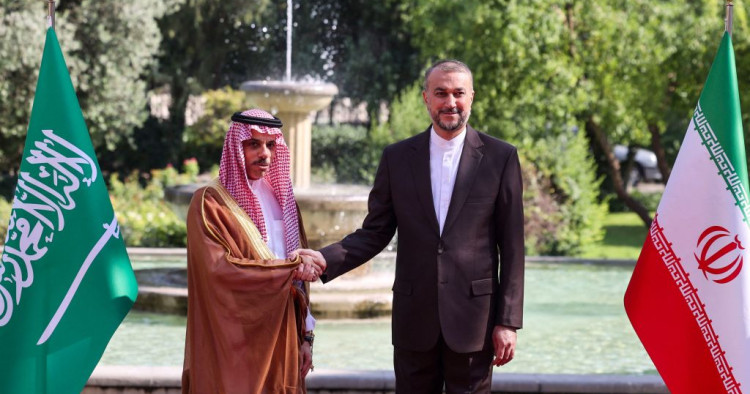
Two days after the Hamas attack on Israel last weekend, a top Iranian official said that “Arab states willing to normalize relations with Israel [should] give up the process and learn a lesson from the latest developments in Palestine.” The comment makes one thing clear: Like Hamas, Tehran wants to stop Arab diplomatic normalization with Israel.
Hamas Has Already Lost. Now, Who Will Win the Peace?
The events that began in Israel on Oct. 7 are a historical hinge. Like 9/11, as has been said, 10/7 will be remembered by most observers as a bright dividing line between “before” and “after.” What’s at stake for Israel—a fight for its survival—has echoes in other battles taking place around the world like Russia’s war against Ukraine and the Iranian regime’s continued repression of its own people. The world keeps moving toward the future, but the past and those retrograde elements that want to move the world backward still want to have a say.
The new war between Israel and Hamas has amply illustrated that what Middle Eastern and American officials were claiming was the most peaceful in decades was anything but.
It was an easy mistake to make: across the region, negotiations were breaking out among hardened foes, countries were scaling back or ending interventions, and everyone seemed to be breathing a collective sigh of relief.
As is usual in the Middle East, the outbreak of peace is often just a harbinger of war.