حرب الأيام الاثني عشر: قادة إيران يواجهون خيارات متضائلة
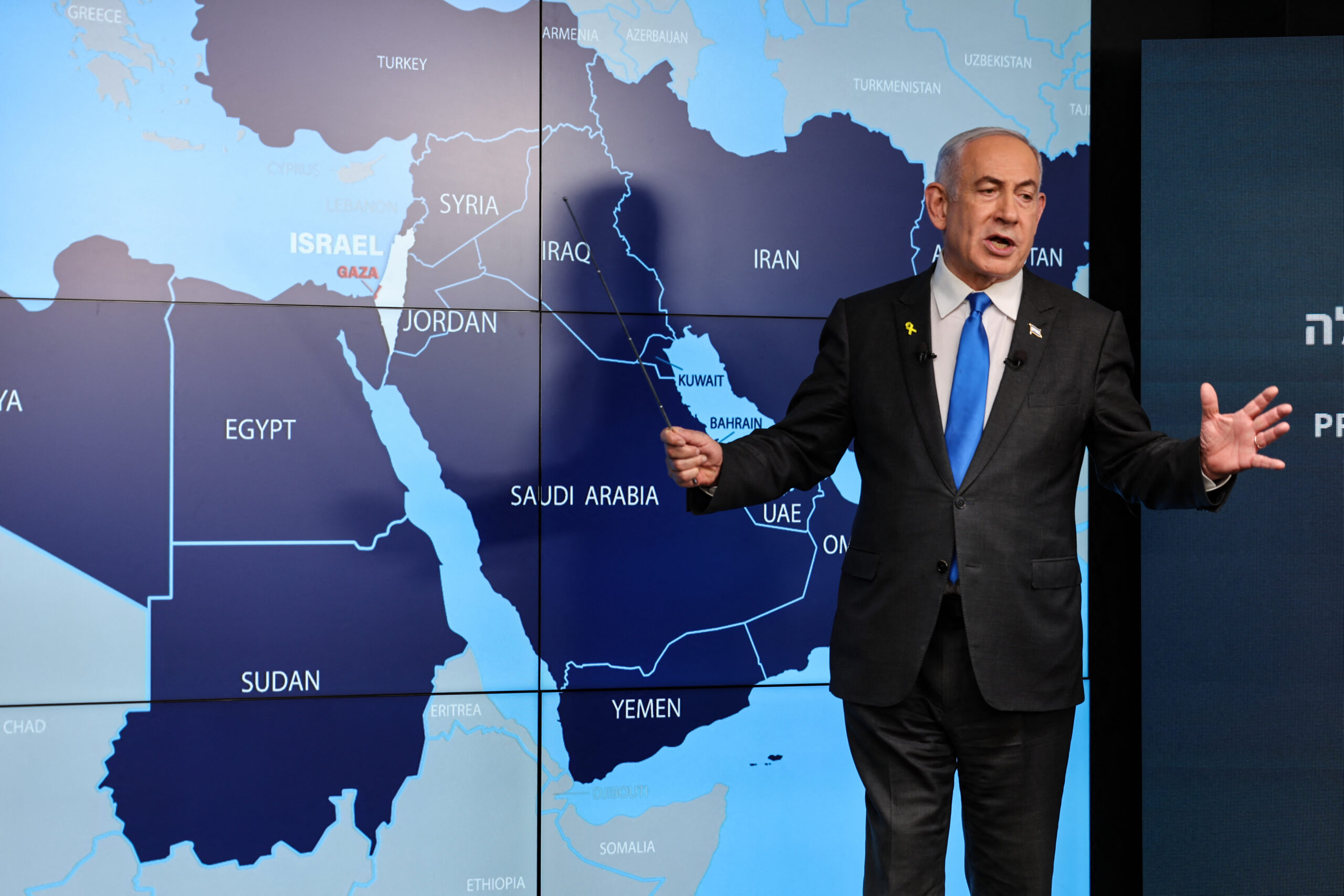
كان الصراع مع إسرائيل الذي دام 12 يوماً قصيراً، لكنه ترك ندبة. كانت حرباً اتسمت بضربات غير مسبوقة في عمق الأراضي الإيرانية، دفعت القيادة في طهران إلى مواجهة حقائق طالما سعت إلى تجنبها.
السفير رايان كروكر يقدم تقريراً عن زيارته إلى لبنان وسوريا في الفترة من 12 إلى 17 أكتوبر، كجزء من وفد صغير نظمه مكتب المفوضية السامية للأمم المتحدة لشؤون اللاجئين (UNHCR) في واشنطن.
حسابات إيران النووية في منطقة الشرق الأوسط المضطربة
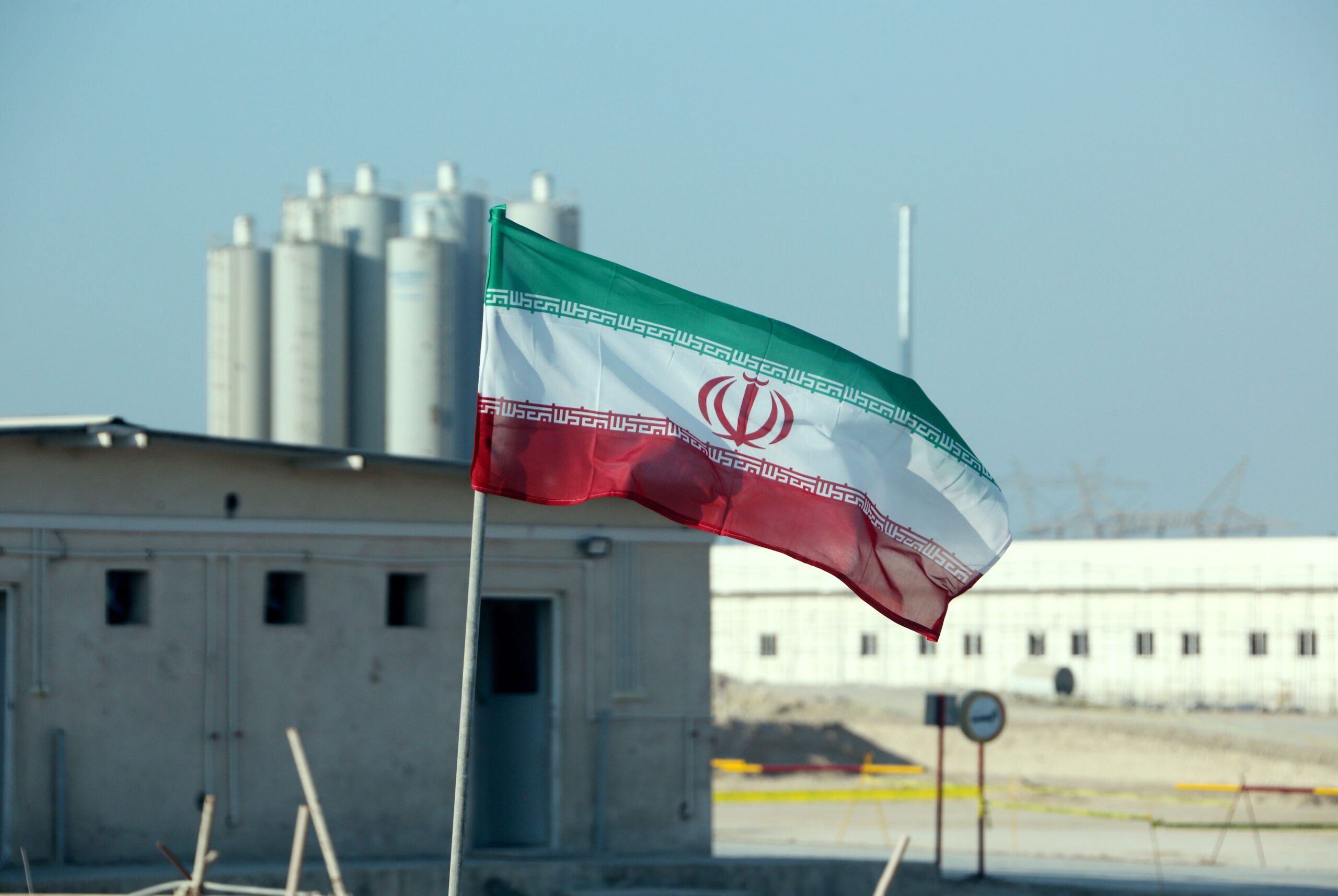
إن مسار إيران النووي أشبه بانزلاق حذر على طول طريق مألوف منه القفز إلى المجهول، وهو يتألف من خطوات تكتيكية قابلة للعكس تهدف إلى كسب الوقت بدلاً من تغيير المشروع بشكل جذري.
في نيويورك، بحث المسؤولون الإيرانيون بهدوء إمكانية التفاوض على تأجيل قصير لإعادة فرض عقوبات الأمم المتحدة ("العودة السريعة") على هامش الجمعية العامة إذا تناولت المفاوضات مخزونهم المخصب بنسبة 60 في المائة.
بعد مرور عام على قيام إسرائيل بتجريد حزب الله من قوته، وفي أعقاب افتتاح الدورة السنوية للجمعية العامة للأمم المتحدة وعدة تطورات متعلقة بالشرق الأوسط، قد يكون هذا هو الوقت المناسب لإجراء تقييم. خلال مسيرتي الدبلوماسية التي استمرت 38 عامًا في الشرق الأوسط، كلما أعرب أحدهم عن تفاؤله، كنت أقترح عليه إجراء فحص للرأس. لكن اليوم، هناك بعض البوادر التي قد تساعد في استقرار المنطقة.
وقف إطلاق النار في غزة يبدأ، لكن من المتوقع حدوث اضطرابات في المستقبل
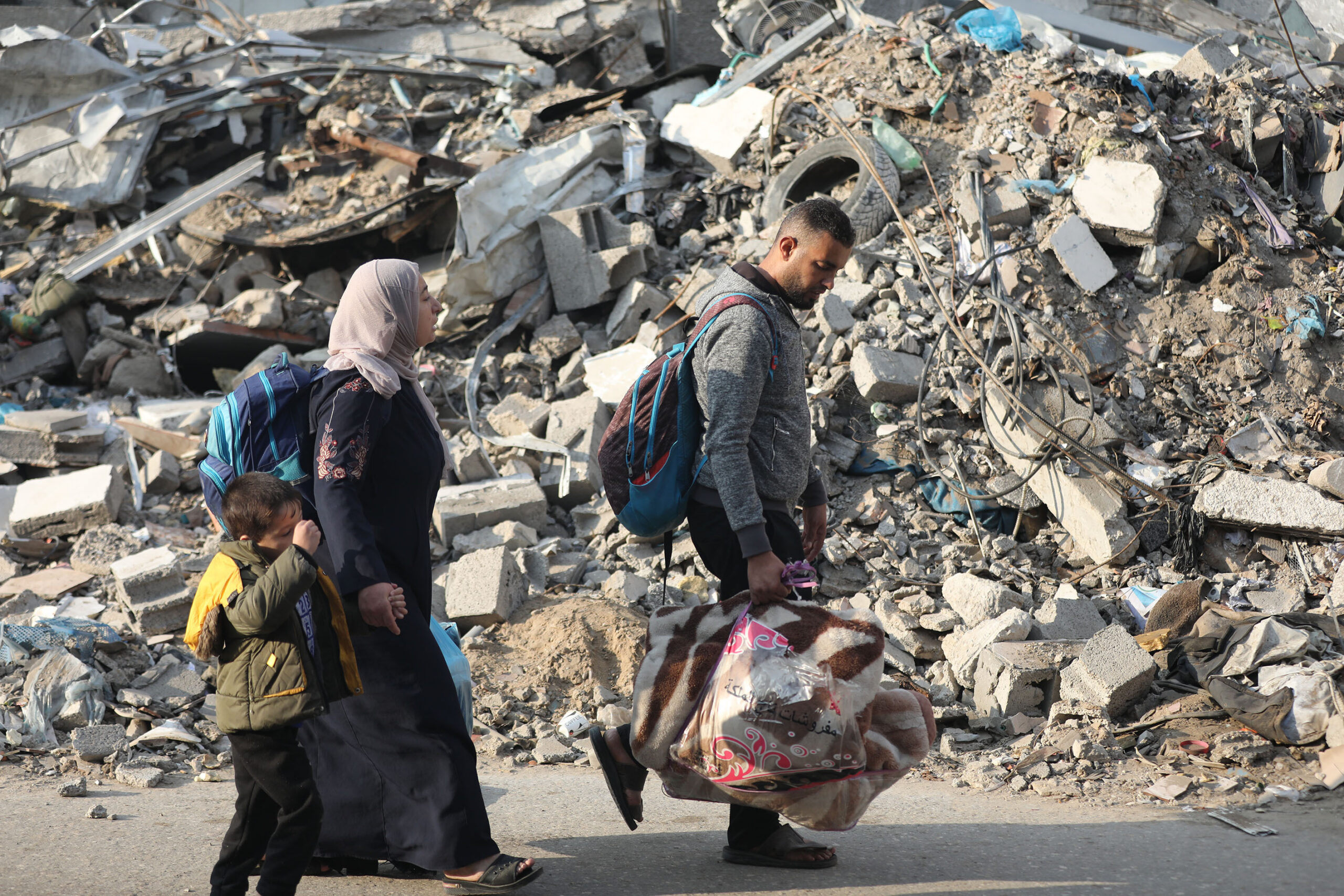
لنستخدم تشبيهاً، إذا كان اتفاق وقف إطلاق النار في غزة طائرة، فإنها تكتسب حالياً سرعة على مدرج المطار وتصل إلى النقطة الحاسمة للإقلاع الفوري عندما يتم إطلاق سراح جميع الرهائن المحتجزين في غزة مقابل 2000 فلسطيني في السجون الإسرائيلية. ستشكل لحظة "الإقلاع" هذه نهاية الحرب، ولكنها ستكون بداية رحلة طويلة ومضطربة بالتأكيد. وسيحدد الوقت ما إذا كانت الطائرة سترتفع إلى ارتفاعات أعلى أم ستتحطم على الأرض.
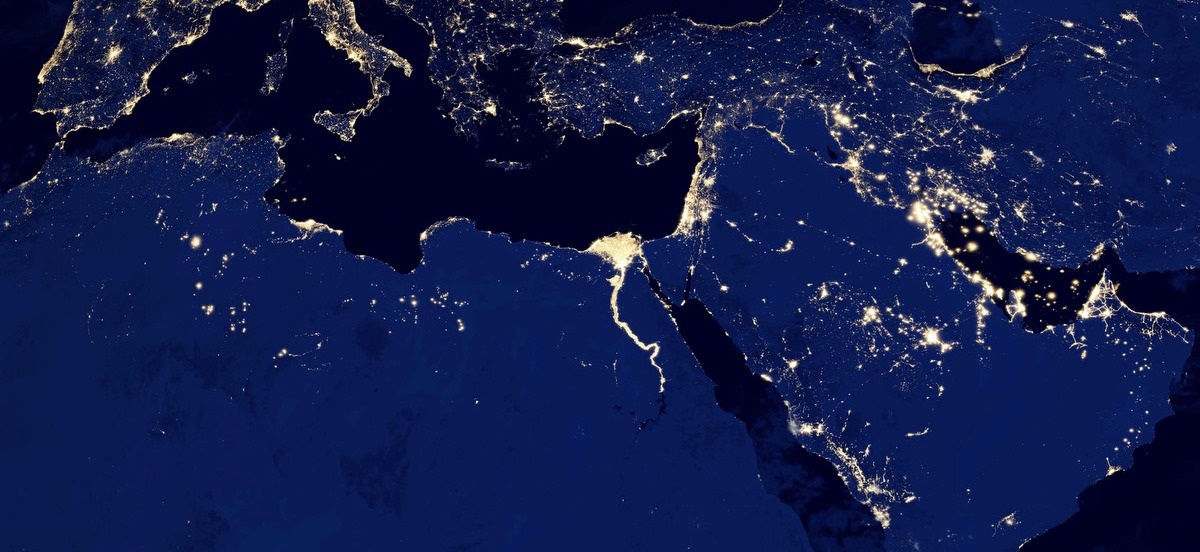
مع اقتراب الذكرى السنوية الثانية للصراع الذي اندلع في المنطقة جراء هجمات 7 أكتوبر 2023، من المهم أن نقيّم كيف غيّرت هذه الأزمات المتعددة منطقة الشرق الأوسط، وكيف قد تتطور في الأشهر المقبلة.
Will Trump’s red line on West Bank annexation hold?
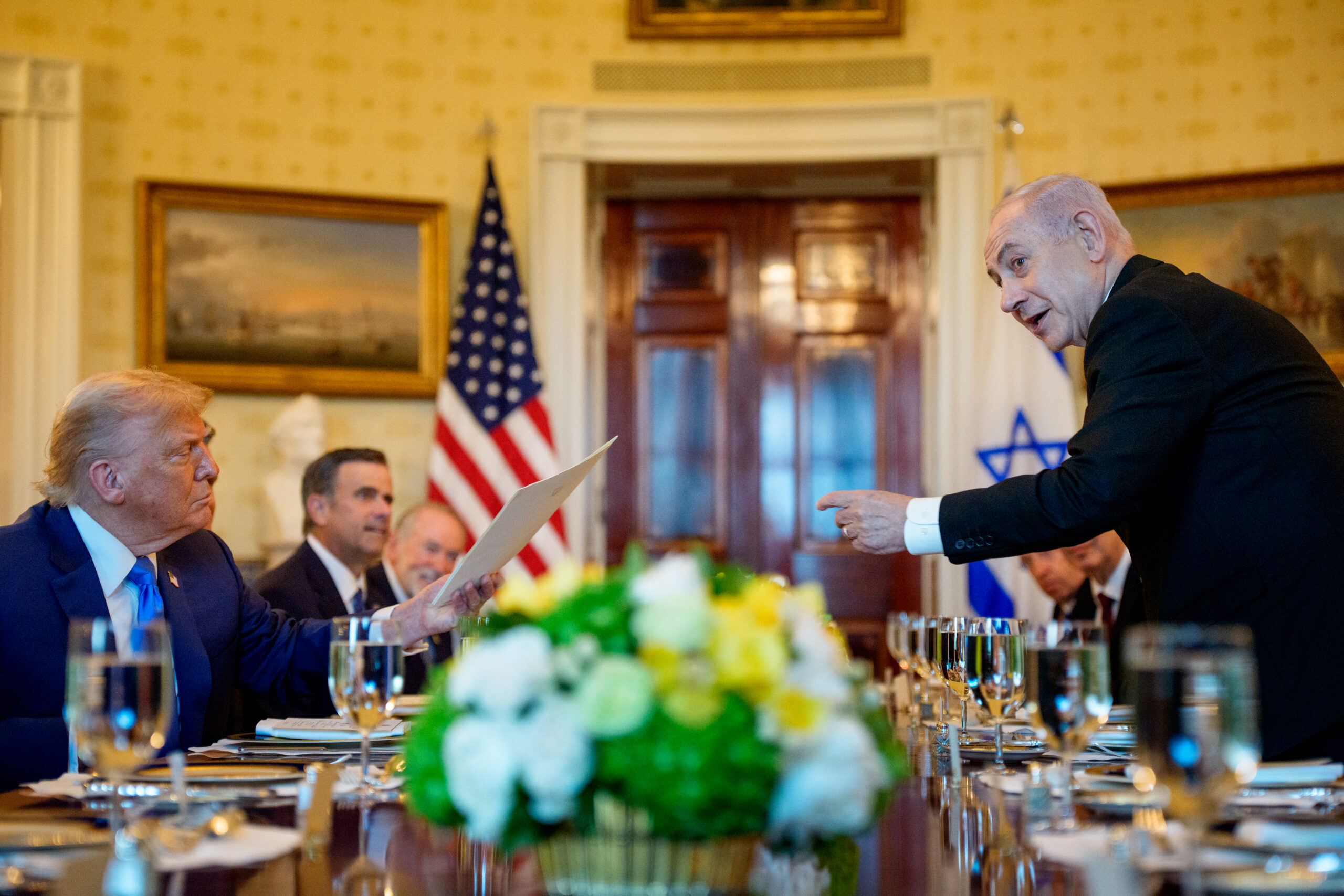
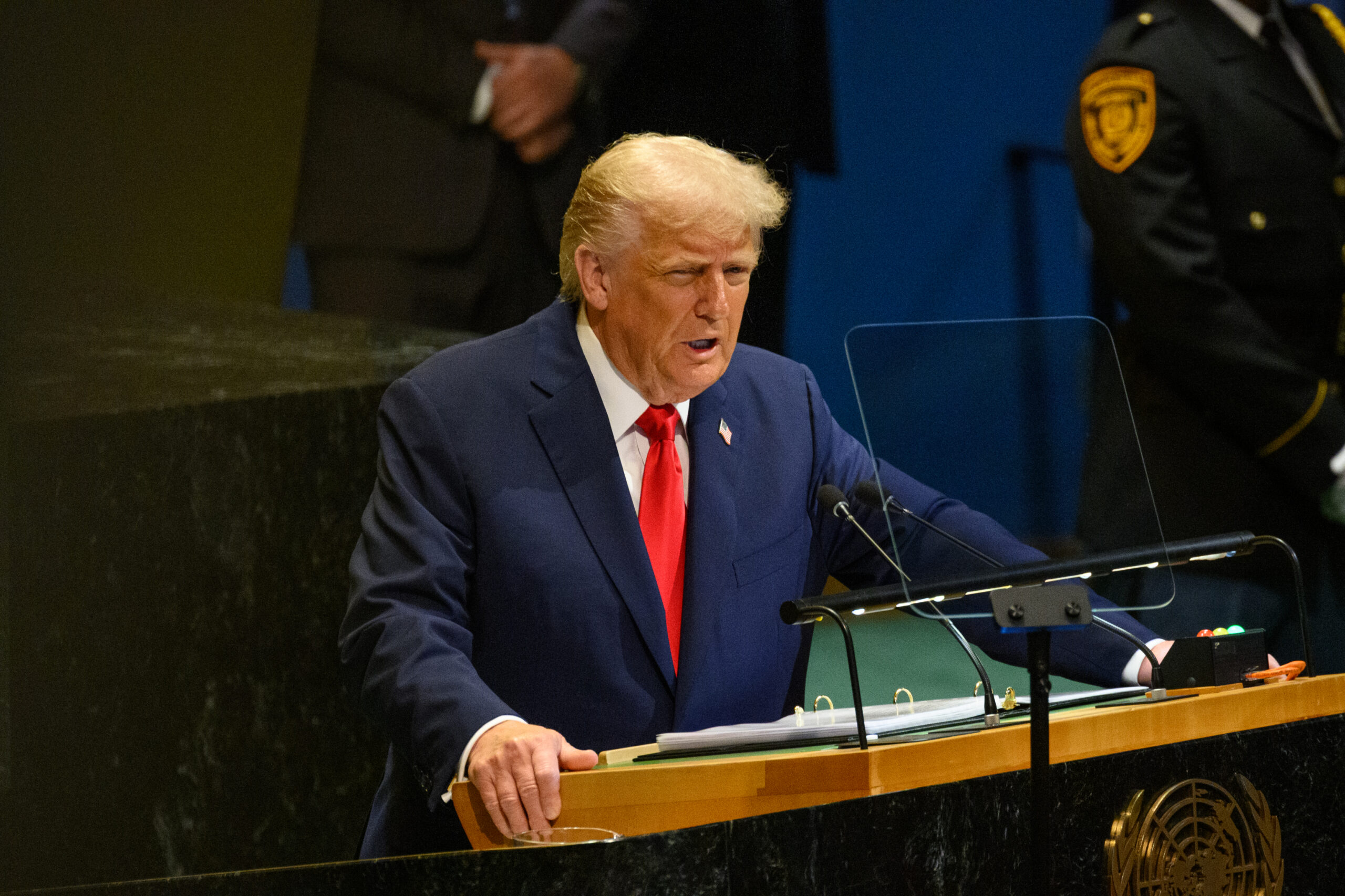
The spotlight for US policy in the Middle East will shift from the United Nations General Assembly (UNGA) meeting in New York to Washington, DC, where US President Donald Trump will meet with Israel’s Prime Minister Benjamin Netanyahu on Monday for the fourth time in eight months.
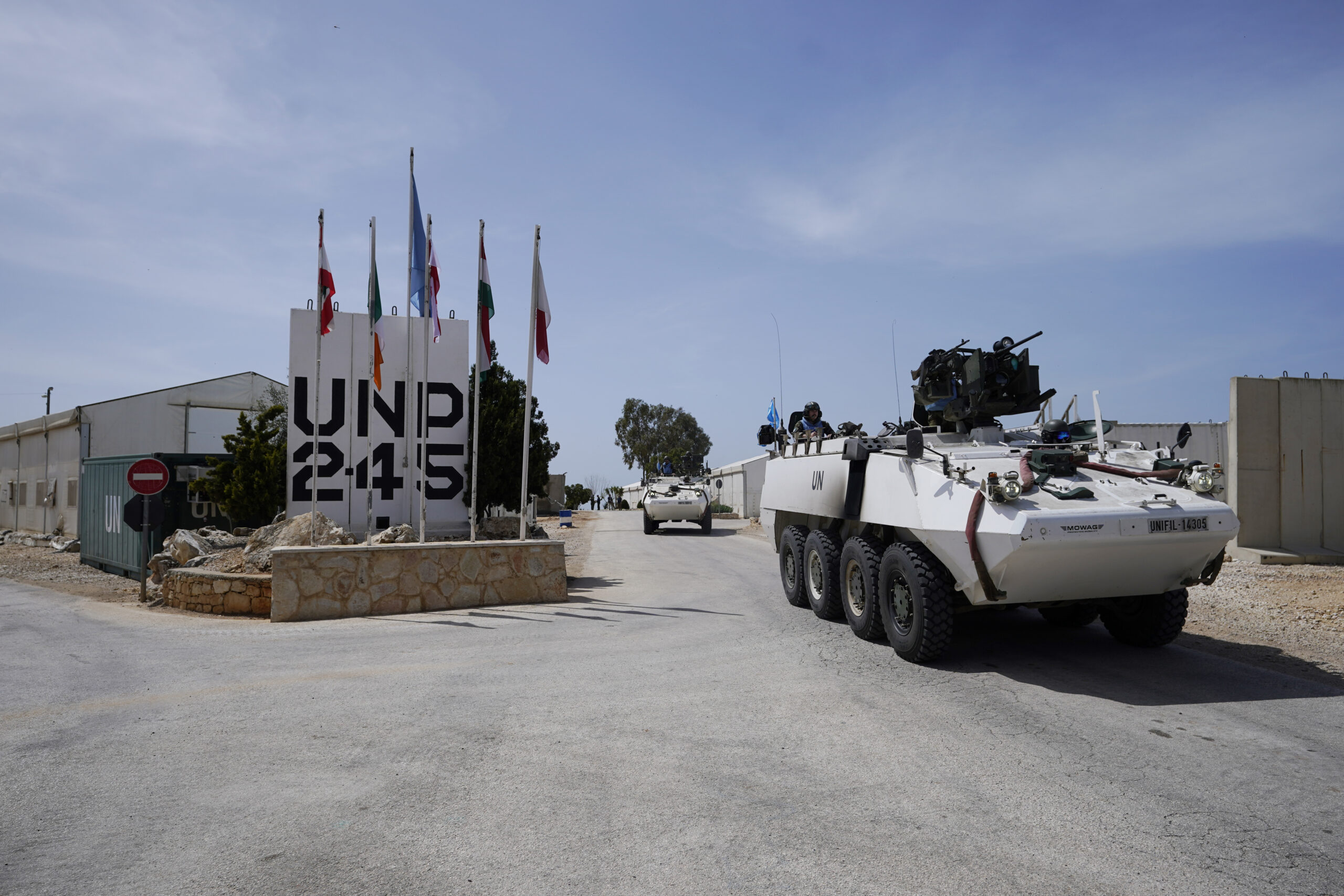
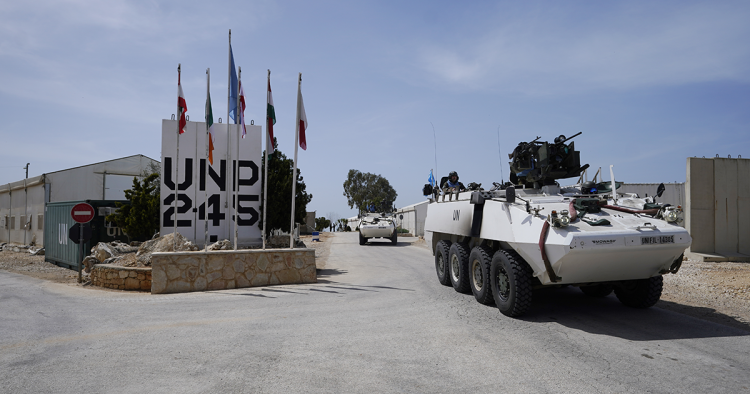
At the end of August, the United Nations Security Council renewed the mandate of the United Nations Interim Force in Lebanon (UNIFIL) for the final time. For nearly half a century, blue helmets have been a fixture in South Lebanon, an extraordinary tenure for a country only eight decades old. In many ways, UNIFIL’s longstanding presence served as a reminder of Lebanon’s struggle to assert its sovereignty, which has had destabilizing consequences for international peace and security.
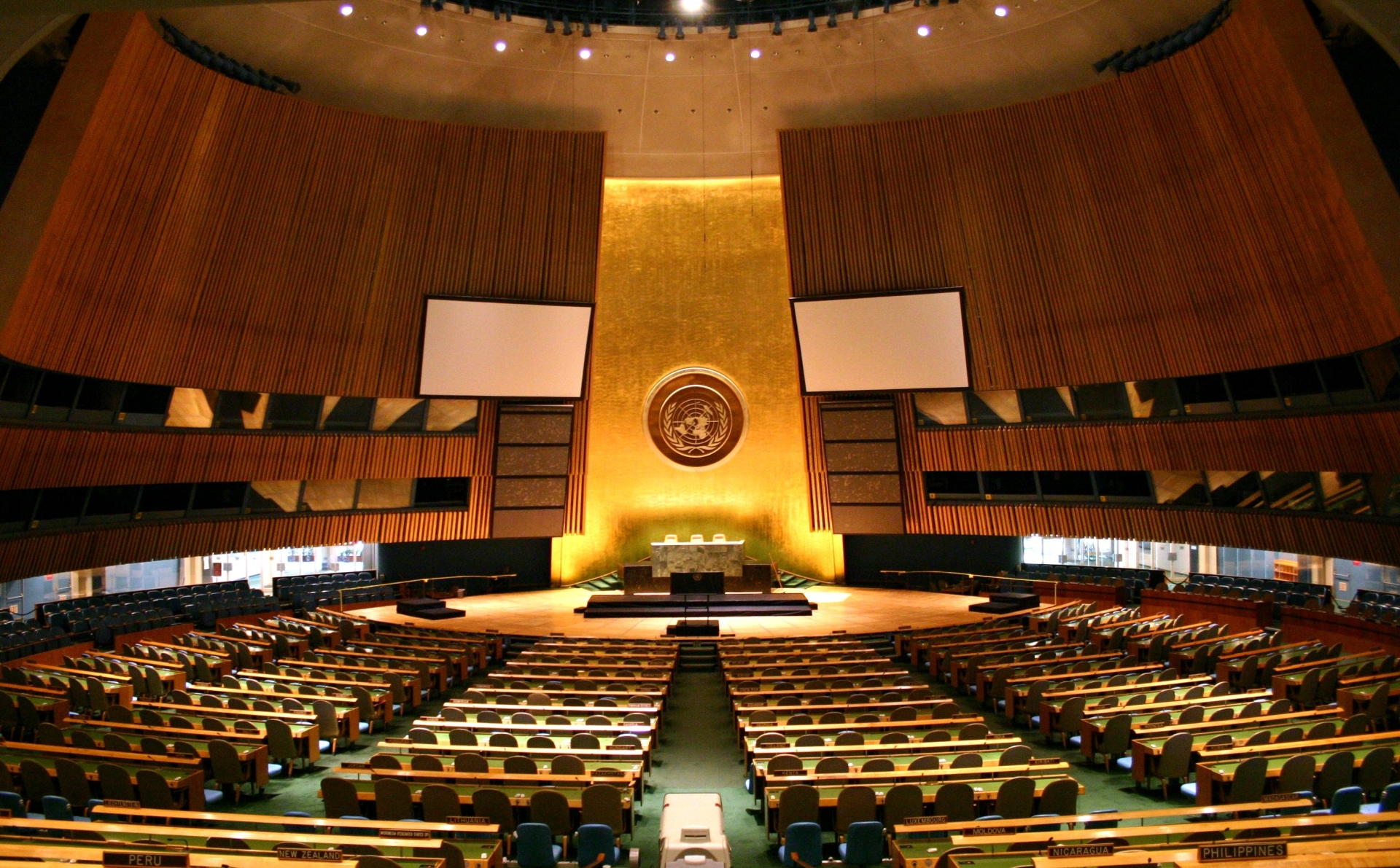
This month brings world leaders together to mark the annual opening of the United Nations General Assembly. Their formal speeches in front of the assembly vary in interest, as many contain more pious platitudes than meaty information. The real work of interest often happens behind-the-scenes, as world leaders meet bilaterally or in small groups to discuss the issues of the day away from the glare of media or the pressure for summits to deliver results. The occasion also provides opportunities for the unexpected to happen. The Middle East will figure largely in these talks. Here are some po
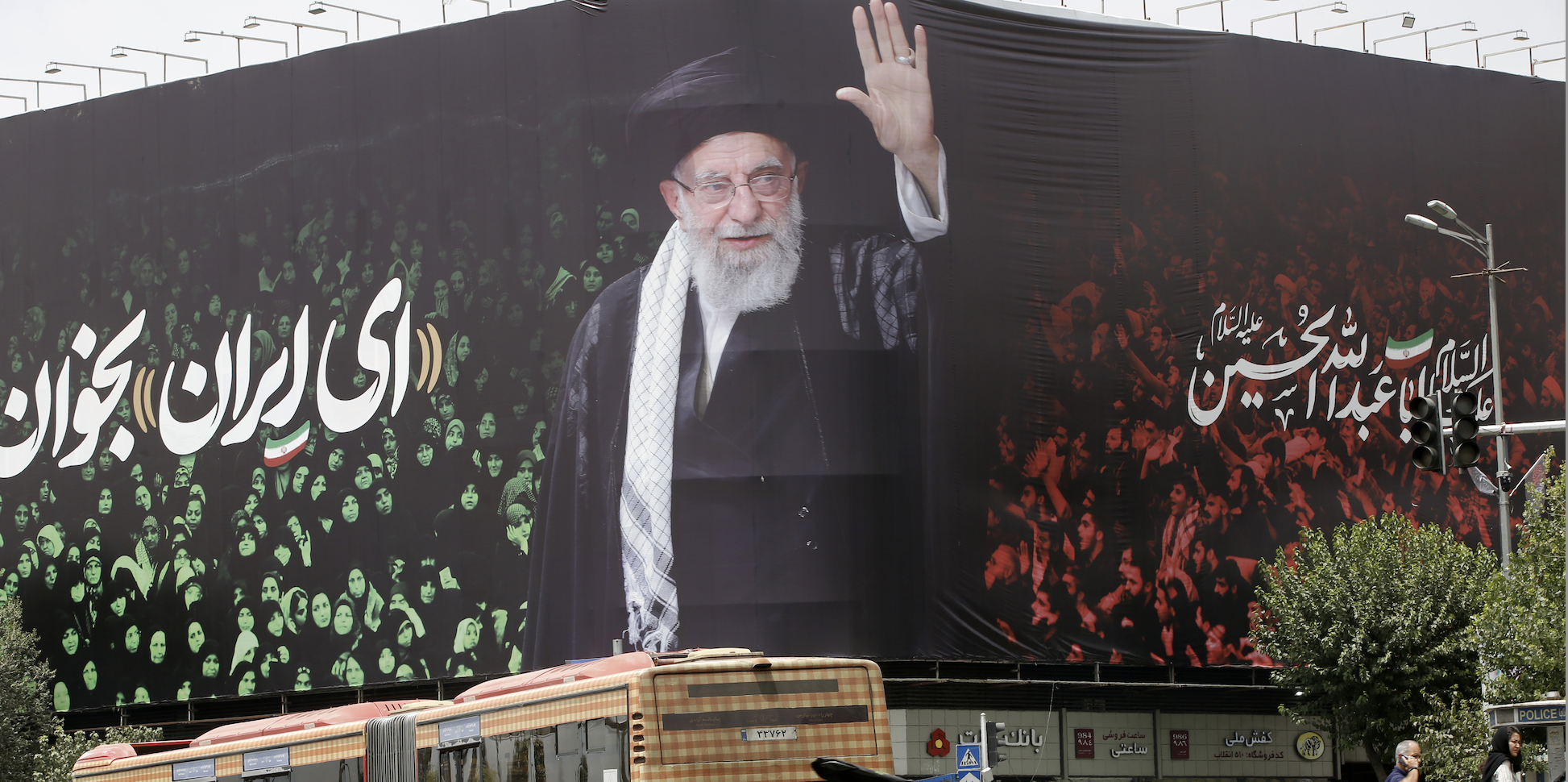
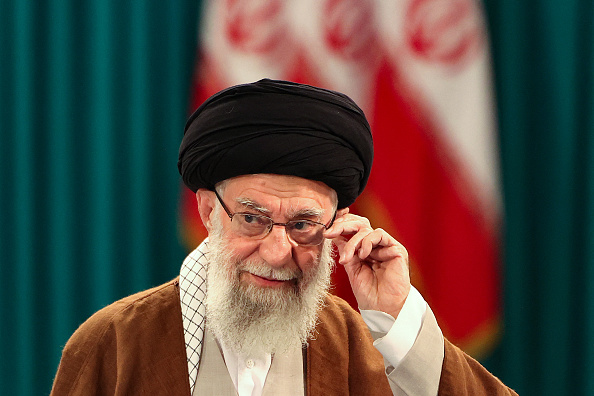
For years, Ayatollah Ali Khamenei, Iran’s supreme leader and ultimate powerbroker, has been insisting to his people that there would be no war with the United States or Israel. That claim was shattered when more than 1,000 Iranians were killed in June’s 12-day war. Now he warns against the country sliding into a “state of ‘no war, no peace.’” The diagnosis isn’t wrong—but refusing to confront hard choices is vintage Khamenei.
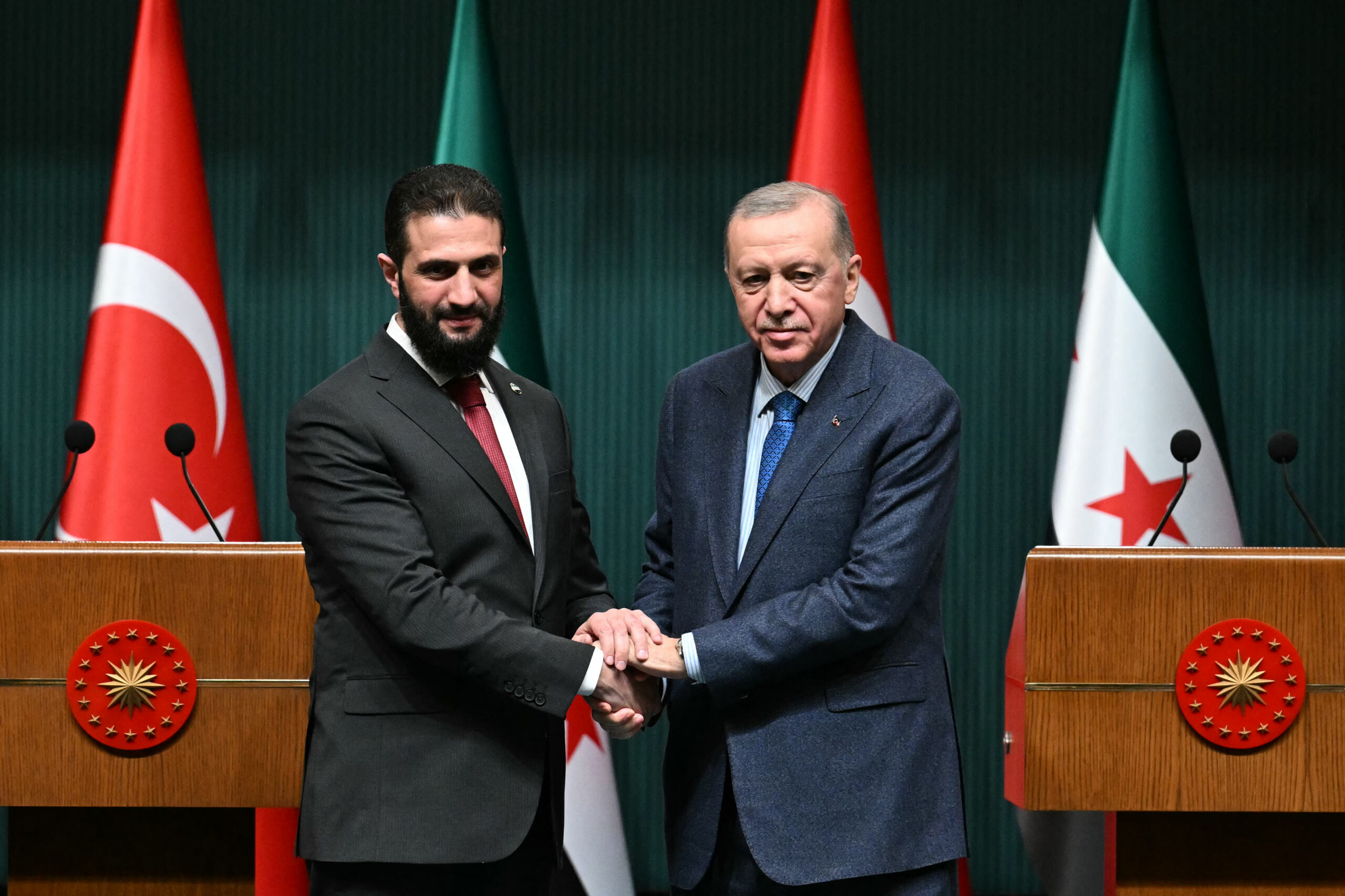
When Syrian dictator Bashar al-Assad was toppled late last year, it looked like a golden opportunity for Turkish President Recep Tayyip Erdogan. For more than a decade, the war next door had burdened Ankara with problems that it could not fix: millions of Syrian refugees straining domestic politics, U.S.-backed Kurdish militias entrenching along Turkey’s border, and a battlefield dominated by Russian and Iranian influence that left Ankara exposed to Moscow’s and Tehran’s whims.
Lebanon, UNIFIL, and the return of sovereignty and peace
There was a real possibility earlier this summer that the United States was going to veto the renewal of the UNIFIL mandate in August. Ultimately, a wiser course prevailed, when the UN Security Council extended UNIFIL’s mandate “for a final time” last week until the end of 2026. This step is a positive one for everyone concerned except Hezbollah and its foreign patron, Iran.