The "Mediterranean Worlds Forum”: France’s continued pursuit of leadership in the Mediterranean
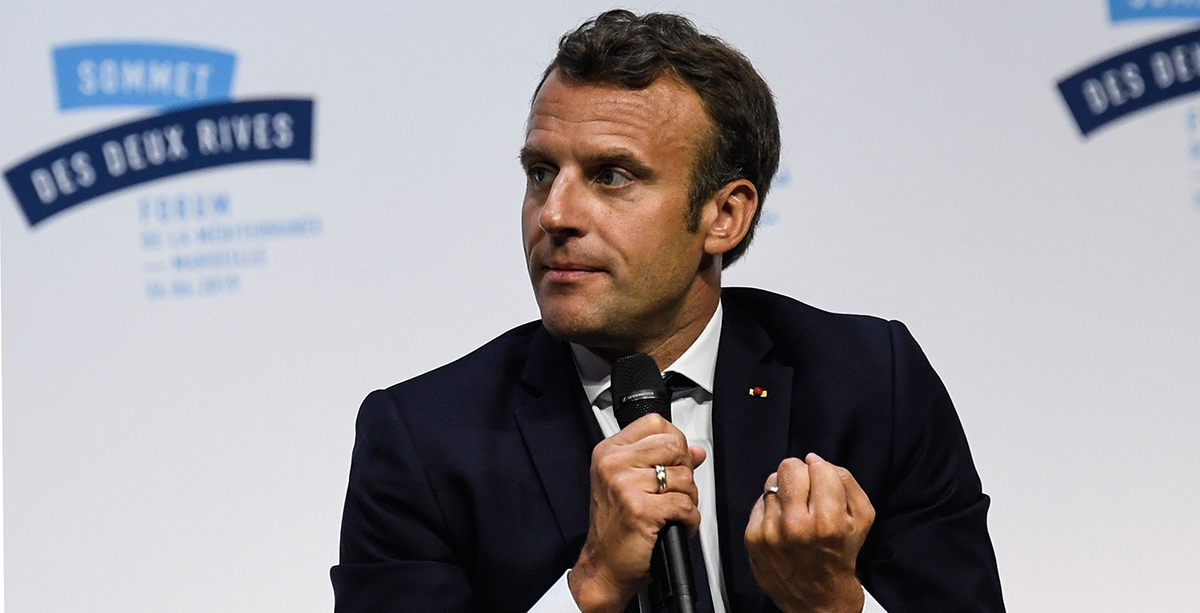
On Feb. 7 and 8, France hosted the “Mediterranean Worlds Forum” in Marseille, following on the heels of the 2019 “Summit of the Two Shores, Mediterranean Forum.” These meetings have the stated goal of “giving new momentum” to relations in the western Mediterranean and illustrate Paris’s push to renew its leadership role in the region.
Drones are re-engineering the geopolitics of the Middle East
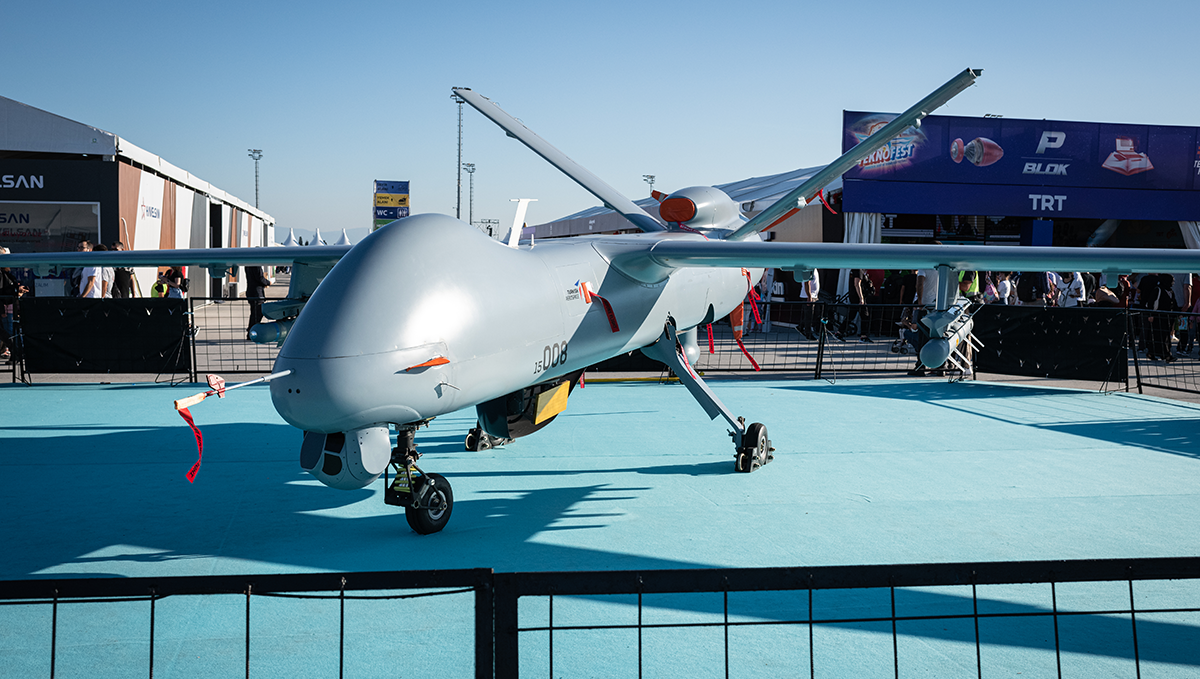
The Middle East is experiencing a seismic shift in its geopolitics: the dawn of the era of drones. From Syria to Libya and from Yemen to Iraq, UAVs have altered the dynamics on the battlefield. Agile and affordable, drones aren’t just a menace to remote conflict zones, but also to states far removed from theaters of war.
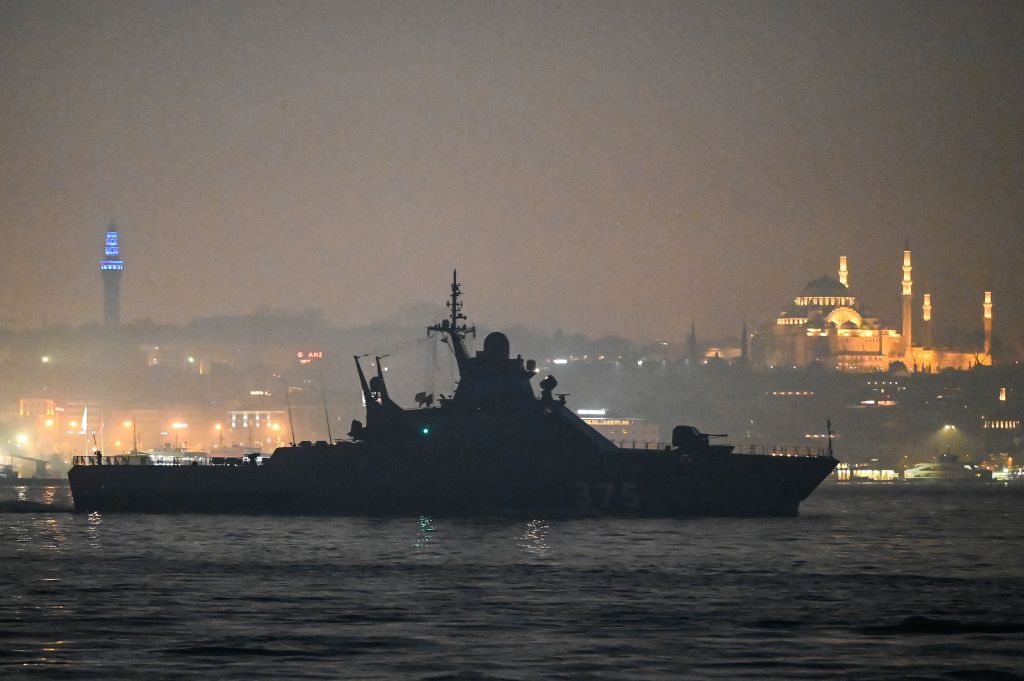
Getting complicated in a hurry: The implications for Egypt of Russia’s invasion of Ukraine
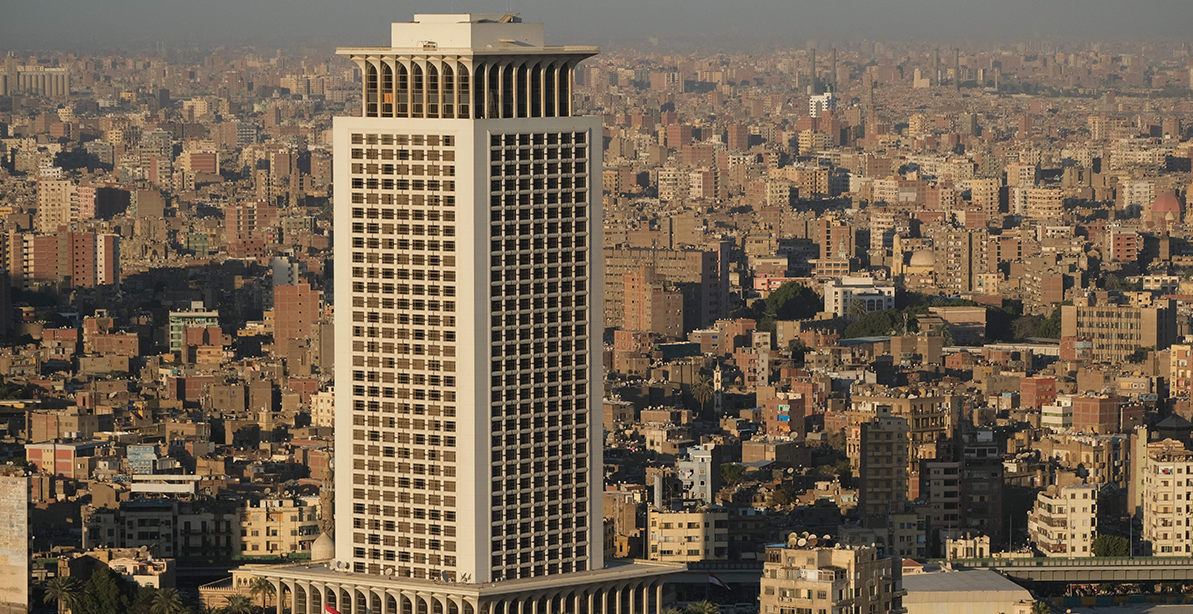
A week after Russia invaded Ukraine, the economic and political ramifications for Egypt have evolved more rapidly, and comprehensively, than its policymakers would have wished.
The Russia-Ukraine War has Turned Egypt's Food Crisis into an Existential Threat to the Economy
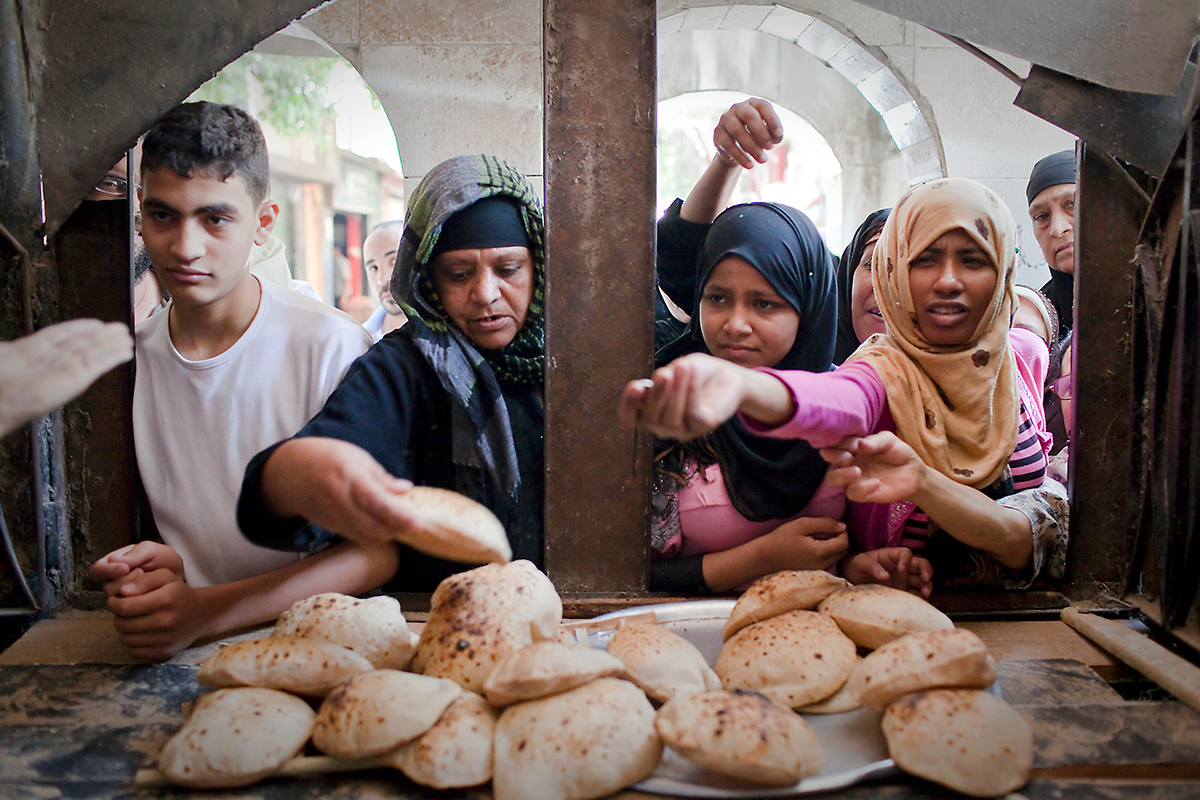
With the outbreak of the Russia-Ukraine war on Feb. 24, 2022, Egypt’s food security crisis now poses an existential threat to its economy. The fragile state of Egypt’s food security stems from the agricultural sector’s inability to produce enough cereal grains, especially wheat, and oilseeds to meet even half of the country’s domestic demand.
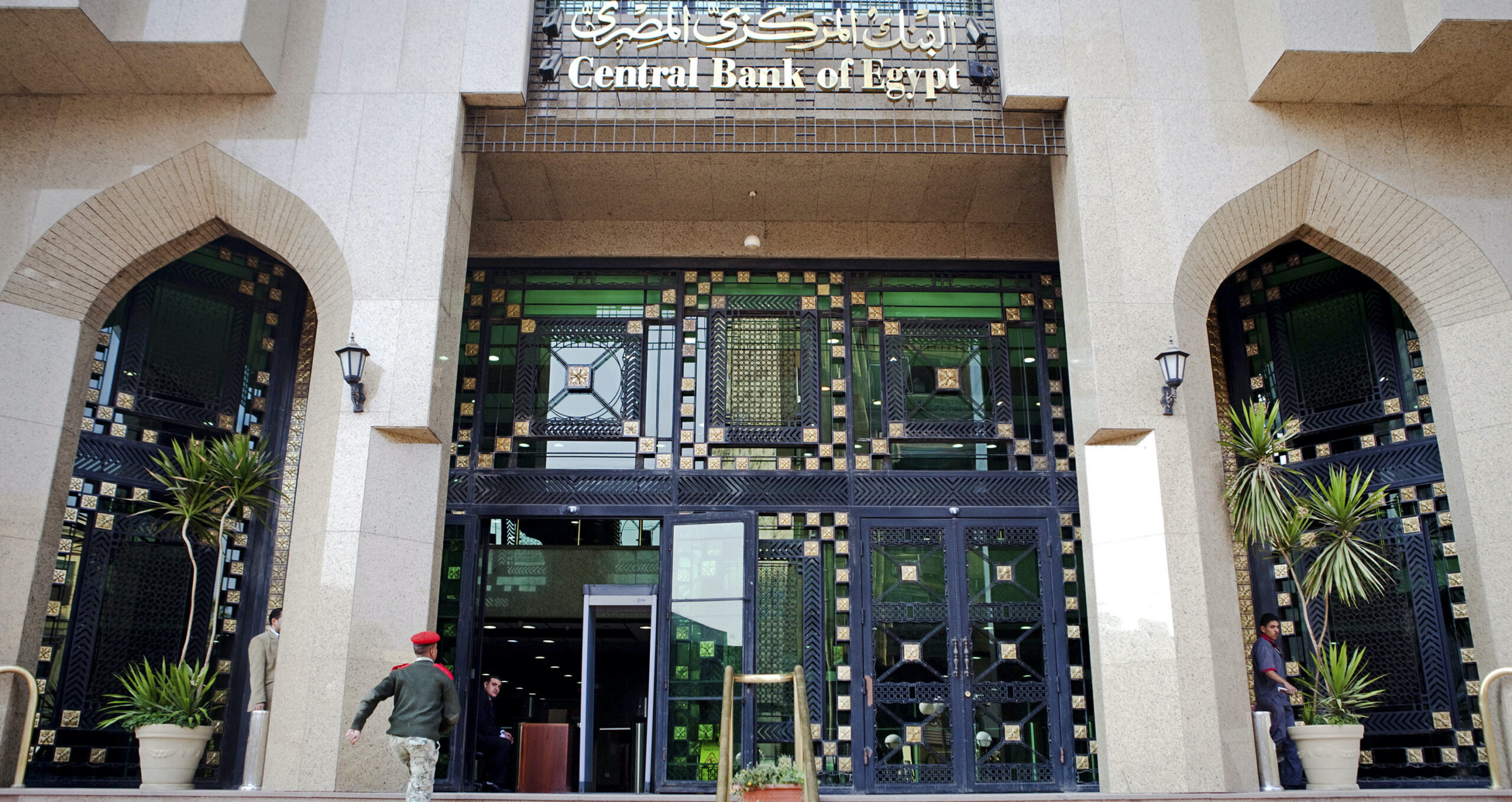
Expanding use of e-wallets in Egypt: Strengthening the social contract one transaction at a time
Egypt, like much of MENA, is experiencing an unprecedented digital transformation. Governments throughout the region are embracing emerging technologies, particularly in governance and, increasingly, financial management. Countries across MENA are adopting ICT strategies, such as the ICT Vision 2030 in Egypt. Egypt’s plan aims to develop a knowledge-based society by means of a strong digital economy built on reliable, affordable, and equitable access to digital tools.
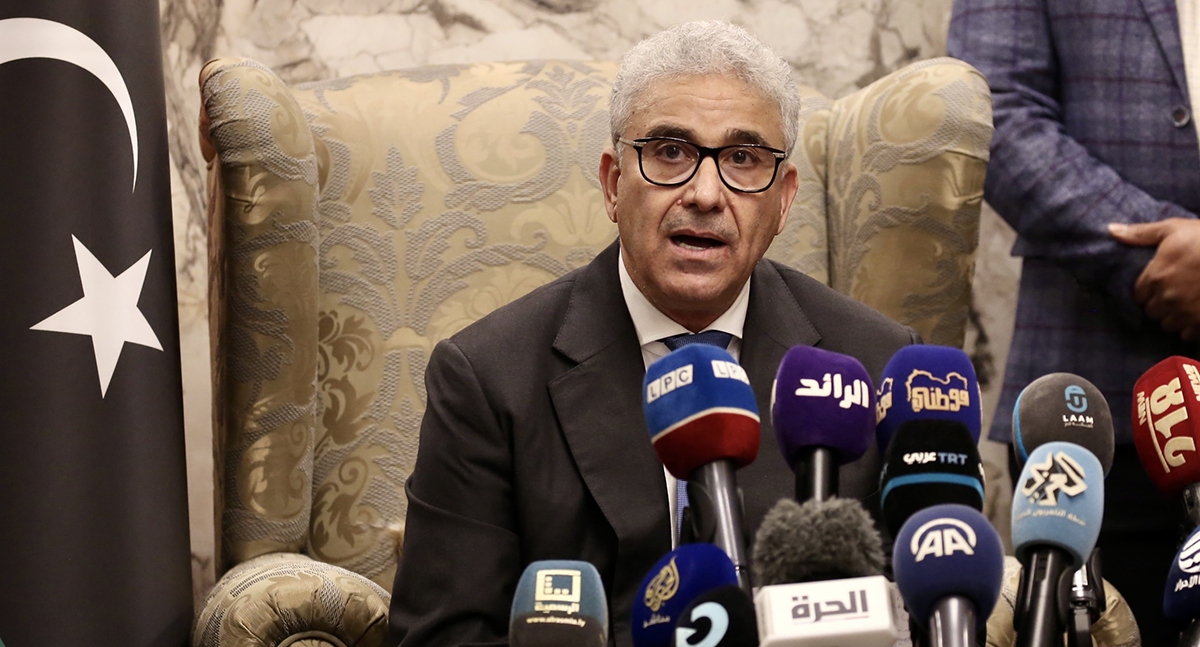
Struggle over legitimacy in Libya begins third period of dueling governments
With the election on Feb. 10, 2022 by the Libyan House of Representatives of Misratan Fathi Bashagha as its choice to become the country’s new prime minister, Libya has entered a new, third round of two governments contesting each other’s legitimacy.
Desalination in Libya: Challenges and opportunities
For the MENA region, groundwater is a hidden but significant problem, as many countries extract more than is being recharged and most lack solid legal frameworks and national water policy regulations to determine use. As a result, there are questions and concerns about the current status of groundwater aquifers, especially with the increasing impact of climate change, as well as the type of sustainable alternative solutions that could assist in conserving them. Libya is no exception to this broader regional trend, and the country suffers from growing water scarcity.