Weekly Briefing: Tunisia’s new constitution won’t resolve socio-economic discontent
تحليل إقليمي متخصص من قبل باحثي ومساهمي معهد الشرق الأوسط.
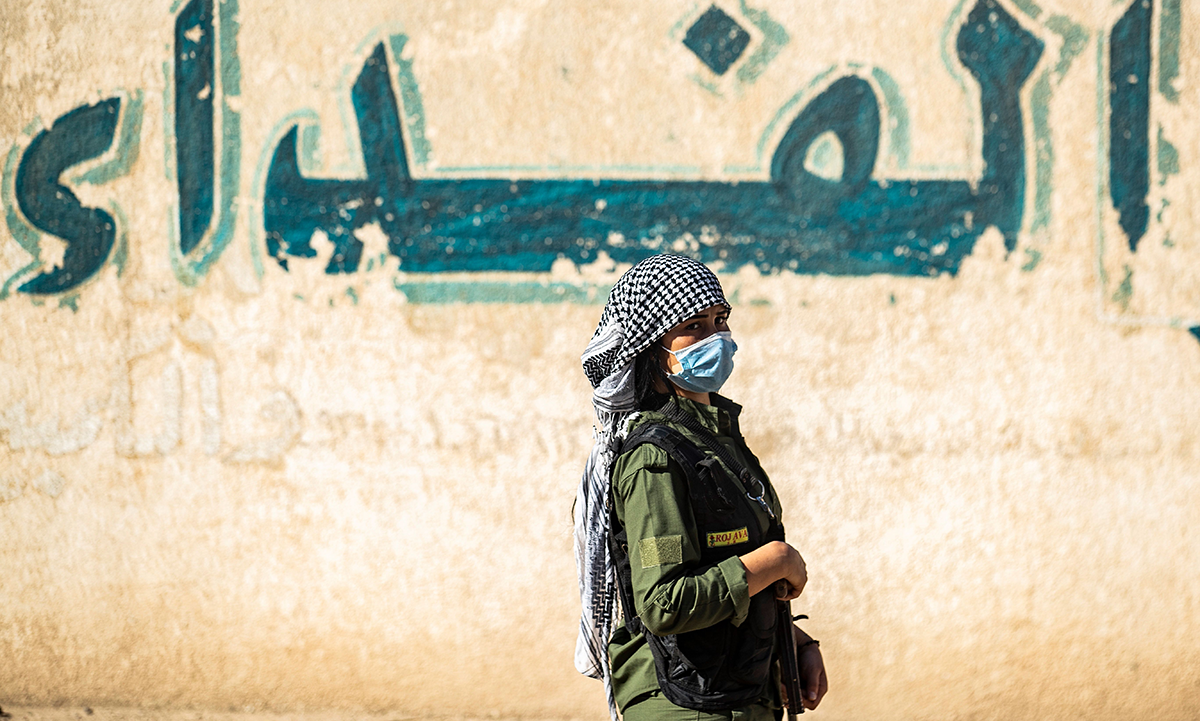
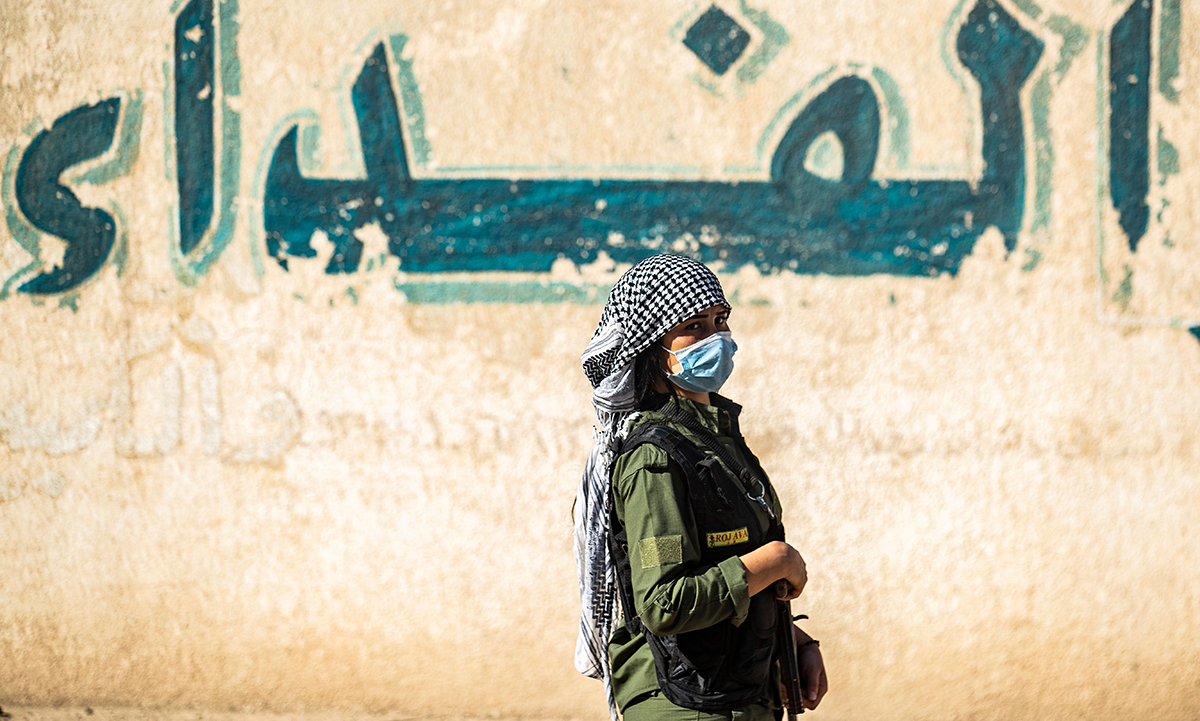
As the threat of a new Turkish military incursion into northern Syria looms, other international stakeholders in the Syrian crisis continue to voice their concerns over Ankara’s ambitions. At odds with Turkey since 2011 over its desire to overthrow the regime of Syrian President Bashar al-Assad and its support for an array of armed opposition factions, Iran has been increasingly vocal of late in opposing a potential new Turkish military operation.
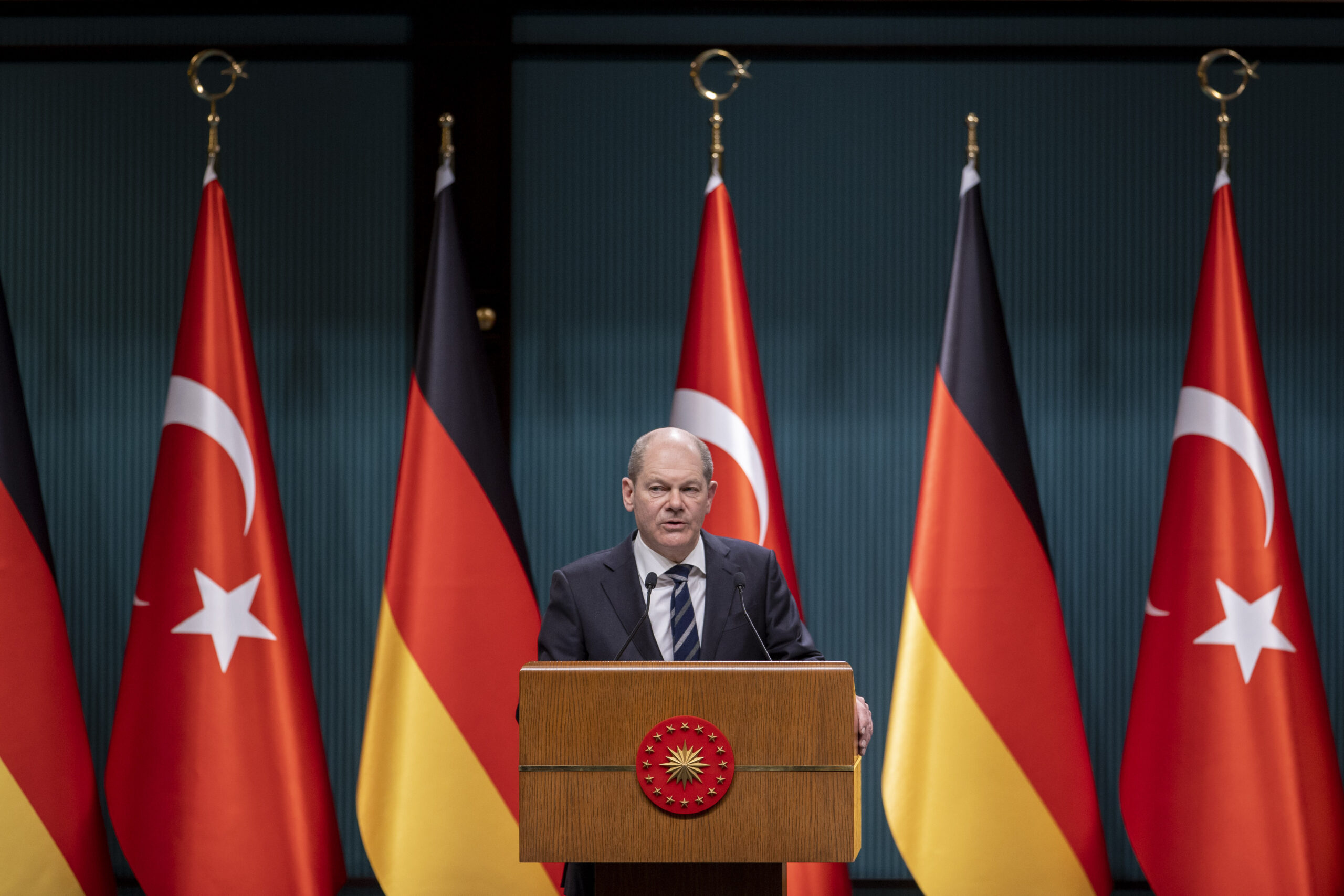
After 16 years under Angela Merkel, Olaf Scholz’s assumption of Germany’s chancellorship on Dec. 8, 2021 marked a new chapter in the nation’s politics. Within the “traffic light” coalition government formed by the Social Democrats, the Free Democratic Party, and the Greens, Annalena Baerbock heads the Ministry of Foreign Affairs. Before taking office, the co-leader of Alliance 90/The Greens was known for both her welcoming attitude toward immigrants and her full-throated condemnation of human rights violations by authoritarian governments. The Middle East and North Africa (MENA) region has no shortage of the latter: According to the Economist Intelligence Unit’s Democracy Index, 17 out of the 20 countries in the region are “authoritarian” and not one is characterized as a “full democracy.” Beyond human rights, other key MENA policy issues for the new government include Iran, Turkey, ongoing conflicts in the region, and immigration. The challenges are numerous, if well-known, but how will Berlin respond? Is Germany’s policy toward MENA likely to change or remain the same under the new government?
تحليل إقليمي متخصص من قبل باحثي ومساهمي معهد الشرق الأوسط.
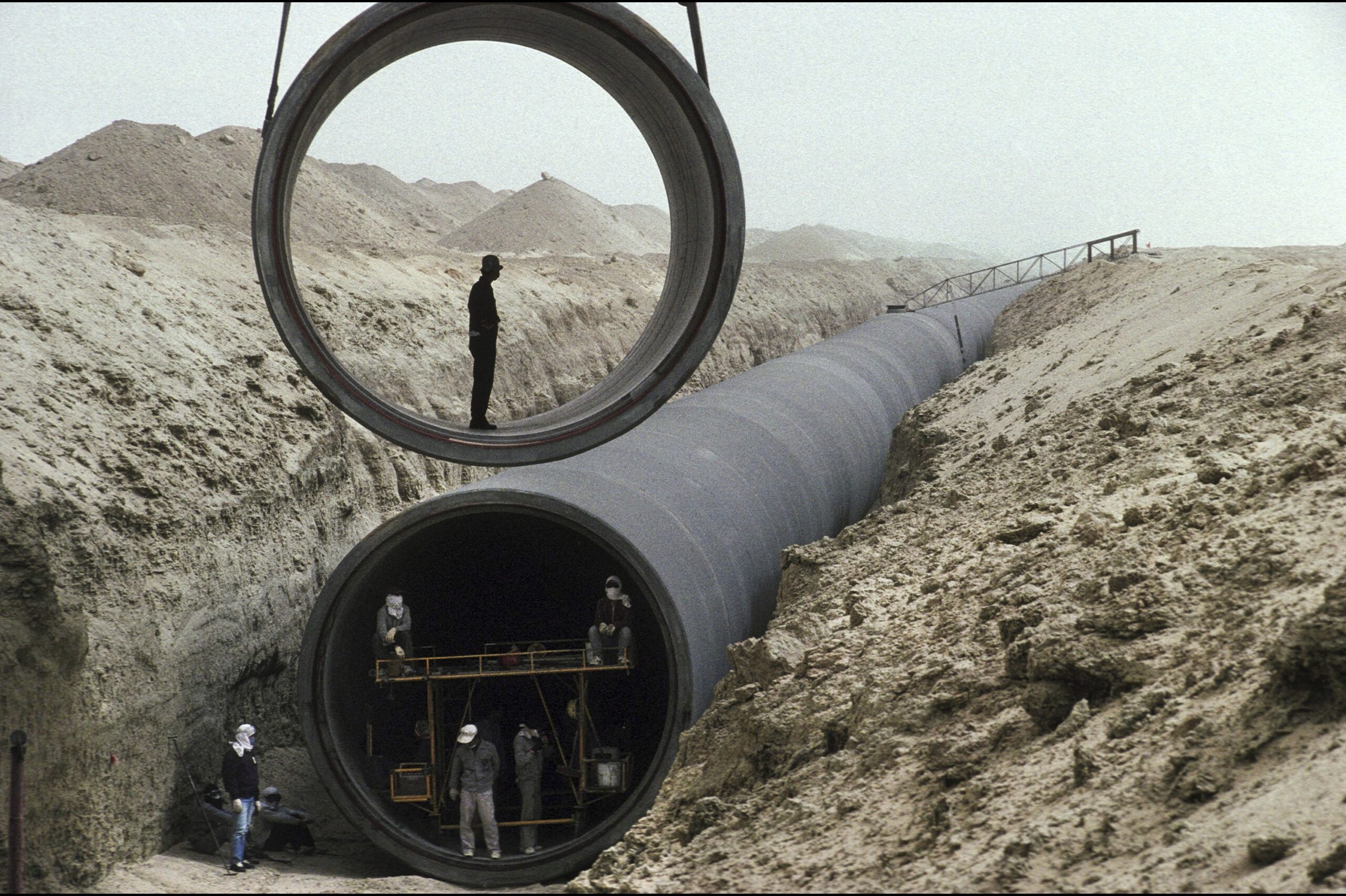
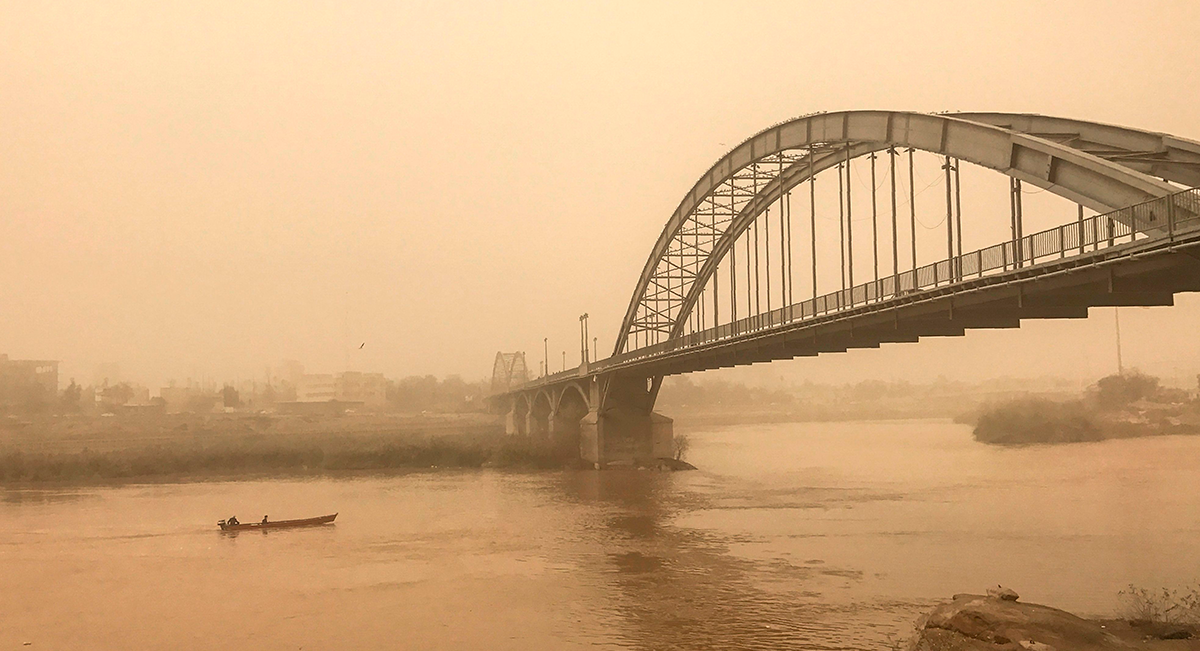
Water is slowly emerging as yet another potential cause for dispute between Ankara and Tehran. As of late, the two neighboring states have been at loggerheads over a number of issues, including Syria and Iraq, where they have opposing interests. After years of quiet diplomatic juggling, the issue of transboundary water management is gradually taking center stage in the two countries’ relations, a development that could, in the medium run, have serious repercussions for regional security.
اقرأ تقرير MEI الأسبوعي الذي يتضمن تحليلات الخبراء للتطورات الإقليمية الرئيسية للأسبوع المقبل.
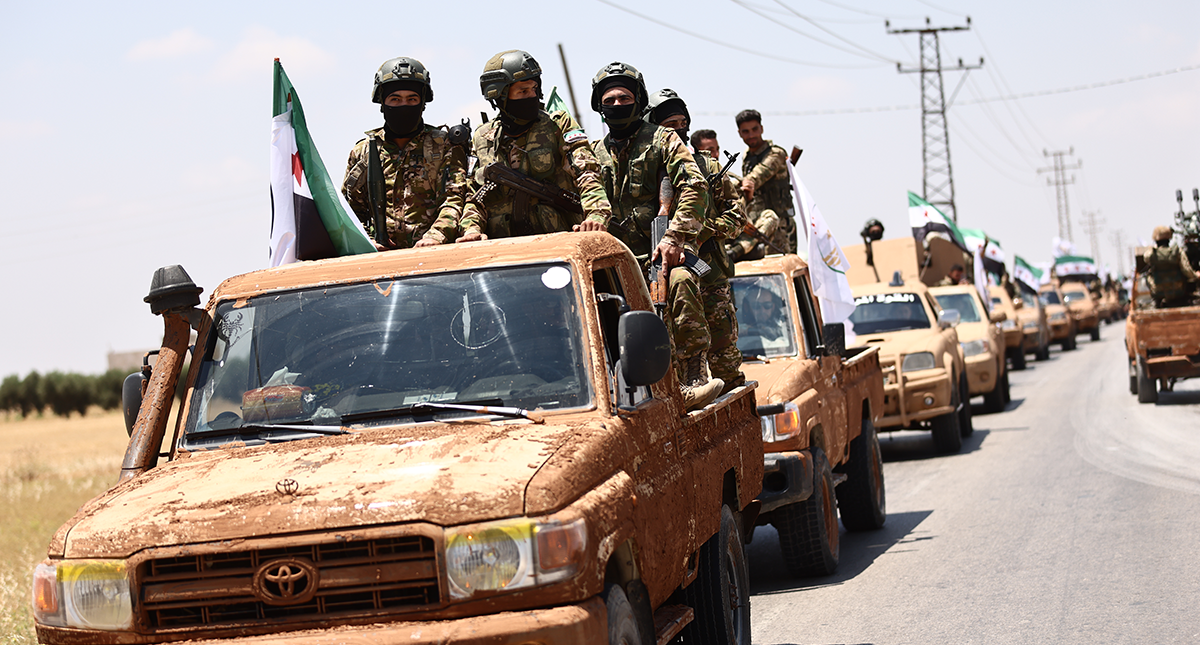
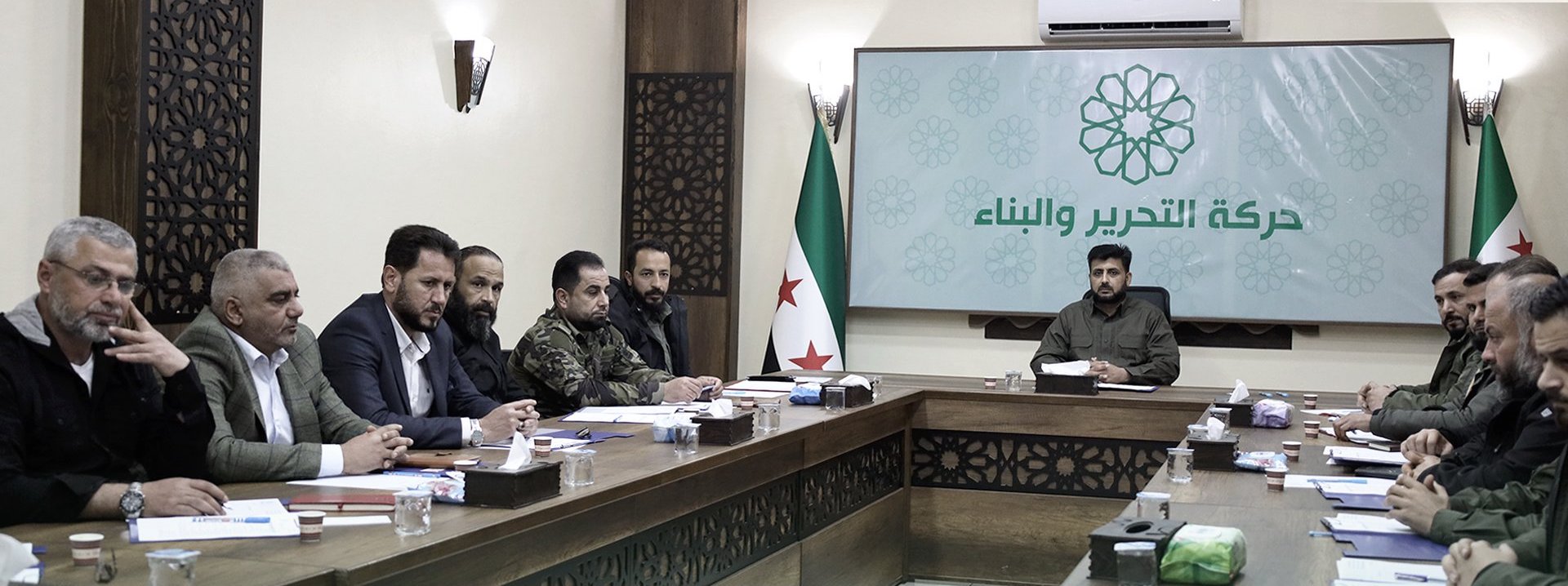
Following a series of reshuffles within the Syrian National Army (SNA), a Turkey-supported alliance of armed opposition groups in northern Syria, four armed groups with roots in Syria’s eastern provinces, Ahrar al-Sharqiya, Jaish al-Sharqiya, the 20th Division, and Suqur al-Sham’s eastern affiliate, announced the formation of the Liberation and Construction Movement (LCM) on Feb. 15, 2022. On April 25, 2022, the author held a four-hour conversation with the LCM’s leadership to discuss its genesis and ambitions, the issue of human rights violations, and the alleged incorporation of former ISIS members. In addition to providing the LCM’s perspectives on the Syrian conflict and its own role as a military, political, and societal actor, this conversation serves as a useful starting point for reflecting on the politics of humanitarian aid and predominant Western approaches to dealing with conflict parties such as the LCM.
اقرأ تقرير MEI الأسبوعي الذي يتضمن تحليلات الخبراء للتطورات الإقليمية الرئيسية للأسبوع المقبل.
Syria has emerged in recent years as a narco-state of regional and possibly global significance. Having destroyed much of the country, crippled the national economy, and reduced itself to pariah status, Syria’s regime and core components of its security apparatus have fronted a secretive industrial complex for the manufacture of a popular amphetamine known as Captagon.
Western visions for a post-war Syria often entail the creation of disarmament and reintegration programs oriented toward members of Islamist groups and militias. However, there is less discussion about how the legacies of state authoritarianism in regime-controlled or otherwise loyalist areas will likely hinder any type of post-war reconciliation.
The war in Syria started with a ferocious regime crackdown on nonviolent demonstrations but transformed rapidly into a hydra-headed conflict. Syrian citizens with Gulf support took up arms to defend themselves, extremists rushed in, Iran and its proxies upped the ante, and moderate and extremist opposition forces fought both with each other and regime.
اقرأ تقرير MEI الأسبوعي الذي يتضمن تحليلات الخبراء للتطورات الإقليمية الرئيسية للأسبوع المقبل.
Official reactions in Africa to Russia’s invasion of Ukraine have varied dramatically from country to country. While stopping short of implementing sanctions, most African countries condemned Russia’s invasion in a March 2 U.N. General Assembly vote. A sizeable minority, however, abstained or subtly displayed solidarity with Moscow. Such polarization can be seen in the differing postures of Libya and Sudan.