Mirette Mabrouk, Joey Shea, and guest host Eliza Campbell discuss current political disputes over the Grand Ethiopian Renaissance Dam (GERD), cyber diplomacy, and the effects of climate change on the Horn of Africa.
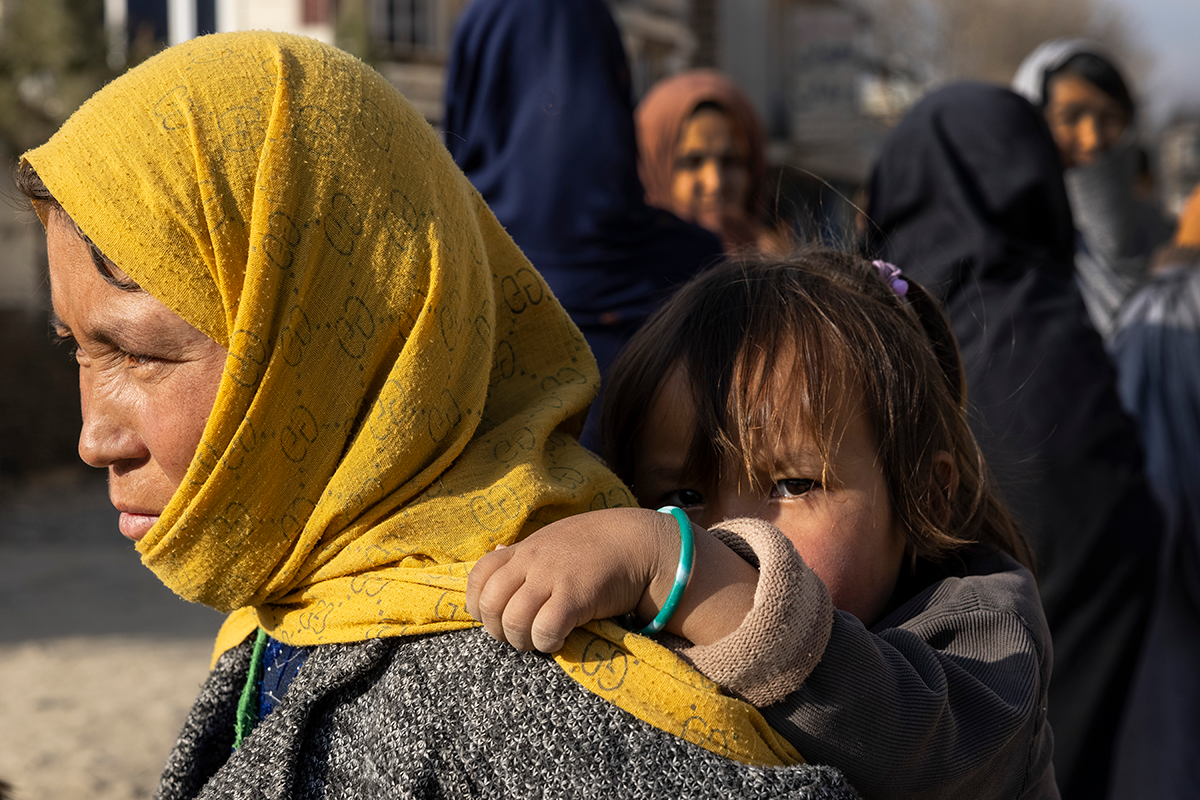
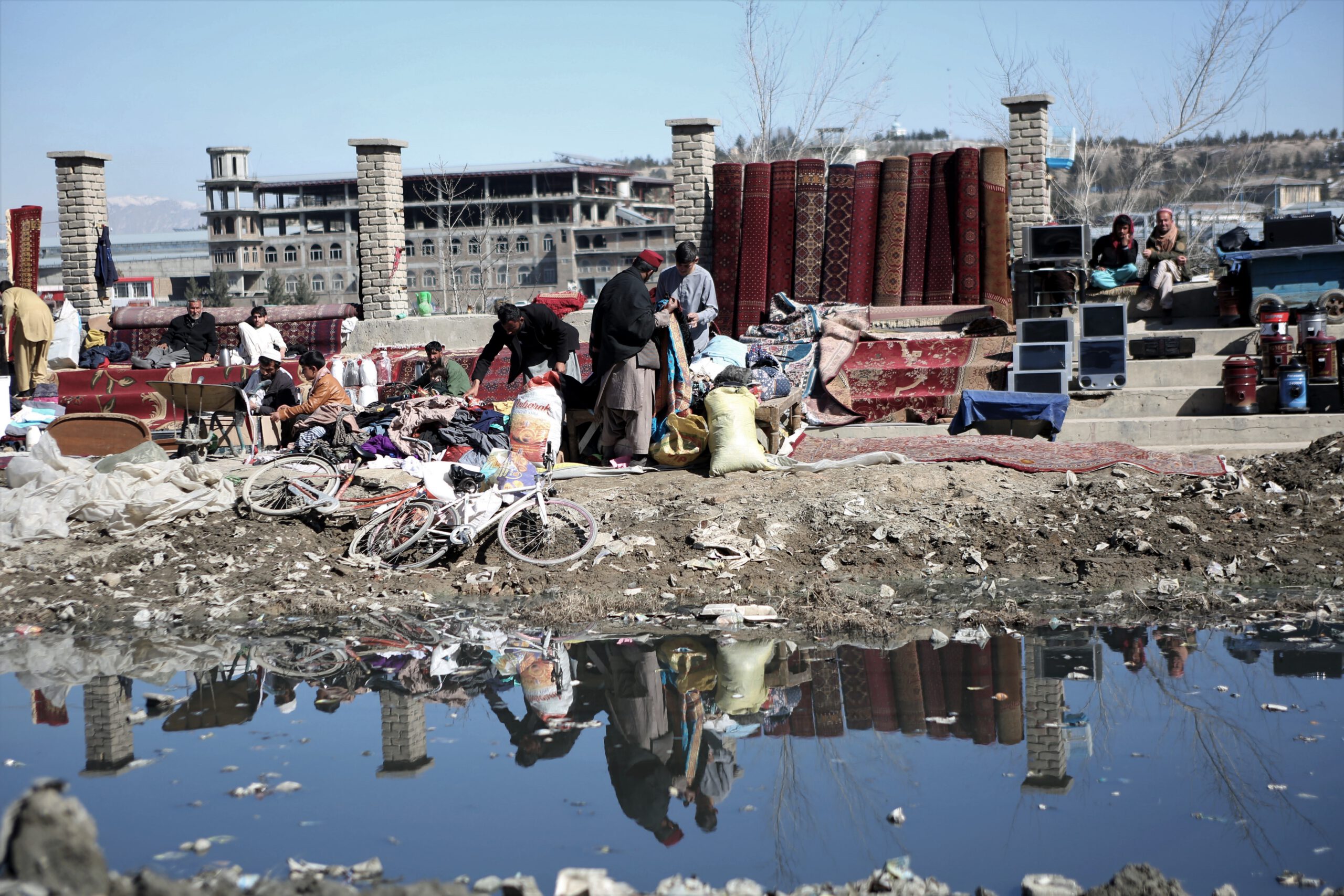
As global attention shifts further away from Afghanistan to Ukraine and elsewhere, time is running out to change course before the country’s freefall under the Taliban becomes irreversible. The international community needs a two-pronged, interlinked approach to normalize the economy and stabilize the political scene.
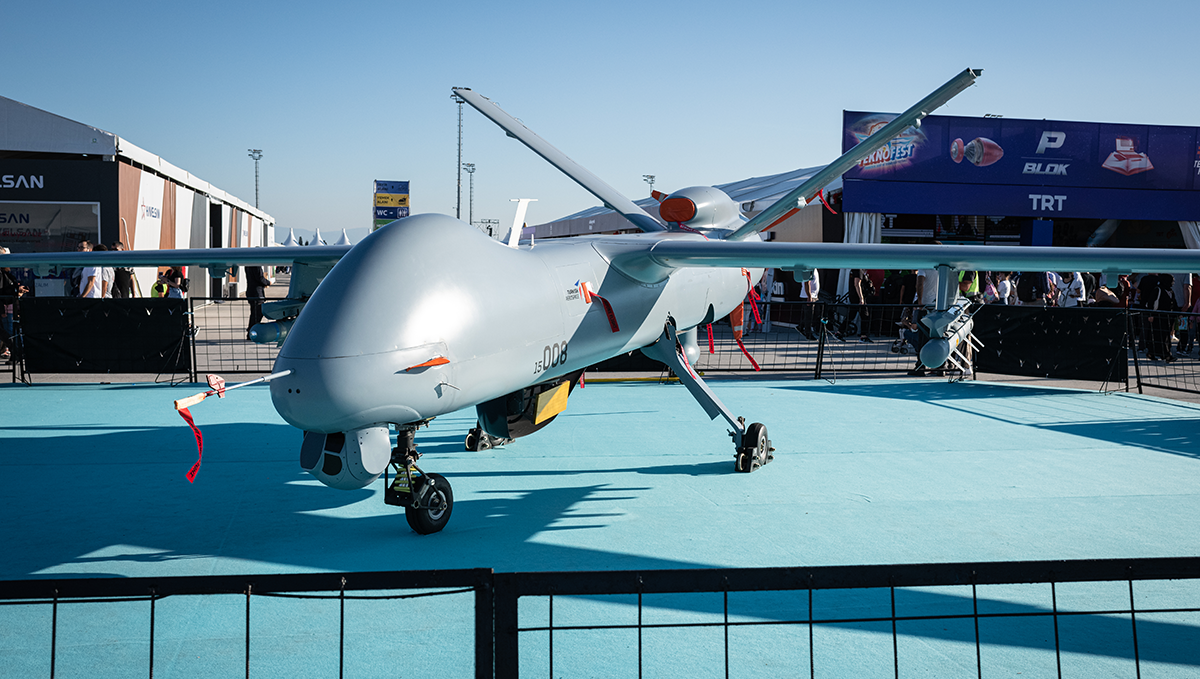
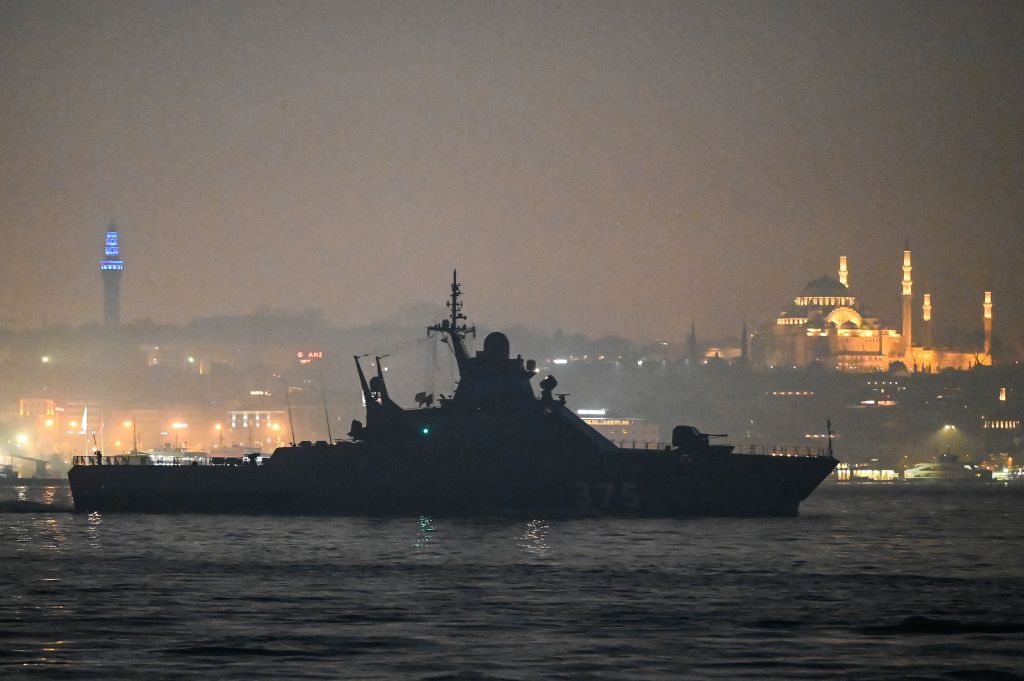
Drones are re-engineering the geopolitics of the Middle East
The Middle East is experiencing a seismic shift in its geopolitics: the dawn of the era of drones. From Syria to Libya and from Yemen to Iraq, UAVs have altered the dynamics on the battlefield. Agile and affordable, drones aren’t just a menace to remote conflict zones, but also to states far removed from theaters of war.
Connecting Beijing’s global infrastructure: The PEACE Cable in the Middle East and North Africa
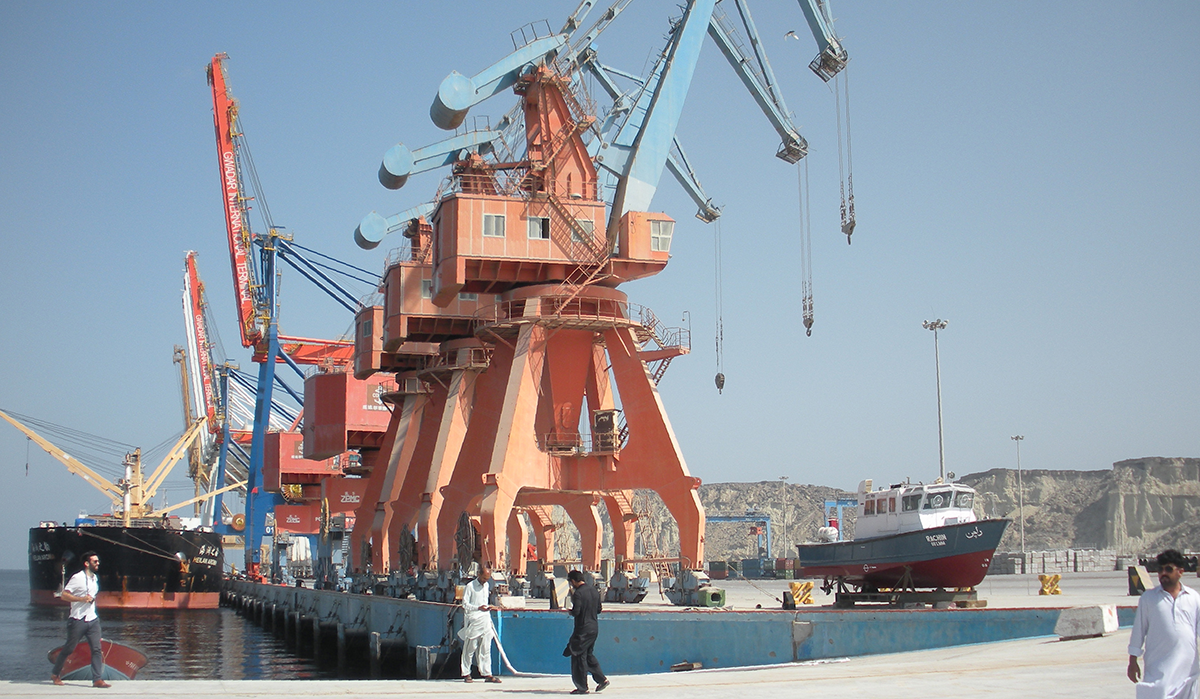
One of the most ambitious elements of China’s Digital Silk Road is the Pakistan & East Africa Connecting Europe (PEACE) fiber-optic cable. China has long expressed its ambition to connect the greater Middle East, Africa, and Europe with Chinese fiber optics in order to expand its presence in the region, and Beijing now boasts strategic infrastructure assets in geopolitical hotspots, such as the Pakistani port of Gwadar.
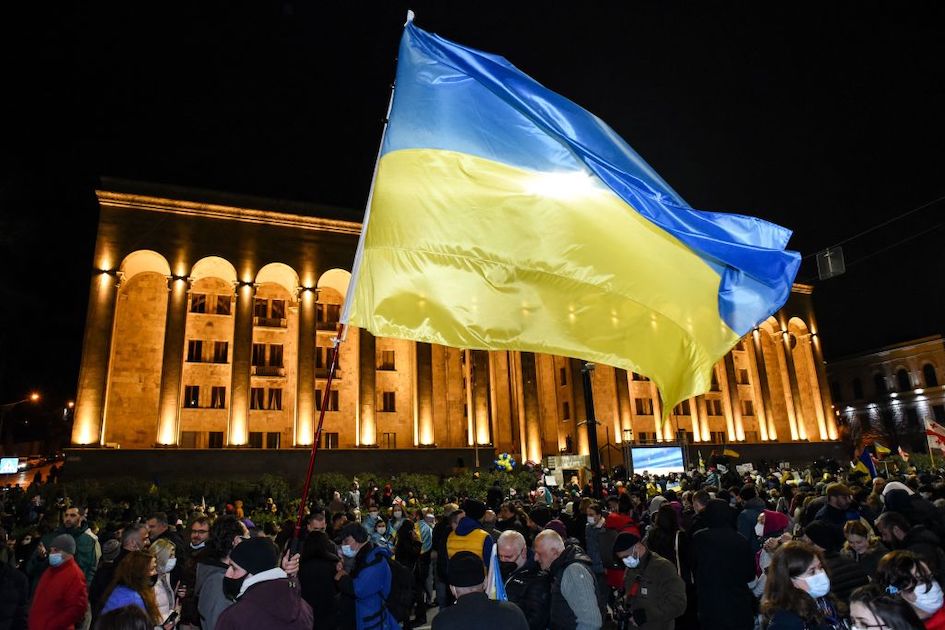
Getting complicated in a hurry: The implications for Egypt of Russia’s invasion of Ukraine
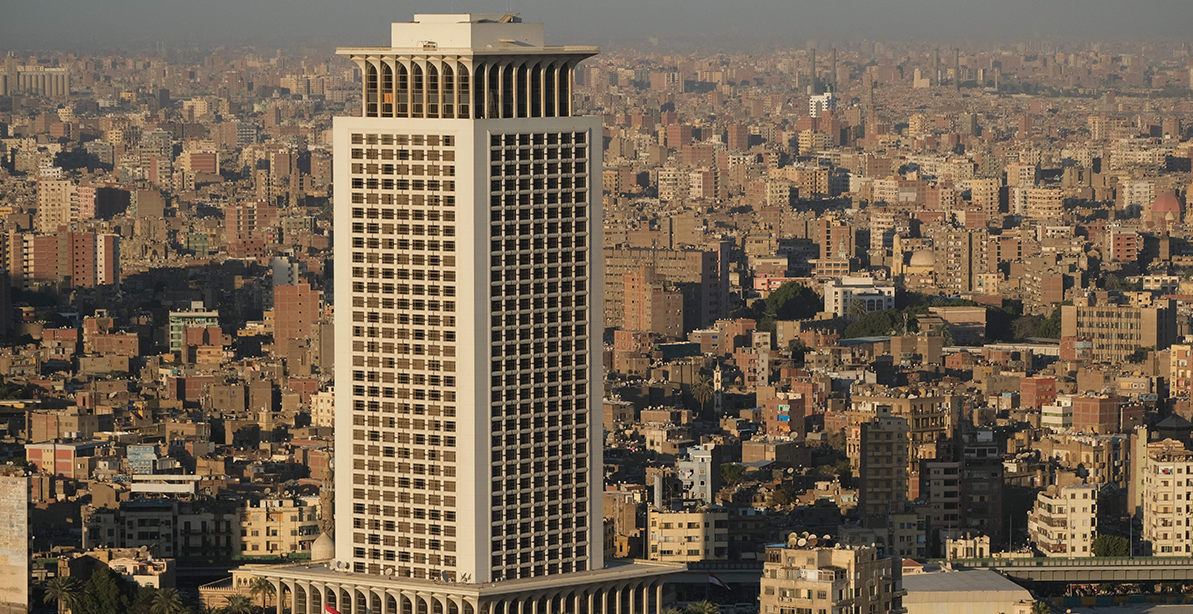
A week after Russia invaded Ukraine, the economic and political ramifications for Egypt have evolved more rapidly, and comprehensively, than its policymakers would have wished.
The Russia-Ukraine War has Turned Egypt's Food Crisis into an Existential Threat to the Economy
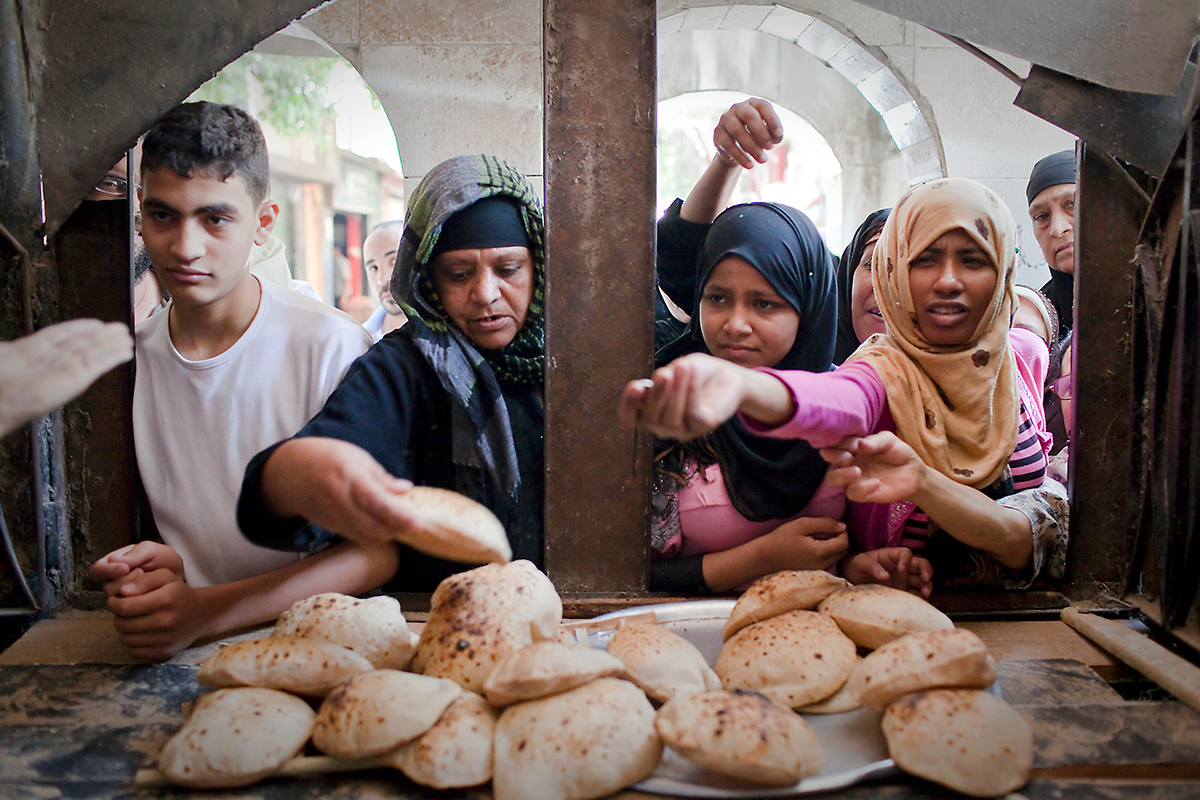
With the outbreak of the Russia-Ukraine war on Feb. 24, 2022, Egypt’s food security crisis now poses an existential threat to its economy. The fragile state of Egypt’s food security stems from the agricultural sector’s inability to produce enough cereal grains, especially wheat, and oilseeds to meet even half of the country’s domestic demand.
Expanding use of e-wallets in Egypt: Strengthening the social contract one transaction at a time
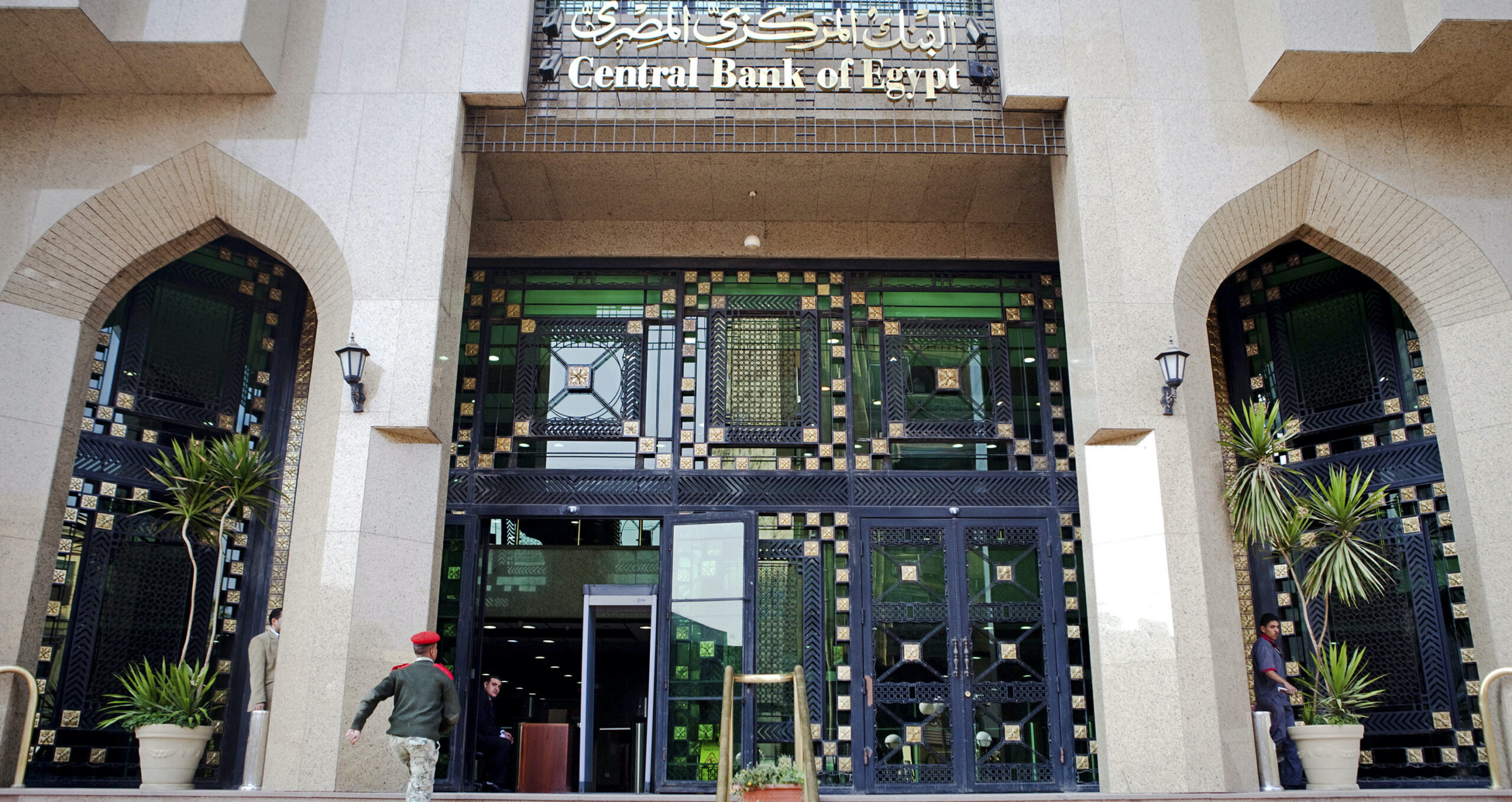
Egypt, like much of MENA, is experiencing an unprecedented digital transformation. Governments throughout the region are embracing emerging technologies, particularly in governance and, increasingly, financial management. Countries across MENA are adopting ICT strategies, such as the ICT Vision 2030 in Egypt. Egypt’s plan aims to develop a knowledge-based society by means of a strong digital economy built on reliable, affordable, and equitable access to digital tools.
Marvin Weinbaum and Sayed Madadi discuss Afghanistan’s worsening economic and humanitarian crises six months after the Taliban reclaimed control of the country.
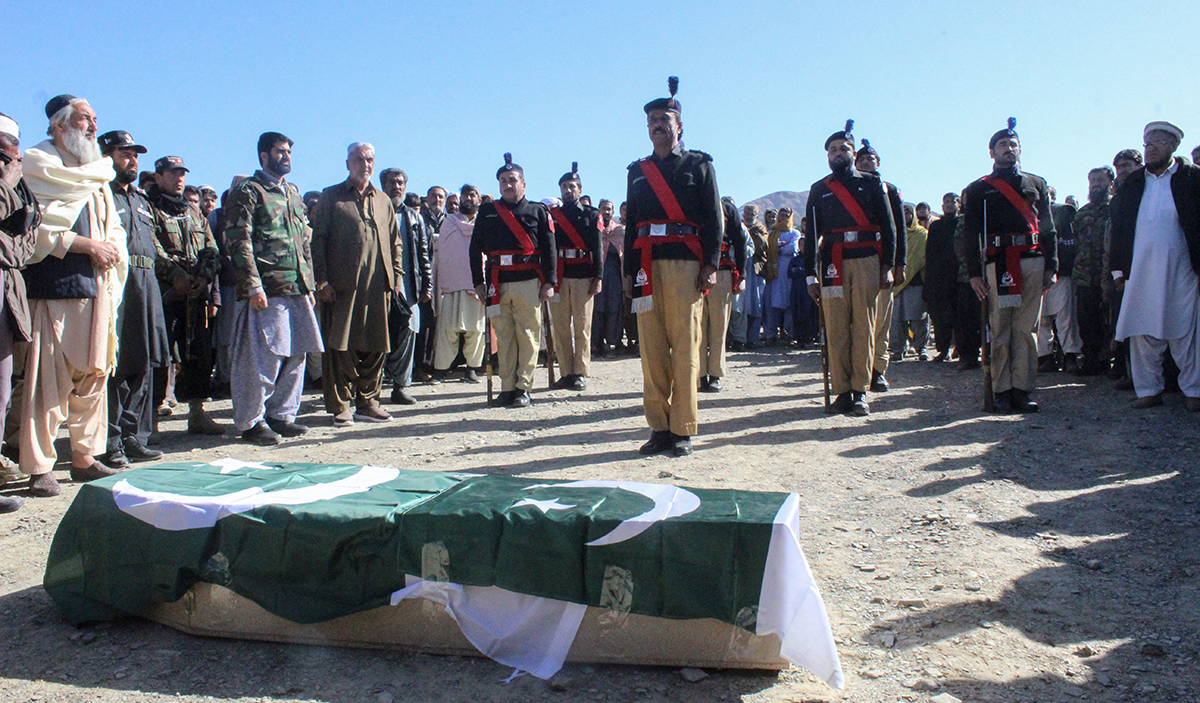
The Pakistani Taliban’s radical rebranding: Is there more than meets the eye?
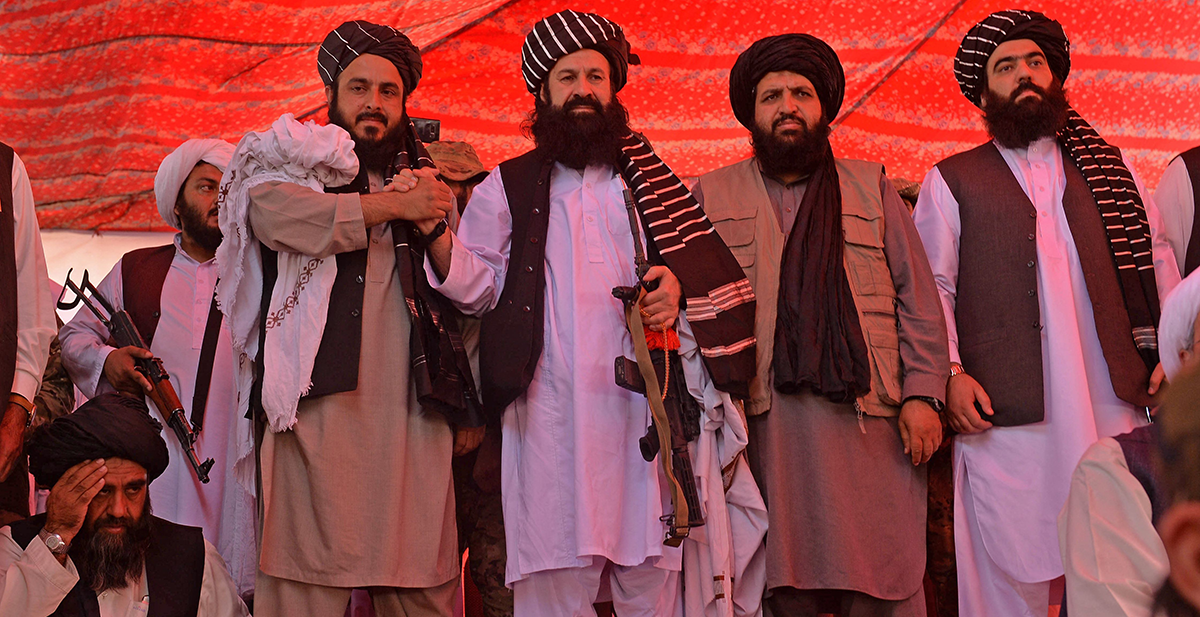
In a statement released on Feb. 12, the Tehreek-e Taliban Pakistan (TTP) distanced itself from international terrorism, declaring that its violence was singularly focused on Pakistan. While the TTP’s recent comments on America are unprecedented, they do fit into its broader rebranding effort under the leadership of Noor Wali Mehsud, who took over the group in 2018.
For years, the world tried to soften the Taliban’s extremist ideology by exposing them to modernity. As an insurgency they learned diplomacy and negotiation tactics, but their medieval thinking remained just as rigid. Now that the Taliban rule over Afghanistan, the international community continues to appease them, assuming it can convince them to form an inclusive government and ease their regressive policies while alleviating the country’s worsening humanitarian disaster. That is a naïve assumption that overlooks the root causes of the current crisis. Not only will the international community not get what it wants, but it also risks creating a much greater crisis: a Taliban theocracy that institutionalizes its repressive rule at a steep human and economic cost.