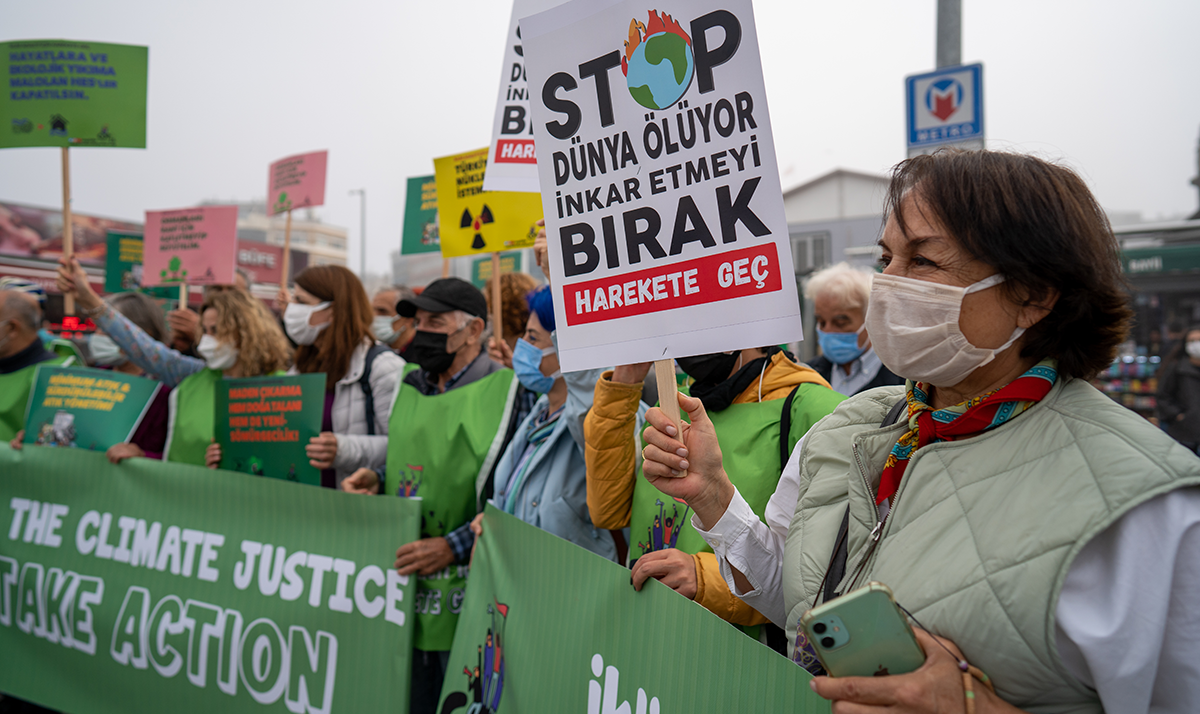
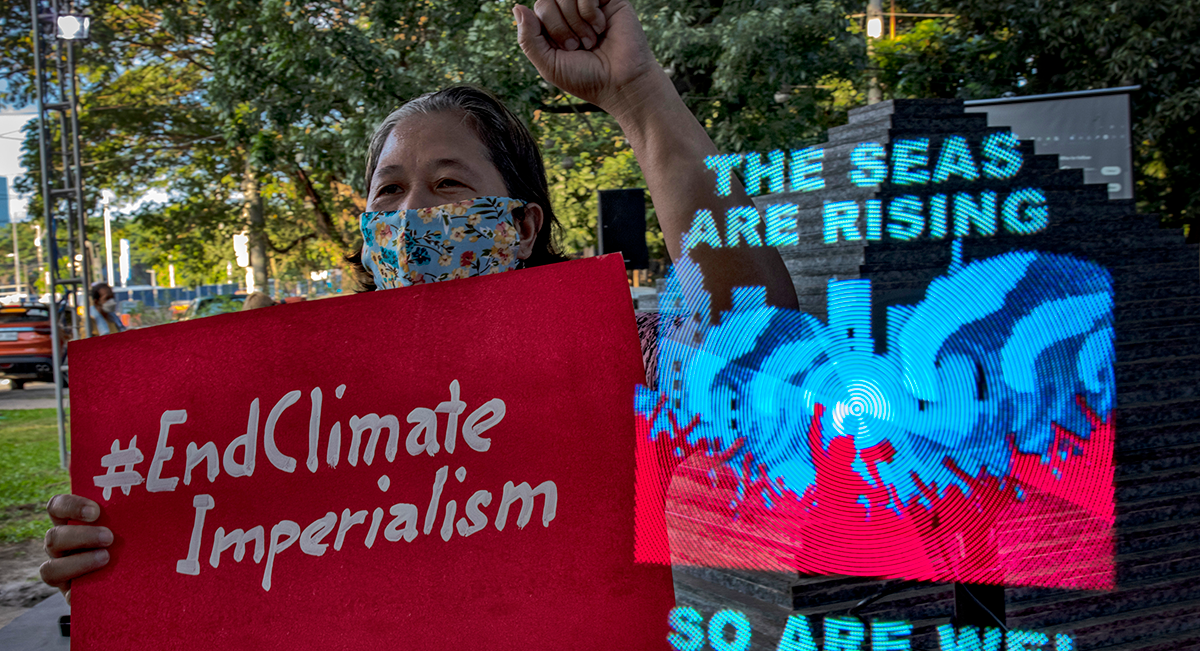
Since the founding of the UNFCCC at the Rio de Janeiro Earth Summit in 1992, climate justice has been a contentious issue that has divided developed and developing countries. The concept of climate justice is crucial for negotiating the diverse responsibilities of different nations and actors, and for shaping climate policies, and it has arguably come a long way since the early days of global climate change negotiations.
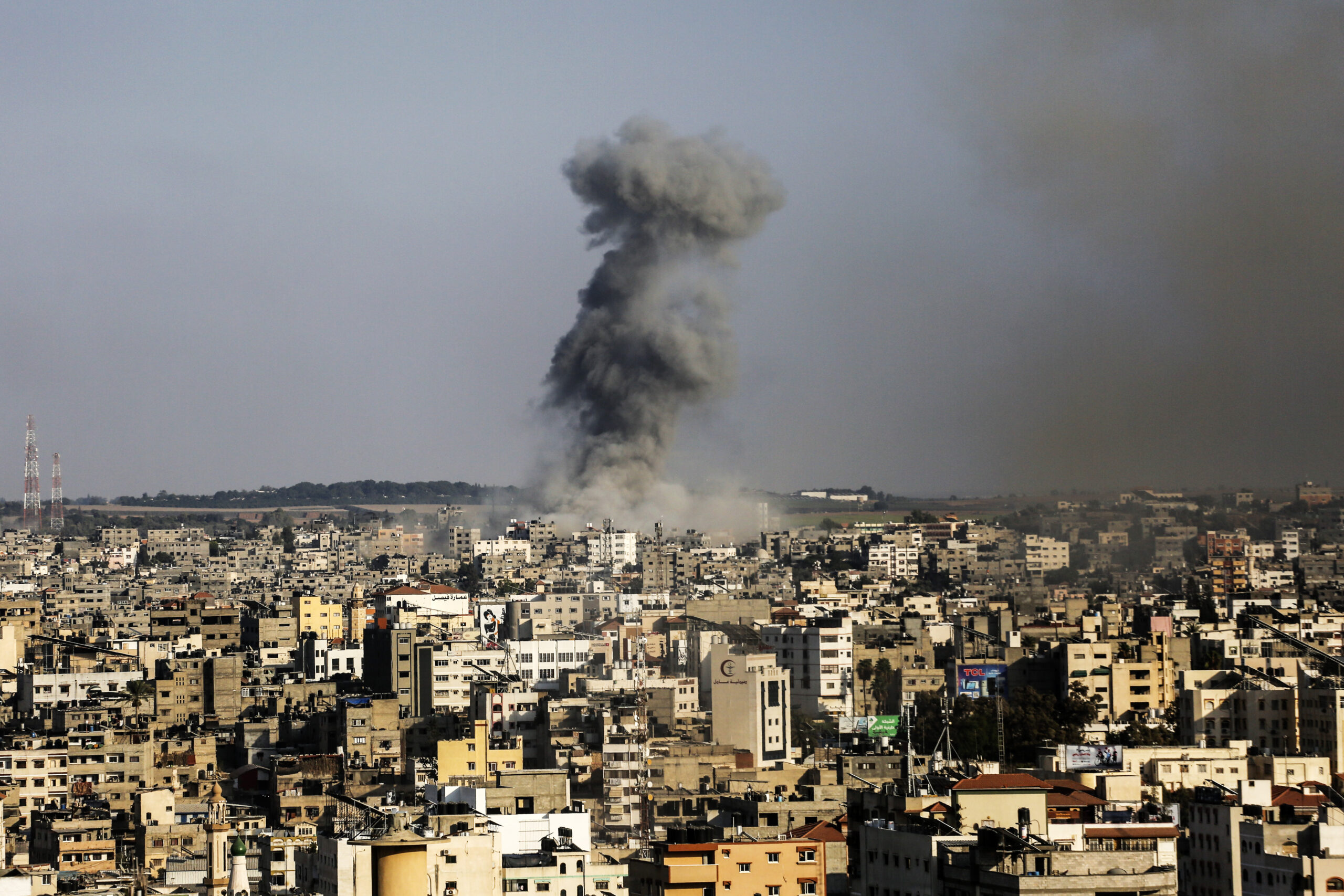
The causes and consequences of Israel’s latest attack against Islamic Jihad in Gaza
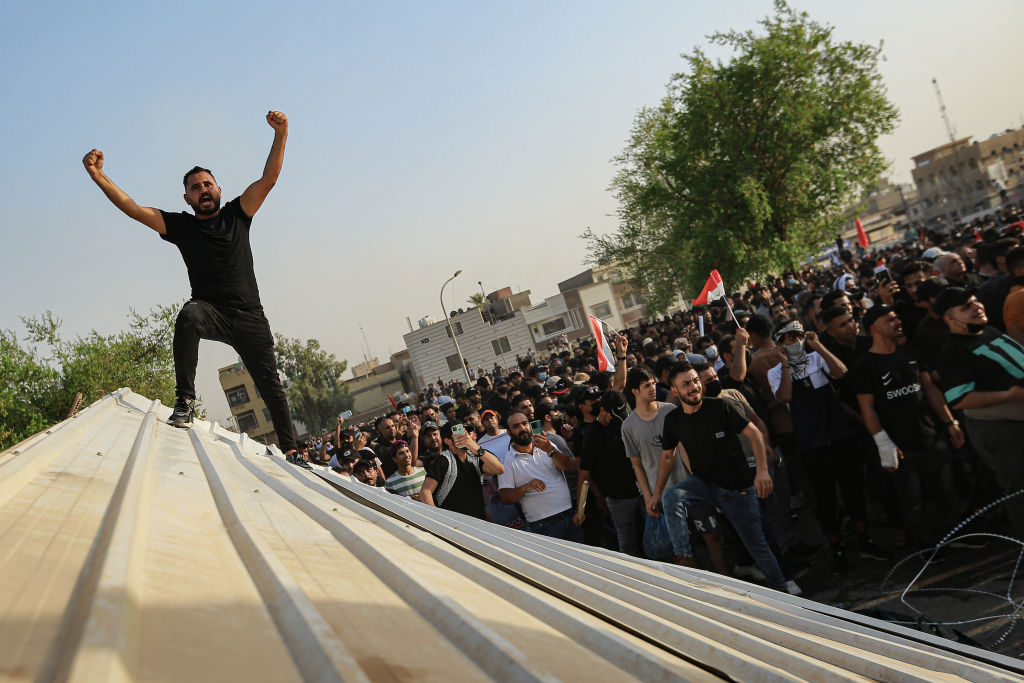
Israel’s early August offensive against Palestinian Islamic Jihad in Gaza achieved several strategic and tactical goals, but it failed to entirely sever the PIJ’s relationship with Hamas.
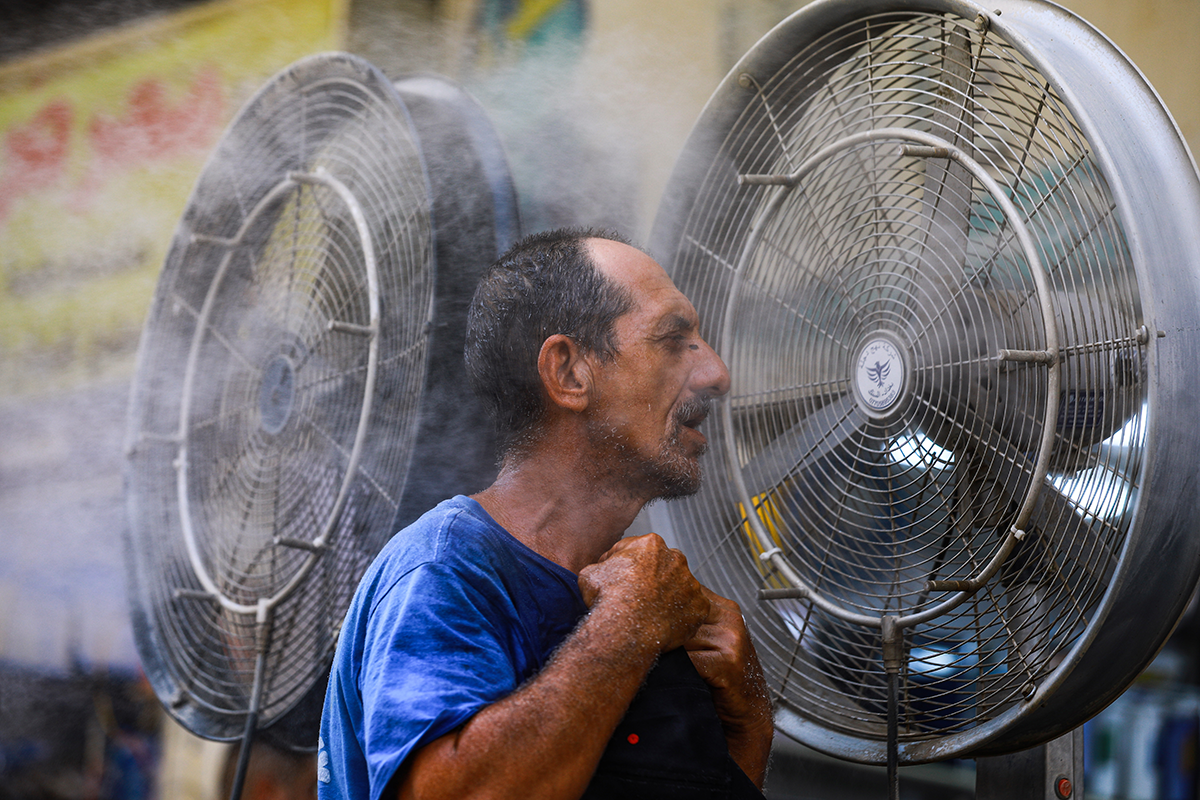
Expert Views: The implications of this summer’s scorching heatwaves
What began as a summer heatwave of significantly above-normal temperatures in Europe expanded to a series of successive heatwaves that has afflicted most of the northern hemisphere. Temperatures reached and remained at substantially elevated levels in the months of June and July, breaking historical records in many countries across Europe, Asia, North America, and the Middle East.
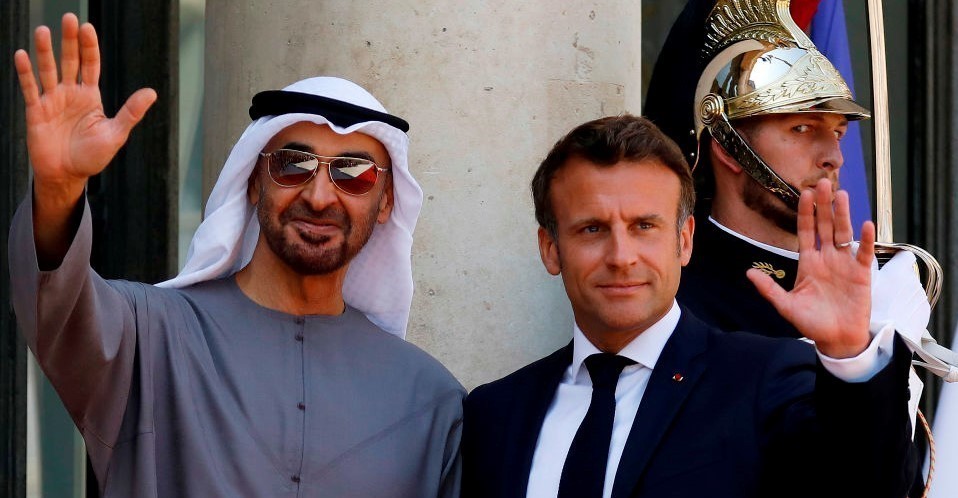
As the first of two consecutive global climate conferences to be held in the MENA region, COP27 could provide a new opportunity for international leaders to overcome the failures of COP26, especially the censorship of the voices of vulnerable communities from the Global South. Addressing the legacy of climate coloniality means decolonization is a key part of tackling the climate crisis.
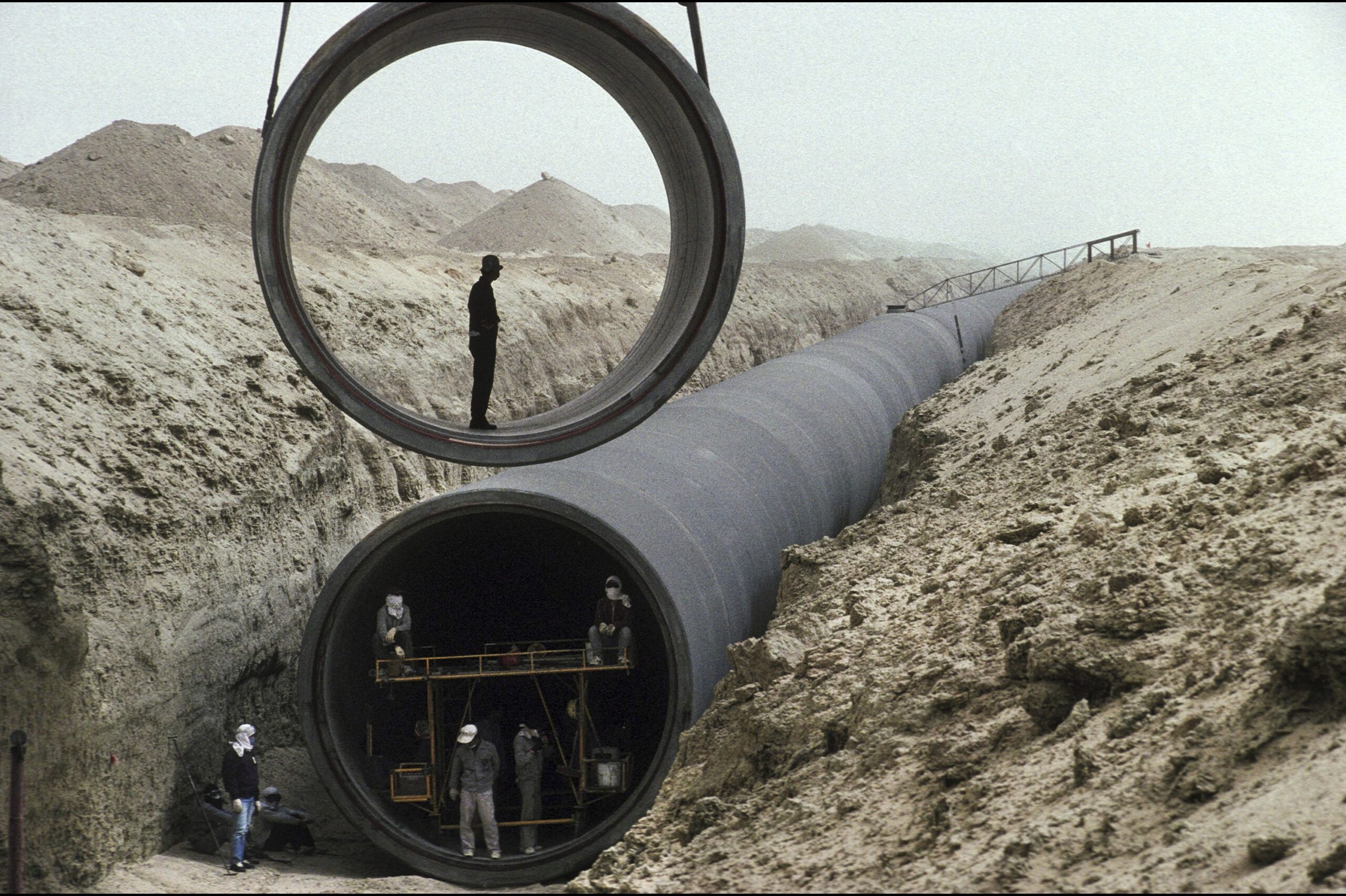
What’s next for Libya’s Great Man-Made River Project?
The Middle East and North Africa are well known for their severe water scarcity. The region’s lack of water resources is the result of many factors, including the harsh climate, intense heat, high evaporation rates, and increasing population growth. Libya is no exception in this regard. According to the World Resources Institute, it ranks 6th among the top countries worldwide facing “extremely high baseline” water stress.
Refugees First: A New Approach to Middle East Peace
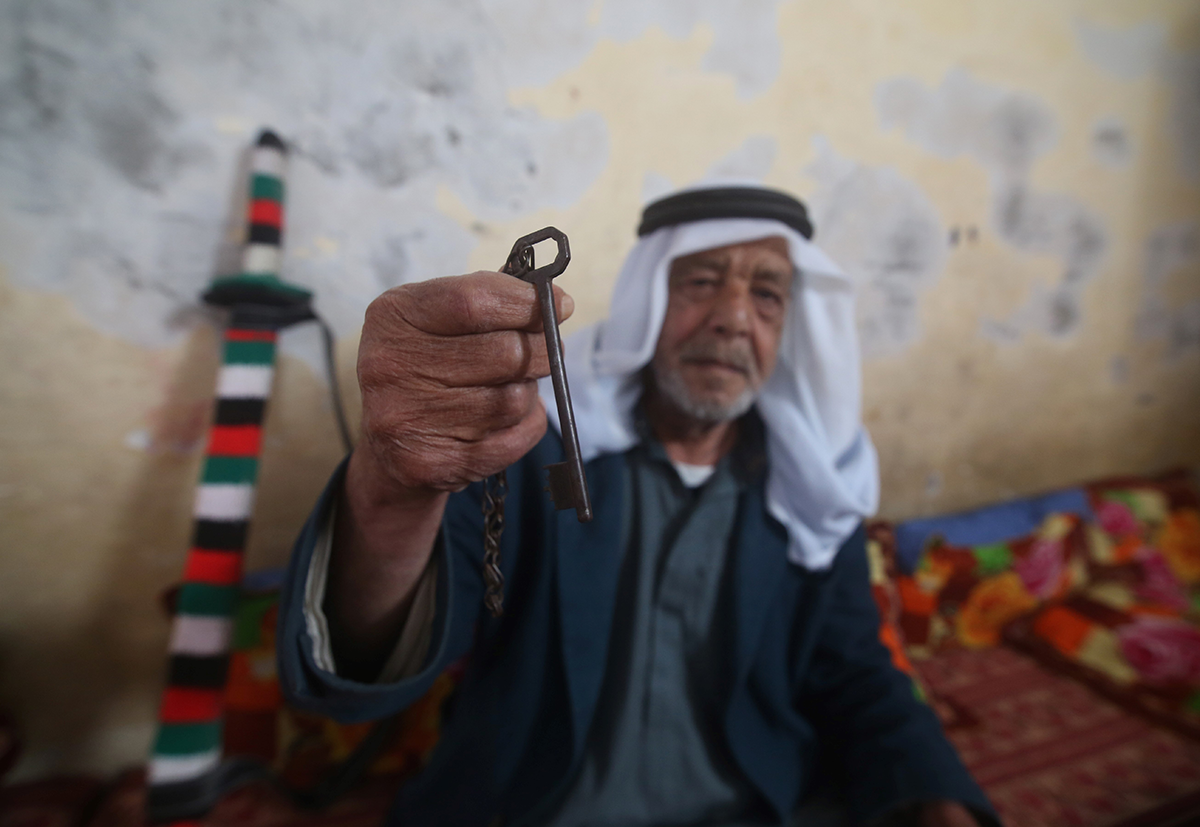
According to UNRWA, there are approximately 6.3 million registered Palestinian refugees across the Arab world. The majority of these are the descendants of the 750,000 Palestinians who were displaced between 1947 and 1949 over the course of Israel’s creation, an event known among Palestinians as the Nakba or “catastrophe.” This paper aims to evaluate past proposals on the refugee question and promote a new refugee-first framework that could produce tangible solutions for Palestinian refugees and for the conflict at large.
How the Ukraine war exposed Europe’s derailed energy transition and its hypocrisy toward the Middle East
With energy security becoming a top priority, the sudden need to find new sources of hydrocarbons dampened Europe’s and the United States’ previously pledged resolve to address climate change and greenhouse gas emissions.
The Middle East’s worsening dust storms are making it harder to deploy solar energy
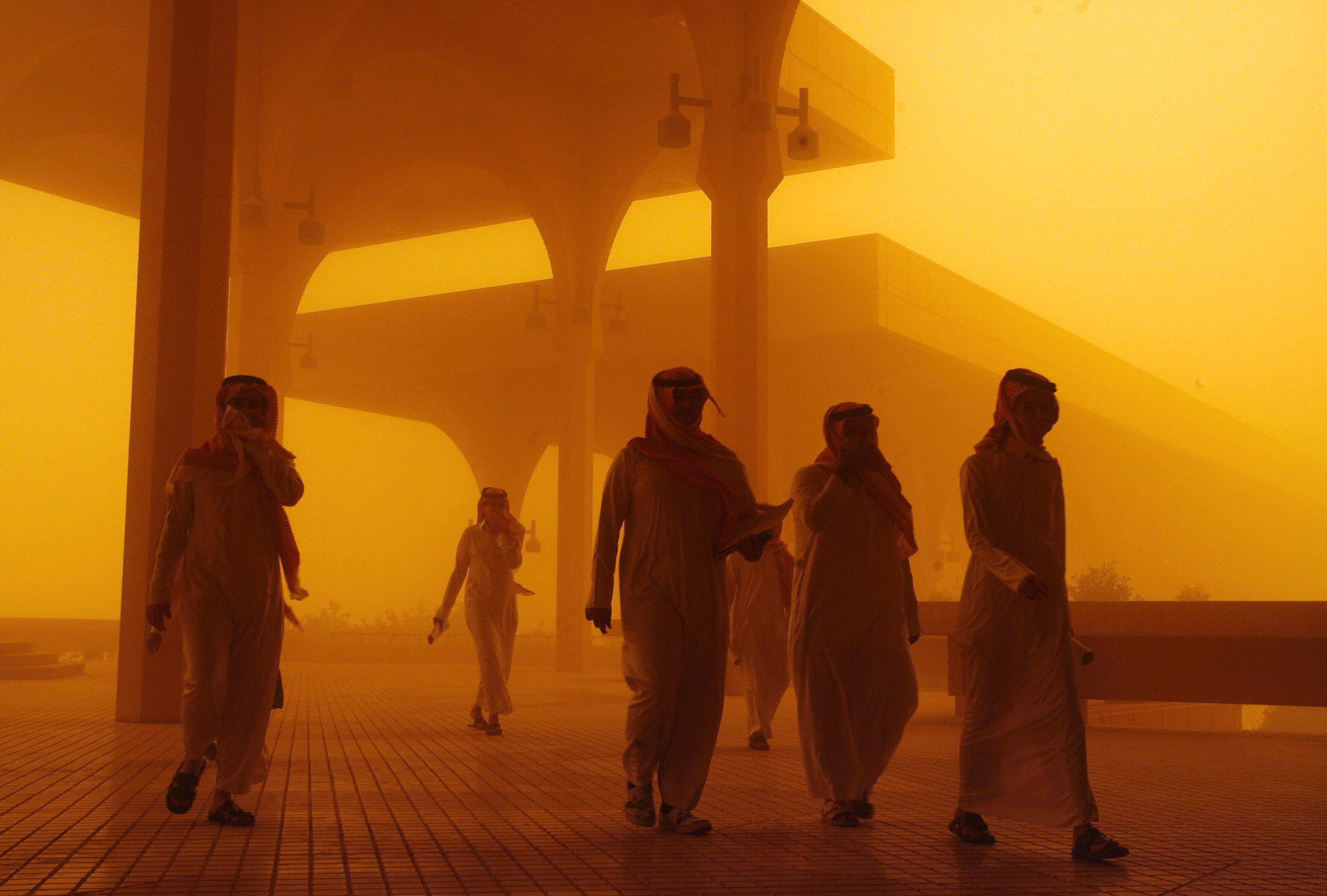
Recent months have seen unprecedented levels of dust storms in the Middle East. Hundreds of people were hospitalized because of breathing difficulties; public buildings, offices, and schools were closed; and flights were grounded. Sand and dust storms are not a new experience for the people of the region, but continuous exposure to thick blankets of dust — as seen in April and June 2022 — is quite alarming and has affected local communities and residents across the region from Syria to Iran.
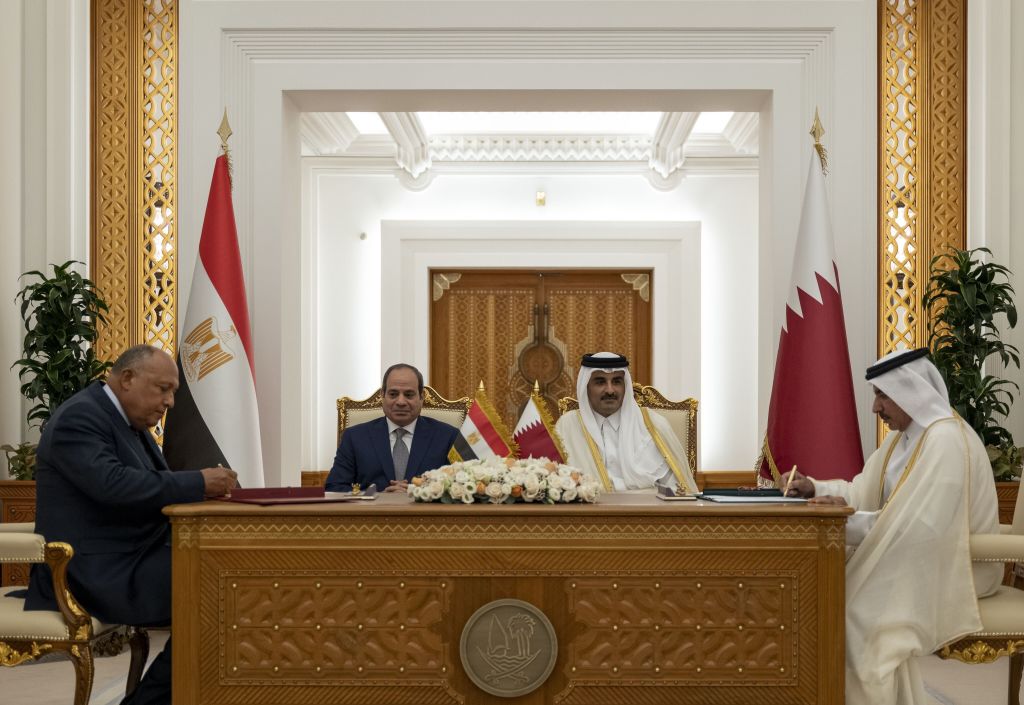
Egypt as an Eastern Mediterranean power in the age of energy transition
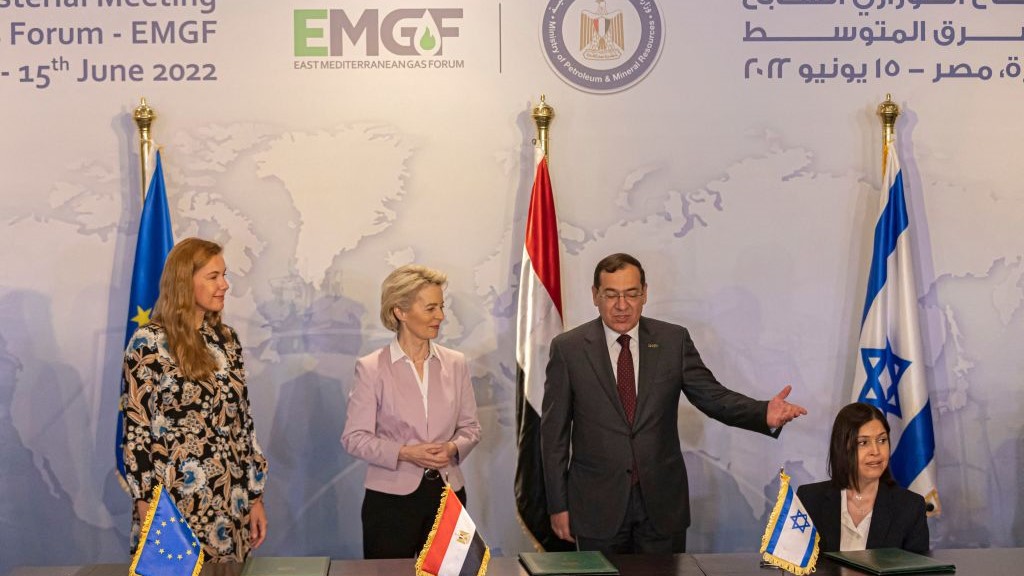
The emergence of Egypt as an Eastern Mediterranean energy hub resulted from a culmination of years of deliberate efforts. Increasingly, Egypt will be able to re-export Israeli natural gas or convert it into blue hydrogen, generate green electricity for export, or utilize its growing wind and solar power capacity to produce green hydrogen.
Urban pollution across the Middle East and Black Sea regions: Causes and mitigation measures
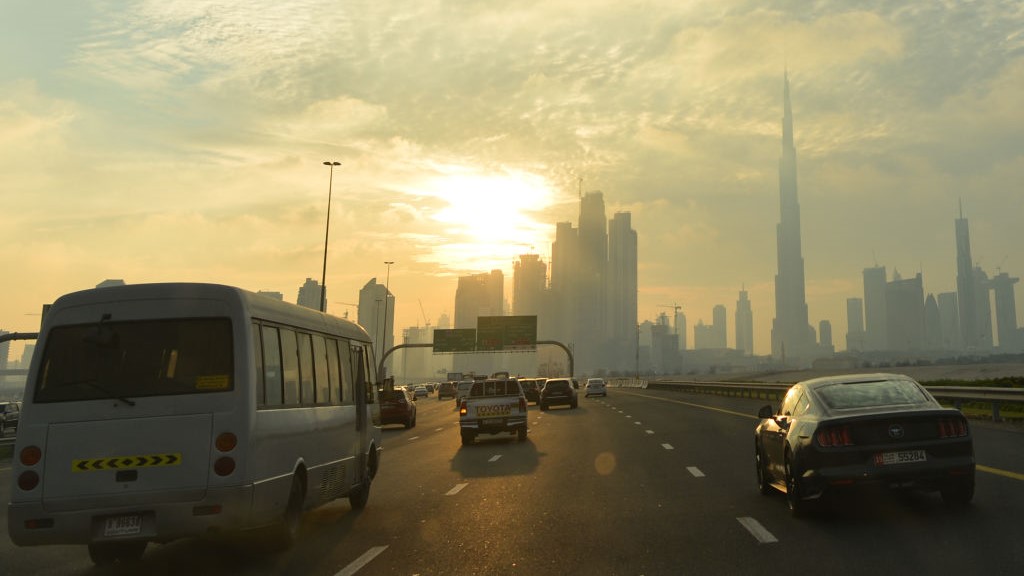
The latest IPCC reports clearly indicate that cities — responsible for up to 72% of global emissions — need to be redesigned to stand a chance against the climate crisis. The urban communities of the Middle East and Black Sea regions face some of the most difficult climate change effects. To properly address their challenges, a comprehensive analysis of drivers and strategies to follow is needed.