Central Asian states look to Iran as they seek to expand regional transit corridors
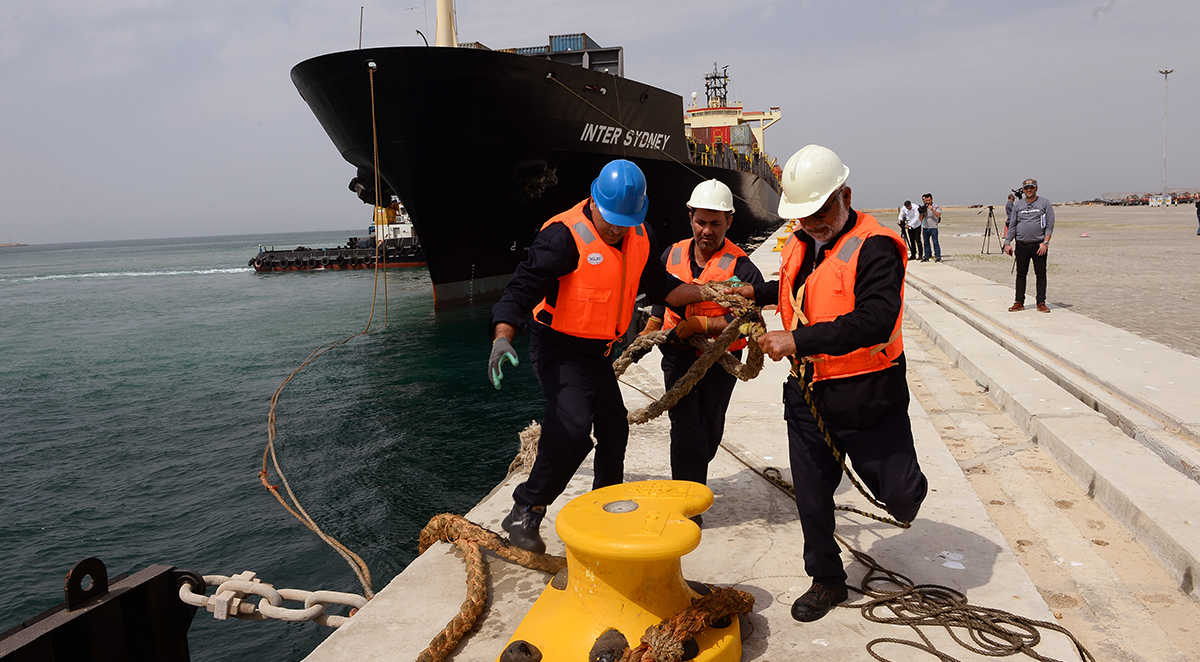
When Russia launched its full-scale invasion of Ukraine in late February 2022, it prompted the Central Asian states, and others, to reconsider Iran’s potential role as a transit country. In a little more than two years, Central Asia’s view of Iran has changed from international pariah to key link in lucrative trade routes.
What’s at stake as Iran heads to a presidential runoff?
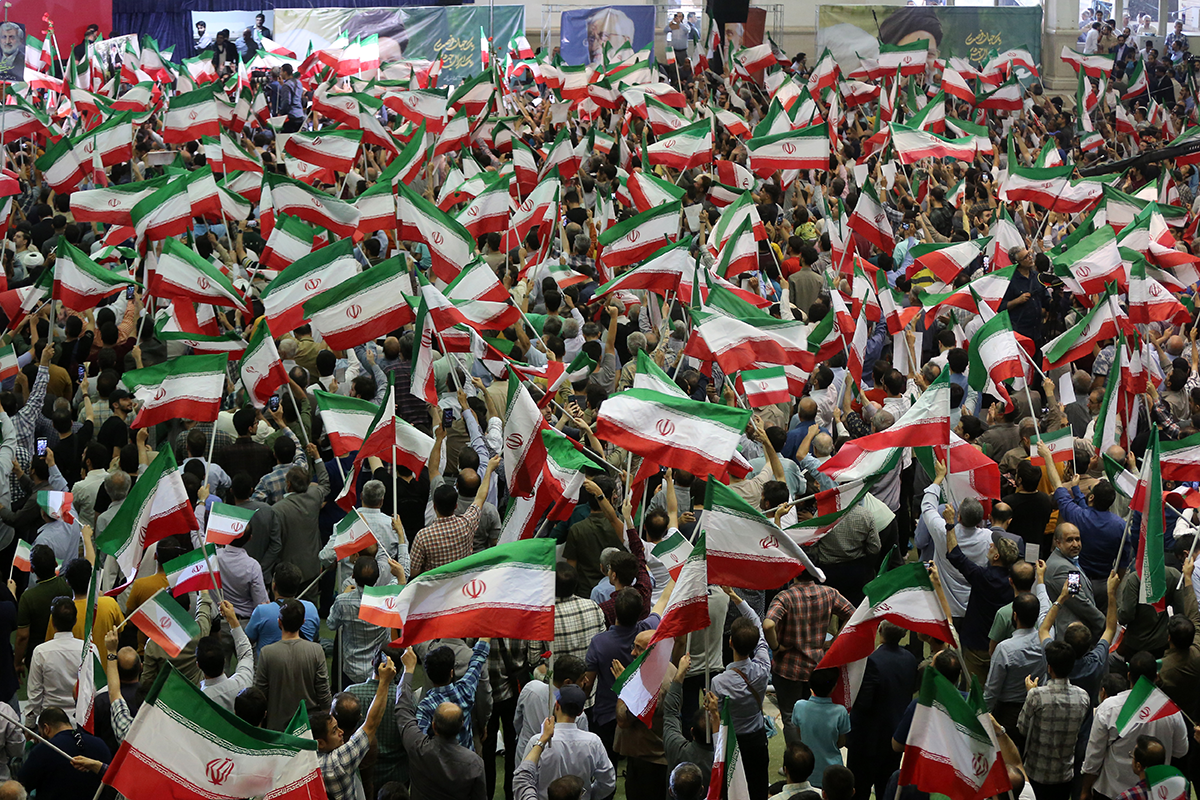
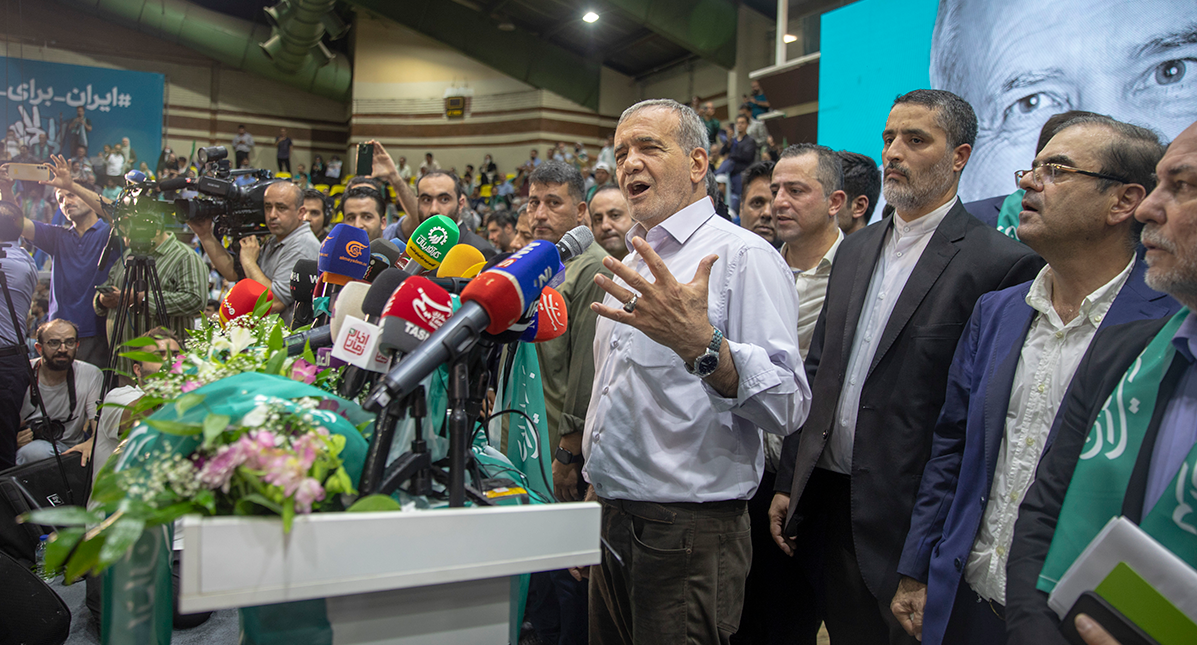
On June 28, Iran held its third election in the span of just four months. A fourth contest, a presidential runoff, is scheduled for July 5. And yet the opposite of election fervor has gripped the country. The June 28 election made history by setting a new record low for turnout, with official data suggesting 39.9% of voters cast a ballot. Participation is unlikely to rise in the second round, on July 5, but where turnout will end up is the million-dollar question.
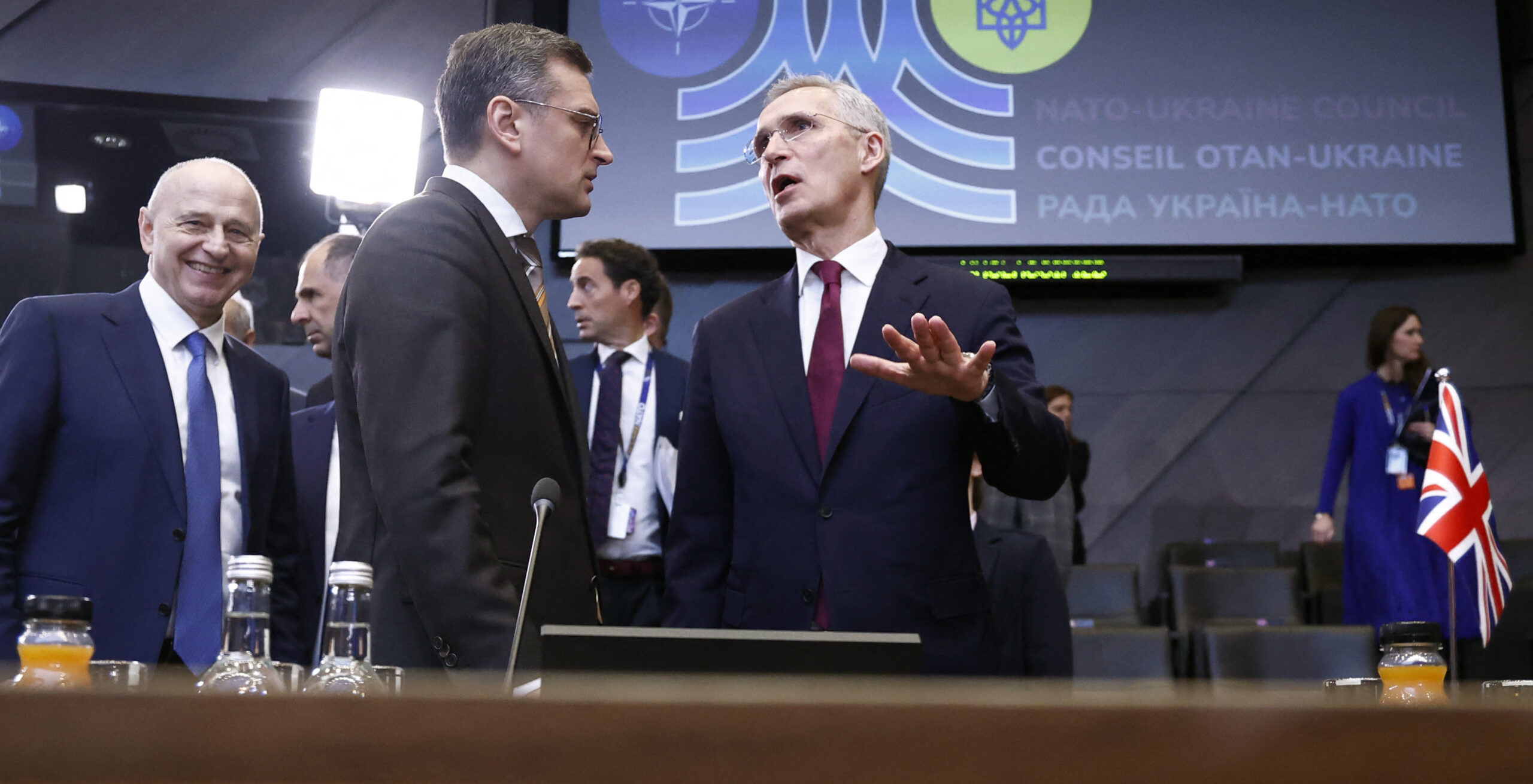
In its 2022 Strategic Concept, NATO declared the Black Sea Region (BSR) of strategic importance for the Alliance, yet this recognition has never translated into NATO developing a proper strategy toward its critical southeastern flank. That glaring gap must be addressed right away.
Polling on Iran highlights key social and political issues ahead of presidential vote
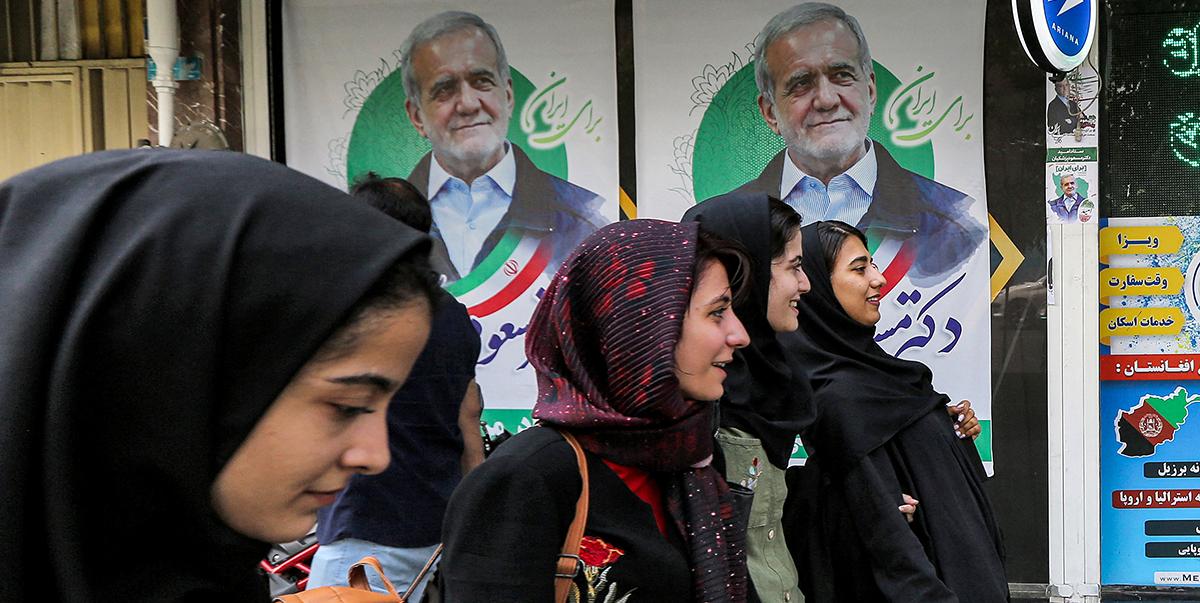
The latest survey from Stasis Consulting estimates that voter turnout in the June 28 Iranian presidential election is likely to exceed 50%. Despite the sudden death of President Ebrahim Raisi, Iranians do not believe his passing will cause any significant challenges for the country. Iranians view addressing youth concerns as a top priority for the next president, alongside dealing with the country’s long-standing economic challenges. In addition, there is widespread opposition to the way in which the government is dealing with the mandatory hijab and a majority of Iranians dislike the Guidance Patrol and support making the wearing of the veil optional.
Change isn’t on the ballot as Iranians head to the polls
With just a few days left before Iranians head to the polls, it is clear that the June 28 presidential election is not exciting the country’s voters. After several televised debates, some of which have been mildly contentious, the six men in the race have failed to energize the public. In fact, a major “no vote” campaign has been under way on social media and elsewhere, aimed at convincing Iranians to stay home.
Alex Vatanka (Director, MEI’s Iran Program) and Ali Afshari (Iranian political analyst and pro-democracy activist) discuss Iran’s snap presidential elections, set to be held on June 28th, following the sudden death of President Ebrahim Raisi in a helicopter crash last month. The 63-year-old regime loyalist was widely viewed as a leading potential successor to the Islamic Republic’s 85-year-old supreme leader, Ayatollah Ali Khamenei. The elections come as Iran faces a number of challenges both at home and abroad, ranging from long-running domestic economic troubles and preparations for an eventual leadership transition to the regional reverberations of the ongoing war in Gaza and the tit-for-tat exchange of missile and drone strikes with Israel in April.
ليبيا تظل مفتاح الناتو لمواجهة الأنشطة الروسية الخبيثة في أفريقيا
قبل ثماني سنوات، لم يكن أحد يتوقع أن روسيا ستتوسع في أفريقيا بهذه السرعة والشمولية. واليوم، هناك إدراك واسع النطاق للتهديد الذي يشكله التوسع الروسي المزعزع للاستقرار في أفريقيا على حلف الناتو وأعضائه والمنطقة الأفريقية.
Beyond guns and oil: The emerging soft power rivalry between Iran and Saudi Arabia
A little over a year ago, the icy relations between Iran and Saudi Arabia underwent a remarkable thaw. But beneath this détente, a new front emerged in their longstanding rivalry — one rooted not in geopolitics or religious ideologies but in the realm of soft power and societal aspirations.
Raisi's death underscores Iran’s instability and potential post-Khamenei destabilization
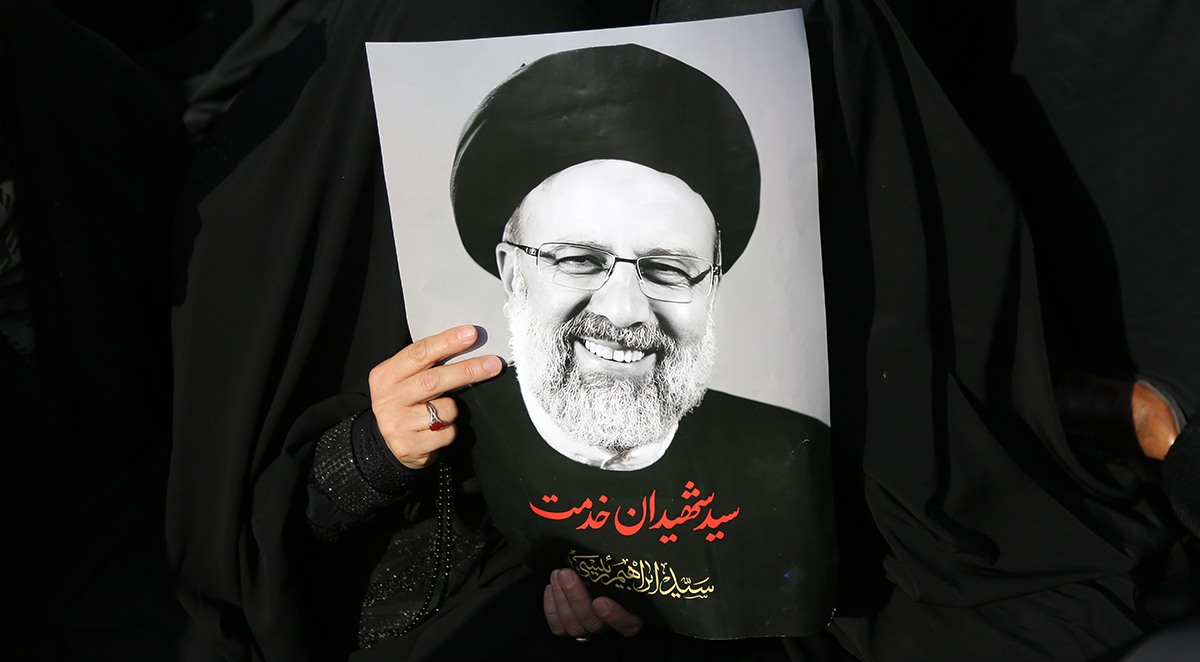
The death of President Ebrahim Raisi serves as a stark reminder of the pervasive instability within the Iranian system of government and its potential repercussions for the future of the Islamic Republic.