Russia’s new military: The rise of Prigozhin and the Wagner Group
Kremlin-linked oligarch Yevgeny Prigozhin, founder of the notorious Wagner Group PMC, is taking power away from the traditional Russian military establishment and fostering President Putin’s dependence on his resources and advice. This trend will undoubtedly propel the escalation of the war in Ukraine and possibly inflict irrevocable damage to the future utility of the Russian Armed Forces.
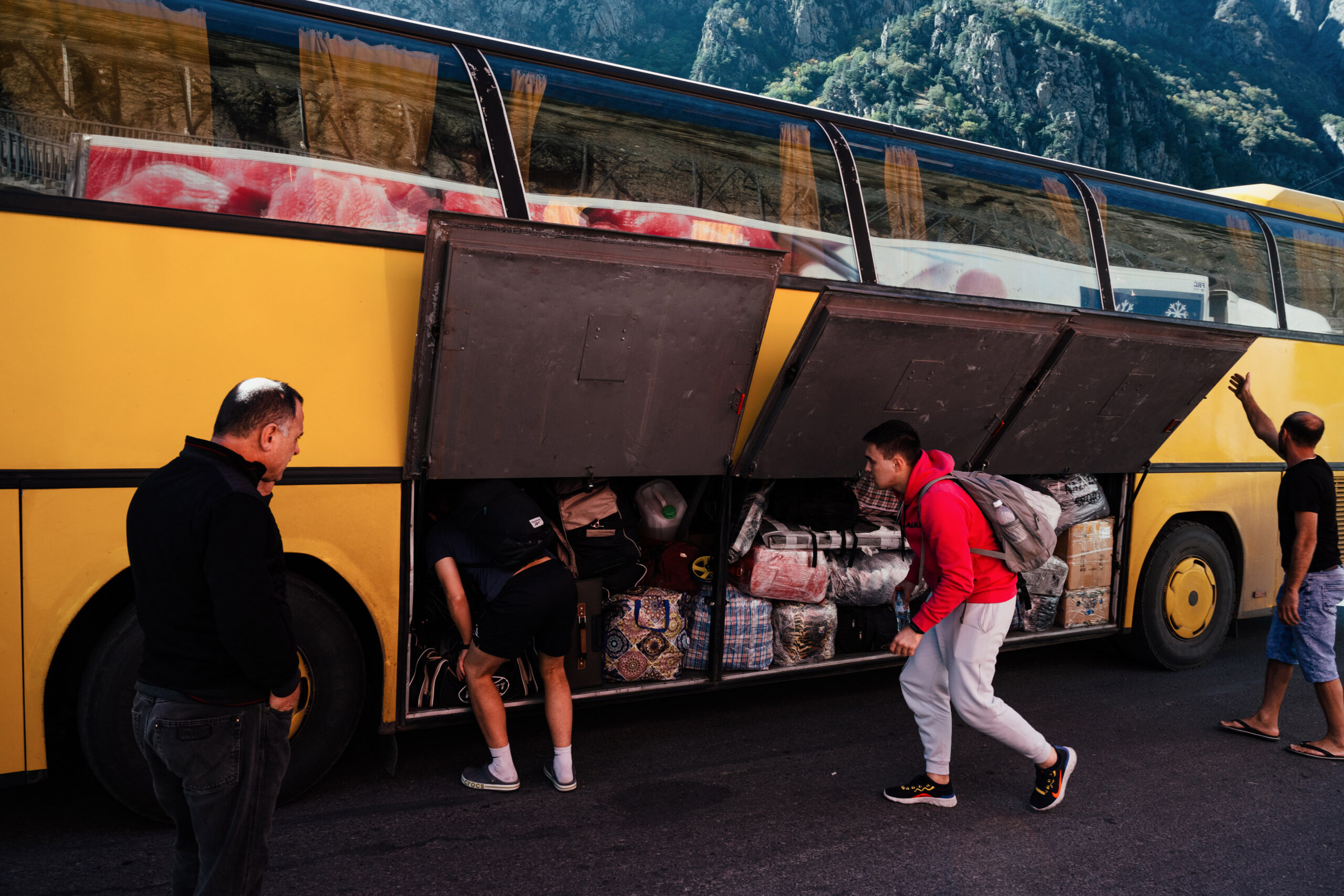
Tensions in Tbilisi: Is there a Russian migrant crisis?
Competition for jobs was high in Georgia even prior to the influx of Russians. So the arrival of tens of thousands of working-age, often high-skilled individuals from an antagonistic country could, if it has not already, lead to further frustration among Georgians.
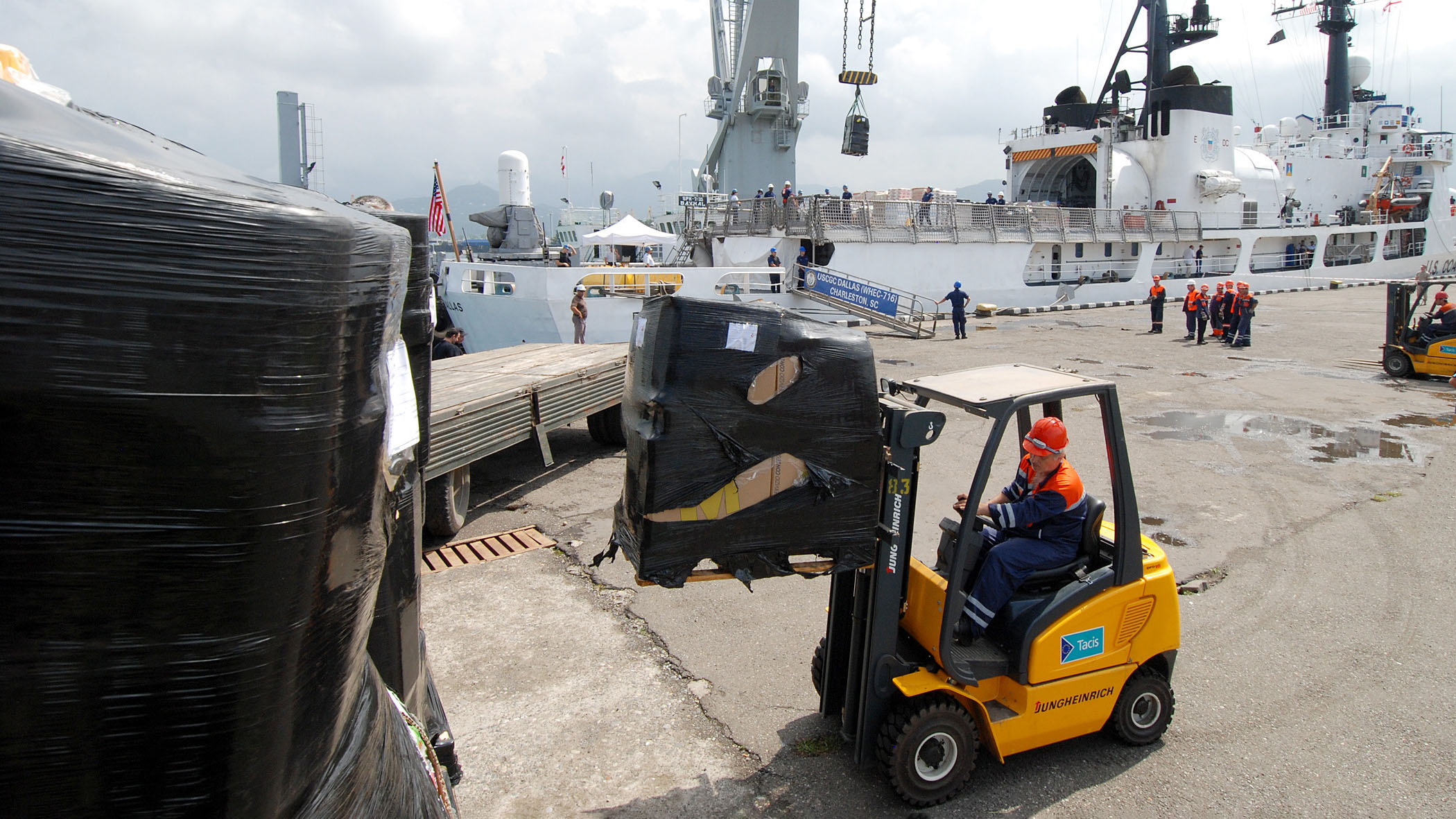
Georgia’s major seaports form a vital link in the transit of commerce via the Black Sea, but they are threatened by local and transnational involvement in illicit seaborne trade motivated by high income inequality, poverty, and population displacement. Enhancing maritime security in this geostrategic South Caucasus transit state aligns with the strategic interests of the U.S. and NATO.
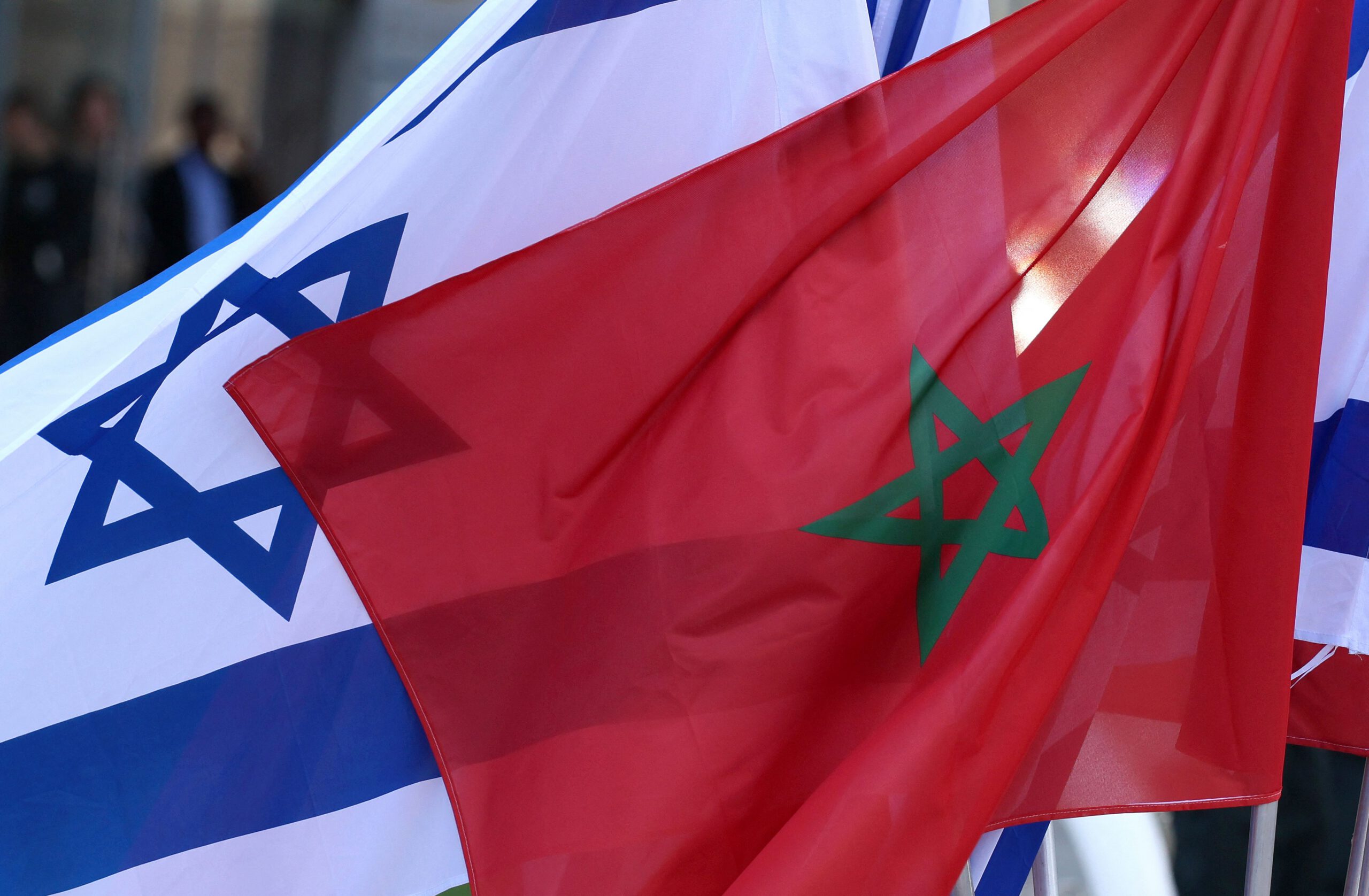
Morocco and Israel: Economic Opportunities, Military Incentives, and Moral Hazards
The December 2020 Moroccan-Israeli normalization deal has evolved from a vehicle enabling Morocco to gain long-sought U.S. recognition of its claims on Western Sahara to a broader strategic partnership with Israel. But the relationship further strains relations with neighboring rival Algeria.
War crimes in Ukraine: Failure to prosecute Russia will damage international security for years to come
Historically, Russia has escaped accountability for the war crimes it has committed. The war in Ukraine must not follow the same path. Otherwise, the entire international security architecture will bear the consequences of such impunity.
The Israeli election results are not a seismic shift — it’s worse than that
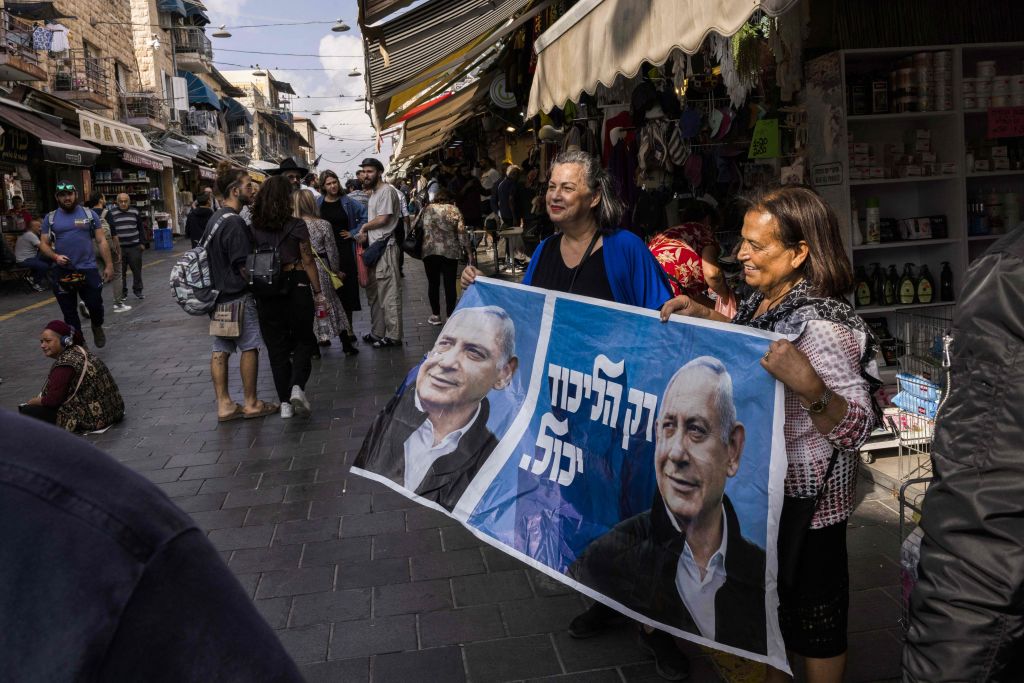
Over the years, recognition of clear, long-term, and structural developments in how the Jewish Israeli electorate votes has been neglected, glossed over, or lost behind reactions to electoral cycles. And the pro/anti-Netanyahu paradigm — which routinely serves as a crude substitute for “right” versus “left” — has helped delay a reckoning and a fork in the road for a host of constituencies.
The victory of Israel’s extreme right: Implications for citizens’ rights and Israeli-US relations
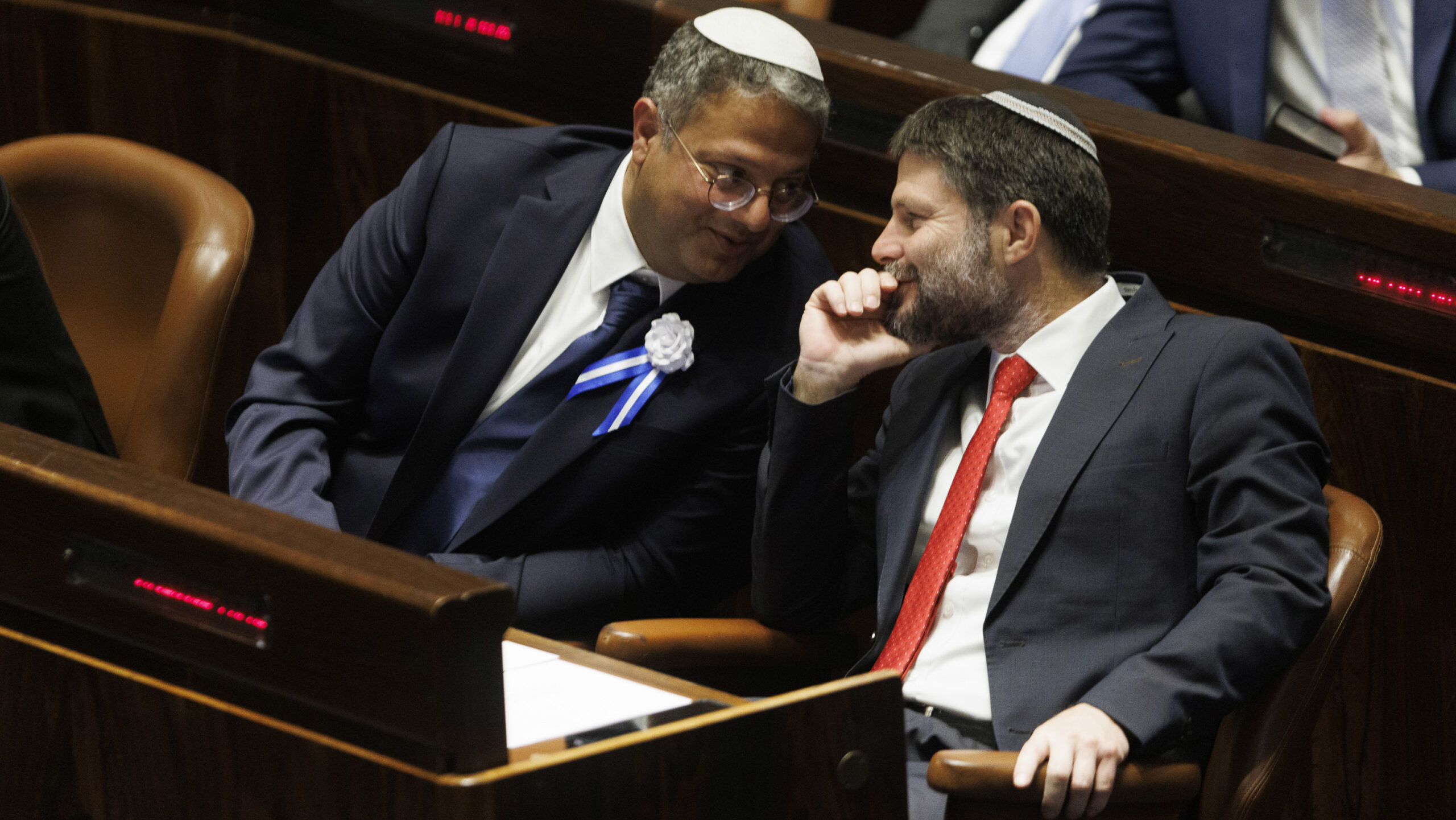
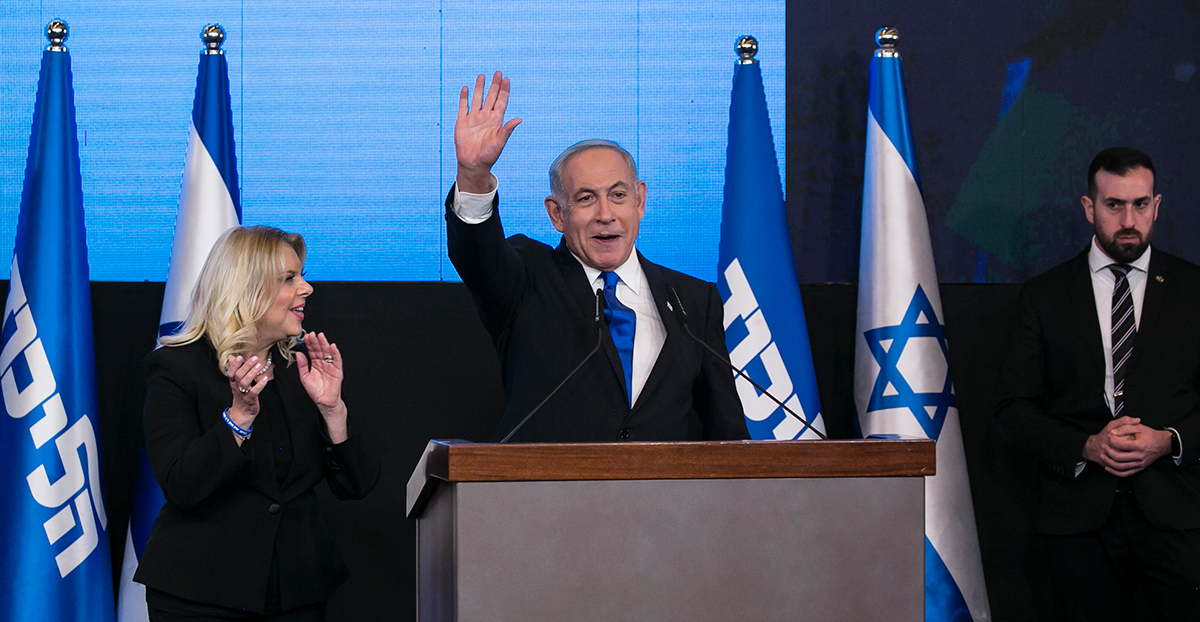
Since winning the Israeli elections on Nov. 1, Benjamin Netanyahu leads a bloc that is ideologically homogeneous in ways never before seen, with a majority of religious nationalists and ultra-Orthodox parties set to enter government and likely to work cohesively for the next four years, unlike in the past.
In Turkish-Russian relations, the Ukraine grain deal is not the point
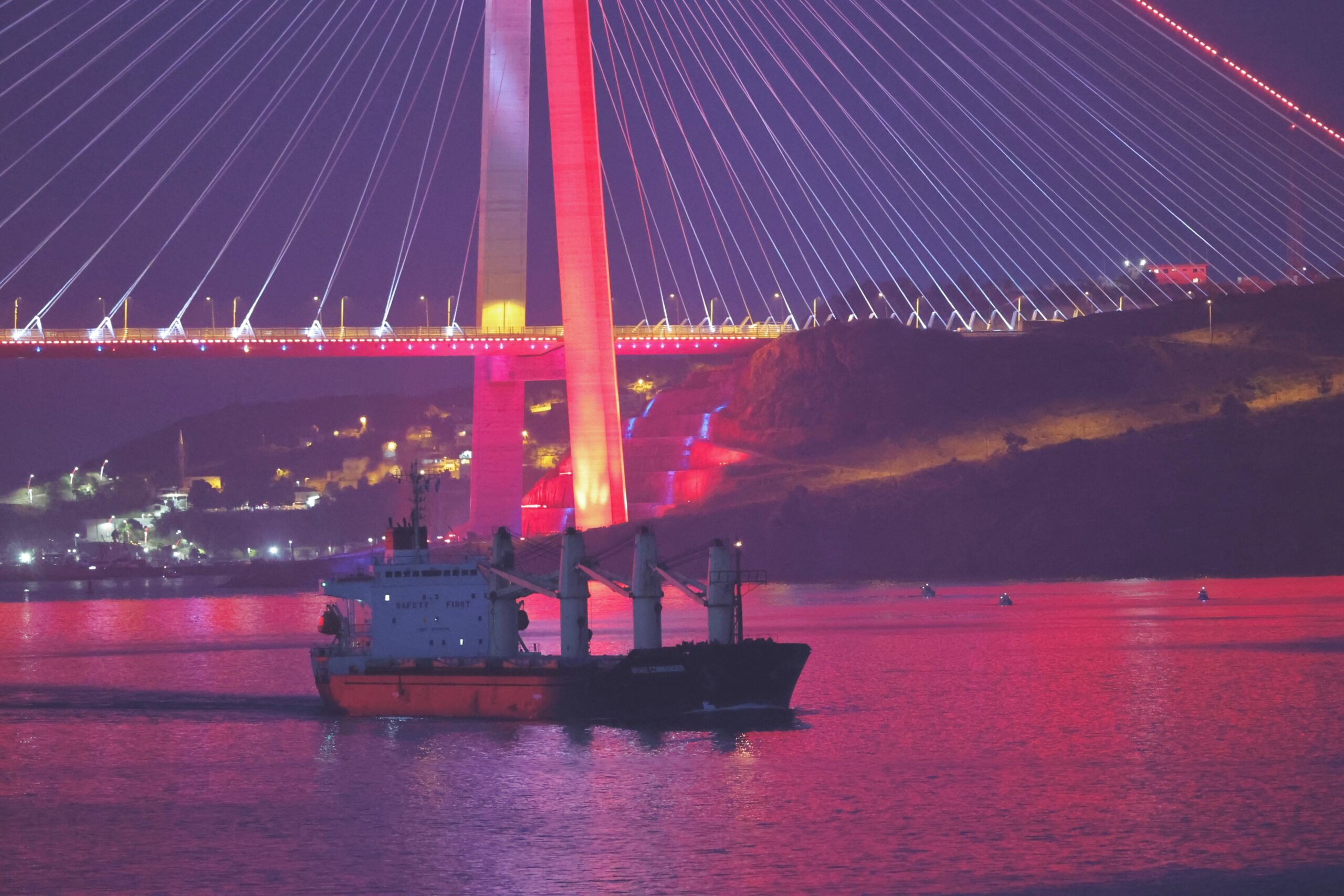
The Ukraine grain export deal, which Turkey helped mediate over the summer, was saved last week to much fanfare; but the central unaddressed issue remains lifting Russia’s illegal blockade of Ukrainian ports, so Ukraine can freely trade with the world.
Israel’s election produces a clear winner — and a lurch further to the right
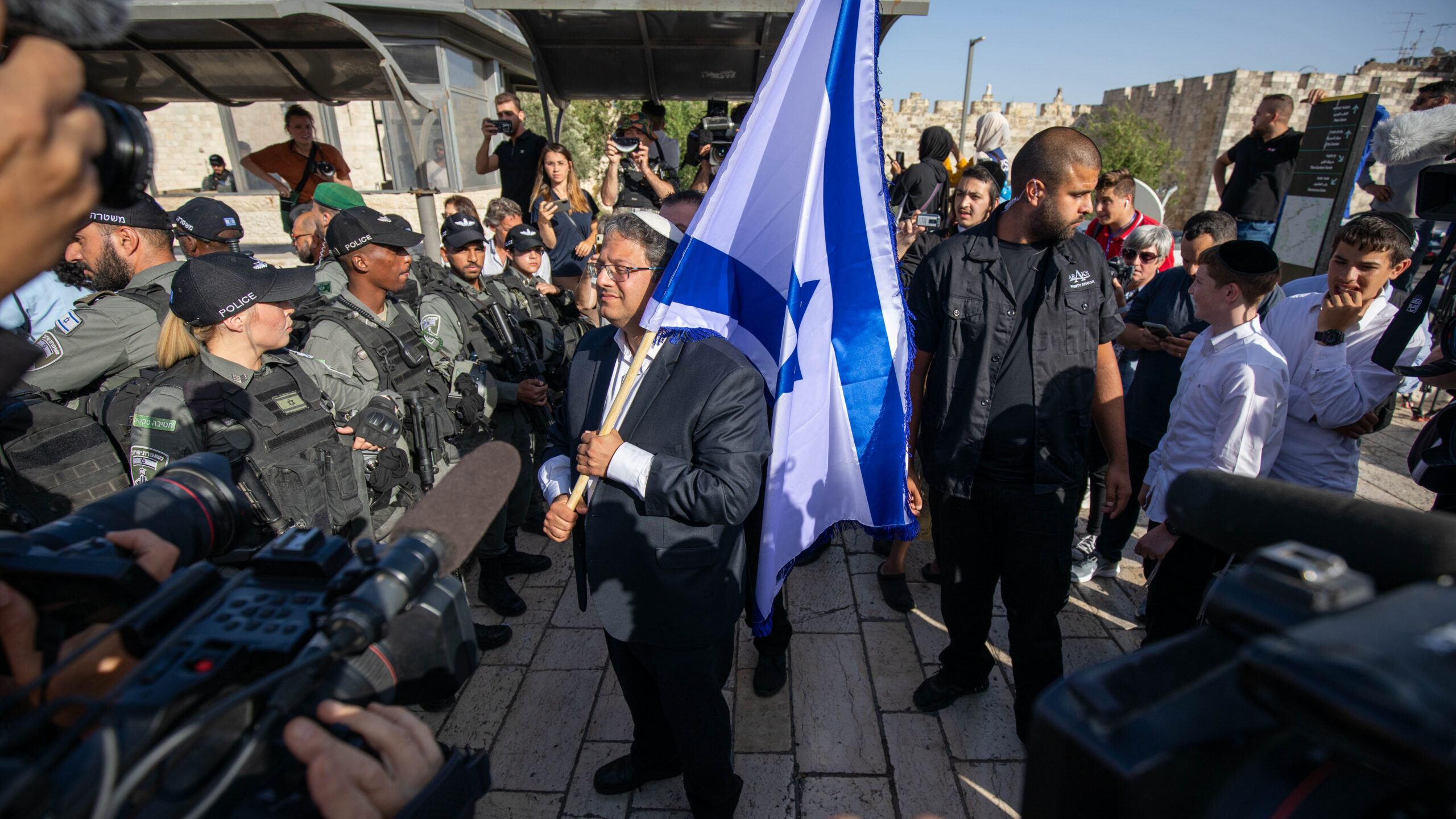
On Nov. 1, Israel’s democracy was shaken, perhaps as never before. It is not so much that former Prime Minister Benjamin Netanyahu has been returned to power, but that if he does become prime minister again, as seems overwhelmingly likely, it will undoubtedly be with crucial support provided by the “Religious Zionism” party, which includes “Jewish Power,” the vehicle of the veteran neo-Kahanist Itamar Ben-Gvir.
Russia’s War on Ukraine: Iran’s Growing Role and the Nuclear Threat
In today’s episode, Alistair Taylor sits down with experts from MEI’s Frontier Europe Initiative to assess the trajectory of Russia’s war on Ukraine. They discuss Russia’s growing attacks on critical infrastructure, its recent deployment of Iranian drones and their impact on the battlefield, the potential nuclear threat, and where things might be headed from here.