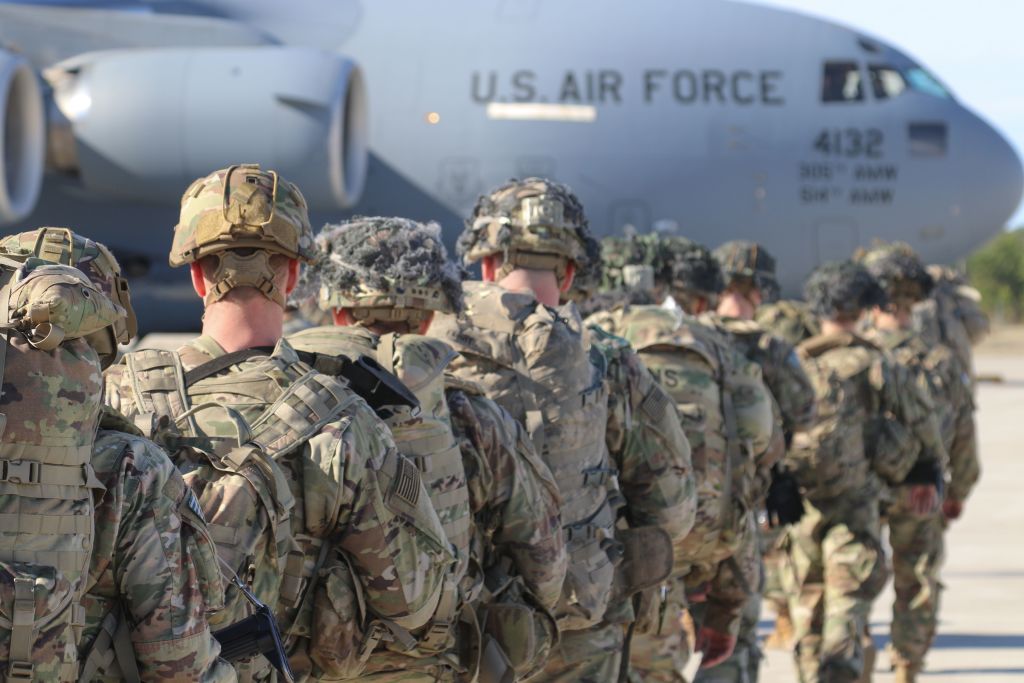
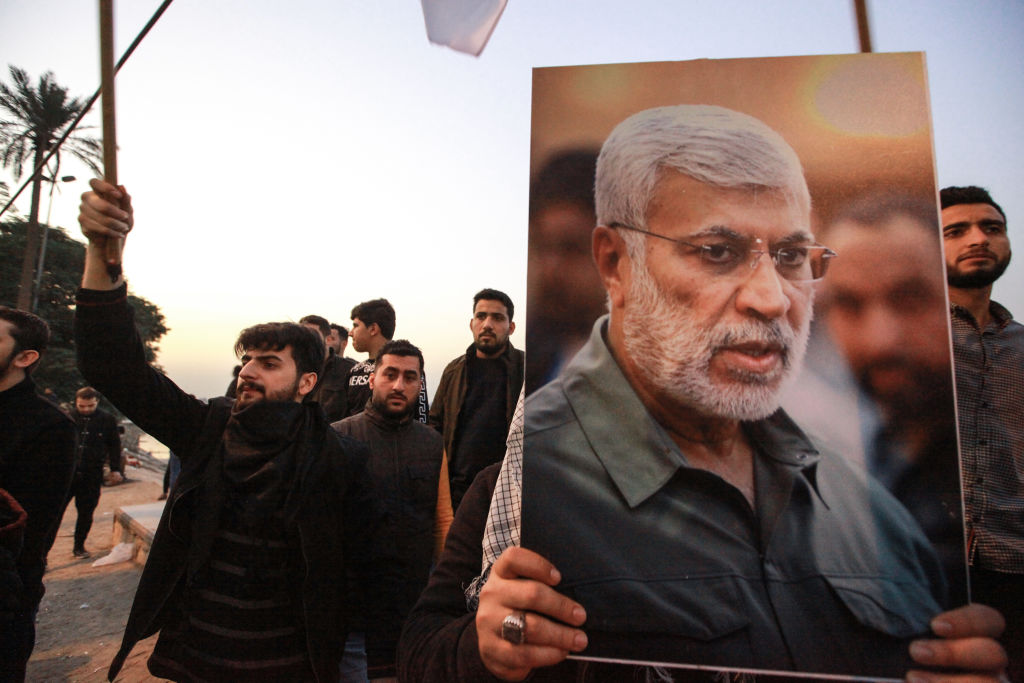
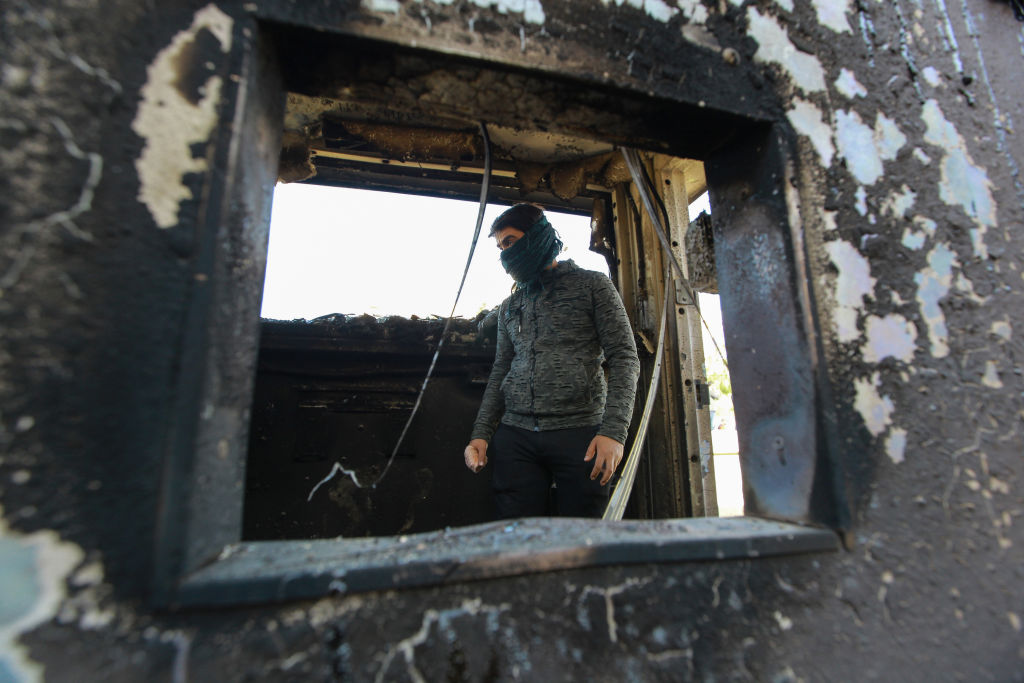
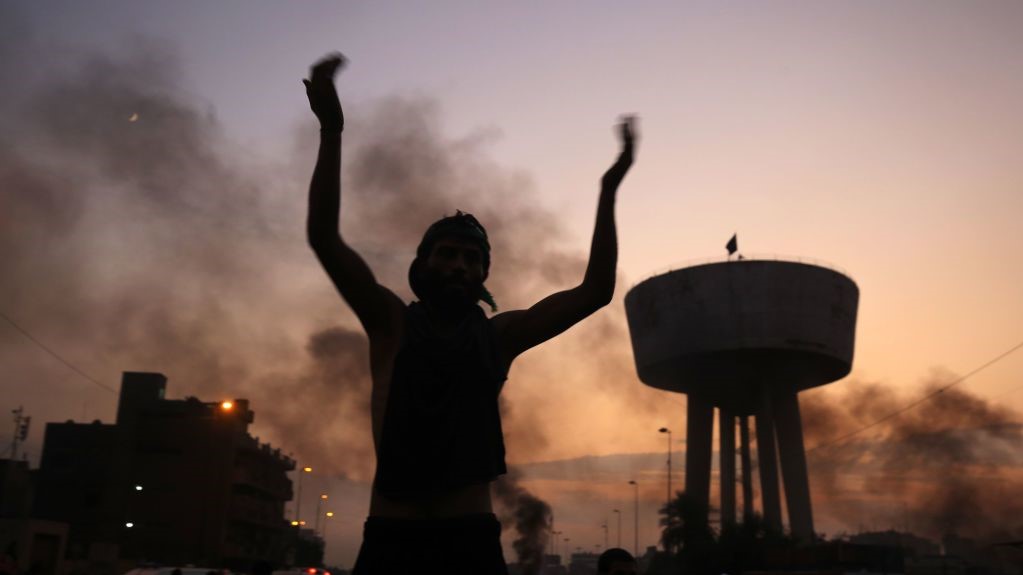
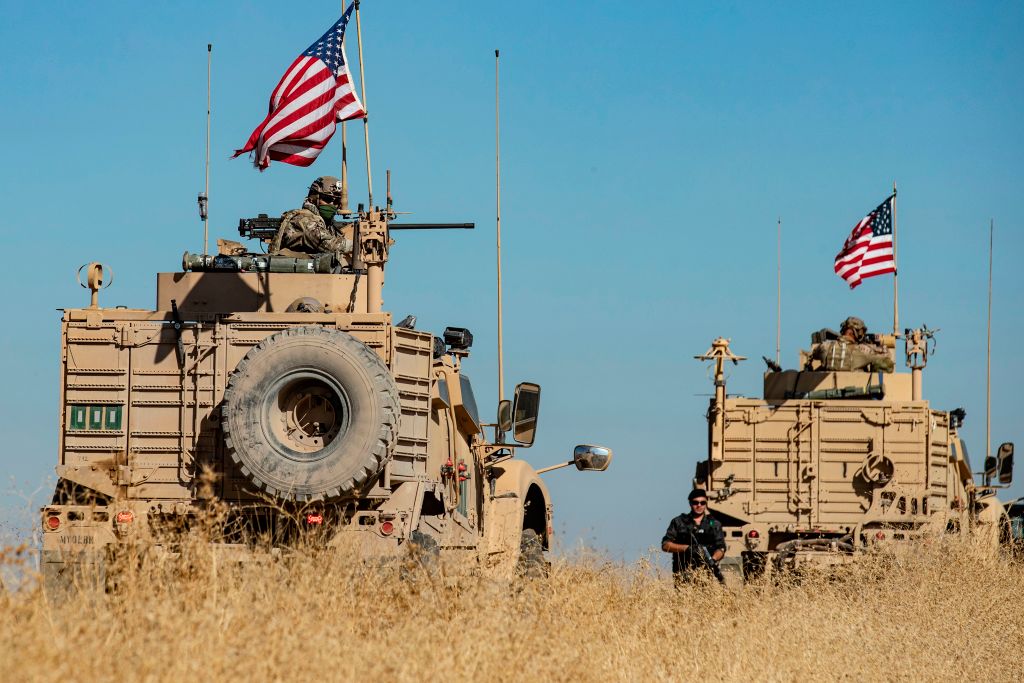
After a career in the military with a lot of time spent in this region, I have learned that you must respect your adversaries and their ability to hurt us.
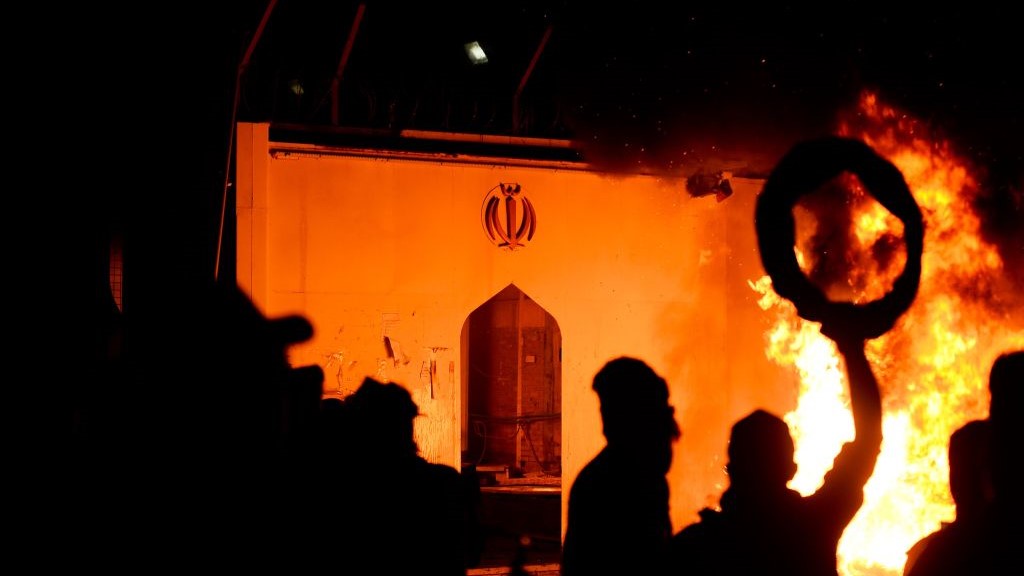
In the wake of the airstrike, there have been many calls inside Iraq for restraint among Iraqis and between the Americans and the Iranians, most notably from the Shi’a clerical establishment in Najaf. There is a wide consensus in Iraq that the country should not be at the center of an American-Iranian military fight.
The killing of Gen. Qassem Soleimani, head of Iran’s Revolutionary Guards Quds Force, was a major and unexpected blow to the Iranian leadership. It punctured the aura of invincibility and the hubris that have characterized Soleimani and his colleagues’ behavior.
The three uprisings in Iran, Iraq, and Lebanon represent the revolt of a new generation seeking to build a better future for itself. Since 2011, there have been 11 uprisings in the Middle East and North Africa. All 11 uprisings have similar drivers: the explosive dysfunction of high demographic growth, low levels of economic development and job creation, poor government performance and services, and high levels of corruption and inequality.
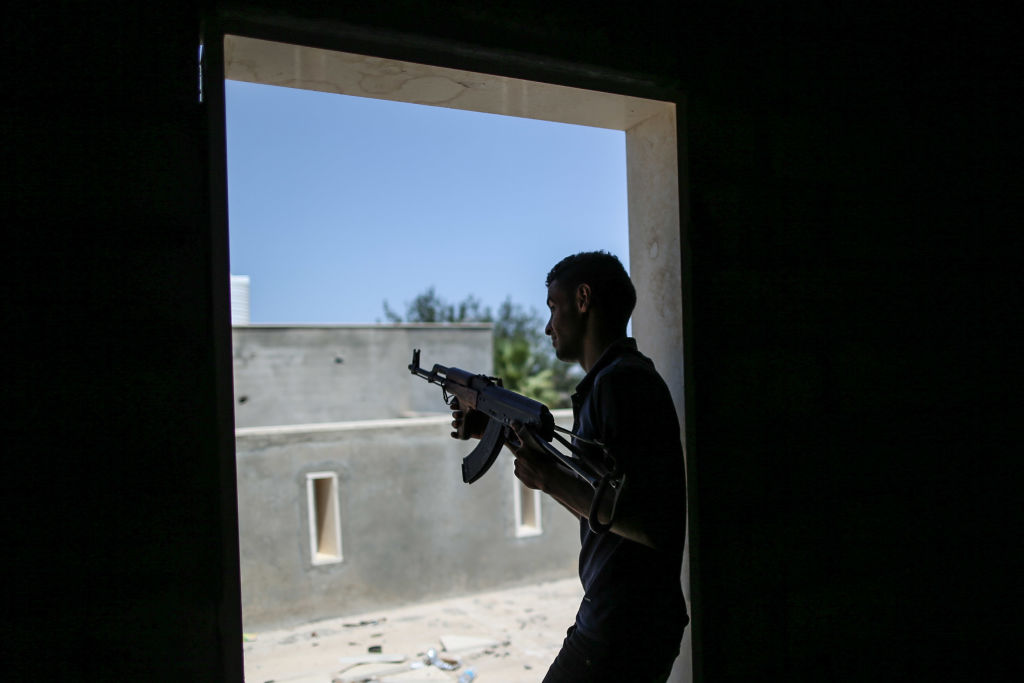
The question as 2019 ends is whether foreign forces supporting the conflict will rethink their commitment to military victory and instead work to secure political solutions through compromise.
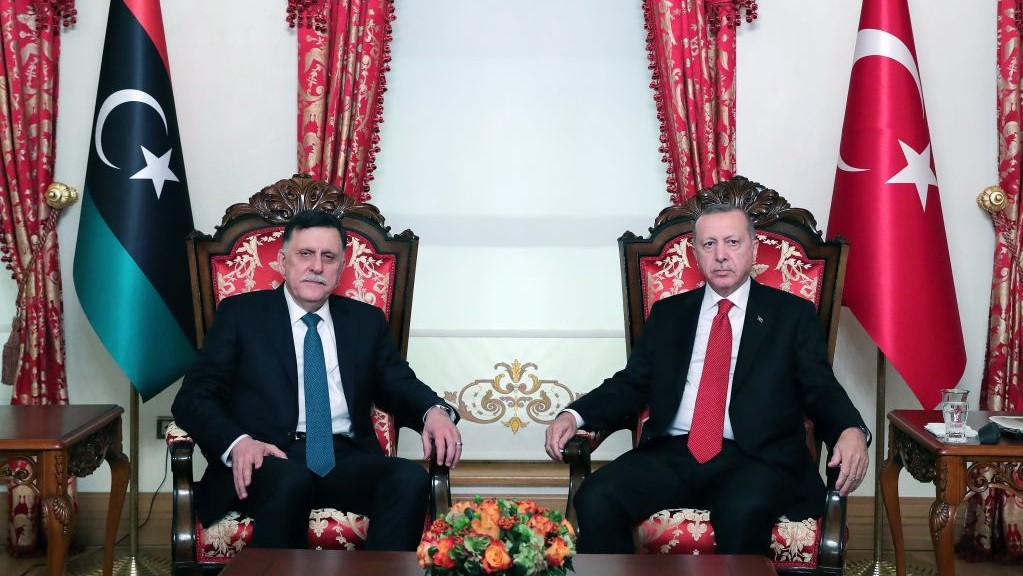
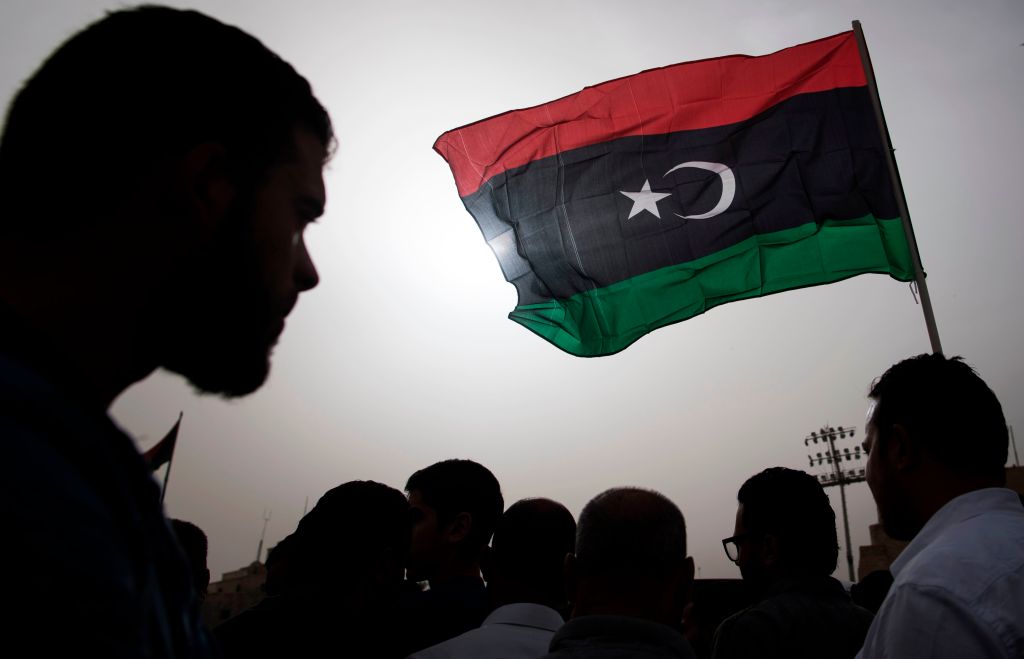
On Nov. 27 the GNA signed an MoU with Turkey seeking to create a shared maritime boundary in the Mediterranean Sea between southwestern Turkey and northeastern Libya. In an overt quid pro quo, this maritime agreement was signed along with a separate MoU to expand security and military cooperation. Thus, it seems clear that Turkey was only able to persuade the GNA to agree to the maritime deal in exchange for increased security support for the GNA-aligned forces fighting the self-styled LNA in Tripoli.
Political analyst Hafsa Halawa and MEI Senior Fellow Alex Vatanka join host Alistair Taylor to discuss the political crisis in Iraq following the resignation of Prime Minister Adel Abdul Mahdi, the protest movements that have rocked both Iraq and Iran, and the impact of Iranian impact in Baghdad on Iraq’s development going forward.
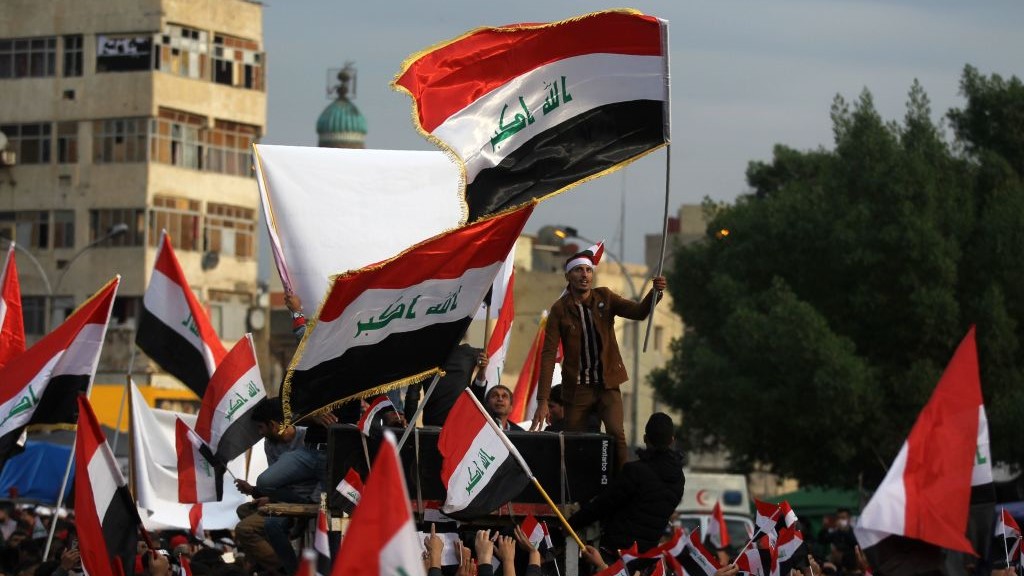
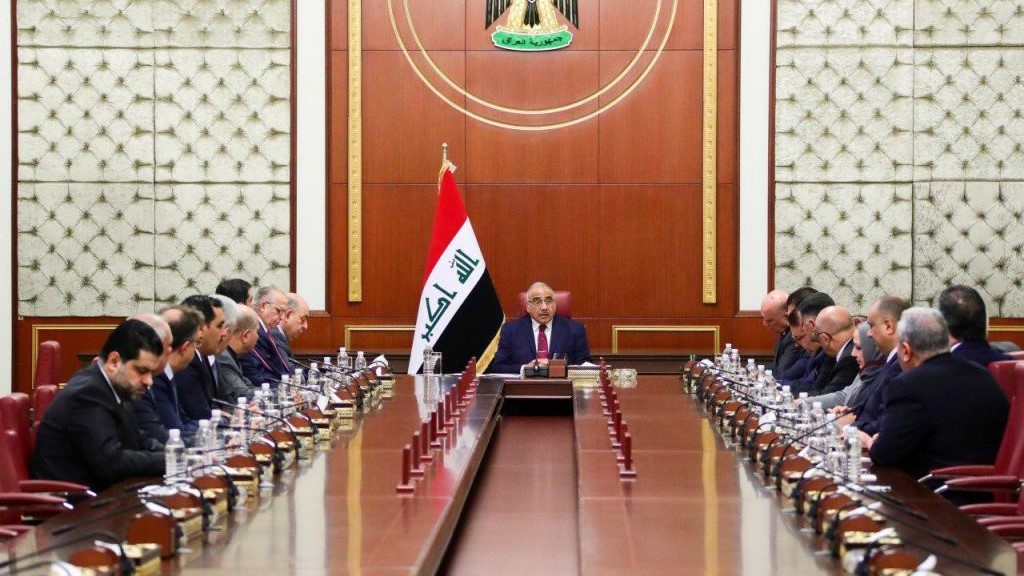
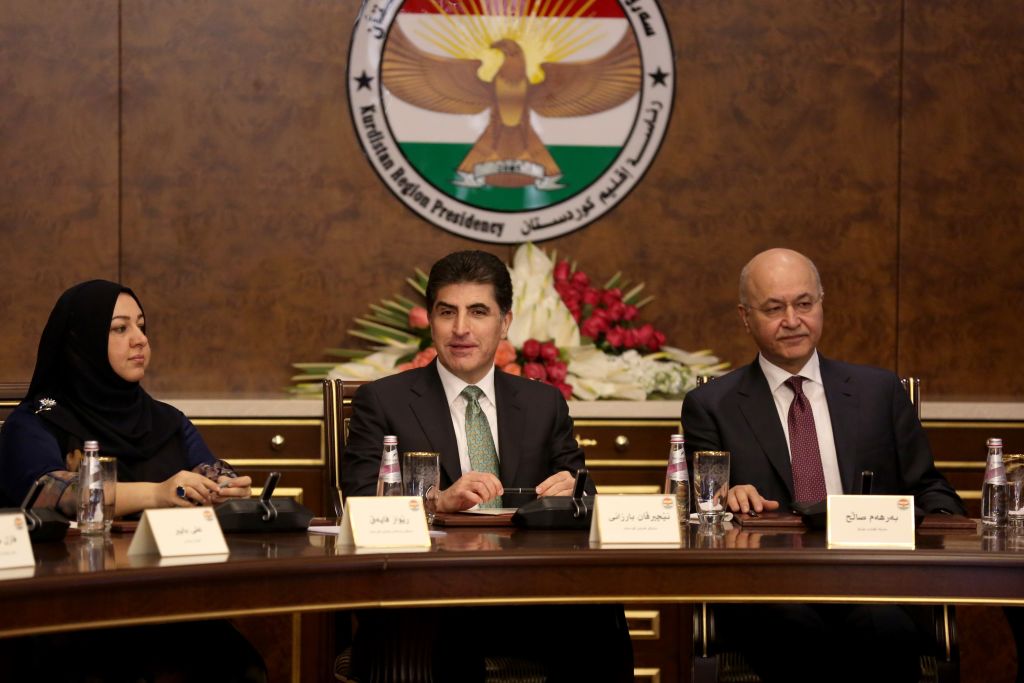
There is no end in sight to Iraq’s political crisis even though Parliament unanimously voted to remove Prime Minister Adel Abdul-Mahdi on Sunday. Abdul-Mahdi now tends a caretaker government while Iraq’s political leaders are interpreting the country’s constitution to give President Barham Salih 15 days starting from Nov. 30 to name a new prime minister.
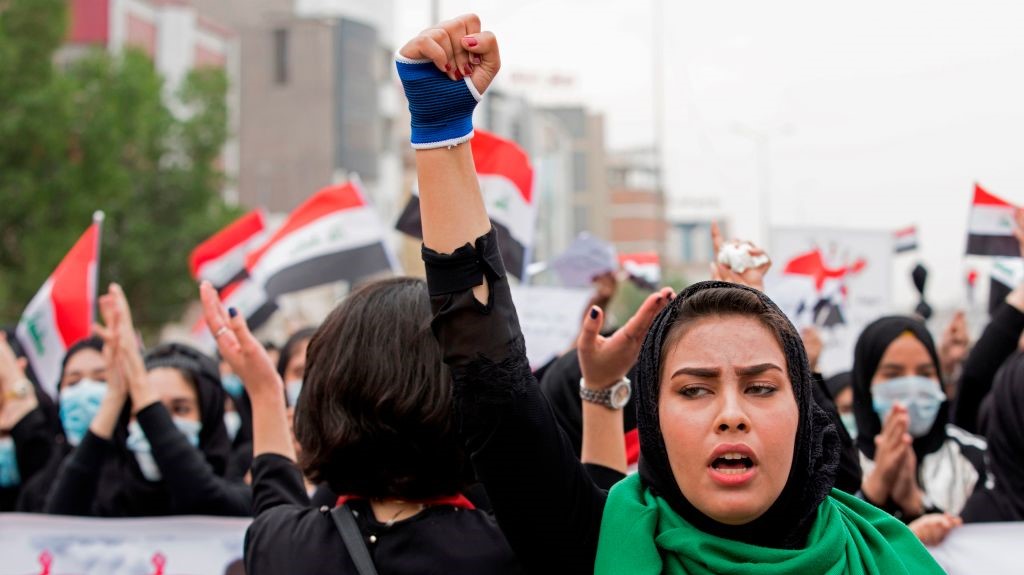
Iraq’s protests continue in force amid political turmoil
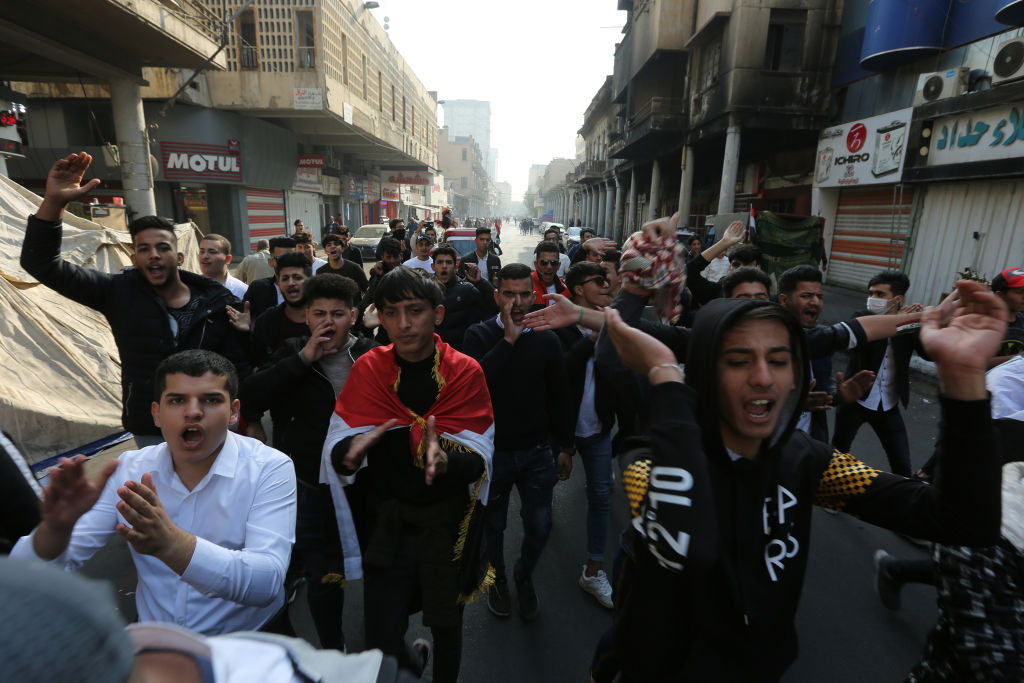
Although 350 Iraqis have died to date and close to 16,000 have been wounded, protesters are not going home. Yet, most of the ruling clique is still rejecting the idea of forcing the prime minister to resign.
Breaking each other’s fingers: Kurdish parties nervously watch Baghdad — and one another
Since early October, the southern provinces of Iraq have been consumed by protests and strikes. While ruthlessly attempting to suppress protests, the Iraqi government has promised legal and political reforms. Yet some of the Kurdistan Region-Iraq’s elites are suspicious that the government’s reform agenda is a “conspiracy” against Kurdish entitlements masquerading as a good faith effort to placate the protestors. The region’s hegemonic parties are concerned that legal, constitutional, and procedural reforms may overhaul the institutions that guarantee their positions of influence in the federal government and secure their territorial claims.
Seized Russian-printed dinars highlight an opportunity to reform Libya’s civil war economy
The Nov. 1 seizure by Malta of two 2000-cubic-foot containers full of Libyan currency printed by the Russian state printer, Goznak, that was intended for delivery to Libya’s non-internationally recognized eastern government, highlights the continuing importance of the economic aspects of Libya’s ongoing civil war.