Even with all eyes on Gaza, the struggle for Israel’s democracy continues
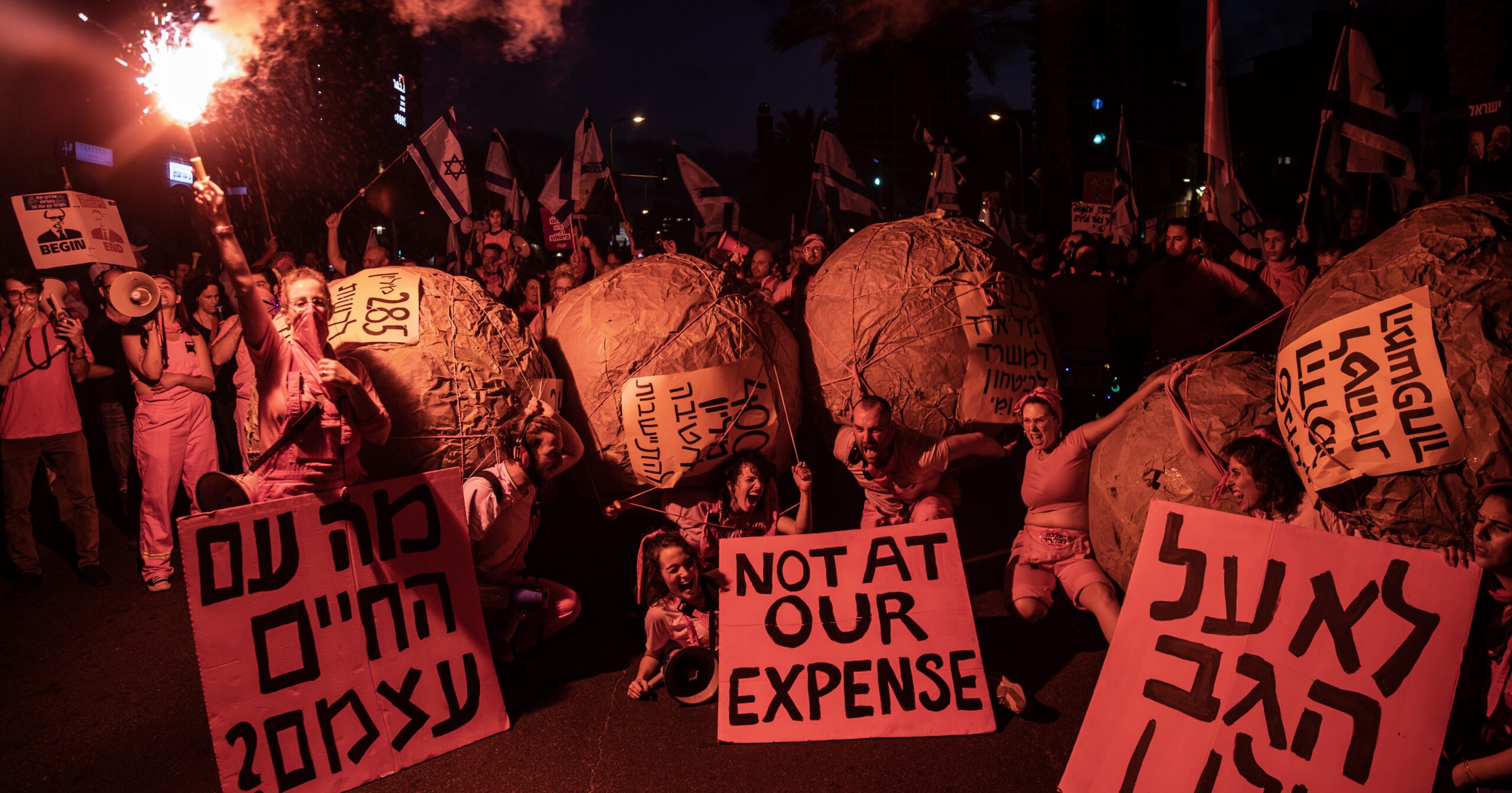
The costs that Israeli Prime Minister Benjamin Netanyahu and the State of Israel have been paying following the government’s first months in office have become more and more significant in recent weeks, and are they are not forgotten even as Israelis focus on coping with a cycle of warfare with Palestinian Islamic Jihad in Gaza.
Navigating complex maritime security challenges in the Black and Mediterranean seas: Insights from the updated EUMSS
Russia’s February 2022 full-scale invasion of Ukraine helped influence the updated European Maritime Security Strategy’s approach to the Black and Mediterranean seas, with implicit and explicit references to the war dispersed throughout the document. The updated EUMSS showcases the wide array of security issues present in the region, including seaborne UXOs, human and drug trafficking, and threats to critical infrastructure. But security in the Black and Mediterranean seas will require greater cooperation with non-EU countries.
Getting ahead of the Middle East’s climate refugee conundrum
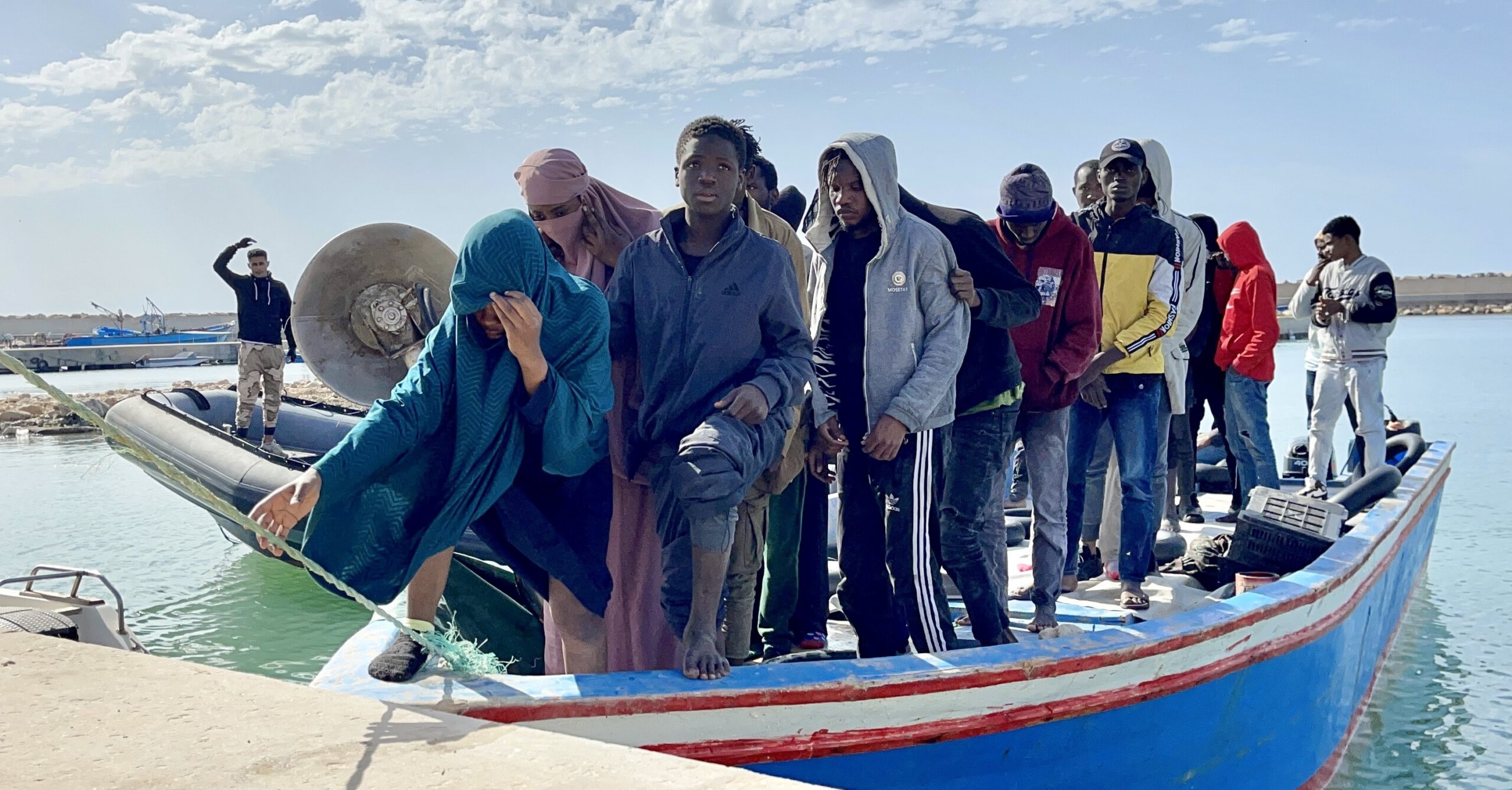
Over the coming decades, the worsening effects of climate change will increasingly displace many millions of vulnerable people in the Middle East and North Africa, and many of these refugees will attempt to relocate to the Global North. To avert such a monumental looming problem requires pragmatic solutions and their swift implementation.
The road to Marrakech: US-China tensions loom over IMF/WB spring meetings
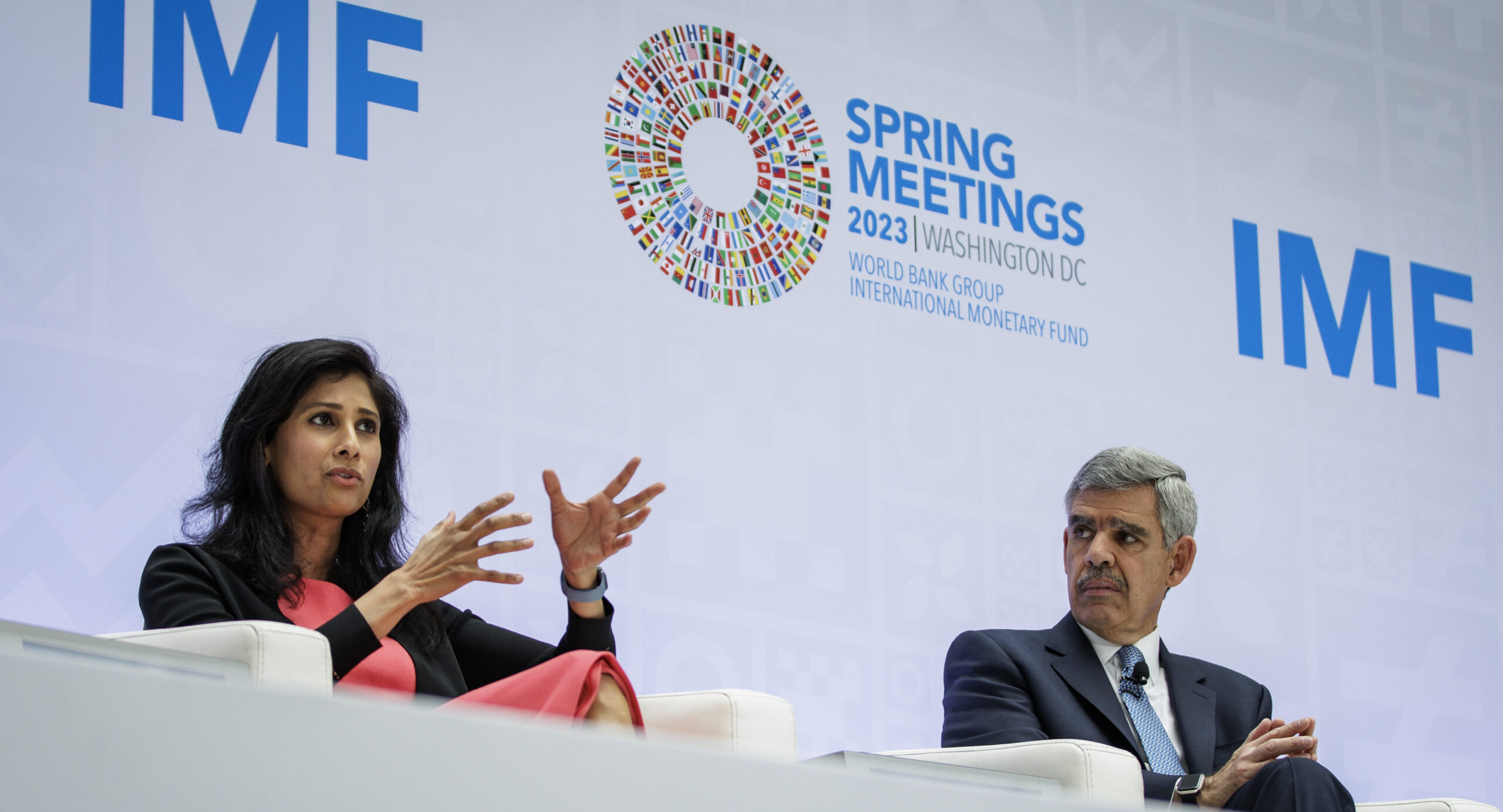
Last week’s spring meetings of the IMF and World Bank in Washington, D.C., were an important occasion for financial and economic leaders from the MENA region to meet with their counterparts from these IFIs and major bilateral donor countries. At the same time, they serve as a lead up to the important Annual Meetings that will be held in Marrakech, Morocco, in the fall — the first time they will be hosted by an Arab or African country.
The judicial “reform” will make things worse, but Israel’s Supreme Court has long failed Palestinian citizens
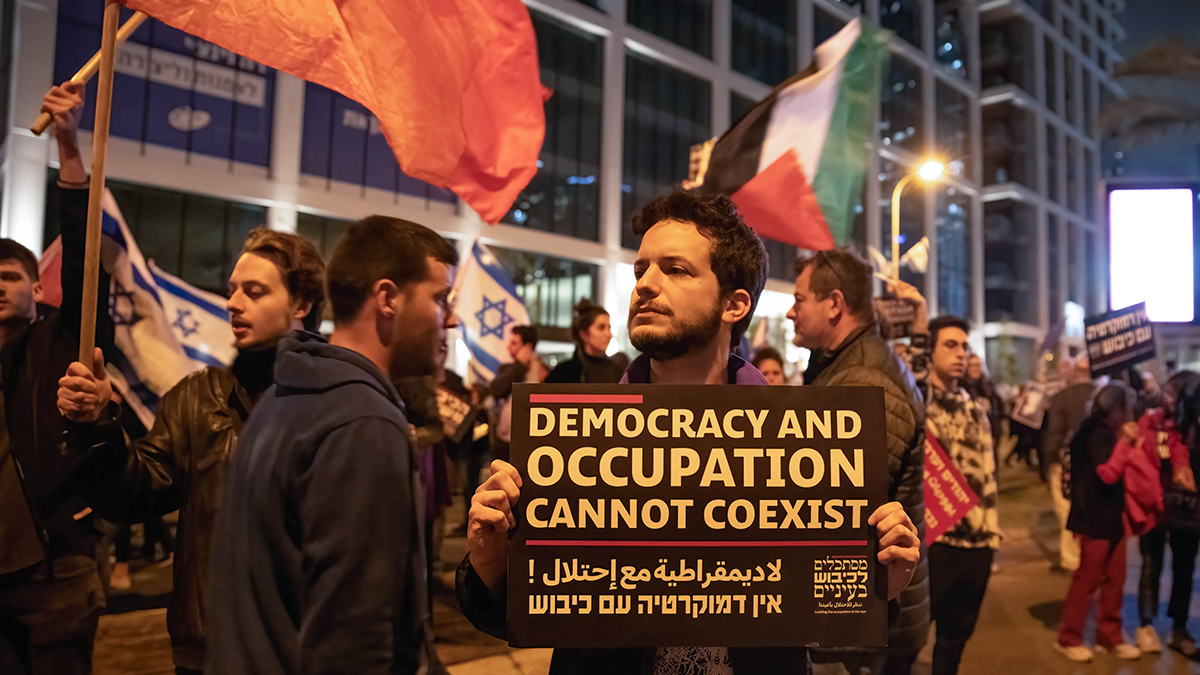
Over the past several months, the eyes of the world have been on the massive demonstrations in Israel against the Netanyahu government’s proposed judicial “reform.” Even though Palestinian citizens of Israel are likely to be the group most affected by the proposed changes, they have been notable for their absence, for the most part, from the protests. While Jewish citizens are worried about what the proposed changes might mean for Israel’s judiciary and the future of its democracy, the Supreme Court and the legal system more broadly have long failed to protect the rights of the country’s Palestinian citizens.
The Israeli protests: What’s happened and what’s likely to come
Monday, March 27 was supposed to be a red-letter day for the new far-right Israeli coalition government, when it planned to slide through the Knesset the central provision of its “judicial overhaul” bill, comfortably ahead of the Passover recess beginning on April 2. Instead, it ended up being one of the most extraordinary days in Israeli history. Spurred by the “firing” of Defense Minister Yoav Gallant by Prime Minister Benjamin Netanyahu the evening before, the demonstrations against the overhaul, which had been building in intensity for over two months, became overwhelming.
If the US wants to make its mark on the future of Israeli democracy, it’s time it moved from words to deeds
As Israel’s hardline coalition government is ramming through legislation that would radically alter the country’s political character and system of government, alarm bells are finally ringing in Washington. Even President Joe Biden has finally picked up the phone and expressed his concern to Prime Minister Benjamin Netanyahu about his anti-democratic agenda. The growing American apprehension, however, has yet to be translated into meaningful policy action.
Surge in West Bank violence further undercuts Abbas’s precarious leadership
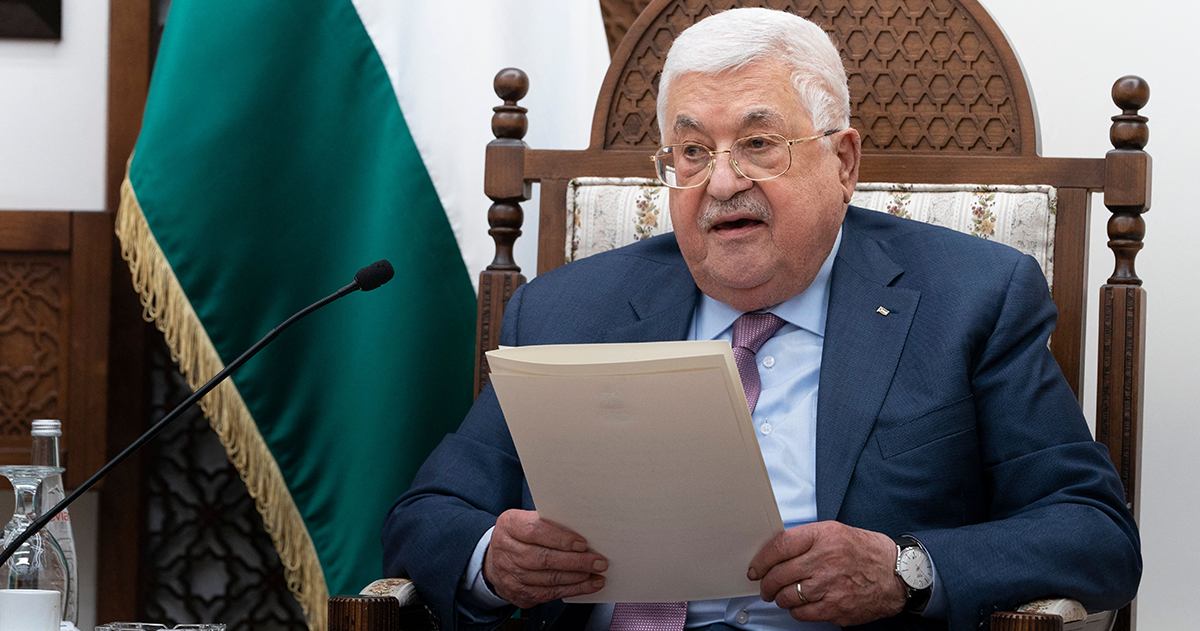
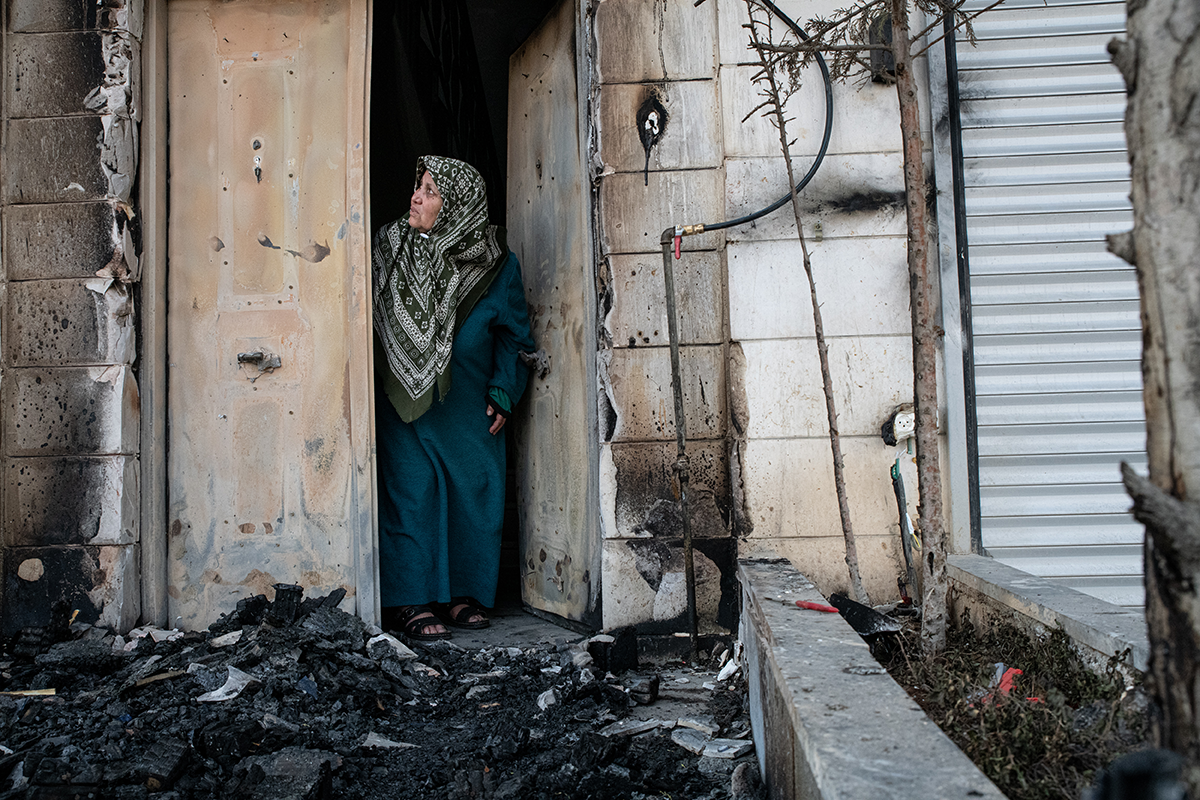
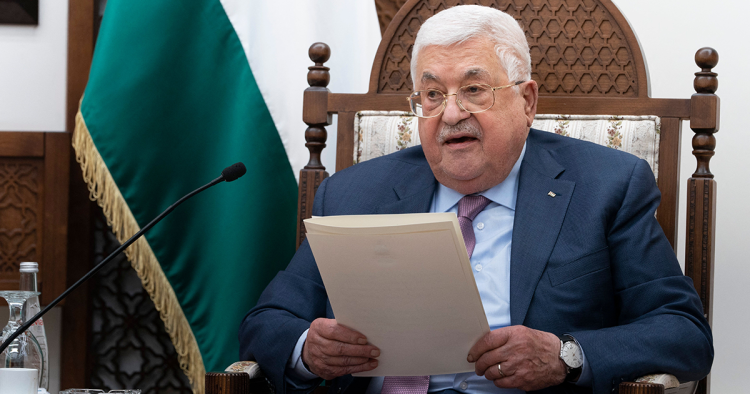
In addition to the terrible human and material toll, among the many casualties of the ongoing Israeli offensive in the West Bank is Palestinian Authority (PA) President Mahmoud Abbas’s leadership. Without outside intervention, Israel’s violent military crackdown is likely to fuel more violence while further undercutting Abbas’s already embattled leadership and whatever may be left of the PA’s domestic credibility.
Aqaba agreement overshadowed by spiking violence in the West Bank
It was described as a “significant breakthrough” by a Jordanian official, while Jordan’s Foreign Minister Ayman Safadi said the agreement would ‘’de-escalate violence” if implemented, but just as the details of the one-day security meeting in Aqaba, on Feb. 26, were being announced, it became apparent once more that a rare attempt to bring Israeli and Palestinian officials together, in a bid to contain a spike in violence that was quickly getting out of control, was ill-fated.
The German "Zeitenwende" still goes unnoticed in Israel
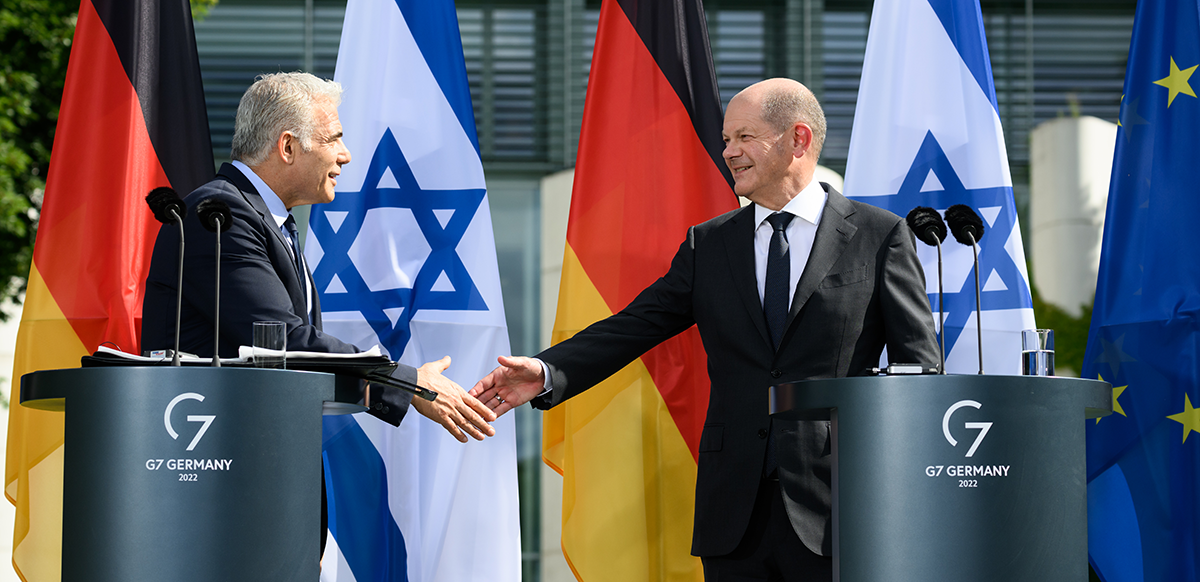
Although Germany and Israel maintain a close partnership, the German “Zeitenwende” has not yet been perceived there. Dr. Nimrod Goren outlines a German-Israeli partnership oriented towards democracy and peace.
The Middle East in an era of great tech competition
With the acute impacts of US-Chinese global tech decoupling becoming clearer, MENA is slowly emerging as an important region to watch. Economic and geopolitical ties with the West have long dictated the shape of the region’s digital environment, but more recent great power competition and Middle Eastern countries’ pursuit of economic and technological sovereignty have slowly deconstructed these dynamics.