تمت ترجمة هذا النص بواسطة الذكاء الاصطناعي وقد يحتوي على أخطاء.
تخطي إلى المحتوى

Research & Commentary Results

تصفية حسب
1542 Results
النزاع على سد النهضة يذهب إلى الأمم المتحدة، لكن الحل لا يزال بعيد المنال
  • تعليق
  • النزاع على سد النهضة يذهب إلى الأمم المتحدة، لكن الحل لا يزال بعيد المنال

    “في النهاية، كانت النتيجة متوقعة: دعّم أعضاء مجلس الأمن جهود وساطة الاتحاد الإفريقي وأوصوا باستئناف المفاوضات بأسرع ما يمكن”.

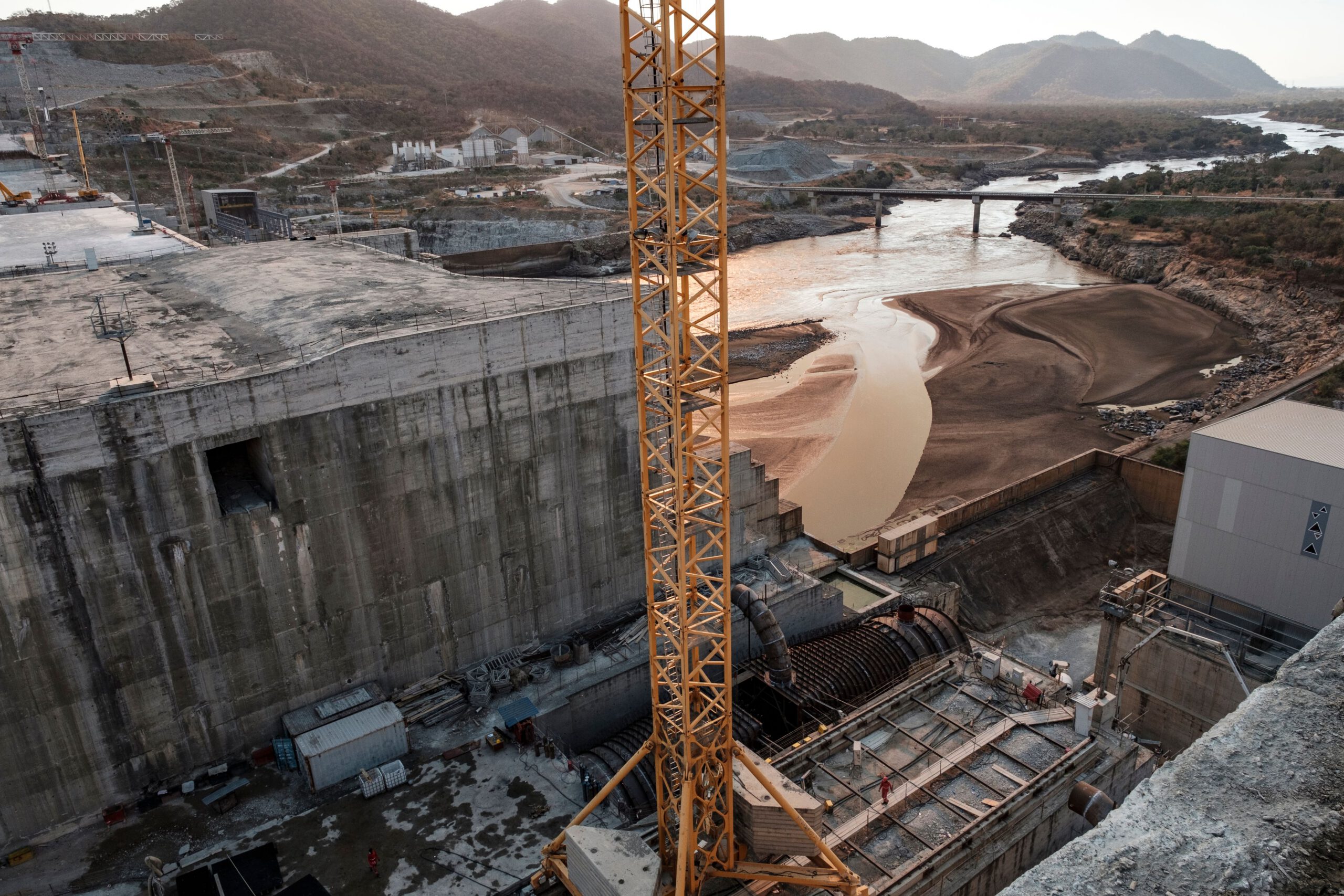
    استراتيجية النيل المصرية
  • التحليل
  • استراتيجية النيل المصرية

    تخوض مصر وإثيوبيا والسودان في مأزق خطير بشأن نهر النيل، وعلى الرغم مما يعتقده المجتمع الدولي، فإن خطر المواجهة العسكرية بين الدول الثلاث ليس مستبعدًا على الإطلاق. إذ بدأت أديس أبابا في المرحلة الثانية لملء الخزان خلف سد النهضة الإثيوبي العملاق في أوائل مايو/أيار دون اتفاق مع الدول المشاطئة – مصر والسودان. غير أن الكثير قد تغير خلال العام الماضي والملء الثاني يتم في ظروف مختلفة نوعًا ما عن الملء الأول في يوليو/تموز الماضي. ففي الأشهر الماضية، عززت مصر من تواجدها الدبلوماسي وظهرت كلاعب مؤثر في حوض النيل والقرن الإفريقي وشرق ووسط إفريقيا.

    The promise and the pitfalls of Iraq’s tripartite New Mashreq
    Photo by AHMAD AL-RUBAYE/AFP via Getty Images
  • التحليل
  • The promise and the pitfalls of Iraq’s tripartite New Mashreq

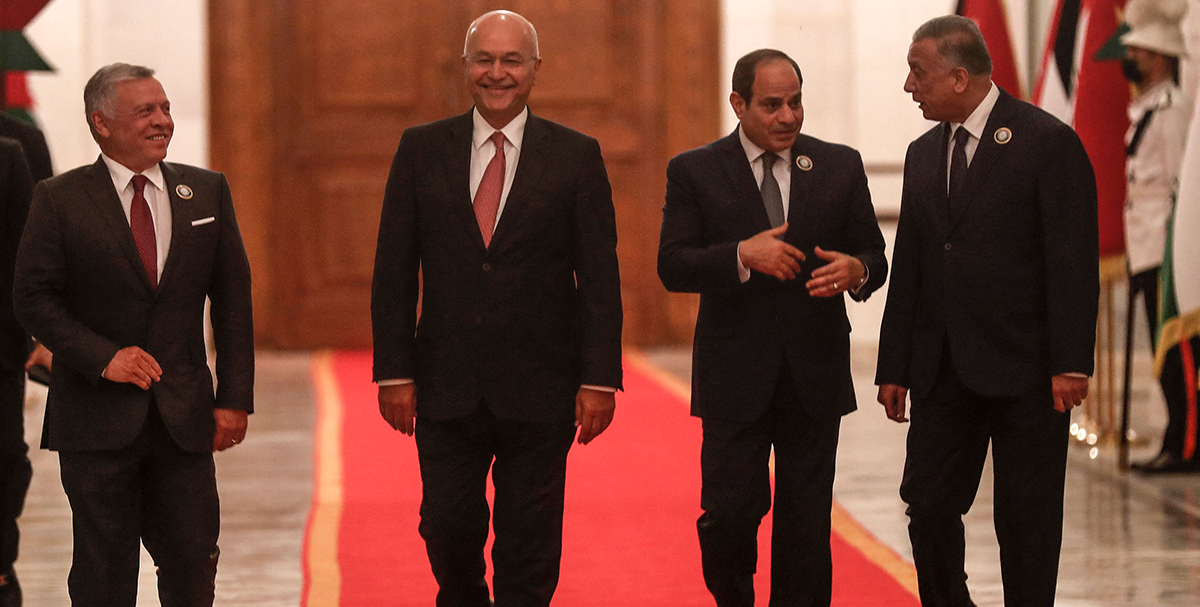
    Sunday was a festive day in Baghdad. The last time Iraqis had received an Egyptian president 30 years ago, the region was gearing up for war and uncertainty as the late President Hosni Mubarak shuttled between Baghdad and Gulf capitals prior to Saddam Hussein’s invasion of Kuwait in 1990. The circumstances were quite different on June 27, when Egyptian President Abdel-Fattah el-Sisi and King Abdullah II of Jordan were given the red-carpet treatment at a tripartite summit marking the fourth meeting between the leaders of the three countries aiming to form a new regional alliance.

    June 29, 2021

    Egypt's Nile strategy
    Photo by SELMAN ELOTEFY/AFP via Getty Images
  • التحليل
  • Egypt's Nile strategy

    Egypt, Ethiopia, and Sudan are caught in a dangerous deadlock over the Nile River and despite what the international community seems to think, the risk of military confrontation among the three nations is not at all far-fetched. Addis Ababa began the second phase of filling the reservoir behind its giant Grand Ethiopian Renaissance Dam (GERD) in early May without an agreement with the riparian nations — Egypt and Sudan. However, much has changed over the past year and the second filling has played out rather differently from the first last July. In the intervening months Egypt has ramped up its diplomatic outreach and emerged as an influential player in the Nile Basin, the Horn of Africa, and East and Central Africa. Cairo succeeded in forging strategic alignment with Khartoum to exert diplomatic pressure on Addis Ababa, forming webs of alliances with different regional powers across East and Central Africa and the Horn of Africa to project power and influence, and exerting geopolitical forward pressure on Ethiopia in parallel with the diplomatic track to solve the GERD dispute. 

    Canal Istanbul: Don’t believe the hype
    Photo by BULENT KILIC/AFP via Getty Images
  • التحليل
  • Canal Istanbul: Don’t believe the hype

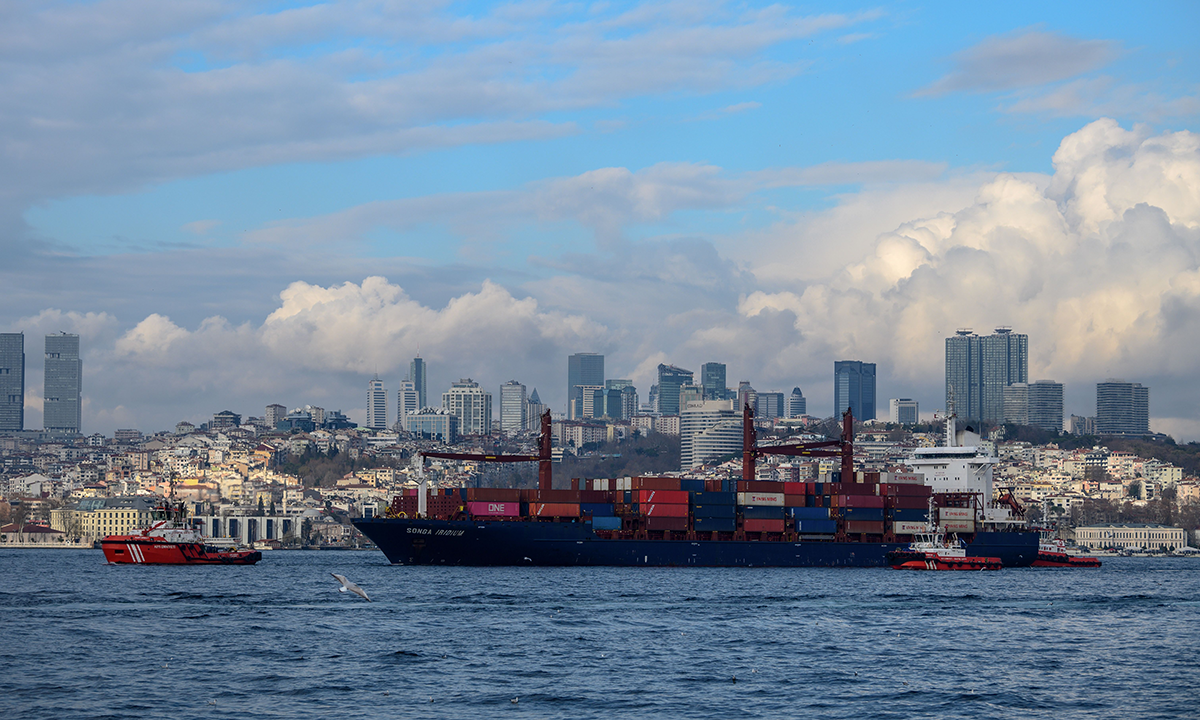
    The Turkish government recently confirmed that the country has approved development plans to carve a new passage between the Black Sea and the Sea of Marmara. Cutting through forests and farmland, the new Canal Istanbul would run parallel to the Bosphorus for a total of 45 km (28 miles) with a depth of 20.75 meters (68 feet) and a width of 275-350 meters (900 to 1150 feet). Ground-breaking for the first bridge over the proposed canal is scheduled to take place on June 26. However, this will be a ceremony for domestic political consumption and by no means indicates that construction is really starting. Financing the massive project might prove impossible due to the environmental concerns and investment risks hanging over it.

    June 25, 2021

    The policy consequences of Arab state normalization with the Assad regime
    Photo by MAHER AL MOUNES/AFP via Getty Images
  • التحليل
  • The policy consequences of Arab state normalization with the Assad regime

    The recent push by a number of Arab states to normalize relations with the Assad regime is based on the false premise that the war is over and it is necessary to restore ties to lobby Damascus to change its relationship with Iran. Other regional dynamics are also a factor: The UAE, for example, sees it as a necessary balance against what it perceives as adversarial actions by Turkey with the Syrian jihadist group HTS in Idlib. Yet these rationales for rehabilitating the Assad regime are completely fallacious. The downsides and policy consequences will not only affect Arab states, but will also harm American interests, making it difficult for the U.S. to fully pivot to address the rising threat from China.

    June 2, 2021

    The Growing Alignment Between the Gulf and the Eastern Mediterranean
    Photo by IAKOVOS HATZISTAVROU/POOL/AFP via Getty Images
  • التحليل
  • The Growing Alignment Between the Gulf and the Eastern Mediterranean

    The synergies between the Gulf and the eastern Mediterranean theaters have grown substantially in recent years. Speaking at a meeting in Paphos, Cyprus in mid-April 2021 with his counterparts from Greece and Israel, as well as the former minister of state for foreign affairs of the UAE (now an advisor to the UAE president), the Cypriot foreign minister noted, “The evolving web of regional cooperation is creating a new narrative.” A week later, the UAE and Israeli fighter jets flew together publicly — for the first time — in an international aerial exercise hosted by Greece. How can we explain the signs of growing cooperation between these actors that seemingly operate in close but not completely overlapping arenas?

    Cultural heritage diplomacy needs to be part of Biden’s Turkey outreach
    Photo: ​hy.wikipedia user Rob, GFDL, via Wikimedia Commons
  • التحليل
  • Cultural heritage diplomacy needs to be part of Biden’s Turkey outreach

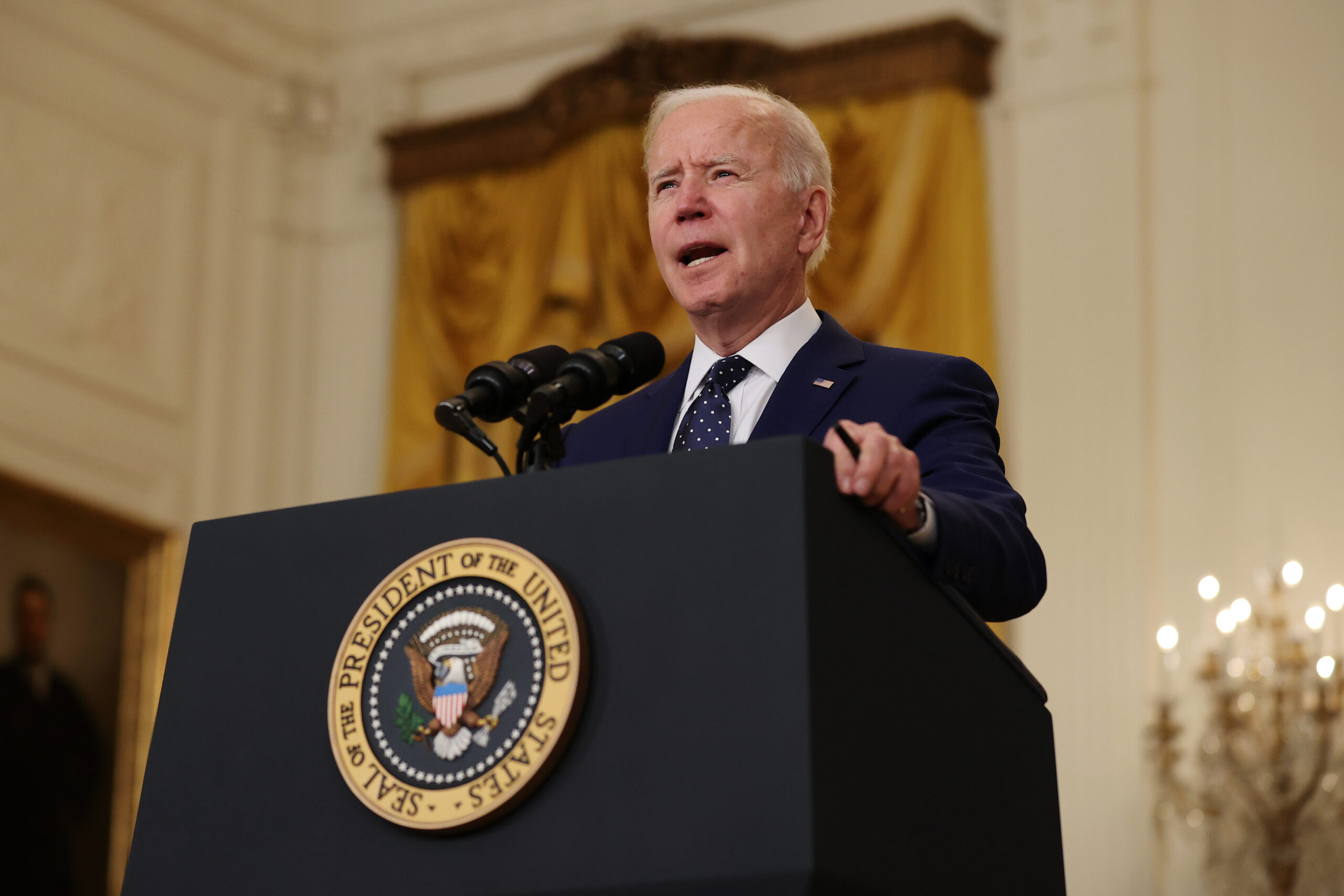
    In his statement commemorating the Armenian Remembrance Day on April 24, President Joe Biden said, “We honor their story. We see that pain. We affirm the history. We do this not to cast blame but to ensure that what happened is never repeated.” Biden’s recognition of the Armenian Genocide, following similar steps by the House of Representatives and Senate in 2019, has strained U.S.-Turkish ties even further at a time when bilateral relations are at an all-time low. Although there is little room for reconciling Washington’s and Ankara’s conflicting takes on history, cultural heritage diplomacy offers the Biden administration a positive agenda to engage receptive stakeholders in Turkey to strengthen pluralism and social inclusion.

    May 25, 2021

    Eye on Niamey: Middle East regional powers vie for influence in Niger
    Photo by Arda Kucukkaya/Anadolu Agency via Getty Images
  • التحليل
  • Eye on Niamey: Middle East regional powers vie for influence in Niger

    Due to its relatively stable political institutions, geographic proximity to Libya, and UNSC seat, regional powers in the Middle East are competing for influence in Niger. Egypt and the UAE are trying to counter Turkey’s growing economic and security cooperation with Niger, Saudi Arabia and Iran wish to leverage its UNSC voting power, and Israel is testing the waters for a potential normalization of diplomatic relations. These rivalries are poised to intensify, as the Sahel’s geostrategic significance continues to expand.

    May 20, 2021