This text has been translated by AI and may contain errors.
Skip to Content

Research & Commentary Results

Filter by
1318 Results
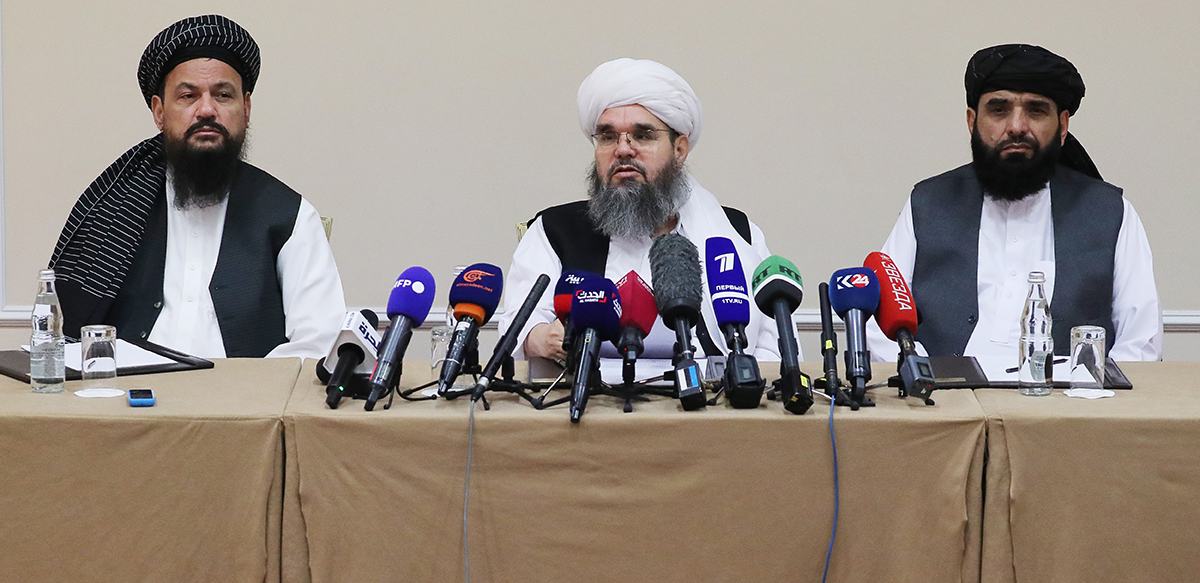
Russia’s “troubleshooting tactics” with the Taliban
Photo by Sergei SavostyanovTASS via Getty Images
  • Analysis
  • Russia’s “troubleshooting tactics” with the Taliban

    As U.S. forces continue to draw down from Afghanistan, the Taliban are rapidly filling the void by occupying large new swaths of territory and key military infrastructure. Last week the movement announced it controlled up to 85% of the country. With hundreds of Afghans, including members of the military, crossing the border to the neighboring former Soviet republics of Tajikistan and Uzbekistan, speculation over the potential destabilization of Central Asia is mounting. Many regional governments are looking to Moscow for support and defense.

    July 14, 2021

    النزاع على سد النهضة يذهب إلى الأمم المتحدة، لكن الحل لا يزال بعيد المنال
  • Commentary
  • النزاع على سد النهضة يذهب إلى الأمم المتحدة، لكن الحل لا يزال بعيد المنال

    “في النهاية، كانت النتيجة متوقعة: دعّم أعضاء مجلس الأمن جهود وساطة الاتحاد الإفريقي وأوصوا باستئناف المفاوضات بأسرع ما يمكن”.

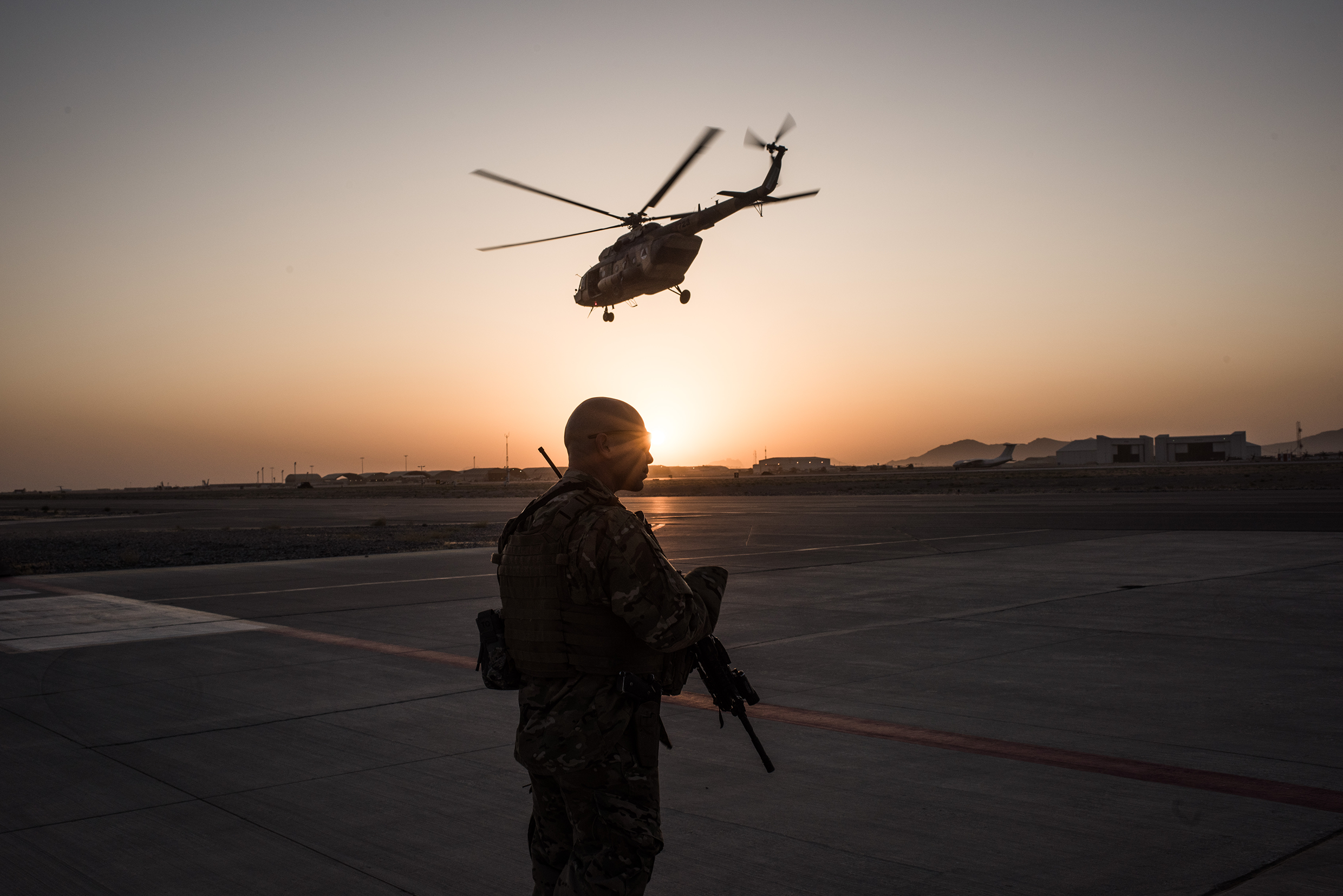
    Mr. President, keep the military advisers in Afghanistan
    MARCUS YAM/LOS ANGELES TIMES
  • Analysis
  • Mr. President, keep the military advisers in Afghanistan

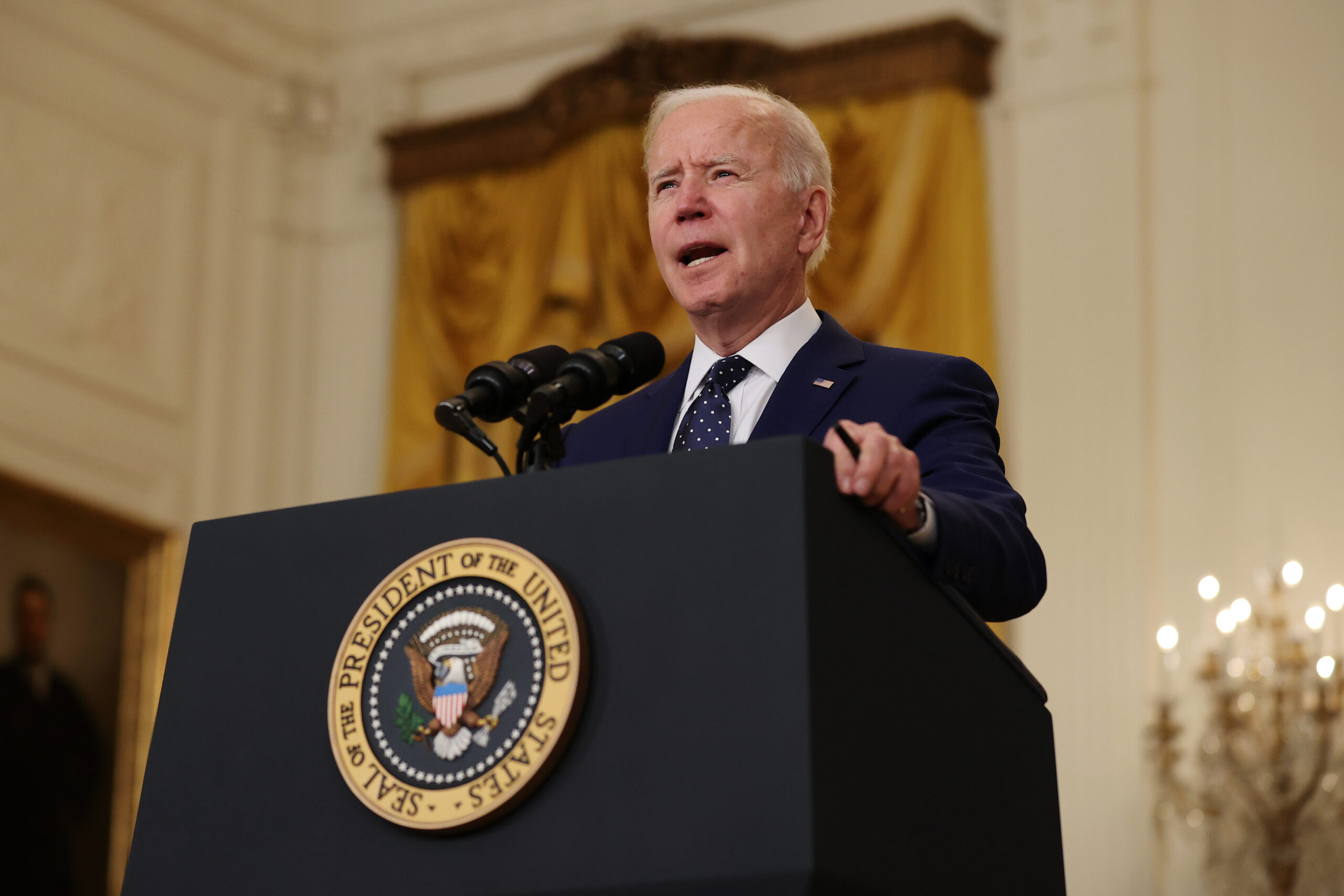
    Even the most ardent supporters of President Joe Biden’s decision to withdraw all American troops from Afghanistan recognize the inherent tension in his policy. Biden promised Afghanistan’s top leaders in a recent meeting at the White House that he would maintain U.S. material support to the country. But ensuring a “sustained” partnership with a politically fragile Afghan government requires first and foremost an Afghan force that’s capable of defending that government, providing some security across the country, containing the Taliban, and preventing terrorists from once again setting up shop and plotting attacks worldwide like they did on 9/11. 

    July 12, 2021

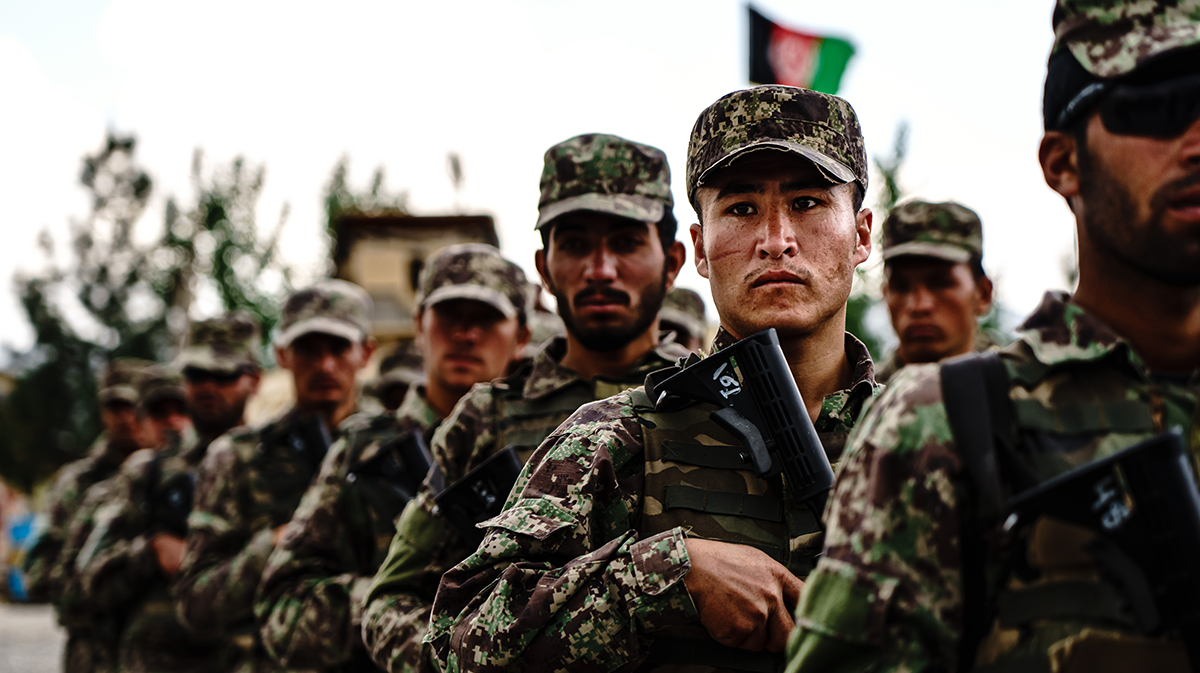
    The Pakistan Factor in China’s Afghanistan Policy: Emerging Regional Faultlines amid US Withdrawal
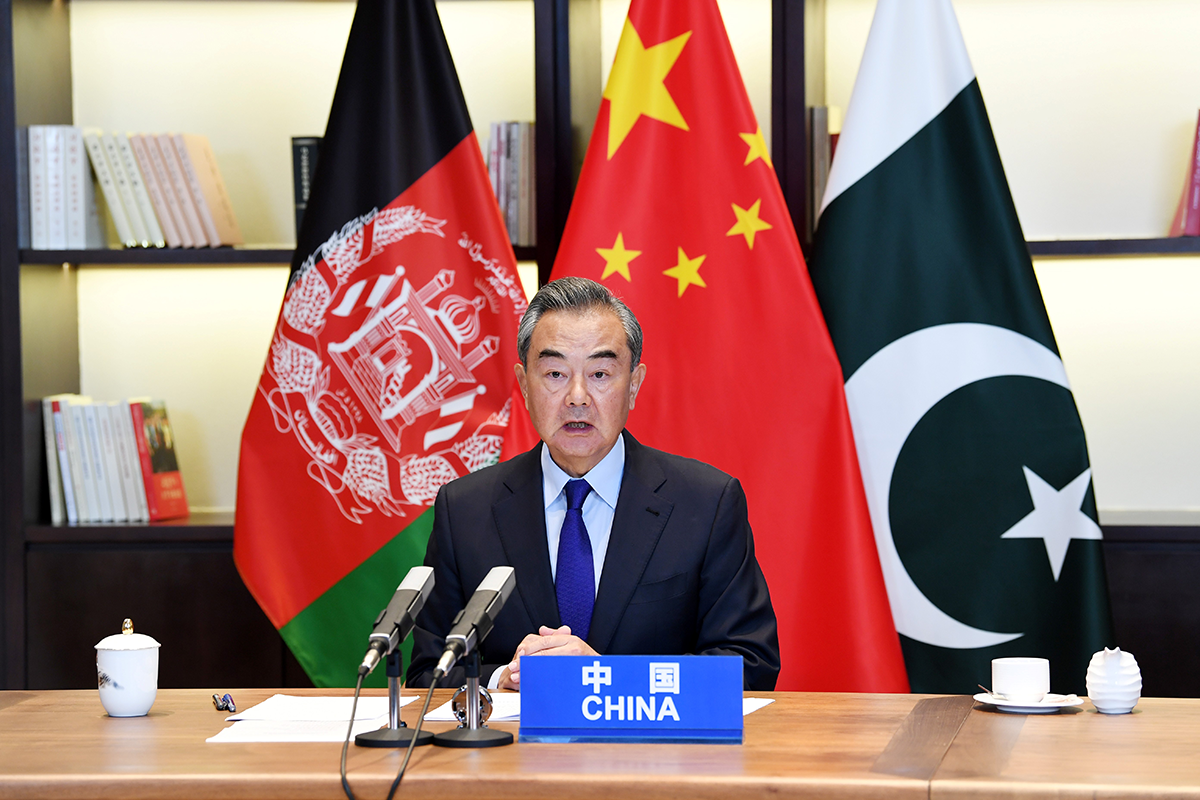
    Photo by Yang Wenbin/Xinhua via Getty Images.
  • Analysis
  • The Pakistan Factor in China’s Afghanistan Policy: Emerging Regional Faultlines amid US Withdrawal

    To date, China has largely relied on Pakistan to conduct its Afghan policy. Not much bothered about the future political role of the Taliban, China fears the prospect of instability in Afghanistan after the U.S. exit. Beijing’s primary concern in a post-U.S. Afghanistan, which is likely to be run by a regime dominated by the Taliban, is that Uyghur separatists and ETIM might find a safe haven.

    July 6, 2021

    استراتيجية النيل المصرية
  • Analysis
  • استراتيجية النيل المصرية

    تخوض مصر وإثيوبيا والسودان في مأزق خطير بشأن نهر النيل، وعلى الرغم مما يعتقده المجتمع الدولي، فإن خطر المواجهة العسكرية بين الدول الثلاث ليس مستبعدًا على الإطلاق. إذ بدأت أديس أبابا في المرحلة الثانية لملء الخزان خلف سد النهضة الإثيوبي العملاق في أوائل مايو/أيار دون اتفاق مع الدول المشاطئة – مصر والسودان. غير أن الكثير قد تغير خلال العام الماضي والملء الثاني يتم في ظروف مختلفة نوعًا ما عن الملء الأول في يوليو/تموز الماضي. ففي الأشهر الماضية، عززت مصر من تواجدها الدبلوماسي وظهرت كلاعب مؤثر في حوض النيل والقرن الإفريقي وشرق ووسط إفريقيا.

    The promise and the pitfalls of Iraq’s tripartite New Mashreq
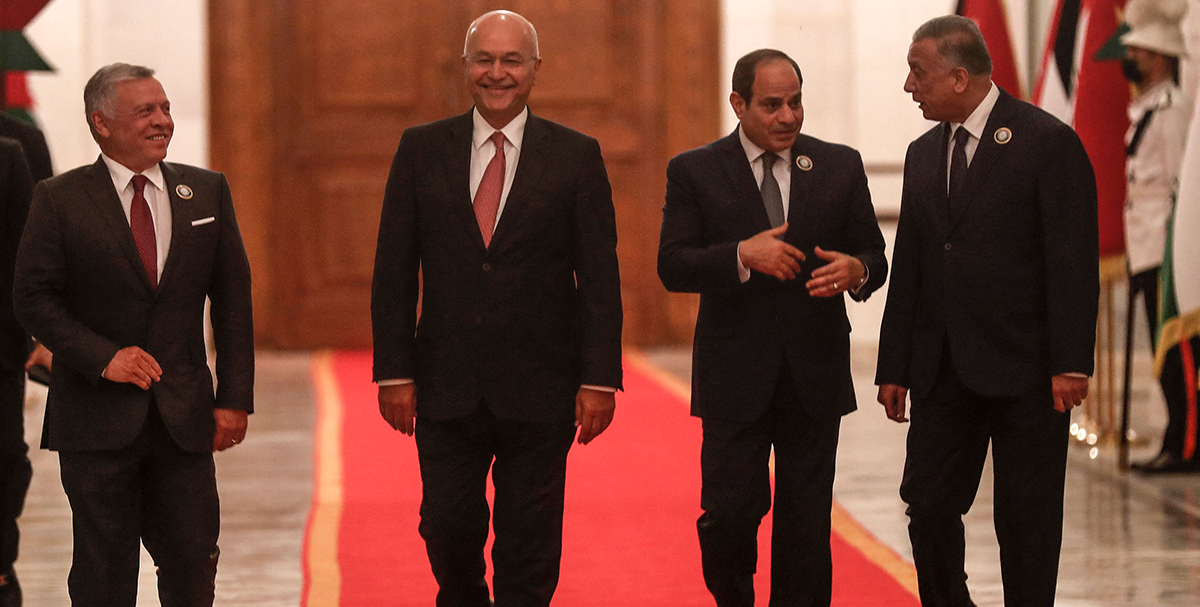
    Photo by AHMAD AL-RUBAYE/AFP via Getty Images
  • Analysis
  • The promise and the pitfalls of Iraq’s tripartite New Mashreq

    Sunday was a festive day in Baghdad. The last time Iraqis had received an Egyptian president 30 years ago, the region was gearing up for war and uncertainty as the late President Hosni Mubarak shuttled between Baghdad and Gulf capitals prior to Saddam Hussein’s invasion of Kuwait in 1990. The circumstances were quite different on June 27, when Egyptian President Abdel-Fattah el-Sisi and King Abdullah II of Jordan were given the red-carpet treatment at a tripartite summit marking the fourth meeting between the leaders of the three countries aiming to form a new regional alliance.

    June 29, 2021

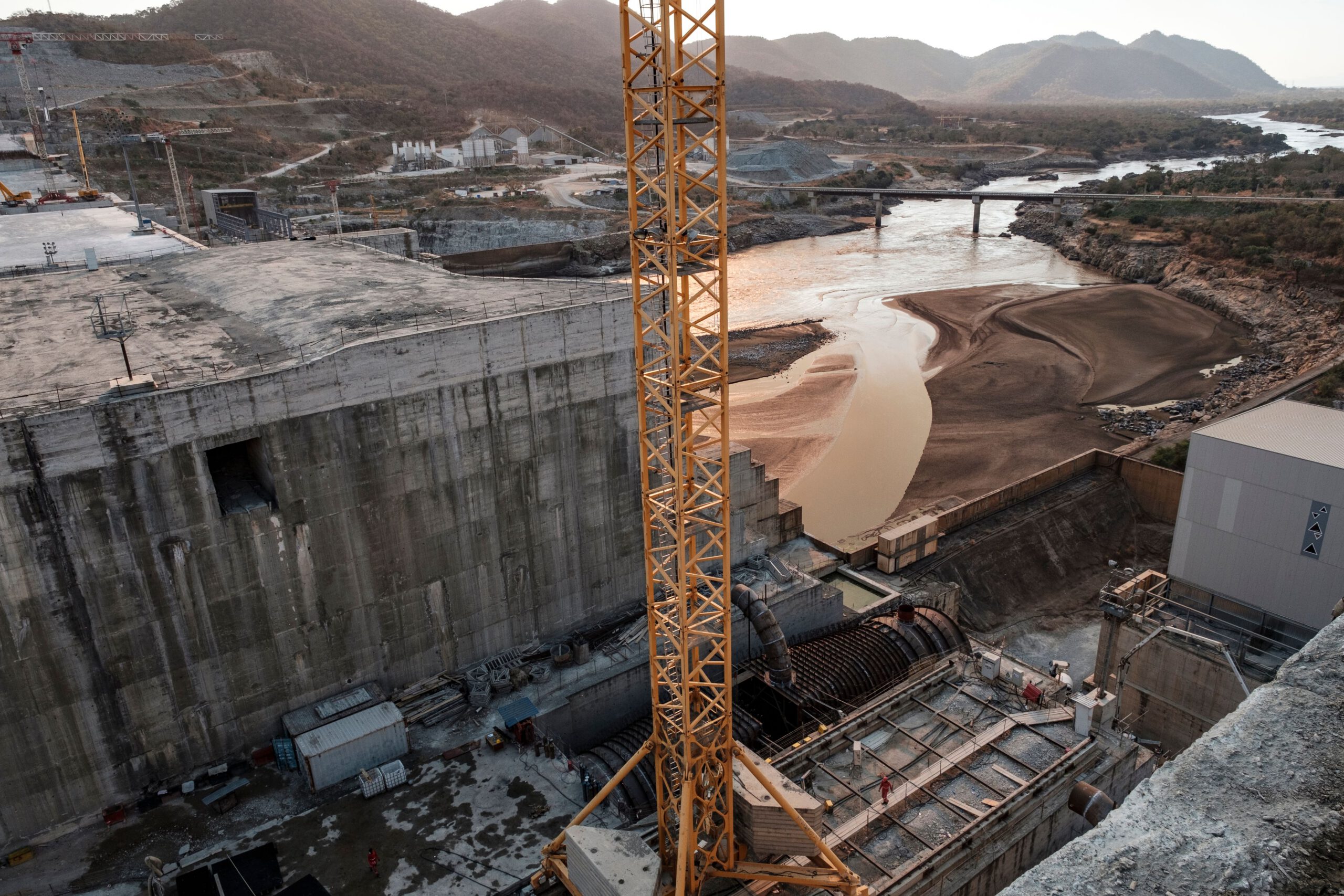
    Egypt's Nile strategy
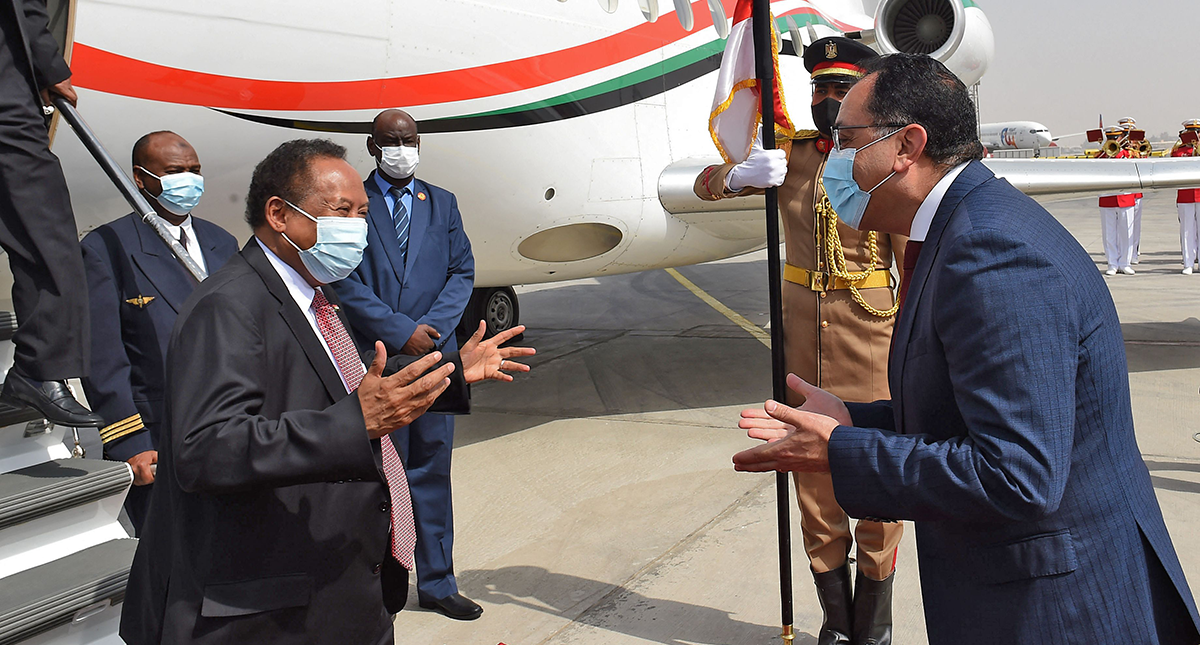
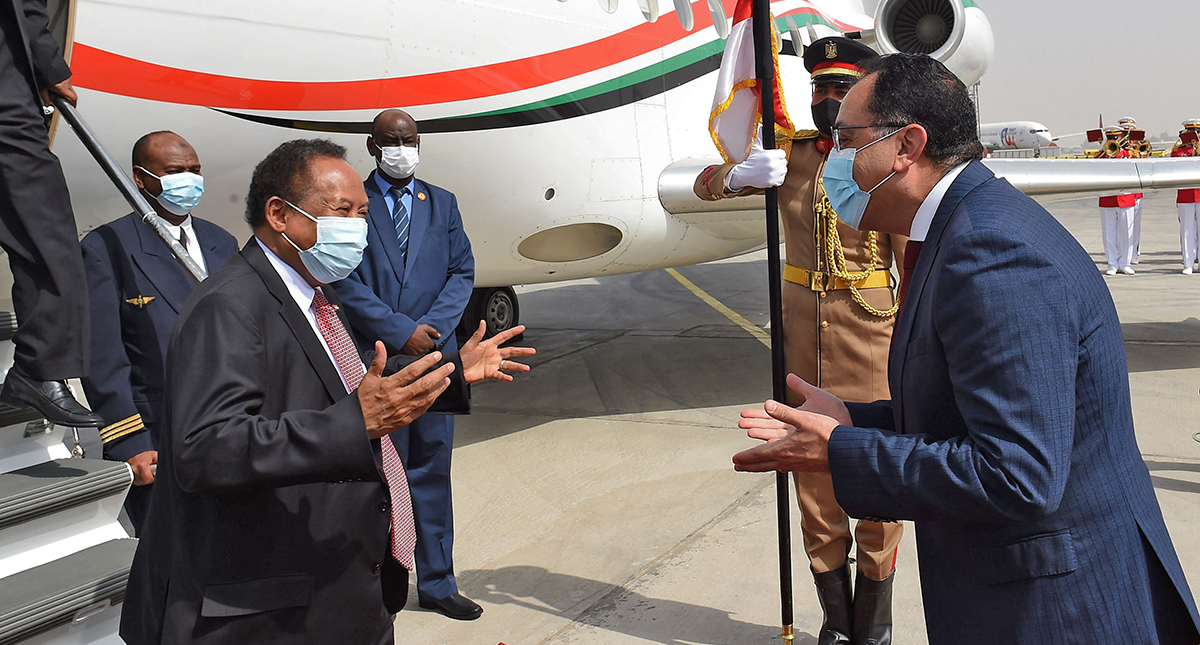
    Photo by SELMAN ELOTEFY/AFP via Getty Images
  • Analysis
  • Egypt's Nile strategy

    Egypt, Ethiopia, and Sudan are caught in a dangerous deadlock over the Nile River and despite what the international community seems to think, the risk of military confrontation among the three nations is not at all far-fetched. Addis Ababa began the second phase of filling the reservoir behind its giant Grand Ethiopian Renaissance Dam (GERD) in early May without an agreement with the riparian nations — Egypt and Sudan. However, much has changed over the past year and the second filling has played out rather differently from the first last July. In the intervening months Egypt has ramped up its diplomatic outreach and emerged as an influential player in the Nile Basin, the Horn of Africa, and East and Central Africa. Cairo succeeded in forging strategic alignment with Khartoum to exert diplomatic pressure on Addis Ababa, forming webs of alliances with different regional powers across East and Central Africa and the Horn of Africa to project power and influence, and exerting geopolitical forward pressure on Ethiopia in parallel with the diplomatic track to solve the GERD dispute. 

    Pakistan’s foreign policy challenges
    Middle East Institute
  • Podcast
  • Pakistan’s foreign policy challenges

    Madiha Afzal, Syed Mohammad Ali, and Marvin Weinbaum join host Alistair Taylor to discuss a range of issues facing Pakistan, from the implications of the U.S. military withdrawal from Afghanistan, to its bilateral relations with India, China, Saudi Arabia, and the United States under the Biden administration.

    June 24, 2021

    Pakistan needs to reframe its regional connectivity push
    Asim Hafeez/Bloomberg via Getty Images
  • Analysis
  • Pakistan needs to reframe its regional connectivity push

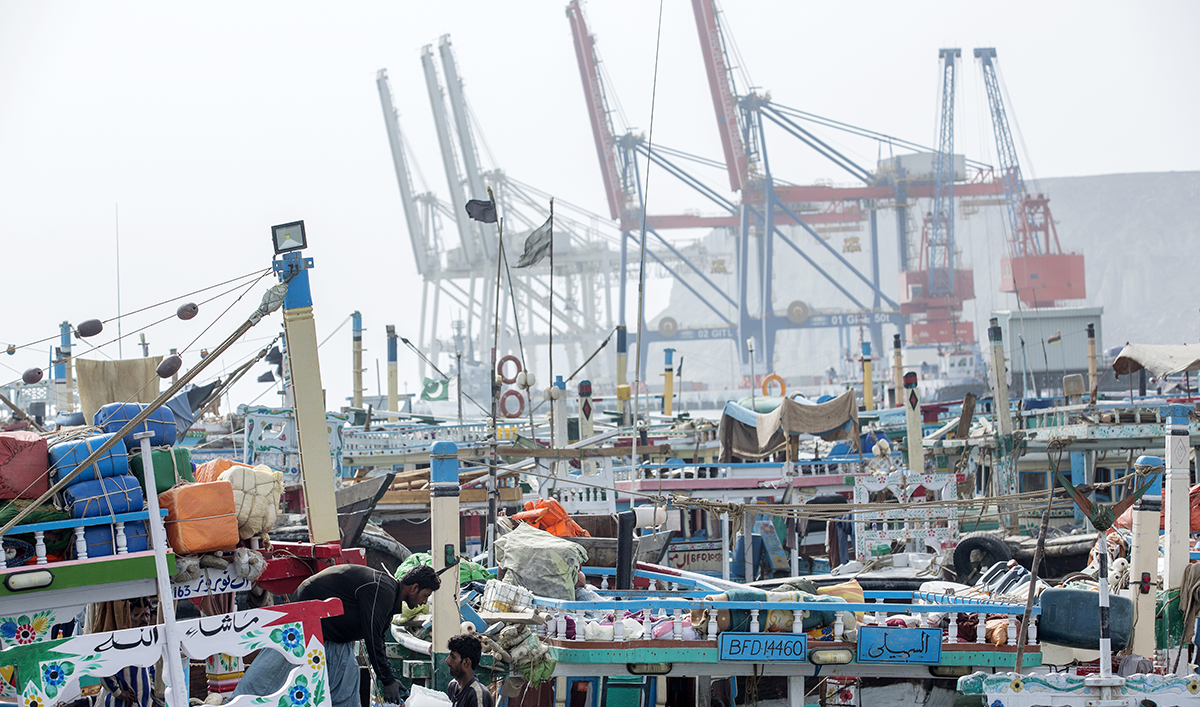
    On April 8, the top U.S. diplomat in Pakistan visited the Chinese-operated port of Gwadar — the first such visit by an American official in 15 years. The move appears to be part of a campaign by Pakistan to promote its regional connectivity agenda and simultaneously signal that this effort isn’t solely wedded to China and its Belt and Road Initiative.

    May 25, 2021

    Eye on Niamey: Middle East regional powers vie for influence in Niger
    Photo by Arda Kucukkaya/Anadolu Agency via Getty Images
  • Analysis
  • Eye on Niamey: Middle East regional powers vie for influence in Niger

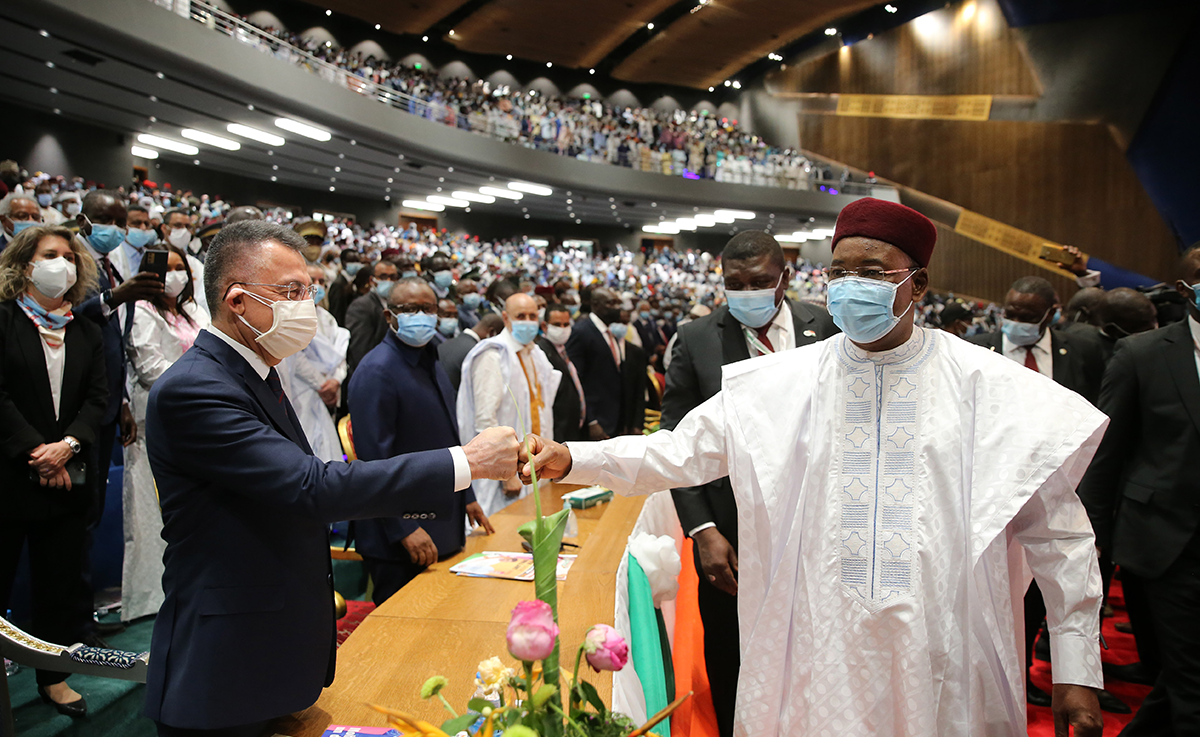
    Due to its relatively stable political institutions, geographic proximity to Libya, and UNSC seat, regional powers in the Middle East are competing for influence in Niger. Egypt and the UAE are trying to counter Turkey’s growing economic and security cooperation with Niger, Saudi Arabia and Iran wish to leverage its UNSC voting power, and Israel is testing the waters for a potential normalization of diplomatic relations. These rivalries are poised to intensify, as the Sahel’s geostrategic significance continues to expand.

    May 20, 2021