The future of the UK’s relationship with the Maghreb
The UK’s impending exit from the EU will present a new chapter for British interests in and posture toward the region. If the UK is to find a trade-off for loss of diplomatic and economic heft, it will need to re-prioritize its engagement efforts. Policy continuity toward Morocco and Tunisia appears inevitable; Algeria, in contrast, promises great opportunity for an evolving relationship.
Strong U.S. leadership could still make a difference to counter the threats arising from the ongoing proxy war, but the Trump White House appears mainly to have other things on its mind.
The question as 2019 ends is whether foreign forces supporting the conflict will rethink their commitment to military victory and instead work to secure political solutions through compromise.
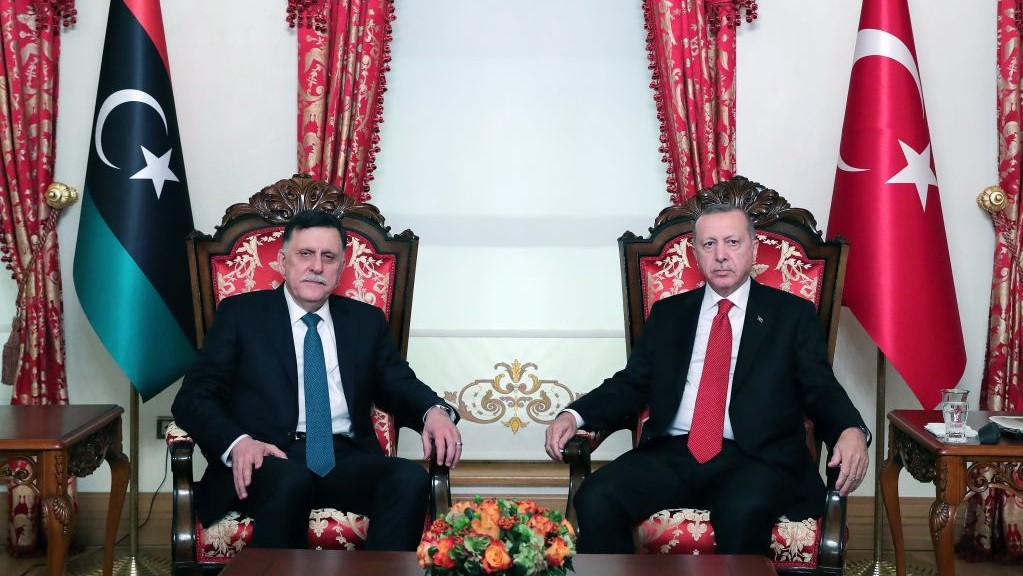
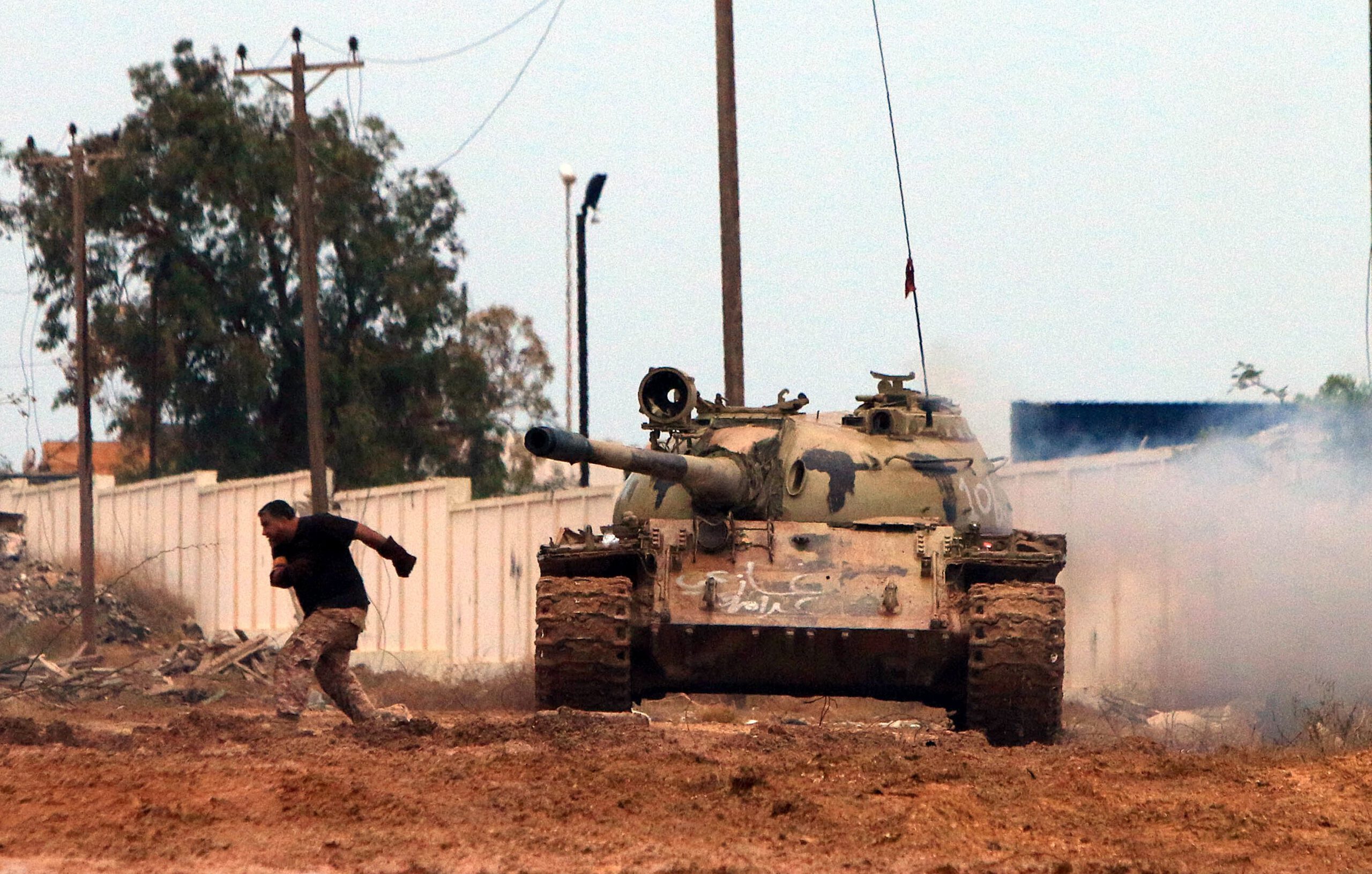
On Nov. 27 the GNA signed an MoU with Turkey seeking to create a shared maritime boundary in the Mediterranean Sea between southwestern Turkey and northeastern Libya. In an overt quid pro quo, this maritime agreement was signed along with a separate MoU to expand security and military cooperation. Thus, it seems clear that Turkey was only able to persuade the GNA to agree to the maritime deal in exchange for increased security support for the GNA-aligned forces fighting the self-styled LNA in Tripoli.
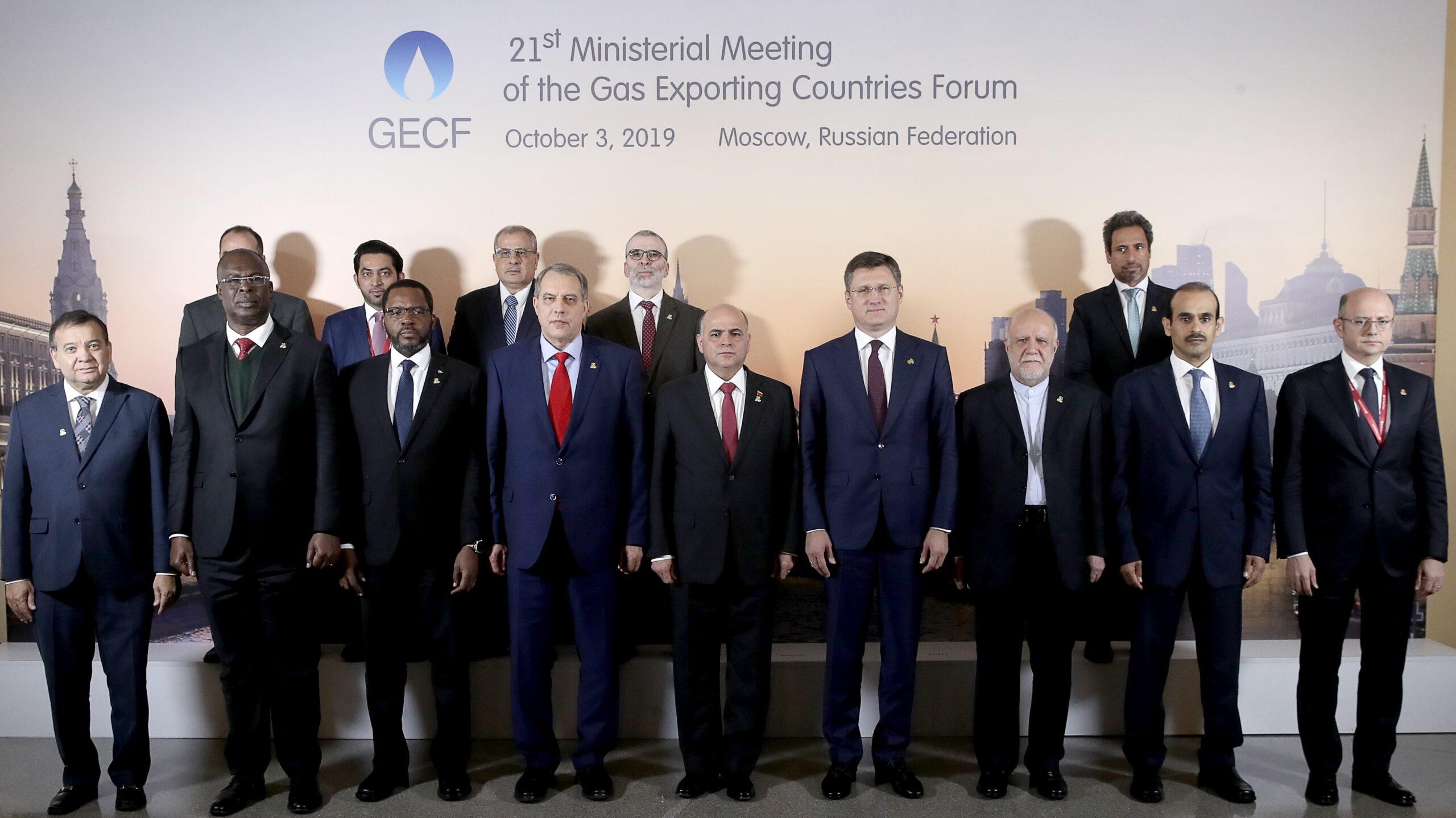
The 12-country Gas Exporting Countries Forum (GECF), which held its latest meeting in Equatorial Guinea on Nov. 28, has never had OPEC’s ability to control energy prices, but that is likely to change as liquefied natural gas (LNG) transforms the gas market from a regional to a global one.
Seized Russian-printed dinars highlight an opportunity to reform Libya’s civil war economy
The Nov. 1 seizure by Malta of two 2000-cubic-foot containers full of Libyan currency printed by the Russian state printer, Goznak, that was intended for delivery to Libya’s non-internationally recognized eastern government, highlights the continuing importance of the economic aspects of Libya’s ongoing civil war.
The UN deliberately (albeit mistakenly) accorded sovereignty to post-Gadhafi Libya’s economic institutions
The crux of today’s Libya problem in international foreign policy lies in an underappreciated UN misstep in the most important international treaty concerning Libya, the 2015 Skhirat Agreement, and the decision to vest sovereignty in the heads of independent and semi-independent sub-state institutions like the Central Bank of Libya. The negative implications of this decision must now be addressed and it is time to move onto something new, after Skhirat.
How Libya’s economic structures enrich the militias
Largely overlooked in international policymaking toward Libya’s current conflict is the role of corruption as a key driver of violence, as opposed to merely its byproduct. The high-level debate on Libya at the UN General Assembly (UNGA) in late September and the proposed follow-on international conference to be hosted by Germany in October or November are the perfect opportunities to correct this oversight.
Libya’s Hifter and the false narrative of authoritarian stability
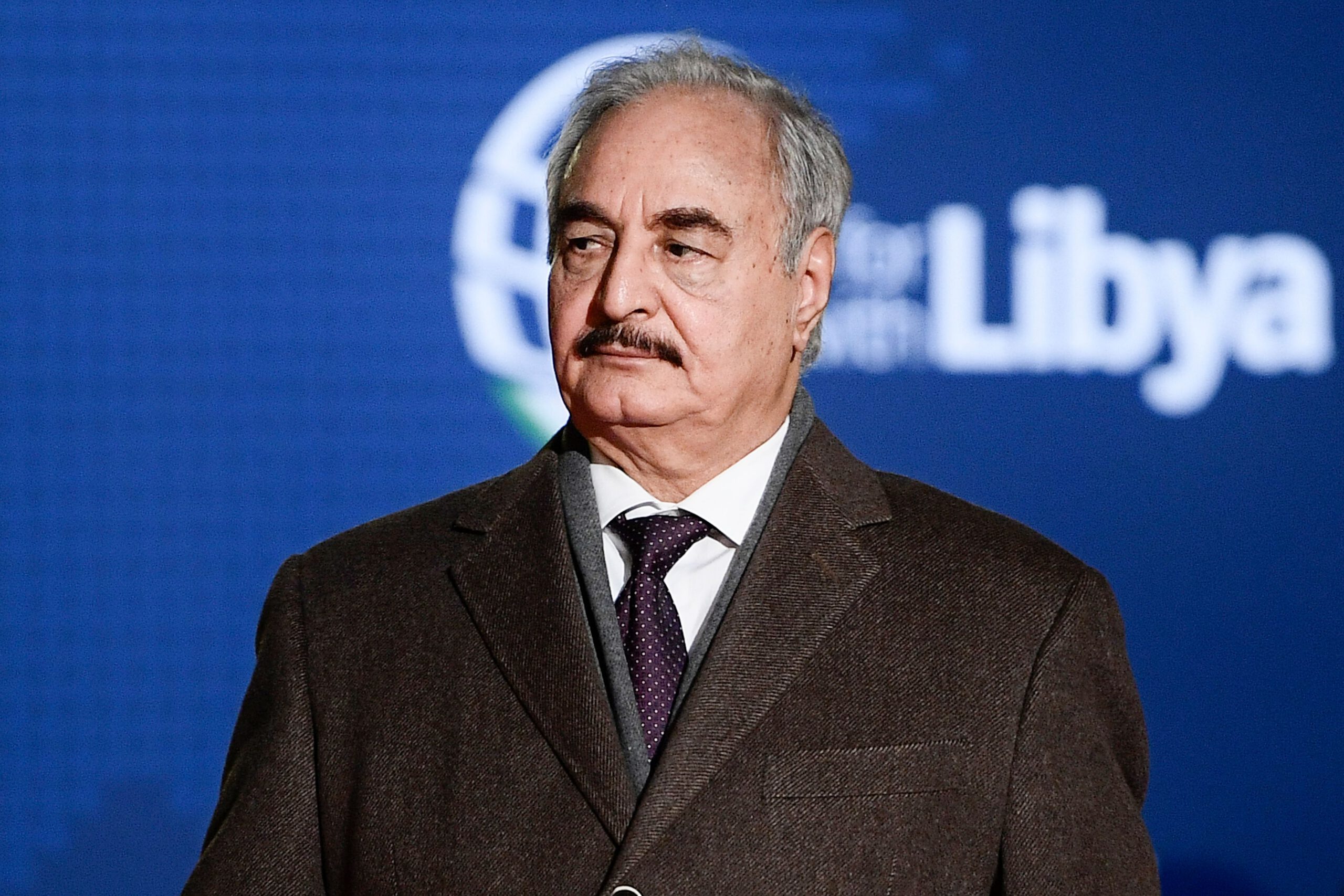
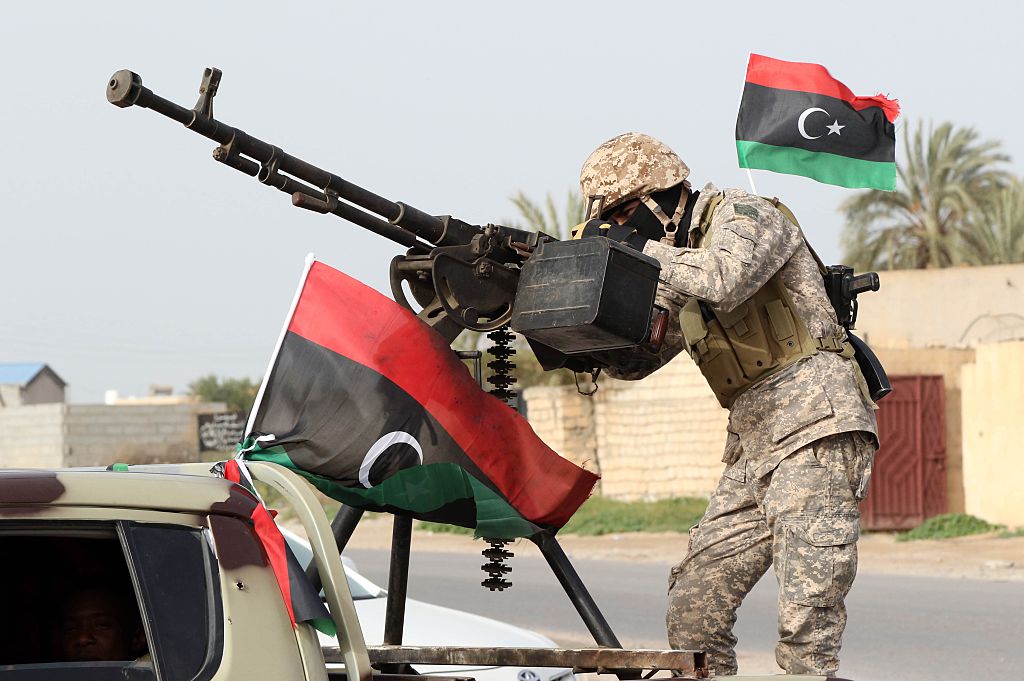
Khalifa Hifter has managed to garner outside support by appealing to foreign states’ desire for a stable Libya, but this rogue former general and would-be authoritarian has proven a troublesome proxy. In supporting his ongoing offensive on Tripoli, foreign states are undermining their own narrative of authoritarian stability.
Divided over narratives: The new fault line in the Arab World
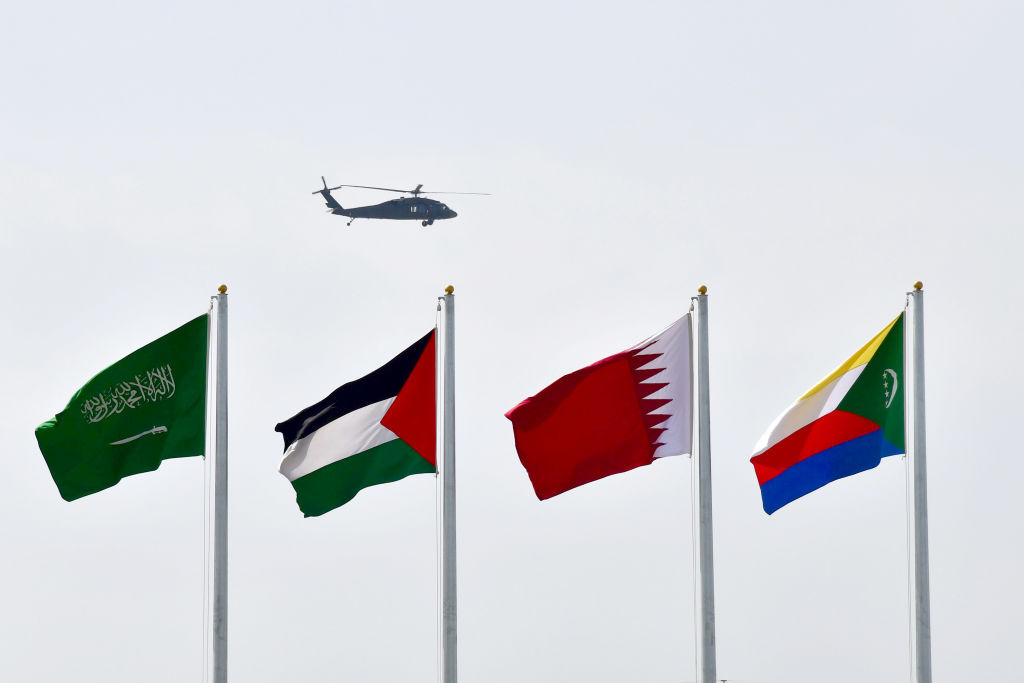
Many of the divisions in the Arab World today are ideological and revolve around narratives — carefully constructed ontological representations of both how the world works and how it is supposed to work conforming to clearly set out interests and values. While the old sectarian narratives might still play an underlying role, what divides Arabs from Morocco to Oman are different grand-strategic visions of the region’s future after the Arab Spring.
OPEC+ agrees to production-cut extension and new charter amid rising Middle East tensions
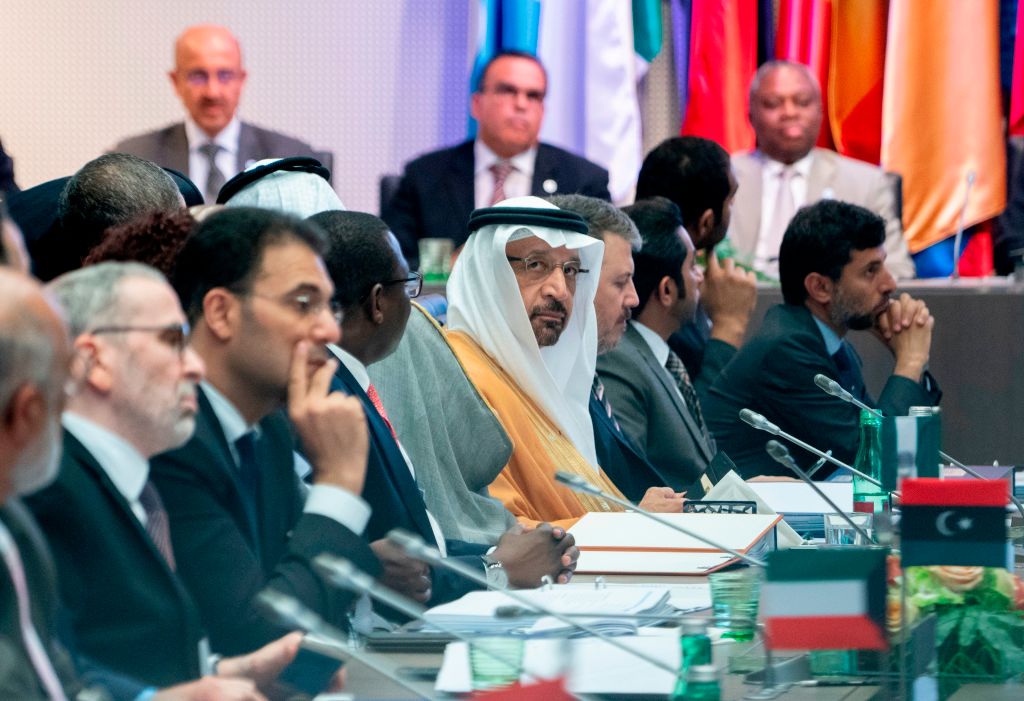
OPEC+ nations have ended speculation about whether they would continue oil production cuts by agreeing to a nine-month extension. Led by the global petroleum powers Saudi Arabia and Russia, the group agreed on July 2 to extend the current level of cuts until the second quarter of 2020.
Freshwater Resources in the MENA Region: Risks and Opportunities
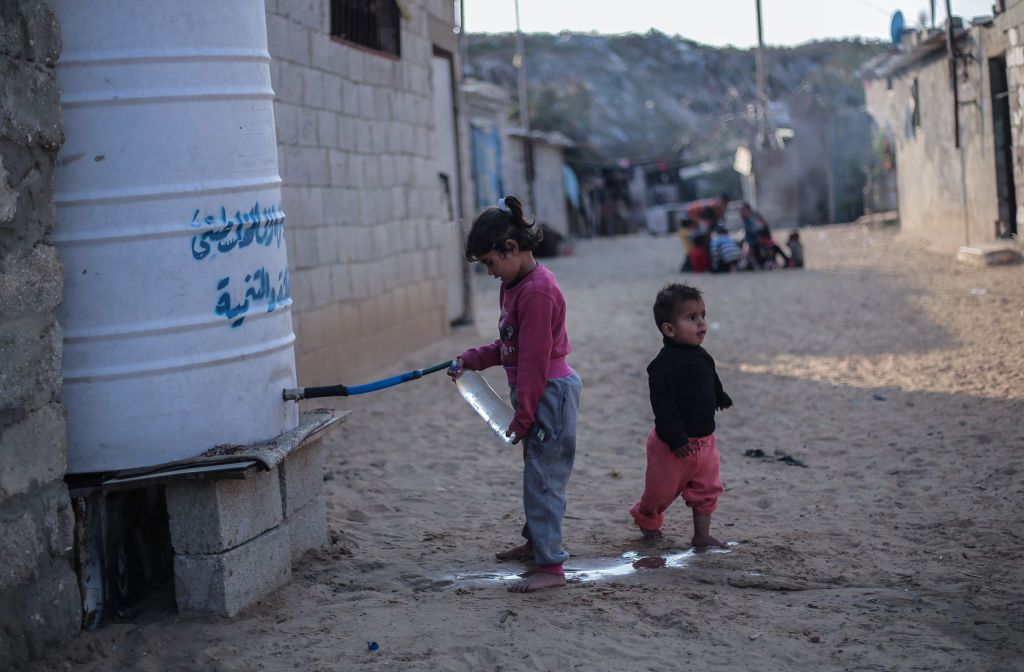
A reliable supply of freshwater is a prerequisite for sustainable socioeconomic development, as well as for sociopolitical stability and human prosperity, especially in semi-arid and arid regions of the world. The Middle East and North Africa’s freshwater resources are under immense pressures and are facing significant risks to their sustainability due to overexploitation, climate change, and interstate competition over their use that extends beyond the region’s boundaries.
Interconnected: Trade, food security, and stability in the GCC and MENA
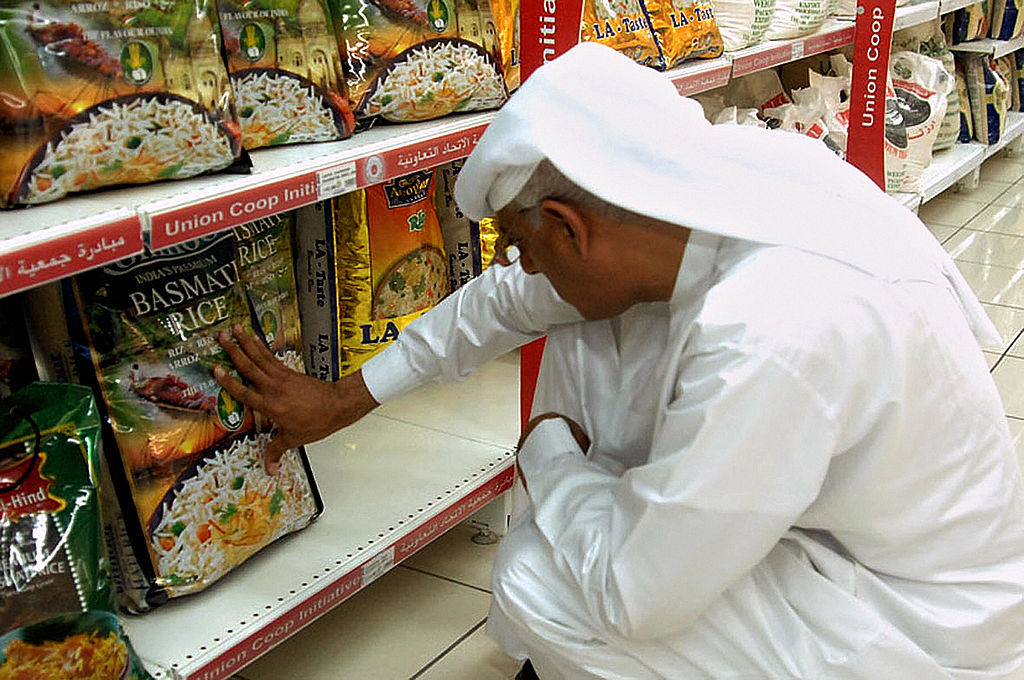
It is easy to overlook the fact that food security could be an issue of concern in the Gulf Cooperation Council. After all, its member states have some of the world’s highest per capita income levels. Food supplies in the Gulf are normally abundant and stable. Were they to be disrupted, however, it could lead to food security challenges and a chain of adverse consequences for human security throughout the region.
Is ISIS the real winner of Hifter’s Tripoli offensive?
The launch of General Khalifa Hifter’s campaign to retake Tripoli in April has intensified Libya’s political upheaval and created the conditions for a potential resurgence of ISIS. The onset of the Libyan civil war in mid-2014 gave rise to a power vacuum that enabled the group to establish an initial presence in Libya, and while ISIS was eventually driven out at the end of 2016, the current political instability could give it an opportunity to regroup and re-establish itself — with major ramifications for the country and the broader region.
Origins of the Libyan Conflict and Options for Its Resolution
Muammar Gaddafi controlled all power in Libya for 42 years before the 2011 uprising. Since then, Libyans have been unable to rebuild national institutions and restore stability. Despite General Khalifa Hifter’s ongoing attempt in 2019 to conquer Tripoli by military force, Libya’s best chance for progress remains a unified international approach built on near complete alignment among international actors, supporting Libyans convening as a whole to address political, security, and economic issues at the same time.