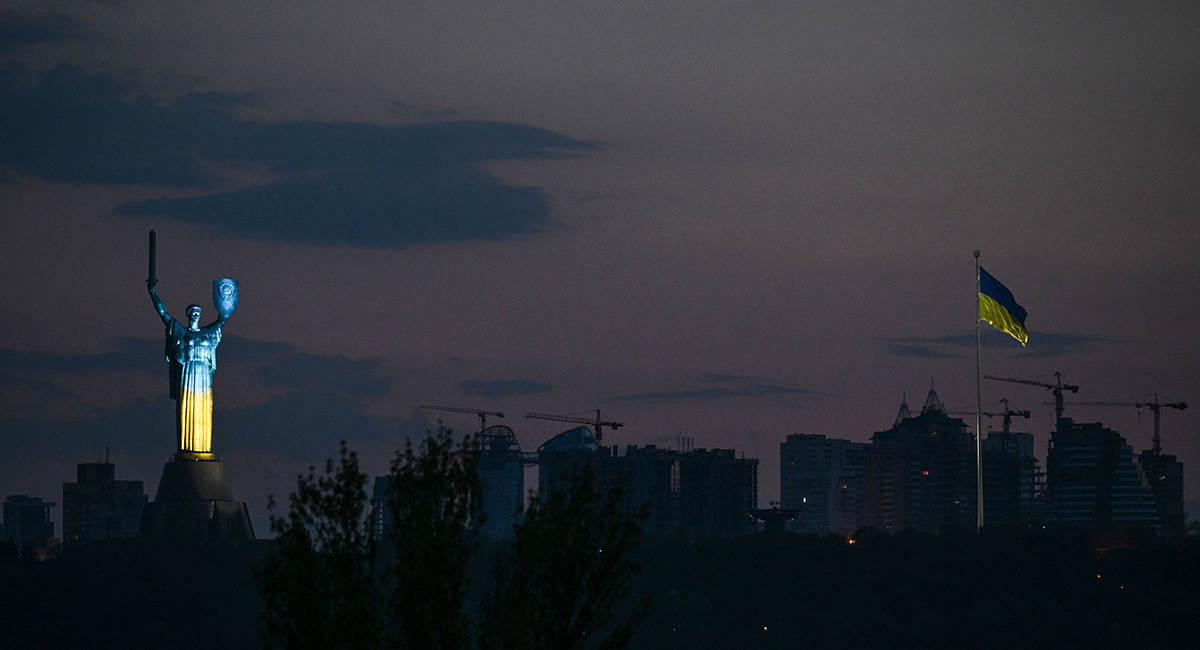
Today marks the one-year anniversary of the war in Ukraine — a war of choice by Russian President Vladimir Putin. Russia has failed on the strategic, operational, and tactical levels. The Ukrainians have defied the odds. No one will likely underestimate them again, including Russia.
Challenges of mechanized and combined arms warfare: Lessons for Ukraine from Syria and Iraq
The difficulty of quickly providing mechanized and armored equipment to Ukraine, training Ukraine to employ this equipment in combined arms operations, and ensuring Ukraine can maintain and sustain combat power should not be underestimated. As the examples of Turkey’s 2016 military operation in Syria and the U.S. operation in Fallujah in 2004 illustrate, dislodging Russia from its prepared defensive positions will be a daunting task for the Ukrainian Armed Forces.
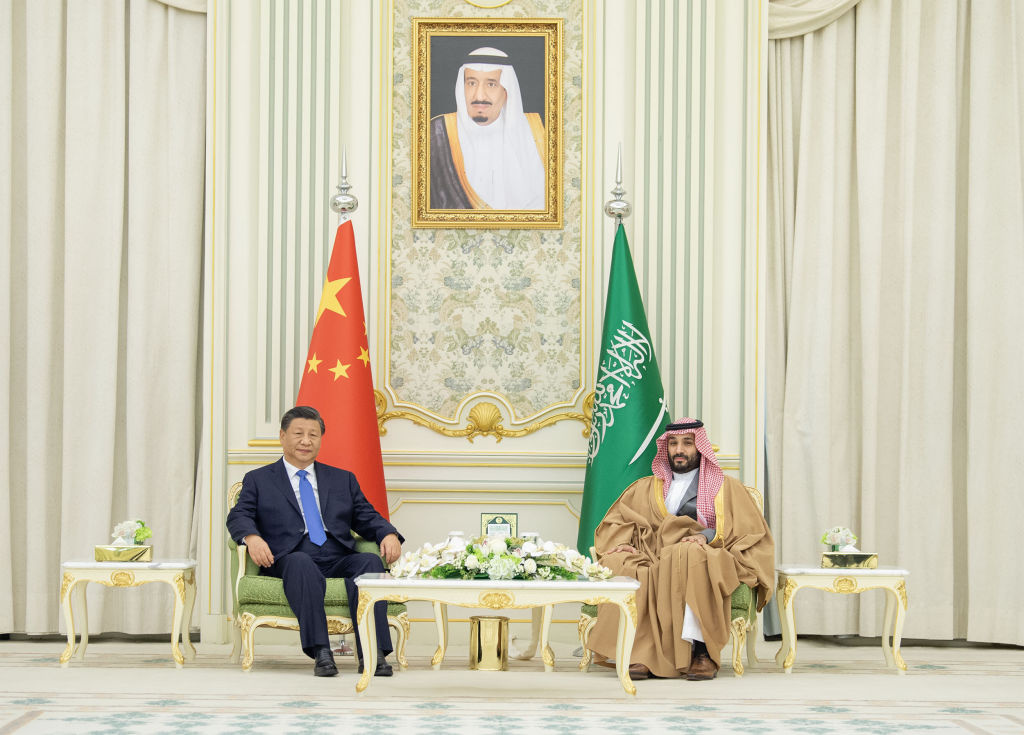
After Oil-for-Security: A Blueprint for Resetting US-Saudi Security Relations
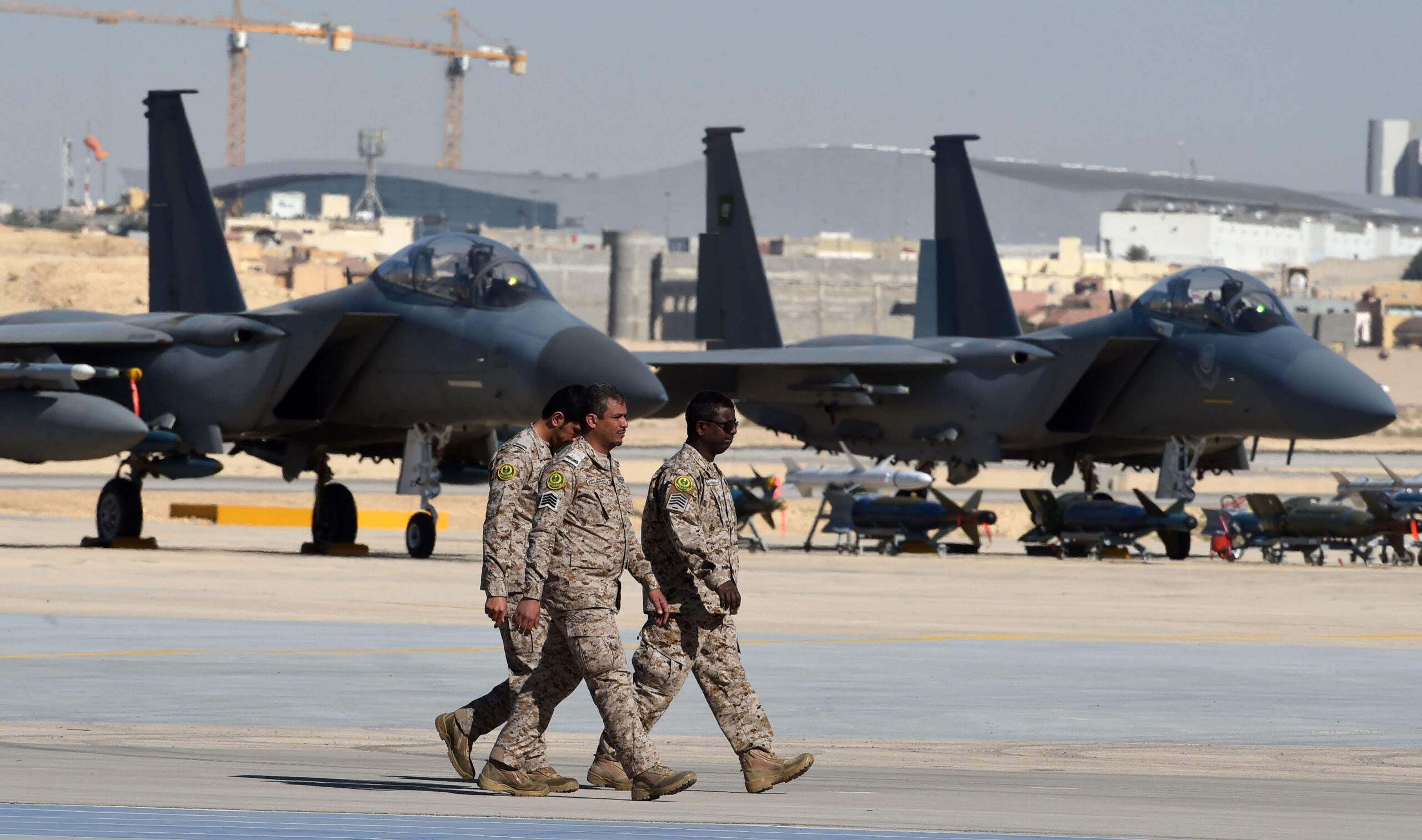
Although U.S.-Saudi bilateral ties are on the mend, ambiguities and the transactional nature of the 1945 oil-for-security covenant contribute to mistrust and tensions. The burden of fixing or stabilizing the relationship is a shared responsibility. It’s time for Washington and Riyadh to reconfigure their security ties in accordance with new U.S. geopolitical priorities and new Saudi defense requirements. This report lays out such a process.
The Middle East in an era of great tech competition
With the acute impacts of US-Chinese global tech decoupling becoming clearer, MENA is slowly emerging as an important region to watch. Economic and geopolitical ties with the West have long dictated the shape of the region’s digital environment, but more recent great power competition and Middle Eastern countries’ pursuit of economic and technological sovereignty have slowly deconstructed these dynamics.
Seeding future stability: How can startup ecosystems help build peace?
Disregarding the fundamental desire for economic opportunity carries real risk to stability and peace. If we imagine different possible futures for economically disadvantaged communities in MENA and elsewhere, one difference between conflict futures and peaceful, stable ones may be the degree to which entrepreneurial capability is afforded the conditions in which to thrive.
A message to Tehran: What drone attacks on Iranian critical infrastructure tell us
For the first time in several months, Iranian critical military infrastructure again came under attack from an unknown assailant. The Jan. 28 drone attack on a Ministry of Defense workshop complex appeared designed to deliver a politico-strategic message. The strike may mark the beginning of a more unstable post-JCPOA security environment in the Middle East characterized by a return of deterrence and risk-taking behavior.
Saudi Arabia’s proactive military strategy in southern Yemen is a risky gamble
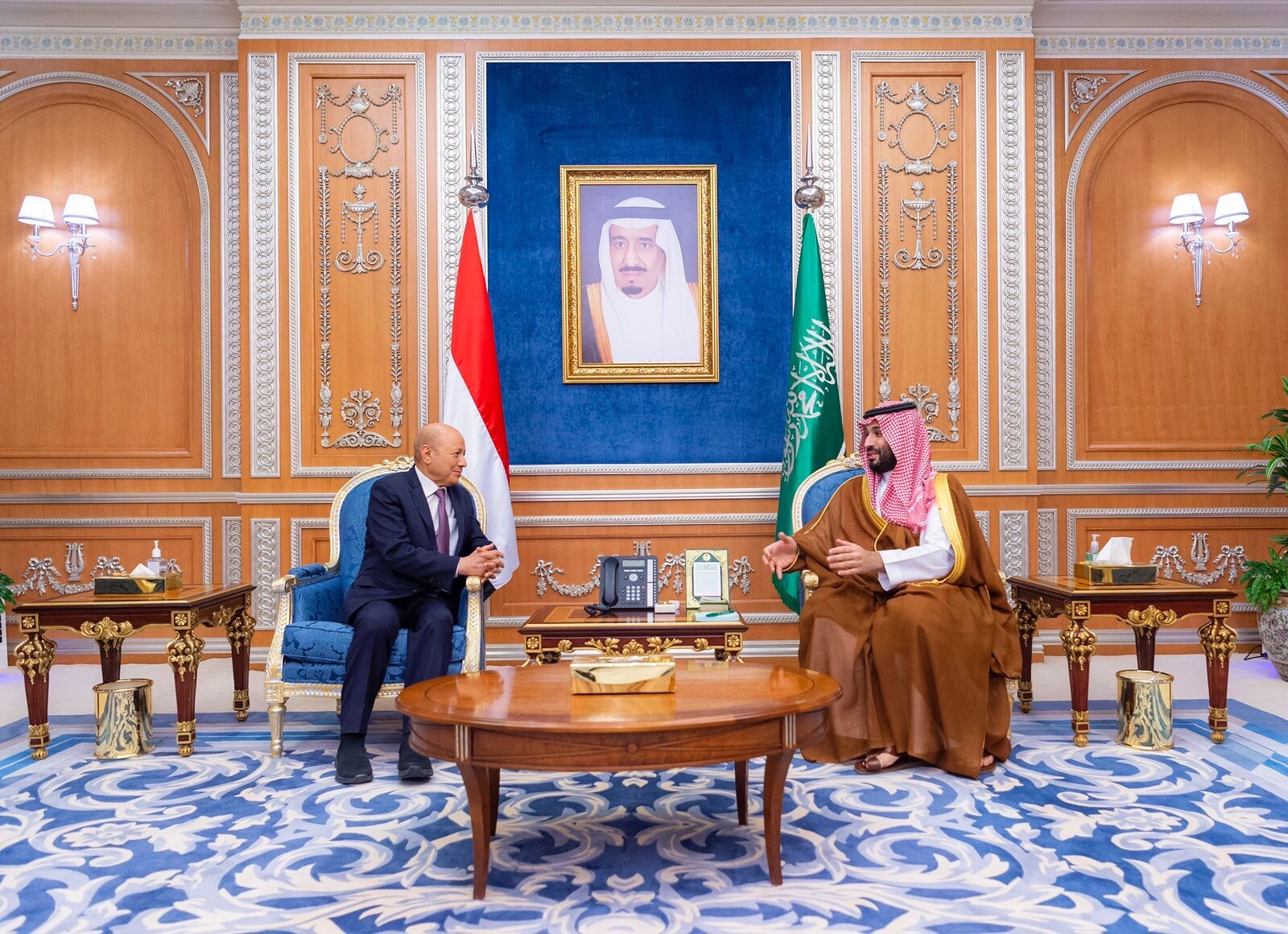
Despite formal agreements and vast financial resources, Saudi Arabia has largely failed to integrate the various armed groups in Aden and southern Yemen under one national security sector. This adds to Riyadh’s ineffectiveness in establishing military-political influence in southern Yemen or in limiting the UAE’s continuing leverage. In an effort to boost its influence, since late 2022 Saudi Arabia has established new armed formations in Aden and nearby governorates, such as the Nation Shield Force.
Juniper Oak 2023 reinforces US commitment to Middle East, sets standard for future regional exercises
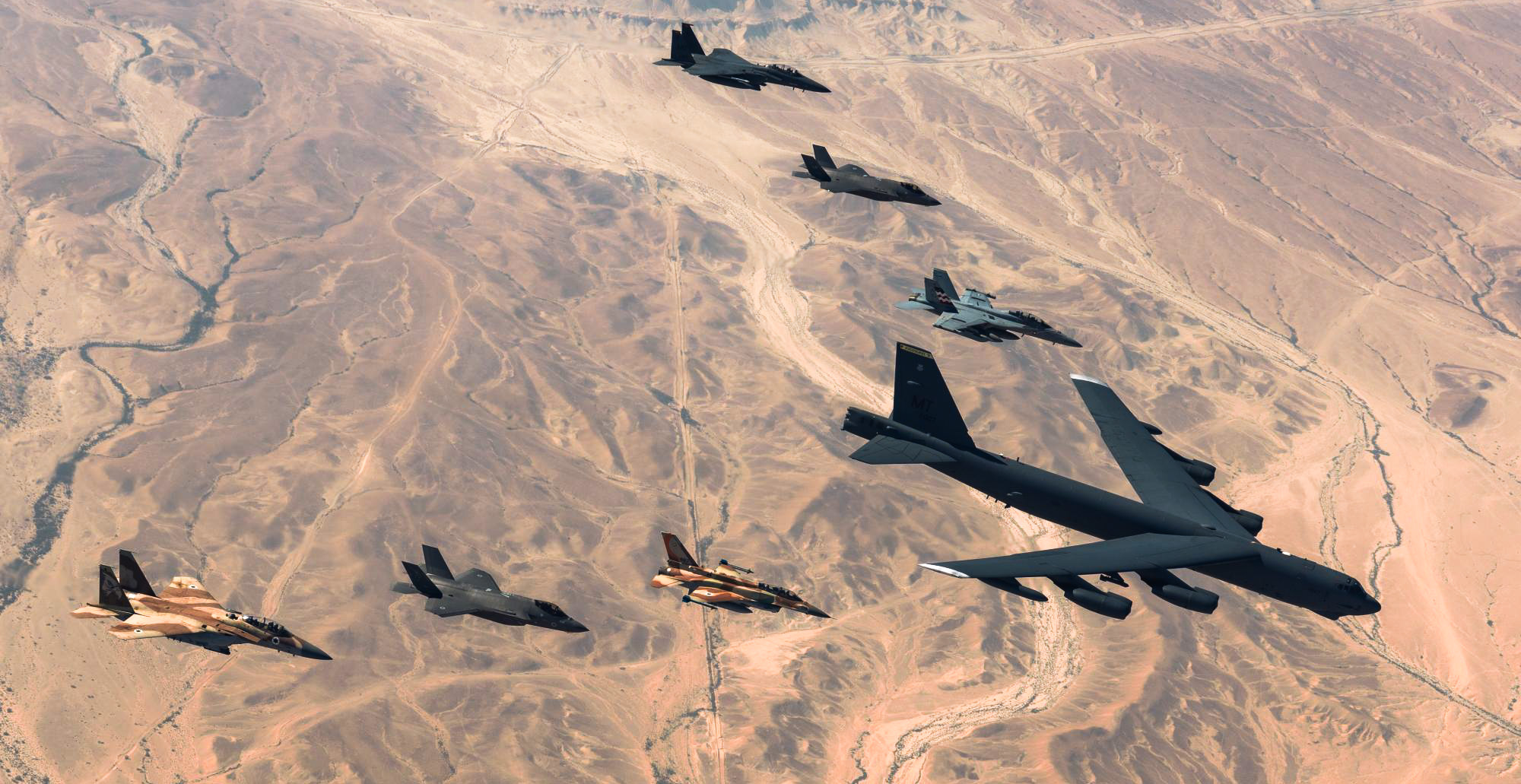
This week, the United States Central Command (CENTCOM) concluded what it called on social media, “the largest ever U.S.-Israel combined exercise.” The drills reasserted U.S. support for partnerships, deterrence, and integration, despite posture reductions and continued concern among partners about Washington’s commitment to the Middle East.
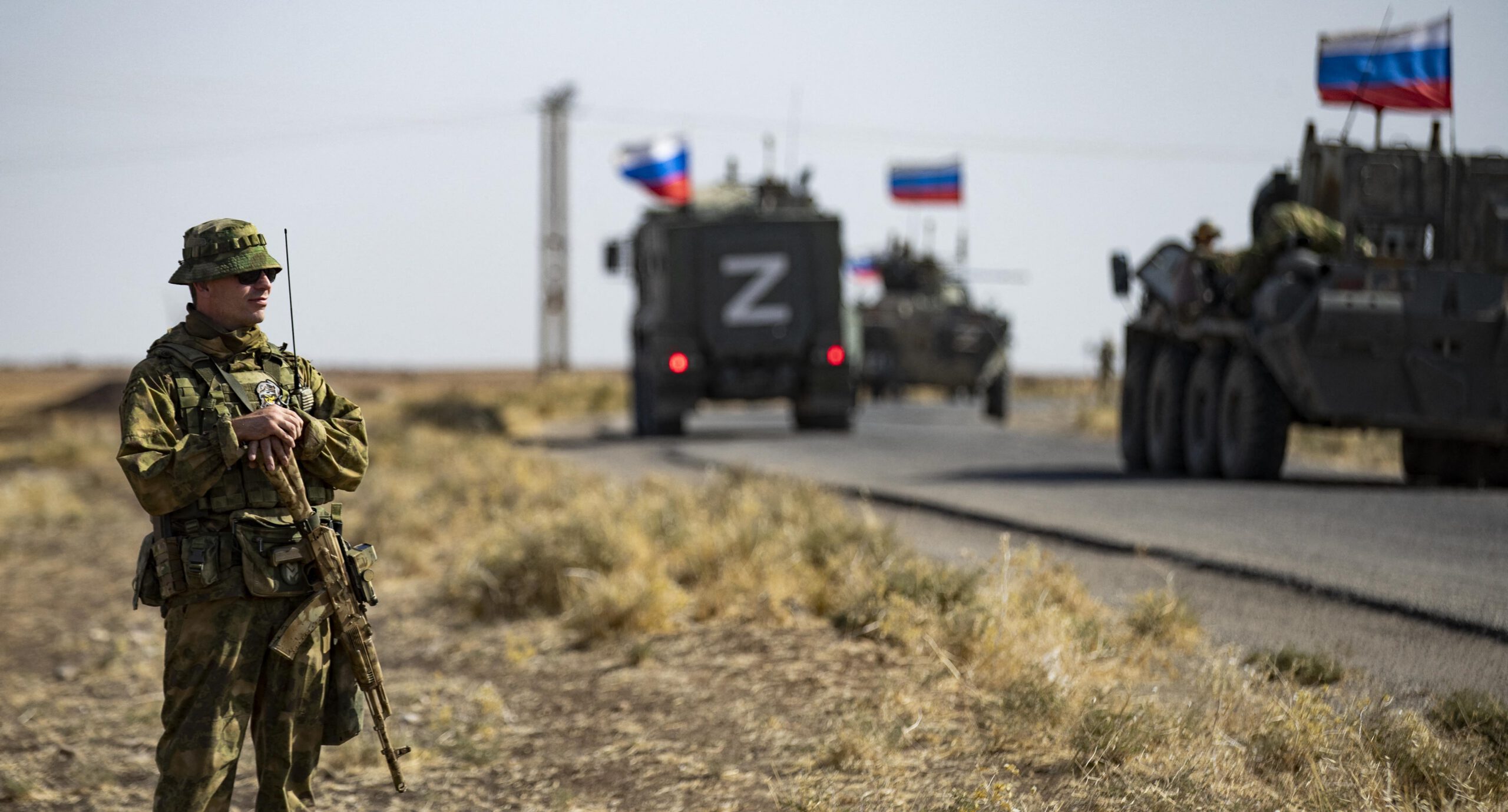
Keeping up appearances: The Ukraine war’s effect on Russian deployments in Syria
As Russia’s 2022 invasion of Ukraine turned into protracted positional and attrition warfare, often speculative reports emerged about the imminent reduction of the Russian military presence in Syria. Several factors may explain the changes in the Russian military presence in Syria and its future.
Russia’s new military: The rise of Prigozhin and the Wagner Group
Kremlin-linked oligarch Yevgeny Prigozhin, founder of the notorious Wagner Group PMC, is taking power away from the traditional Russian military establishment and fostering President Putin’s dependence on his resources and advice. This trend will undoubtedly propel the escalation of the war in Ukraine and possibly inflict irrevocable damage to the future utility of the Russian Armed Forces.
الردع عن طريق الكشف: طريقة رخيصة وناجحة لردع إيران
A vital part of Iran’s long-running grey zone warfare strategy is plausible deniability, as they most often work through proxies in the Middle East. And so the easiest way to keep Iran from taking action is to make sure the Islamic Republic knows the spotlight is on them.
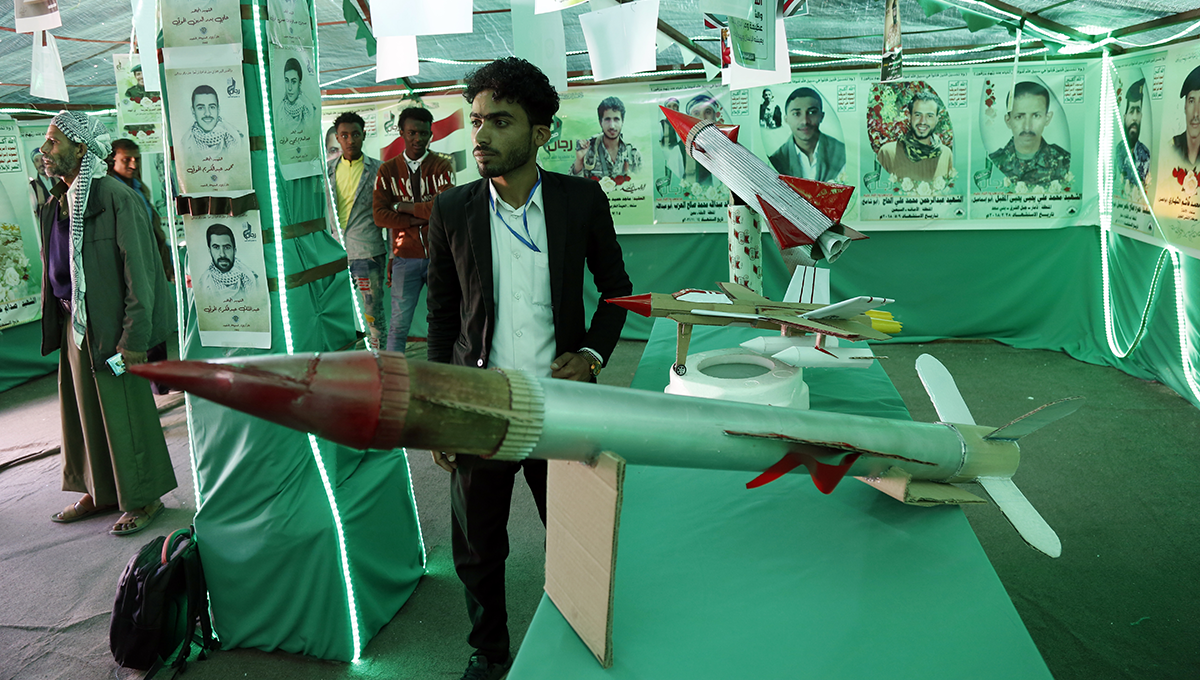
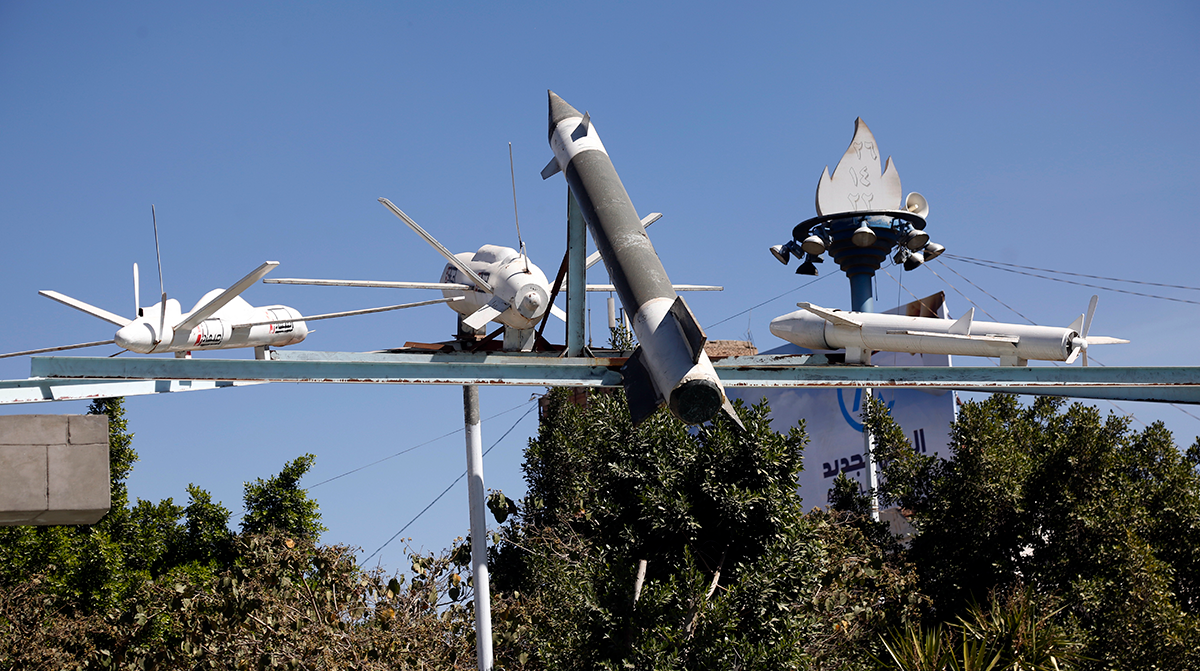
On Nov. 21, the Iranian-backed Houthi militia launched a drone attack against the Dhabba Oil Terminal in Yemen’s Hadramawt Governorate. The threat of further attacks on oil ports and military targets remains high as the militant group tests the tolerance and response of Yemen’s government and the international community while increasing its demands.