The CIA Is Better Than the U.S. Military at Creating Foreign Armies
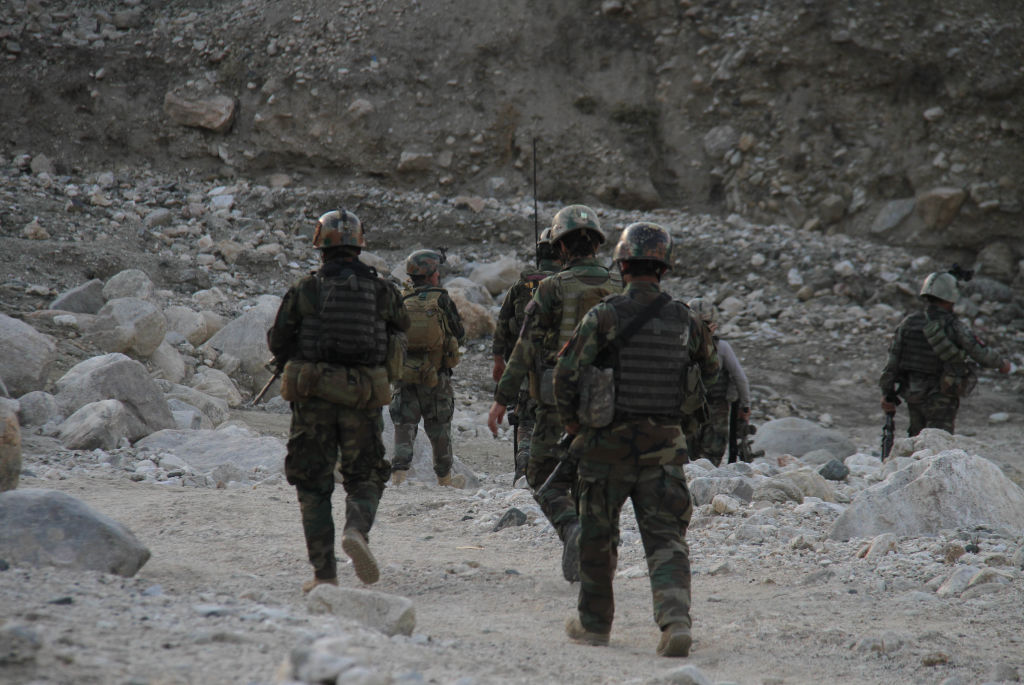
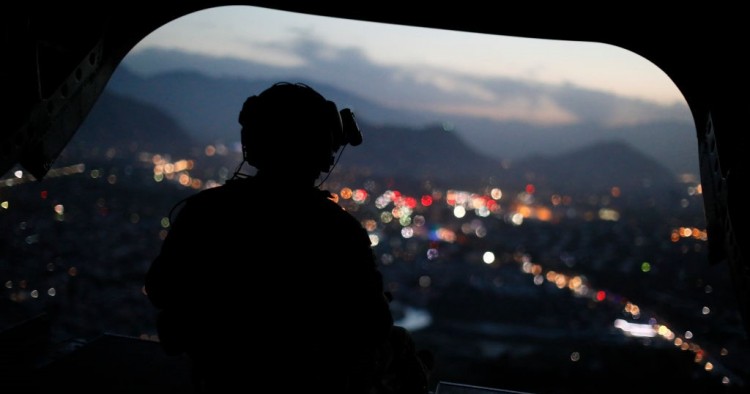
The failure of the Afghan army is a reminder that Pentagon-led security cooperation programs are more expensive and less effective than those led by spies.
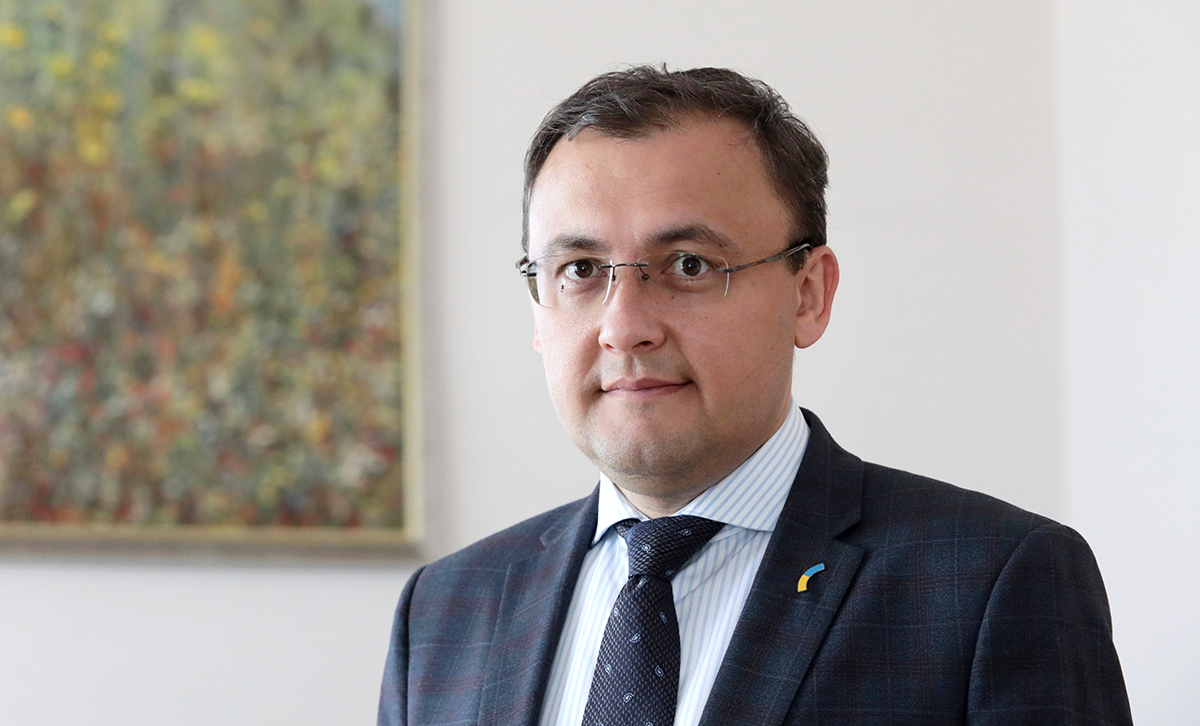
According to Deputy Foreign Minister Vasyl Bodnar, Ukraine has completed the necessary reforms for NATO membership and does not rule out integration without the territories illegally annexed by the Russian Federation. Bodnar also explains why Ukraine’s Euro-Atlantic integration process is so difficult in comparison to that of the Baltic countries, which have had accelerated Western integration. This interview has been edited for length and clarity.
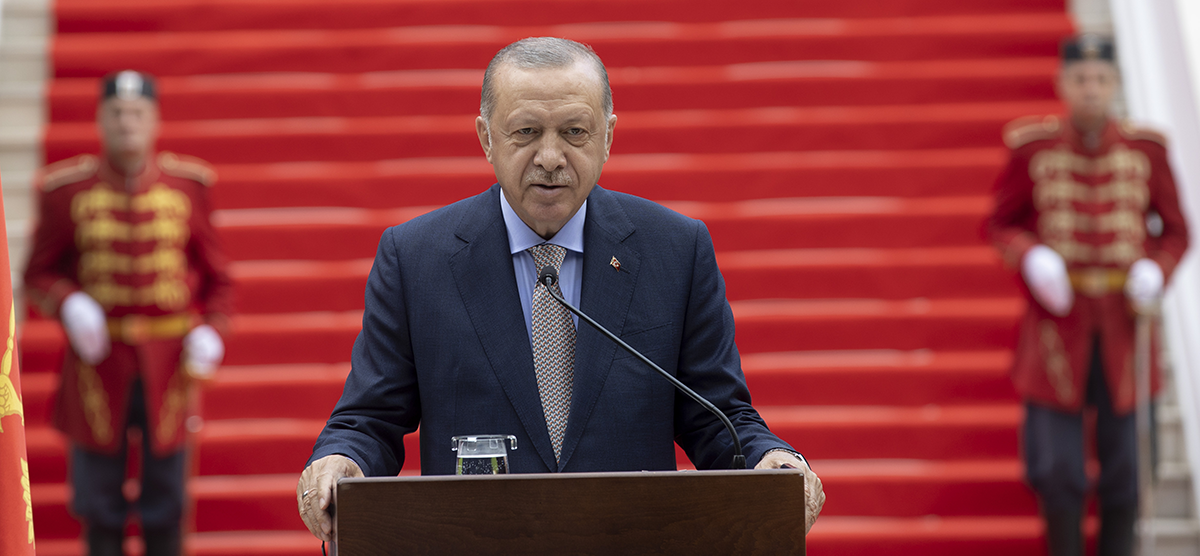
Just before visiting Turkish-occupied Northern Cyprus in late July, Turkish President Recep Tayyip Erdoğan gave Serbia an unpleasant surprise. He announced that Turkey would lobby to increase the number of countries that recognized independent Kosovo. Erdoğan stated on July 19, “Now 114 countries recognize Kosovo, and we want that number to increase. We hope that this year at the United Nations General Assembly, at the meeting I will have with [U.S. President Joe] Biden, we will discuss this topic again, that we will work together on the recognition of Kosovo.”
اقرأ تقرير MEI الأسبوعي الذي يتضمن تحليلات الخبراء للتطورات الإقليمية الرئيسية للأسبوع المقبل.
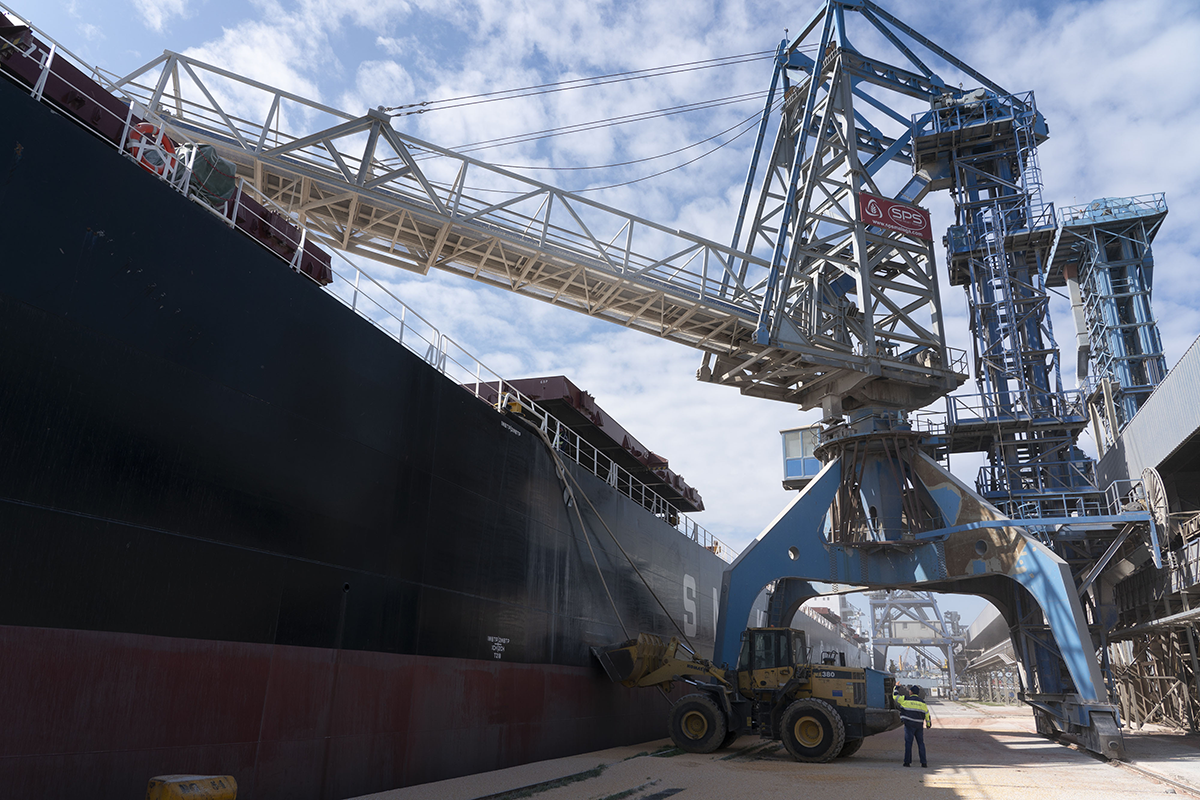
While the Black Sea has historically been an area of significant geostrategic importance, this has not made it a vibrant zone of commerce, transport, energy, tourism, or cultural exchange. Rather, it has become a theater of struggle for dominance and competing geopolitical and geo-economic interests. This situation has been exacerbated by conflict between Russia and countries in the region, like Ukraine and Georgia, that have sought closer ties with the West and aspire to NATO membership and EU integration. These developments have dire consequences for regional security and stability, disrupting political and economic ties in the area and beyond. A long-term solution to the region’s security issues could be based on intensifying trade relations and increasing economic interdependence between the states. This paper identifies major barriers to closer regional trade and economic cooperation and outlines ways to overcome them.
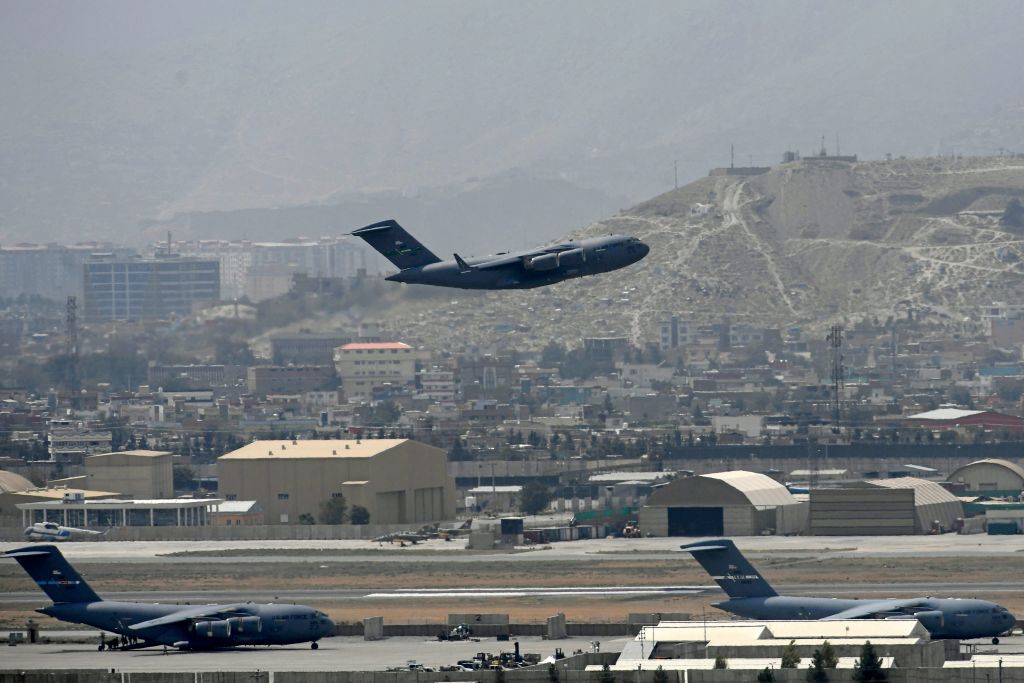
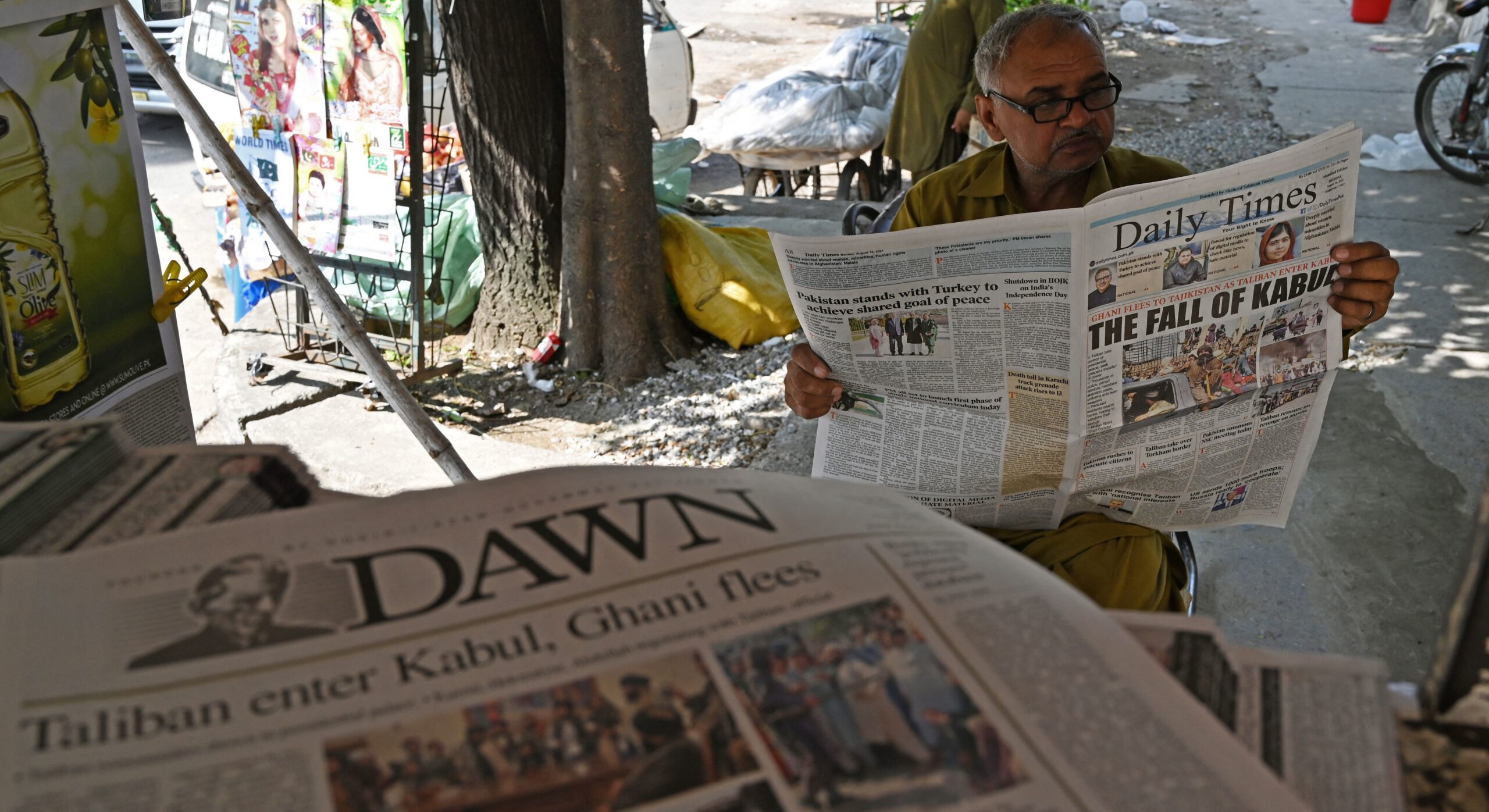
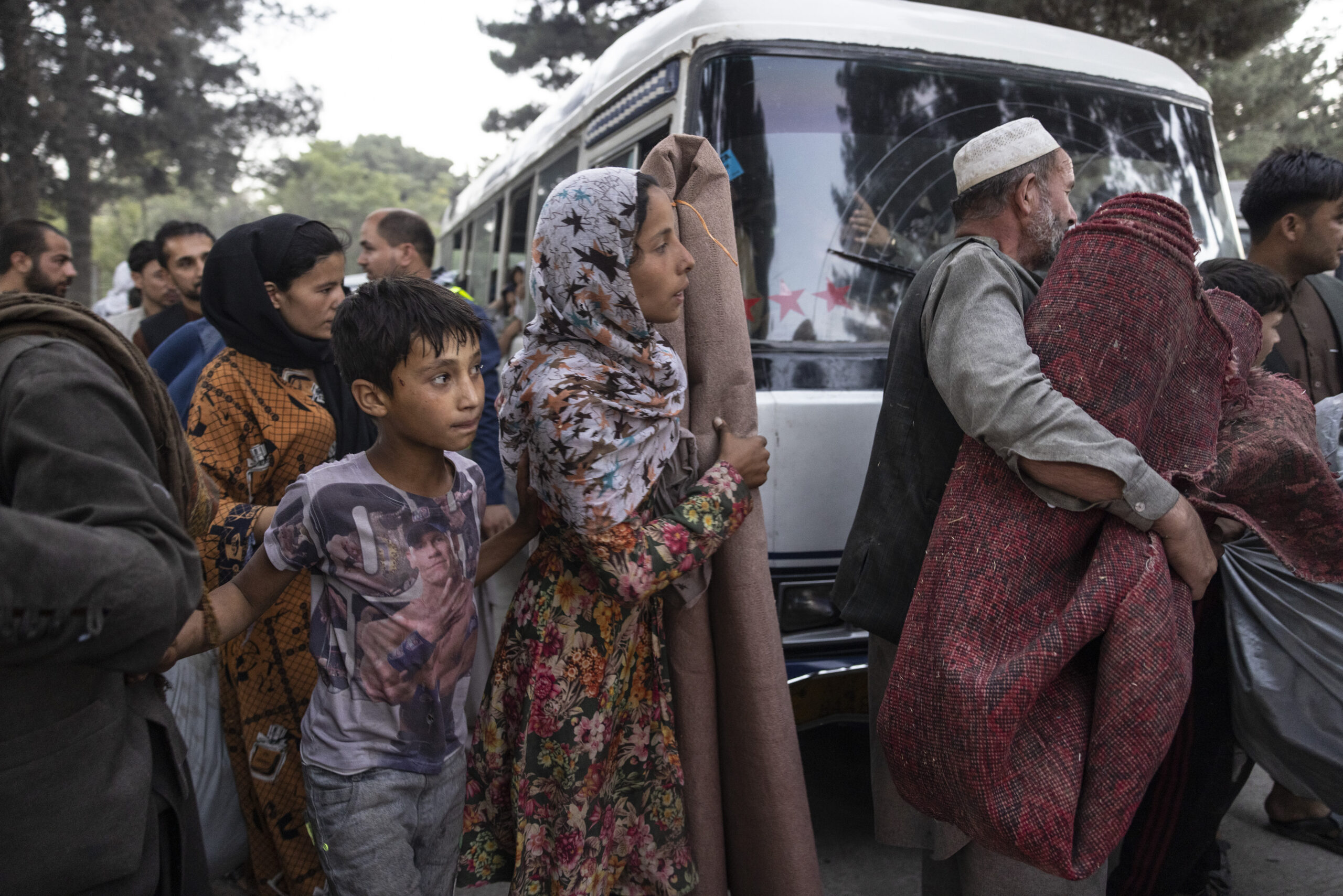
That the Taliban ended up taking over Afghanistan was not surprising, given the details of the agreement between the U.S. administration and the group’s leadership that have been known for many months. What was surprising for the international community, however, was the speed and manner of their takeover. The Taliban offensive and its consequences came as a particular shock to the institutions of the European Union (EU) and the member states that took part in the International Security Assistance Force (ISAF) mission and various aid programs in the country. When it comes to assessing the consequences of the Taliban’s takeover, there is no doubt that, first and foremost, it is the Afghan people that are most badly affected. Among the members of the international community, it is the Americans that have suffered the greatest reputational and financial losses so far, but from here on out the EU may well be the party that will face the greatest consequences.
The U.N. Security Council could authorize the U.S. and allies to enforce a safe zone for evacuations.
Peter Bergen and Colin Clarke join guest host Charles Lister to discuss Bergen’s new book, The Rise and Fall of Osama Bin Laden, as well as the Biden administration’s handling of the US withdrawal from Afghanistan and concerns about the country once again becoming a safe haven for Al Qaeda under the Taliban.
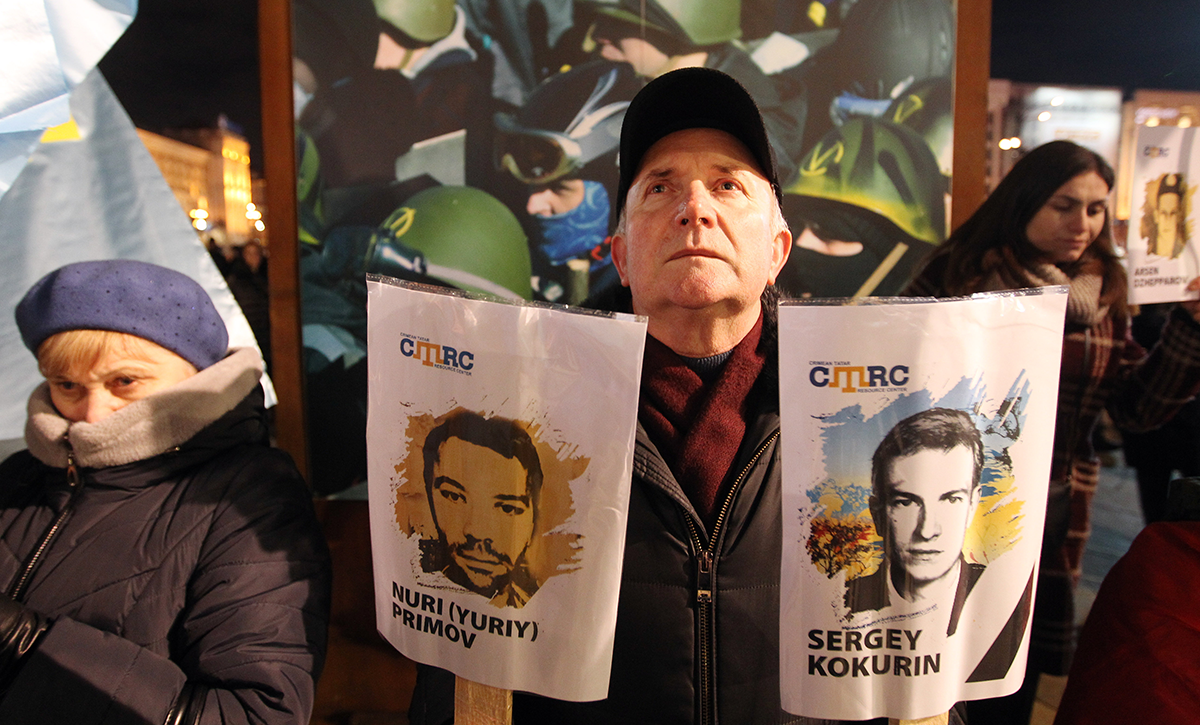
Despite their unique characteristics and contexts, the Russian occupation of two regions in Georgia and its annexation of Crimea in Ukraine share a variety of similarities when it comes to the human rights situation on the ground.
Over the past decade, social media and communications platforms such as Facebook, Twitter, and WhatsApp have emerged as important spaces for civil society, journalists, and everyday people in the Middle East to express themselves and organize. However, users’ experiences on these platforms often differ as platforms’ enforcement of their content policies varies by geography, language of use, and context. These flaws in the content moderation system can harm users residing in and around the Middle East, as well as those who use Middle Eastern languages such as Arabic.
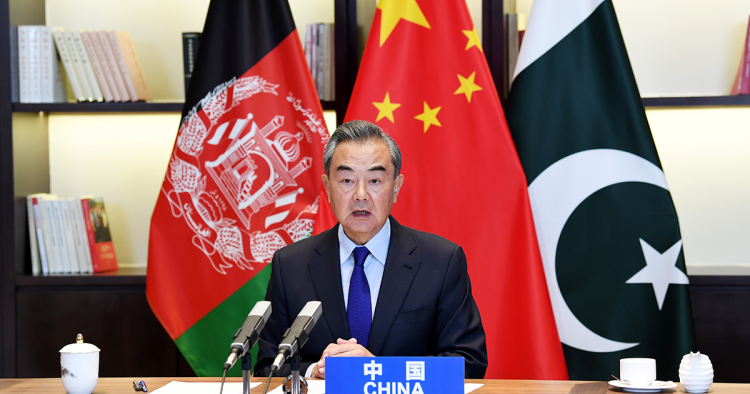
As the Great Game between the United States and China unfolds on a global scale, American and Chinese leaders have to make a choice — will they clash more openly in a struggle to dominate Afghanistan and its neighboring regions or will they rein in their ambitions and jealousies to accomplish goals that benefit themselves and many others?
في ديسمبر/كانون الأول 2011، كُنتُ في مُعسكر أمريكي صغير بالقرب من بغداد أتحدث مع القادة الميدانيين لأحد أجهزتنا الاستخباراتية حول الخيارات للحد من فقدان كل من الاستخبارات التقنية والبشرية بعد أن تم تخفيض القوات العسكرية الأمريكية إلى الصفر في العراق. في وقت متأخر من تلك الليلة بعد انتهاء اجتماعاتي التي استمرت طوال اليوم، قمت بإجراء مكالمة مع قائدي الجنرال جيم ماتيس، الذي كان وقتها يتولى رئاسة القيادة المركزية الأمريكية (CENTCOM).
اقرأ تقرير MEI الأسبوعي الذي يتضمن تحليلات الخبراء للتطورات الإقليمية الرئيسية للأسبوع المقبل.
Suddenly and seemingly without warning, Russian forces amassed in Crimea and near the Ukrainian border in April 2021. Heavy armor, long-range missiles and artillery, modern air forces, and elite airborne infantry units deployed into positions that raised alarm in Ukraine and throughout Europe. The situation today appears stable, but reports of new and upgraded hardware, including unmanned vehicles, demand a fresh evaluation of the Russian way of war.
We can and must provide that assistance not to help defeat the Taliban, fix Afghanistan, or remove our moral stain, but to achieve a much more limited objective, one that’s stated by the President himself, which is to ensure that no major attack against the U.S. or U.S. strategic interests is launched from Afghanistan.