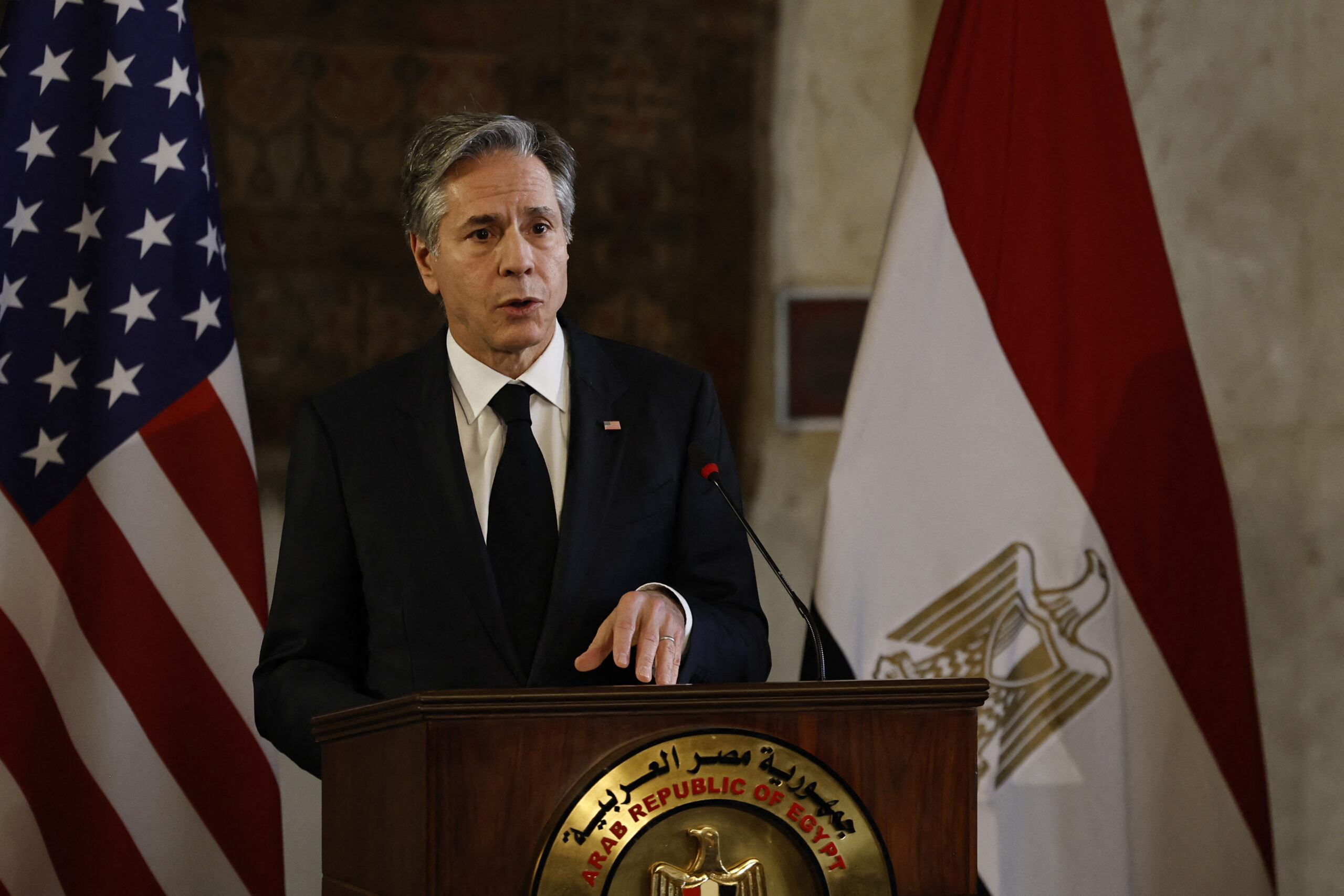
July 4 from abroad: The many ages of America in the Arab world
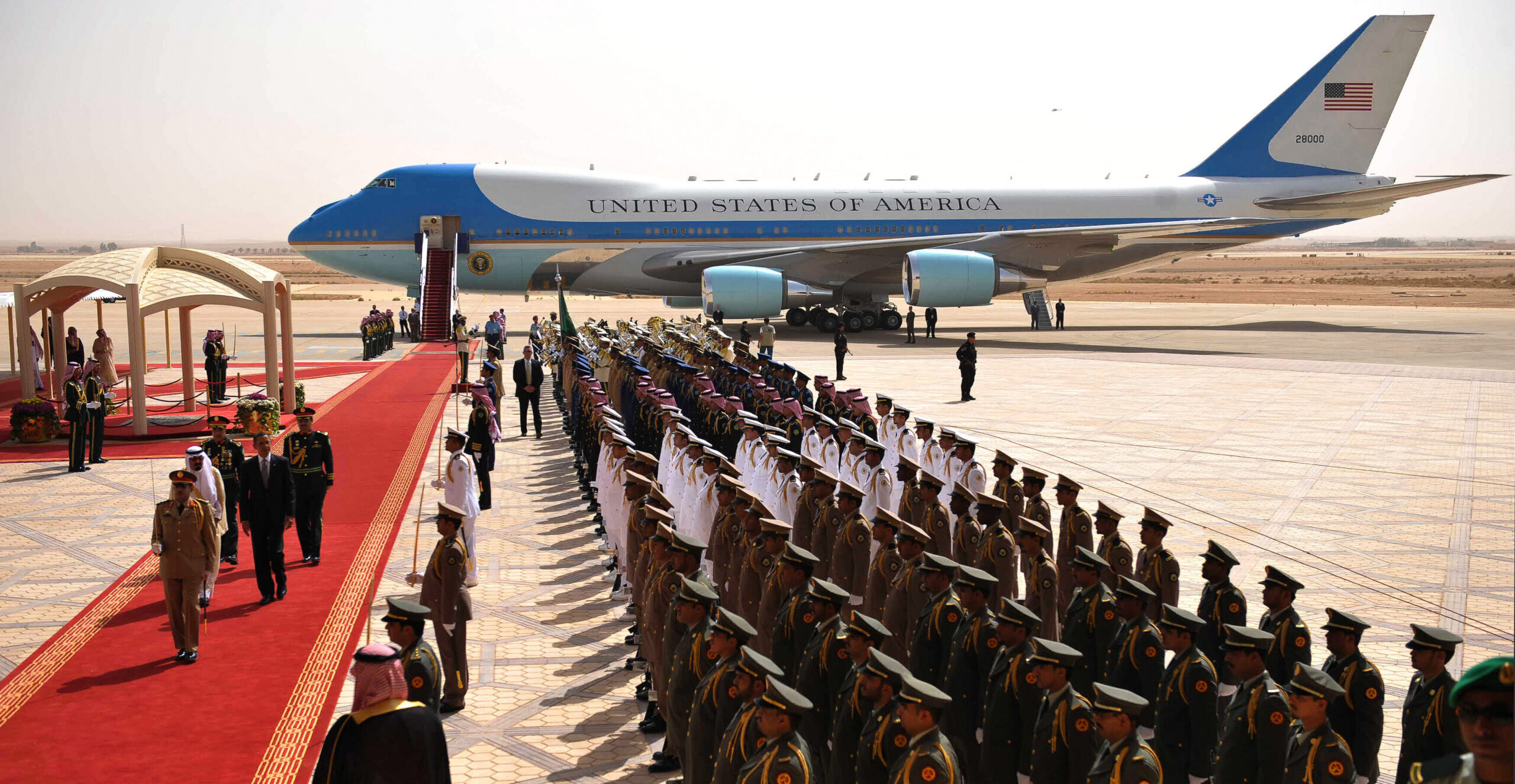
From the past century until today, the U.S. has cast a long shadow in the Middle East region and relations have gone through many highs and lows. It is important to be aware of this trajectory to better understand the relationship today; and perhaps there are lessons to inform the future of the relationship in the coming century.
Understanding the growing Indo-Israeli strategic cyber partnership
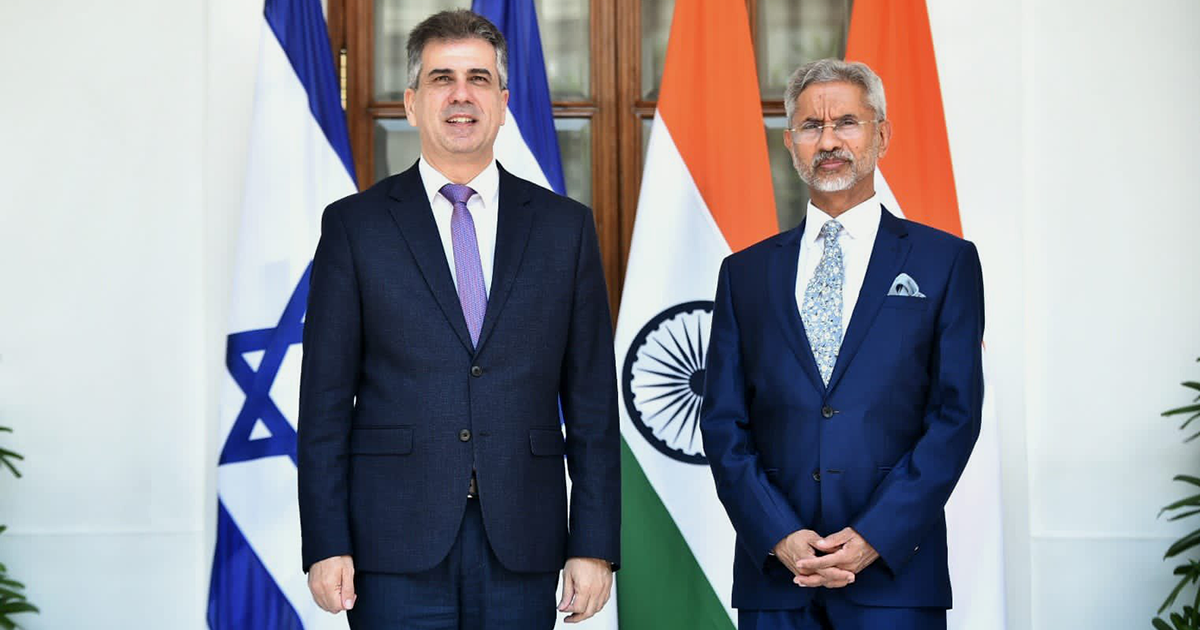
India and Israel have embarked on a mission to enhance their bilateral strategic cyber partnership. Private-sector collaboration and investment have laid the foundation for this partnership, which has now expanded to government-level agreements and frameworks.
The U.S. and EU Should Coordinate their Saudi and Israeli-Palestinian Efforts
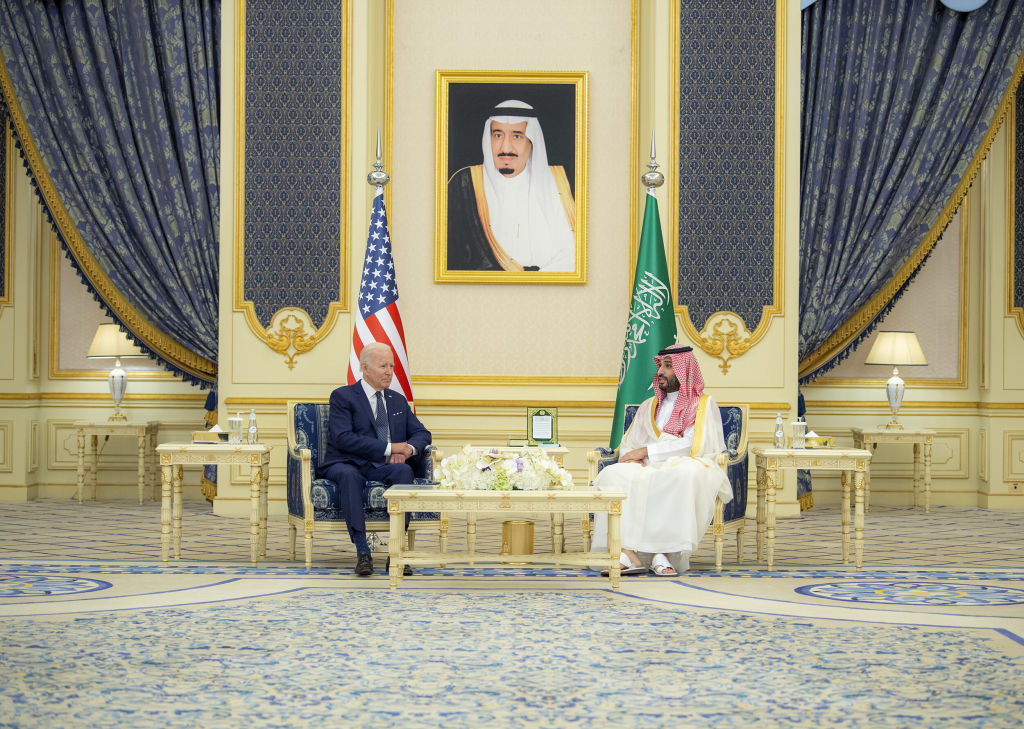
American and European eyes are set on Riyadh. Both the Biden administration and the European External Action Service are currently trying to advance policy moves that involve Saudi Arabia and that – if successful – will reshape the Middle East. Alas, when it comes to the Israeli-Palestinian issue, these European and American efforts are quite different, and even seem contradictory.
Gender parity in the Middle East is still many decades away, but it will largely determine the future of economic, social, cultural, and political development in the region.
Libya’s ongoing debate over the role of political parties
Libya’s political players have grappled with how to build a political party culture since the country held its first post-Gadhafi elections in 2012. Under Moammar Gadhafi, political organizing was banned. Decades of regime propaganda against outlawed opposition movements made Libyans suspicious of political groups and parties.
Brookings’ Distinguished Fellow on Foreign Policy Itamar Rabinovich discusses his new book – “Middle Eastern Maze: Israel, the Arabs, and the Region” – as well as contemporary Israeli politics with MEI’s VP for Policy Brian Katulis.
Disease, destruction, flooded fields, and hunger: The far-reaching consequence of the Kakhovka dam collapse in Ukraine
Last week’s collapse of the Nova Kakhovka dam on the Dnipro River in Ukraine is one of the largest environmental disaster the Black Sea region and Europe has faced in decades. Its far-reaching environmental, economic, and humanitarian consequences will affect not just Ukraine and the Black Sea region, but also the Middle East and Africa.
Defense Rapid Reaction: Proposed reforms to the U.S. Foreign Military Sales process
In the latest installment of the Defense Rapid Reaction series, experts from MEI’s Defense & Security Program provide their views on what reforms to the U.S. Foreign Military Sales process could or should accomplish and how an improved approach to approving foreign arms sales can strengthen U.S. relations with international partners and allies.
The Risk of Violent Inter-Communal Spillover in West Africa: Realities and Prescriptions
The Sahel region of West Africa suffers from escalating cycles of inter-communal violence that have resulted in countless deaths of innocent people. As this worsening situation continues to spread, it has come to be one of the most prominent threats to security and socio-political stability in the region.
Putting Diplomacy First in the Middle East: Creating Incentives for De-Escalation
The Middle East is undergoing a historic transformation with unprecedented opportunities to build new relationships, de-escalate tensions, and foster conditions for stronger integration. At the same time, the region remains on edge because of ongoing tensions in Yemen, Syria, Iraq, and other conflict zones, a civil war that broke out recently in Sudan, along with the overarching challenges presented by fraught relations between Iran, Israel, and several Arab Gulf countries — with the longer-term implications of the still-fragile Iranian-Saudi rapprochement yet to be fully assessed.