Iran’s Revolutionary Guard and the Rising Cult of Mahdism: Missiles and Militias for the Apocalypse
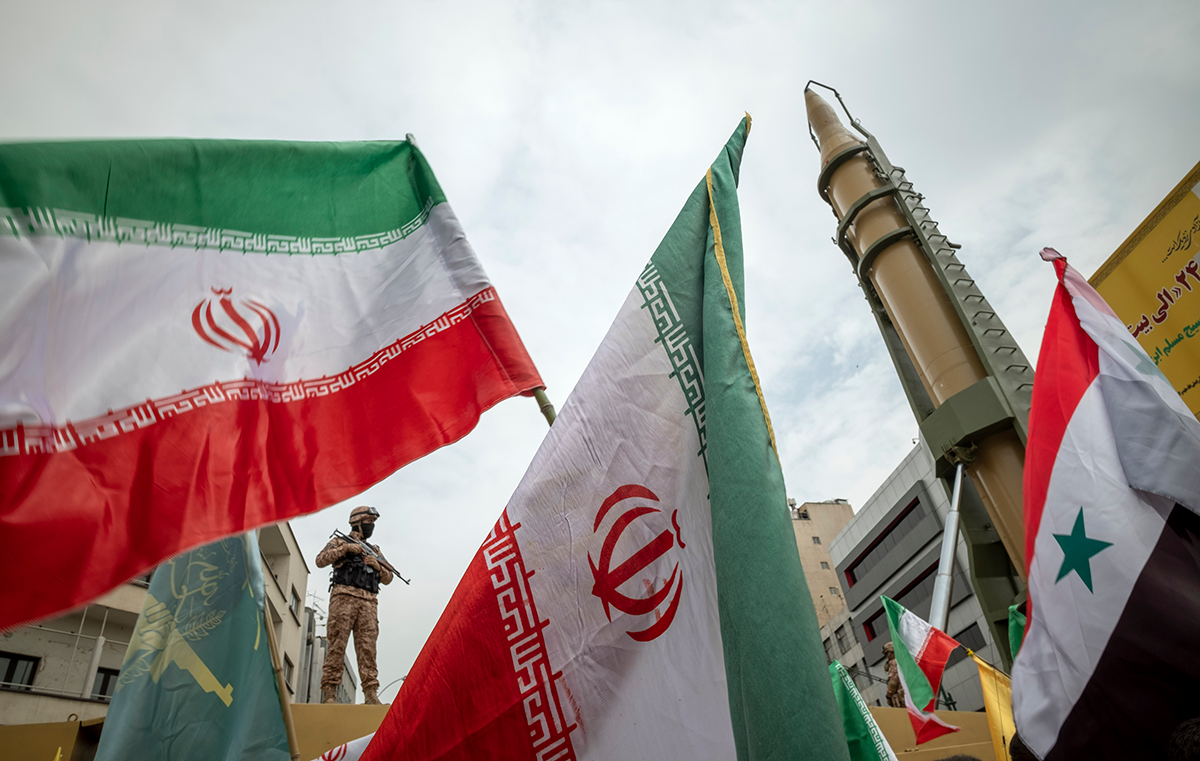
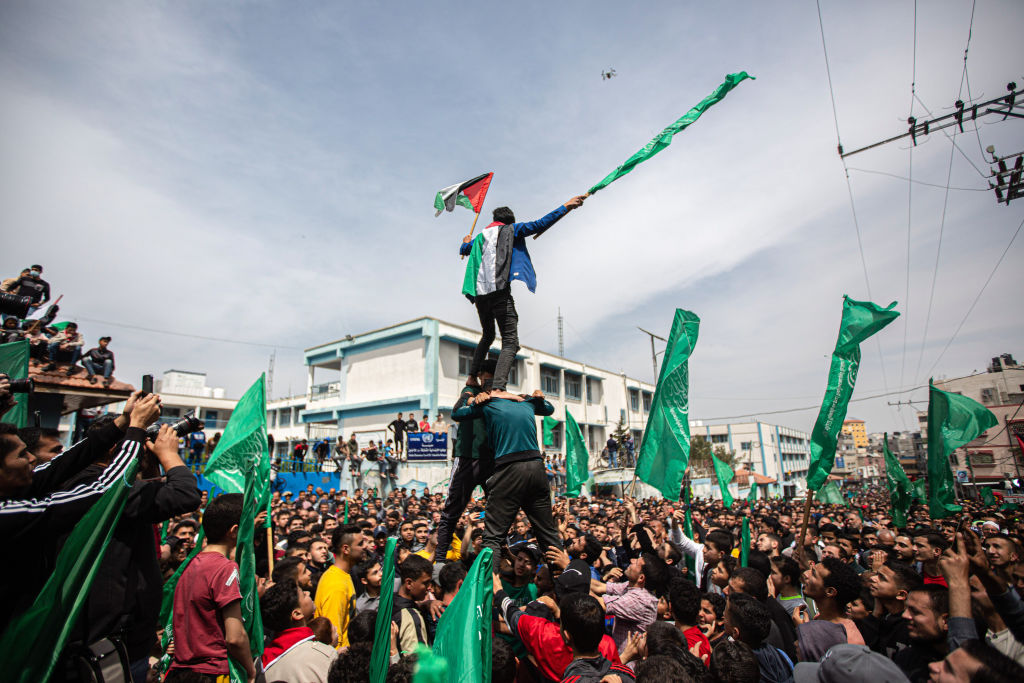
As the U.S. administration considers whether to remove Iran’s Islamic Revolutionary Guard Corps as a foreign terrorist organization, understanding its nature, development, and ideology is essential to making an informed decision. There is much about it that differentiates it from a conventional armed force. One fundamental aspect of its ideology that until now has been overlooked is the doctrine of Mahdism.
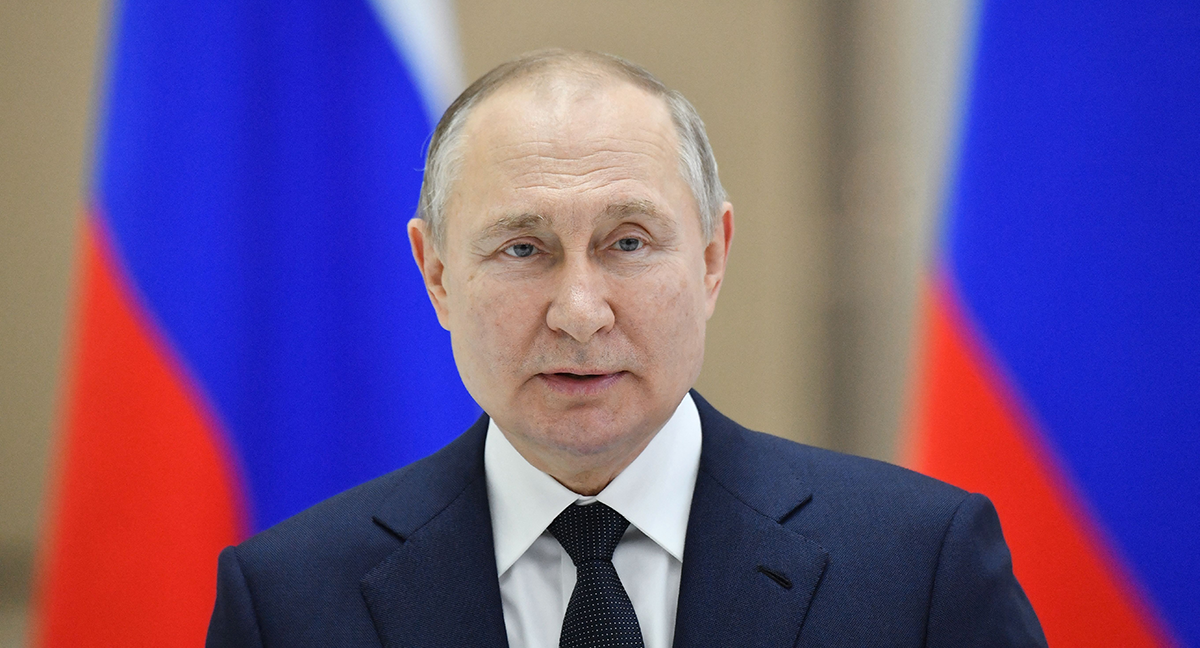
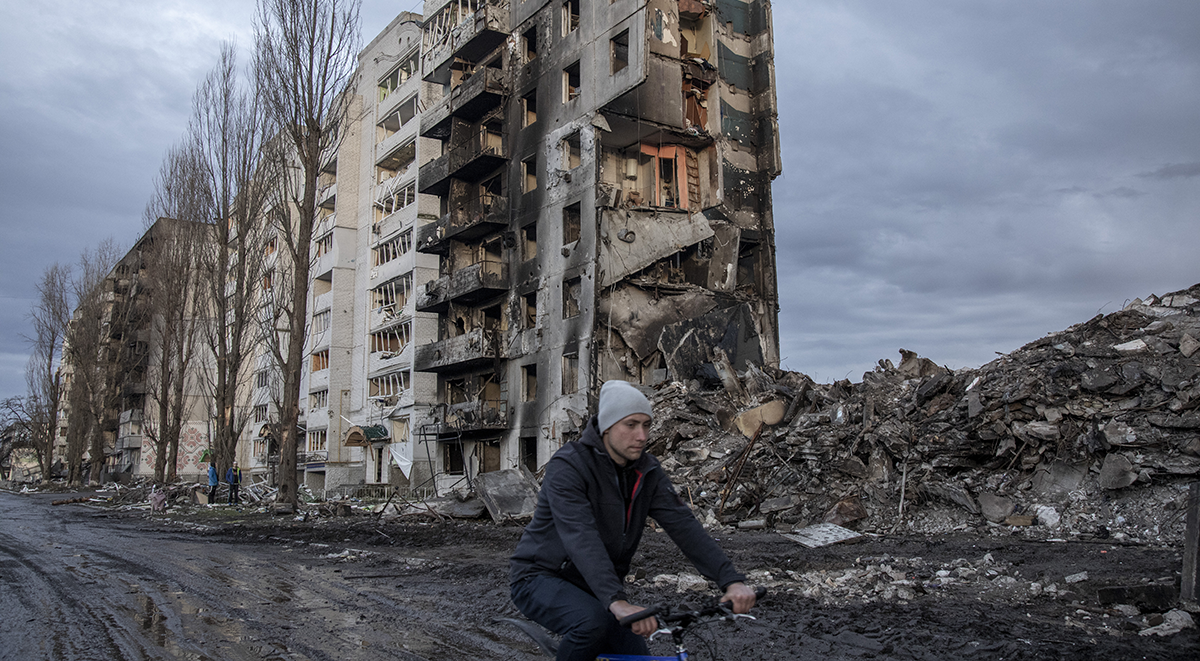
As the conventional war in Ukraine continues and military operations intensify, Russian President Vladimir Putin is wrestling with the need to maintain his fight in Ukraine while demonstrating to the Russian people that he is winning in the following three key areas: land, security, and identity.
Iran is learning from Russia’s use of missiles in Ukraine
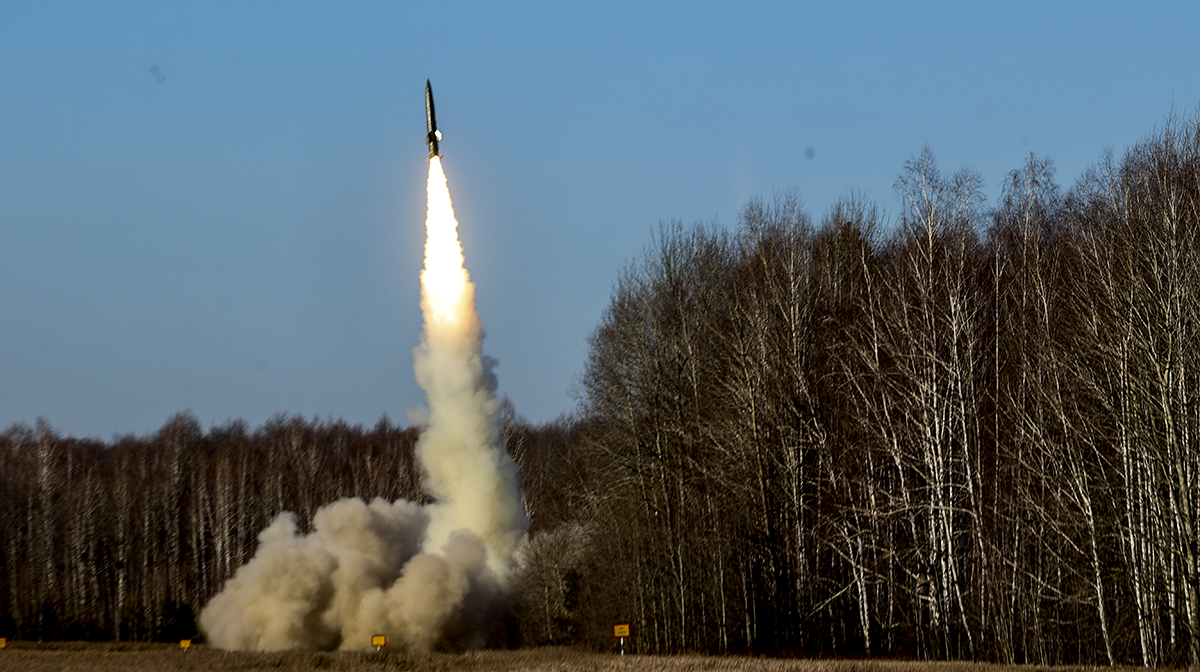
Russia’s invasion of Ukraine has turned into the largest testing ground for ballistic and cruise missiles in modern warfare. Militaries around the world are watching carefully, and Iran is certainly no exception. With its military doctrine heavily dependent on ballistic missile forces, Iran has a particular interest in the war in Ukraine and is taking notes on Russia’s use of missiles.
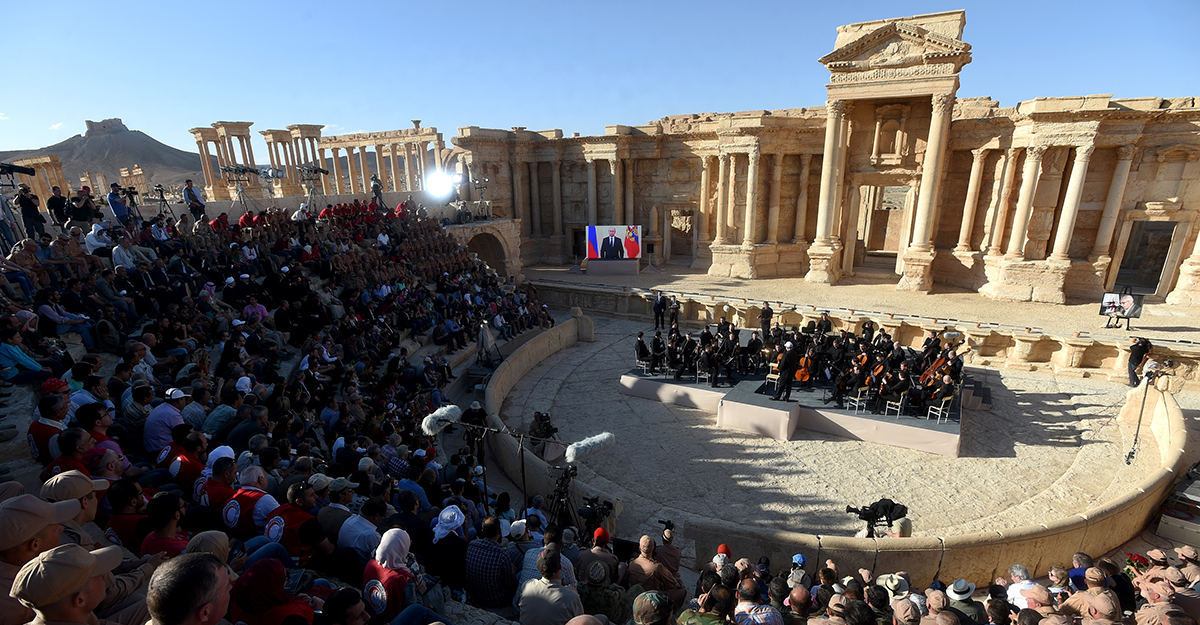
Putin in Palmyra: How Russia won the “truth” battle in Syria and learned lessons for Ukraine
Syria provided Putin with the perfect training ground for Ukraine. Russia is now using the same techniques that it first employed in Syria in its reporting of the “special military operation” in Ukraine.
How the MENA region’s climate regime influences its water resources
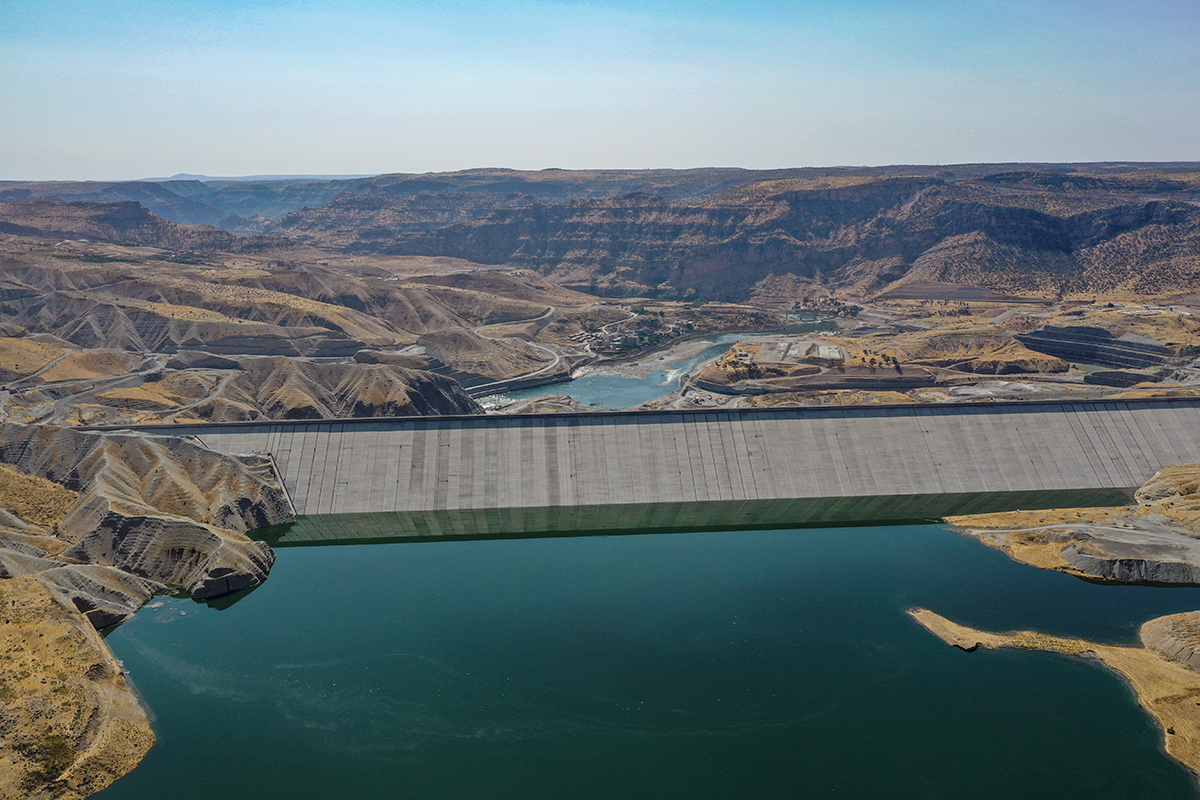
The MENA region faces unique challenges to environmental sustainability and human habitation. First and foremost among these is the limited availability of freshwater. The region sees most of its precipitation fall as mountain snow and sustained availability of water to river systems like the Tigris and Euphrates is dependent on the predictable transformation of mountain snowpack into runoff.
Europe and the Middle East after Ukraine: A strategic reorientation
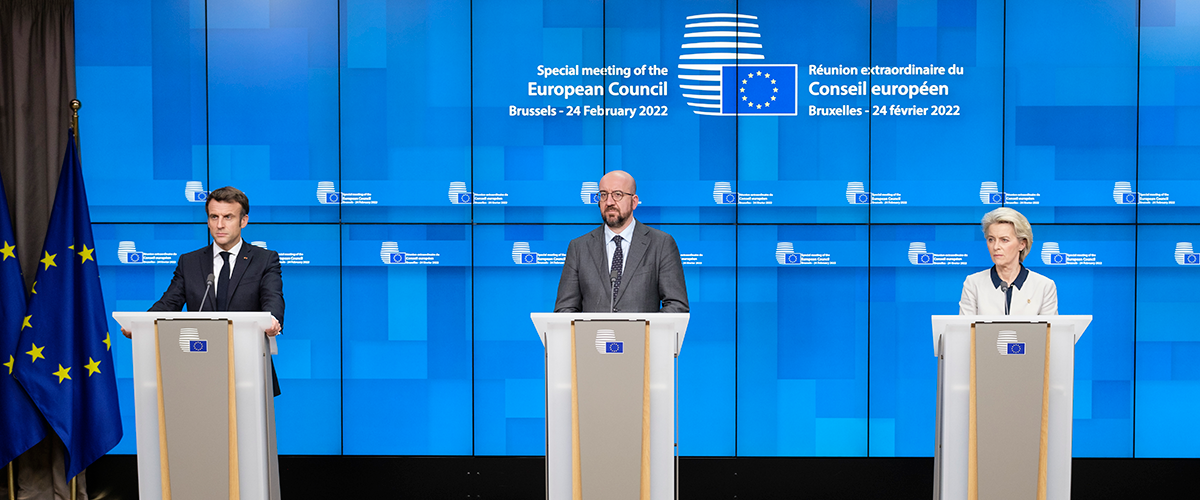
Contrary to the expectations of many, including Russia’s President Vladimir Putin, the Russian invasion of Ukraine has not divided Europeans. Instead, Putin’s aggression has forged a remarkable consensus. The tectonic shift in Europeans’ worldview caused by the long-feared “war in the east” will have a major impact on security strategy and military investments. It will also have long-lasting consequences, including for Europe’s relations with the Middle East.
Amb. Gerald Feierstein, Bilal Saab, and Karen Young join guest host Brian Katulis to discuss their recent MEI policy paper, US-Gulf Relations at the Crossroads: Time for a Recalibration, and why they believe now is not the time to disengage from the region.
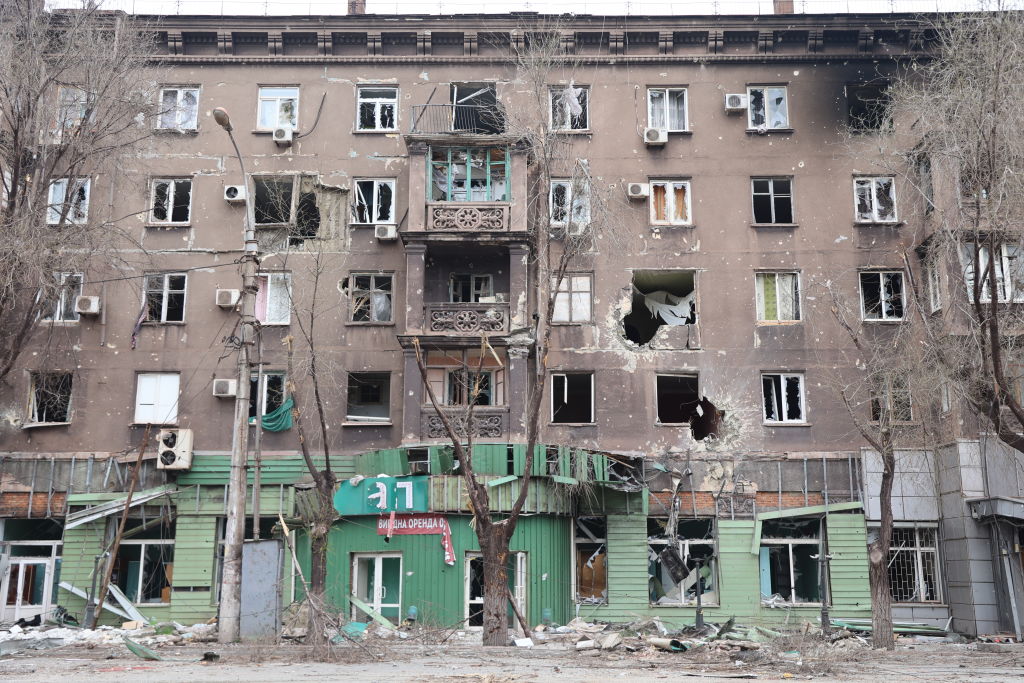
What can the Syrian civil war tell us about the war in Ukraine?
The conflict in Syria may reveal what is likely to unfold as the war in Ukraine continues. The nature of the conflict, the presence of foreign fighters, and the refugee crisis that came to characterize the Syrian civil war may portend what is to come in Ukraine.
US-Gulf Relations at the Crossroads: Time for a Recalibration
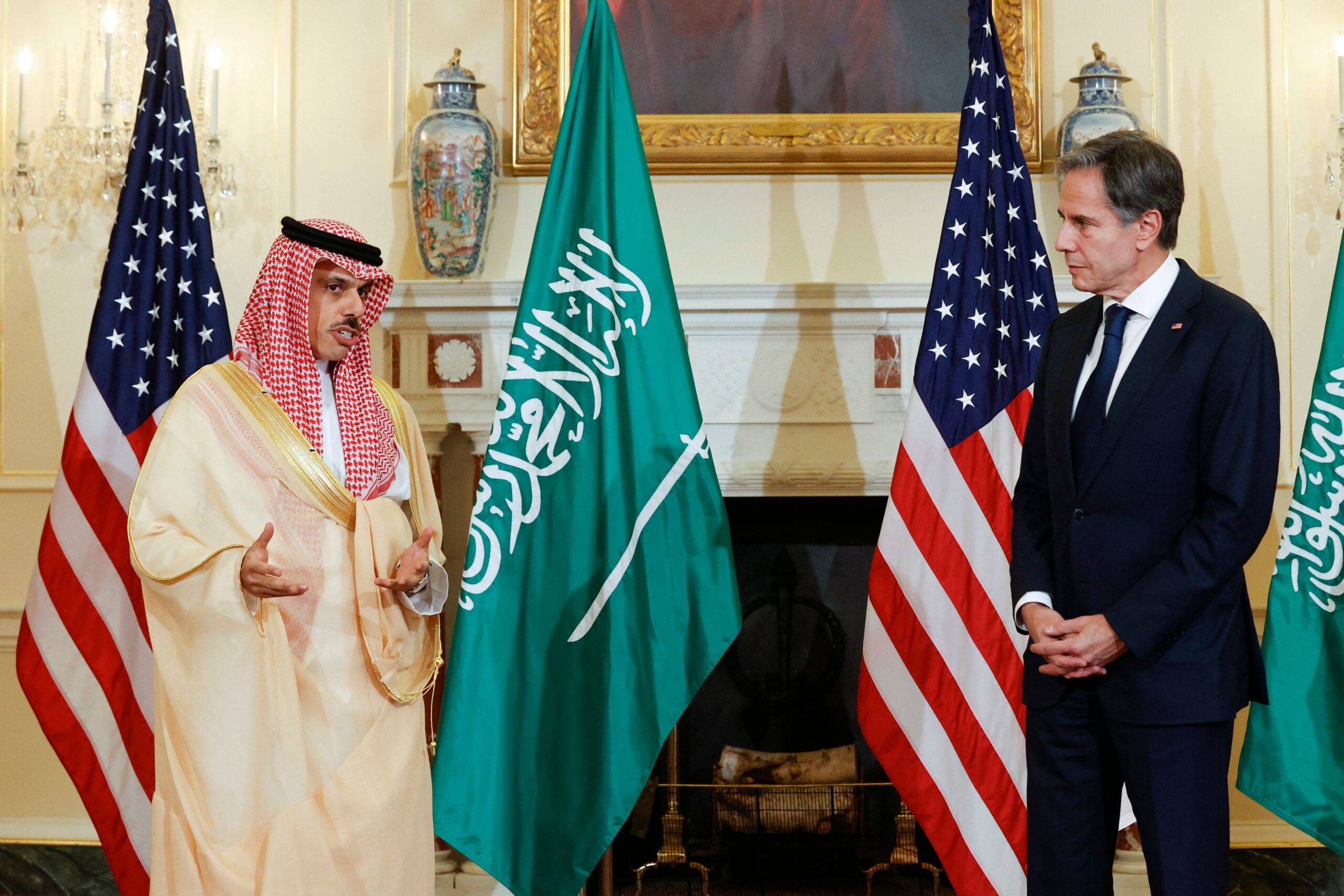
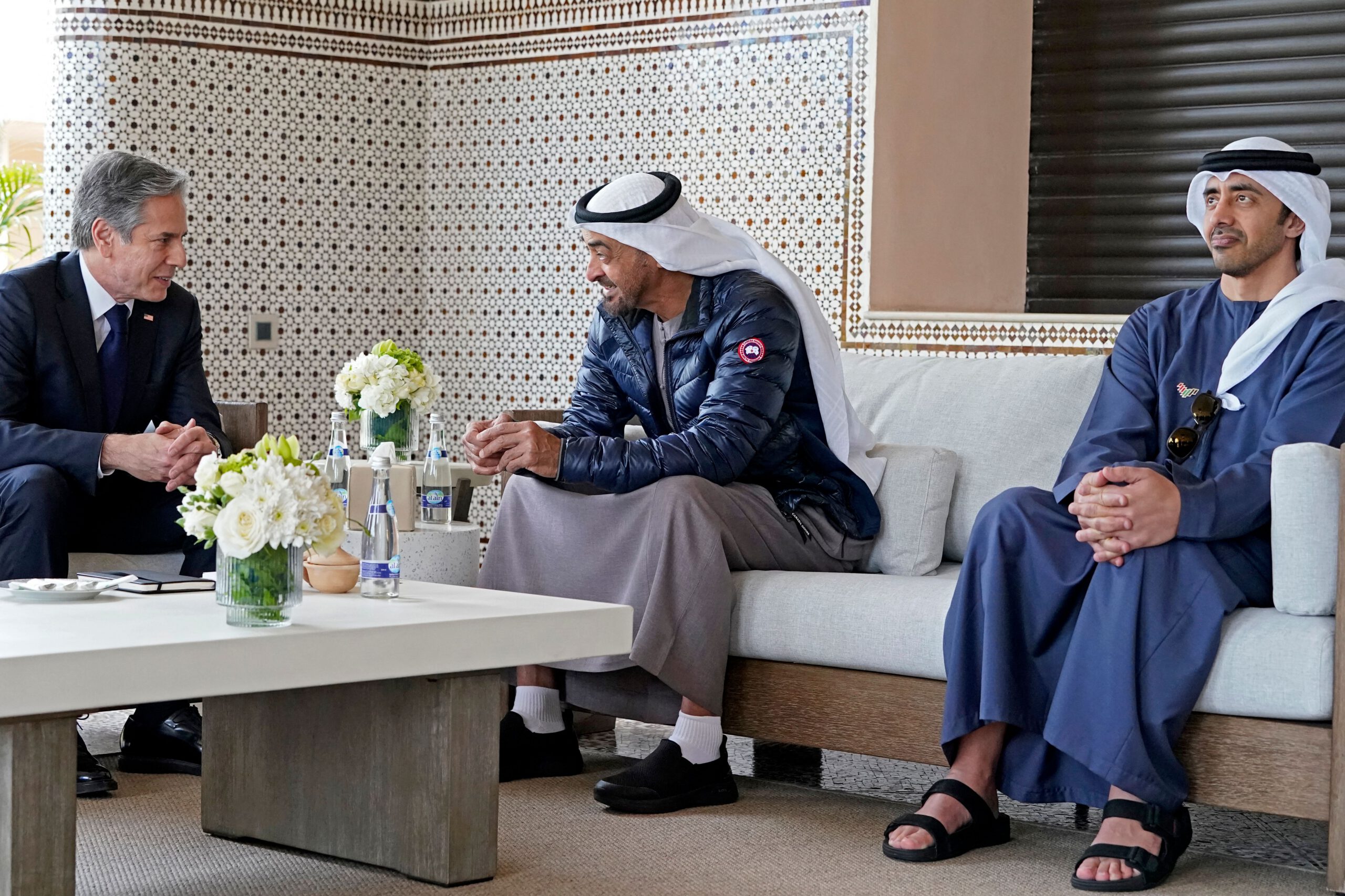
The global response to Russia’s invasion of Ukraine has focused new attention on friction between the United States and its traditional partners in the Gulf and reinforced skepticism regarding the United States’ status as the dominant international partner in the region. It’s time for both sides to identify a realistic way forward that sheds outdated notions of mutual obligation without becoming merely transactional.
How Biden can rebuild U.S. ties with the Gulf states
As tensions between the United States and the Gulf monarchies have been laid bare in recent weeks against the backdrop of Russia’s war in Ukraine, spiraling energy prices, and Houthi attacks on Saudi and Emirati territory, it’s clear that there will not be a return to the U.S.-Gulf partnership of the past—but there can be a new understanding between the two sides.
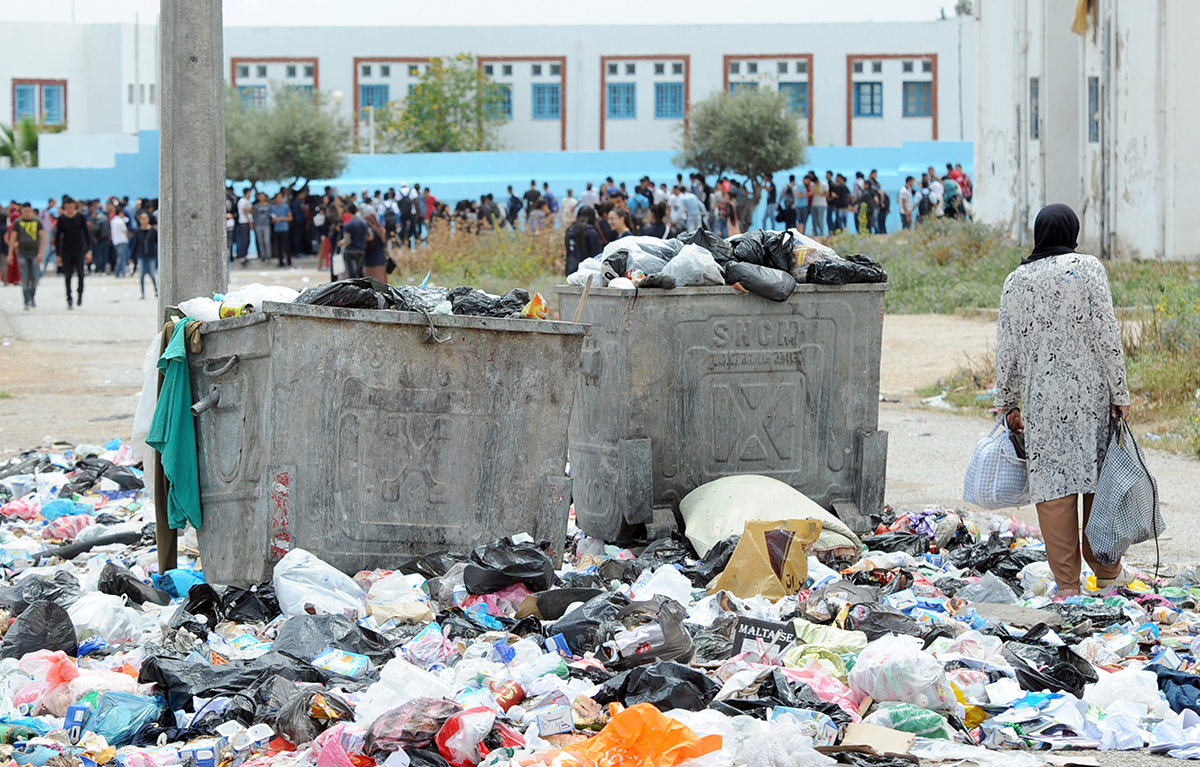
Solving Tunisia’s growing waste management problem
Given its outsized role in contributing to greenhouse gas emissions, waste management is an issue of global importance. Landfills account for almost 5% of total global greenhouse gas emissions and 12% of the world’s emissions of methane. The associated challenges are particularly acute in North Africa, and especially in Tunisia.