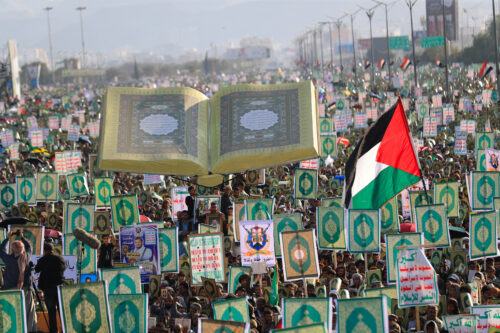
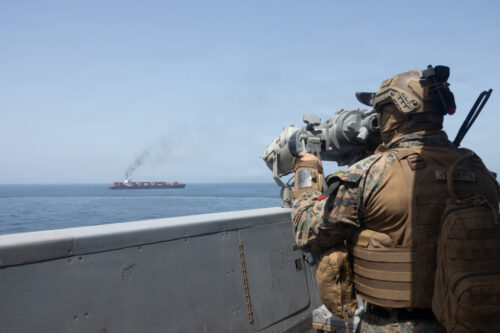
The Houthis are a political-military faction and Zaydi religious movement founded in northwestern Yemen in the 1980s. A key member of Iran’s Axis of Resistance with links to other militant organizations in the Arabian Peninsula and the Horn of Africa, the group has continued to pose a threat to Western interests on a global scale.
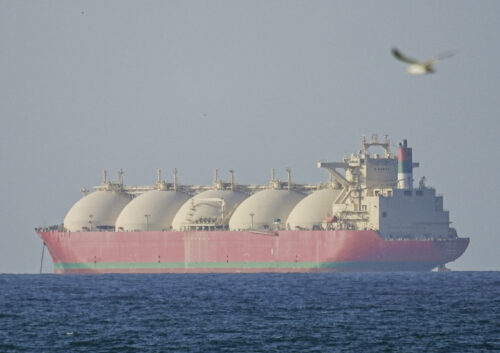
The UAE’s departure represents an undeniable strategic setback for OPEC+. Its most likely response will be to shore up the amount of output capacity subject to quotas. For now, there are two clear pathways it could take to accomplish this, although neither represents a quick fix.
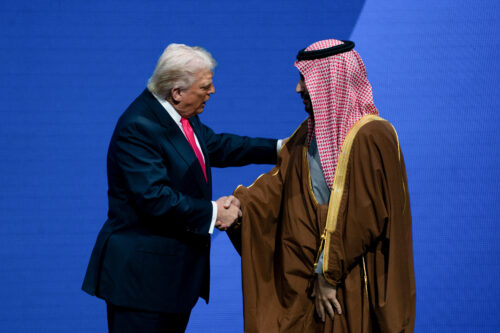
Last May, U.S. President Donald Trump paid a triumphant visit to Saudi Arabia, Qatar, and the United Arab Emirates. Over the course of a four-day tour, he admired the Gulf capitals’ “gleaming marvels,” cheered on their ambitious modernization plans, and showcased over $3 trillion in pledged Gulf investment and “mega-deals” between U.S. and Gulf businesses.
Trump Planned for Pressure on Iran, but Not the Global and Domestic Blowback
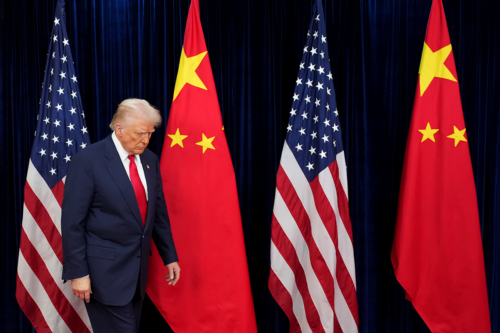
The limelight for American foreign policy shifts to Beijing this month, where US President Donald Trump and Chinese President Xi Jinping will meet on May 14-15 to address a long list of unresolved issues. But the Iran war and still unfolding geo-economic calamity resulting from it cast a long shadow. One thing to watch for is whether China or the US feels like it has a stronger hand in light of recent events in the Middle East.
Fixing America’s Failed Strategies in the Middle East
The Middle East is both central to key United States interests and prone to instability. Yet US national security and defense strategic guidance has struggled to account for the unique demands of the region. Calls for strategic divestiture from the region have grown in prominence among analysts and policymakers alike in recent years.
Why Iran’s Oil Pain Does Not Guarantee Capitulation
President Donald Trump now appears to share a view gaining traction in some policy circles: that sustained pressure on Iran’s oil sector could inflict lasting damage on its production and eventually force Tehran to compromise. The thesis is appealingly simple, yet dangerously incomplete.
In the Trump administration’s diplomatic track with Tehran, one crucial variable is missing: steady US engagement with its Arab partners, particularly in the Gulf, on what the strategic endgame with Iran looks like.
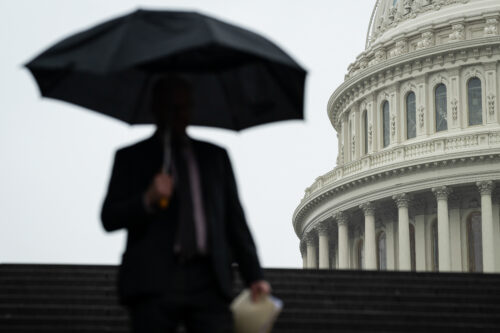
The opposition in Congress is attempting to force a war powers vote on the Trump administration’s Iran operation, with an eye toward the 60-day deadline on military action legally imposed on the executive branch; and key defense-spending measures are also on the immediate horizon. These actions on Capitol Hill could shape the trajectory of how the US moves forward in Iran and the region — and influence Americans’ overall appetite for long-term engagement in the Middle East.
Turkey Sees Short-Term Pain, Long-Term Gain in the Iran War
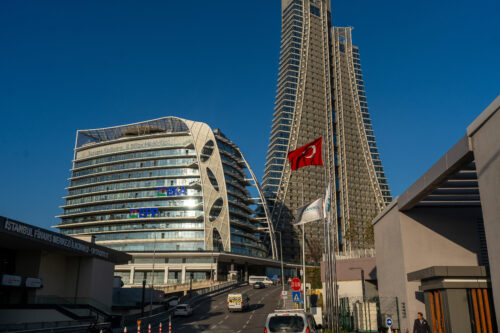
The Iran war has posed significant immediate challenges for Turkey, including rising energy prices. But Turkish officials think that Ankara could reap benefits from the war in the long term.
American Bases in the Gulf: Targets or Deterrents?
Did the presence of American military bases in the Gulf monarchies draw those states into the American-Israeli war against Iran, a war they had no say in initiating and no voice in prosecuting? That is certainly the feeling among some citizens of those states.
Now Would Be a Great Time to Send US Ambassadors to the Middle East
As a fragile cease-fire takes hold in the Middle East, countries are jockeying to shape the peace. But one group remains largely absent: US ambassadors.
This special episode of Middle East Focus features a conversation from MEI’s Virtual Briefing Series. Host Alistair Taylor is joined by former National Security Council Senior Director Stephen Flanagan and MEI Senior Fellow Iulia-Sabina Joja to discuss the impacts of the Iran war on US-European relations. The conflict has hit Europe’s economy hard and created deep divisions across the continent, even as some European countries play a quiet supporting role to the US. President Donald Trump has called for NATO member states to help secure shipping through the Iranian-blocked Strait of Hormuz, a critical chokepoint for international maritime trade. Flanagan and Joja explore the prospects for stepped-up European military involvement, the knock-on effects on the war in Ukraine, and the potential longer-term impact on the future of the US-European alliance.
US-Iran War Gives Syria’s Global Economic Pitch More Urgency
When the United States and Israel launched military operations against Iran a month ago, the Middle East was plunged into debilitating conflict. Nevertheless, Syria has remarkably just completed its most stable month in 15 years. Damascus and its international partners must capitalize on this opportunity.