Making sense of the Taliban’s counterterrorism assurances
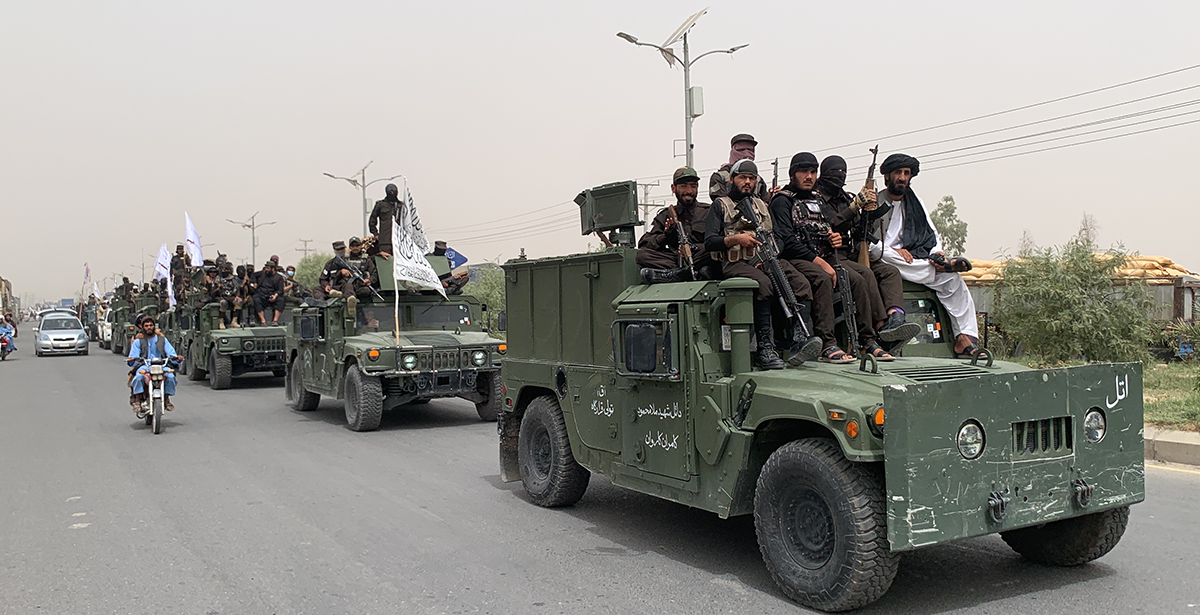
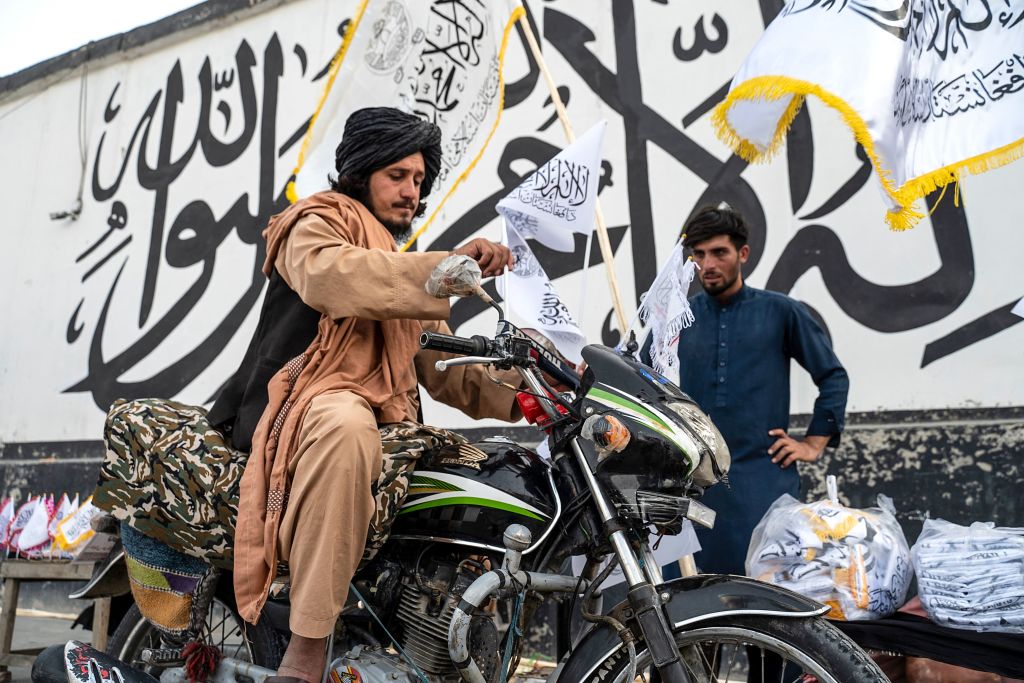
Two years on from the Taliban’s takeover of Kabul, Afghanistan’s neighbors are increasingly concerned that their return to power has emboldened terrorist groups and networks, which are using the hospitable environment to regroup, rearm, and recruit substantially. The main question now for Afghanistan’s neighbors in the region, and the international community more broadly, is just how reliable the Taliban’s counterterrorism assurances to other states really are.
Impossible choices and routine tragedies: The Syrian refugee crisis at 13
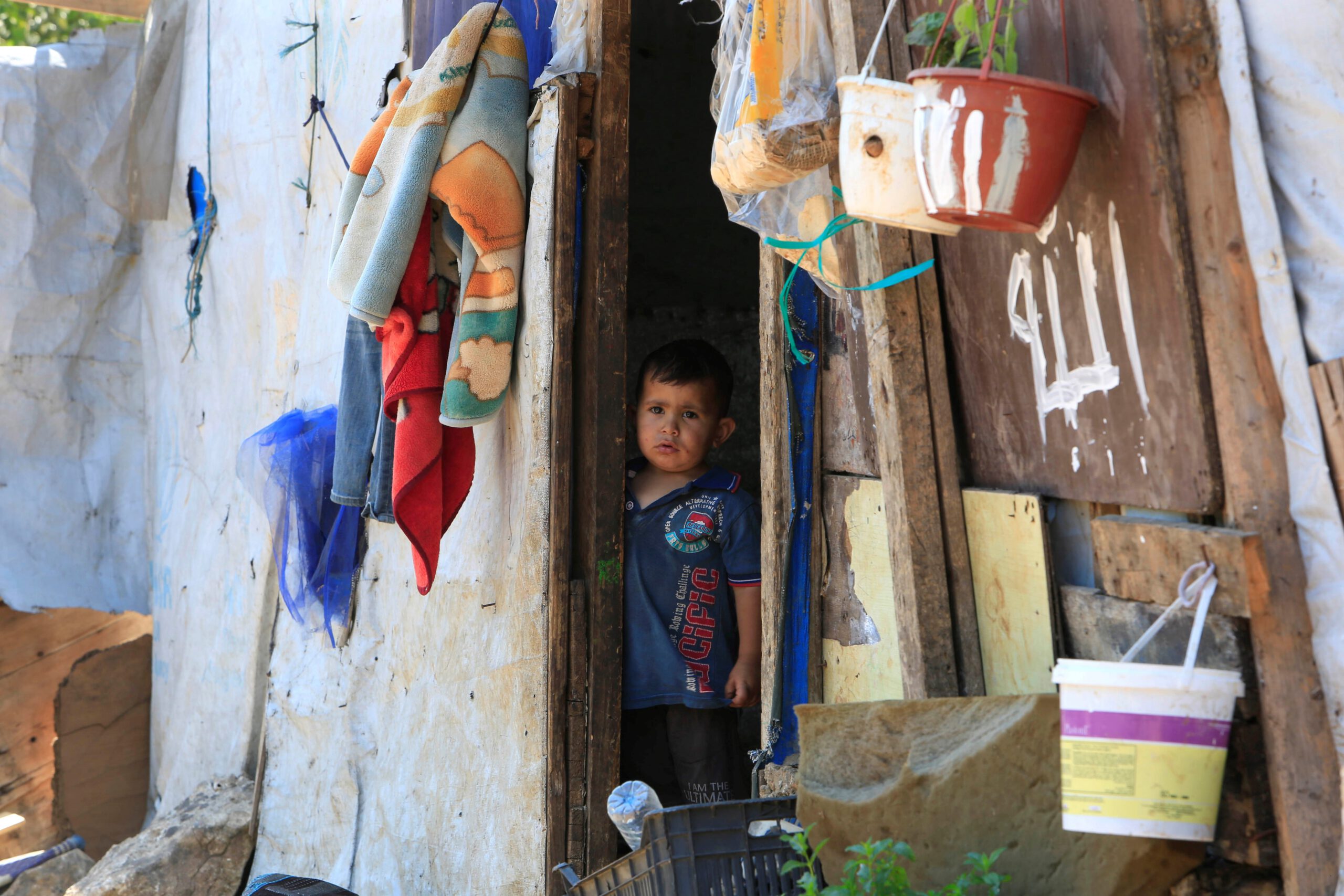
There are currently over 5.34 million Syrian refugees dispersed in camps, collective shelters, and poor neighborhoods across Lebanon, Turkey, Iraq, Jordan, and Egypt. Many make desperate attempts to find refuge in Europe. Instead of adopting repressive measures and discriminating against these individuals, the U.S. and European countries should work with regional partners and non-governmental organizations to limit the danger to refugees and IDPs.
The Beirut blast three years on: The case for international accountability
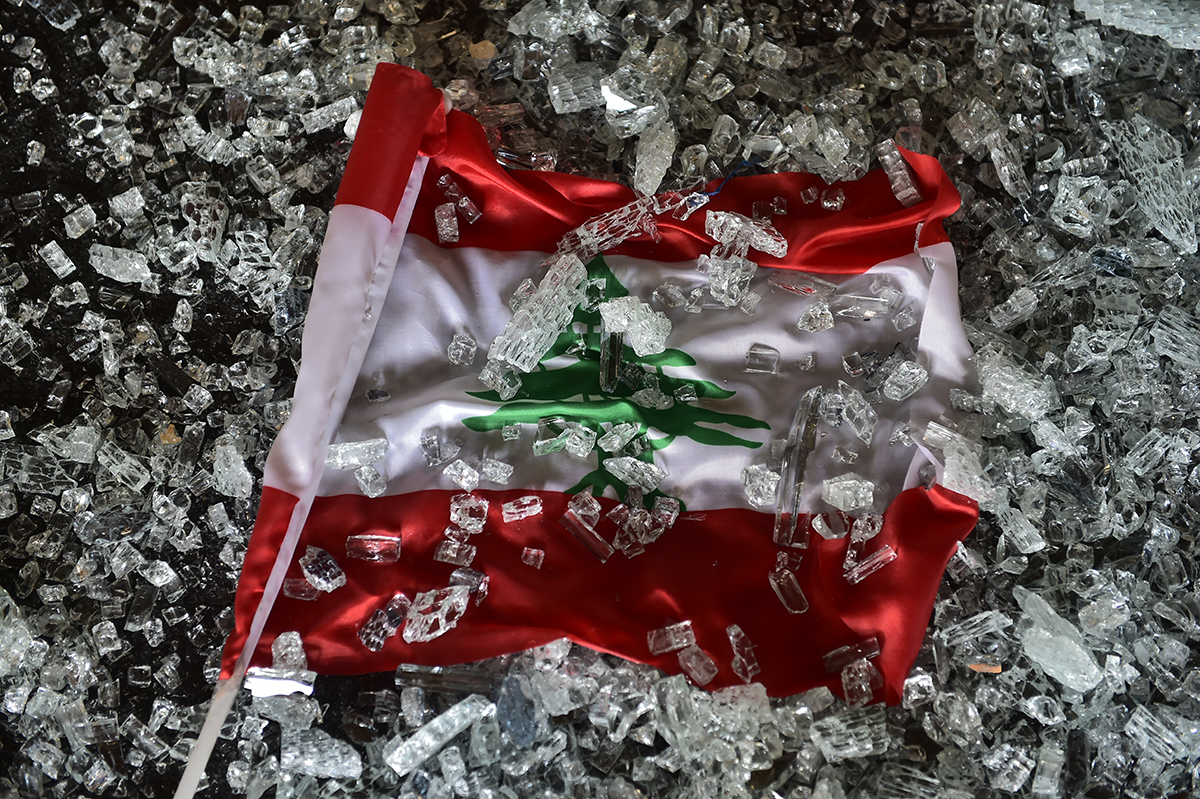
Three years on from the Beirut port blast, Hezbollah, with the support of Lebanon’s political elite, has managed to obstruct and even quash the domestic judicial process for holding those responsible for the explosion accountable and delivering justice to both victims and a battered nation. The international community must uphold its responsibility toward the Lebanese people by enabling a U.N. fact-finding mission to investigate the blast, sanctioning those responsible for obstructing justice, and making ending impunity the centerpiece of international mediation on the Lebanese crisis.
Iran gleefully eyes the protests in Israel, looking for weaknesses to exploit
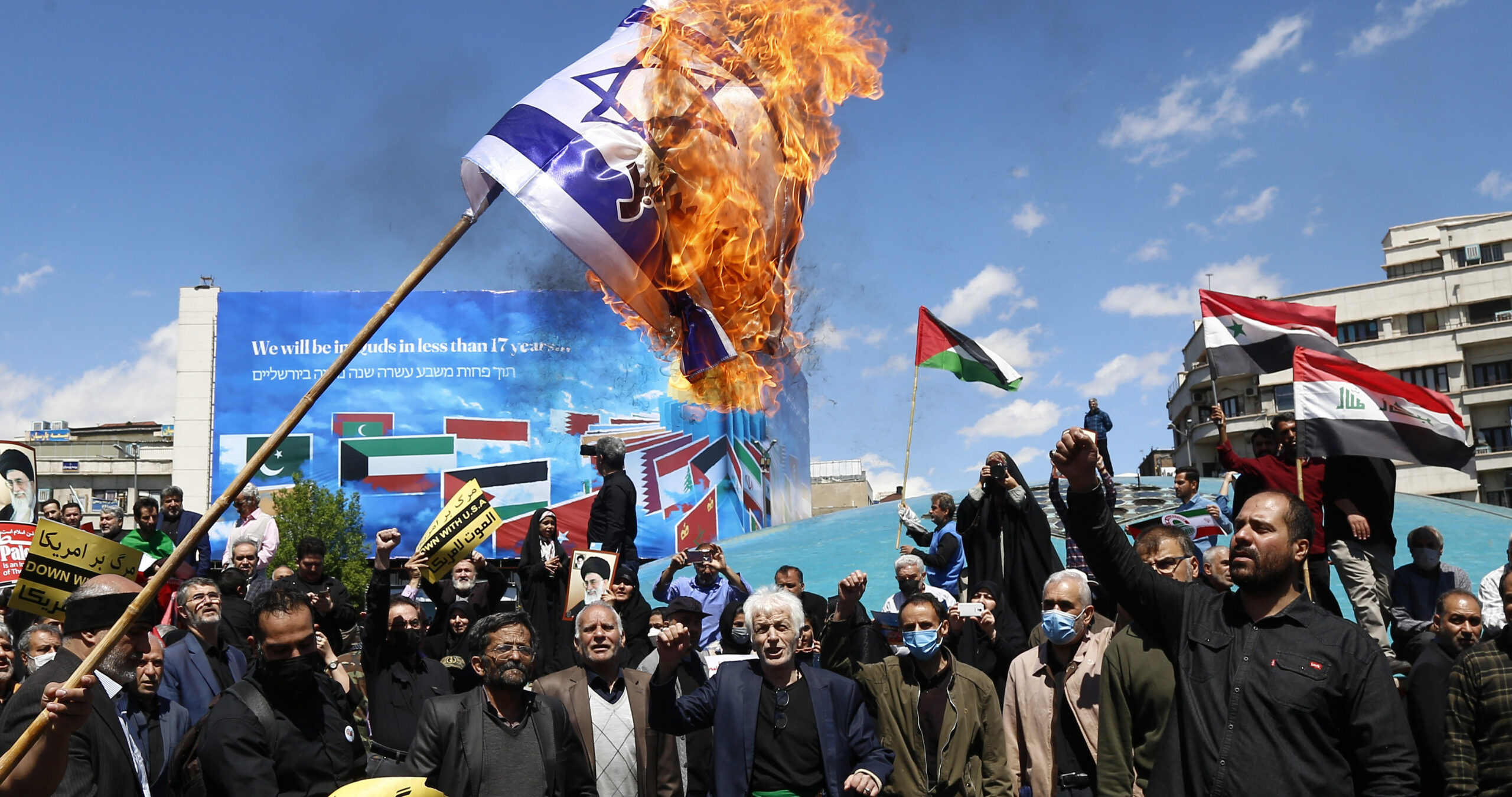
As Israel grapples with fundamental questions of identity and societal fissures years in the making, Iran and its Axis of Resistance continue to employ their escalation-ready approach of pushing the envelope in multiple geographic theaters, launching cyber operations to foment disunity in Israeli society, and attempting to neutralize the regional gains Israel has made after signing the Abraham Accords with several Arab neighbors in 2020.
Iran’s renewed Africa policy: Raisi’s ambition and the perception of Western decline
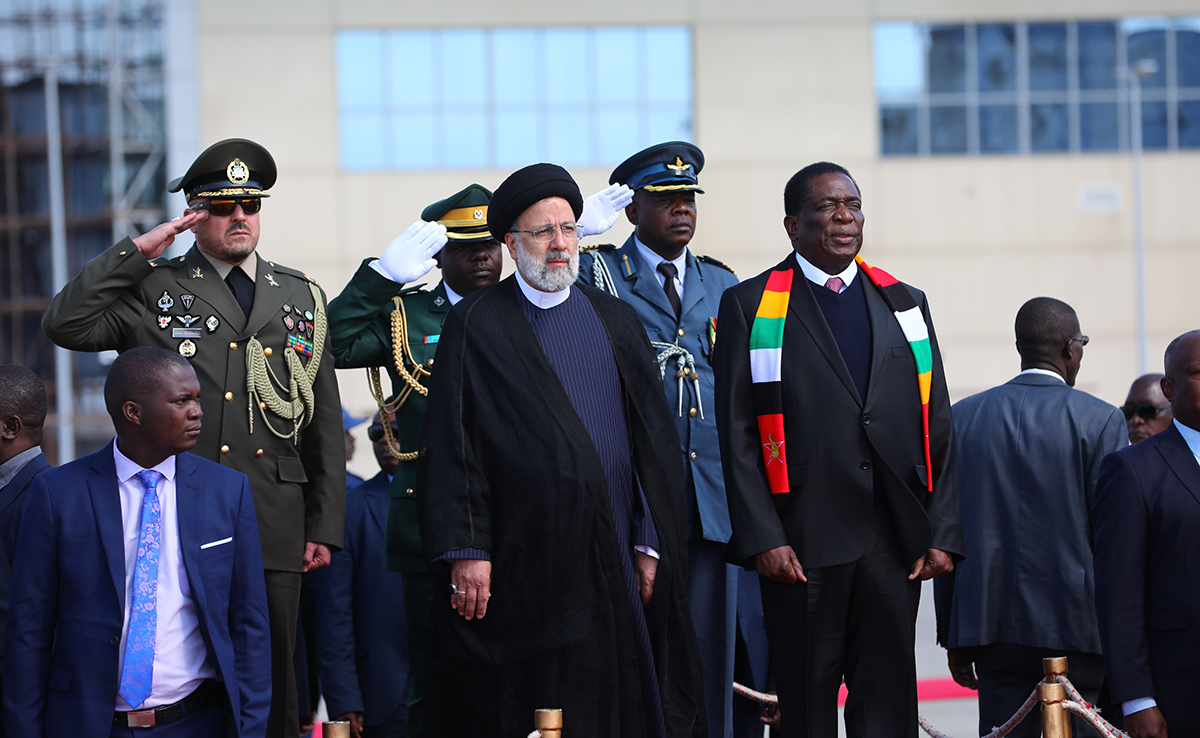
Amin Naeni discusses the revival of Iranian foreign policy with non-Western states, particularly African nations, in light of President Raisi’s recent visit to the continent. Additionally, the piece touches upon how this process has differed between Raisi versus Ahmadinejad, and whether Raisi’s Africa policy will prove any more successful than his predecessor’s.
Realigning priorities: Egypt's strategic shift toward Qatar, Turkey, and Iran
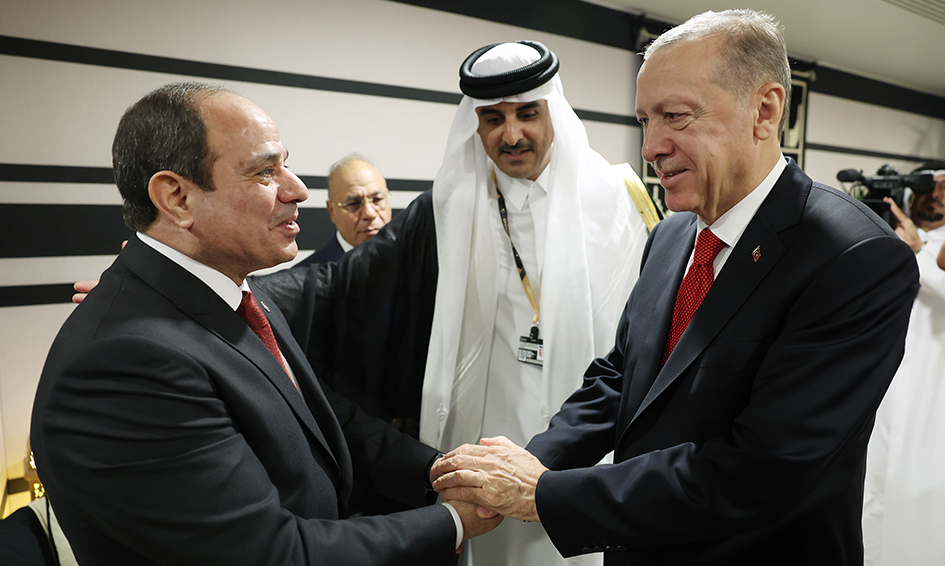
While some analysts attribute Egypt’s realignment toward Turkey, Qatar, and Iran to a change in the foreign policies of its influential allies, the UAE and Saudi Arabia, it can be argued that Egypt’s shift is primarily motivated by its domestic dynamics and its unfulfilled foreign policy objectives between 2014 and 2018. Egypt’s realignment, in that sense, seeks to achieve multiple unmet domestic and regional aims.
France’s Foreign Policy Towards Lebanon and its Discontents
MEI U.S.-Lebanon Fellow Fadi Nicholas Nassar is joined by Karim Bitar for a discussion on French foreign policy towards Lebanon. The pair focus on the current state of affairs in Lebanon, historical trends in French policy towards the country and the region, and more in the latest episode of Middle East Focus.
The US and France must push back on Iran to break Lebanon’s political gridlock
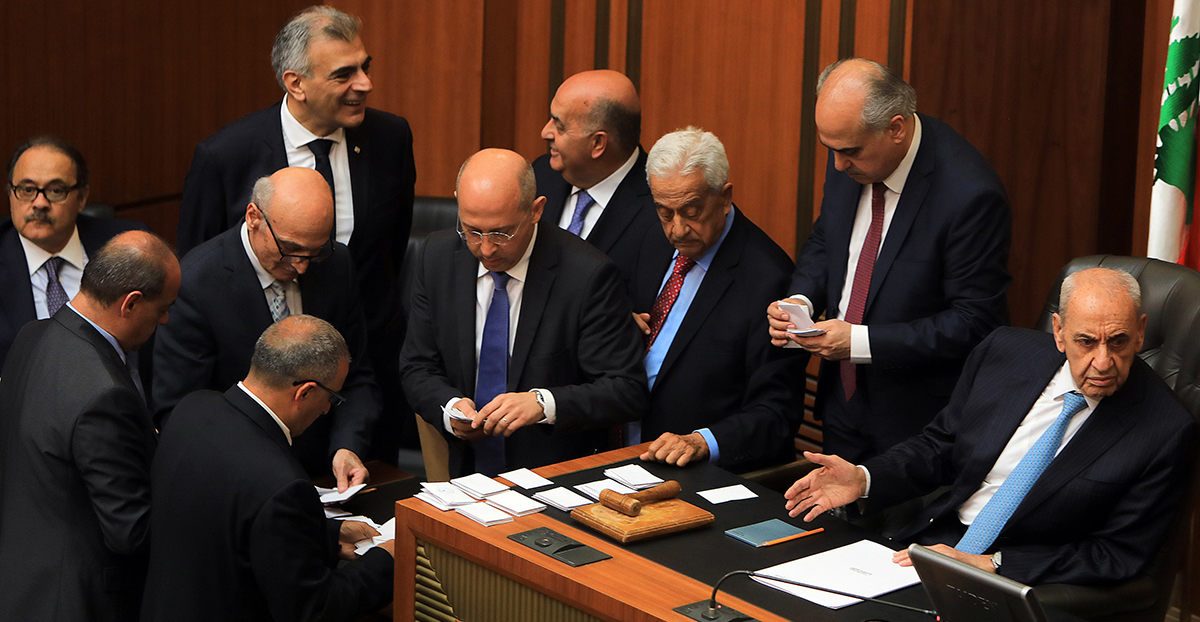
Jean-Yves Le Drian, French President Emmanuel Macron’s envoy to Lebanon, made a preliminary diplomatic visit to Beirut last week. Le Drian’s appointment marks a potential though uncertain opening to consolidate international support for Lebanon to facilitate an end to the political gridlock and leadership vacuum. A short but timely boost in robust diplomacy on the part of Washington, strengthened by clear coordination with Paris and regional partners, can play a decisive role in preventing the unraveling of another failed authoritarian state that could further destabilize the region and force even more costly engagement in the future.
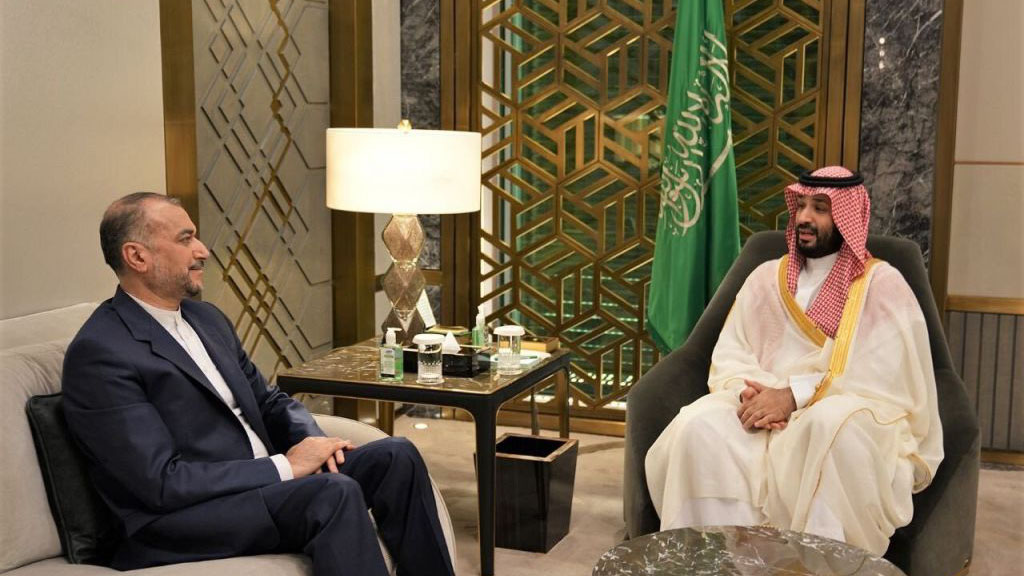
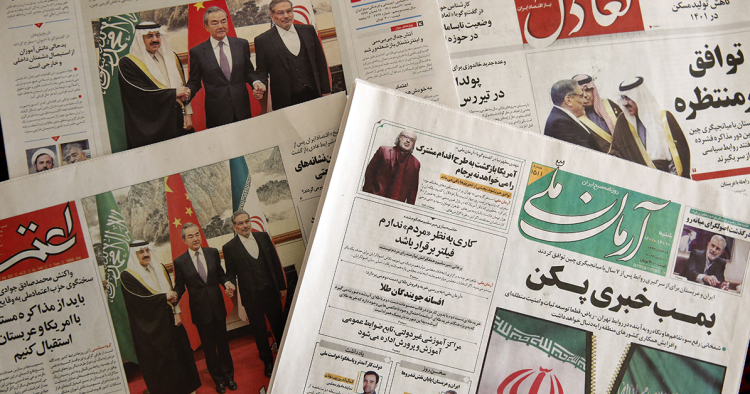
Several foreign ministers gathered in an Asian capital to negotiate an end to regional turmoil. One of the countries represented at the meeting brokered an agreement to end hostilities between the others.
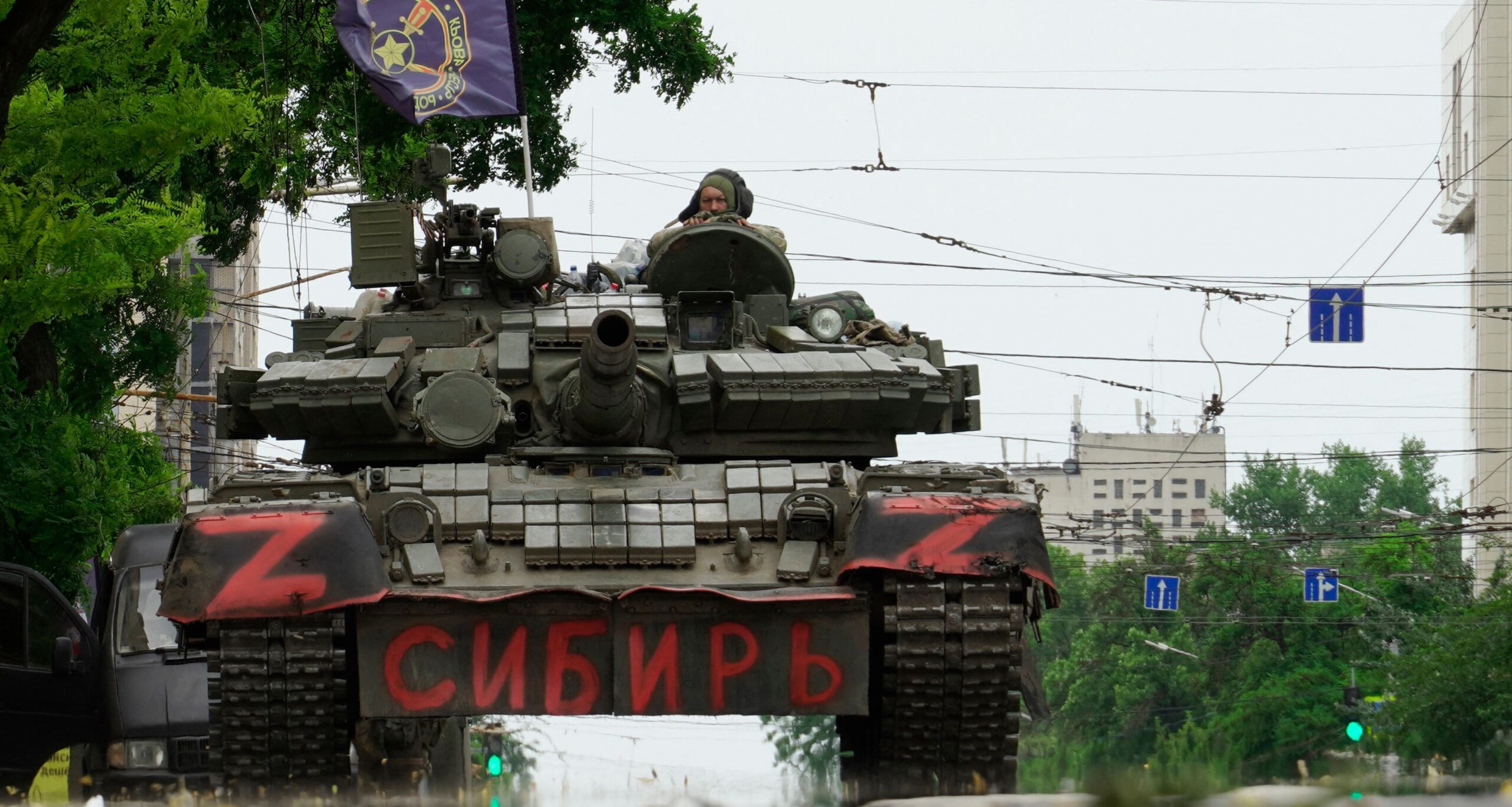
How the rumble in Russia reverberates around the Middle East
It is too early to tell whether the Wagner “uprising” is a one-off or foreshadows further cracks and the eventual collapse of Putin’s presidency, but the latter outcome would have lasting consequences in the MENA region.