In 2025, jailed PKK leader Abdullah Öcalan made a historic call for the group to disarm and dissolve, raising hopes of ending a 40-year conflict that has shaped Turkey and the wider region. Months later, the PKK symbolically laid down arms in what many viewed as a breakthrough moment for the peace process.
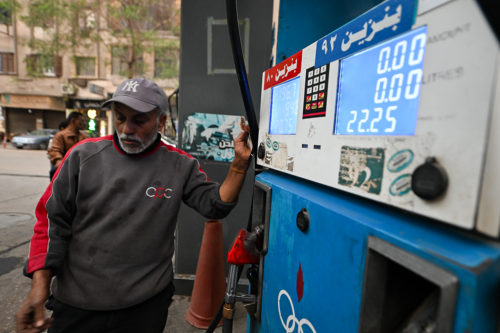
Battered but Still Standing, Egypt Tries to Weather the Economic Ravages of the Iran War
While Egypt is not in the direct line of fire in the US-Israeli war with Iran, its economy is acutely vulnerable to the conflict. In addition to the rising energy prices and shortages that have affected much of the world, it also struggled with issues that reflected its economy’s own underlying structural vulnerabilities.
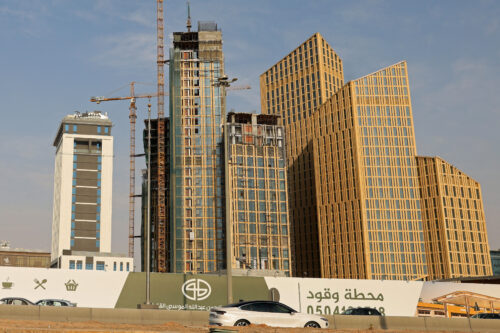
Rebalancing Ambition: Saudi Arabia’s Megaproject Pivot
Saudi Arabia’s Vision 2030 has entered a sobering phase. The kingdom’s most ambitious megaprojects, conceived a decade ago during an era of oil-fueled confidence, are colliding with fiscal reality and a far more volatile external environment shaped by regional conflict and energy market disruption. What is unfolding is not the collapse of Crown Prince Mohammed bin Salman’s (MBS) diversification agenda, but a forced recalibration: a shift away from architectural spectacle toward economic pragmatism, reinforced by tightening fiscal space, institutional reprioritization under the Public Investment Fund’s (PIF) new strategy, and growing exposure to regional security risks.
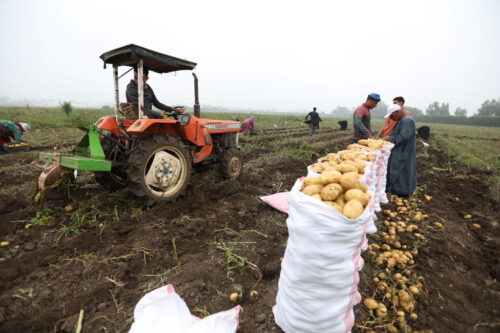
From Hormuz to the Sahel: A Fertilizer Shock, and a Maghreb Solution
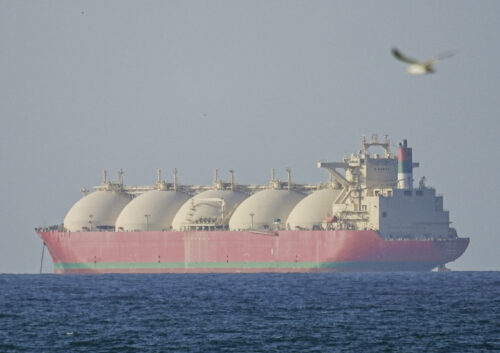
The war-time disruptions of international shipping passing through the Strait of Hormuz are spreading through the fertilizer market and affecting supply chains encompassing regions that have no margins to absorb the impact. The Sahel is one such region and now faces a severe threat of widespread hunger.
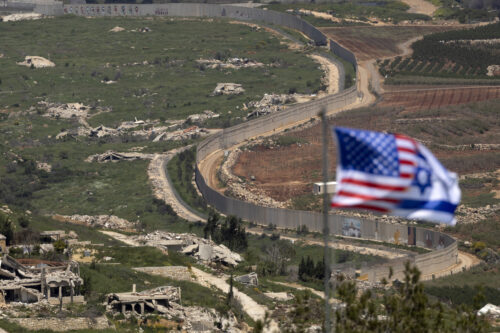
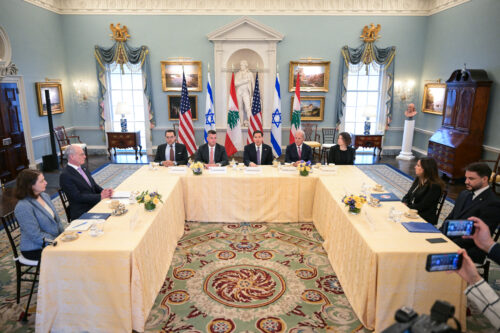
America Cannot Afford to Miss This Opening in Lebanon
President Donald Trump has an opportunity to do something no American president has managed in nearly half a century: end the war between Israel and Lebanon for good.
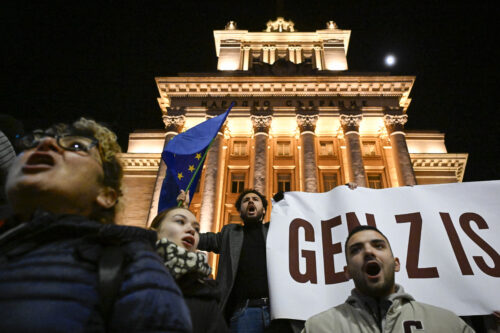
Why Some Gen Z Protests Succeeded as Others Stumbled
In 2025, youth protests over corruption, precarity and broken promises by government officials swept across multiple regions around the world. Demonstrations in Nepal forced early elections, while unrest in Peru toppled a president. In Morocco, Kenya, Indonesia and Serbia, young people mobilized around similar grievances, with widely varying effect.
As Lebanese, Israeli, and American teams prepare for their first-ever trilateral leaders summit, it is time to reflect on this opportunity and lessons from the past.
The war with the US and Israel has intensified pressure on the Iranian economy, but it has not represented a fundamentally new shock. The key question is not whether pressure exists, but whether it can be made decisive.
As the international community focuses on the regional and economic reverberations of the US-Israel-Iran war, the wartime experiences of ordinary Iranians and their aspirations for the future have received much less attention. Arash Azizi, a postdoctoral associate at Yale University and contributing writer at The Atlantic, joins hosts Alistair Taylor and Matthew Czekaj to discuss the war’s repercussions for the Iranian population and how the outcome of the conflict may shape the peoples’ lives going forward. Together, they explore Iran’s internal politics, the viability of the opposition, and the conditions needed to achieve democracy in Iran.
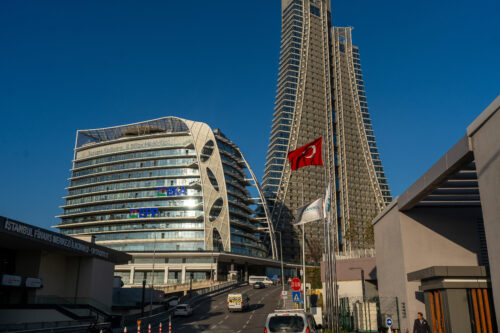
Turkey Sees Short-Term Pain, Long-Term Gain in the Iran War
The Iran war has posed significant immediate challenges for Turkey, including rising energy prices. But Turkish officials think that Ankara could reap benefits from the war in the long term.
Nazanin Boniadi: How the World Can Help Iran’s Democratic Struggle
Just weeks before President Trump’s war began, Iran was in the midst of a powerful wave of anti-regime protests spreading across the country. But once the war started, that momentum largely came to a halt. The conflict shifted the focus from dissent to survival and gave the regime an opening to crack down harder. With tighter controls, heightened fear, and everyday life suddenly more precarious, people pulled back from the streets. The protests may have paused, but the resentments that fueled them haven’t gone anywhere.
China’s quiet harvest: As America fights, Asia turns to Beijing
More than a month into the US-Israeli war with Iran, the central question is no longer whether China can avoid the costs. It cannot. The more important question is whether others will emerge even less able to bear them.
Currency Boards as Political Commitments: Comparative Experience, Gold Reserves, and the Lebanese Case
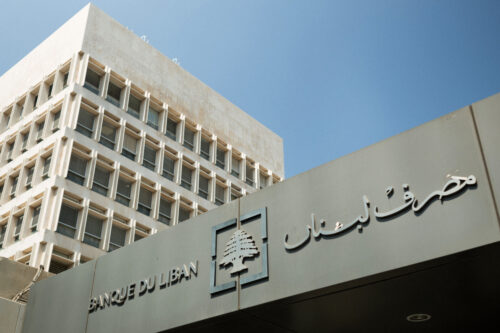
The following study discusses the role of Lebanon’s gold reserves in the establishment of a currency board and evaluates four policy options: a true currency board, constrained central bank reform, full dollarization, and a unified managed float. Gold reserves are relevant under all four. The conclusion is consistent across them: no monetary framework, however carefully designed and however well backed, can substitute for the prior political decision on who bears Lebanon’s losses and how the state will finance itself sustainably.
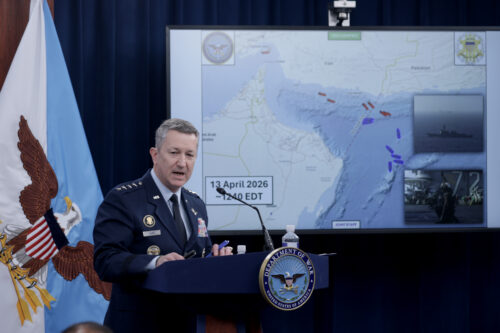
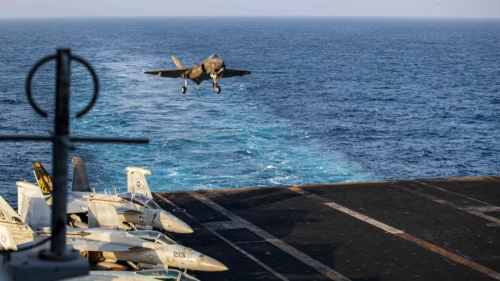
This special episode of Middle East Focus features a conversation from MEI’s Virtual Briefing Series. Host Alistair Taylor is joined by former National Security Council Senior Director Stephen Flanagan and MEI Senior Fellow Iulia-Sabina Joja to discuss the impacts of the Iran war on US-European relations. The conflict has hit Europe’s economy hard and created deep divisions across the continent, even as some European countries play a quiet supporting role to the US. President Donald Trump has called for NATO member states to help secure shipping through the Iranian-blocked Strait of Hormuz, a critical chokepoint for international maritime trade. Flanagan and Joja explore the prospects for stepped-up European military involvement, the knock-on effects on the war in Ukraine, and the potential longer-term impact on the future of the US-European alliance.