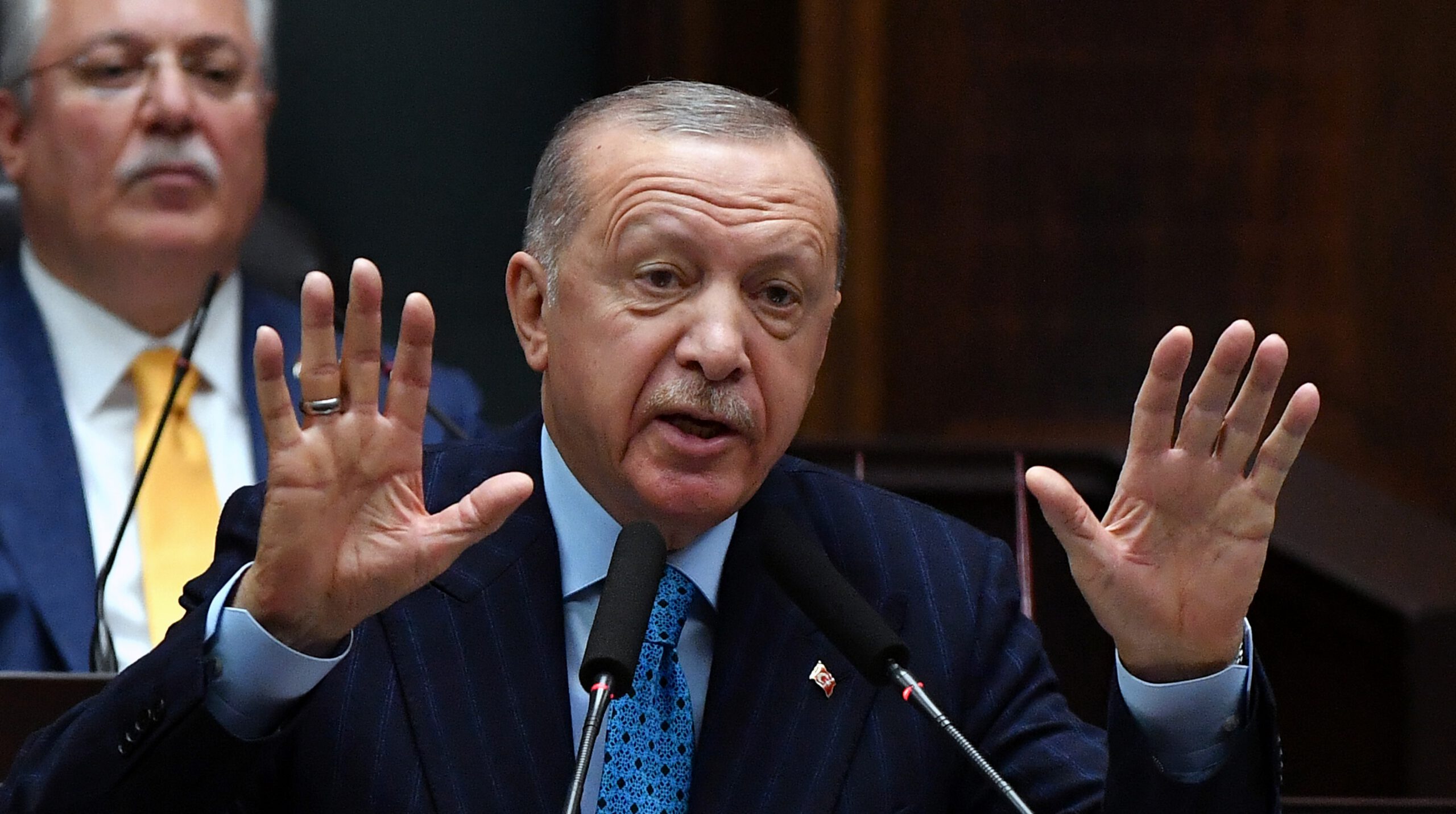
في مرمى النيران: كيف تقوض الحرب بين إيران وإسرائيل أجندة أردوغان
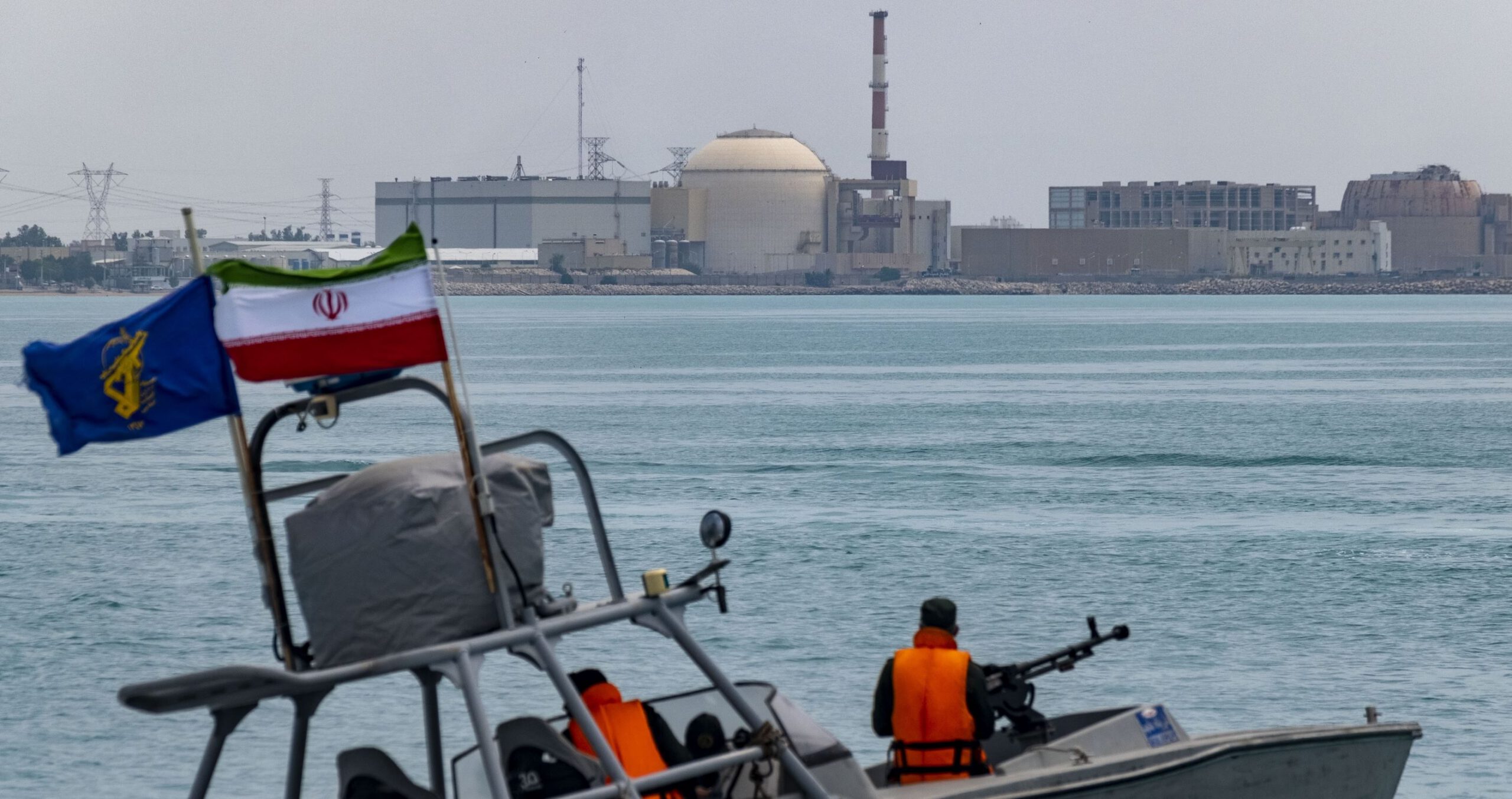
تهدد الحرب الشاملة التي تشنها إسرائيل على إيران بقلب الديناميات الإقليمية وتوازن تركيا الدقيق. ويشكل هذا الصراع تهديدات فورية ومخاطر استراتيجية طويلة الأمد لتركيا.
Near-term progress in a renewed nuclear agreement between the United States and Iran could add further downward pressure to a delicate oil market, potentially heralding more fiscal pain for Gulf oil producers and complicating US energy strategy.
US-Iran Nuclear Talks: A Fragile Opening for Diplomacy
Following seven years of diplomatic deadlock, Washington and Tehran have resumed nuclear negotiations — and for the first time in years, there are signs of real momentum.
Alex Vatanka, MEI Senior Fellow and author of The Battle of the Ayatollahs in Iran, joins hosts Alistair Taylor and Matthew Czekaj to analyze the current round of talks, the technical issues under discussion, and the political stakes on both sides. He explores Iran’s economic and domestic pressures, US red lines, and the role of key players like Israel, China, and Oman in shaping the negotiations.
Thinking the unthinkable: Improved US-Iran relations under Trump?
It is no surprise that both Iran and the United States have approached their first diplomatic engagement in four years with wariness. There are plenty of reasons to be skeptical about the probability of the negotiations culminating in a deal. But it would be a mistake to assume that the conditions in 2025 are the same as existed in 2015. Time is not on the Iranians’ side now and changes afoot in the Middle East and the broader global community give Iran an incentive to move toward an agreement, assuming that Washington is sincere and realistic in its negotiations with Tehran.
MENA Energy Recap, Q1-2025: Tariffs and Sanctions Loom Large as Trump Returns
The MENA Energy Recap is a quarterly review of key energy developments that took place in the Middle East and North Africa region from January to March 2025 and what they signal for the months ahead. The Recap views these developments through the lenses of policy and strategy, energy security, and markets.
الشهران الأولان من عهد ترامب 2.0 في الشرق الأوسط: ضغوط شديدة لتحقيق إنجازات صعبة المنال
يركز الرئيس دونالد ترامب على تحقيق إنجازين تحويليين فشل أسلافه في تحقيقهما: إنهاء الصراع العربي الإسرائيلي، الذي يتمحور حول اتفاق ثلاثي بين الولايات المتحدة والسعودية وإسرائيل، واتفاق بين الولايات المتحدة وإيران. وكلاهما سيكون إنجازًا تاريخيًا. لكن حتى الآن، ثبت أن التقدم في كلتا الحالتين صعب ومتعثر.
تقوم إيران بتخزين ما يكفي من اليورانيوم المخصب القريب من الدرجة العسكرية لصنع سلاح نووي في غضون أسابيع أو أشهر، وليس سنوات. والرئيس دونالد ترامب، الذي انسحب في عام 2018 من الاتفاق النووي الذي كان من شأنه تأجيل هذه الإمكانية، يناشد الآن إجراء مفاوضات مع طهران. لكن في الشرق الأوسط، لا تقتصر المسألة النووية على إيران وحدها.
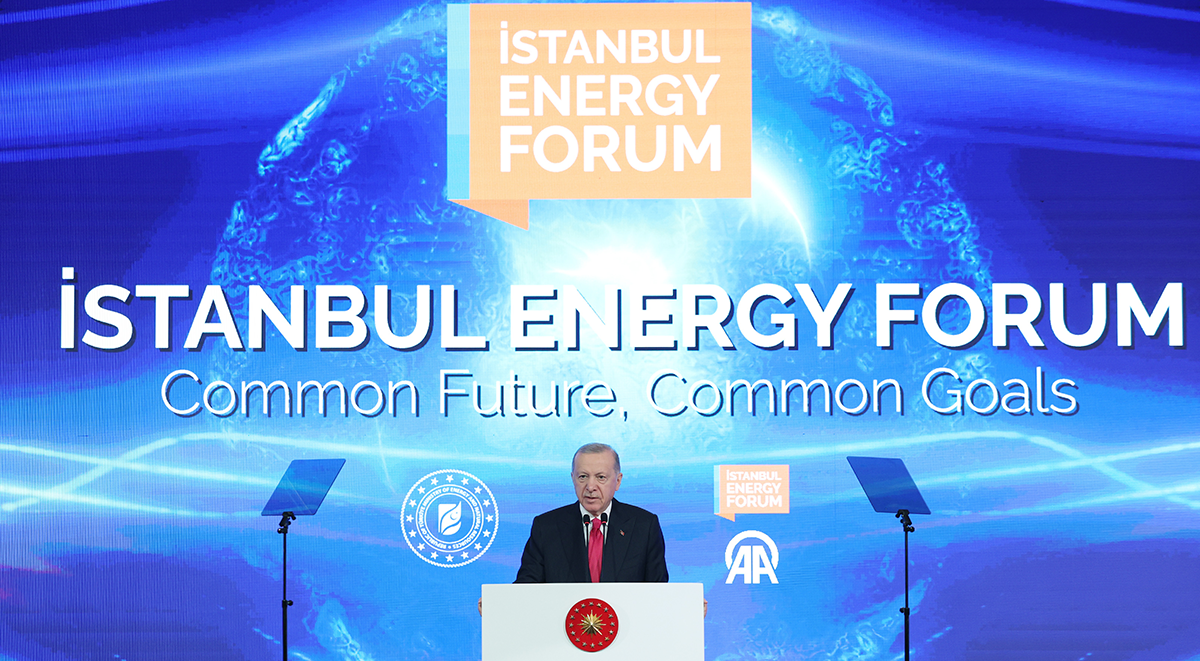
Amid regional upheaval, Turkey looks to energy to secure strategic autonomy
President Recep Tayyip Erdoğan has sought to position Turkey as an energy hub, connecting gas producers to its east and south and markets to the west. Turkey’s geographical position and infrastructure give it an advantage. But becoming an energy center also requires Ankara to dust off a long-abandoned foreign policy approach: “zero problems with neighbors” and the West. Amid changing regional dynamics, Ankara sees an opportunity to achieve that and revive its plans to become an energy hub.
Return to "maximum pressure": Opportunities and challenges
With the signing of a presidential memorandum on Feb. 4, the administration of Donald Trump has returned to a “maximum pressure” campaign against Iran, but circumstances have changed drastically since the policy of intensified sanctions was originally crafted during his first term. Regional geopolitics will present the White House with a new set of variables, while changes in the petroleum markets will affect how the administration approaches sanctions on oil exports.
تأثير الحرب الروسية الأوكرانية على تدفقات الطاقة من دول الخليج العربي
بعد مرور ما يقرب من ثلاث سنوات، أدى الغزو الروسي الشامل لأوكرانيا في فبراير 2022 إلى إعادة تشكيل التجارة والاستثمار في قطاع الطاقة، مما أدى إلى زيادة واردات الخليج من النفط الروسي وارتفاع حاد في صادرات المنطقة من الهيدروكربونات إلى أوروبا، فضلاً عن زيادة نمو استثمارات الخليج في مشاريع الطاقة المتجددة الموجودة في القارة والموجهة إليها.
Mapping MENA’s Renewable Energy Supply Chains: The Emergence of Green Energy Ecosystems in the Middle East and North Africa
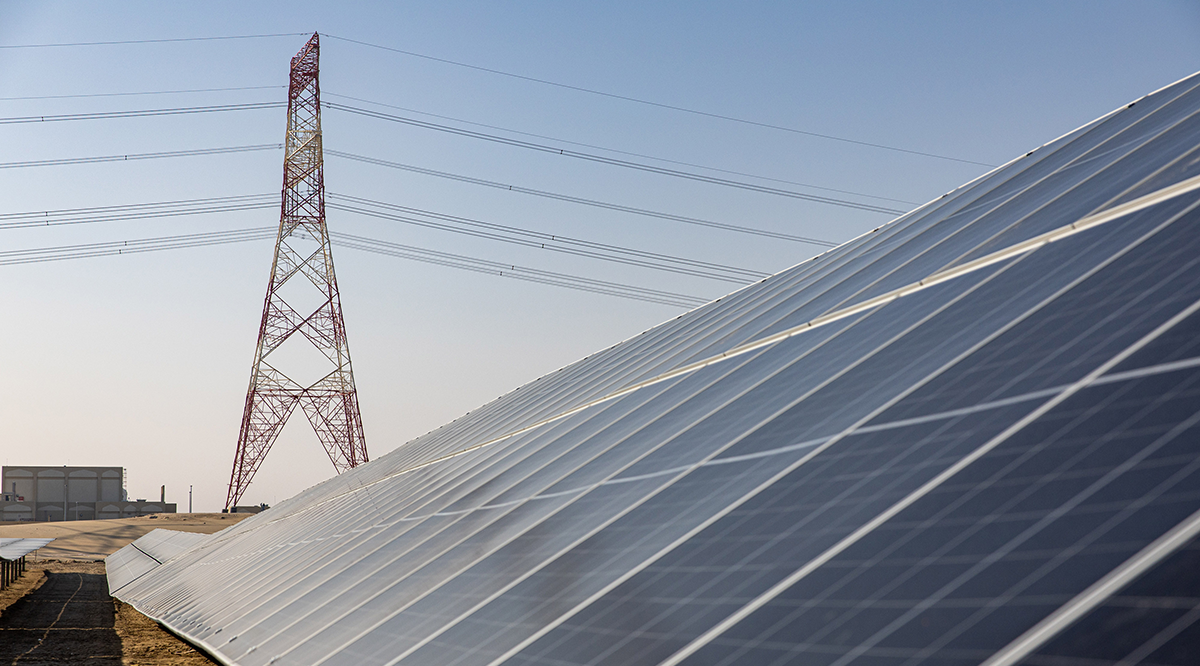
The Middle East and North Africa has the potential to become the world’s largest renewable energy-producing region. Compared to the immense scale of its resources, renewable energy is virtually untapped at present. This study maps the emerging regional trends in renewable energy development and MENA renewable energy supply chains across North Africa, the Arabian Peninsula, and the Levant. The most successful MENA nations in developing their renewable energy resources to date are doing so through the establishment of green energy ecosystems, in which the development of utility-scale renewable energy infrastructure is coordinated with that of robust offtake markets and the establishment of commercially viable storage and transportation mechanisms to service them.
Renewable Energy and Morocco’s New Green Industries Can Expand Women and Youth Employment through Sustainable Development
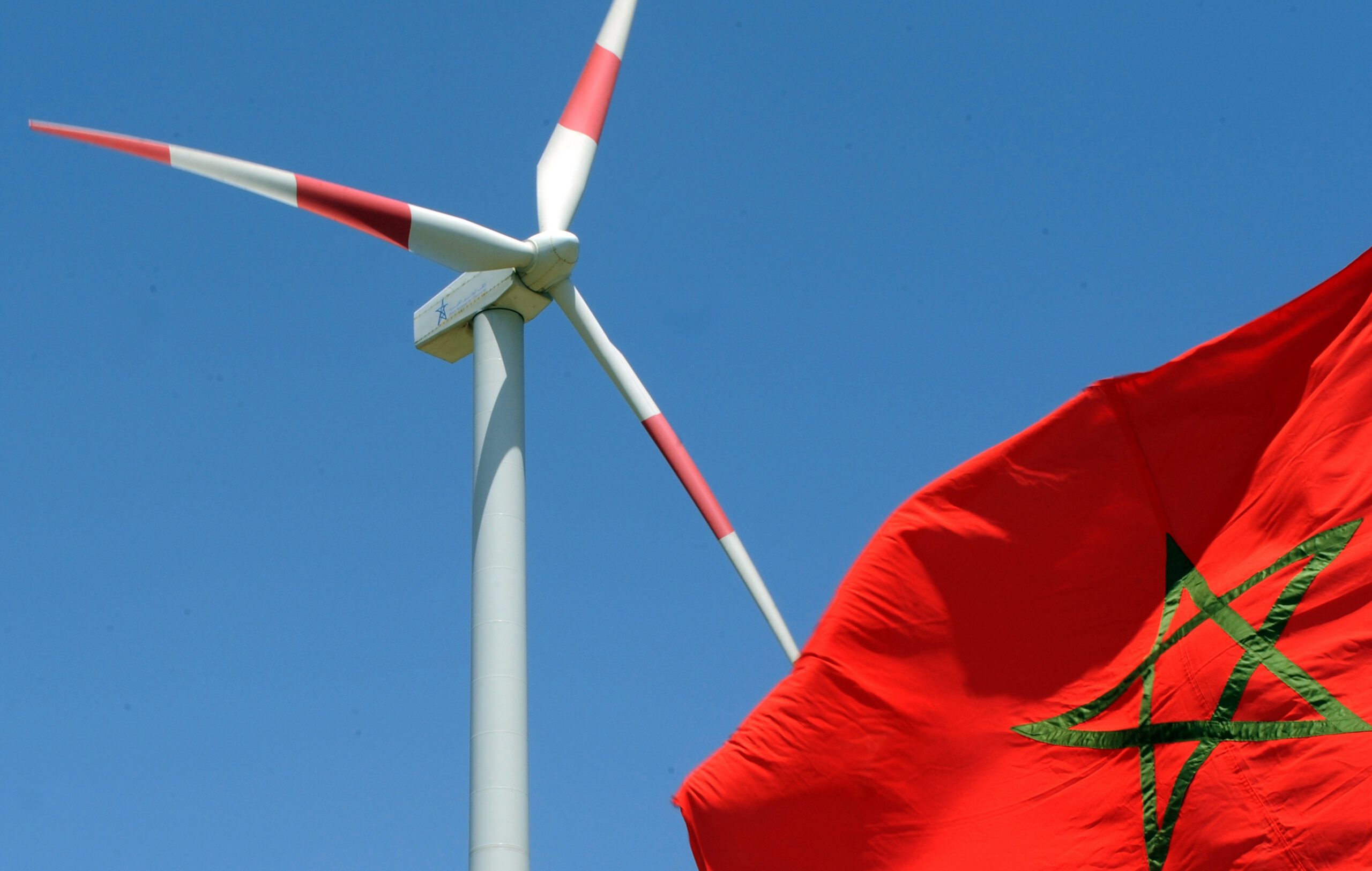
Morocco is a regional leader in renewable energy development. The country’s success stems from its multi-faceted green energy ecosystem that is giving rise to international renewable energy export supply chains based on production of green hydrogen, in the form of green am-monia, as well as phosphates, other minerals and metals, fertilizers, agri-food products, and electric vehicles. As rising green industrial manufacturing and green agricultural production are becoming drivers of long-term, private sector employment, a synergy is emerging between Mo-rocco’s efforts to expand its already significant renewable energy sector and its objective of in-creasing the number of women and young people engaged in formal employment.
MENA’s Emergence as a Hub for Renewable Energy Supply Chains
Within the next 25 years, the Middle East and North Africa will be a global leader in renewable energy production and a hub for international renewable energy supply chains. Morocco, the UAE, and Jordan are spearheading the regional trend to develop green energy ecosystems in which renewable energy is used, in part or entirely, to power the manufacture of intermediate and finished goods for export.
يوجد حالياً تباين بين الأهداف الاستراتيجية والظروف المواتية للطاقة الشمسية في الخليج ومستوى النشر الفعلي. على الرغم من الإمكانات الكبيرة للمنطقة كرائدة عالمية محتملة في مجال الطاقة الشمسية، بما في ذلك أحد أعلى مستويات الإشعاع الشمسي في العالم وظروف تشغيل داعمة قوية، لم تمثل الطاقة المتجددة سوى 2٪ من طاقة التوليد في عام 2022.