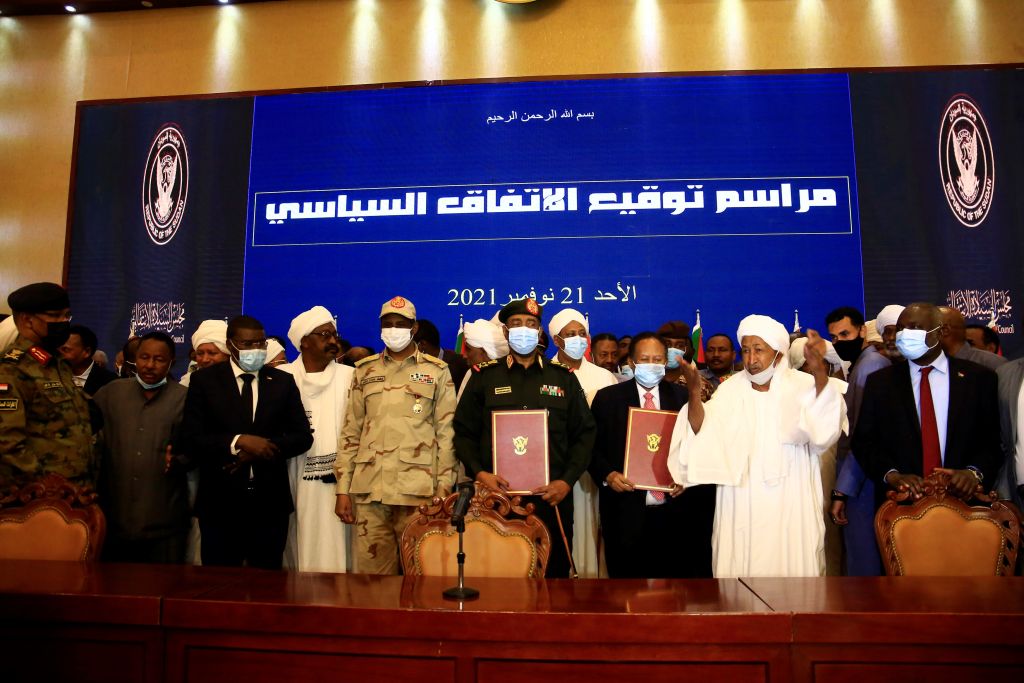
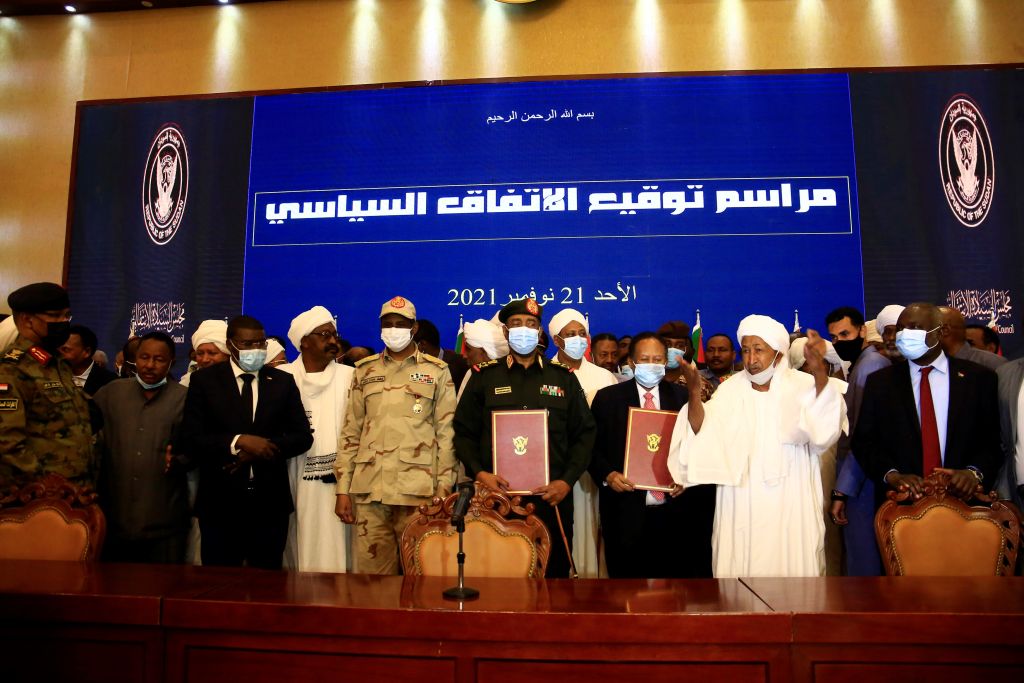
جنرالات السودان يتراجعون قليلًا لكن الأزمة لم تنته
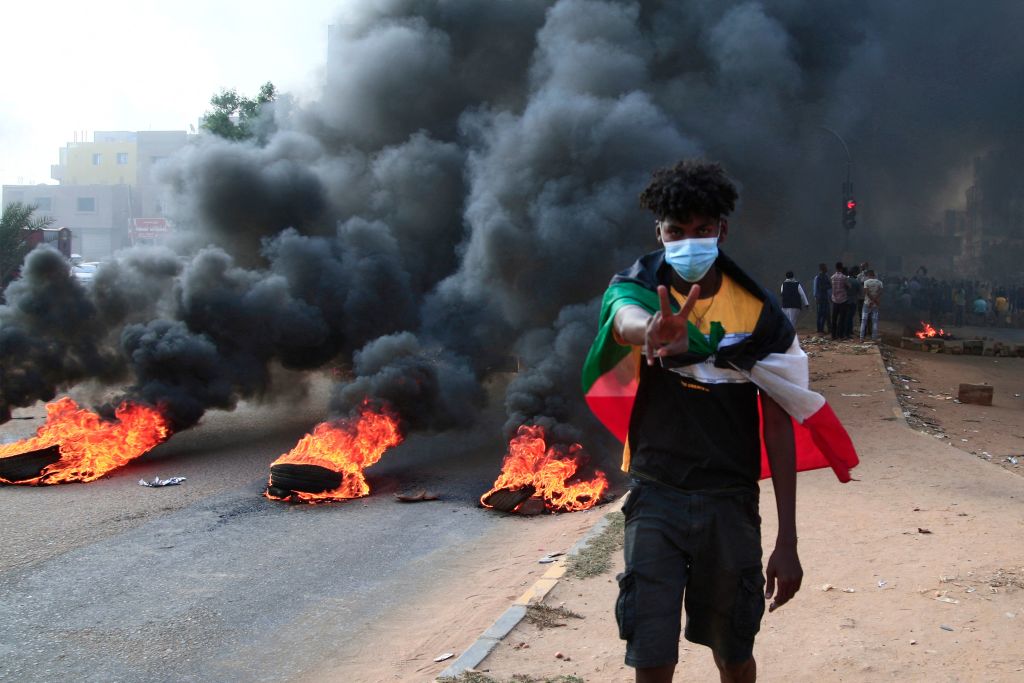
منذ تولي الجنرالات السلطة الكاملة في السودان في 25 أكتوبر/تشرين الأول، ضغطت الولايات المتحدة والعديد من الجهات الفاعلة الأخرى على الجيش لإعادة رئيس الوزراء عبد الله حمدوك ووزرائه المدنيين إلى السلطة قبل استئناف المساعدة ومناقشات الإعفاء من الديون. لقد أحجم المجتمع الدولي عن تقديم 4 مليارات دولار من المساعدات الإنمائية وأوقف المناقشات بشأن ما يصل إلى 50 مليار دولار لتخفيف الديون.
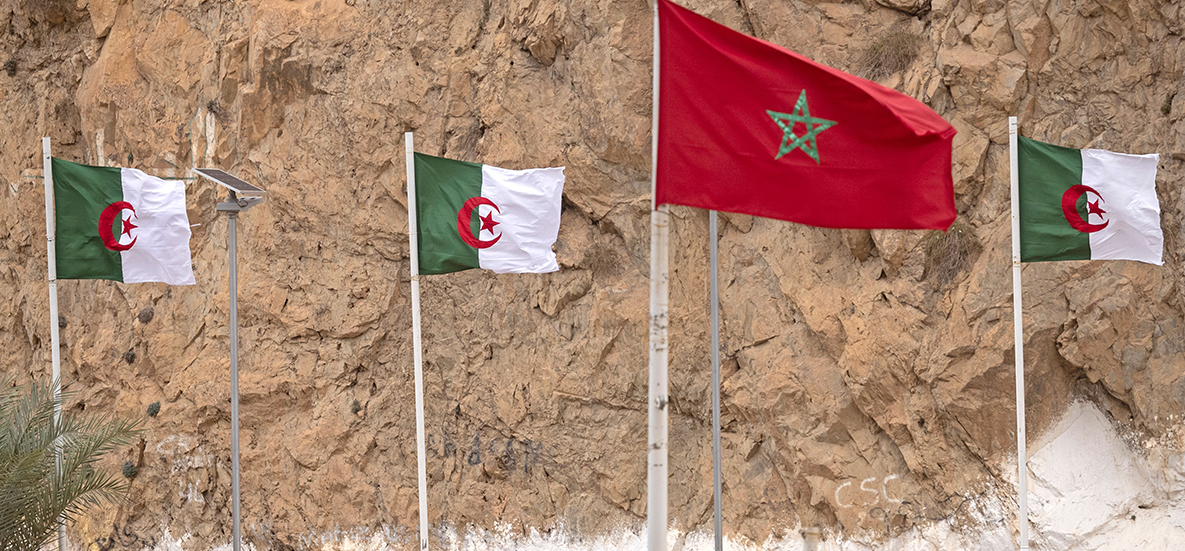
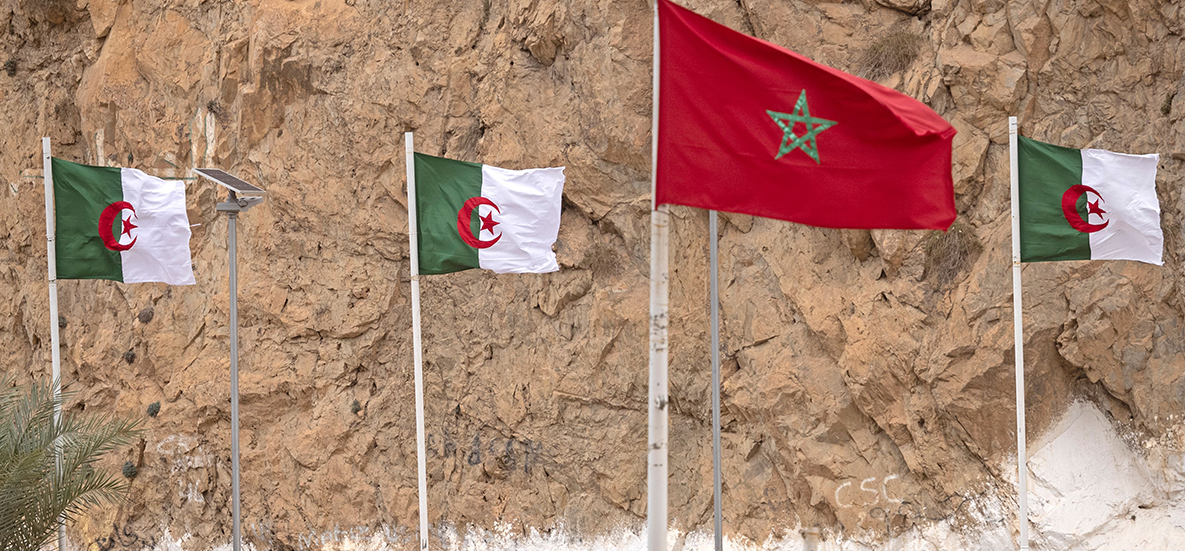
A Mysterious Bombing Heats Up the Algeria-Morocco Standoff
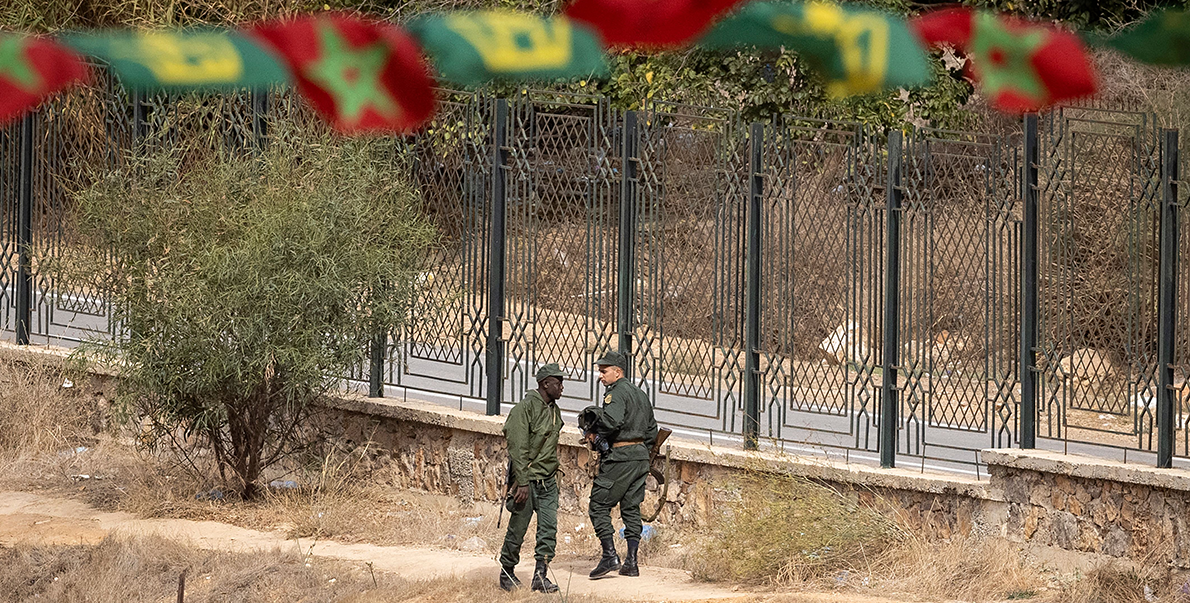
Algeria has blamed Morocco for a Nov. 1 bombing that killed three Algerian truckers in the disputed territory of Western Sahara, adding a new layer of uncertainty to ongoing tensions between the two hostile neighbors.
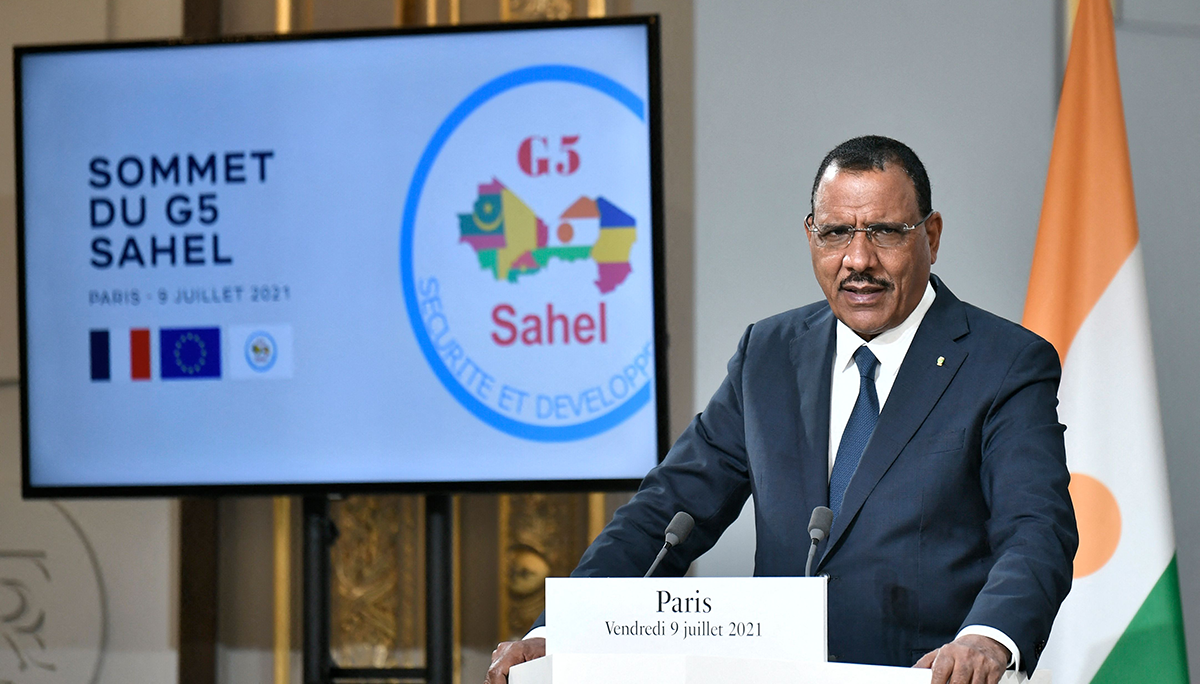
Conflicting agendas and strategic rivalry in the Sahel
The Sahel reveals a lot about how Africa has become an area of competition between world powers with different foreign policy priorities, as they vie for greater political, military, and economic influence on the continent. A major arena of geo-economic and geopolitical contestation, the region presents both challenges and opportunities for many traditional and emerging players, including the West, Russia, China, and ambitious regional actors like Turkey.
A personal vantage point on the gamble of the Abraham Accords: Dubai’s first international backgammon championship
Jason Pack on the 2021 Oasis Backgammon Championship, the first major international backgammon tournament to be hosted in the Arab World in recent memory, and how it reflects broader changes in the Middle East.
Algeria-Morocco tensions: The onset of a regional cold war
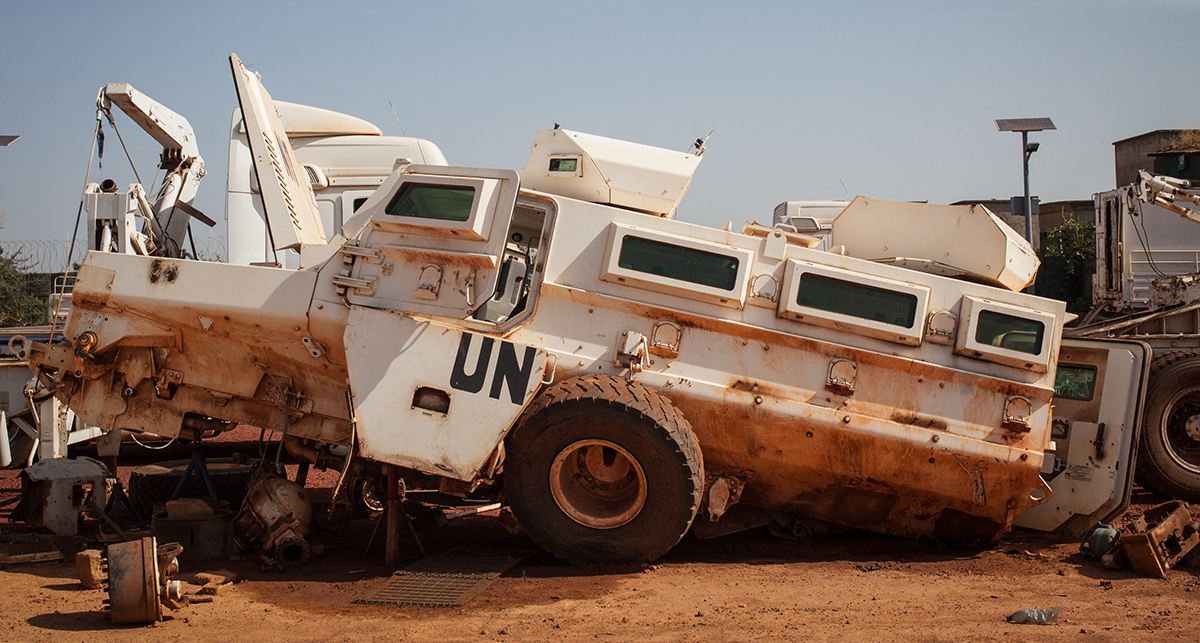
On Nov. 1, three Algerian citizens were killed in the disputed territory of Western Sahara. The Algerian presidency issued a statement accusing Morocco of carrying out an attack with a “sophisticated weapon” on two Algerian transport convoys. This was only the latest episode in a process of escalation between the two countries. The Algerian authorities had previously cut their diplomatic relations with Morocco on Oct. 24 due to rising tensions. Even though the relationship between Algiers and Rabat has long been contentious, the death of three Algerian citizens could prove to be a turning point.
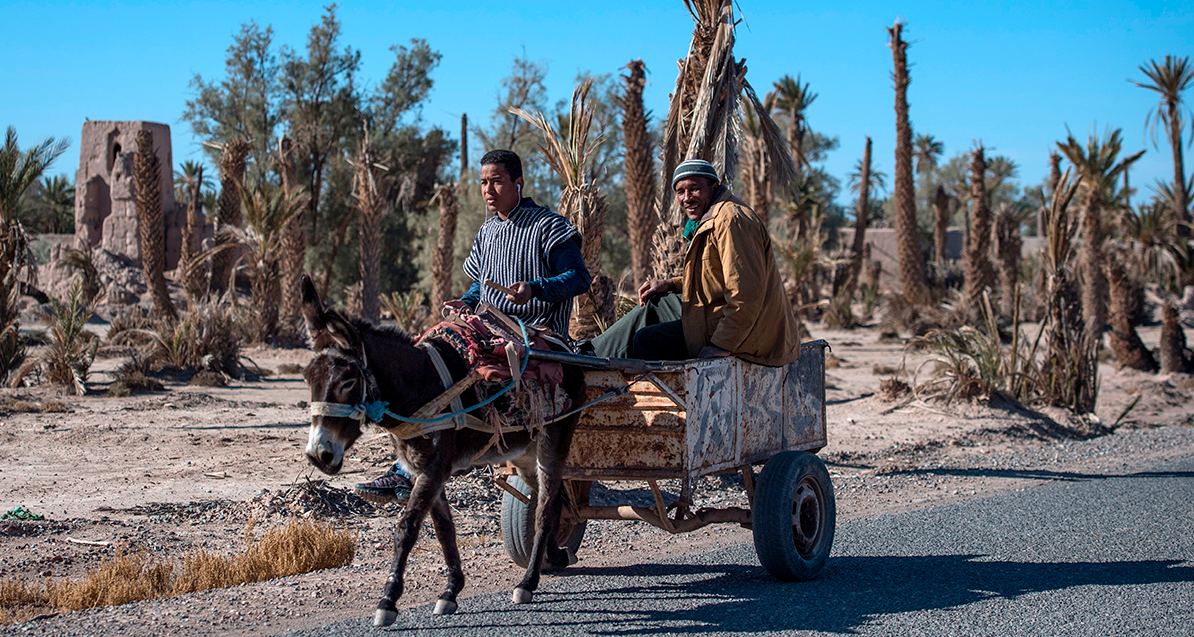
The Fragile State of Food Security in the Maghreb: Implication of the 2021 Cereal Grains Crisis in Tunisia, Algeria, and Morocco
North Africa has entered a food security crisis. Tunisia, Algeria, and Morocco are witnessing food inflation levels not seen since the civil unrest of the Arab Spring a decade ago. Although the Maghreb’s current food crisis was precipitated by the local and global economic shocks brought on by the onset of the COVID-19 pandemic in 2020 and its 2021 aftermath, the structural fragility of the food systems in Tunisia, Algeria, and Morocco is responsible for severity of the problem. At the core of this fragility is the failure to implement adequate measures to address the impact of increased water scarcity and debilitating climate change.
For Mali and the Sahel, New Tensions and an Old — and Worsening — Security Problem
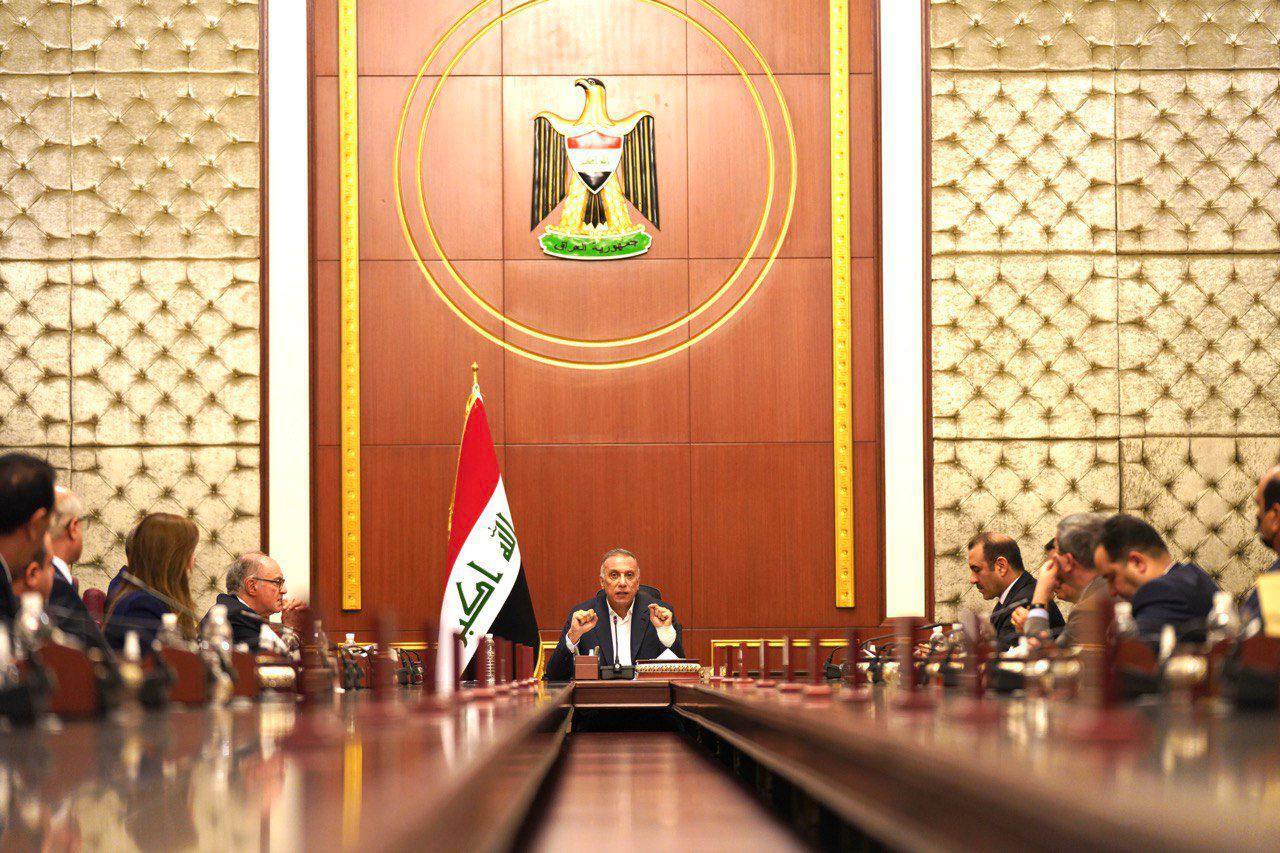
Events in the Sahel, and Mali especially, are taking an uncertain and worrying turn. Mali witnessed two coups d’état in less than a year, while the West African Sahel went through its most violent year yet and there are no signs that the violence is slowing down. In the midst of this unprecedented instability, recent developments involving Mali’s transitional government and the international community, France in particular, provide no assurances that things are likely to improve anytime soon.
The thorny question of readmission in France-Maghreb migration talks
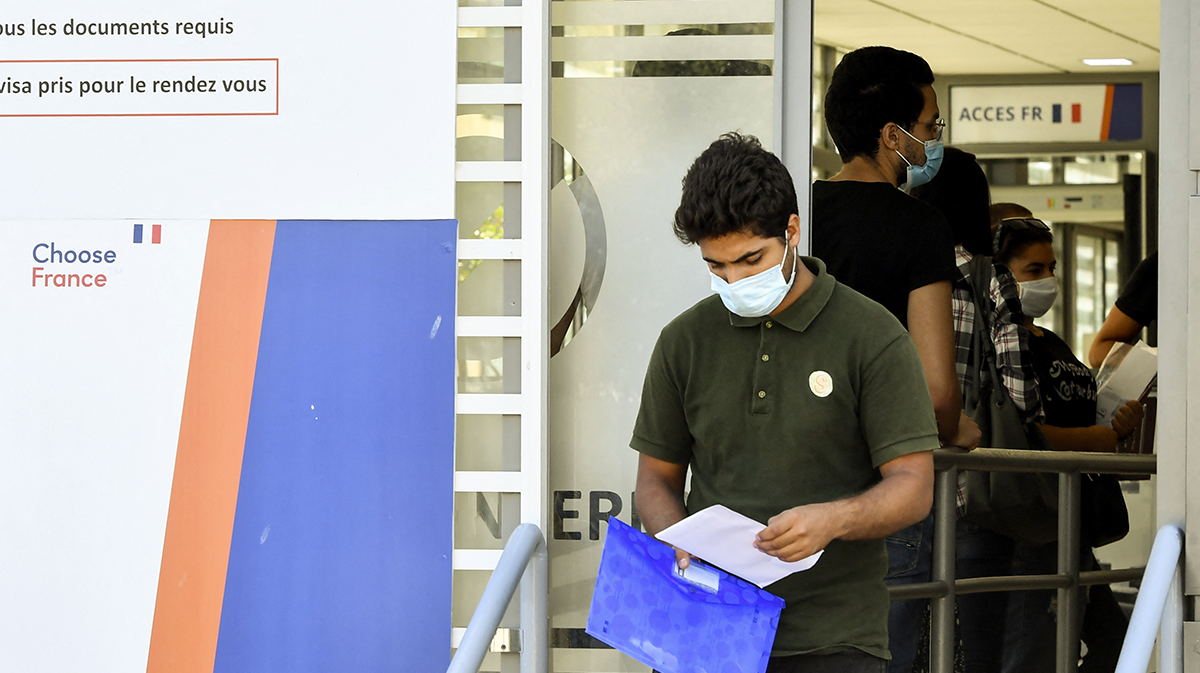
Readmission of irregular migrants has been a critical element in migration cooperation between France and Maghreb countries. In an attempt to increase its leverage, France recently decided to toughen its stance on migrant return by linking it more tightly to the country’s visa policy.
Expert Views: What should be the key outcomes from COP26?
As the U.N. Climate Change Conference (COP26) kicks off in Glasgow, climate change is front and center on the global agenda. Few regions of the world have more at stake than the Middle East and North Africa, given the current environmental and sustainability challenges and potential future scenarios. Experts from across MEI weigh in with their thoughts on what should be the key outcomes from COP26.