Turkey, the Gulf, and Libya: The economic impact of a growing geopolitical divide
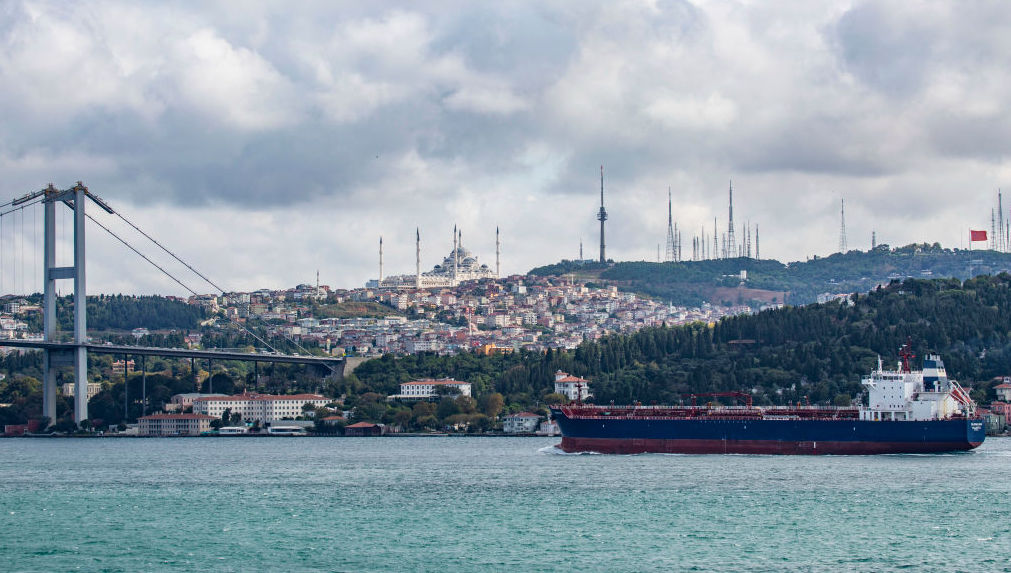
Turkish support for the Tripoli-based Government of National Accord (GNA) in the Libyan civil war has added a new dimension to relations between Turkey and Gulf countries like the United Arab Emirates (UAE) and Saudi Arabia. But what impact have the growing geopolitical divides and diplomatic disagreements had on Turkish-Emirati and Turkish-Saudi economic relations?
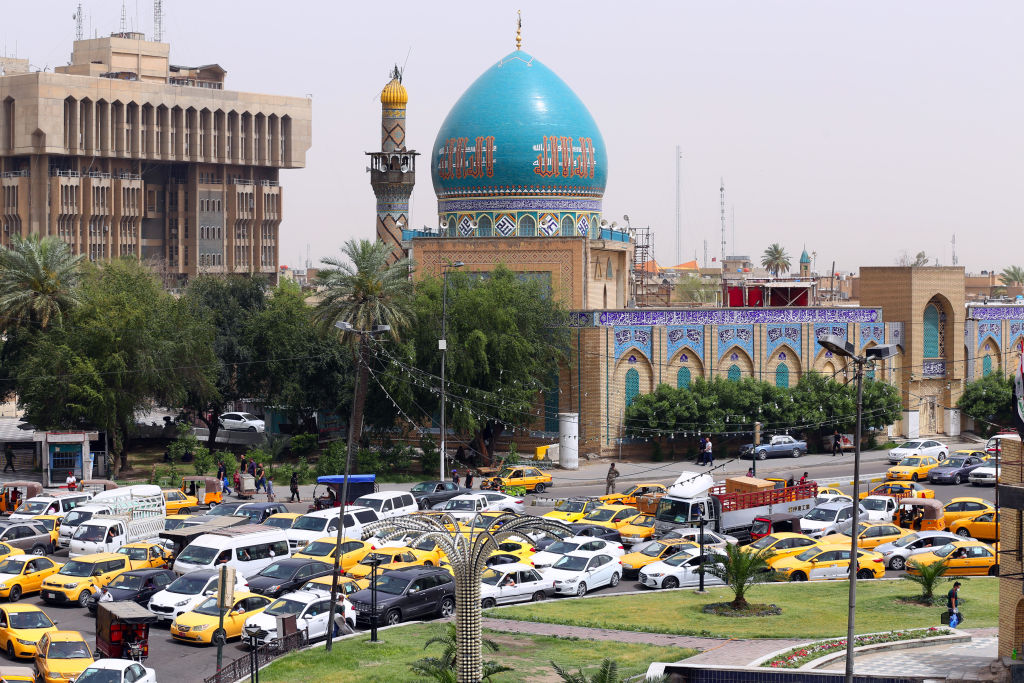
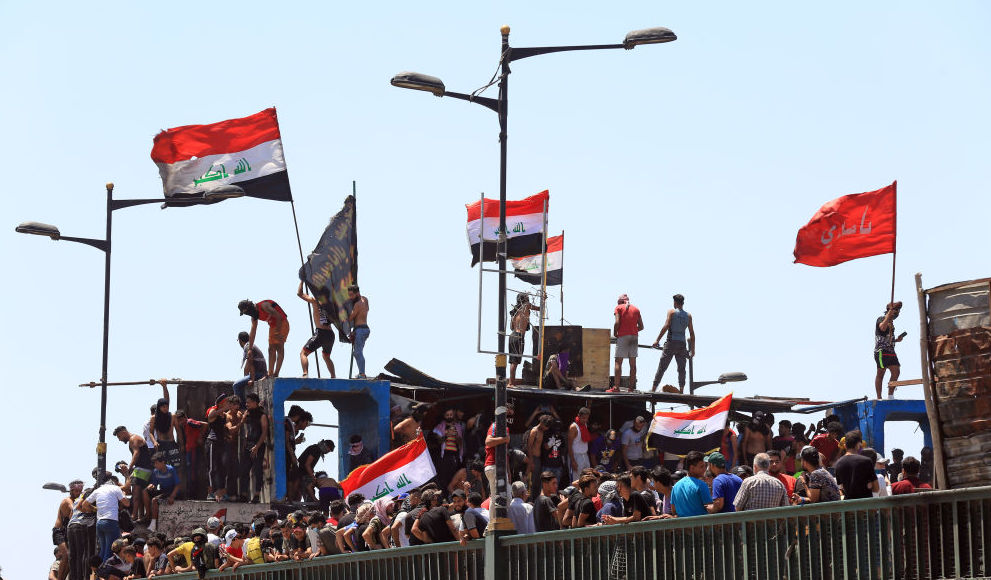
Nation or Religion? Iraq’s Hybrid Identity Politics
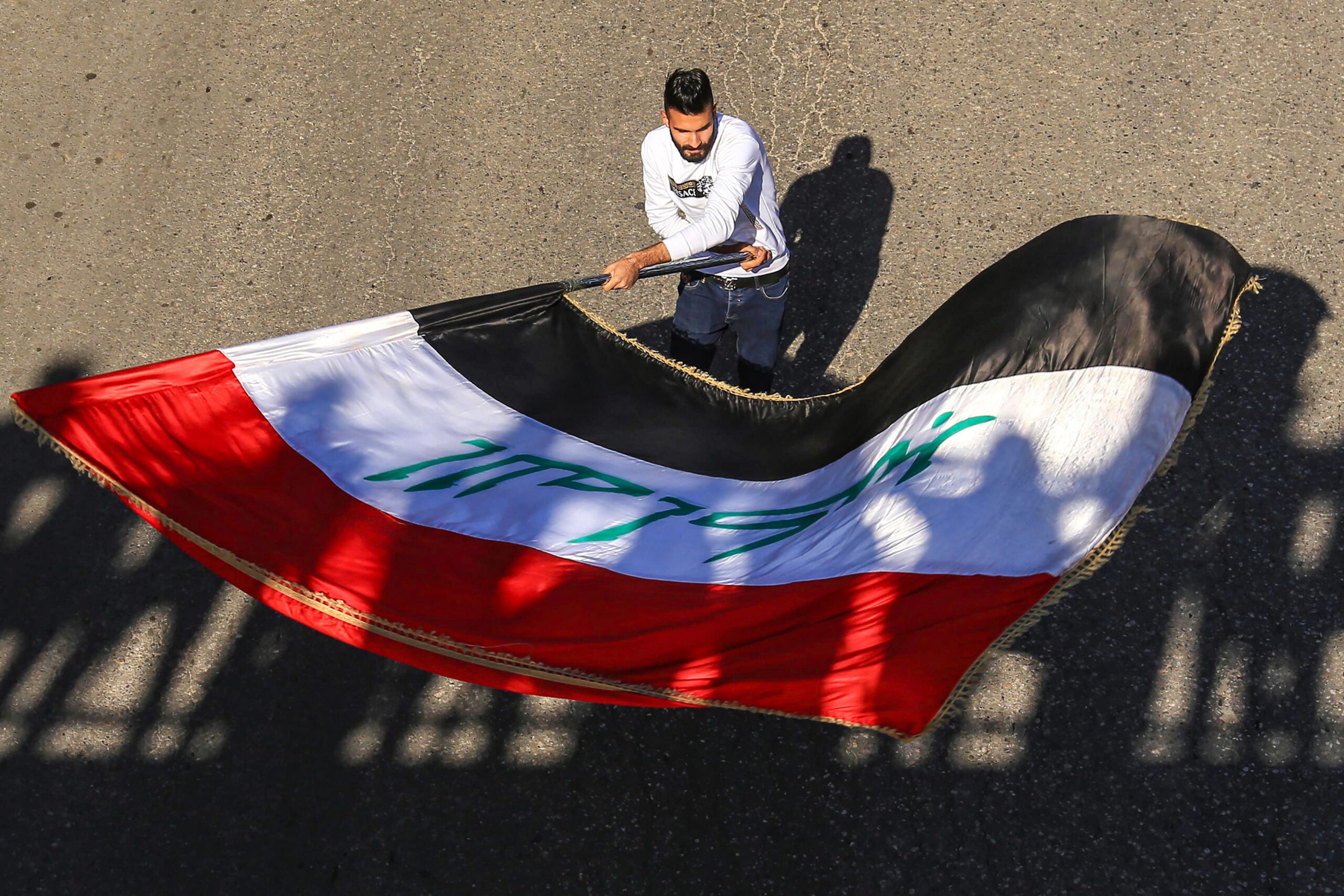
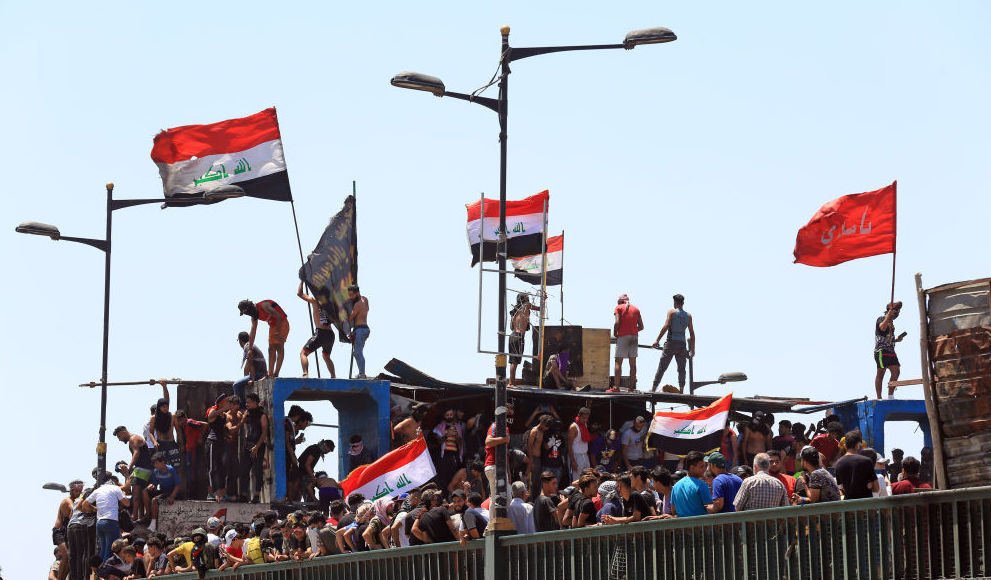
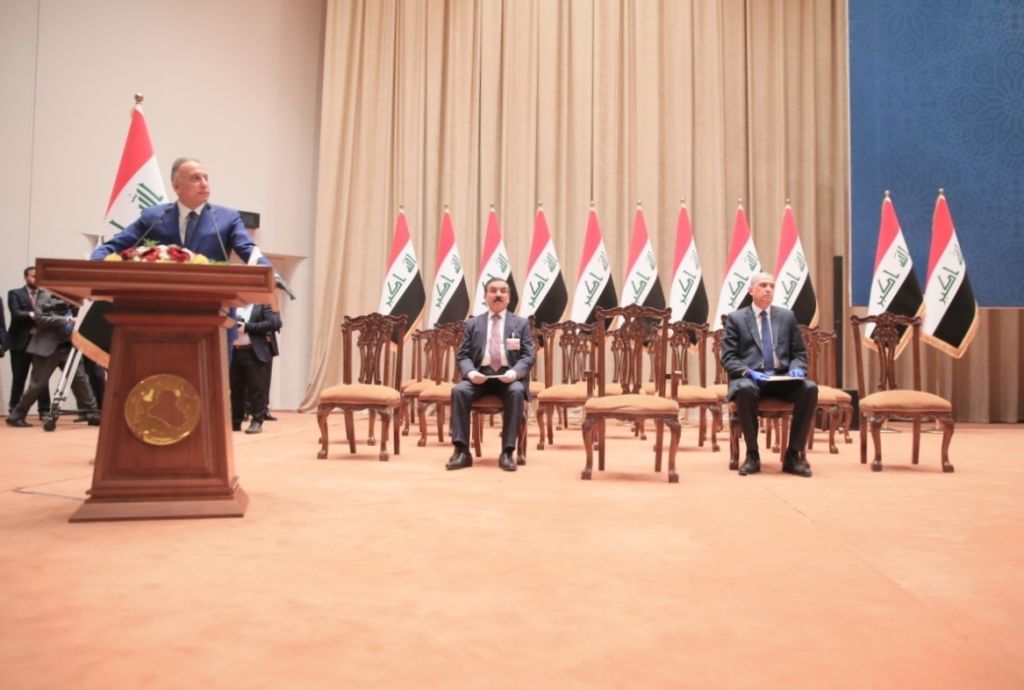
Is Iraqi society structurally sectarian? Or does it have a strong capacity of resilience to sectarian trends? This article explores the nature of Iraq’s political sociology by examining several key indicators: the composition and aspirations of Iraqi society; the nature of the parliament; and the challenges that current Prime Minister Mustafa al-Kadhimi faced as he tried to form a government in spring 2020.
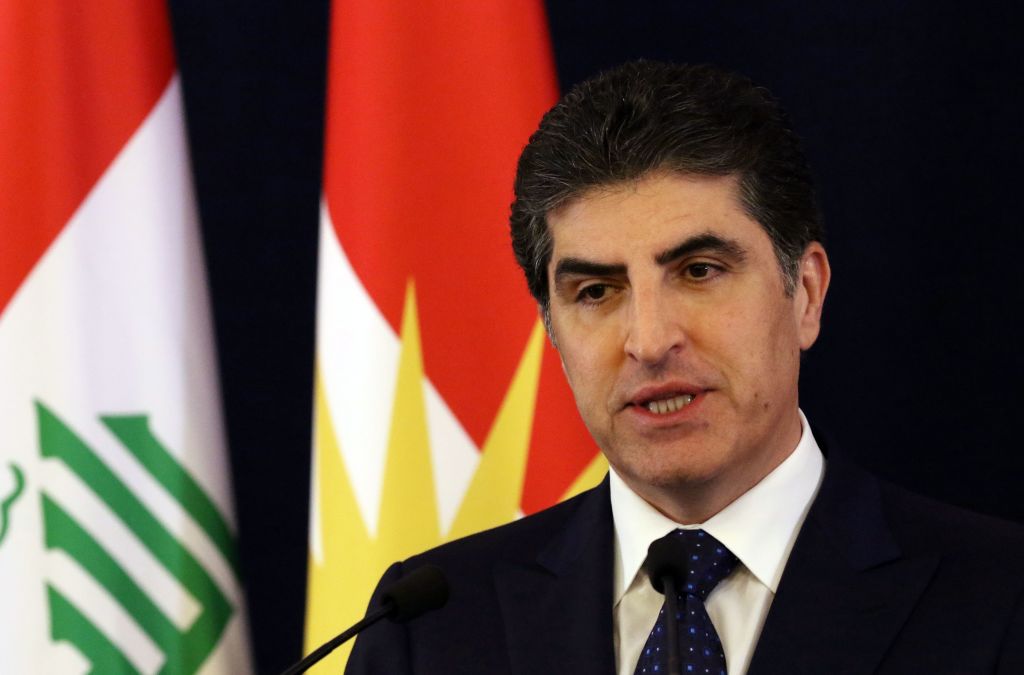
The U.S.-Iraq Strategic Dialogue that will be launched this week provides an opportunity for the two sides to put their relations, as Iraqi President Dr. Barham Salih said last April, “in the right context.”
Gulf Partners Can No Longer Afford To Stay The Course With U.S. Iran Policy
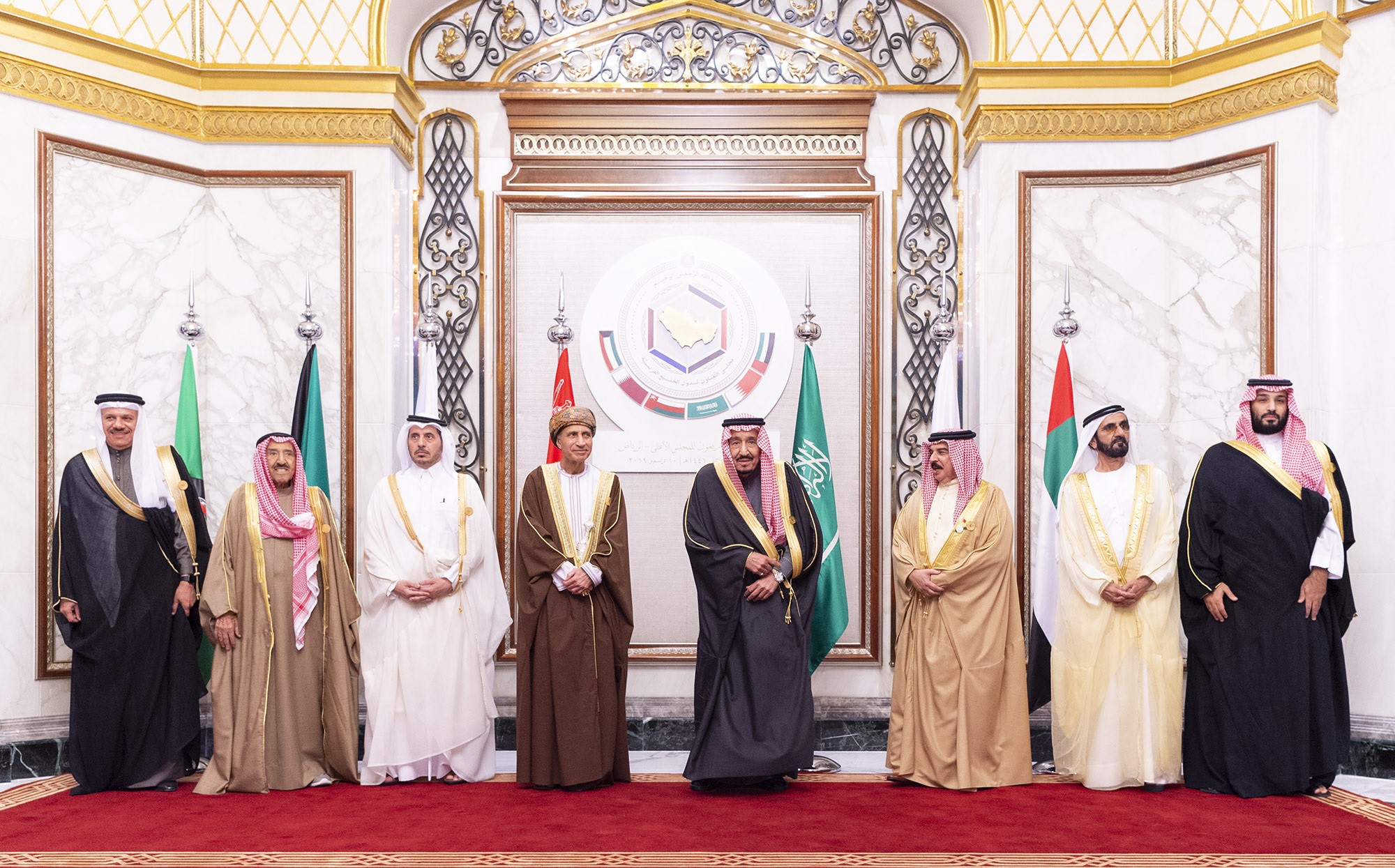
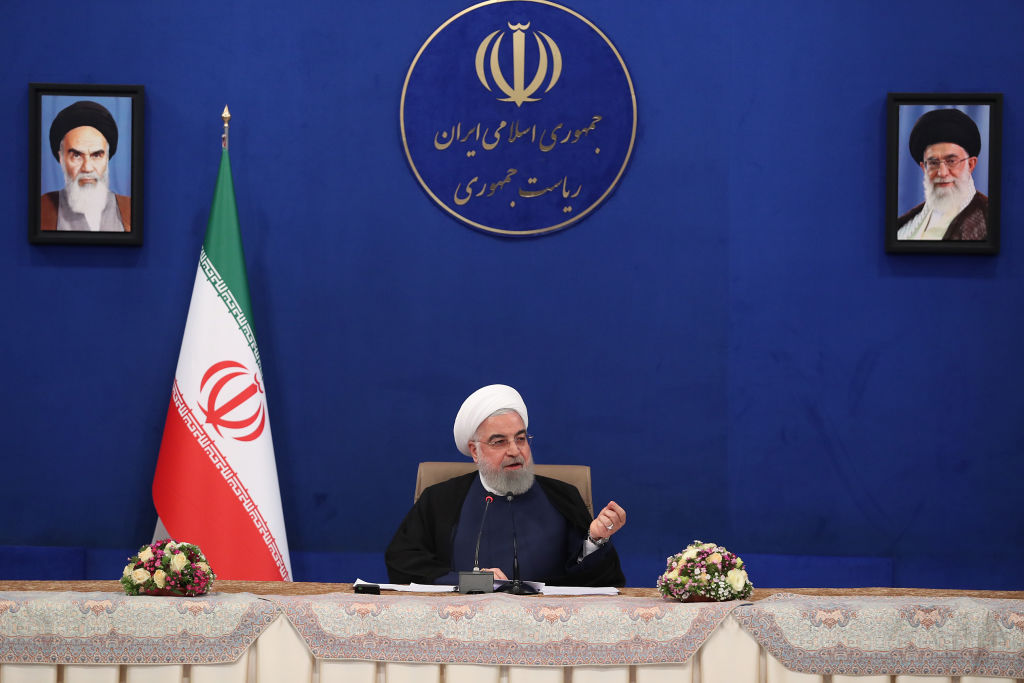
To help prevent a U.S.-Iran war in their neighborhood, the countries of the Gulf Cooperation Council have called for diplomacy. They have reached out to Iranian officials to de-escalate. And they have provided Tehran with humanitarian assistance to deal with the coronavirus pandemic.
Hafsa Halawa, Shahla Al-Kli, and Yesar Al-Maleki join host Alistair Taylor to discuss the challenges facing Iraq’s new prime minister, Mustafa al-Kadhimi, from COVID-19 and the fall of oil prices, to long-standing issues in governance and foreign relations.
President Hadi and the future of legitimacy in Yemen
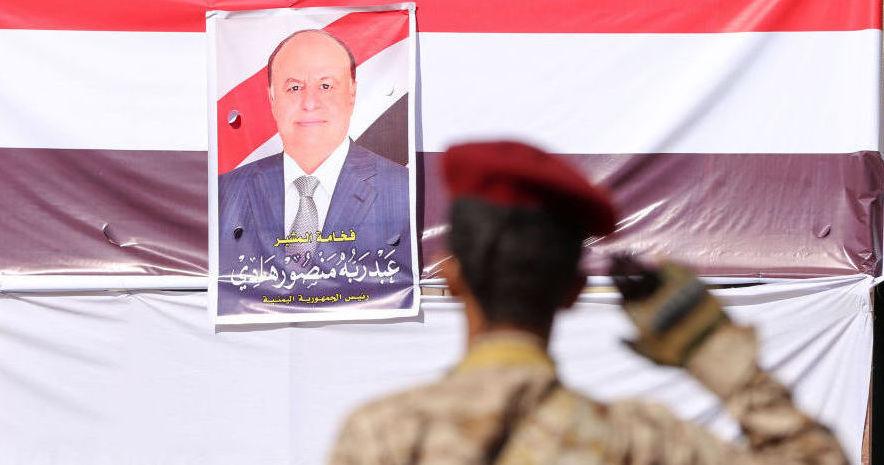
What is the future of legitimacy in Yemen? The question of what would happen if President Abed Rabbo Mansour Hadi were to die has been an unspoken concern for the past several years. It is important to address the question of legitimacy after Hadi because the constitutional rules on how to transfer his authority to a successor and how to avoid a presidential vacuum are impractical given the ongoing conflict.
While COVID-19 and historically low oil prices are disrupting the Gulf’s political economy, the pandemic has demonstrated the region’s tech resilience.
Iraq special briefing: The challenges facing Prime Minister Mustafa al-Kadhimi
Six scholars from across MEI take a closer look at the challenges facing Iraq’s new prime minister, from the protest movement and Baghdad-Erbil relations to the balancing act between Washington and Tehran.
Baghdad will continue its outreach to its Arab neighbors
While regional tensions will complicate the task of promoting a centrist foreign policy, they will also create opportunities for a skilled mediator like al-Kadhimi