Looking to the skies: The growing interest in cloud seeding technology in the Gulf
In response to water shortages exacerbated by population growth and climate change, an increasing number of countries have invested in weather modification technologies over the past decade, including precipitation enhancement, or cloud seeding. The UAE has been a leader in exploring this technology within the arid Gulf region, launching a cloud seeding program in 2002.
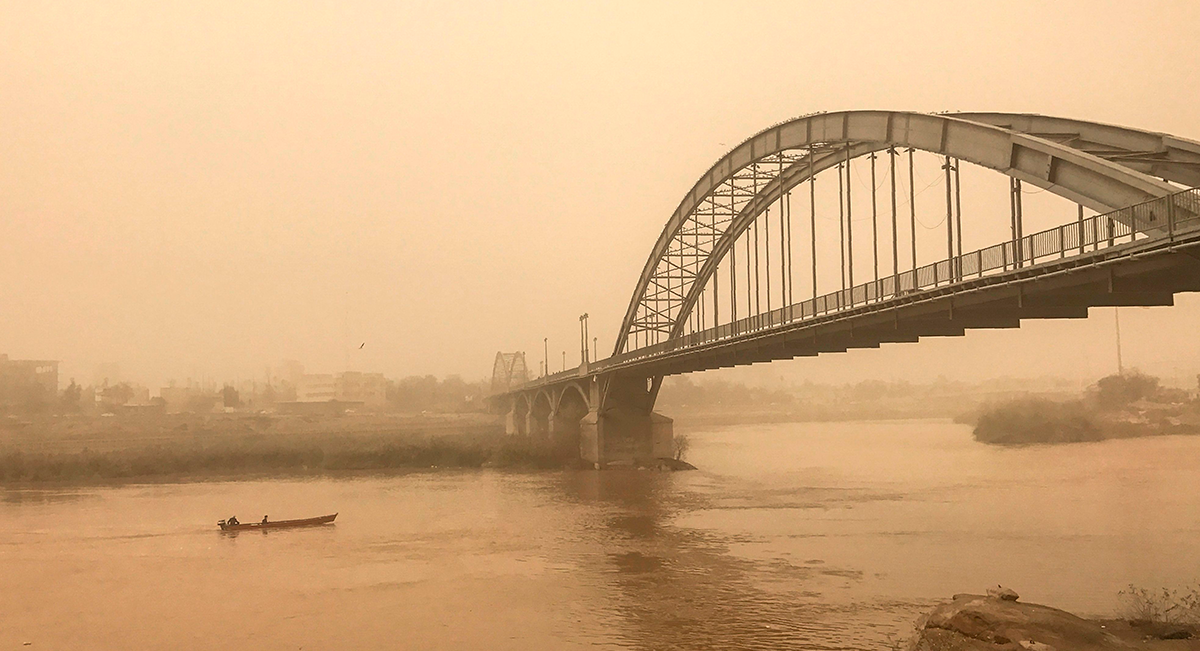
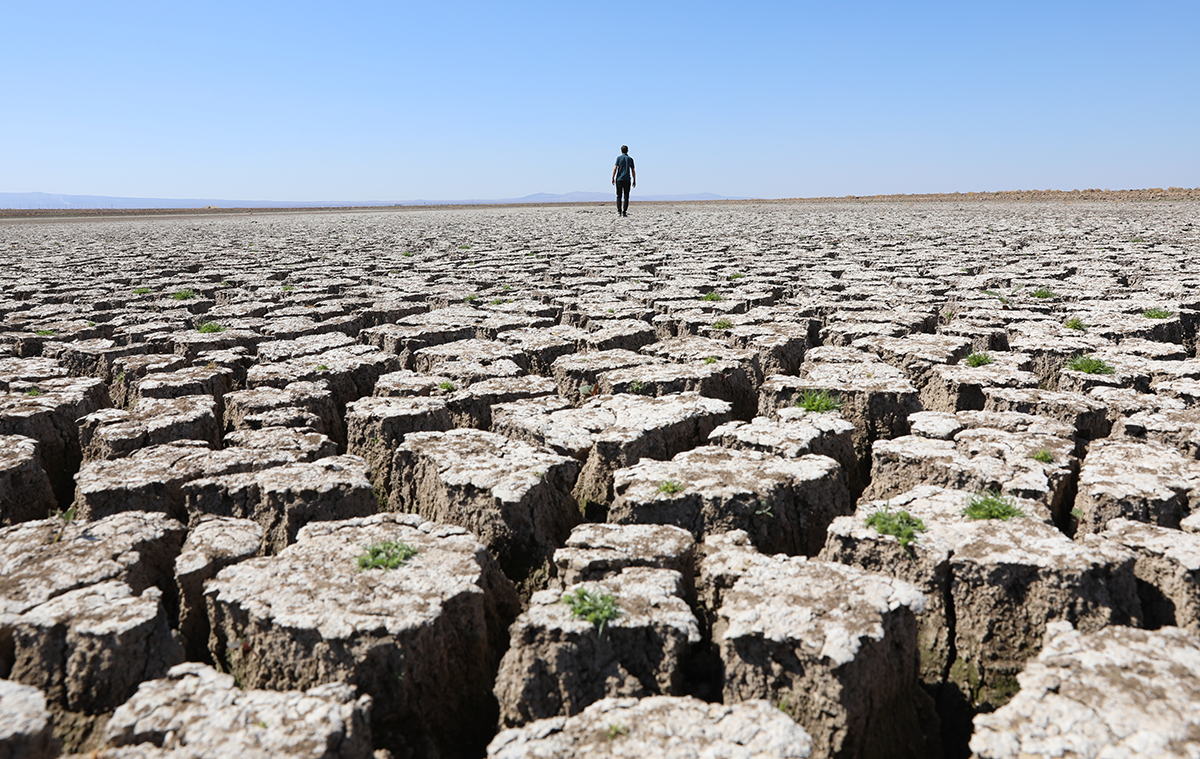
Amid dust storms and drought, Turkey and Iran are at odds over transboundary water management
Water is slowly emerging as yet another potential cause for dispute between Ankara and Tehran. As of late, the two neighboring states have been at loggerheads over a number of issues, including Syria and Iraq, where they have opposing interests. After years of quiet diplomatic juggling, the issue of transboundary water management is gradually taking center stage in the two countries’ relations, a development that could, in the medium run, have serious repercussions for regional security.
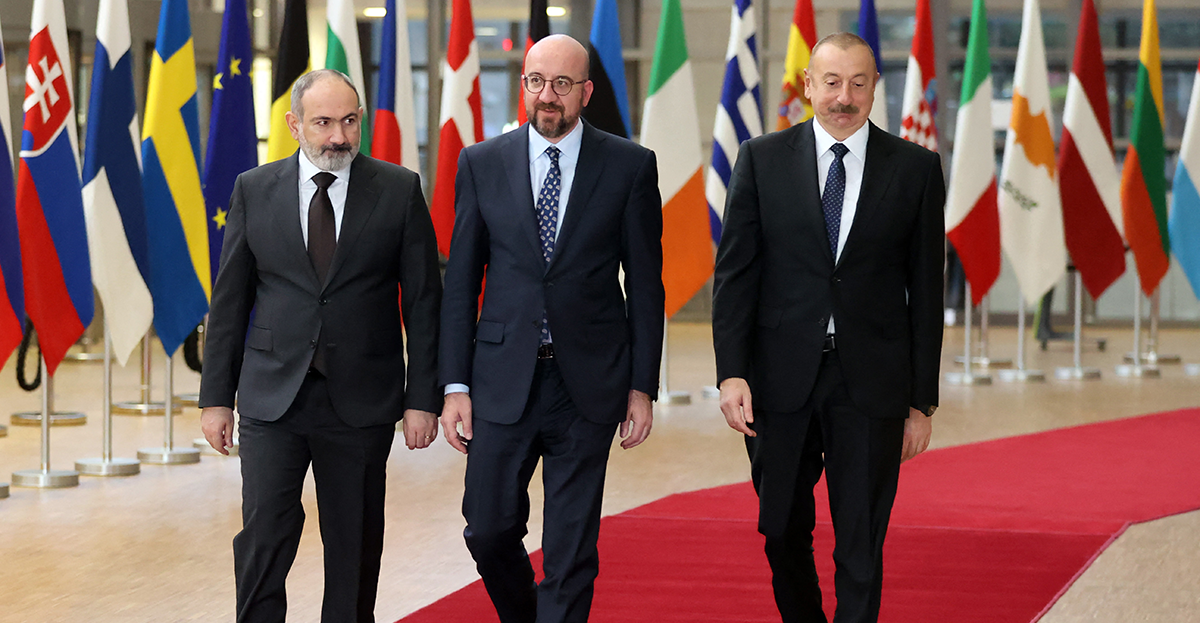
The impact of the war in Ukraine on regional cooperation in the South Caucasus
Since the collapse of the Soviet Union, the South Caucasus has been unable to find a model for regional cooperation or form regional organizations. The relative calm that followed the Second Nagorno-Karabakh War, especially after the signing of the November 2020 cease-fire agreement, renewed hopes that this might change. Significant challenges to regional cooperation remain, however, and Russia’s war with Ukraine has only complicated matters further.
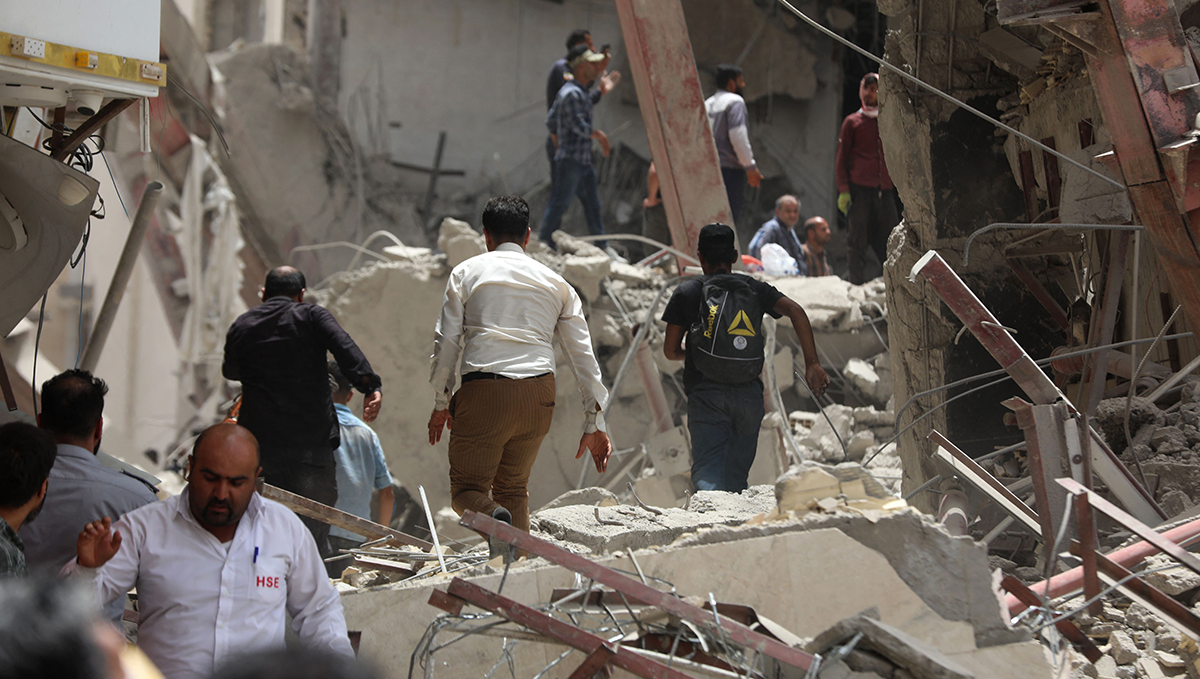
A country in free fall, a corruptocracy in full swing: Why a building collapse in Iran matters
On May 23, 2022, Metropol tower, a 10-story commercial building in the city of Abadan in Iran’s oil-rich southwestern Khuzestan Province, collapsed, killing at least 41 people and trapping dozens more beneath the rubble. For an outside observer, this might seem like a tragic but random accident that could have happened anywhere. In reality, it is a stark illustration of a country mired in corruption and mismanagement.
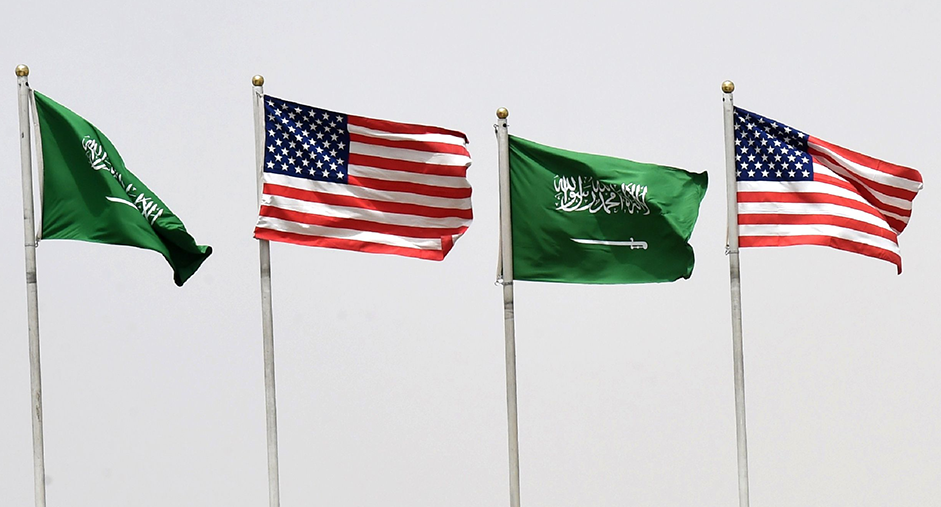
Partnering is a practical necessity for both countries but need not come at the cost of abandoning core values. The U.S. continues to exercise significant leverage and its own interests are better served globally by demonstrating credibility in what it stands for and reliability in its commitments. The U.S.-Saudi relationship has ample room to bend before it risks breaking.
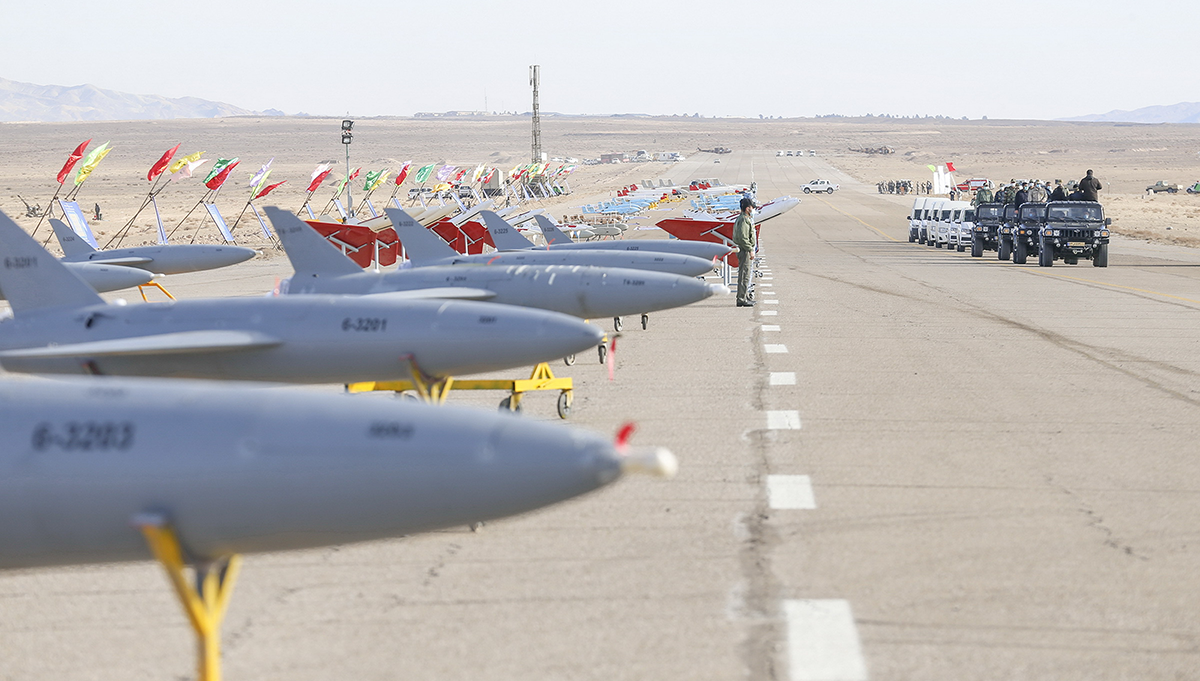
On May 17, 2022, Iran inaugurated a drone factory in neighboring Tajikistan, its first drone production facility abroad. With this factory, Iran intends to reinforce bilateral relations and reduce recent tensions with Tajikistan, address shared security concerns on the Afghan border, boost profits in a growing export market, and complicate Israeli efforts to further sabotage its drone program.
Can a new EU strategy bring EU and Gulf actors closer together?
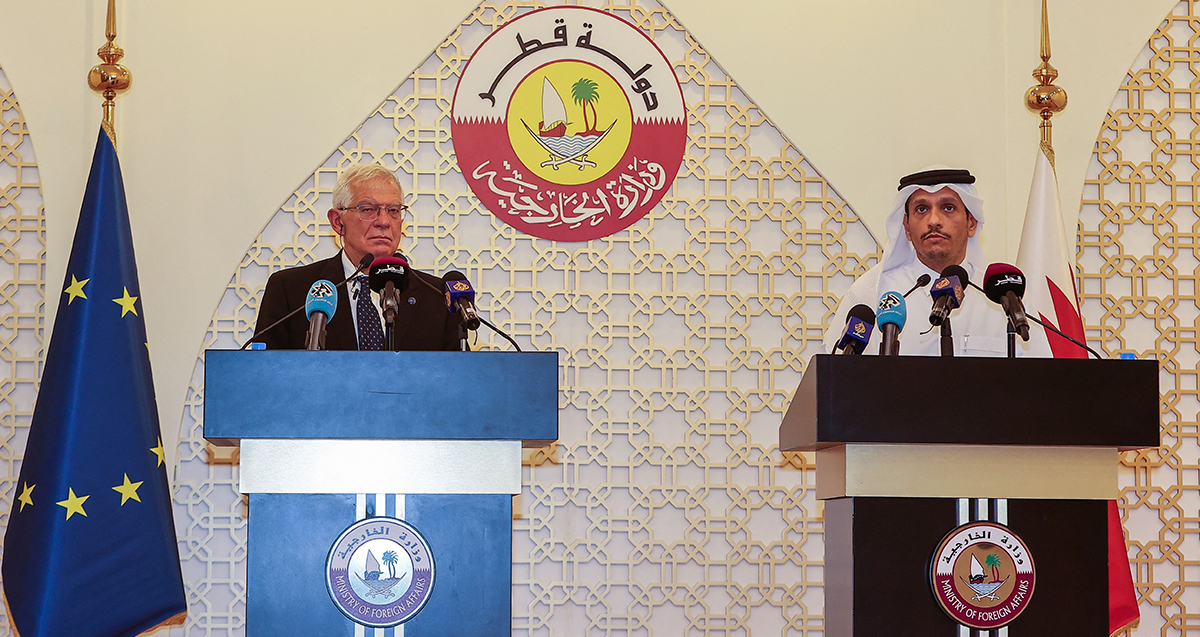
Relations between the EU and the Gulf countries have been on life support for a long time. The two sides have become experts at talking past each other, blithely skidding from crisis to crisis. But on May 18, the EU made the first serious effort in a long time to bridge this gap, by introducing a proposal for a “Strategic Partnership with the Gulf.”
Protecting Gulf waters through regional cooperation
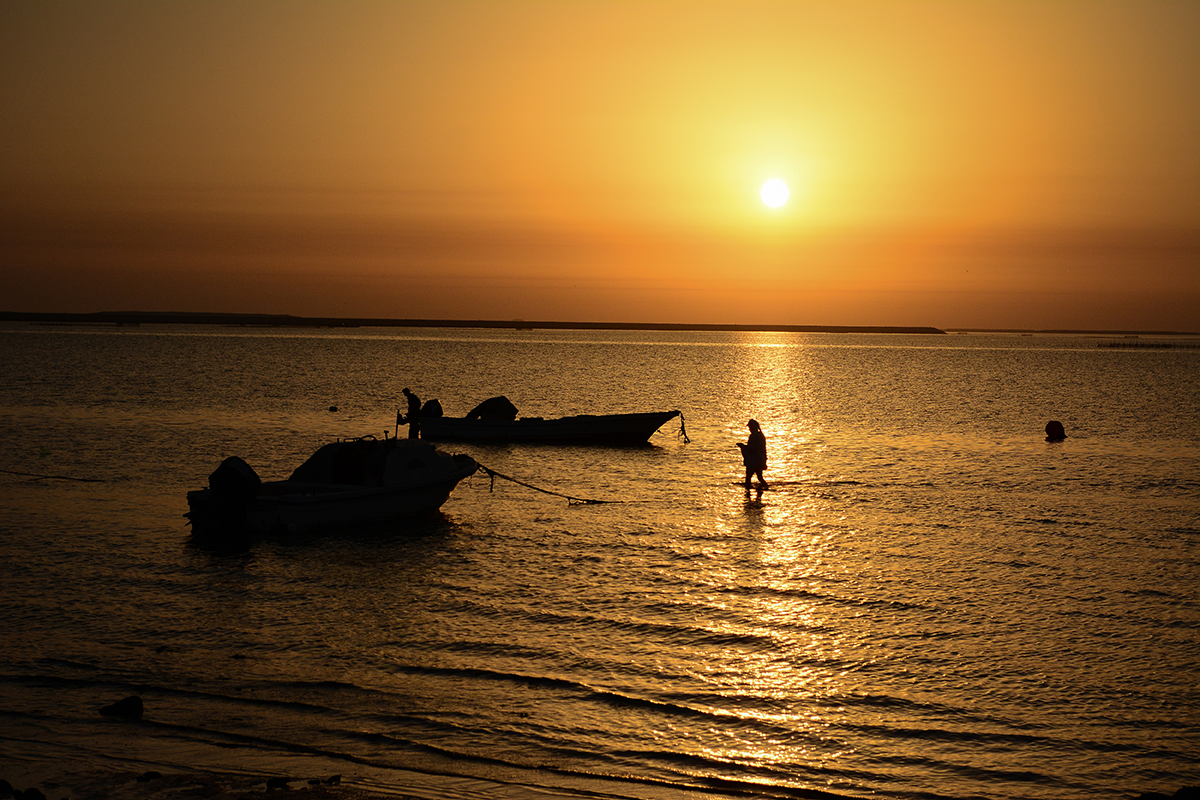
In collaboration with regional and international experts and organizations, the Middle East Institute is implementing a program aimed at promoting regional approaches to solve climactic and anthropogenic challenges to the waters of the Gulf.
From rivalry to partnership: Managing climate risks through regional collaboration
Countries across the region face similar climate risks and impacts, but tensions and socio-economic challenges have hampered regional collaboration and collective efforts to tackle climate change. One way to address this problem and to circumvent poor policy coordination is through technical research and knowledge-sharing.
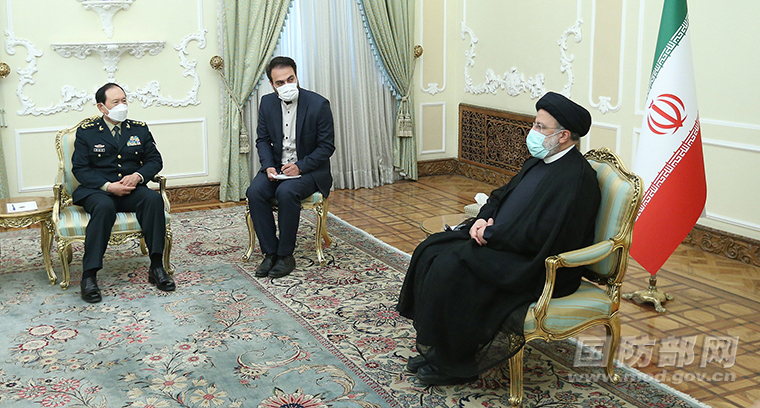
Not “business as usual”: The Chinese military’s visit to Iran
A senior Chinese military delegation landed in Iran for a visit in late April. The readouts from Tehran were rather dull, but there is more to this visit than meets the eye. While a new “axis” may not necessarily be forming, there are troubling trendlines that Western policymakers need to counter.
The Dorra Field: Global gas market impact or bellwether for regional relations?
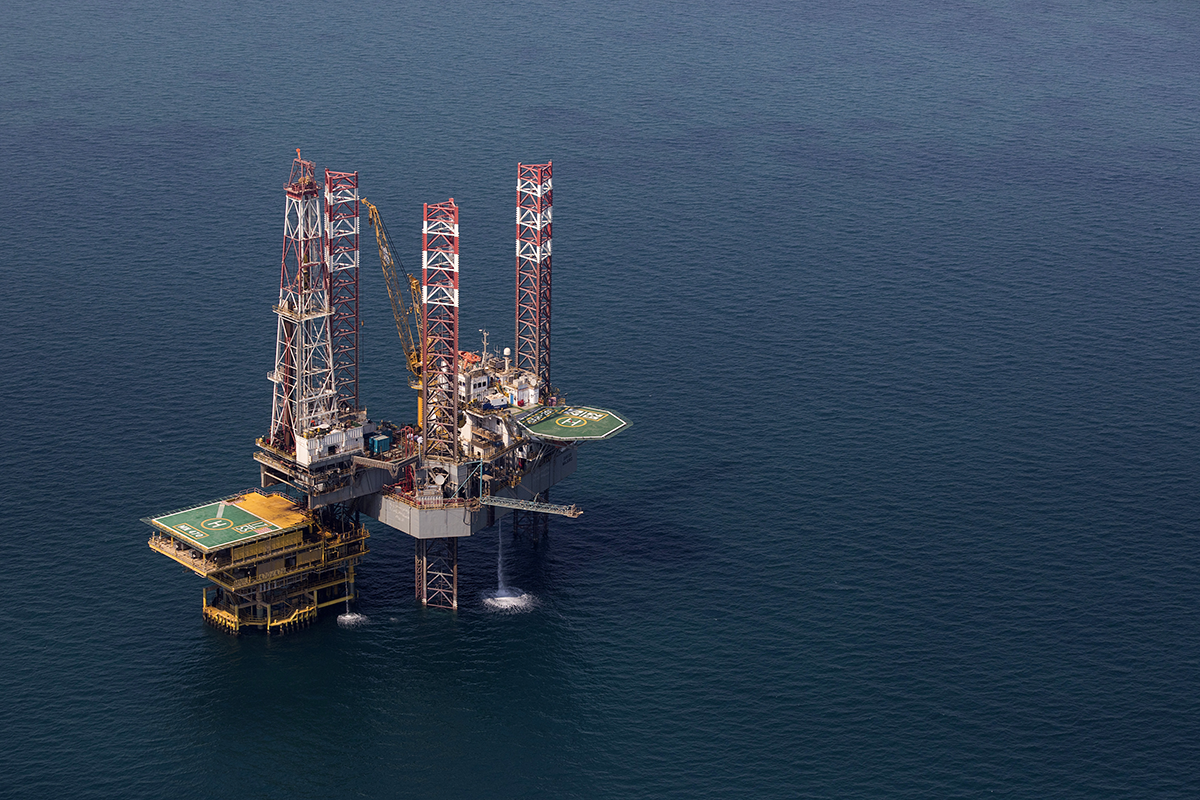
The Dorra Gas Field, located in shallow waters offshore in the northern Arabian Gulf, lies at the junction of competing territorial claims by Kuwait, Iran, and Saudi Arabia. With the growing gas demand in these countries, any production will be absorbed into the domestic network and the impact of production on the global gas and LNG market will be insignificant. However, the development of the field, if it occurs, may serve as a bellwether for regional relations.
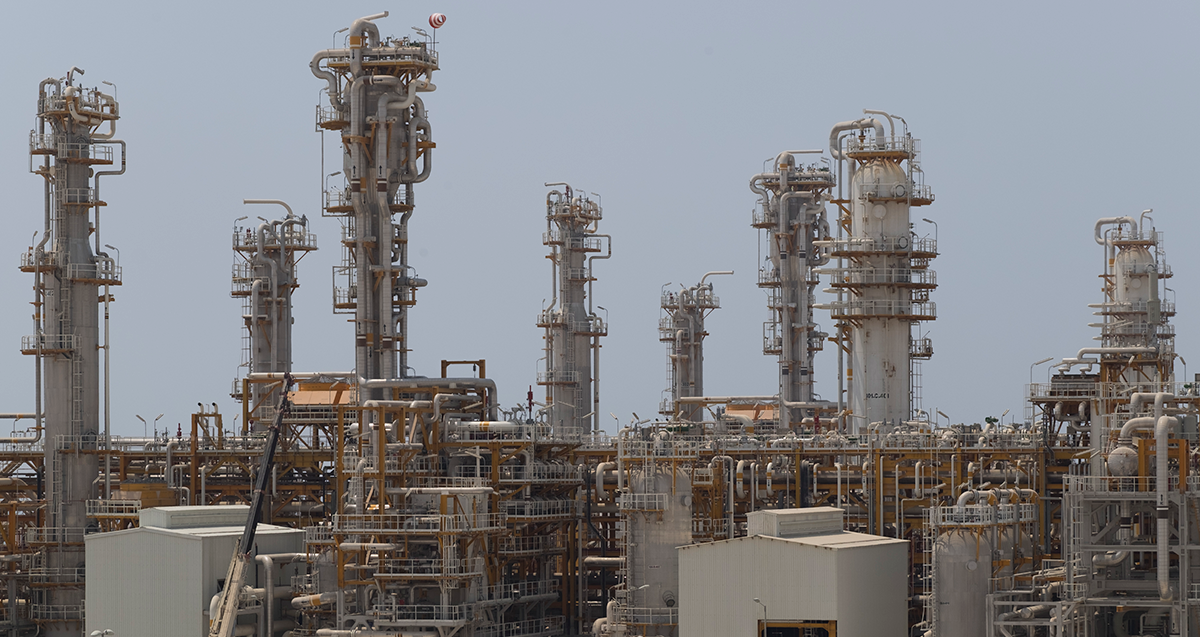
Making the most of Iran’s reserves will require it to develop shared fields like Dorra/Arash, a gas field located offshore in the northern Gulf, where Iran must vie with competing claims from neighboring Kuwait and Saudi Arabia. In the past, Iran has often neglected its joint gas fields as a result of sanctions and focused instead on meeting its rapidly growing domestic needs through exploiting non-shared fields, but the country says this must change going forward.