War in Ukraine and drought at home: A perfect storm in the Maghreb
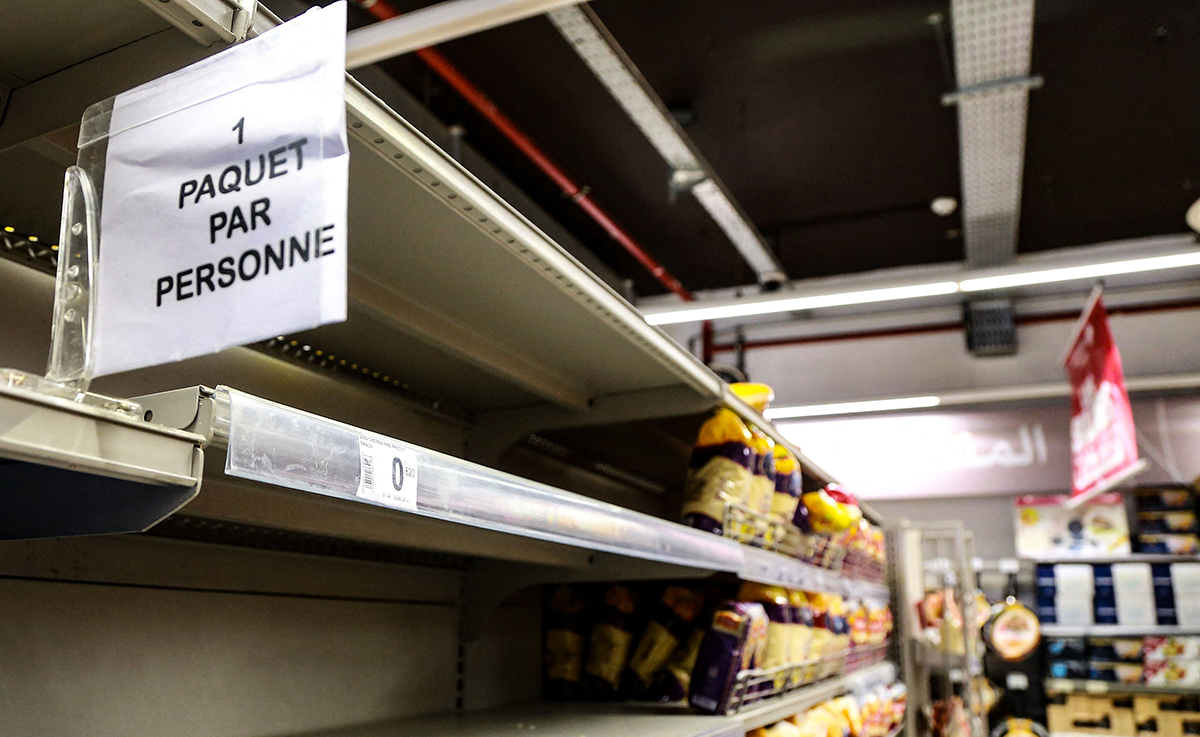
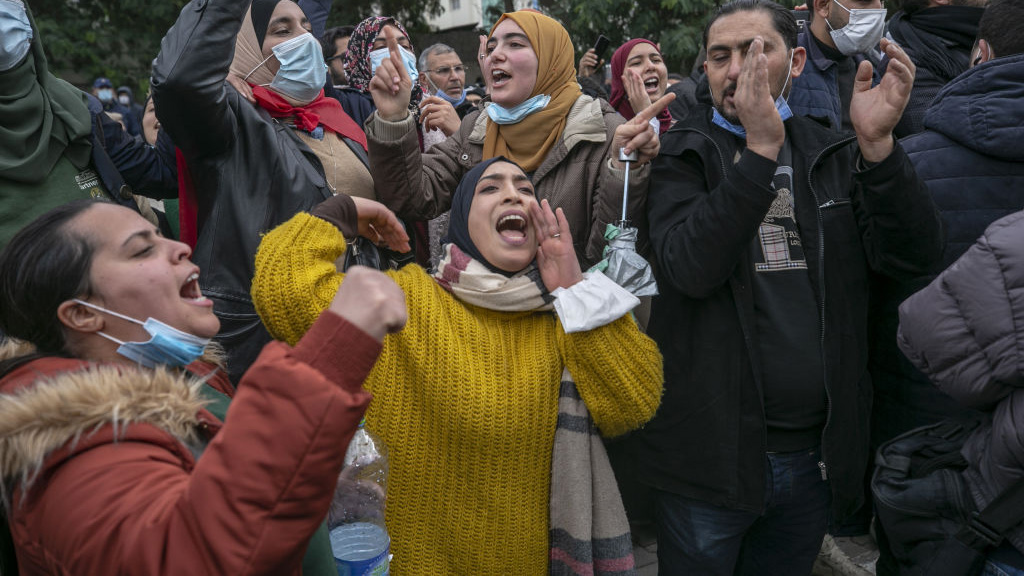
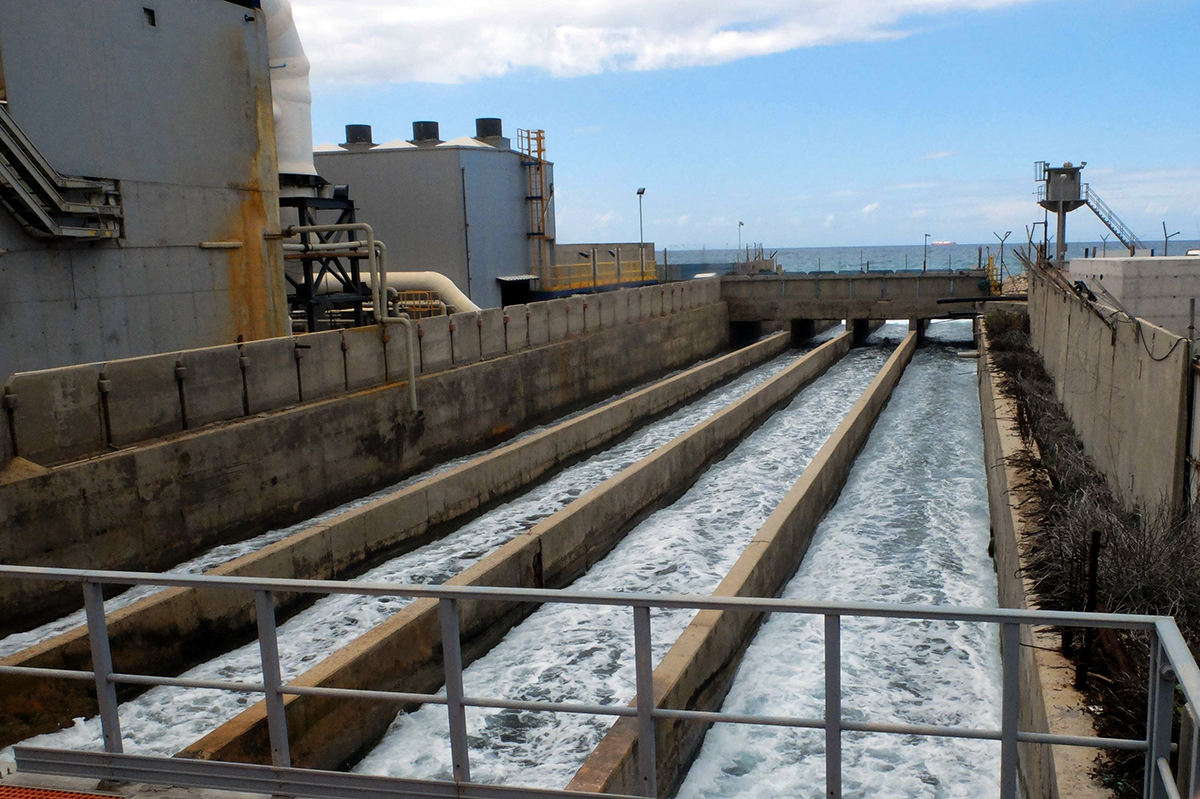
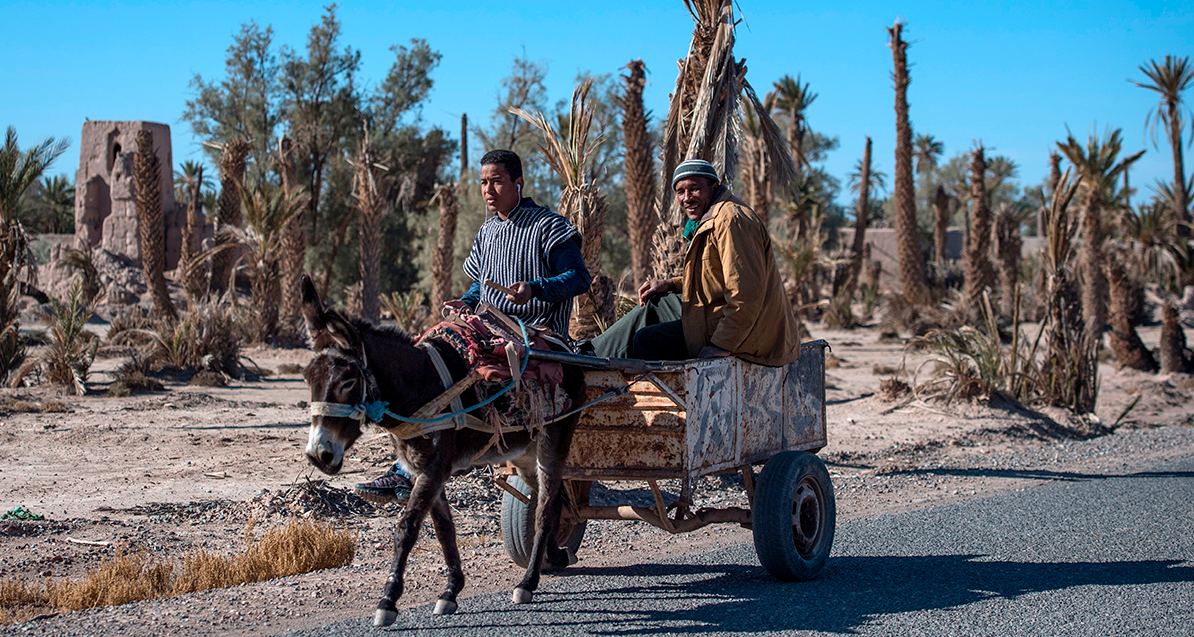
This year was already expected to pose challenges for Morocco, Algeria, and Tunisia. Inflationary pressures have been driving up the price of goods since the fourth quarter of 2021. Persistent unemployment, worsened by the COVID-19 pandemic, aggravated social discontent. Now, as winter turns to spring, socio-economic stability in the Maghreb is being imperiled by the conflict in Ukraine and insufficient rainfall at home.
The "Mediterranean Worlds Forum”: France’s continued pursuit of leadership in the Mediterranean
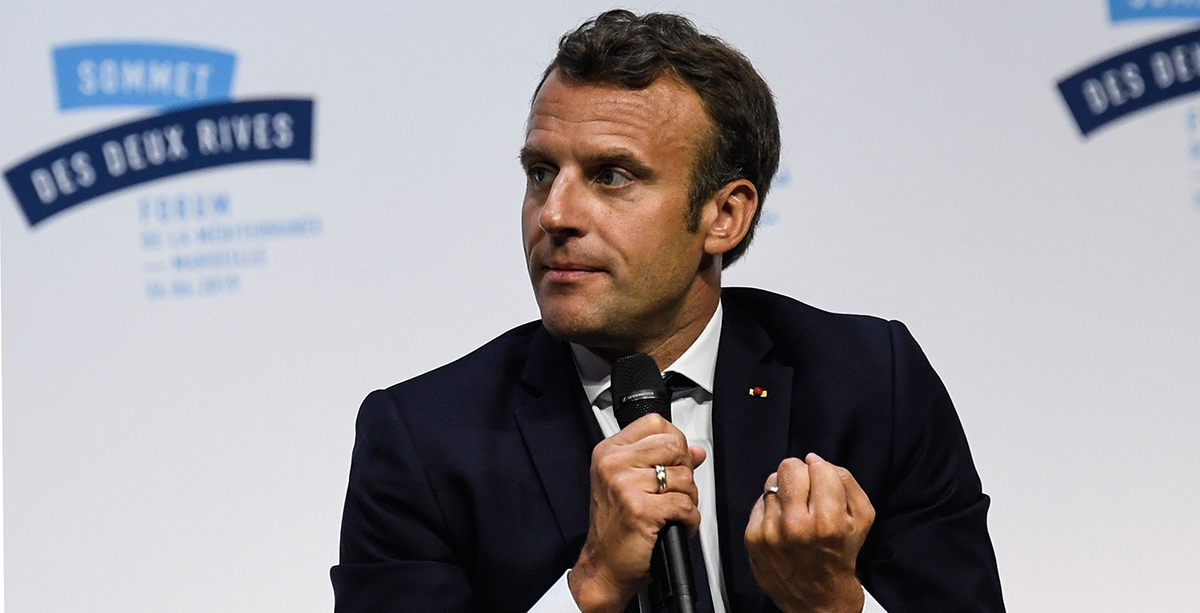
On Feb. 7 and 8, France hosted the “Mediterranean Worlds Forum” in Marseille, following on the heels of the 2019 “Summit of the Two Shores, Mediterranean Forum.” These meetings have the stated goal of “giving new momentum” to relations in the western Mediterranean and illustrate Paris’s push to renew its leadership role in the region.
Women’s labor force participation and COVID-19 in Jordan
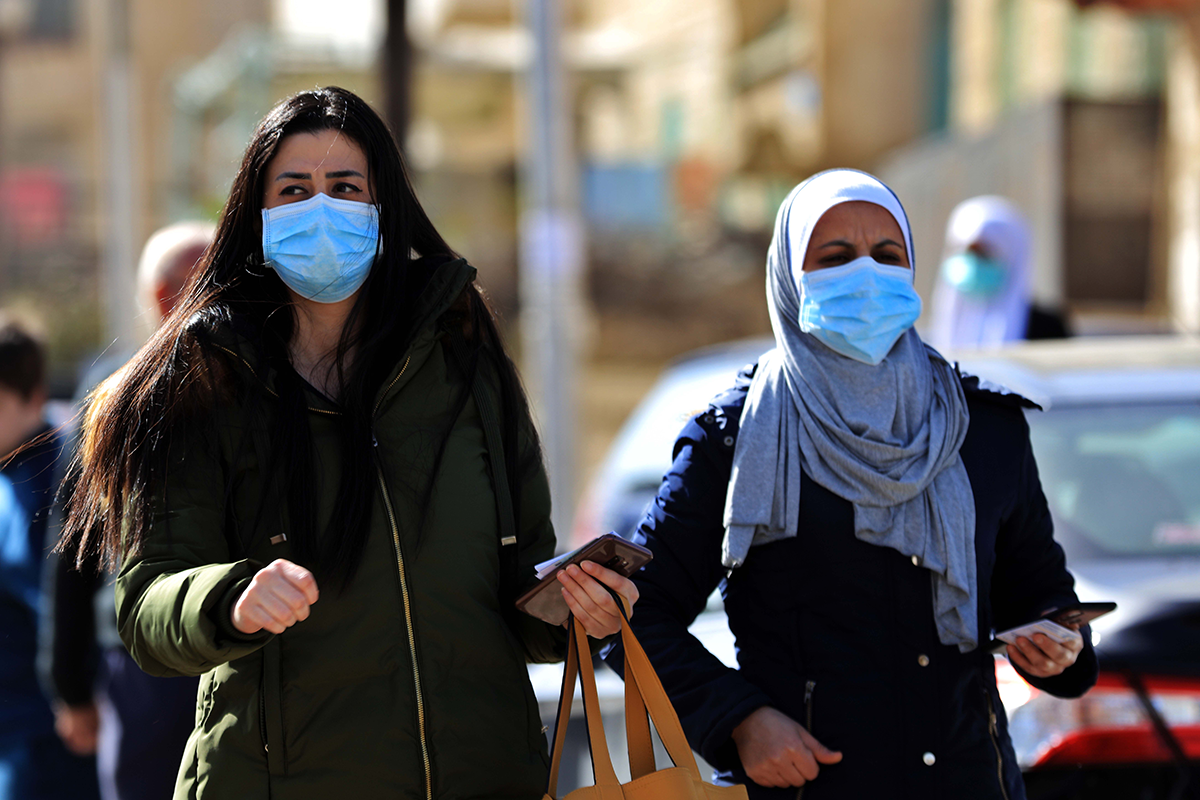
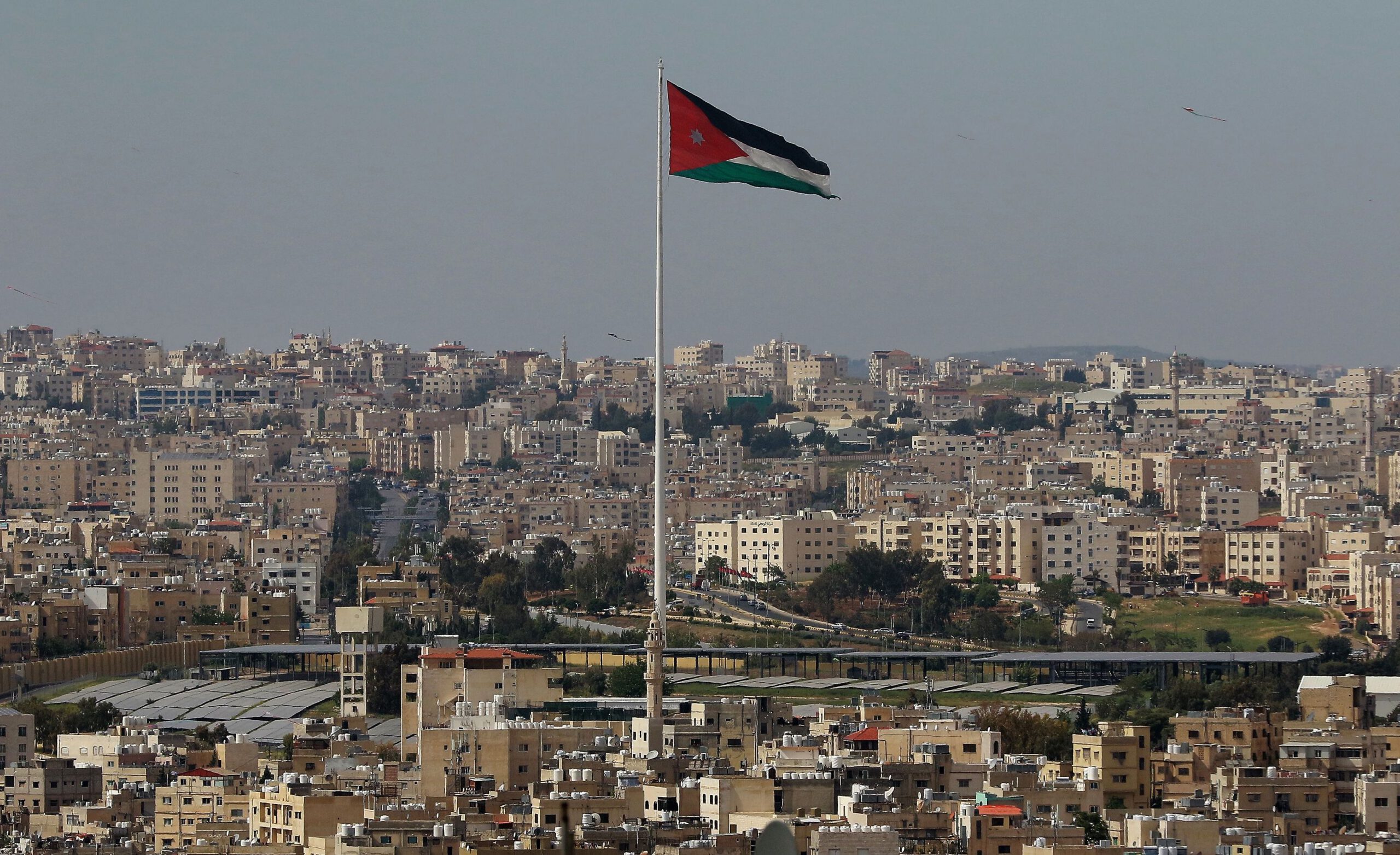
Jordan has the lowest rate of women’s economic participation of any country not at war. According to the ILO, the kingdom’s female labor force participation rate is below 15%, while that of men is about 60%. This is lower than rates of female labor force participation in neighboring Lebanon (23%), Saudi Arabia (22%), and the West Bank and Gaza (18%). As the COVID-19 pandemic stretches on, the government of Jordan should take the opportunity to expand the accessibility of remote work and corresponding opportunities for Jordanian women who aim to play a role in their nation’s economy.
On Dec. 23, Jordanian Minister of Industry, Trade, and Supply Yousef Shamali and Russia’s Ambassador to Jordan Gleb Desyatnikov attended a ceremony to finalize a bilateral cooperation agreement on science, culture, and education. This agreement highlights Jordan’s delicate foreign policy balancing act. The government, led by King Abdullah II, will continue to work with a diverse group of countries, even those with tense relations with the West, to bolster its security and economic opportunities. Mitigating security threats and increasing business opportunities is key to political stability and the continuation of the king’s rule amid Jordan’s persistent socio-economic problems. However, the king will need to be careful not to undermine his closest allies by working with their adversaries.
Morocco’s New Challenges as a Gatekeeper of the World’s Food Supply: The Geopolitics, Economics, and Sustainability of OCP’s Global Fertilizer Exports
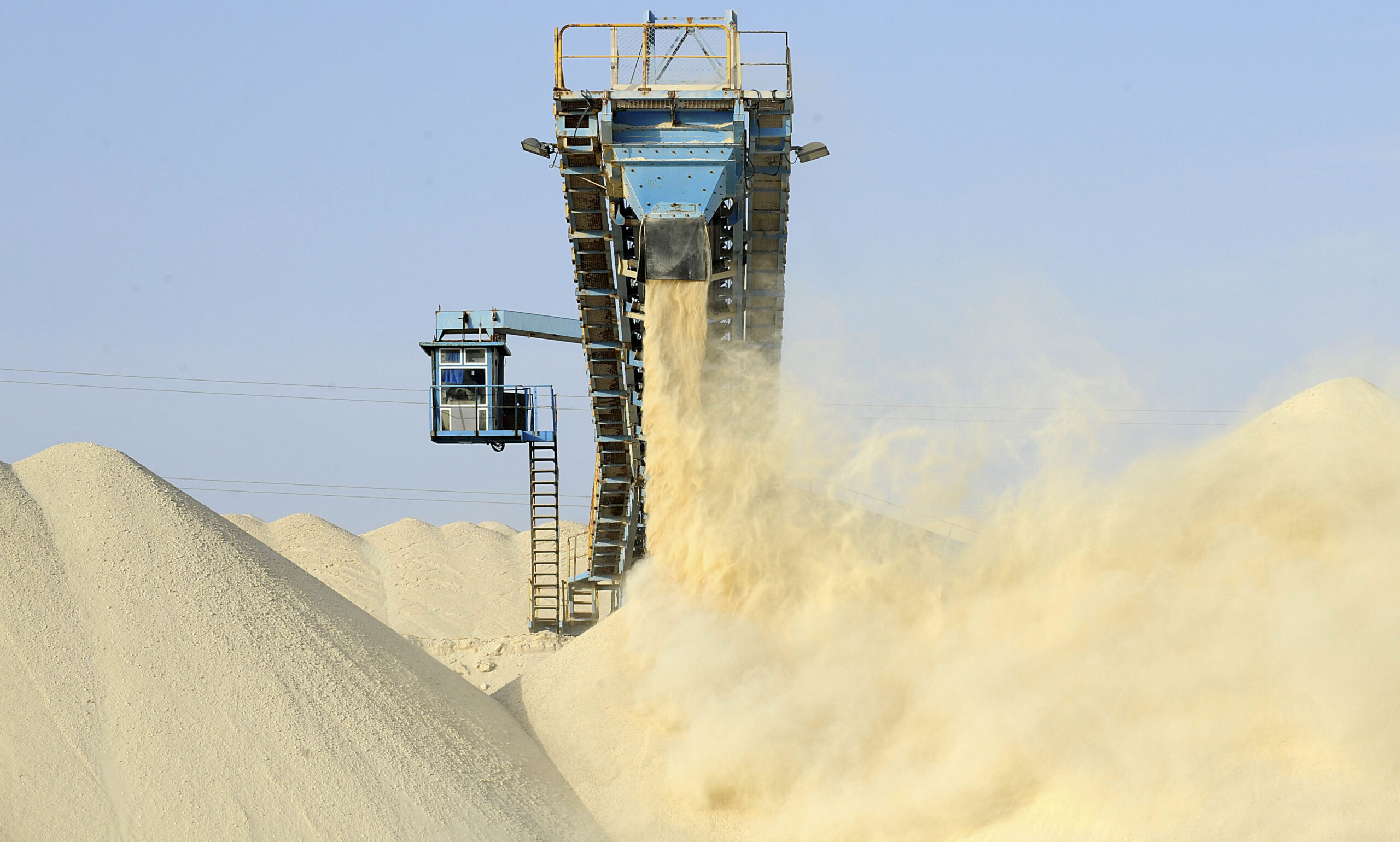
Morocco’s phosphorus fertilizer industry, with its massive production capacity and international reach, has transformed the kingdom into a gatekeeper of global food supply chains. Morocco’s centrality to global food security rests with the fact that all food crops, indeed all plant life, require the element phosphorus to grow and Morocco possesses over 70% of the world’s phosphate rock reserves, from which the phosphorus used in fertilizers is derived. By becoming one of the world’s leading fertilizer exporters, instead of continuing to just export the raw material, Morocco has enriched its economy and elevated its international standing. In Sub-Saharan Africa in particular, the kingdom’s combination of joint venture partnerships in local fertilizer production and deft direct outreach to farmers has resulted in a remarkable boost in African agricultural yields and the notable expansion of Morocco’s soft power influence across the continent.
وضعت الحكومة المغربية الجديدة أولويات الميزانية، لكن هل يمكنها توفير مواردها؟
بعد شهرين في السلطة، أعطت الحكومة المغربية الجديدة إشارات إلى أنها تريد إعطاء الأولوية للتنمية الاجتماعية والتعافي من الآثار المطولة لكوفيد 19 على البلاد. ومع ذلك، فإن استقرار الاقتصاد الكلي، والموارد المالية المحدودة، وزيادة الإنفاق الدفاعي تحد من مدى قدرة الدولة على متابعة وتمويل خطط التنمية الاجتماعية التي تشتد الحاجة إليها.
Exploring the feasibility of the Jordan-Israel energy and water deal
On Nov. 22, the Dubai Expo hosted an event where the United Arab Emirates (UAE), Jordan, and Israel signed a cooperation agreement that would broker an exchange of renewable energy and water between Jordan and Israel. The signing of the agreement between the respective minsters of the three countries took place in the presence of Abu Dhabi Crown Prince Mohammed bin Zayed and U.S. Climate Envoy John Kerry, who played a role in getting the deal done.
Morocco’s new government lays out budget priorities, but can it pay for them?
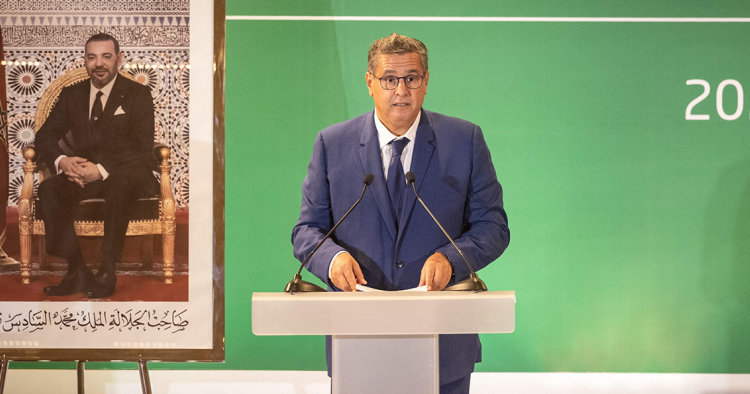
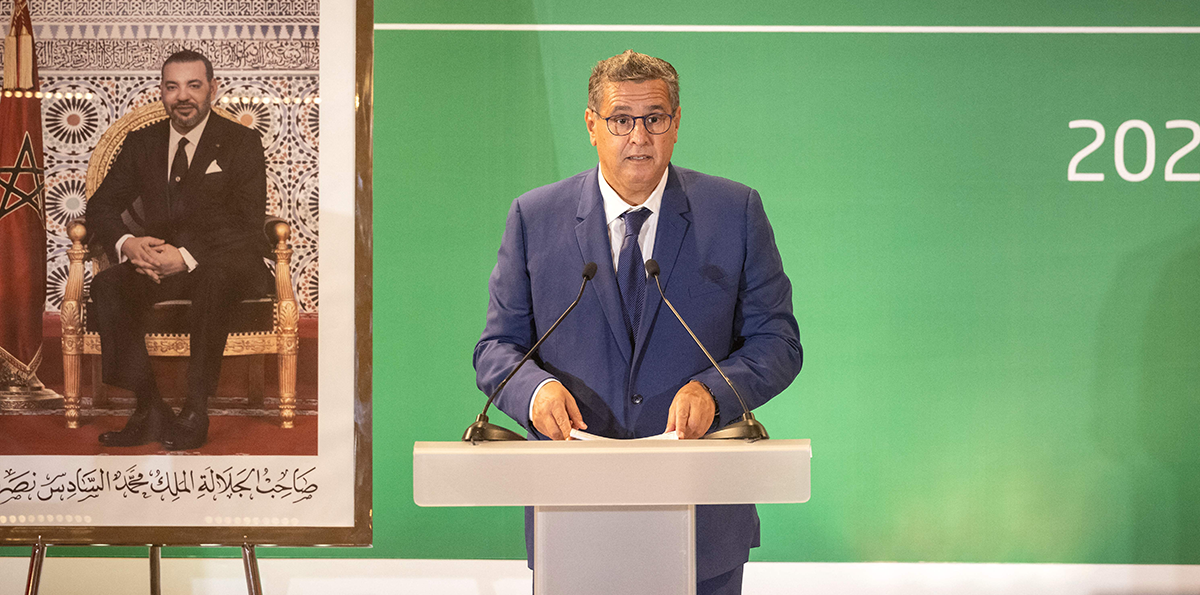
After two months in power, Morocco’s new government has indicated that it wants to prioritize social development and post-pandemic recovery as the country reels from the prolonged impact of COVID-19. However, macro-economic stabilization, constrained financial resources, and increasing defense spending are limiting the extent to which the state can effectively pursue and finance much-needed social development plans.
The existential challenge of Jordan’s unquenchable thirst
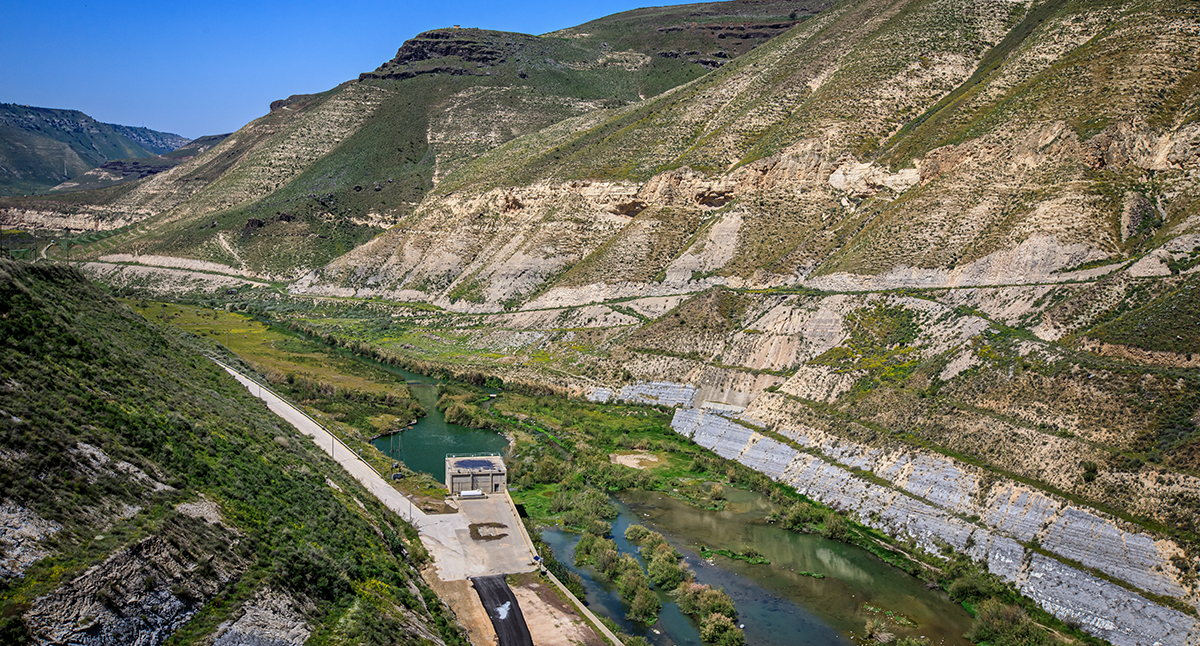
Jordan is facing an existential challenge and it has nothing to do with the deadlocked Israeli-Palestinian peace process, the war in neighboring Syria, or the threat of militant Islamists. The challenge is climate change, which is responsible for poor rainy seasons over the past few years. The situation has become so bad that in the past few weeks the government admitted that six of the kingdom’s 14 active dams have now completely dried up, exacerbating endemic shortages of water used for drinking, irrigation, and industry.
A Mysterious Bombing Heats Up the Algeria-Morocco Standoff
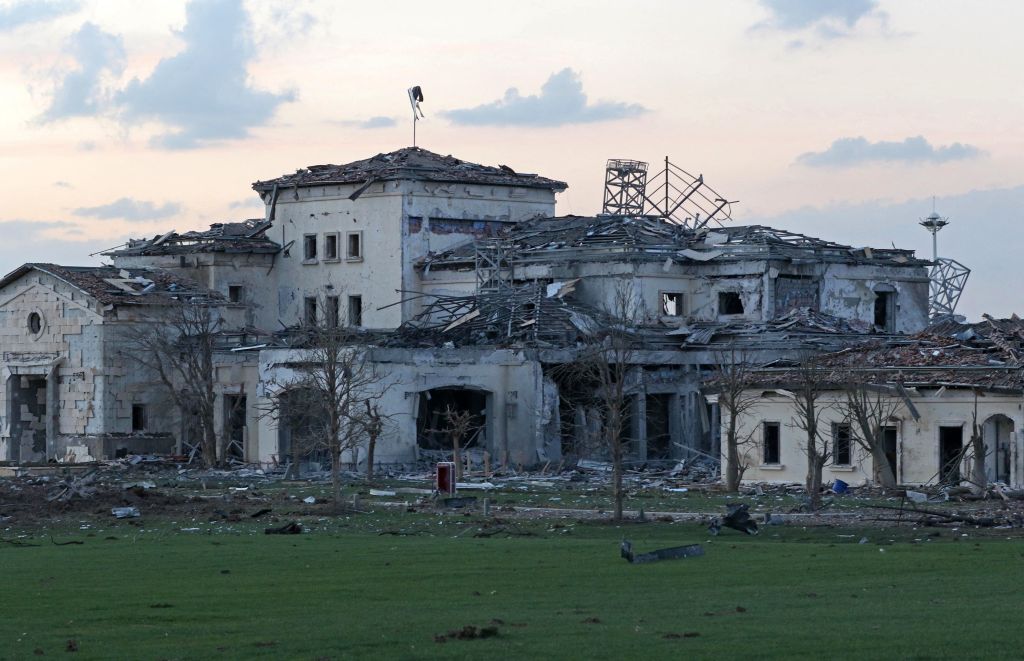
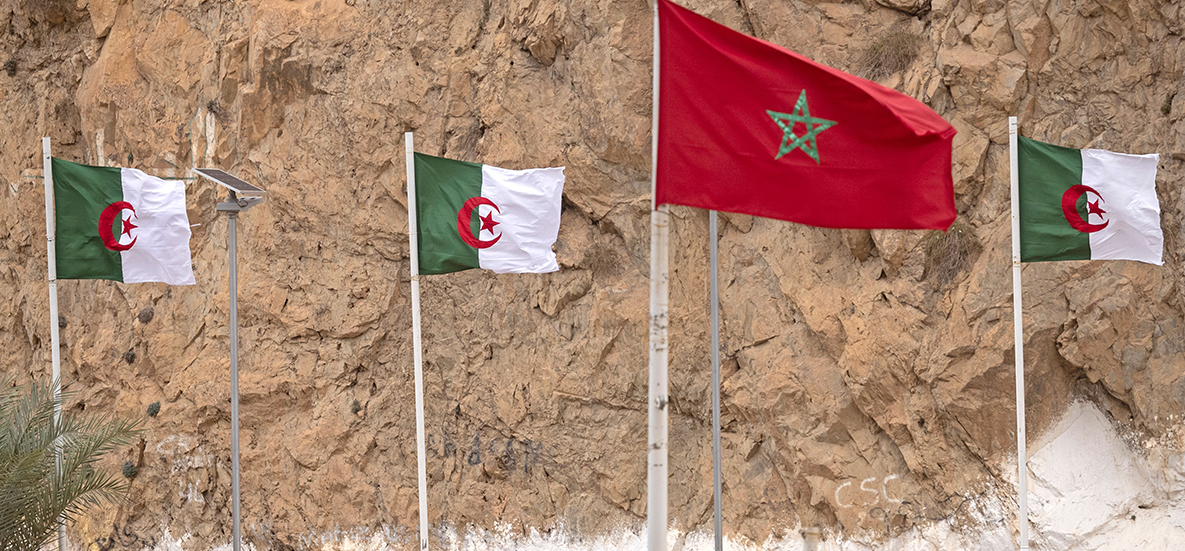
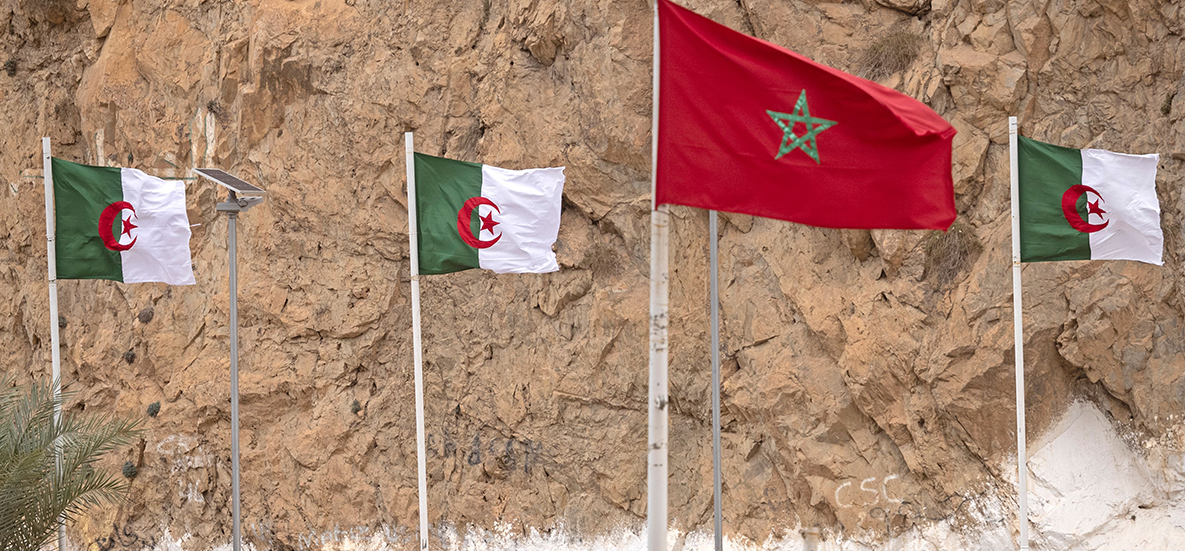
Algeria has blamed Morocco for a Nov. 1 bombing that killed three Algerian truckers in the disputed territory of Western Sahara, adding a new layer of uncertainty to ongoing tensions between the two hostile neighbors.
Algeria-Morocco tensions: The onset of a regional cold war
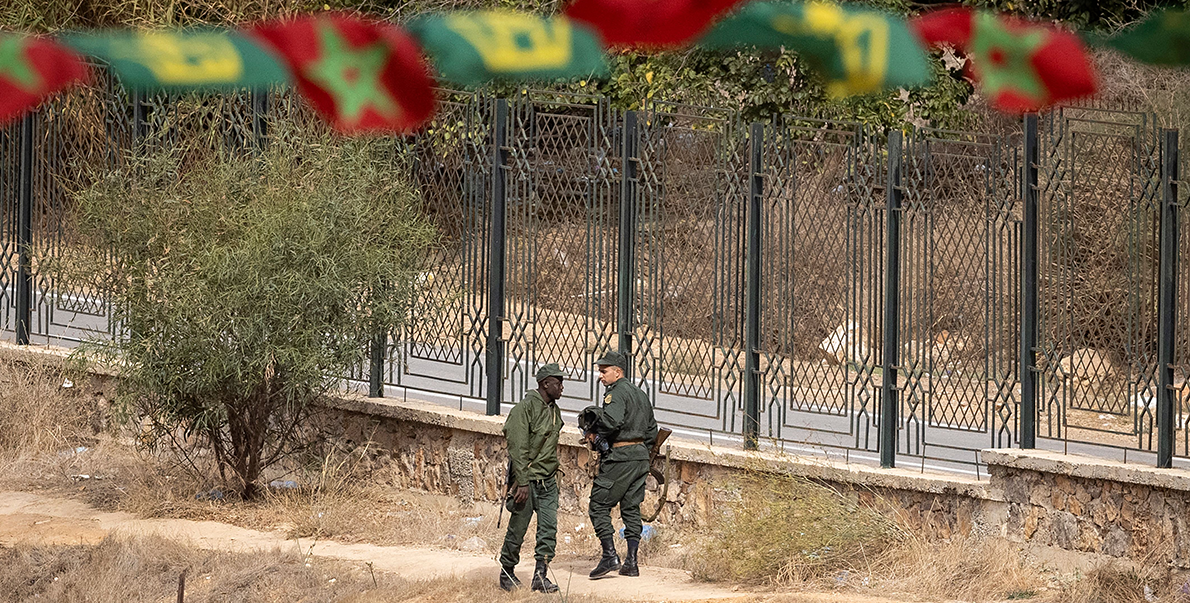
On Nov. 1, three Algerian citizens were killed in the disputed territory of Western Sahara. The Algerian presidency issued a statement accusing Morocco of carrying out an attack with a “sophisticated weapon” on two Algerian transport convoys. This was only the latest episode in a process of escalation between the two countries. The Algerian authorities had previously cut their diplomatic relations with Morocco on Oct. 24 due to rising tensions. Even though the relationship between Algiers and Rabat has long been contentious, the death of three Algerian citizens could prove to be a turning point.
The Fragile State of Food Security in the Maghreb: Implication of the 2021 Cereal Grains Crisis in Tunisia, Algeria, and Morocco
North Africa has entered a food security crisis. Tunisia, Algeria, and Morocco are witnessing food inflation levels not seen since the civil unrest of the Arab Spring a decade ago. Although the Maghreb’s current food crisis was precipitated by the local and global economic shocks brought on by the onset of the COVID-19 pandemic in 2020 and its 2021 aftermath, the structural fragility of the food systems in Tunisia, Algeria, and Morocco is responsible for severity of the problem. At the core of this fragility is the failure to implement adequate measures to address the impact of increased water scarcity and debilitating climate change.