Charting the climate course: Concrete outcomes and expectations from COP28
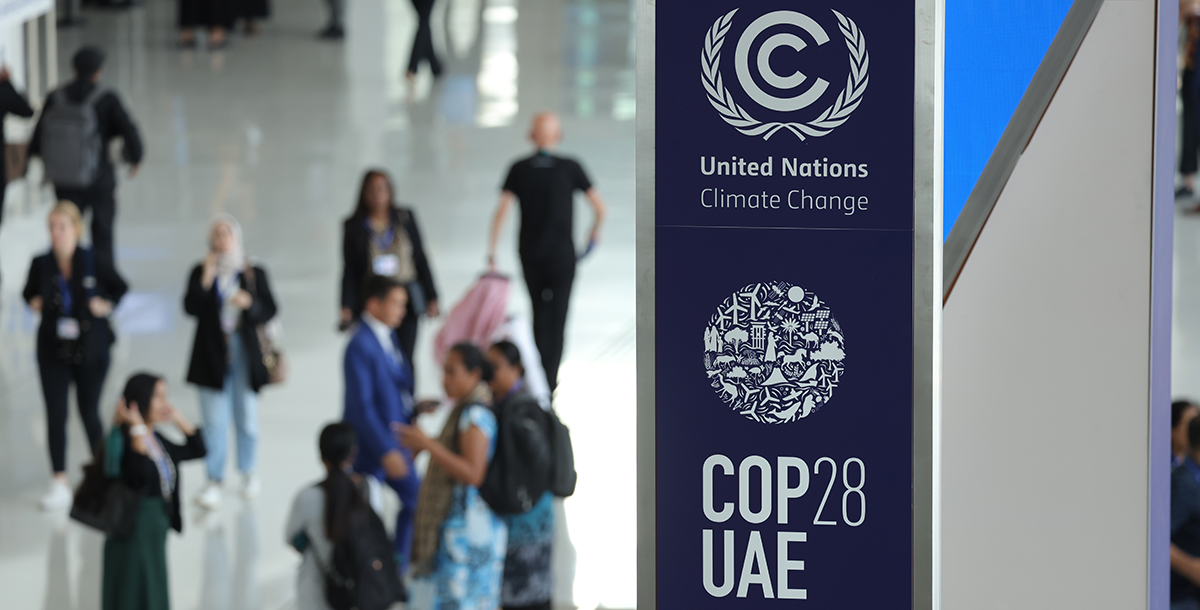
COP28 in Dubai carries a weighty set of expectations as the international community grapples with the urgent need to address the escalating climate crisis. It is anticipated to be a pivotal moment in the collective effort to mitigate climate change and adapt to its impacts.
With COP28 set to kick off later this week at Expo City, Dubai, in the United Arab Emirates, MEI’s Mohammed Mahmoud takes a closer look at five key questions that will influence the course and outcomes of the proceedings.
Climate casualties: How the Gaza war threatens Mideast climate action
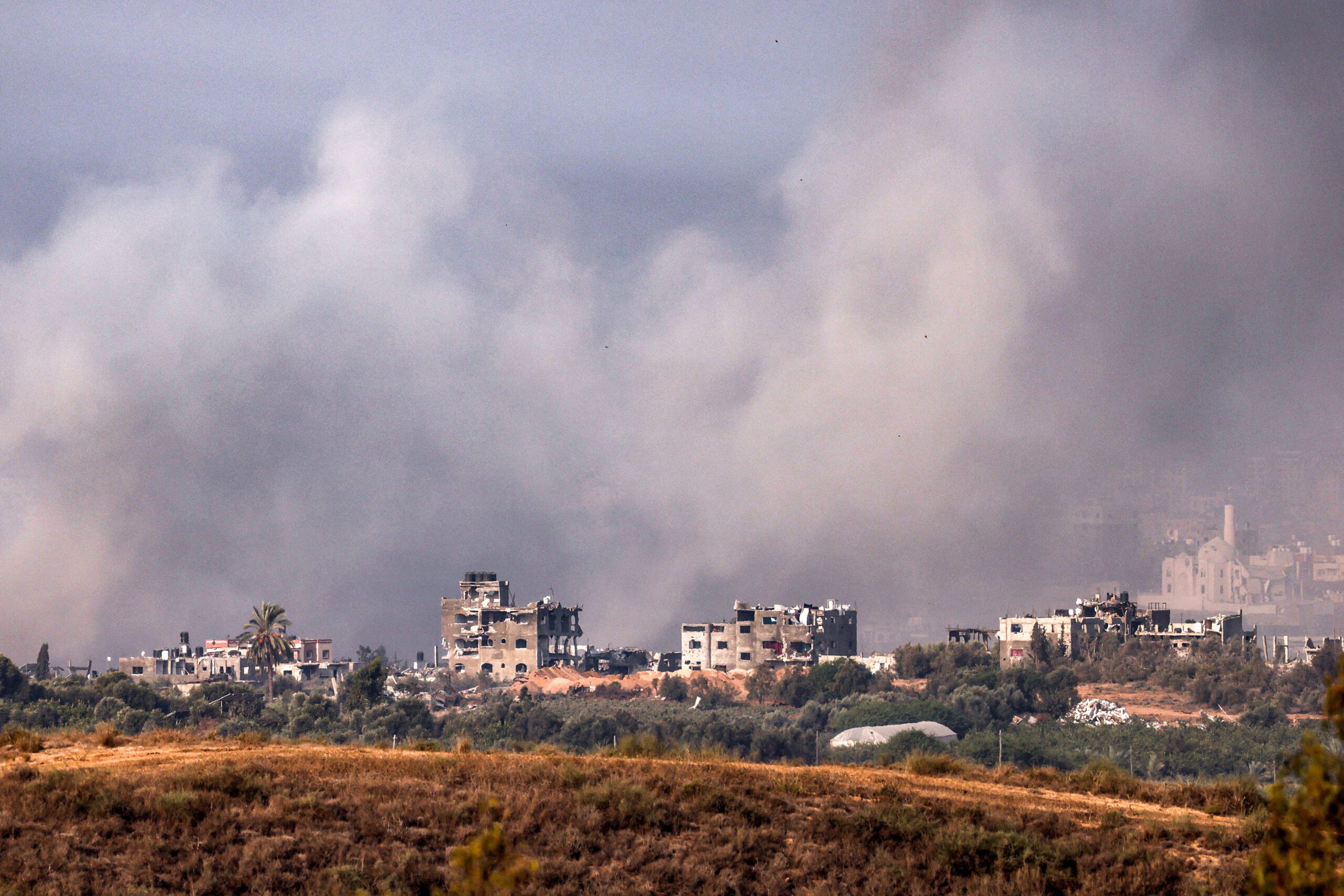
The renewed violence in Gaza could not have come at a less opportune time for the climate agenda in the Middle East. From energy economics to environmental degradation, the ripple effects of conflict will complicate the path ahead.
After the Gaza War: The Risks of Deterrence and the Chances of Peace
Policymakers in the United States, Europe, and the Middle East are rightly focused on where the current crisis in Gaza is headed. The humanitarian disaster hovering over the region since Hamas’ October 7 attacks on Israel has resulted in countless lives lost and now threatens regional and global security. Among many of the issues occupying policymakers is the concern that new fronts in the war will open, potentially involving the West Bank, Hezbollah, the Houthis, and even Iran.
The October 7 Hamas attack: An Israeli overreliance on technology?
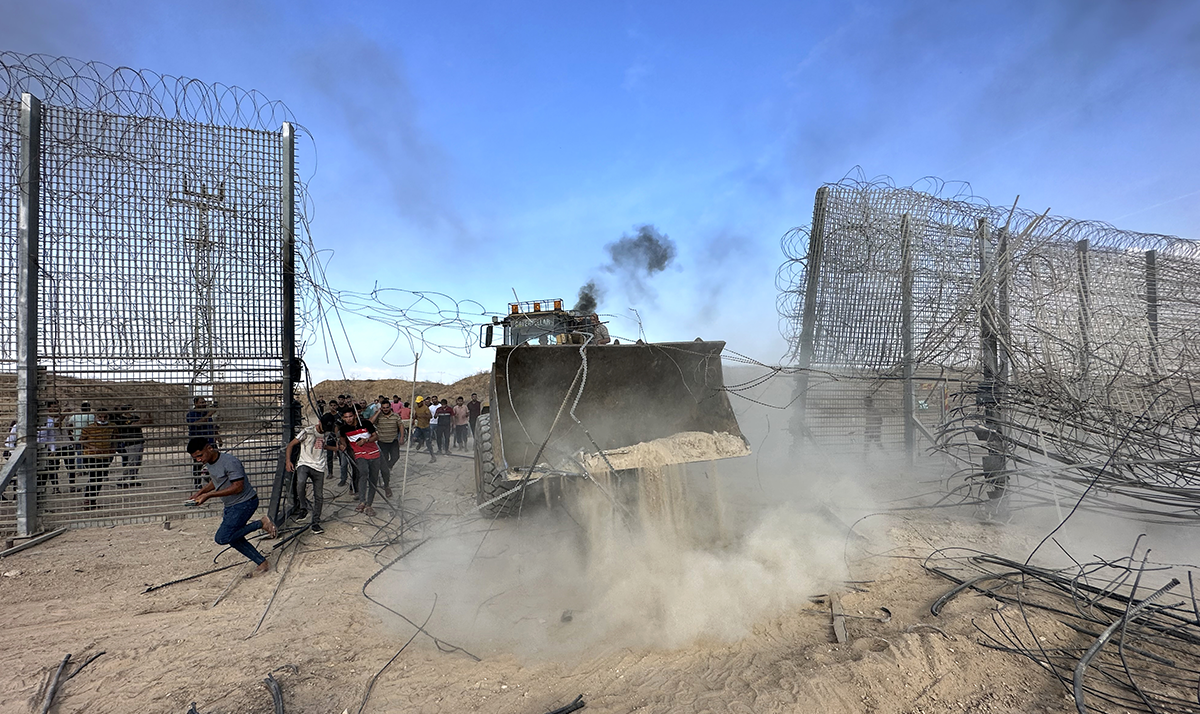
Did the IDF rely too heavily on advanced technologies in its effort to secure and fortify Israel’s border with Gaza? That is one of many questions that have arisen in the days since Hamas’ Oct. 7 incursion into Israel and attacks on Israeli forces and civilians. The absence of early warnings from data collected via sensors, cameras, and surveillance drones along the border’s “smart fence,” as well as the penetration of the Iron Dome missile defense system, has led to a sense that Israel experienced a tragic “high-tech failure.”
Bytes and Beltways: Decoding Beijing’s Tech-Centric Geopolitics in the Gulf
As China pursues a grand strategy aimed at displacing the US-led global order, technology has emerged as a fourth pillar alongside the political, military, and economic elements of its plans. A test case is the Arabian Gulf. Since the 2010s, China has been strategically enhancing its influence in West Asia, with a particular focus on the Gulf states, leveraging technology as a potent tool. This approach involves the deployment of Chinese software and hardware, coupled with joint technology and cyber initiatives.
In the eye of the storm: The battle over fossil fuels at COP28
As the existential threat of climate change continues to intensify, the future of fossil fuels has been thrust into the international spotlight. Reducing hydrocarbon production and consumption has gained traction in international climate talks amid warnings that the window to avoid catastrophic warming is closing quickly.
Carbon trading in the MENA region: Opportunities and challenges
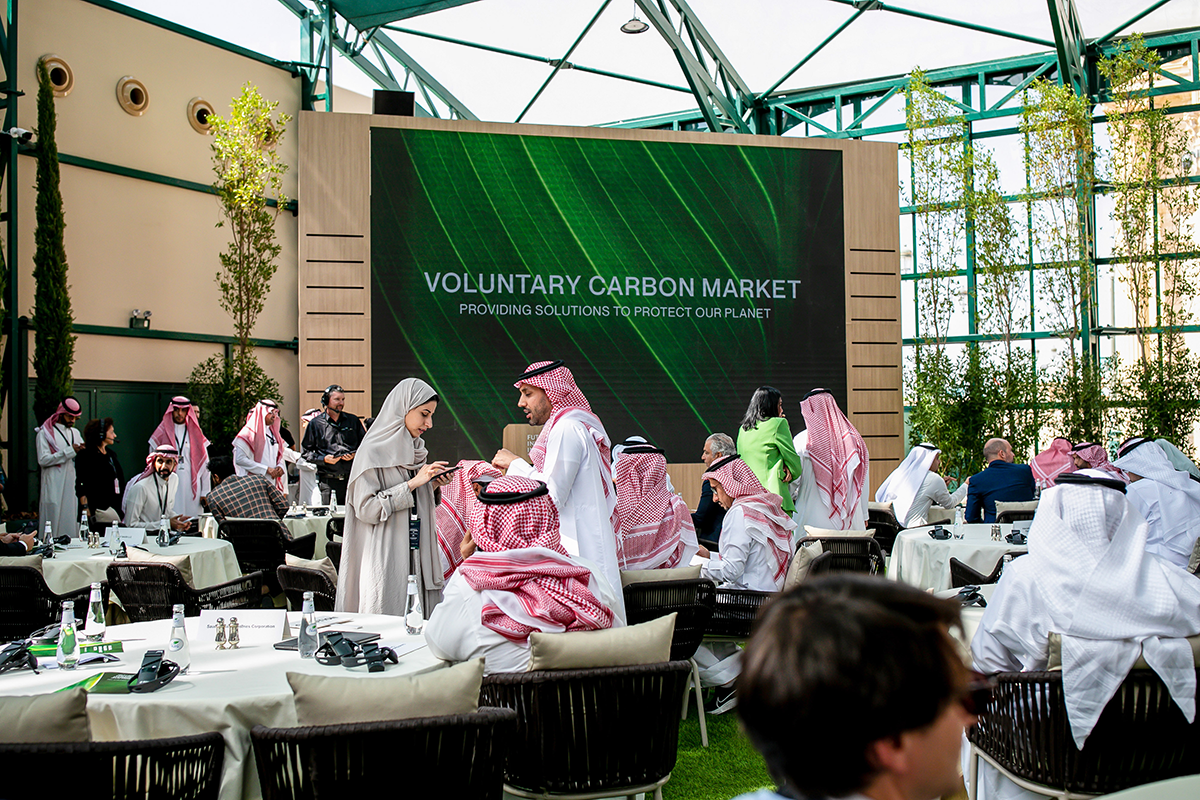
One of the key outcomes of the COP26 meeting in Glasgow in 2021 was the establishment of Article 6, which regulates carbon markets under the U.N. Framework Convention on Climate Change. It is argued that carbon markets could lead to more rigorous climate action by enabling governments and entities to trade carbon credits generated by the reduction or removal of greenhouse gases from the atmosphere, such as by phasing out fossil fuels and switching to renewable energy or conserving carbon stocks in ecosystems like forests.
The US Cyber Workforce and Education Strategy: A blueprint for building cyber talent in the Gulf
In July 2023, the White House released the National Cyber Workforce and Education Strategy. The strategy is designed to address the cybersecurity workforce shortage by emphasizing skills-based hiring and lifelong learning. It also provides guidance for other nations, particularly in the Gulf region, as they undergo their own digital transformation and work toward gender equality in their workforces.
Climate change and the Arabian Sea: Adapting to a “new normal”
In the summer of 2022, flash flooding due to heavy monsoon rains in Pakistan, Oman, the UAE, and southeast Iran killed well over 1,000 people. In this part of the world, the extreme shifts in weather between monsoon and dry season dictate subsistence cycles and financial livelihood. Shifting global precipitation patterns due to climate change, however, are altering the timing and magnitude of these events. What can be done to adapt to this new reality? Can infrastructure be adapted, optimized, or possibly even reimagined to take advantage of such events?
Shared governance of groundwater resources: The case of the Nubian Sandstone Aquifer System
Groundwater resources are critical for the MENA region as much of it suffers from high water scarcity, and for some countries, groundwater aquifers are the only sources of available freshwater supply. The Nubian Sandstone Aquifer System in northeastern Africa is one of the most prominent examples, and must be managed properly in order to maintain regional security and avoid transboundary conflicts.
Iran has yet to ratify the 2015 Paris Agreement, but efforts to address the impact of climate change have great potential to create opportunities for mutually beneficial cooperation, building on the recent trend of regional de-escalation. Climate diplomacy represents an untapped opportunity for Iran to engage globally by incentivizing it to adopt the U.N. Sustainable Development Goals in exchange for sanctions or debt relief.
How northern Syria’s triple water crisis is exacerbating its people’s woes
As the humanitarian, political, and economic challenges in Syria are occurring simultaneously with increasingly hot and dry summers, conflict- and climate-related factors have compounded, resulting in the emergence of a so-called “triple water crisis.”
Director of MEI’s Climate and Water Program Mohammed Mahmoud speaks to energy and sustainable infrastructure expert Lucia Fuselli on the role of climate financing – a critical component of initiatives aimed at reducing greenhouse gas emissions and bolstering climate resilience.