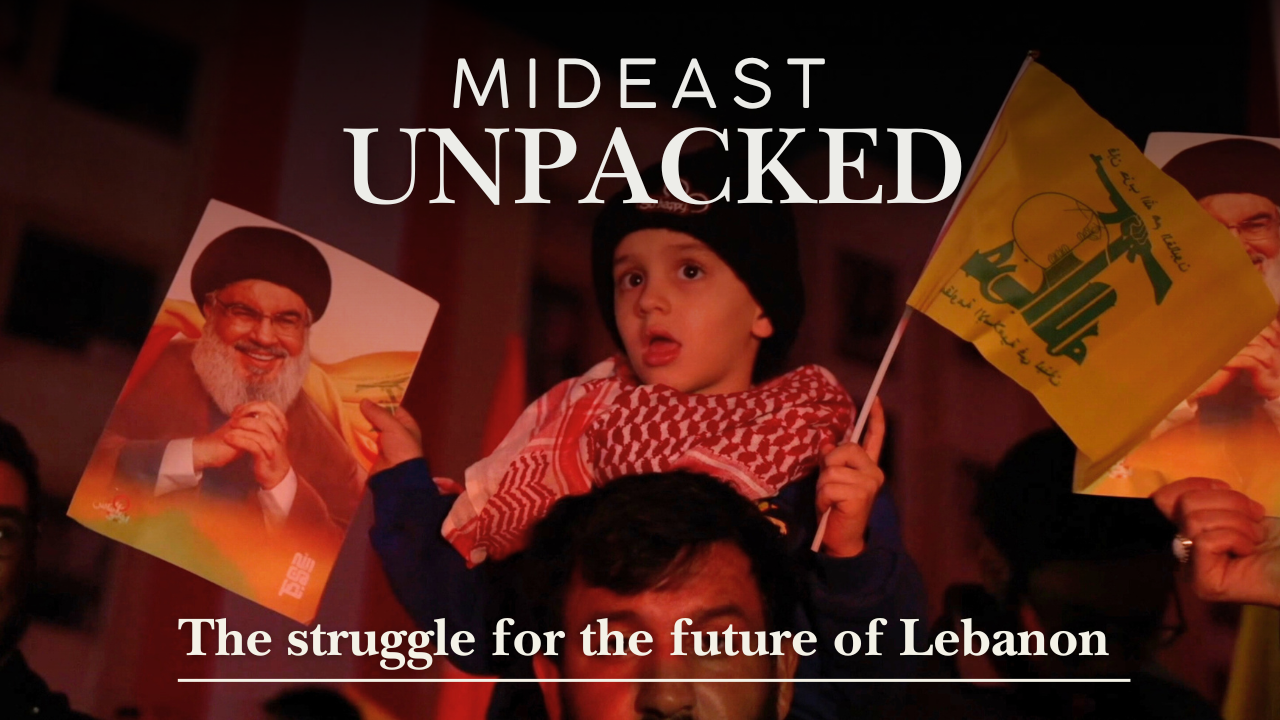
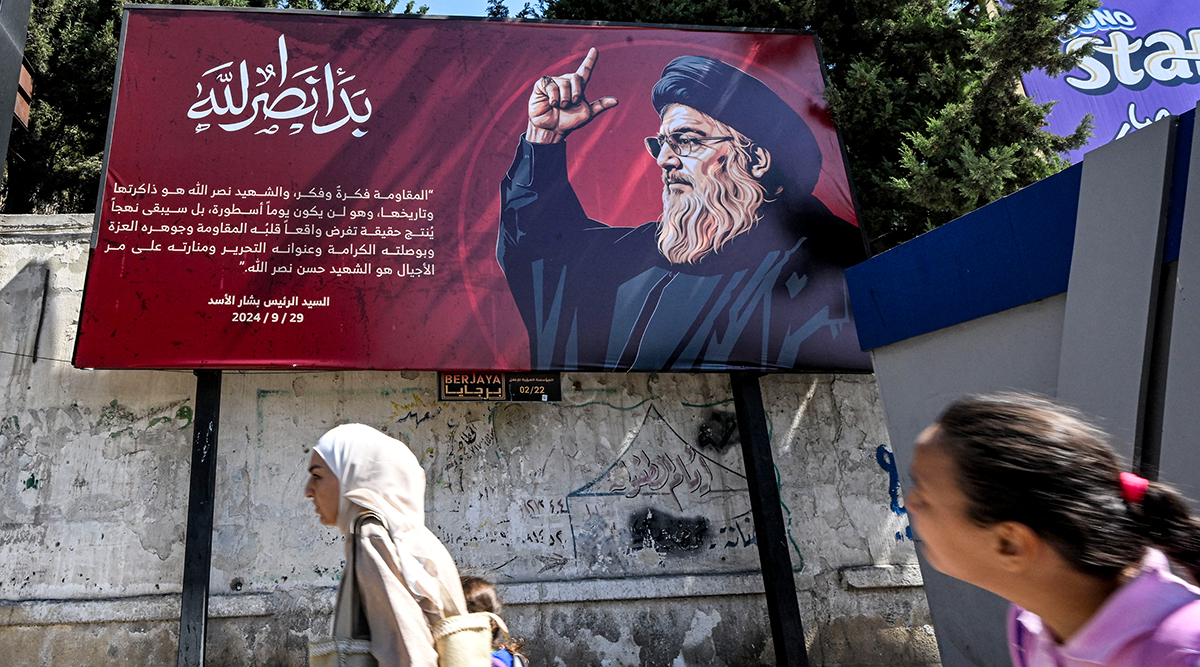
Nasrallah’s funeral is one of the most consequential moments for Lebanon & the Levant. Will the show of force mark the start of Iran’s campaign to sabotage an emerging American order? Much depends on what the US does next. MEI’s Firas Maksad offers insights & recommendations.
Act 1 of Trump’s Middle East policy: Off script or no script?
The Trump administration’s Middle East approach in its first three weeks back in office was filled with plenty of sound and fury. It’s still too soon to tell whether all of the noise signifies much of anything for the region, yet there are few promising signs of a smooth ride ahead.
Beyond “Maximum Pressure” in US Policy on Iran: Leveraging Regional Partners to Contain Iran's Actions and Shape its Future Choices
In his second term in office, President Donald Trump faces a Middle East undergoing multifaceted upheaval and an Islamic Republic of Iran currently in its weakest and most isolated position since the founding of the regime in 1979. Yet far from permanently subdued, Tehran continues to move closer to building a nuclear weapon, and it is trying to preserve its regional network of proxies and non-state allies. Trump now faces an important strategic choice on Iran policy. This report analyzes three overarching dynamics: the shifting strategic landscape across the Middle East in 2023-24; the impact of these shifts on Iran and its Axis of Resistance network; and Iran’s current position and standing at home and in the region. It concludes with a series of strategic-level recommendations for the new administration.
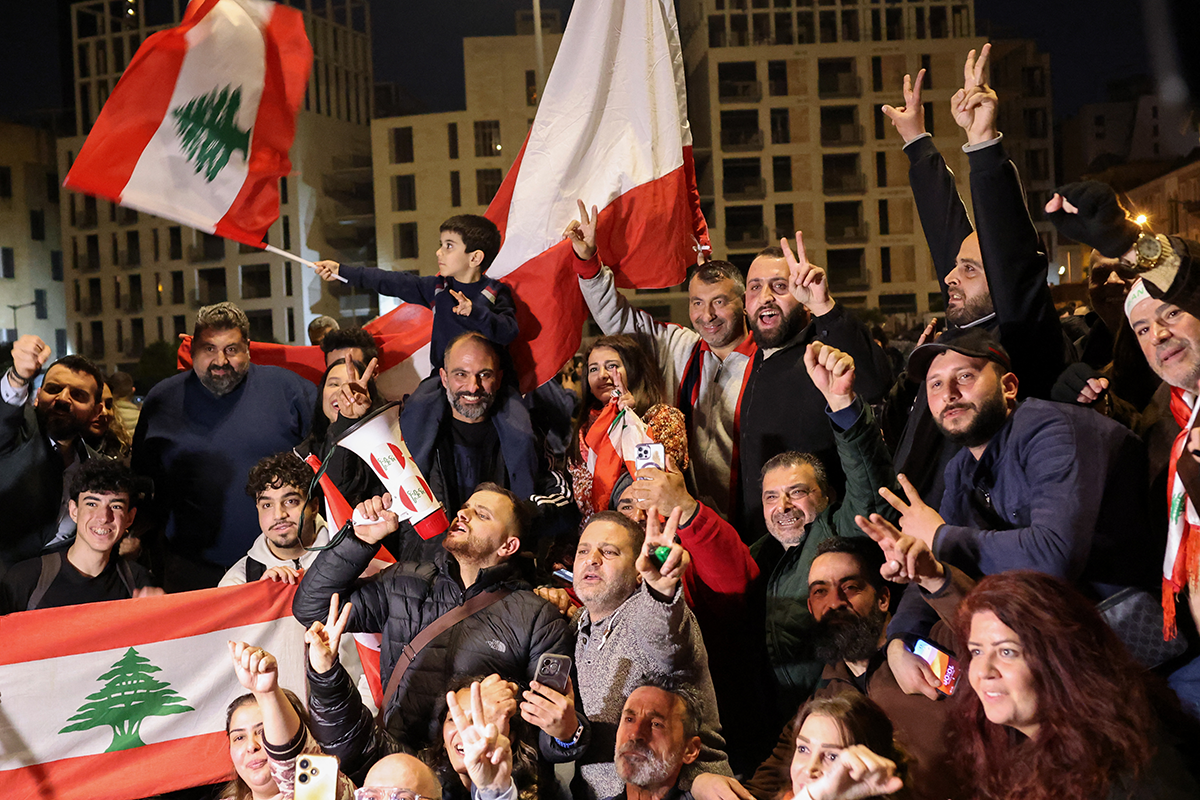
The election of President Joseph Aoun and Prime Minister Nawaf Salam is a political breakthrough in Lebanon and a harbinger of what could happen in a country long dismissed as unsalvageable. Beirut’s new leadership reflects the aspiration of a majority of the Lebanese people to live in a functioning state free from the dual drivers of its failure: political violence and pervasive corruption. Those leaders must now deliver on their commitment to establish a state committed and accountable to its people and rise to meet the responsibility that comes with holding the promise of a nation’s future.
With election of nationalist president, Lebanon moves to exit the Axis of Resistance
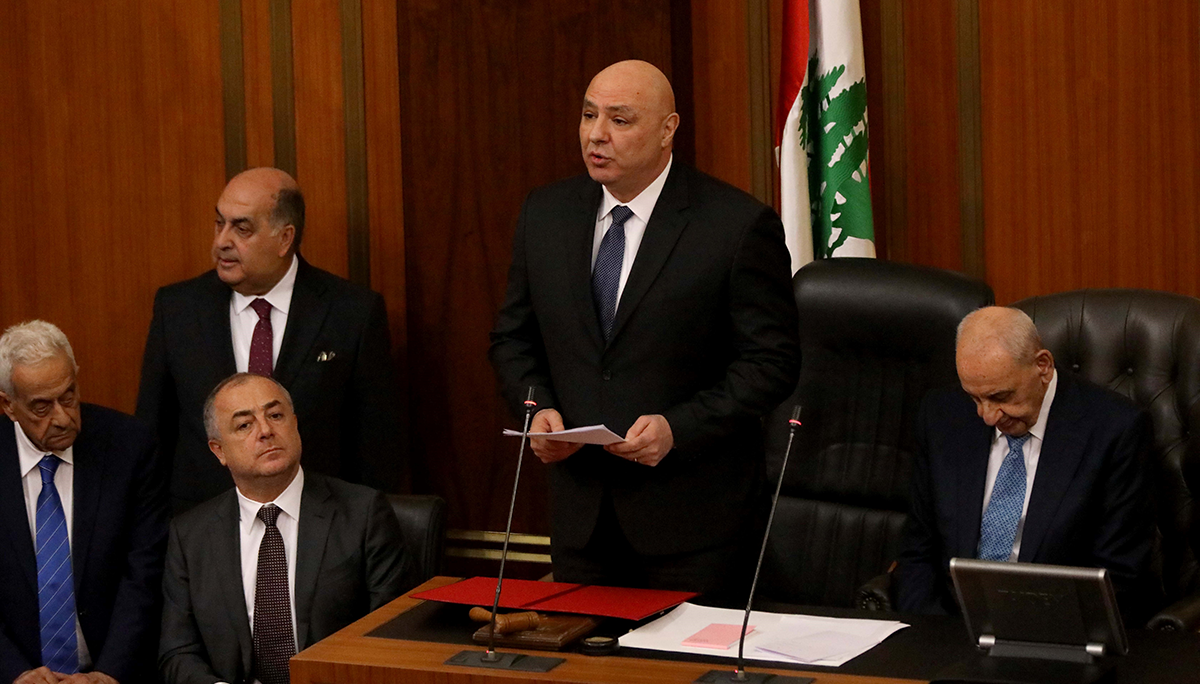
With a nearly unanimous 99 out of 128 votes, the Lebanese parliament elected the head of the army, Gen. Joseph Aoun, as Lebanon’s 14th president on Jan. 9. In a strong inaugural speech Aoun laid out an ambitious agenda premised on regaining the Lebanese state’s monopoly of the use of force, securing the country’s borders and ports, strengthening the rule of law, and encouraging a raft of long-overdue reforms.
A different Middle East: How should Washington respond?
A very different Middle East will greet President-elect Trump this month compared to the region he experienced during his first term. However, there are opportunities to advance American interests for a more stable and less conflictual Middle East, which might not require the kind of intense US commitment we have seen over the last quarter-century.
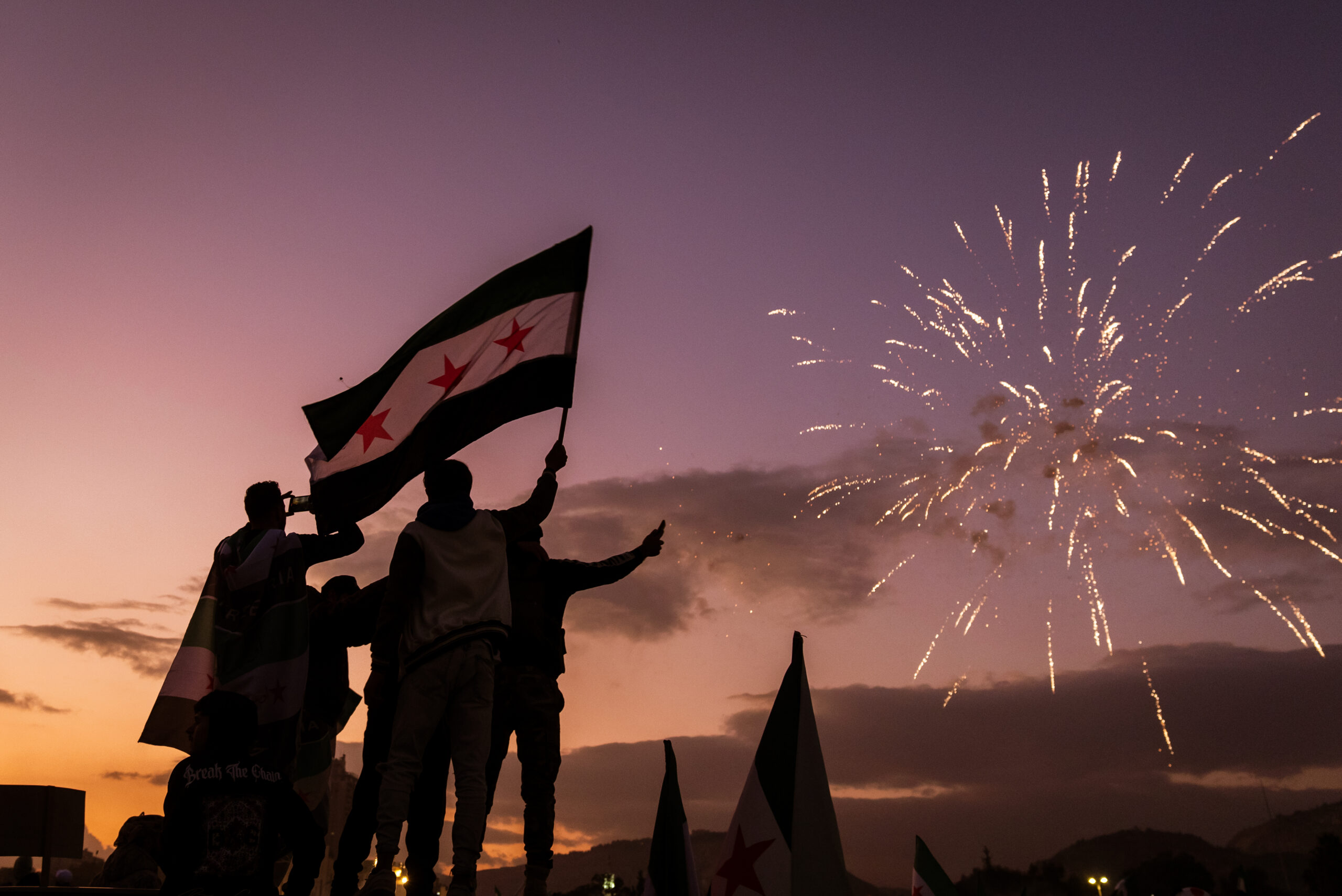
In only six days, a broad coalition of advancing opposition forces coordinated by Hayat Tahrir al-Sham has captured all of Idlib province, almost all of Aleppo province, and a sizeable stretch of northern Hama — a humiliating defeat for Bashar al-Assad and illustrative of the fragility of regime rule in Syria.
Putting Lebanon back on the path of statehood and economic recovery is not only an urgent necessity for the Lebanese but also a step toward building a more peaceful and prosperous Middle East
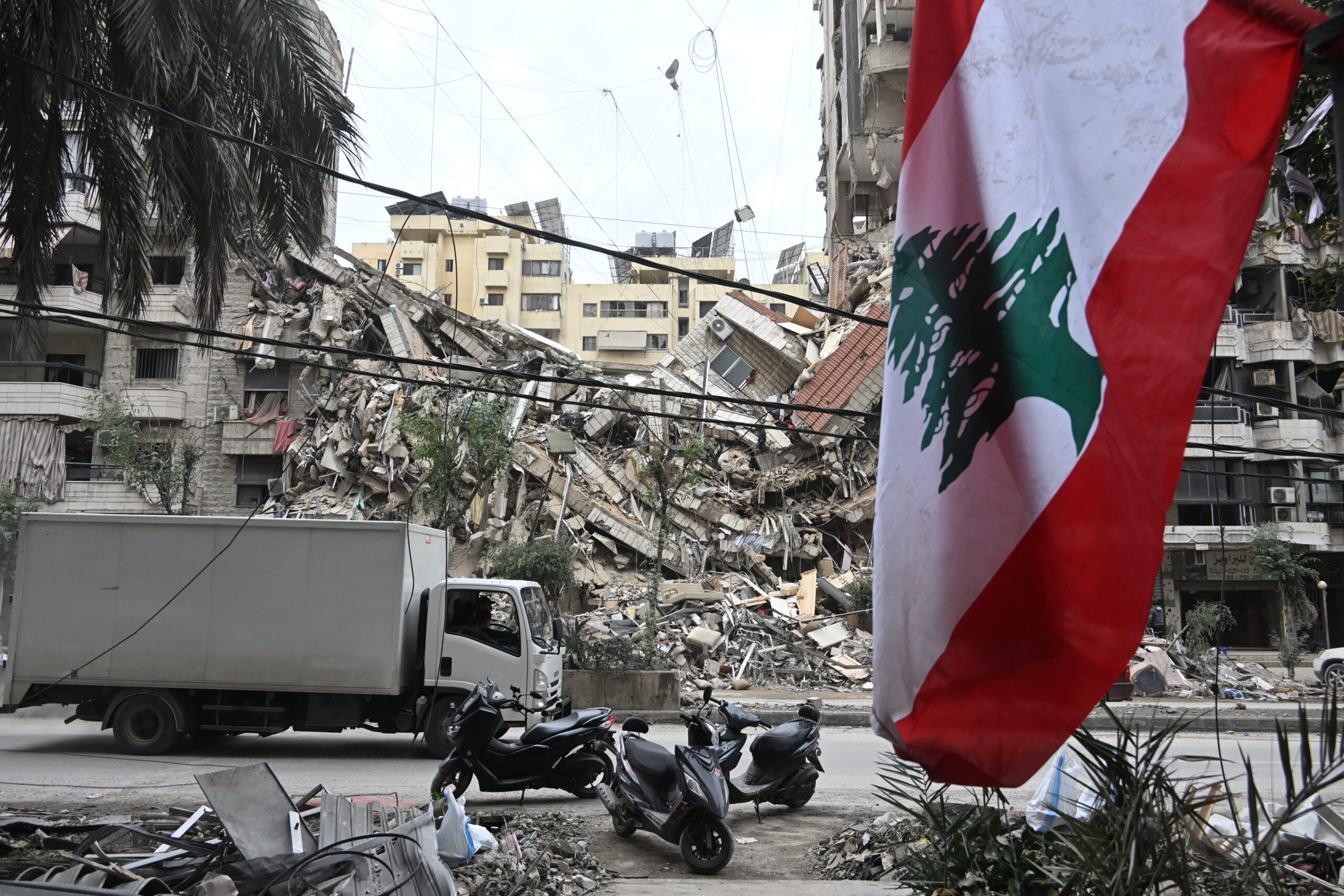
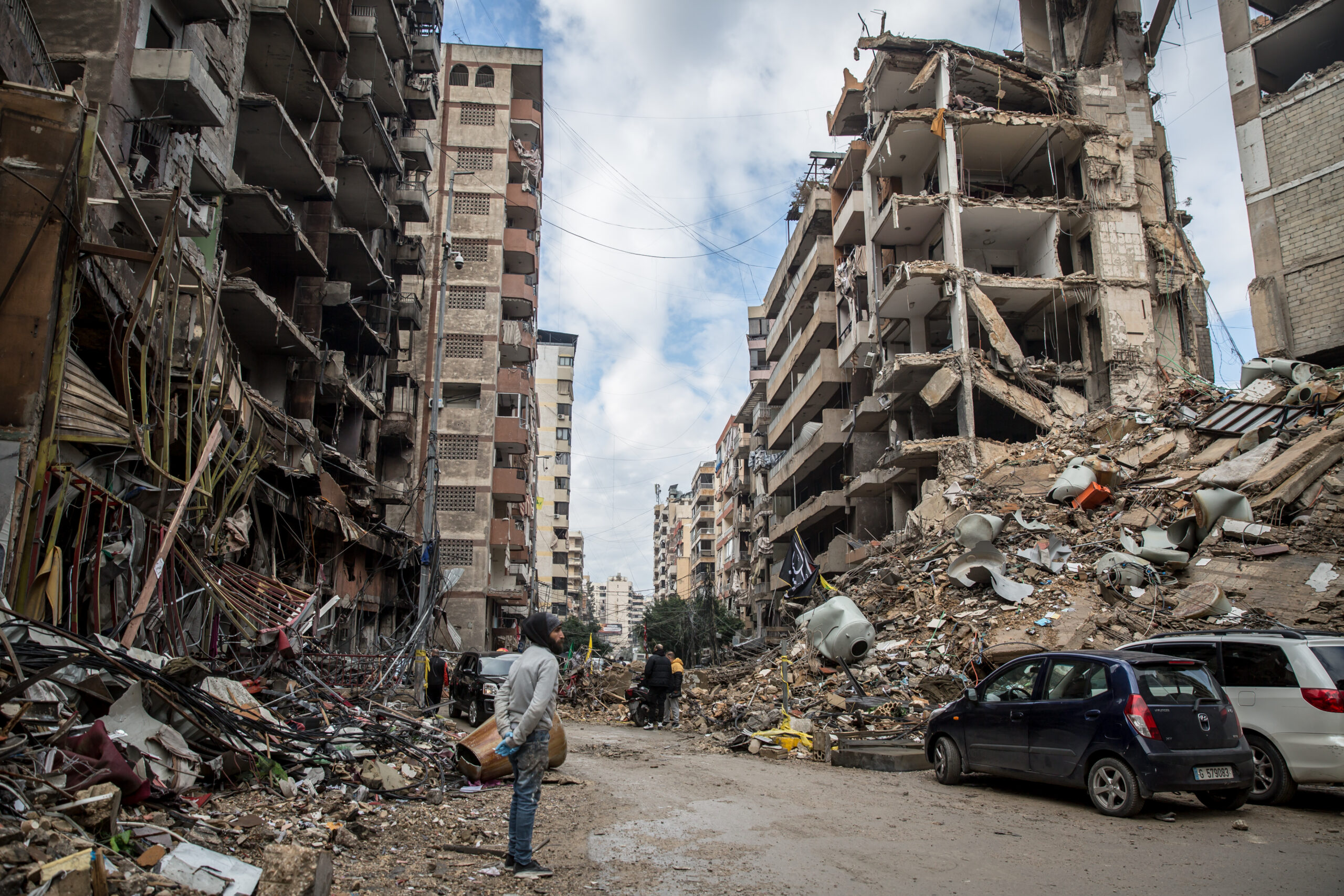
Last week, as I made my way to Beirut airport, I drove through bombed out streets in an empty city. The Lebanese national airline still bravely flew in and out, its planes weaving their way between Israeli airstrikes. I boarded my flight to attend a conference, hoping we would make it out safely. I left behind a population that had paid a very heavy price for 13 months of war between the Lebanese militant group Hezbollah and Israel: thousands of dead and injured, thousands of homes and businesses destroyed, and over 1.2 million displaced.
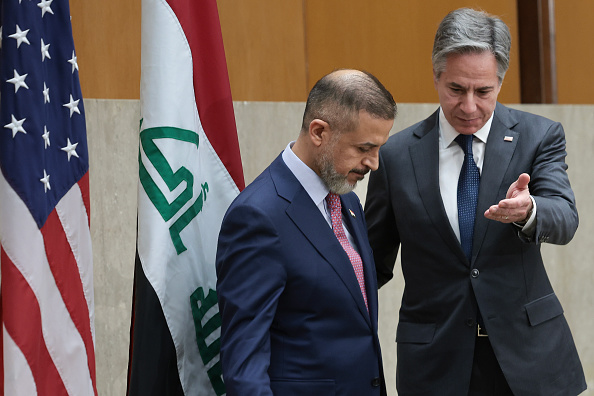
US success in Iraq means being a more reliable partner than Iran
There is no quick path to limiting or reducing Iranian influence in Iraq. Tehran will react fiercely to American efforts to destroy the militias and zero-out its influence, and it would have multiple avenues to escalate through the porous 900-mile-long border between the two countries. Moreover, domestic Iraqi reaction, especially among elements of the Shi’a population, would be reticent at best and hostile at worst to intensified American military actions. Nor should it be an American goal to stoke a civil war among Iraq’s Shi’a that would give Iran new access points.
The Middle East has experienced an extraordinarily tumultuous year, as the ripples from Hamas’ assault on Israel on Oct. 7, 2023, continue to fuel hostilities in Palestine, Lebanon, Syria, Iraq, Yemen, and the waters of the Gulf. Amid all of this, Syria has received very little attention, despite its central role in Iran’s regional agenda. Now the Biden administration is reportedly “hopeful” that Bashar al-Assad will soon permanently block Iran’s ability to support Hezbollah in Lebanon and is postured to reward Damascus for doing so. At best, such calculations should be described as optimistic; at worst, fanciful.