New EU aid and investment in Egypt linked to migration control
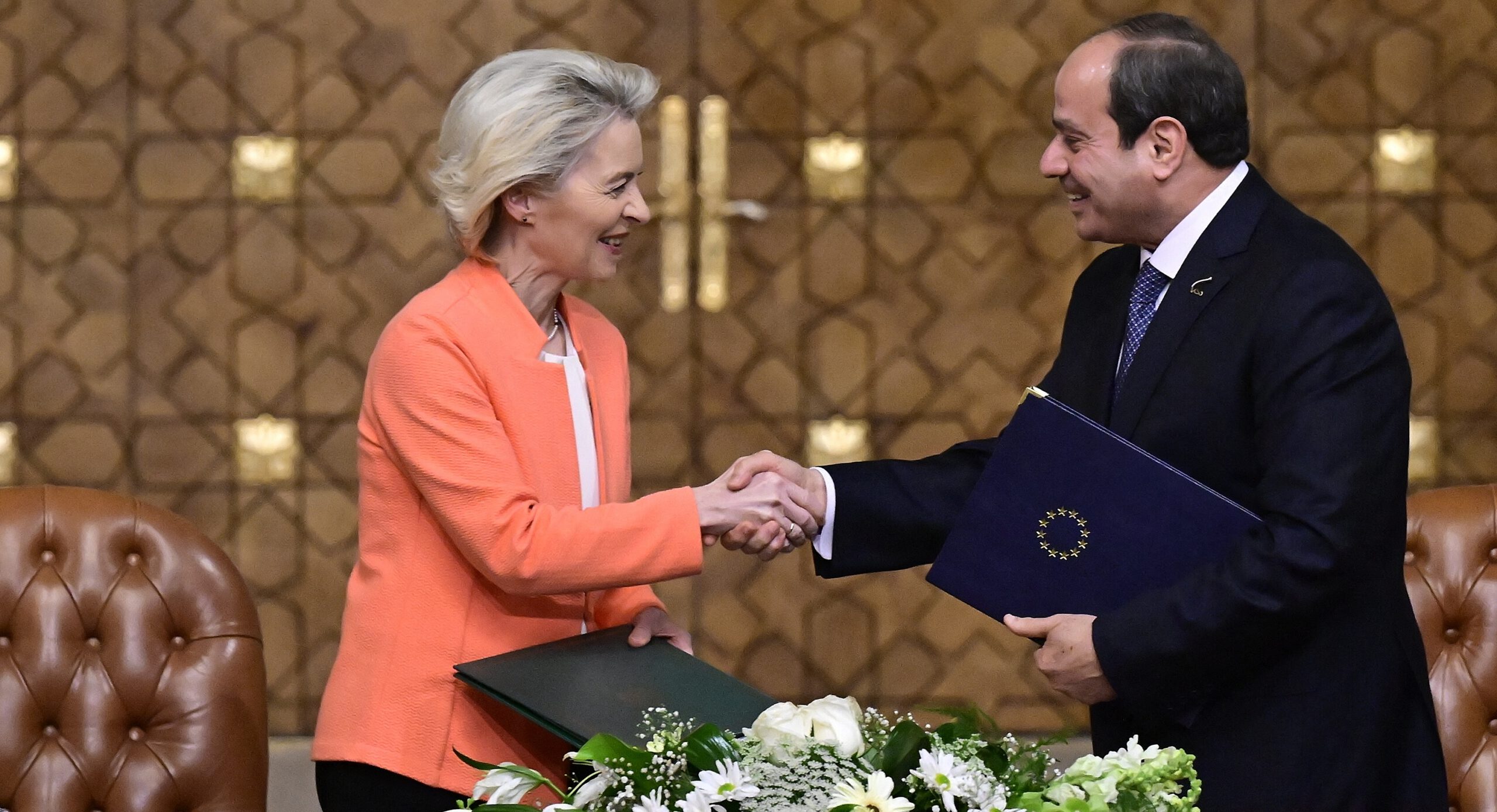
On June 29, at an aid and investment conference in Cairo, Egypt and the EU reached a €1 billion investment deal, and over 20 MoUs, collectively worth approximately €40 billion in private investment, were signed on the sidelines. Little mention has been made of migration in the new European agreement with Egypt, but there is little doubt that it is a pivotal factor.
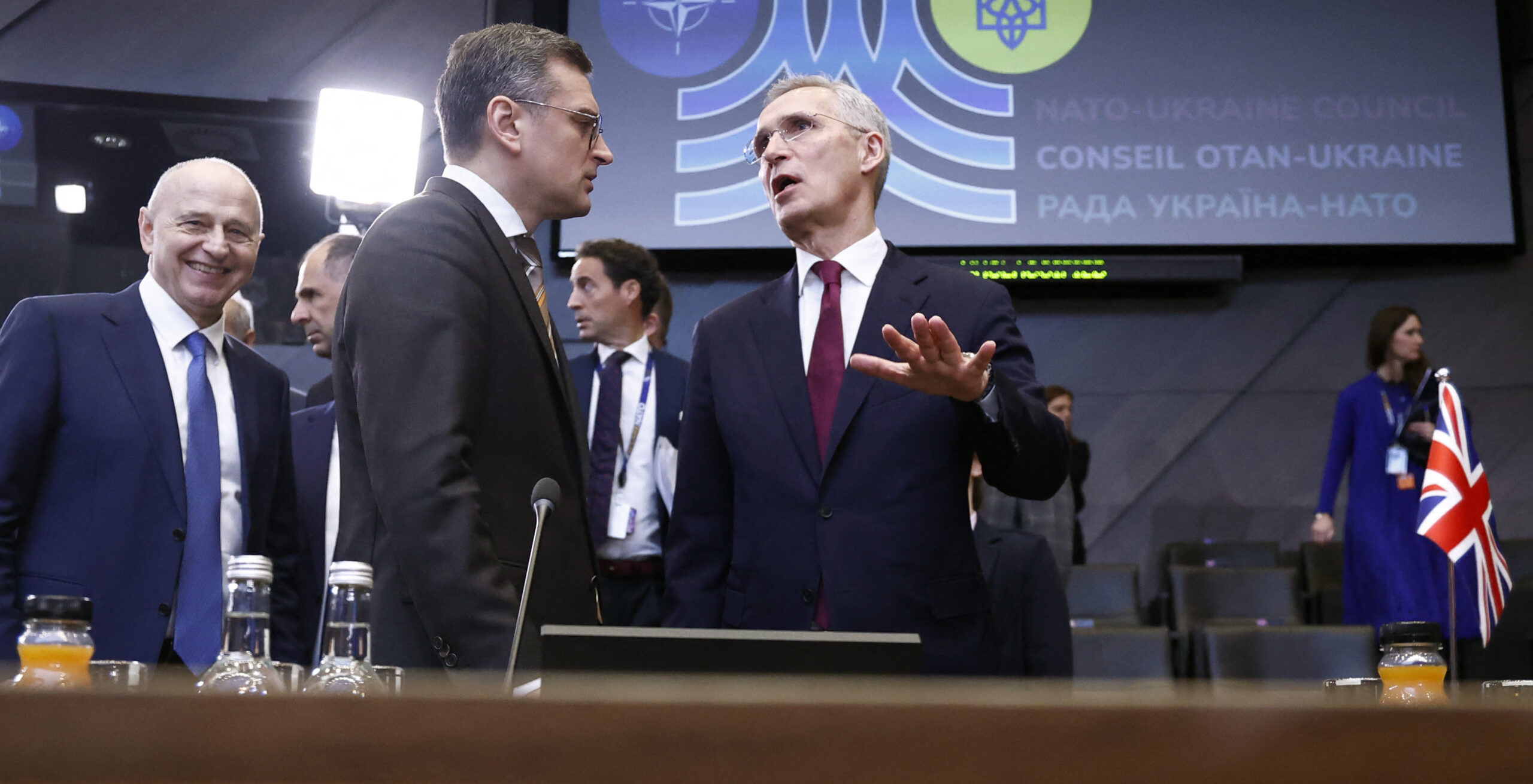
In its 2022 Strategic Concept, NATO declared the Black Sea Region (BSR) of strategic importance for the Alliance, yet this recognition has never translated into NATO developing a proper strategy toward its critical southeastern flank. That glaring gap must be addressed right away.
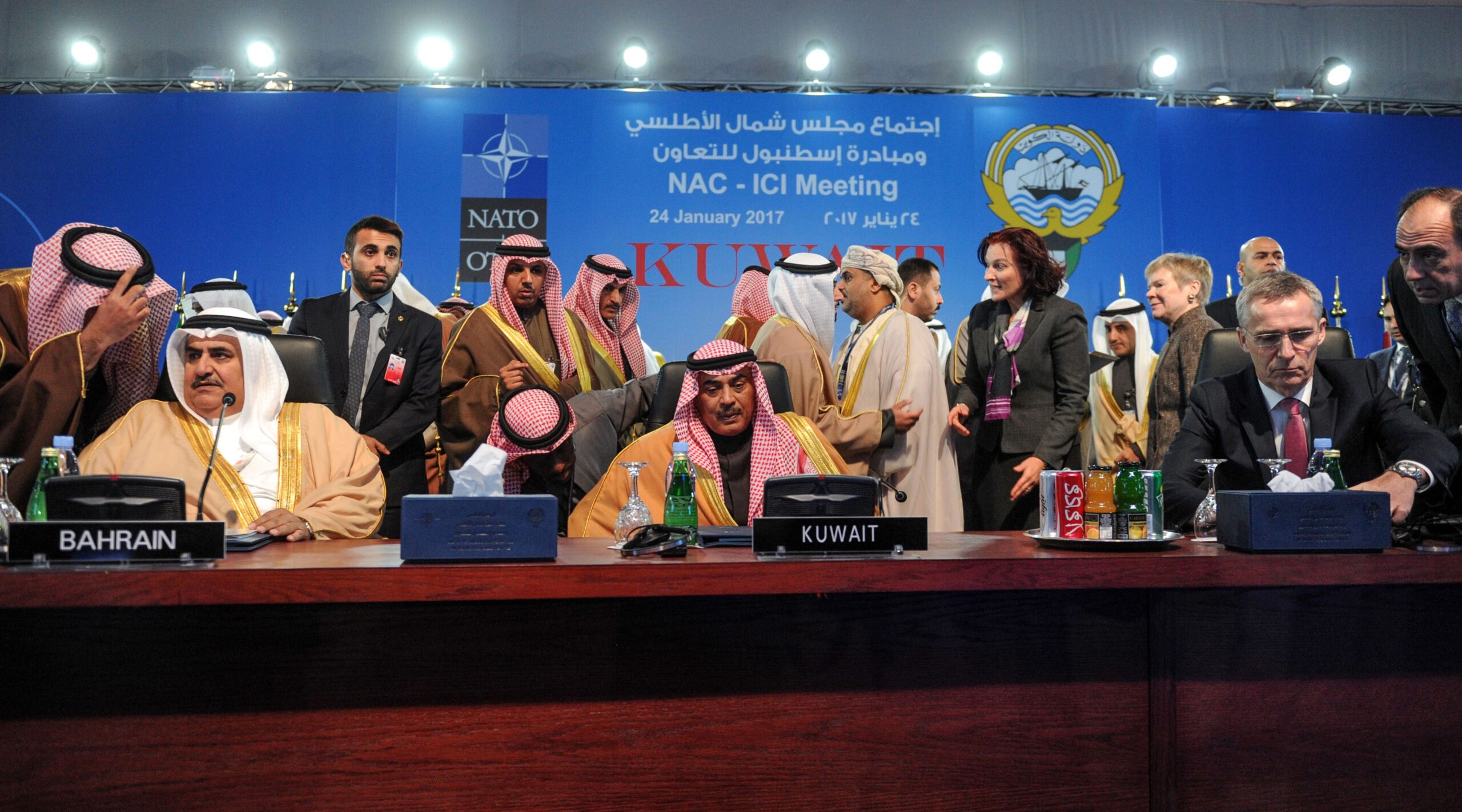
While the Washington Summit is unlikely to deliver any ground-breaking outcome, it certainly offers the opportunity to articulate the nexus between security in Europe and the Mediterranean-African region. NATO also has the opportunity to renew and streamline its partnerships with Middle Eastern and North African countries while strengthening its outreach to Africa.
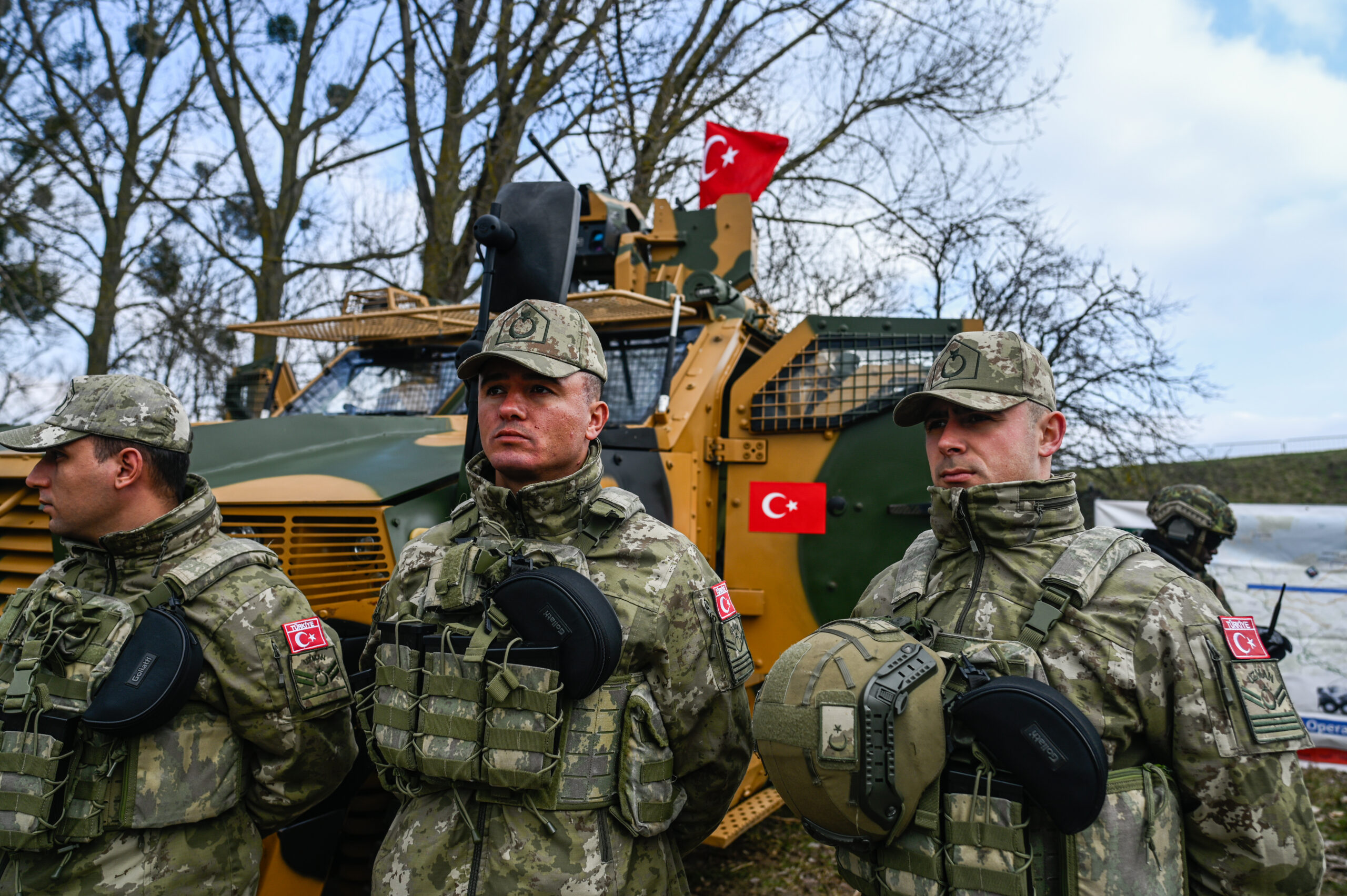
A Turkish foreign minister in China: Subtitles of a silent visit
The most defining aspect of the Sino-Turkish relationship is the need for Turkey to find economic or geopolitical leverage to attain some semblance of equality with China. During Turkish Foreign Minister Hakan Fidan’s recent visit to Beijing, his subtle references to the Turkic and Islamic credentials of Xinjiang may have gotten lost in translation for the Chinese.
On this week’s episode, Jehanne Henry, Mirette Mabrouk, and MEI Editor-In-Chief Alistair Taylor discuss Sudan’s civil war and its regional impact. The conflict began on April 15th, 2023, when fighting broke out in Sudan’s capital of Khartoum between the Sudanese Armed Forces (SAF) under Gen. Abdel Fattah al-Burhan and the paramilitary Rapid Support Forces (RSF) under Mohamed Hamdan Dagalo (known as “Hemedti”). More than a year on, the fighting continues to rage and there seems to be no end in sight to the conflict.
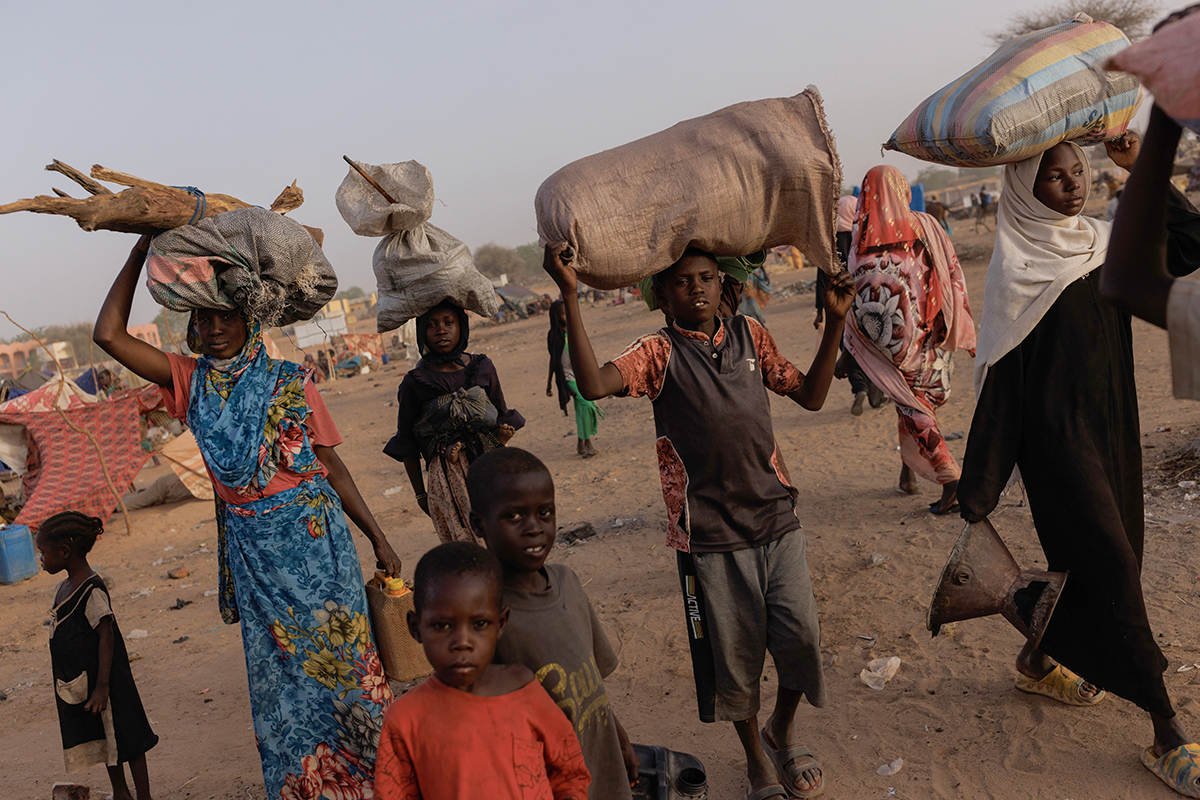
Since April 15, 2023, the Sudanese people have borne the brunt of the country’s civil war. According to the Norwegian Refugee Council, more than 9 million people have been internally displaced over the past year, and another 1.7 million have been forced to flee to neighboring states. Peace remains a distant prospect, as a result of the failure of diplomatic efforts to date to convince both Abdel Fattah al-Burhan, commander of the Sudanese Armed Forces, and Mohamed Hamdan Dagalo, commander of the paramilitary Rapid Support Forces, to end the conflict through a political settlement.
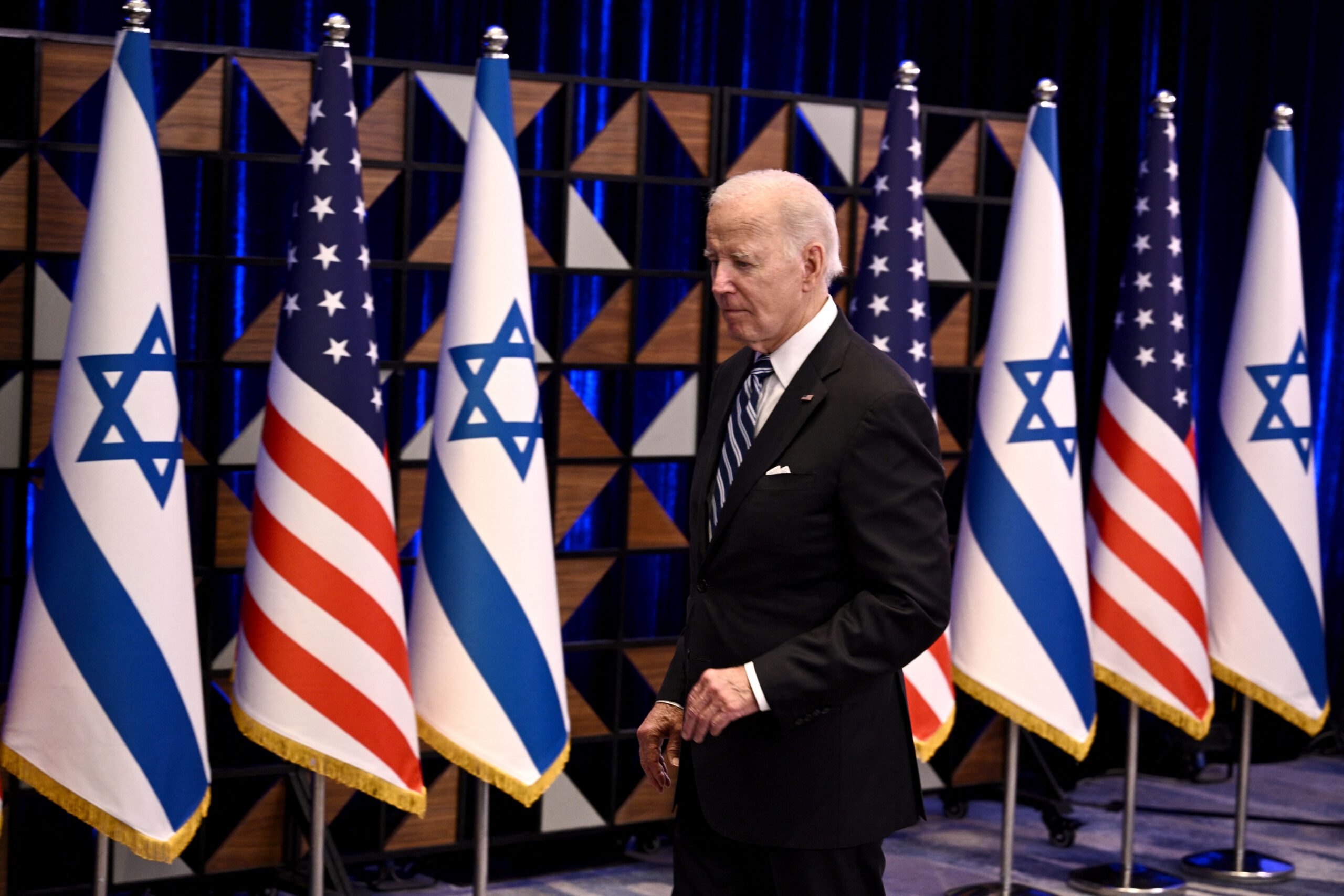
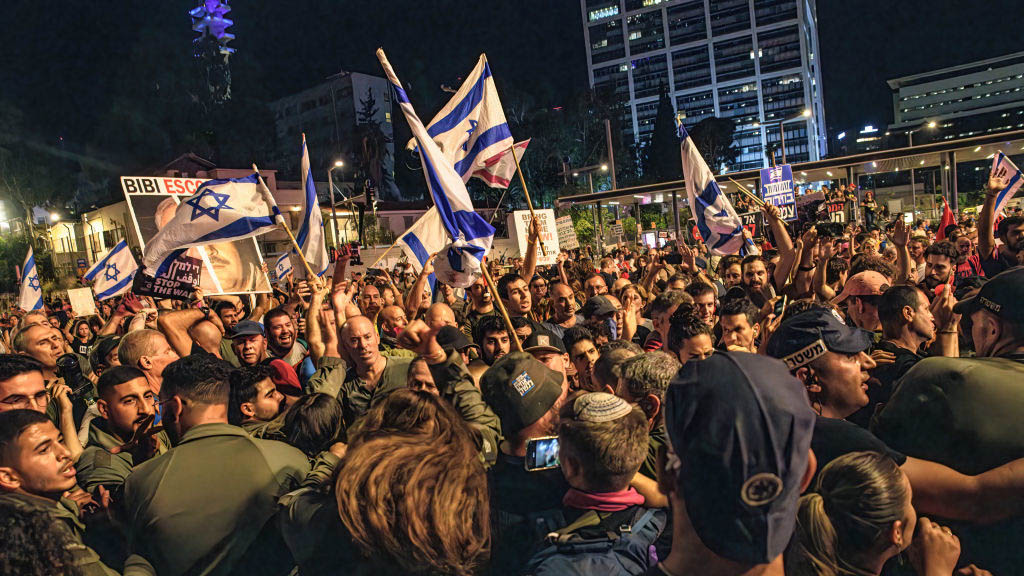
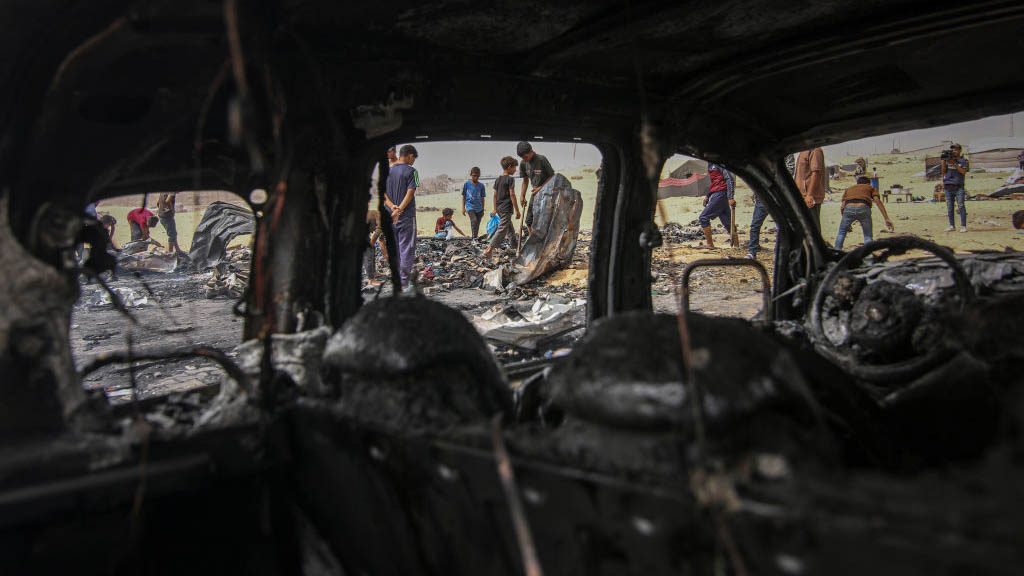
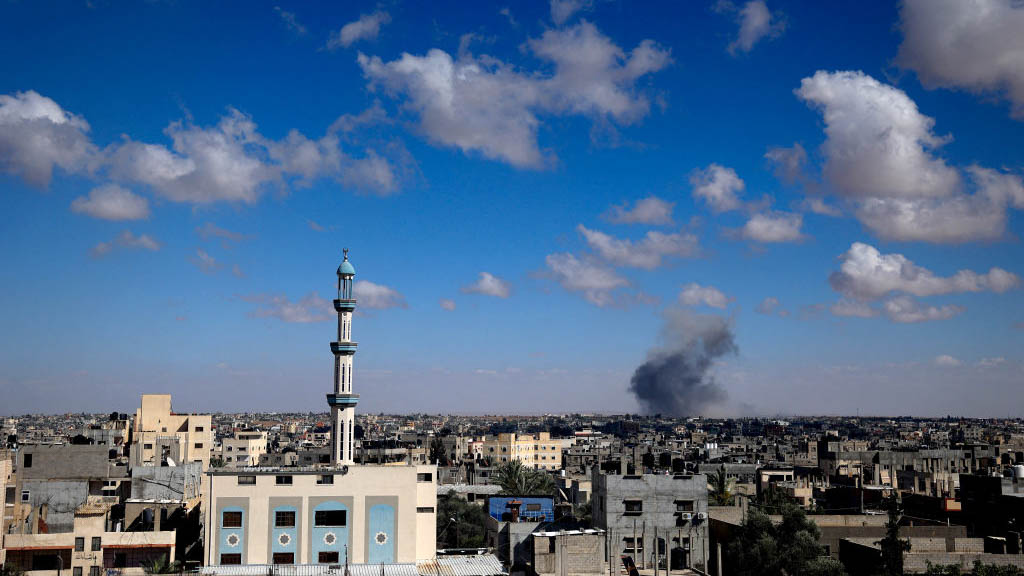
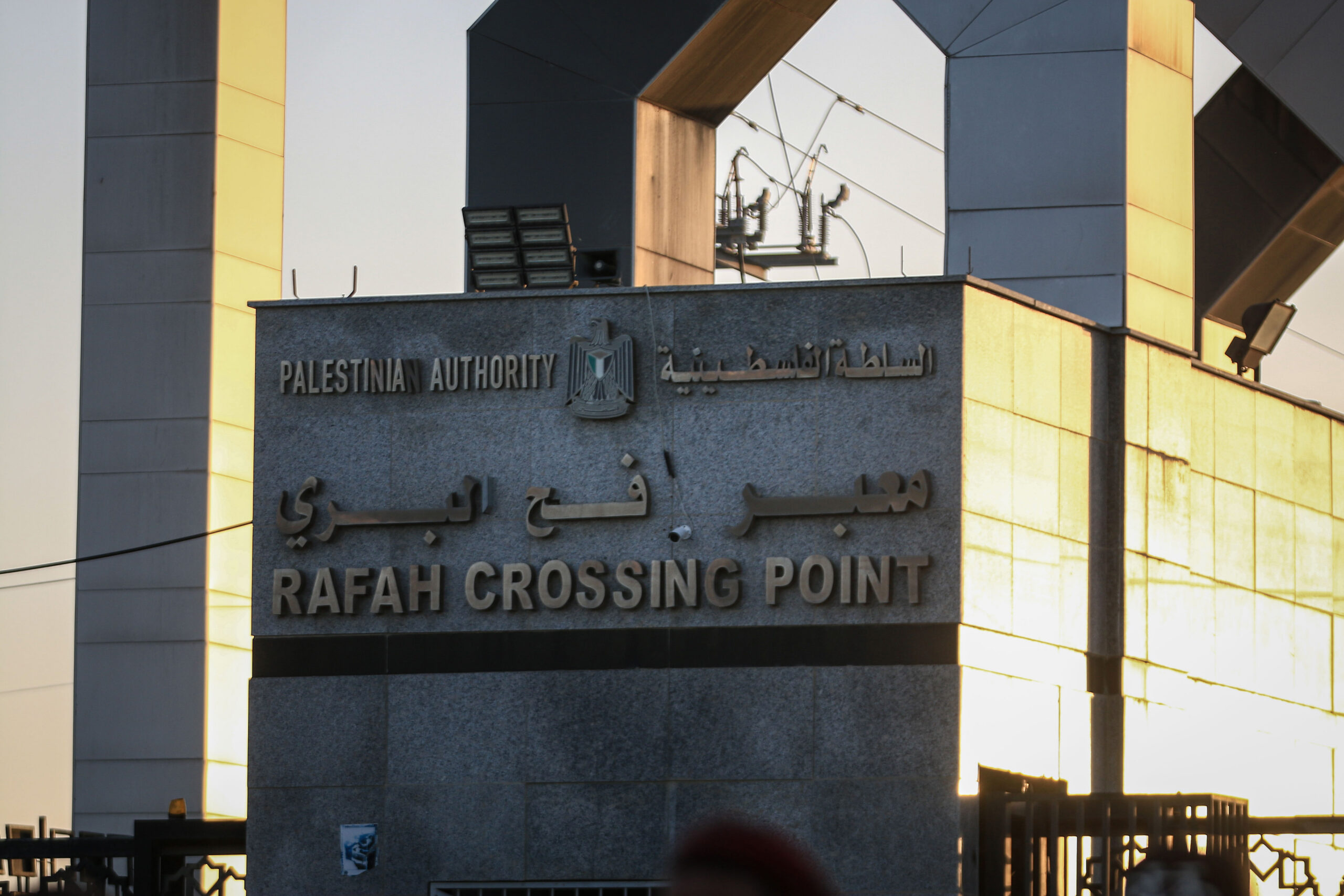
The way out of the war in Gaza will shape Israel-Egypt relations for years
March 26, 2024, marked the 45th anniversary of the signing of the peace agreement between Israel and Egypt. Over the years, this bilateral settlement has proven its stability and resilience, despite a series of crucial challenges. Yet the Begin-Sadat legacy, and the benefits it brings, is now in jeopardy.