MENA Energy Recap, Q1-2025: Tariffs and Sanctions Loom Large as Trump Returns
The MENA Energy Recap is a quarterly review of key energy developments that took place in the Middle East and North Africa region from January to March 2025 and what they signal for the months ahead. The Recap views these developments through the lenses of policy and strategy, energy security, and markets.
السيادة أولاً: إعادة تشكيل التعاون الدولي في شمال أفريقيا
تولي دول شمال أفريقيا ودول العالم بشكل متزايد الأولوية لتعريف صارم للسيادة وتميل نحو الدبلوماسية التبادلية. إن فهم الدوافع الكامنة وراء نهج "السيادة أولاً" الذي تتبعه شمال أفريقيا يمكن أن يساعد الولايات المتحدة وأوروبا على بناء علاقات متبادلة المنفعة ودائمة مع المنطقة في ظل هذا الواقع الجديد.
خارطة طريق لقيادة أمريكا في خطة عمل الذكاء الاصطناعي
استجابة لطلب المعلومات (RFI) من المؤسسة الوطنية للعلوم (NSF) ومكتب سياسات العلوم والتكنولوجيا (OSTP) بشأن "وضع خطة عمل للذكاء الاصطناعي" لدعم الأهداف المنصوص عليها في الأمر التنفيذي (EO) 14179، يقدم معهد الشرق الأوسط (MEI) خمس توصيات لترسيخ مكانة الولايات المتحدة كرائدة عالمية في مجال ابتكار الذكاء الاصطناعي مع معالجة المتطلبات الأخلاقية والتنظيمية والبنية التحتية الحاسمة.
Reimagining Syria: A Roadmap for Peace and Prosperity Beyond Assad
The work of the Syria Strategy Project and the considerable policy recommendations found in this report present a realistic and holistic vision for Syria’s recovery and reintegration into the international system.
انسحاب الولايات المتحدة والديناميات الأمنية الإقليمية الجديدة في جوار أفغانستان
تشهد الدول المجاورة لأفغانستان عملية إعادة هيكلة جوهرية لنظامها الأمني. وتواصل الدول الإقليمية الرئيسية، وهي باكستان وأفغانستان وإيران والصين، تعديل خططها الدفاعية وشراكاتها الأمنية لمواجهة التهديدات المتزايدة التي يشكلها الإرهاب المحلي والعابر للحدود. وفي الوقت نفسه، تبحث هذه الدول الأربع عن سبل جديدة لملء الفراغ الذي خلفه انسحاب الجيش الأمريكي من أفغانستان في جنوب آسيا.
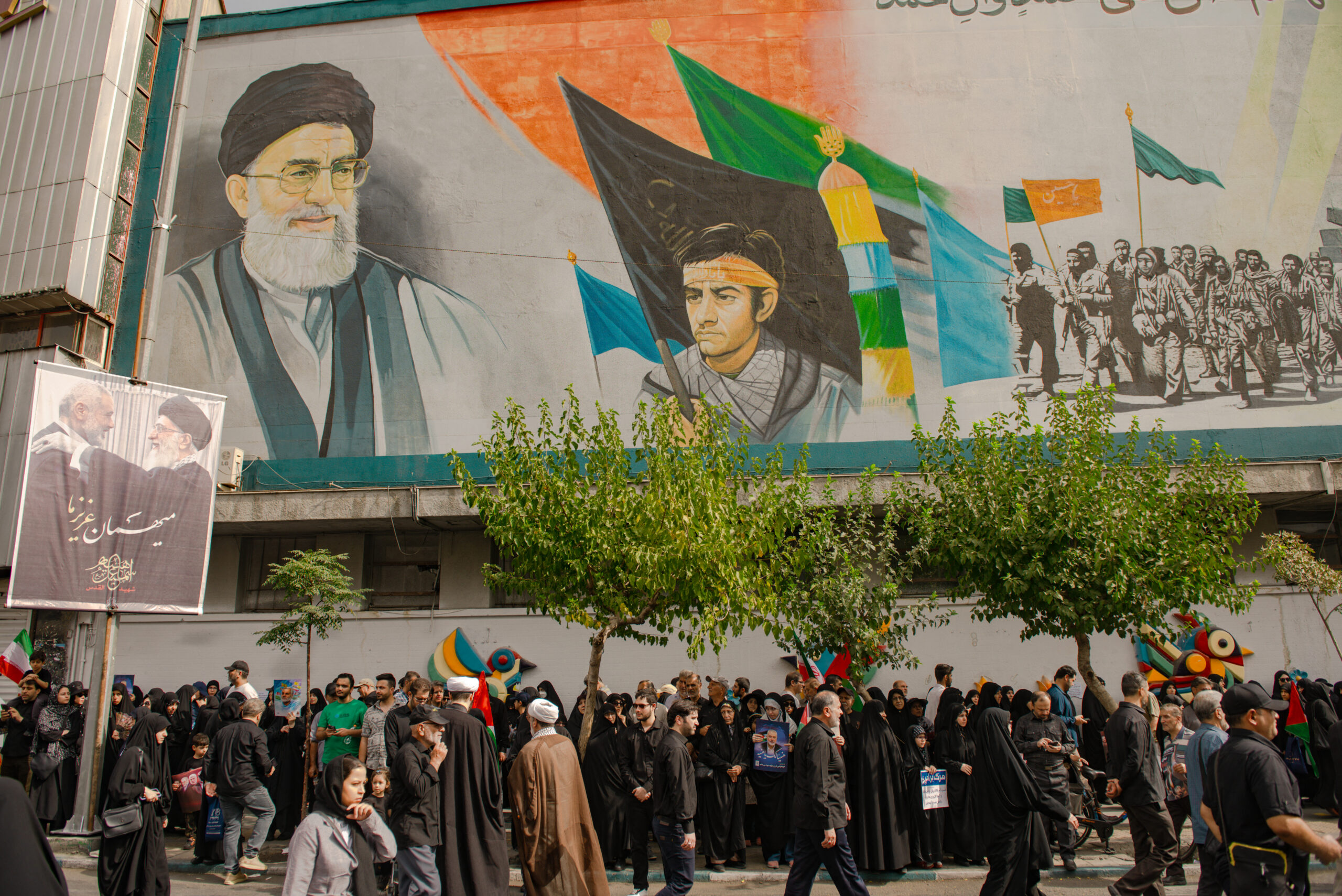
Return to "maximum pressure": Opportunities and challenges
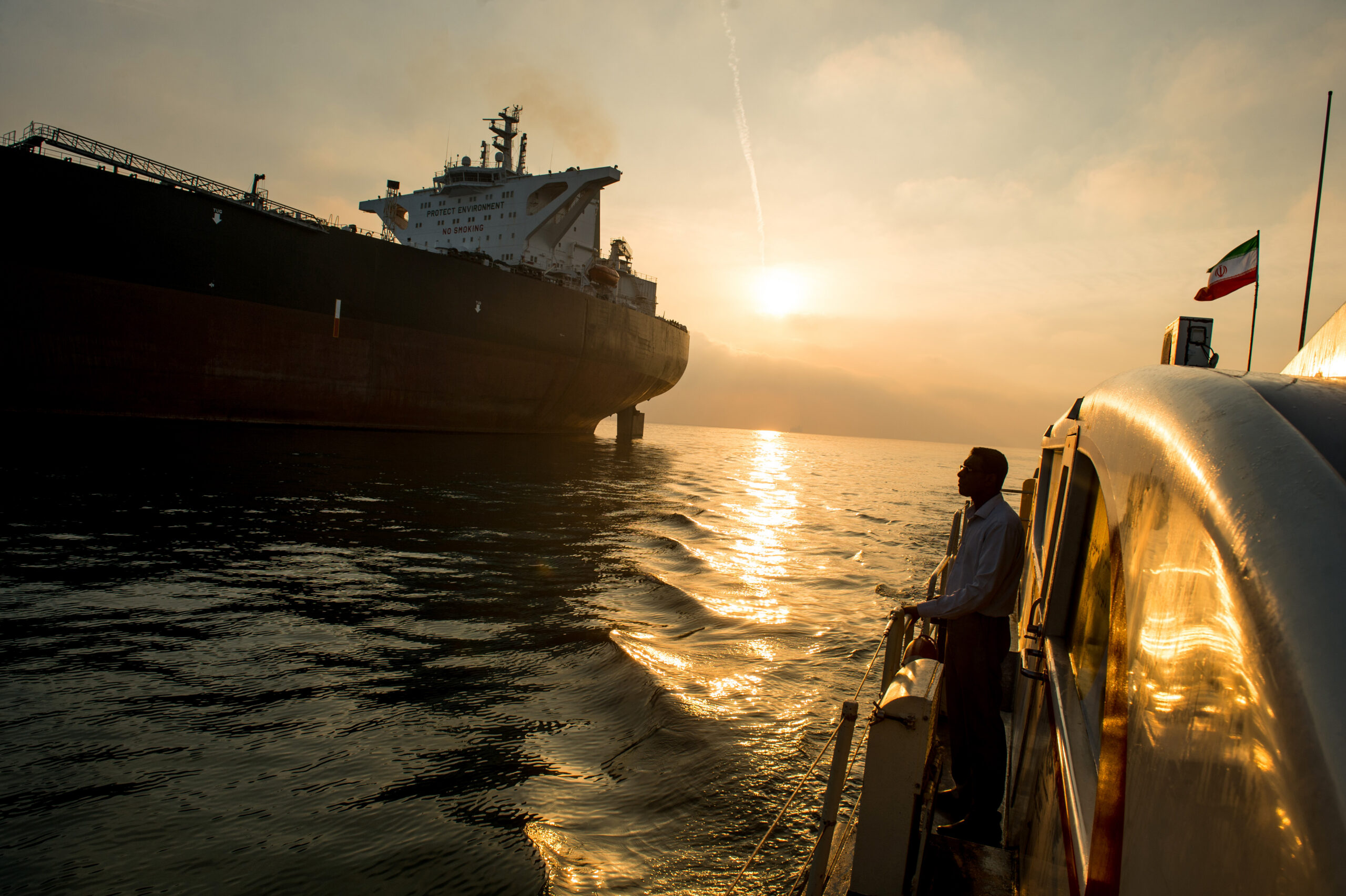
With the signing of a presidential memorandum on Feb. 4, the administration of Donald Trump has returned to a “maximum pressure” campaign against Iran, but circumstances have changed drastically since the policy of intensified sanctions was originally crafted during his first term. Regional geopolitics will present the White House with a new set of variables, while changes in the petroleum markets will affect how the administration approaches sanctions on oil exports.
تأثير الحرب الروسية الأوكرانية على تدفقات الطاقة من دول الخليج العربي
بعد مرور ما يقرب من ثلاث سنوات، أدى الغزو الروسي الشامل لأوكرانيا في فبراير 2022 إلى إعادة تشكيل التجارة والاستثمار في قطاع الطاقة، مما أدى إلى زيادة واردات الخليج من النفط الروسي وارتفاع حاد في صادرات المنطقة من الهيدروكربونات إلى أوروبا، فضلاً عن زيادة نمو استثمارات الخليج في مشاريع الطاقة المتجددة الموجودة في القارة والموجهة إليها.
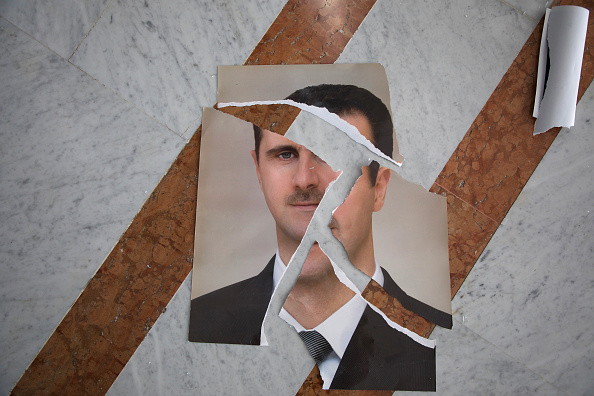
On Dec. 8, 2024, Bashar al-Assad’s regime fell. This is a fact, but it woefully understates the enormity, speed, and consequences of what has transpired. The brutal dictatorship that ruled Syria for more than 50 years disintegrated in fewer than 10 days. Celebrations erupted across public squares, thousands of Syrian refugees lined up at the borders of Turkey, Jordan, and Lebanon eager to return, and the release of political prisoners fueled hope for a new era after decades of despotism and conflict. However, concerns about Syria’s political future and territorial integrity quickly surfaced.
Mapping MENA’s Renewable Energy Supply Chains: The Emergence of Green Energy Ecosystems in the Middle East and North Africa
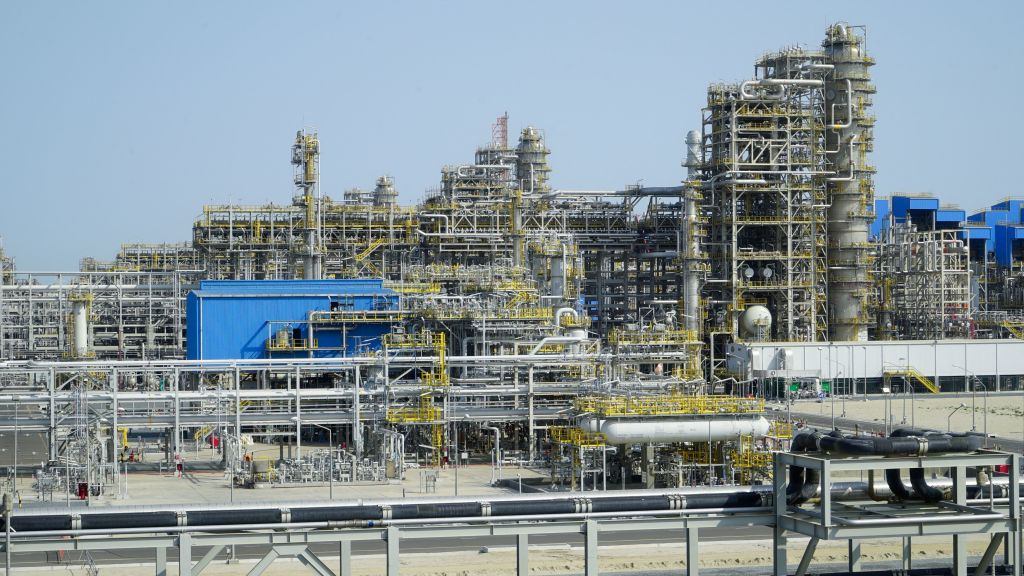
The Middle East and North Africa has the potential to become the world’s largest renewable energy-producing region. Compared to the immense scale of its resources, renewable energy is virtually untapped at present. This study maps the emerging regional trends in renewable energy development and MENA renewable energy supply chains across North Africa, the Arabian Peninsula, and the Levant. The most successful MENA nations in developing their renewable energy resources to date are doing so through the establishment of green energy ecosystems, in which the development of utility-scale renewable energy infrastructure is coordinated with that of robust offtake markets and the establishment of commercially viable storage and transportation mechanisms to service them.
Renewable Energy and Morocco’s New Green Industries Can Expand Women and Youth Employment through Sustainable Development
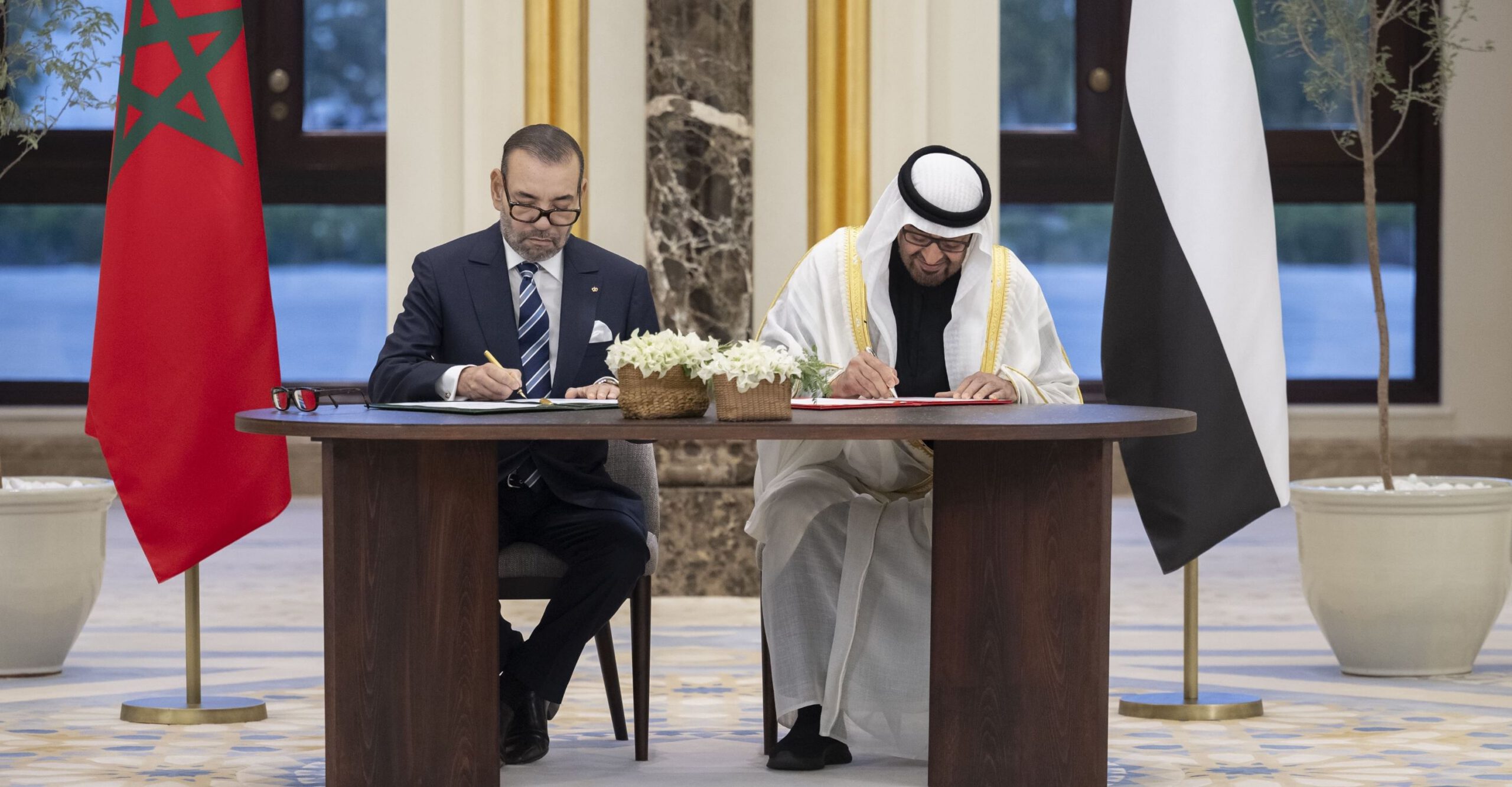
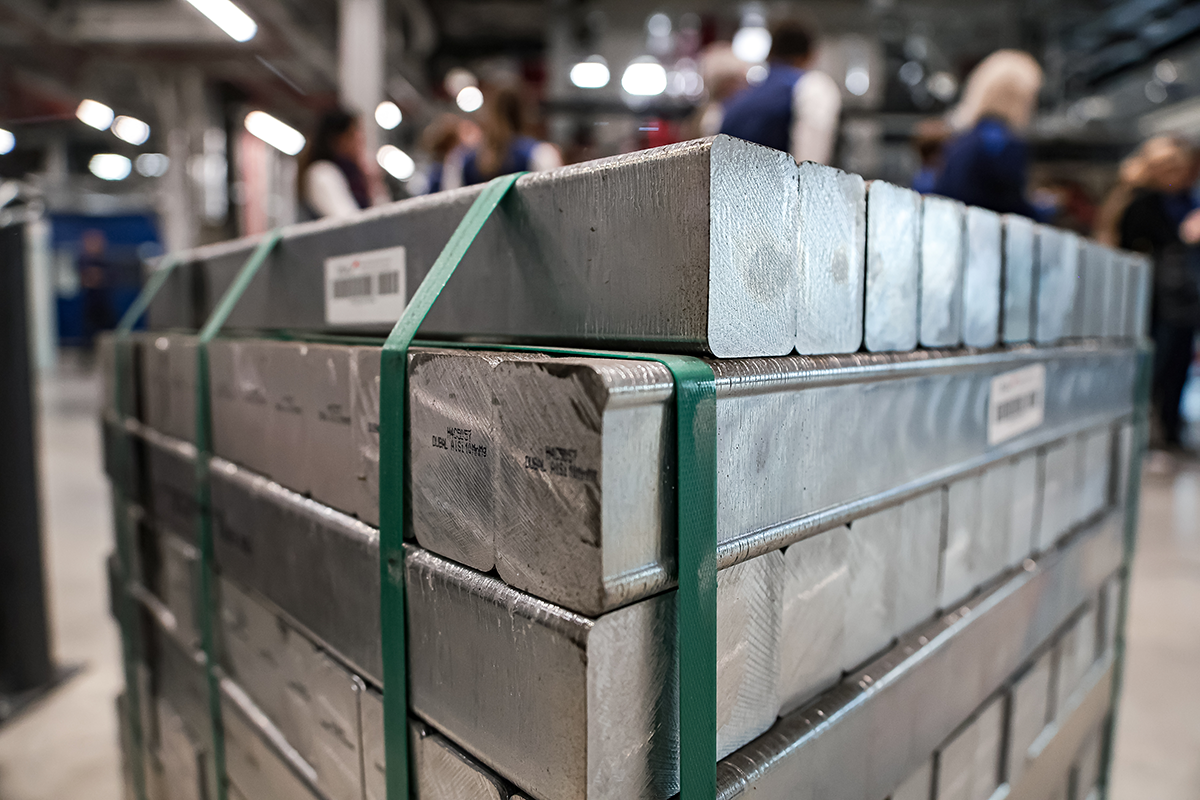
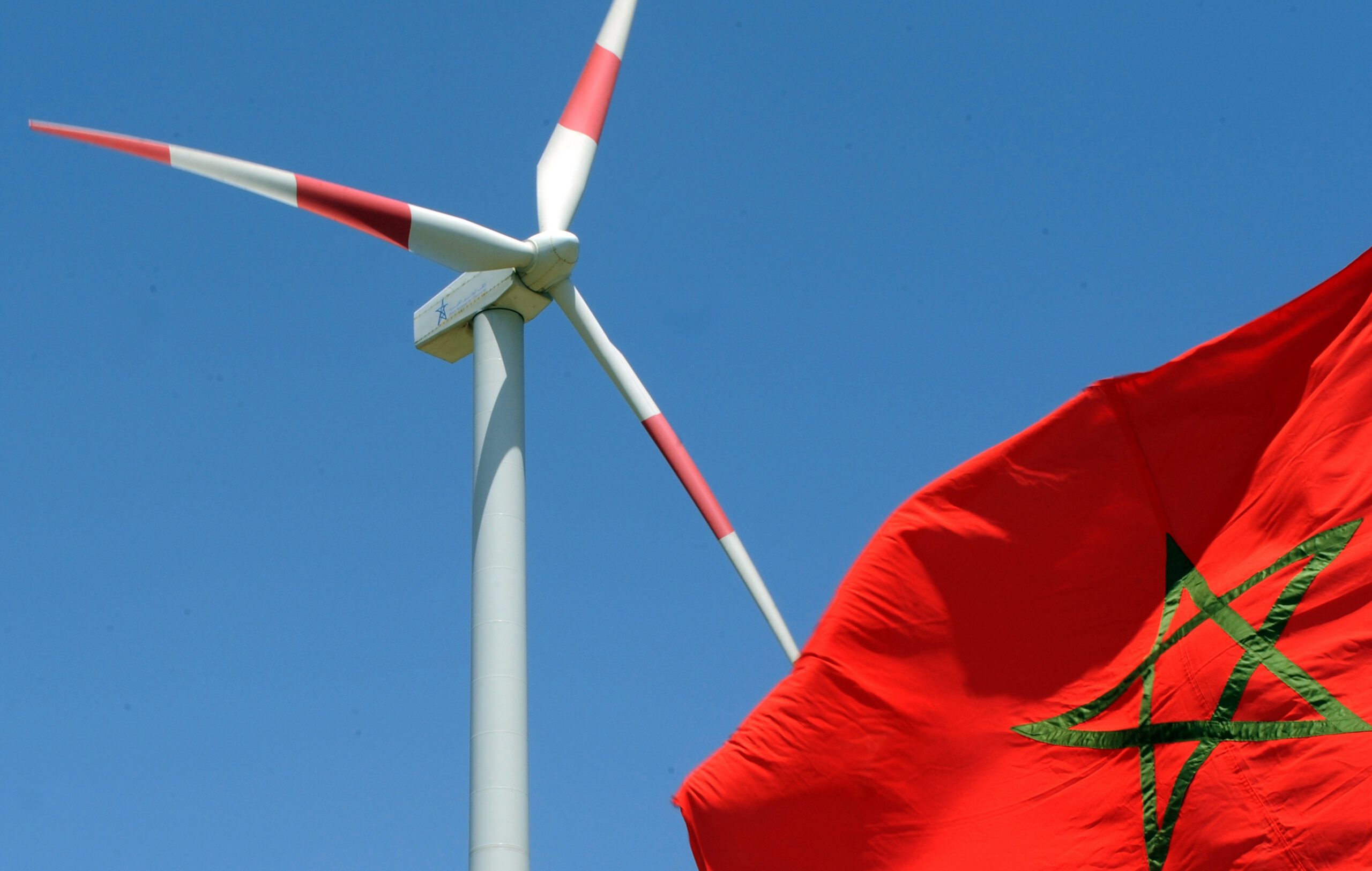
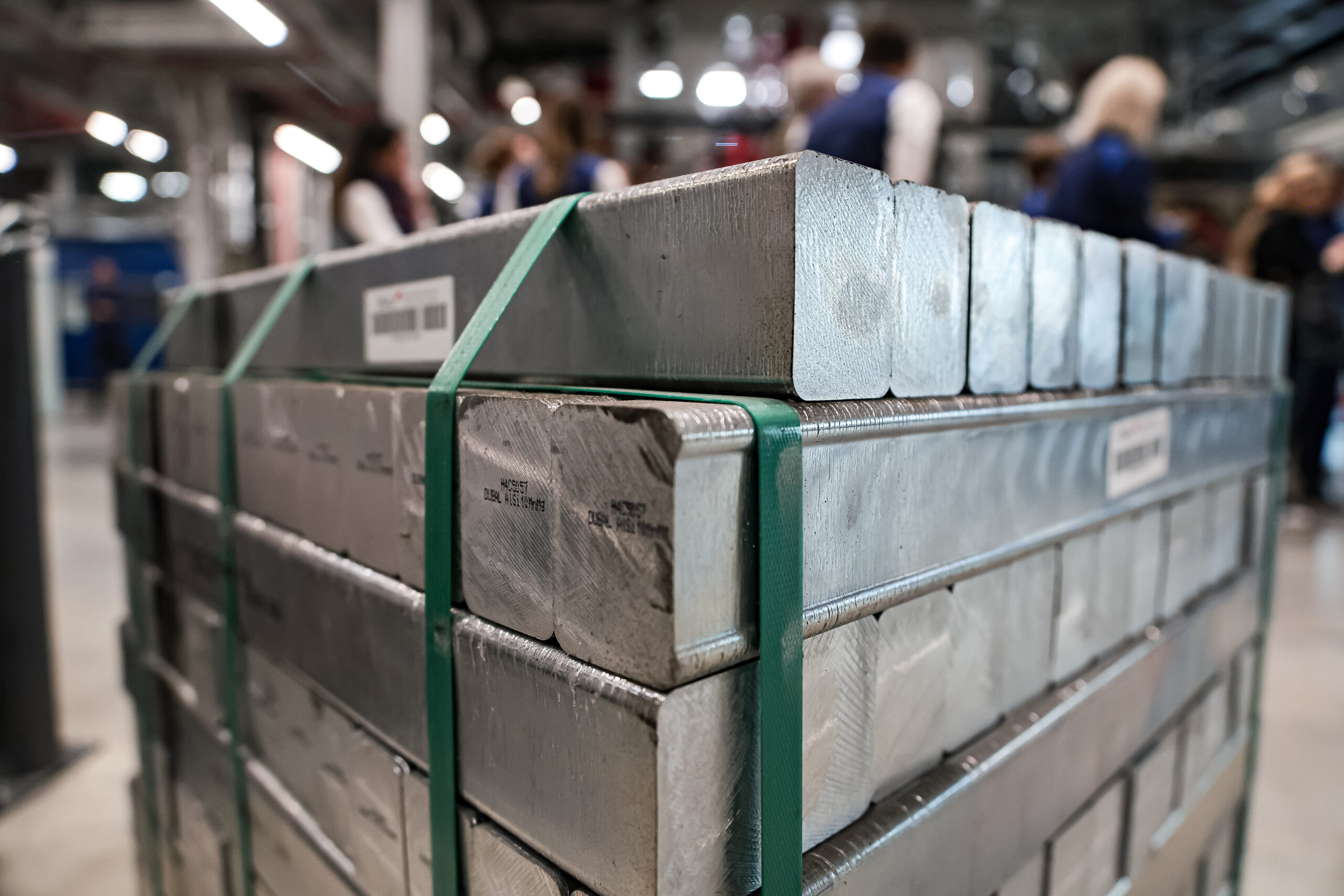
Morocco is a regional leader in renewable energy development. The country’s success stems from its multi-faceted green energy ecosystem that is giving rise to international renewable energy export supply chains based on production of green hydrogen, in the form of green am-monia, as well as phosphates, other minerals and metals, fertilizers, agri-food products, and electric vehicles. As rising green industrial manufacturing and green agricultural production are becoming drivers of long-term, private sector employment, a synergy is emerging between Mo-rocco’s efforts to expand its already significant renewable energy sector and its objective of in-creasing the number of women and young people engaged in formal employment.
MENA’s Emergence as a Hub for Renewable Energy Supply Chains
Within the next 25 years, the Middle East and North Africa will be a global leader in renewable energy production and a hub for international renewable energy supply chains. Morocco, the UAE, and Jordan are spearheading the regional trend to develop green energy ecosystems in which renewable energy is used, in part or entirely, to power the manufacture of intermediate and finished goods for export.
Iran’s growing influence in the Black Sea region: Consequences and Western responses
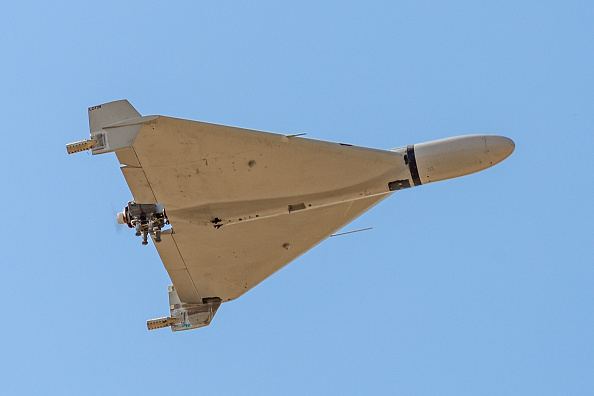
Russia’s full-scale war against Ukraine has provided several strategic opportunities for Iran to increase its foothold in the Greater Black Sea Region. A closer analysis of Iran’s deepening footprint there is necessary to inform how the next administration in Washington and the new European Commission can strengthen and better coordinate their policy responses.
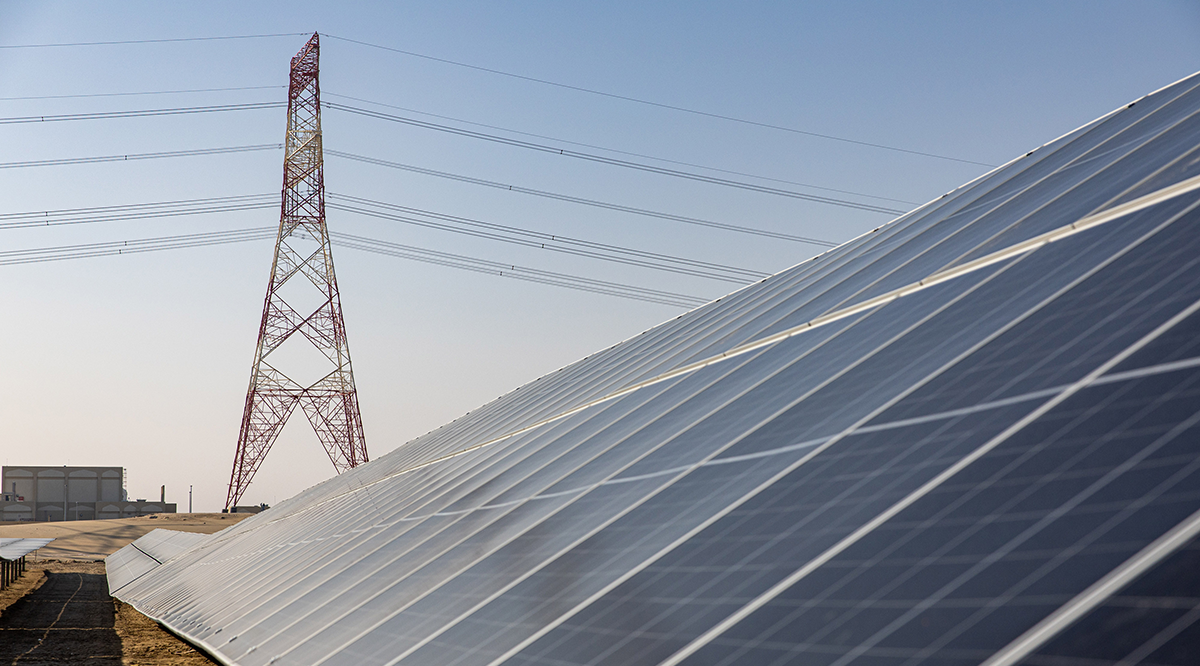
يوجد حالياً تباين بين الأهداف الاستراتيجية والظروف المواتية للطاقة الشمسية في الخليج ومستوى النشر الفعلي. على الرغم من الإمكانات الكبيرة للمنطقة كرائدة عالمية محتملة في مجال الطاقة الشمسية، بما في ذلك أحد أعلى مستويات الإشعاع الشمسي في العالم وظروف تشغيل داعمة قوية، لم تمثل الطاقة المتجددة سوى 2٪ من طاقة التوليد في عام 2022.