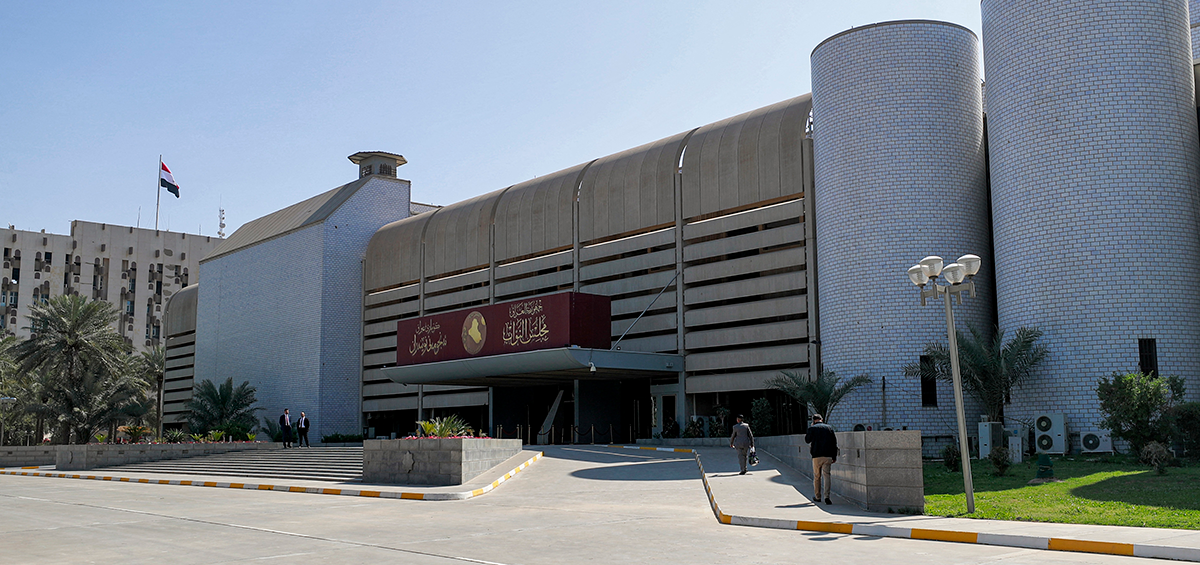
Iraq: A crisis of elite, consensus-based politics turns deadly
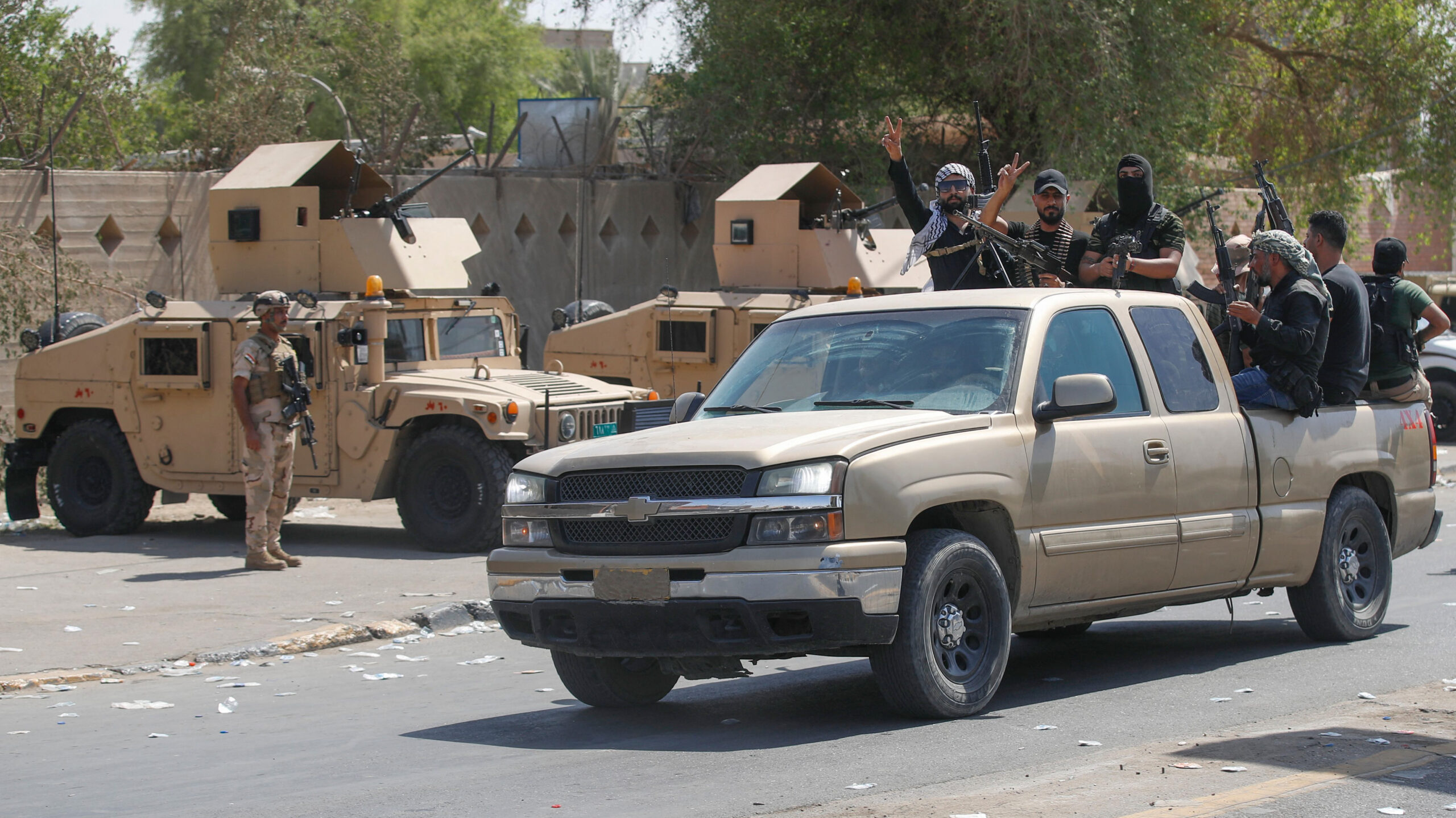
Iraq is facing one of its worst political crises in years. Following the bloody street battles at the end of August that left more than 30 dead, violence has stopped, for now, but the political crisis is far from over, even if superficial solutions may be found in the interim. Iraqis anxiously await the end of the Arba’een holiday on Sept. 17 to see what will happen next.
Domestic Political Chaos Is Not the Only Thing Happening in Iraq
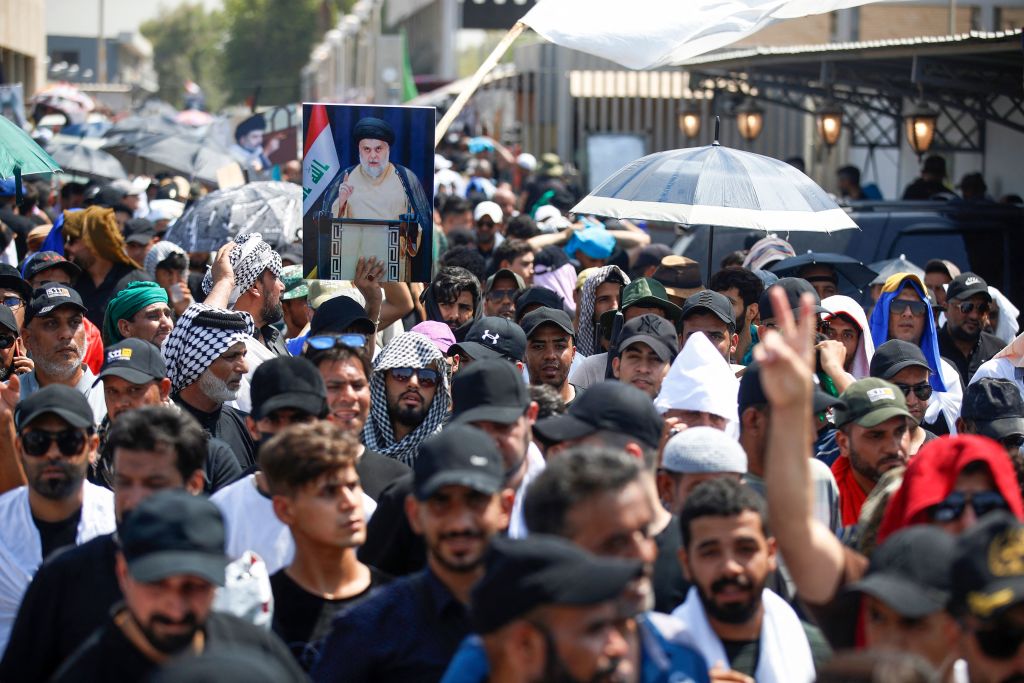
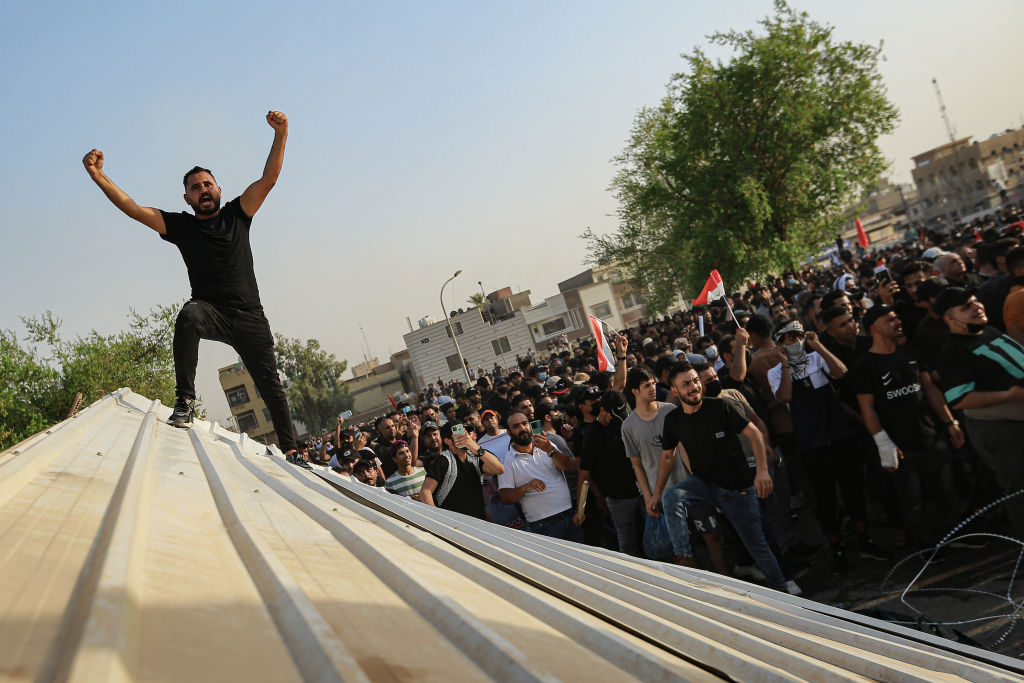
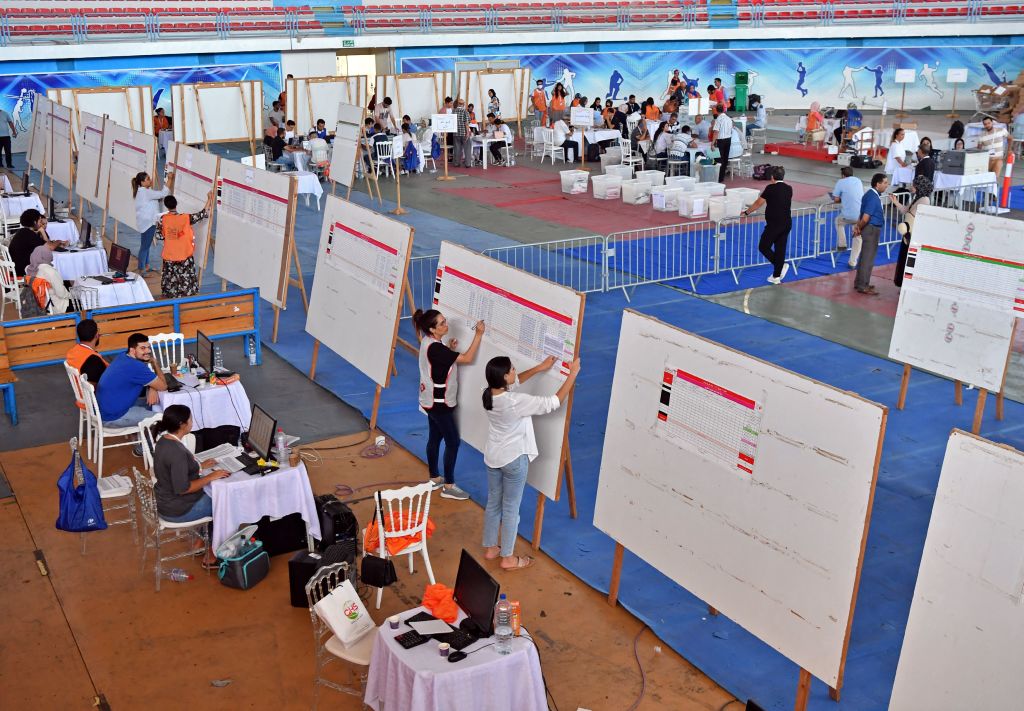
It appears that calm has returned to Iraq after the reported intervention of Ayatollah Ali al-Sistani, the country’s chief and widely respected Shia cleric. In recent weeks, violence had occurred in and near parliament, which has been unable to implement last October’s election results. The clashes involved demonstrators and armed forces loyal to Moqtada al-Sadr, the leading candidate in the elections, and militias loyal to a loose array of rival Shia political parties calling themselves the Coordination Framework.
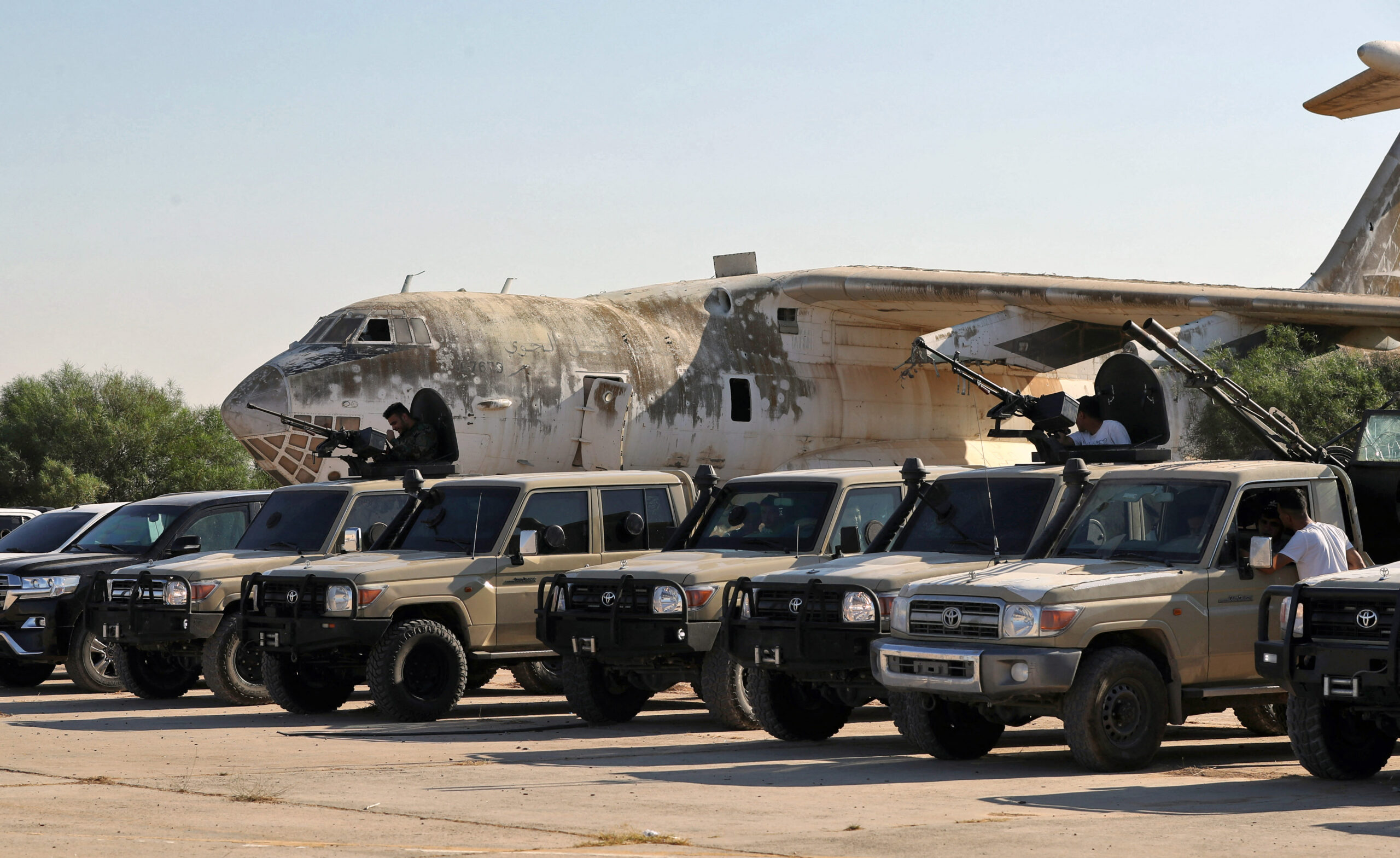
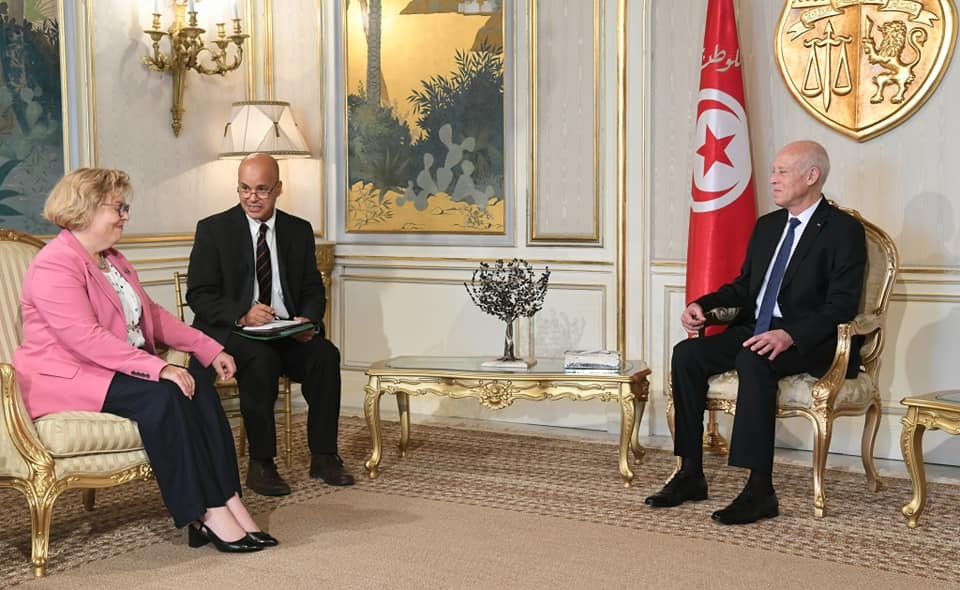
On Sept. 2, the United Nations appointed a new special envoy for Libya, Senegalese diplomat Abdoulaye Bathily. But to have any chance of success, Bathily will need to reach out to local-level Libyan leaders who oppose the status quo preferred by Libya’s national politicians.
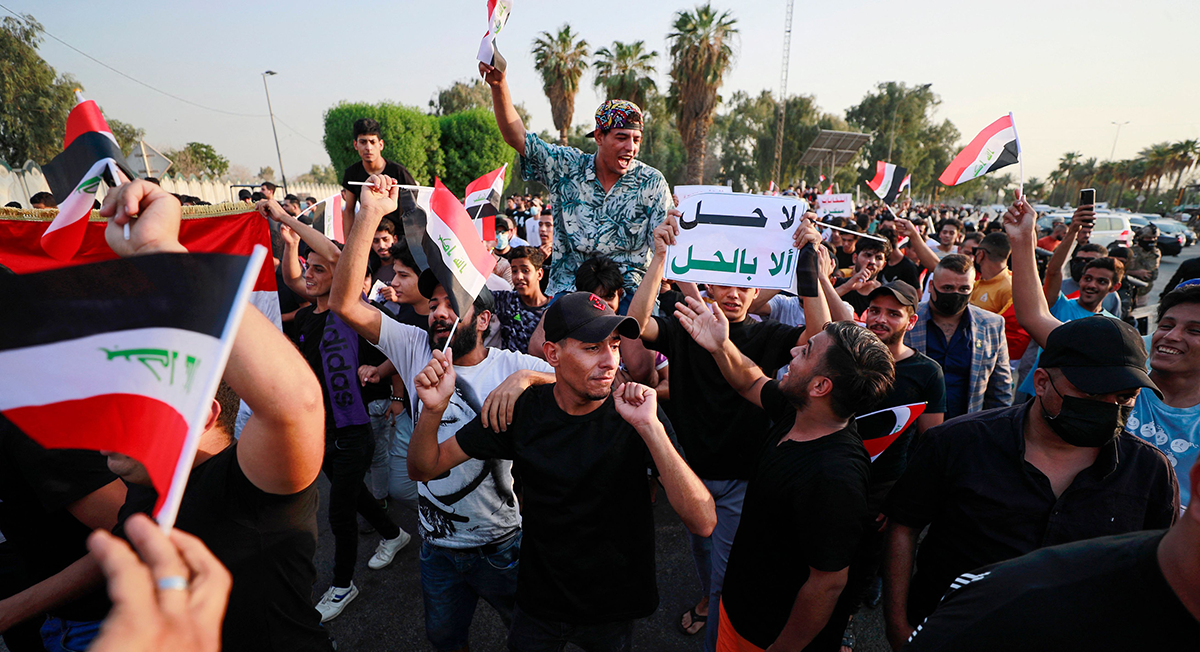
Followers of Iraqi Shi’a cleric and political leader Muqtada al-Sadr and those of the Iran-aligned Coordination Framework clashed in downtown Baghdad on Aug. 29. Iraqis spent that evening wondering whether the country was descending into an intra-Shi’a civil war.
Ten months on from last October’s elections, Iraq still does not have a new government and faces a deepening political crisis. To understand the current situation’s perils and what may be next for the future of the country, we are joined by Farhad Alaaldin, chairman of the Iraq Advisory Council, and Robert Ford, MEI Senior Fellow and former Ambassador to Syria and Algeria.
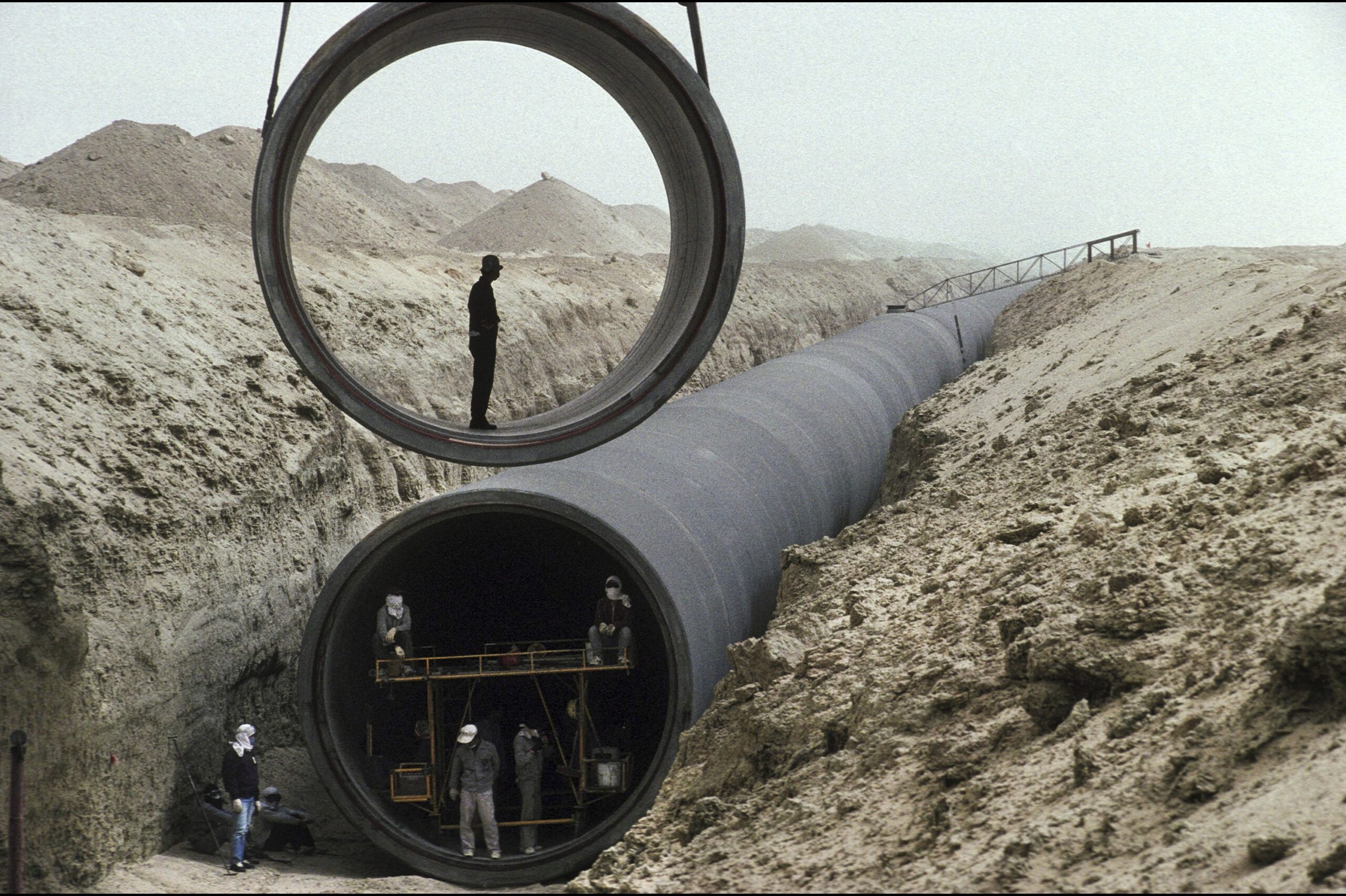
What’s next for Libya’s Great Man-Made River Project?
The Middle East and North Africa are well known for their severe water scarcity. The region’s lack of water resources is the result of many factors, including the harsh climate, intense heat, high evaporation rates, and increasing population growth. Libya is no exception in this regard. According to the World Resources Institute, it ranks 6th among the top countries worldwide facing “extremely high baseline” water stress.
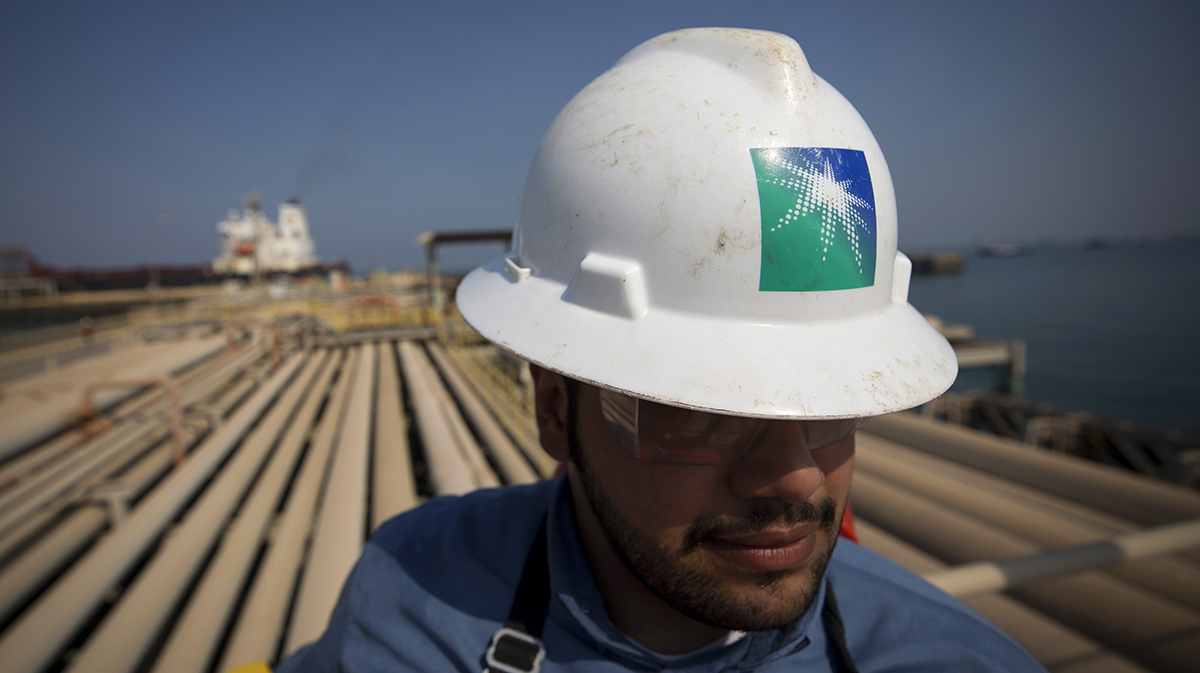
Industry analysts widely agree that OPEC+ production levels are currently well below the members’ authorized quotas and that any production increases will mainly be met by Saudi Arabia and the UAE. The challenges facing the group are daunting, but if met, seven major OPEC countries could feasibly raise crude oil production while utilizing existing infrastructure, significantly narrowing the global demand-supply gap.
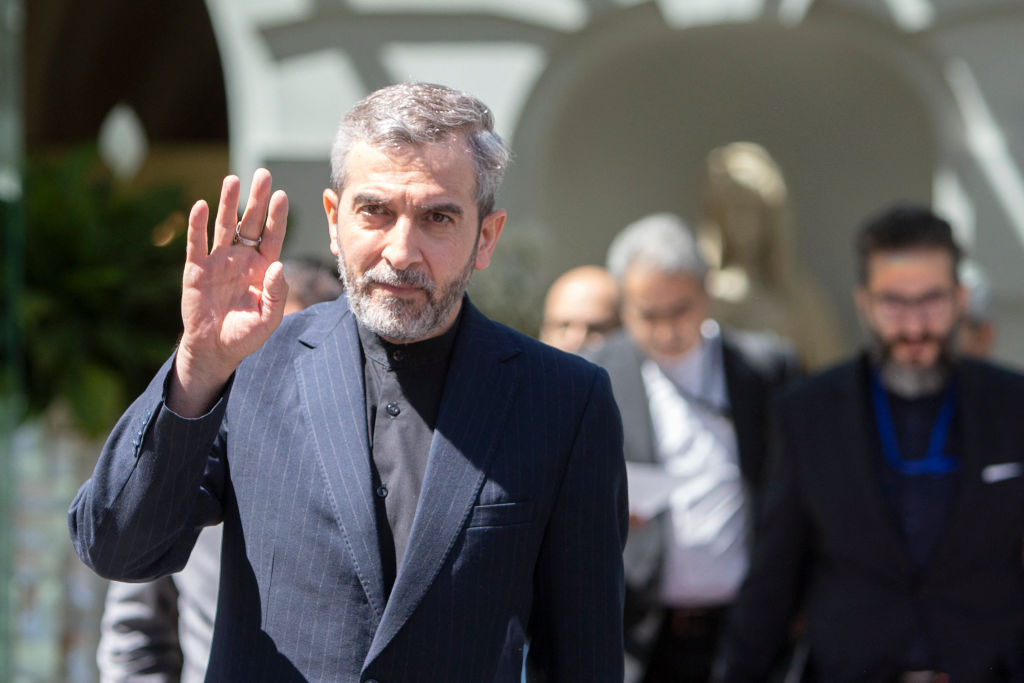
Randa Slim is joined by Farhad Alaadin and Marsin Alshamary to discuss the latest political events in Iraqi Parliament, Muqtada al-Sadr, and what the future of Iraqi politics could look like moving forward.
Economic Diversification and Energy Transition in Iraq and the Gulf
To identify pathways to deal with demands for economic reform and volatility in resource revenue in Iraq, in November 2021 the Middle East Institute (MEI) and Iraq Policy Group (IPG) convened a high-level workshop on the side-lines of the American University of Kurdistan’s annual Middle East Peace and Security Forum. This report provides the insights and analyses of a select group of participants, and forms part of a series of forthcoming Iraq- and Gulf-focused reports and initiatives that MEI and IPG will be convening.