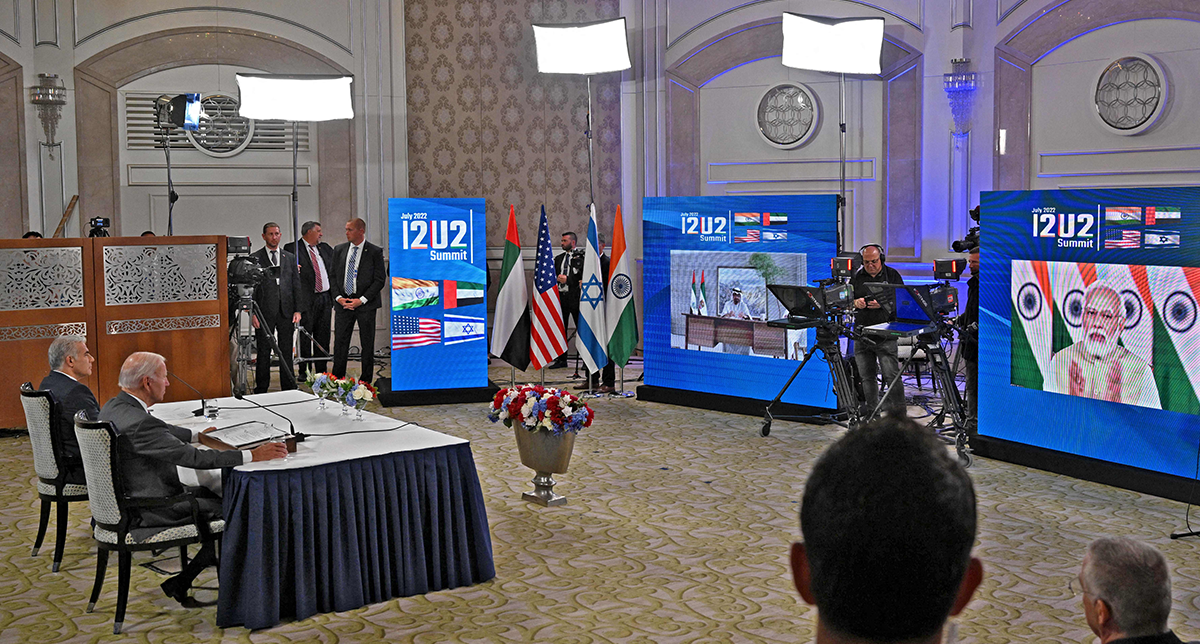
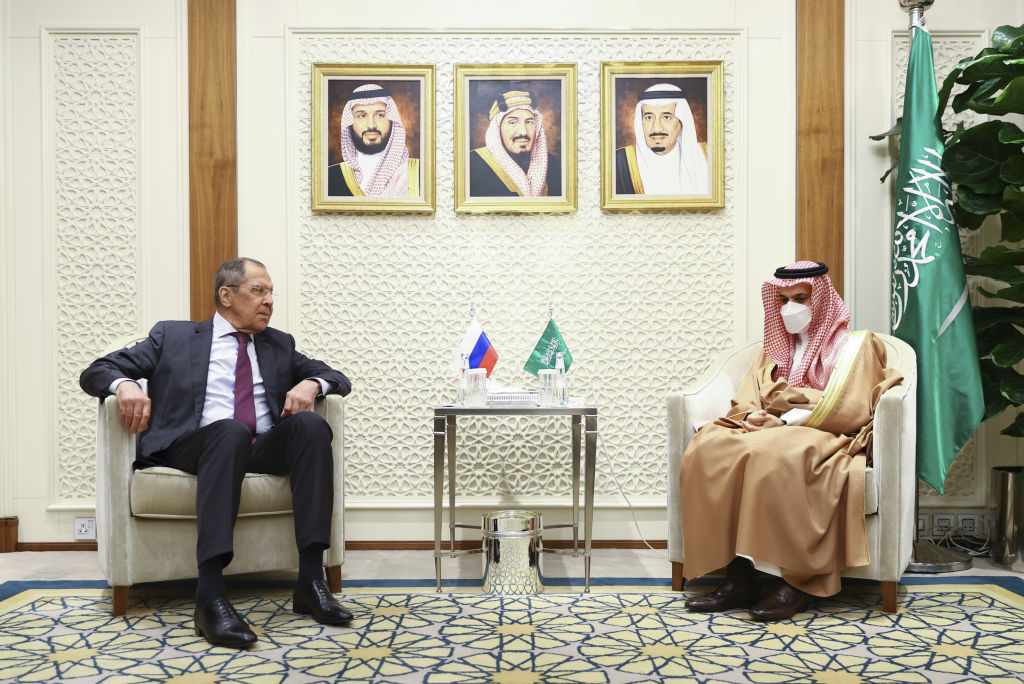
The July 2022 leaders’ meeting took good steps on energy and food security, but Egypt and Saudi Arabia can help take the I2U2 to the next level when it comes to regional security.
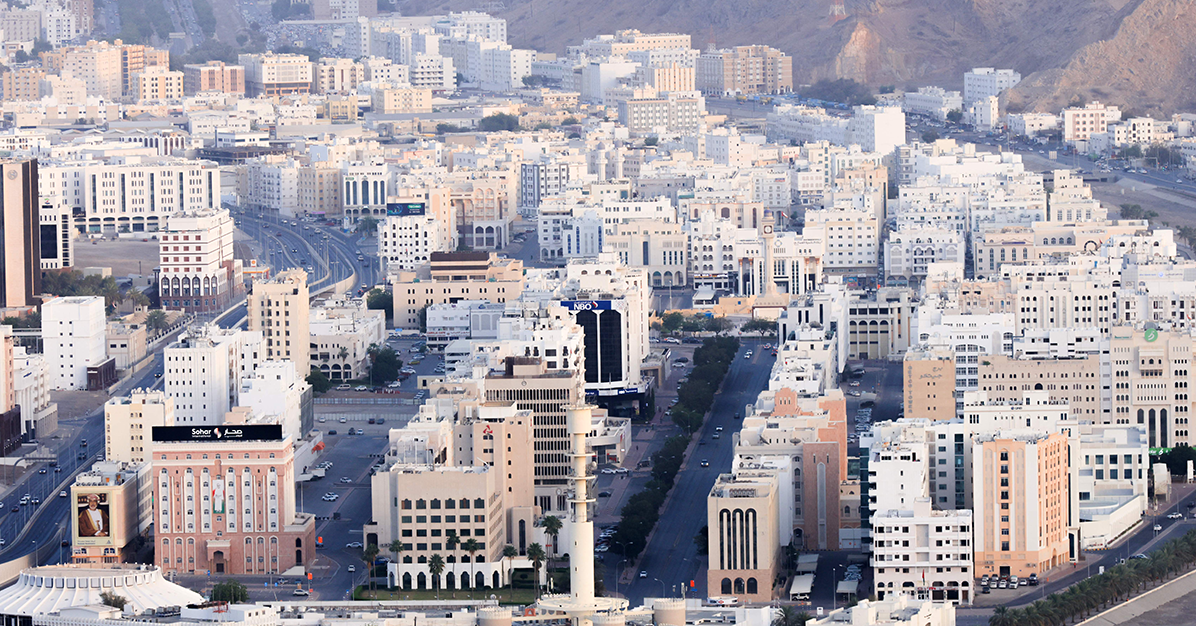
Gulf economies should use the available fiscal space to ensure a soft landing
After achieving respectable growth in 2021, the GCC member states now face the risk of monetary (over) tightening due to the need to follow the U.S Federal Reserve’s interest rate adjustments. These increases are not warranted, however, as the GCC economies currently face relatively moderate inflation. Instead, they should use the available fiscal space to mitigate the negative fallout of monetary tightening and make greater use of PPPs for future infrastructure development.
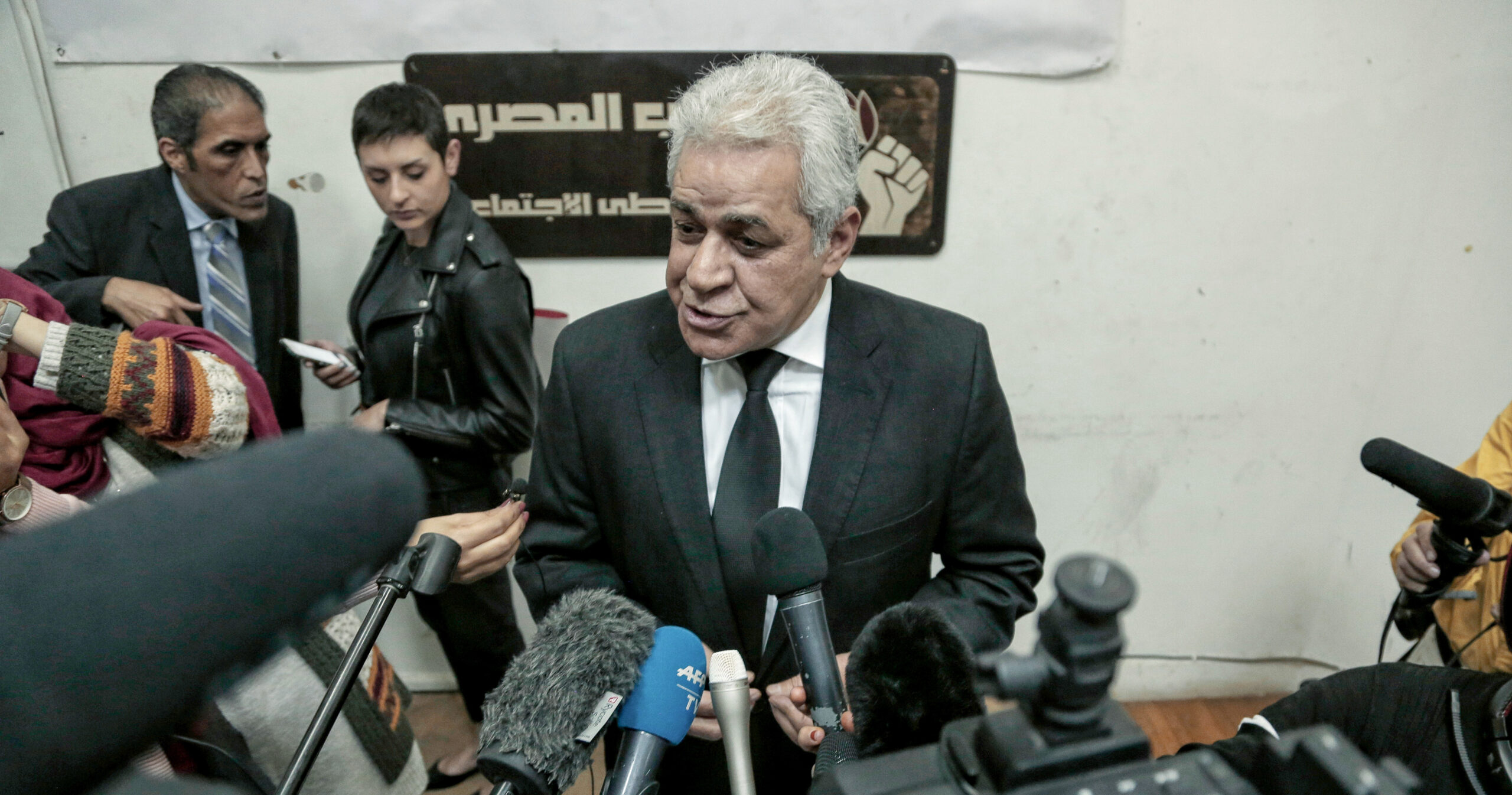
Sisi’s call for dialogue cautiously welcomed by Egypt’s opposition
On Apr. 26, Egyptian President Sisi launched a call for political dialogue with all opposition parties except for the Muslim Brotherhood. Many opponents remain skeptical of the government’s recent change of heart. But some regime opponents have started being released from prison, and state media has again begun allowing critics of Sisi back on the air.
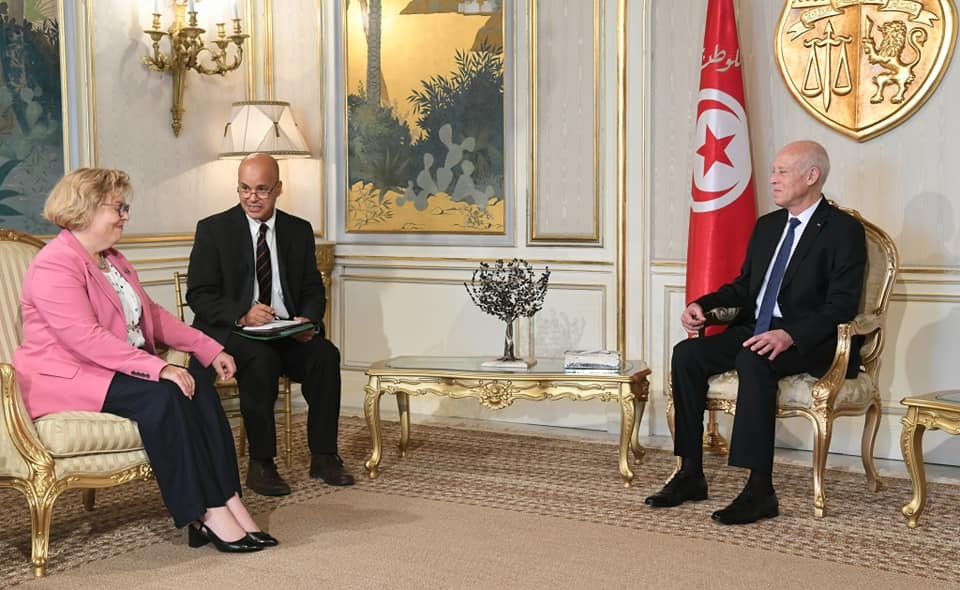
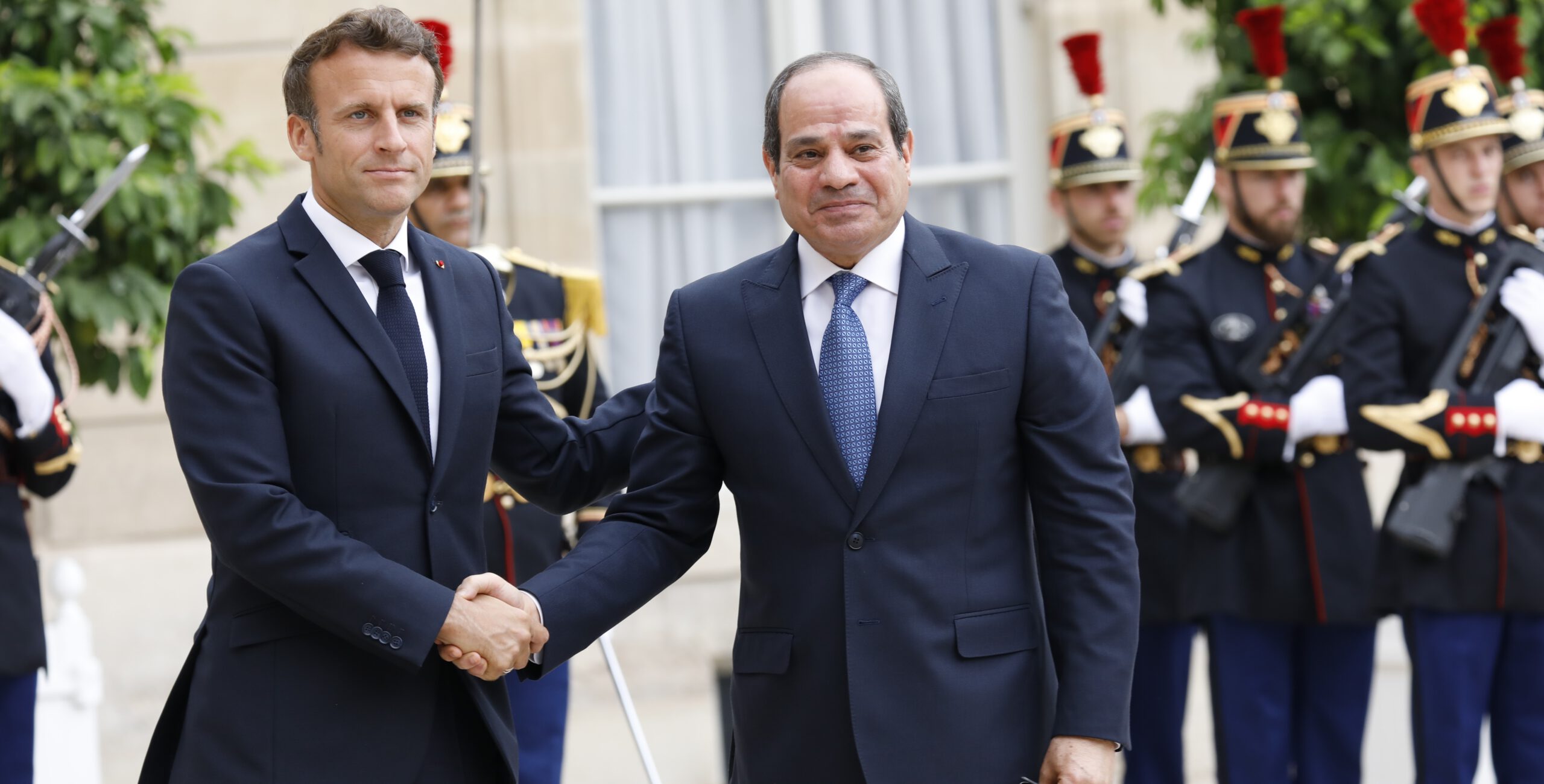
Egypt’s President Sisi makes a comeback on the world stage with a three-stop European tour
Egyptian President Abdel-Fattah el-Sisi’s recent, six-day European tour, which took him to Germany, Serbia, and France, aimed to boost his image and status as a central player on the world stage despite widespread criticism of his regime’s human rights record.
Pensions, sovereign wealth funds, and industrial policy in the Gulf: A look at fund consolidation
The last few years have seen a lot of consolidation in Gulf financial sectors. Not only do these mergers create economic benefits, the merged entities also become potent tools for economic development. The mega-funds and other major financial institutions are part of a trend where Gulf political elites sidestep ossified bureaucracies and instead centralize power in private entities over which they have even more control.
Egypt as an Eastern Mediterranean power in the age of energy transition
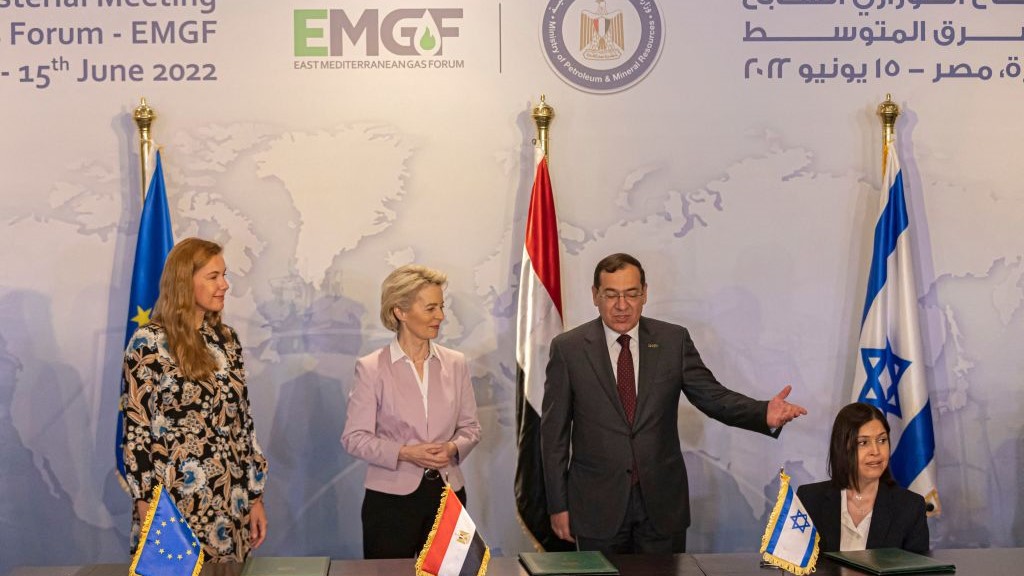
The emergence of Egypt as an Eastern Mediterranean energy hub resulted from a culmination of years of deliberate efforts. Increasingly, Egypt will be able to re-export Israeli natural gas or convert it into blue hydrogen, generate green electricity for export, or utilize its growing wind and solar power capacity to produce green hydrogen.
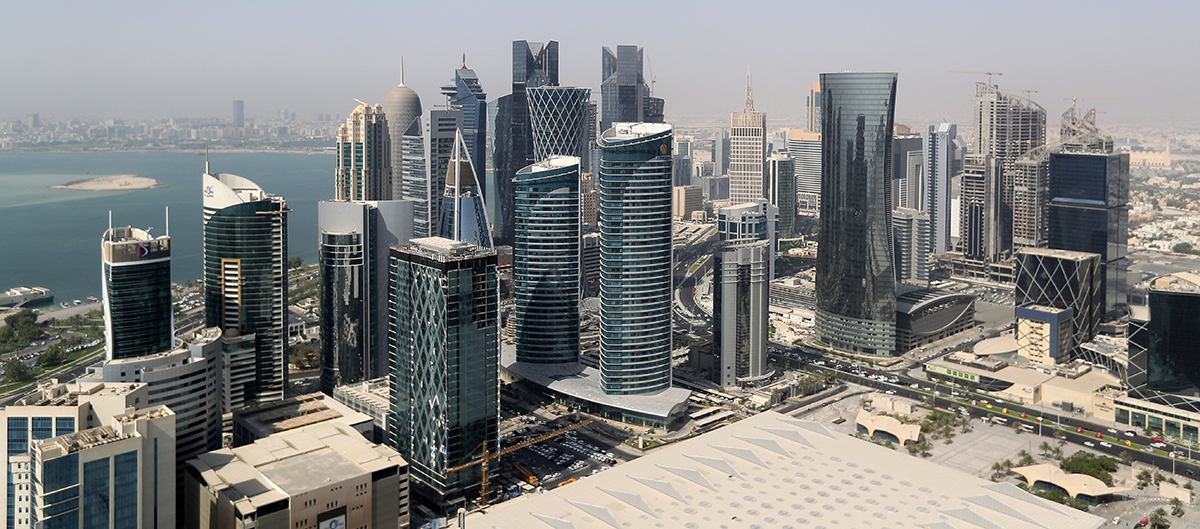
Qatar strengthens ties with international energy players through North Field East Project
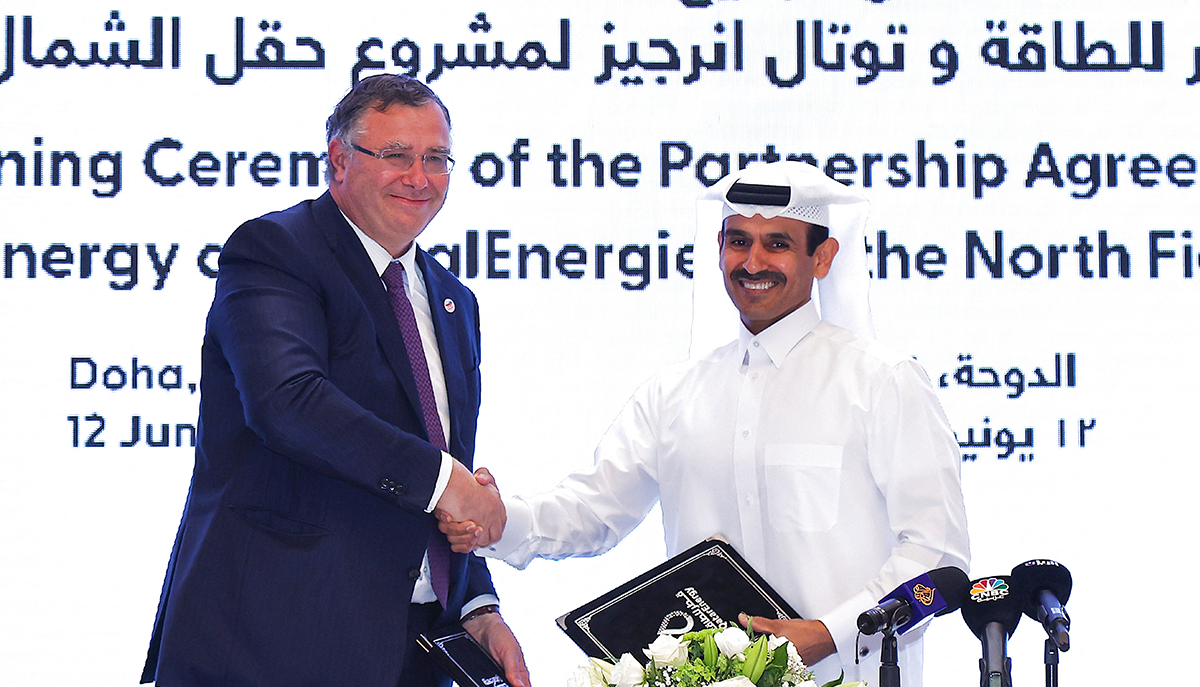
Throughout the month of June, Qatar Energy, the state-owned energy company responsible for delivering the newly named North Field East Project, captivated the attention of global energy players. After more than six months of bid evaluation, the Qataris have selected the partners in the drive to expand their LNG capacity. While all partners have minor interests, the Qataris have publicly secured participation from representative Western energy players.
Nathenael Gemechu moderates a conversation with Michael Woldemariam and Guled Ahmed on Ethiopia in the first installment of a two-part series on the Horn of Africa. Woldemariam and Ahmed discuss the ongoing Tigrayan conflict that includes Ethiopia and Eritrea and the influence of external players.
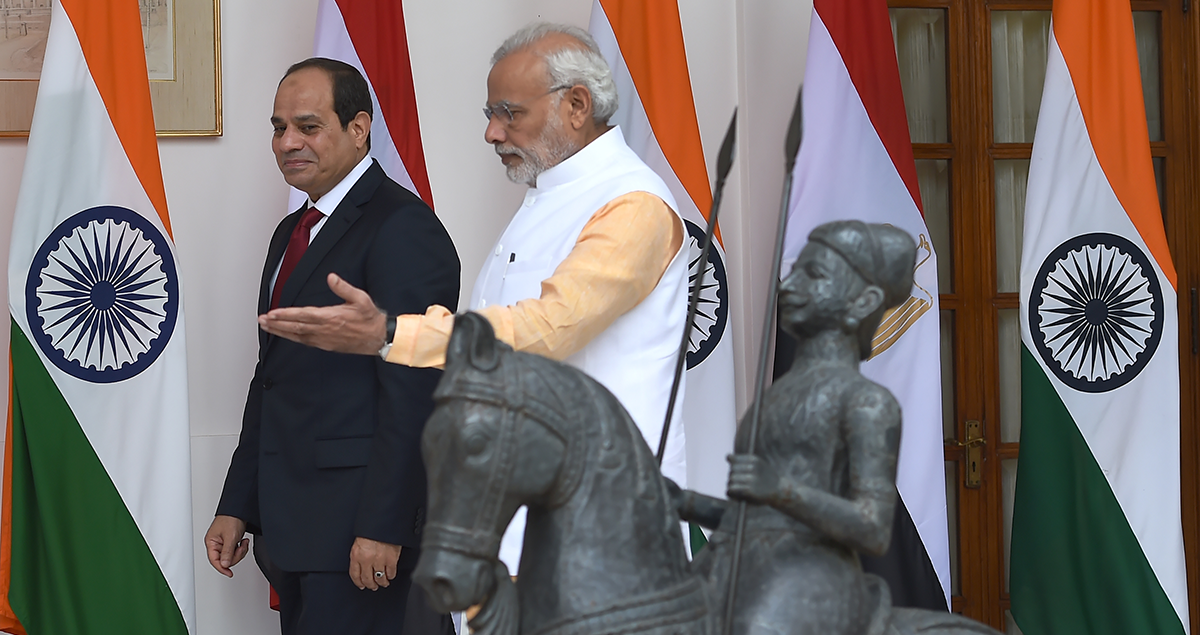
Asia is undergoing a world-historical geopolitical transformation. The rise of the Indo-Pacific as a coherent geoeconomic and geopolitical system coincides with the rise of the “Indo-Abrahamic,” an emerging transregional order connecting India to West Asia and the eastern Mediterranean. Until now, the geographic vastness of Asia and the legacy of “divide-and-conquer” colonialism have kept the continent politically and economically fragmented. By reshaping their bilateral relations, Cairo and New Delhi can seize the opportunity to link the Indo-Abrahamic with the Indo-Pacific, thus realizing this envisioned West Asian system.