تمت ترجمة هذا النص بواسطة الذكاء الاصطناعي وقد يحتوي على أخطاء.
تخطي إلى المحتوى

Research & Commentary Results

تصفية حسب
776 Results
Riyadh takes the helm in Yemen
  • التحليل
  • Riyadh takes the helm in Yemen

    Saudi Arabia has stepped up its efforts to unify and restructure Yemen’s anti-Houthi forces after the rapid expansion and sudden implosion of the United Arab Emirates-backed secessionist Southern Transitional Council following Abu Dhabi’s military withdrawal from the country.

    February 25, 2026

    From the Middle East to West Asia: Redefining America’s Global Strategy
  • Podcast
  • From the Middle East to West Asia: Redefining America’s Global Strategy

    MEI Senior Fellow Mohammed Soliman joins hosts Alistair Taylor and Matthew Czekaj to discuss his new book, West Asia: A New American Grand Strategy in the Middle East. The book argues that it is time for the United States to move decisively away from nation-building and focus instead on order-building, outlining a framework for a new regional order that links Europe to the Indo-Pacific. Soliman also shares how he conceived of the core ideas behind his book and explains why his thesis is especially relevant in today’s geopolitical, economic, and technological landscape.

    February 12, 2026

    Bonus Episode: Can Yemen Hold Together?
  • Podcast
  • Bonus Episode: Can Yemen Hold Together?

    This bonus episode of Middle East Focus features an excerpt from a recent MEI Virtual Briefing recorded on January 20. Director of Communications Zeina Al-Shaib is joined by MEI Affiliate Fatima Abo Alasrar and Associate Fellow F. Gregory Gause III to discuss the dramatically changing dynamics in Yemen’s civil war. Last month, Yemen emerged as a focal point of rising tensions between Saudi Arabia and the United Arab Emirates. The Southern Transitional Council, a UAE-backed southern separatist movement, has disbanded in recent weeks, following fierce clashes with Saudi-backed forces. In the conversation, Alasrar and Gause analyze the political, security, and socio-economic shifts affecting Yemen’s internal dynamics and what all this means for regional stability.

    23 يناير 2026

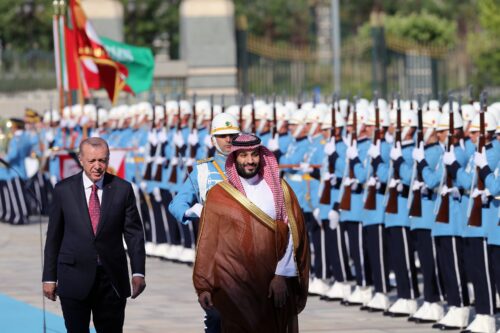
    What Ankara sees in Riyadh — and why it still needs Abu Dhabi
    Photo by Mustafa Kaya/Xinhua via Getty Images
  • التحليل
  • What Ankara sees in Riyadh — and why it still needs Abu Dhabi

    As the rivalry between Riyadh and Abu Dhabi sharpens in Yemen and beyond, Turkey has begun edging closer to Saudi Arabia, sparking claims that a new regional order is taking shape: a Turkey-Saudi axis backed by a NATO-like defense architecture, implicitly aligned against Israel and the United Arab Emirates. This reading overstates the case.

    From coalition to confrontation: Saudi-UAE rivalry in Yemen and its regional implications
  • التحليل
  • From coalition to confrontation: Saudi-UAE rivalry in Yemen and its regional implications

    The final days of 2025 marked a turning point in the Middle East, as competition between Saudi Arabia and the United Arab Emirates in Yemen spilled out into the open. Tensions between the two coalition partners, which jointly launched a military intervention in Yemen in 2015, have simmered for years and are now rapidly escalating, with far-reaching implications for both Yemen and regional security more broadly.

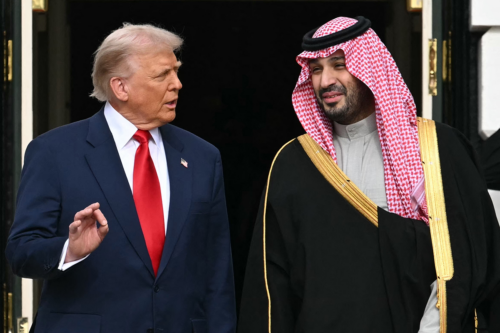
    قمة ترامب-محمد بن سلمان: مشاعر طيبة، والتزامات حقيقية، وأسئلة عالقة
    مصور فوتوغرافي: ناثان هوارد/بوليتيكو/بلومبرج عبر غيتي إيمجز
  • التحليل
  • قمة ترامب-محمد بن سلمان: مشاعر طيبة، والتزامات حقيقية، وأسئلة عالقة

    غادر محمد بن سلمان، ولي العهد ورئيس الوزراء وصانع القرار الرئيسي في المملكة العربية السعودية، واشنطن وقمة قمة الرئيس دونالد ترامب بعد أن قدم عددًا من الوعود وتلقى عددًا من الالتزامات. لكن العديد من الأسئلة، بما في ذلك تلك المتعلقة ببنود الأجندة الدبلوماسية المشتركة، ومدى التعاون النووي المدني، وطبيعة التزام الولايات المتحدة الدفاعي تجاه المملكة العربية السعودية، لا تزال دون إجابة.

    Special Feature: A Front-Row Seat to Saudi Arabia’s Transformation
  • Podcast
  • Special Feature: A Front-Row Seat to Saudi Arabia’s Transformation

    In this episode, Brian sits down with Faisal Abbas, editor-in-chief of Arab News. Abbas, who reported on Saudi Crown Prince Mohammed bin Salman’s November 18 visit to the White House, unpacks his impressions from the visit and the opportunities it presents for US-Saudi relations. The conversation also explores the Kingdom’s transformation over the past decade, its relationships with key partners including the United States, and Abbas’s recommendations for deepening the US-Saudi partnership going forward.

    MBS يصل إلى واشنطن
    الصورة من قبل وين ماكنيمي/Getty Images
  • التحليل
  • MBS يصل إلى واشنطن

    On November 18, Saudi Crown Prince Mohammed bin Salman is scheduled to make his first trip to Washington since 2018. In a new MEI Policy Memo, Daniel Benaim breaks down why it matters for the US and the relevant policy considerations.

    MBS يصل إلى واشنطن
  • Policy Memo
  • MBS يصل إلى واشنطن

    On November 18, Saudi Crown Prince Mohammed
    bin Salman (MBS) is scheduled to make his first trip to Washington since 2018. President Donald Trump has doubled down on the Gulf from the outset of his second term, making Riyadh his first planned overseas trip and reorienting ties around major artificial intelligence (AI) and investment deals. MBS’s visit will test whether both sides can translate ambitious pledges into concrete outcomes. Significant upgrades in defense and security are expected, with movement possible on semiconductor sales and nuclear cooperation. Behind the ambitions, harder questions about Saudi-Israeli normalization and alignment in a rapidly changing region loom as important Oval Office topics.

    الانقسامات الداخلية تعوق طموحات أمريكا في الخارج
    الصورة من BRENDAN SMIALOWSKI/AFP عبر Getty Images
  • التحليل
  • الانقسامات الداخلية تعوق طموحات أمريكا في الخارج

    Over the past week, US President Donald Trump made an extended trip to Asia and threatened military actions against Latin American and African countries. But despite his administration’s continuing ambitions in the Middle East region, few major breakthroughs are expected there in the immediate future due to the government shutdown and unilateral cuts to national security infrastructure.

    هل وافقت باكستان على استخدام القوة النووية للدفاع عن المملكة العربية السعودية؟
  • Video
  • هل وافقت باكستان على استخدام القوة النووية للدفاع عن المملكة العربية السعودية؟

    وقّعت المملكة العربية السعودية وباكستان اتفاقية دفاع مشترك في 17 سبتمبر/أيلول 2025، تنص على أن "أي عدوان على أي من البلدين يعتبر عدوانًا على كليهما". أثارت صياغة الاتفاقية تكهنات بأن باكستان قد تستخدم قدراتها النووية للدفاع عن المملكة العربية السعودية. إلا أن الباحث ف. غريغوري غوس من معهد الشرق الأوسط يؤكد خلاف ذلك، ويقدم نظرة ثاقبة على التاريخ والحسابات الاستراتيجية التي أدت إلى إبرام الاتفاق. لمعرفة المزيد عن الصفقة، يرجى زيارة موقعنا الإلكتروني.

    اتفاق الدفاع الاستراتيجي بين باكستان والمملكة العربية السعودية: بنية أمنية جديدة في منطقة الشرق الأوسط الكبير
    الصورة عبر وزارة الخارجية السعودية
  • التحليل
  • اتفاق الدفاع الاستراتيجي بين باكستان والمملكة العربية السعودية: بنية أمنية جديدة في منطقة الشرق الأوسط الكبير

    في أعقاب الضربة التي شنتها إسرائيل في 9 سبتمبر على أهداف لحماس في قطر، اتخذت باكستان خطوات سريعة وهامة في سياستها الخارجية رداً على ذلك، واتخذت موقفاً حازماً بشكل غير معتاد. وقد تأثر هذا التحول إلى حد كبير بقائد الجيش الباكستاني، المشير عاصم منير. فالأخير مصمم على تعزيز الاستقلالية الاستراتيجية لبلاده ونفوذها الدبلوماسي في بيئة دولية تزداد تعقيداً، من خلال وضع باكستان في موقع الفاعل الأمني الرئيسي والقوة المتوسطة الصاعدة على الساحة العالمية.

    نفوذ صامت، مكاسب هادئة؟ الصين وميثاق الدفاع السعودي-الباكستاني
    الصورة من تصوير مادوكا إيكيغامي-بول/غيتي إيمدجز
  • التحليل
  • نفوذ صامت، مكاسب هادئة؟ الصين وميثاق الدفاع السعودي-الباكستاني

    اتفاقية الدفاع المتبادل الاستراتيجي (SMDA) بين المملكة العربية السعودية وباكستان، التي تم توقيعها في الرياض في 17 سبتمبر، هي أكثر بكثير من مجرد تعهد ثنائي. فهو يمثل إعادة ترتيب عميقة للتحالفات في الخليج وجنوب آسيا، مما يعكس ويعزز التآكل الأوسع نطاقاً لسيادة الولايات المتحدة في البنية الأمنية الأوروبية الآسيوية. في حين ركزت معظم التعليقات الأولية على الالتزام المذهل من قبل ملكية خليجية ثرية بالدفاع عن دولة جنوب آسيوية حائزة للأسلحة النووية، فضلاً عن مسألة ما إذا كانت باكستان قد مدت بالفعل مظلتها النووية إلى المملكة العربية السعودية، فإن القصة الأعمق هي على الأرجح التقدم المحتمل للصين.