Bonus Episode: Previewing Israel’s First Post-October 7 Election
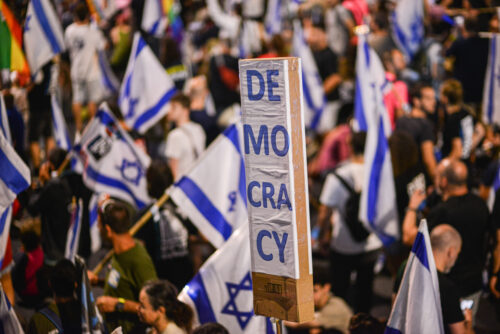
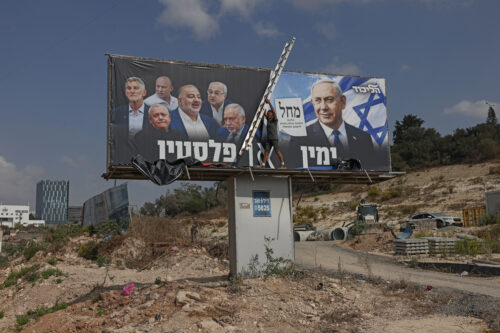
Israel is preparing to hold what may be its most consequential election in decades. On October 27, Prime Minister Benjamin Netanyahu will face his first electoral test since October 7, 2023. In this bonus episode of Middle East Focus, we present the audio from a recent MEI webinar, hosted in Israel on the eve of the vote. Senior Fellow Natan Sachs is joined by Dr. Shira Efron, Distinguished Chair for Israel Policy and senior fellow at the RAND Corporation, and Neri Zilber, veteran journalist and Financial Times correspondent. They explore what’s at stake in this historic election and how different outcomes could reshape Israel’s domestic politics and the wider region.
Israel Was Built on Hope. This Election May Be Our Last Chance to Save It
Israel’s national anthem, Hatikva, means “the hope.” Israel is not just another country, but the culmination of a 2,000-year-old dream of national redemption. The rebirth of the Jewish people’s ancestral homeland, just three years after the Holocaust, was a miraculous triumph of hope over all odds.
Today, that hope has been shattered and the elections on October 27 have become the most consequential in Israel’s history.
One striking thing about US President Donald Trump’s endorsement of Israeli Prime Minister Benjamin Netanyahu this past week is how isolated he was in making this call. The Israeli Prime Minister has become a widely detested figure worldwide following Israel’s war in Gaza—where Israel committed war crimes. This disdain was clearly on display in New York in September when dozens of diplomats streamed out of the hall during Netanyahu’s speech.
Since 1967, Israeli settlements in the West Bank have been a contested feature of the Israeli-Palestinian conflict. The ultimate disposition of the settlements and ongoing activity related to their growth have repeatedly defied agreement in negotiations over a resolution to the conflict.
The Houthis are a political-military faction and Zaydi religious movement founded in northwestern Yemen in the 1980s. A key member of Iran’s Axis of Resistance with links to other militant organizations in the Arabian Peninsula and the Horn of Africa, the group has continued to pose a threat to Western interests on a global scale.
The India-Middle East-Europe Economic Corridor (IMEC) is a proposed multinational infrastructure initiative aimed at upgrading connectivity between the three regions through integrated trade, energy, and digital networks. Announced at the G20 summit in New Delhi in September 2023, IMEC is envisioned partially as a counterweight to China’s international infrastructure project, the Belt and Road Initiative.
After a decade of post-Arab Spring isolation, Turkey’s leaders have recognized that their ambition to position the country as an agenda-setter on the world stage requires active engagement in all directions. President Recep Tayyip Erdoğan’s consolidation of executive authority has centralized foreign policy decision-making and tied it to his domestic political priorities, transforming the country’s revisionist approach to one shaped primarily by personal and pragmatic interests.
MEI Senior Fellow Brian Katulis engages friends, colleagues, and policy experts in casual conversations on the most important happenings in the Middle East.
Putting up a fight: Tunisia’s counterterrorism successes and failures
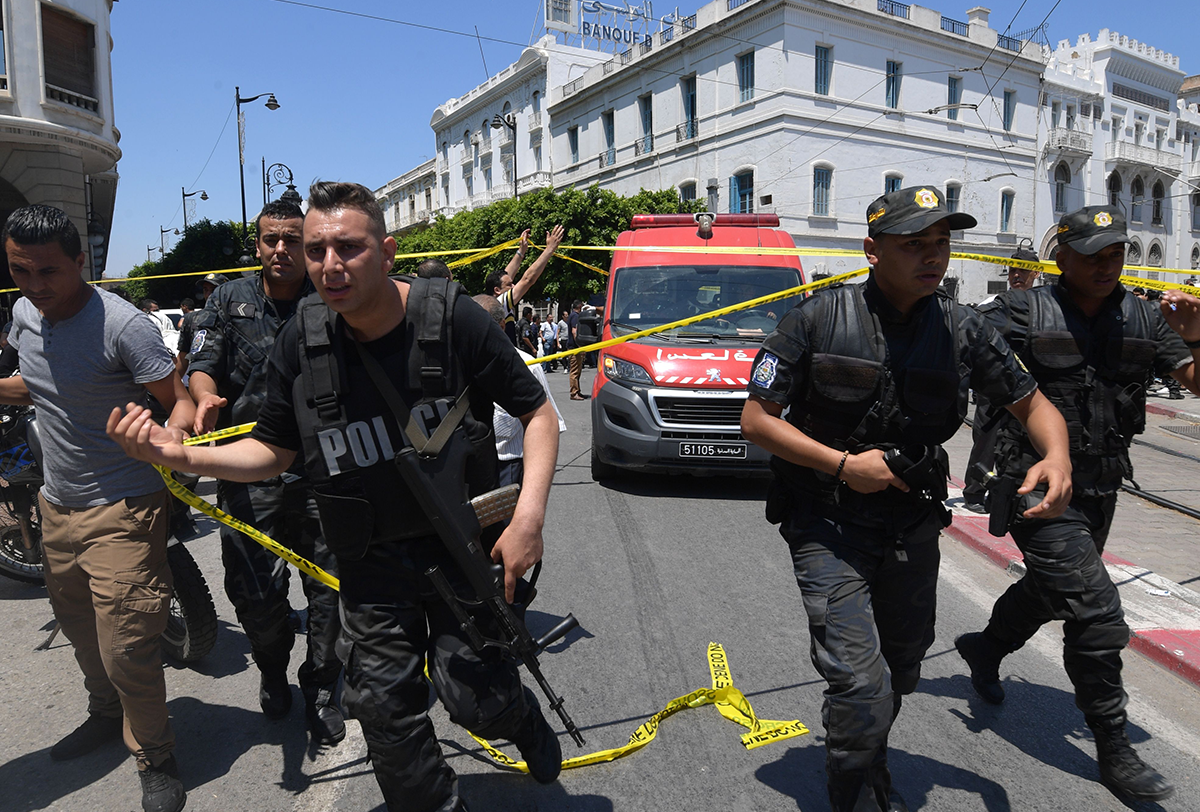
Alongside a stalled economy and a messy political transition, the decade since the 2011 revolution has left Tunisia with an intermittent yet ferocious terrorism problem. The frequency of terrorist attacks highlights the dangers posed by an uncertain political environment, widespread economic problems, and regional instability. But the fact that they have become less deadly over time also seems to underline the improvements that successive governments have made to Tunisia’s security apparatus.
On Dec. 3, MEI’s Program on Palestine and Palestinian-Israeli Affairs convened a webinar on the future of Palestinian refugees and their place in the policy discourse following the election of President-elect Joe Biden and the departure of the Trump administration. Below is a summary of the major takeaways from the event, organized by topic.
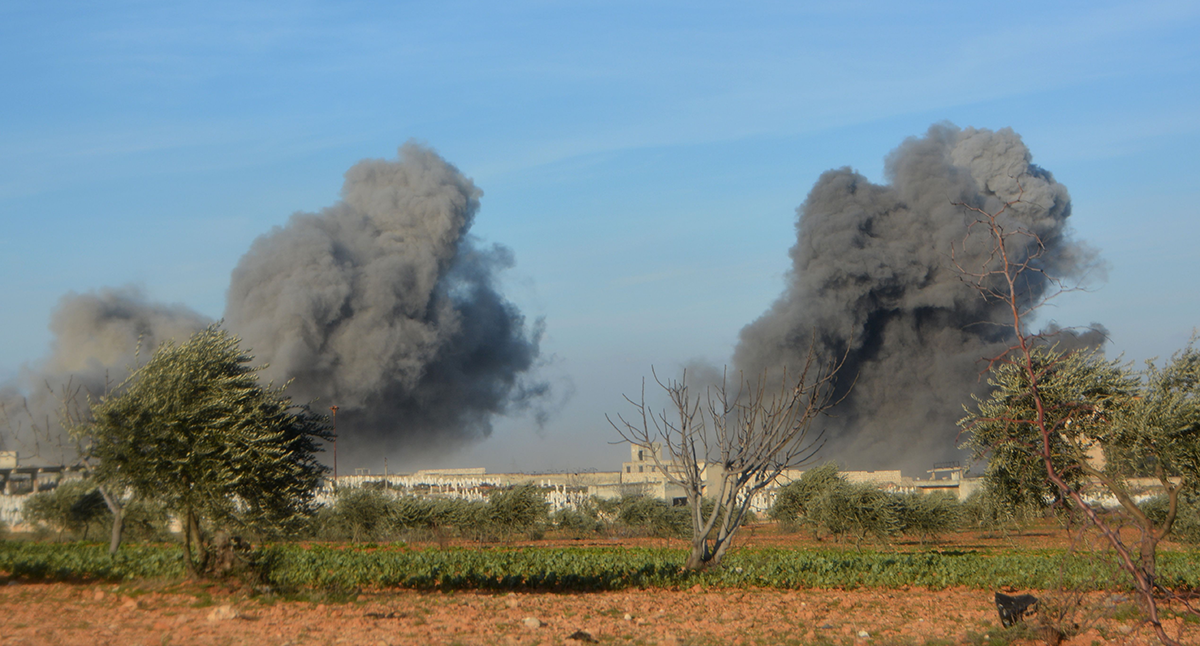
Weighing the scales of violence in northwest Syria
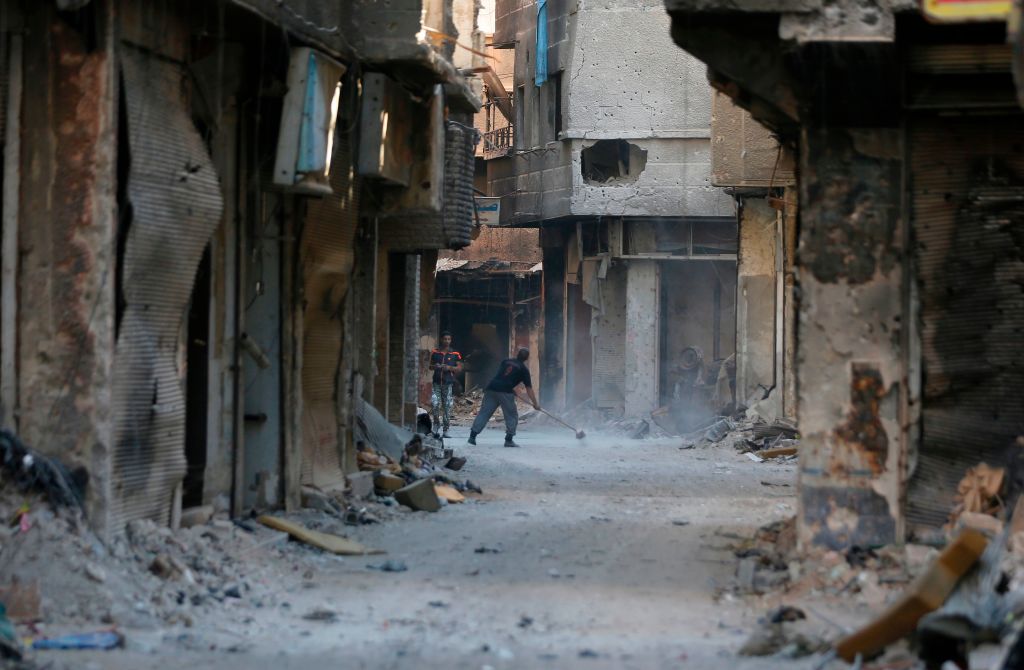
When looking at a map of all artillery and airstrikes in the period from November 2019 through November 2020, first, it is quite clear that the majority of attack are carried out by either Syrian, Russia, or pro-government forces across the northwest of the country, save for northern Aleppo, where the Turkish military is more active.
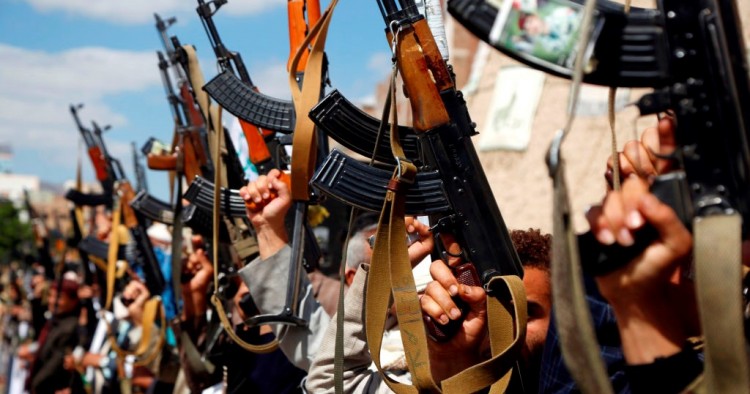
Now in its sixth year, the war in Yemen shows no signs of abating. The country faces what is widely considered the world’s worst humanitarian crisis — a situation that has only been exacerbated by the global coronavirus pandemic. As a new administration prepares to take over in Washington, it is a natural time to assess U.S. policy toward the country. We asked 9 experts to provide their perspective and answer the following question: How should the Biden administration approach Yemen?
The US and China: Getting Beyond the COVID-19 Blame Game
As the world grapples with the devastation being wrought by the COVID-19 pandemic, US and Chinese officials have seemed unable to resist hurling accusations at one another. The purpose of this article is to show that even a nascent understanding of what unites both cultures, in the way ideas are passed down and how thought progresses through the centuries in both the West and the East, can be most helpful in adopting the concept of “scientific globalism,” through which nations can join together to overcome this emergency and those to come.
Richard A. Clarke, the first US “Cyber Czar”, joins guest host Patrick Howell O’Neill, cybersecurity senior editor for MIT Technology Review, to discuss the state of defensive and offensive cyber capabilities across the Middle East, how it is impacting conflicts in the region, and steps the incoming Biden administration can take to reinvigorate US cyber programs.
NATO's Energy Security Rests on a Fragile Ceasefire
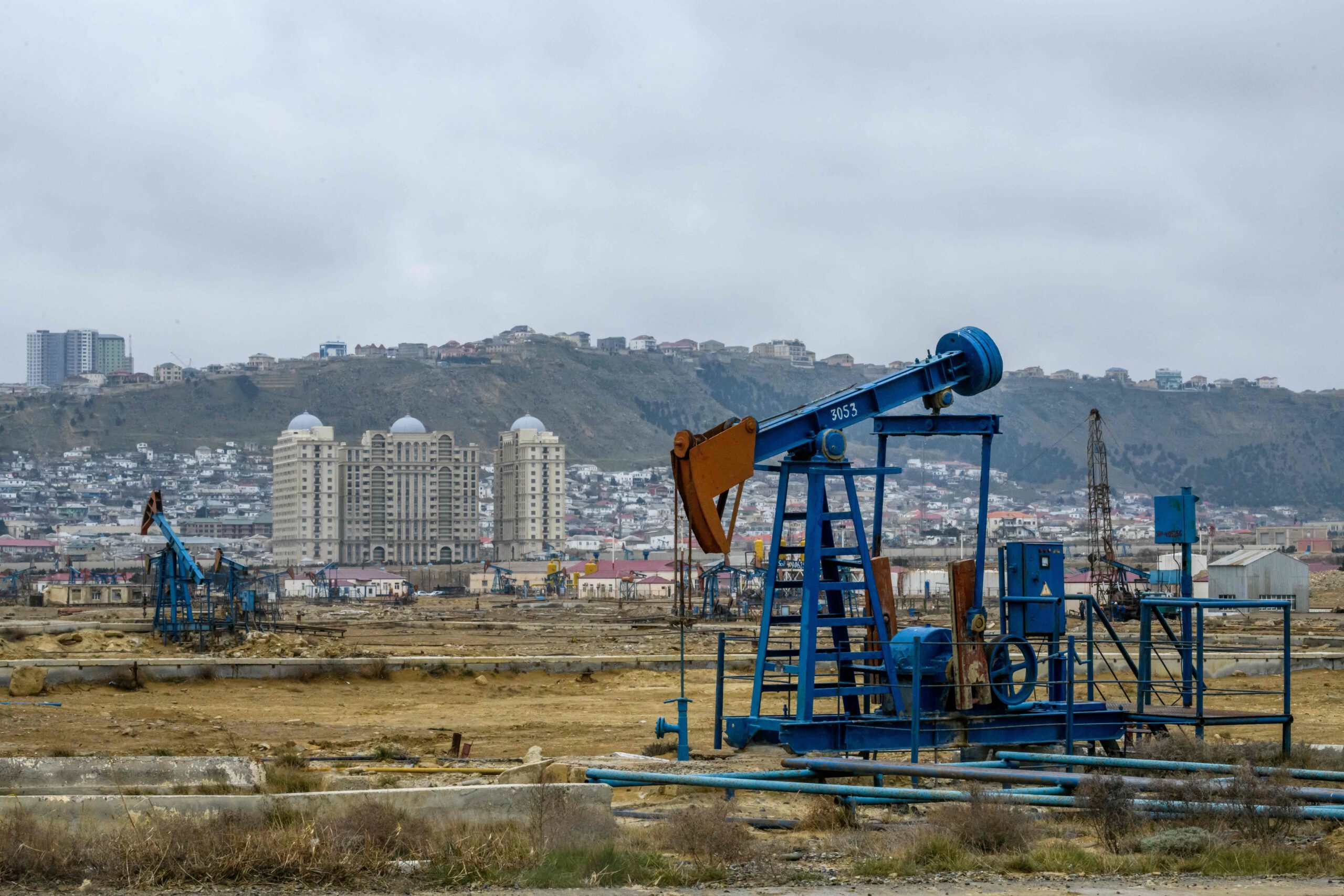
There is a lot riding on the success of the recent cease-fire agreement between Azerbaijan and Armenia. NATO’s energy security is now intertwined with the fragile deal. Fueled by Russian arms and military training, the Armenia-Azerbaijan conflict threatens to shake confidence in Europe’s drive to reduce its energy reliance on Moscow.
Our Shared Humanity, Middle Eastern Hospitality, and Authentic Georgian Wine Reinterpreted for Our Covid Christmas
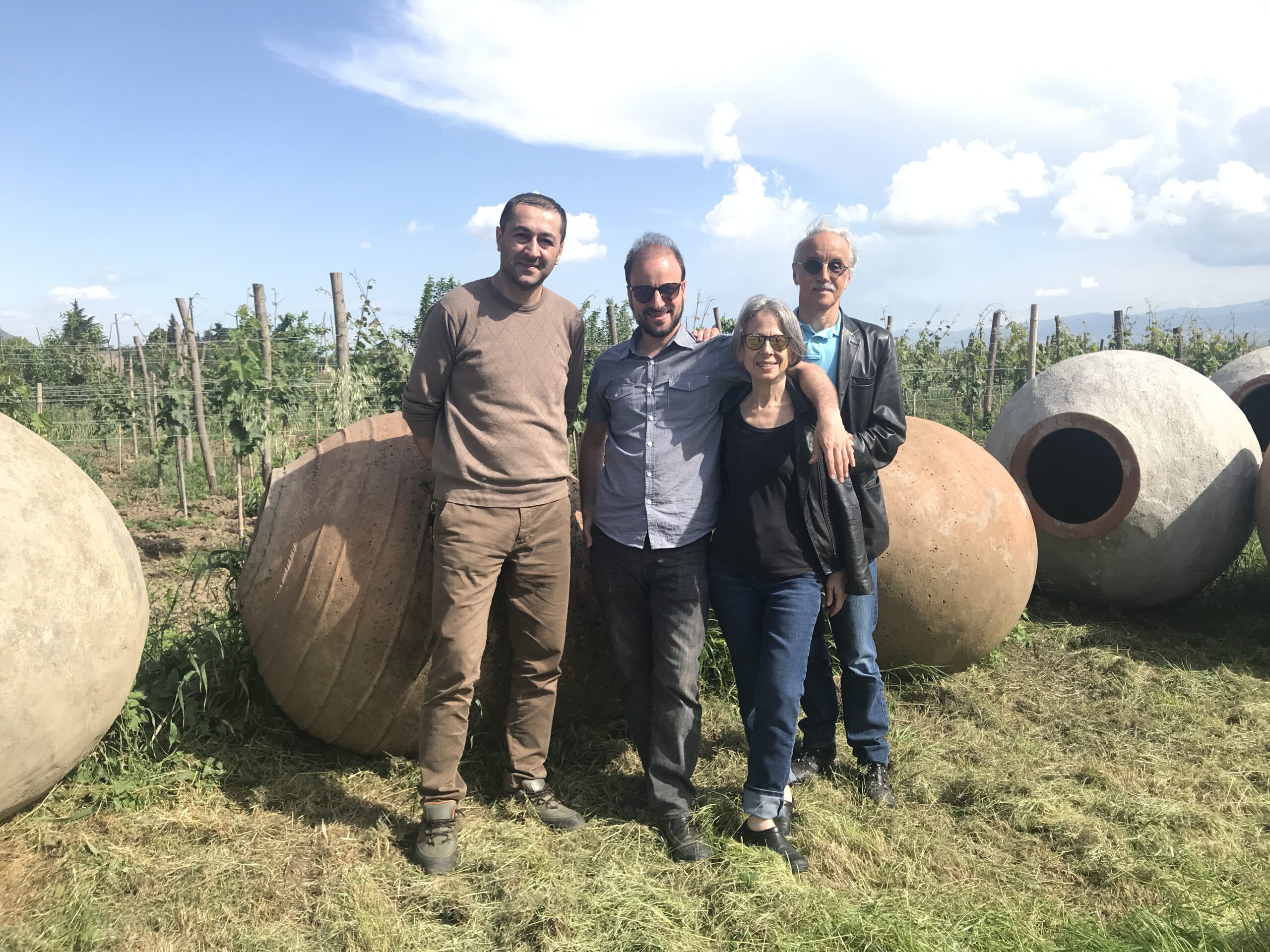
Therefore, this holiday season – dear reader – might I suggest a return to the essentials? The greater Middle East is the birthplace of Christianity, Judaism, and wine. This year, why not return to basics with some Georgian wine at the holiday table? Wine is central to Judeo-Christian rituals. It is a requirement for the Eucharist – as well as for Shabbat and Passover. A more secular property of wine is its ability to encapsulate a sense of place and epitomize the traditions of a culture.
A look back at the year’s most important developments with analysis from Paul Salem, Alex Vatanka, Randa Slim, Gerald Feierstein, Gonul Tol, Jonathan M. Winer, Khaled Elgindy, Marvin G. Weinbaum, Mirette F. Mabrouk, Grace Wermenbol, Syed Mohammad Ali, Robert S. Ford, and Khaldoun Khelil.
تميز عام 2020 في الشرق الأوسط بجائحة كوفيد-19، والتكلفة الاجتماعية والاقتصادية العميقة التي تتسبب فيها. والتحولات الإقليمية التي أحدثها تطبيع العلاقات بين إسرائيل وعدد من الدول العربية.
Iran’s internet shutdown last year was an exercise of its digital power that had been years in the making. Since 2013, the Iranian government has invested heavily in developing its domestic internet known as the National Information Network (NIN). With critical internet infrastructure under its control, the Iranian government can isolate its citizens from the global internet by filtering content, restricting communications, and controlling which platforms they can use.
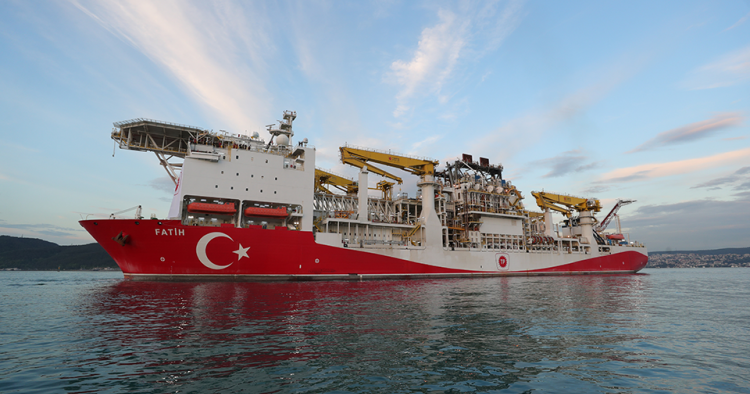
Less widely reported are other offshore discoveries in the Black Sea being made by various regional players, some more overtly than others. Given the not insignificant hurdles posed by limitations of technical capacity, a bounty of market supply, and unresolved conflicts leaving borders and exclusive economic zones (EEZs) in question, many are asking who’s campaigning for new Black Sea gas, and why? And just as importantly, whose national security interests stand best to gain?
Covid-19 in India and Sri Lanka: New Forms of Islamophobia
In recent years, Islamophobia has been on the rise both in India and Sri Lanka. The spread of the Covid-19 pandemic in South Asia has also produced new forms of Islamophobia in New Delhi and Colombo. While governments around the world have played the blame game and typecast one ethnic group or community as the “super spreaders,” the stigmatization of the Muslim community in India and Sri Lanka has become normalized, cutting across different demographics.
حلقة 16: الريادة والاستثمار والجائحة — مع دينا شريف وعادل بوسيلي
نناقش في هذه الحلقة واقع ريادة الأعمال والاستثمار في المنطقة، وكيف تغيّر سلوك المستثمرين في ظل الجائحة، ونصائح لروّاد الأعمال والمستثمرين وصنّاع السياسة لبناء بيئة ريادية أفضل.
The oldest peer-reviewed publication dedicated to the study of the modern Middle East, MEI’s flagship journal covers politics, society, and culture in the region.