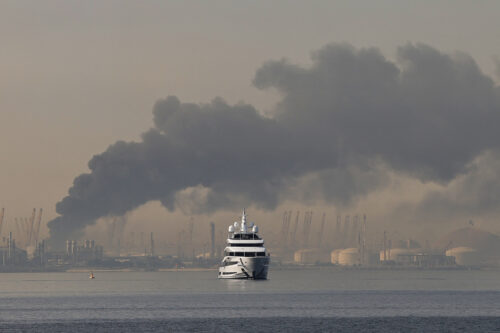
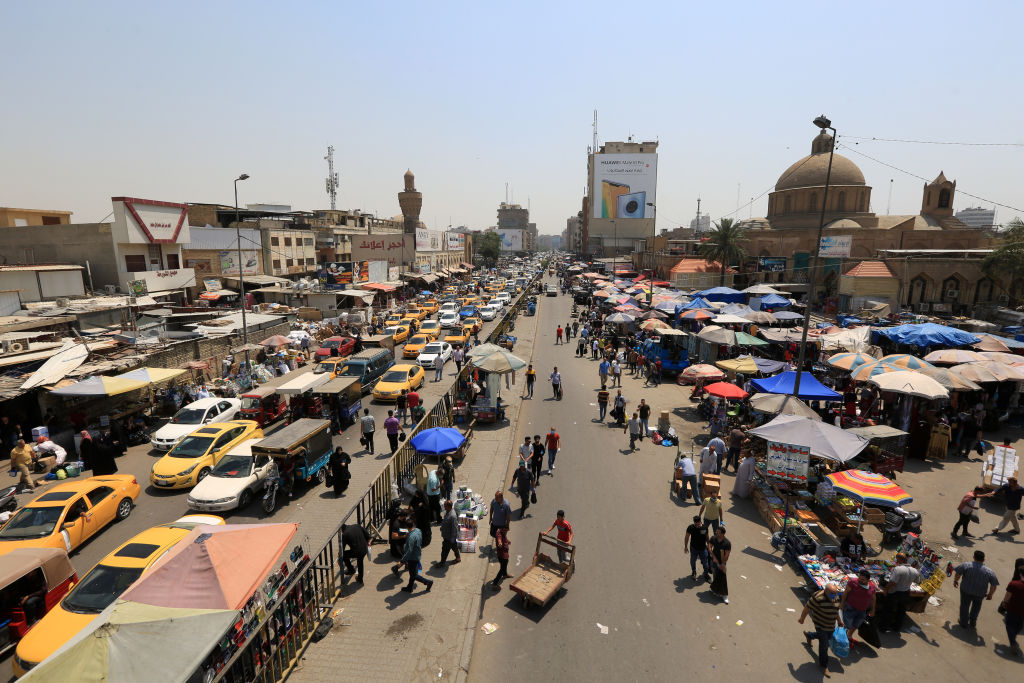
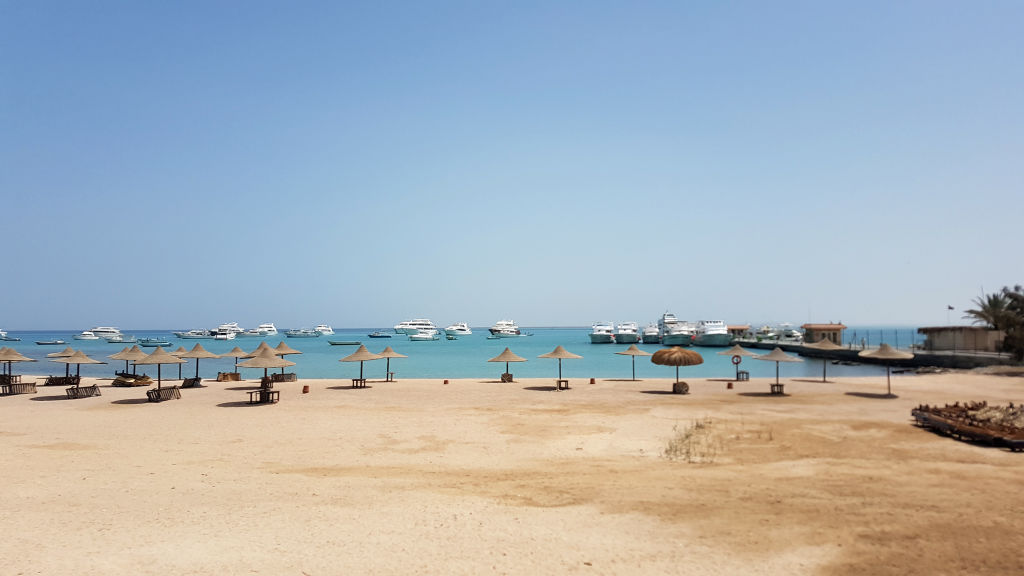
Geopolitical influence over trade increasingly rests on controlling the systems that make them work. The Middle East illustrates the stakes. US ports, cable corridors, cloud facilities, artificial intelligence (AI) investments, and maritime routes connect regional economies to global commerce while exposing them to external decisions and disruptions. For the United States, the challenge is to translate technological advantage into resilient networks rather than rely on centrality that can itself become a source of vulnerability and coercion.
Bonus Episode: Previewing Israel’s First Post-October 7 Election
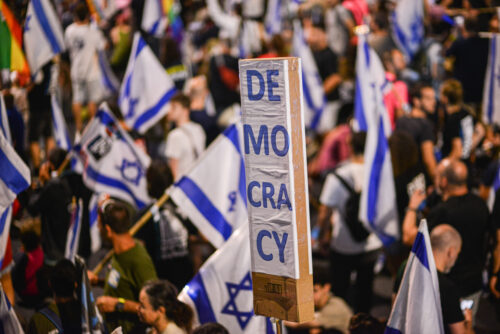
Israel is preparing to hold what may be its most consequential election in decades. On October 27, Prime Minister Benjamin Netanyahu will face his first electoral test since October 7, 2023. In this bonus episode of Middle East Focus, we present the audio from a recent MEI webinar, hosted in Israel on the eve of the vote. Senior Fellow Natan Sachs is joined by Dr. Shira Efron, Distinguished Chair for Israel Policy and senior fellow at the RAND Corporation, and Neri Zilber, veteran journalist and Financial Times correspondent. They explore what’s at stake in this historic election and how different outcomes could reshape Israel’s domestic politics and the wider region.
Israel Was Built on Hope. This Election May Be Our Last Chance to Save It
Israel’s national anthem, Hatikva, means “the hope.” Israel is not just another country, but the culmination of a 2,000-year-old dream of national redemption. The rebirth of the Jewish people’s ancestral homeland, just three years after the Holocaust, was a miraculous triumph of hope over all odds.
Today, that hope has been shattered and the elections on October 27 have become the most consequential in Israel’s history.
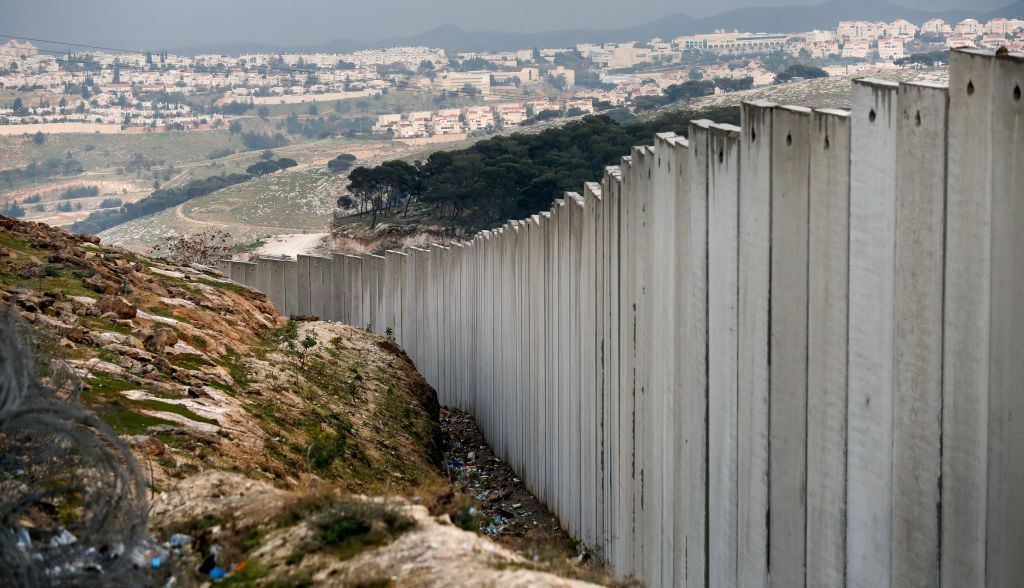
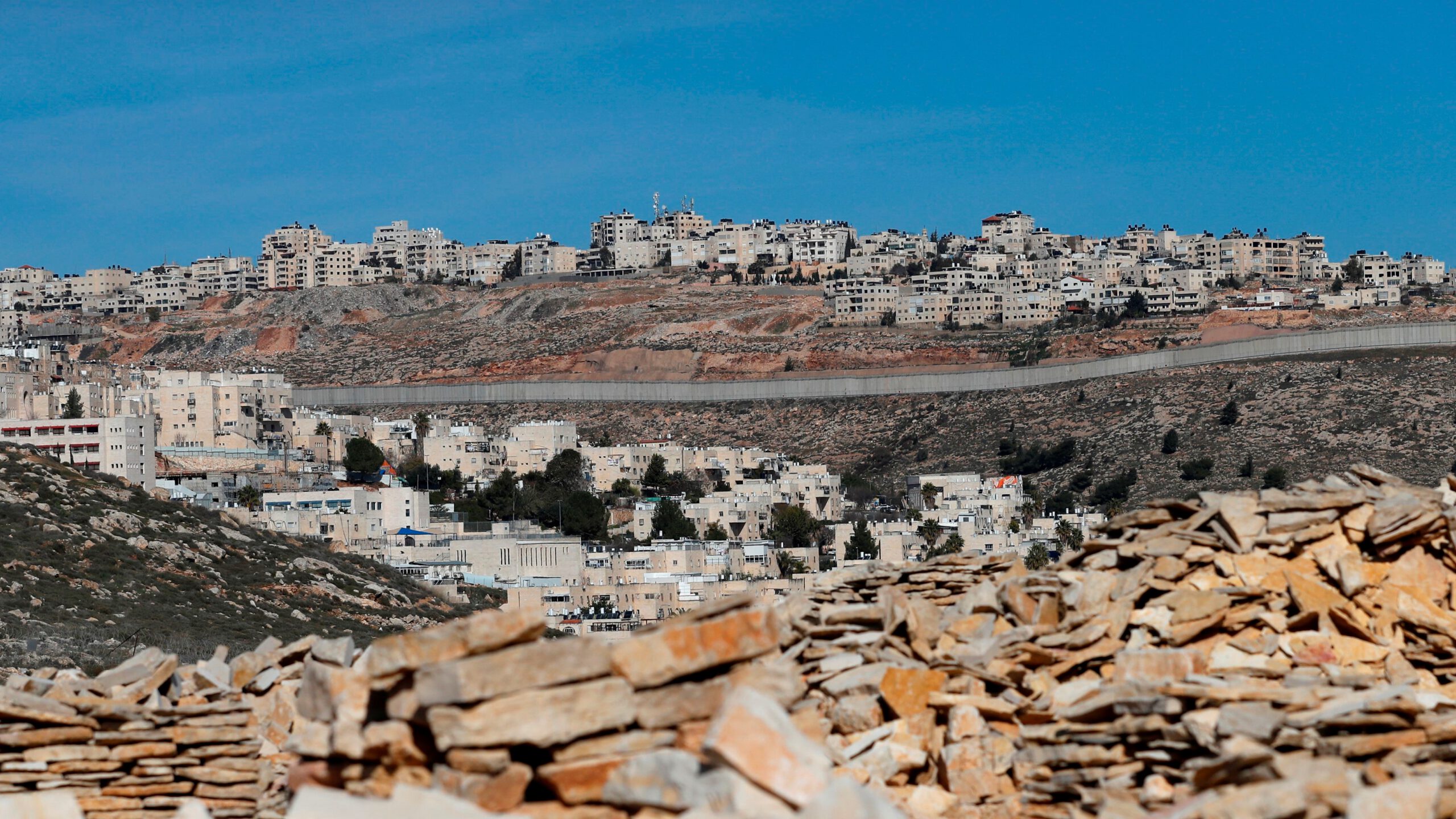
Since 1967, Israeli settlements in the West Bank have been a contested feature of the Israeli-Palestinian conflict. The ultimate disposition of the settlements and ongoing activity related to their growth have repeatedly defied agreement in negotiations over a resolution to the conflict.
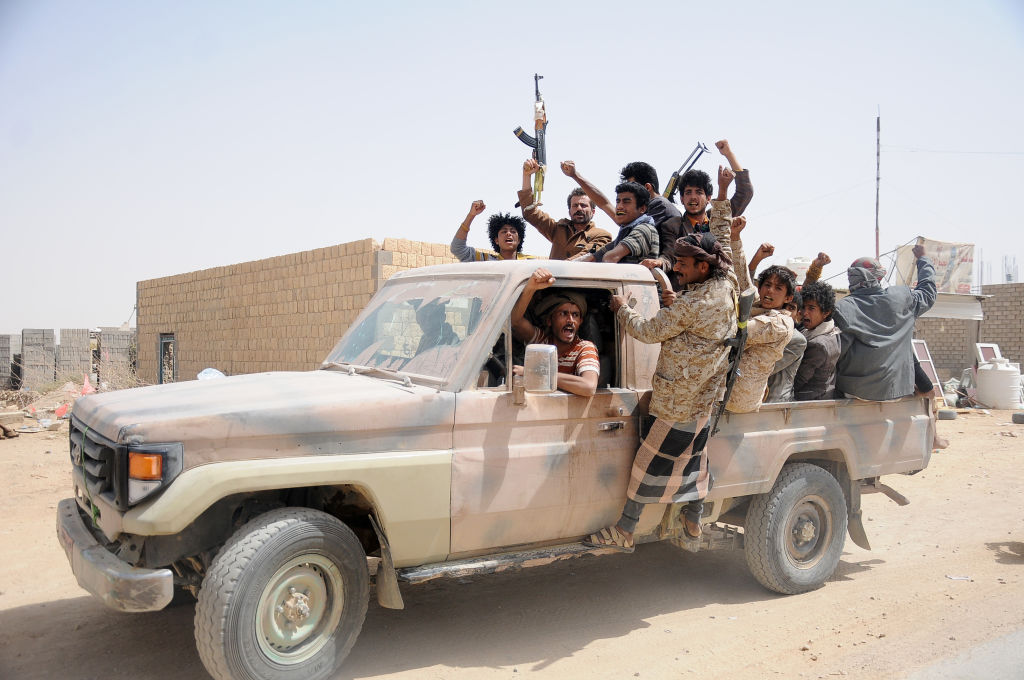
The Houthis are a political-military faction and Zaydi religious movement founded in northwestern Yemen in the 1980s. A key member of Iran’s Axis of Resistance with links to other militant organizations in the Arabian Peninsula and the Horn of Africa, the group has continued to pose a threat to Western interests on a global scale.
The India-Middle East-Europe Economic Corridor (IMEC) is a proposed multinational infrastructure initiative aimed at upgrading connectivity between the three regions through integrated trade, energy, and digital networks. Announced at the G20 summit in New Delhi in September 2023, IMEC is envisioned partially as a counterweight to China’s international infrastructure project, the Belt and Road Initiative.
After a decade of post-Arab Spring isolation, Turkey’s leaders have recognized that their ambition to position the country as an agenda-setter on the world stage requires active engagement in all directions. President Recep Tayyip Erdoğan’s consolidation of executive authority has centralized foreign policy decision-making and tied it to his domestic political priorities, transforming the country’s revisionist approach to one shaped primarily by personal and pragmatic interests.
MEI Senior Fellow Brian Katulis engages friends, colleagues, and policy experts in casual conversations on the most important happenings in the Middle East.
Can corona diplomacy cure Turkey’s foreign policy isolation?
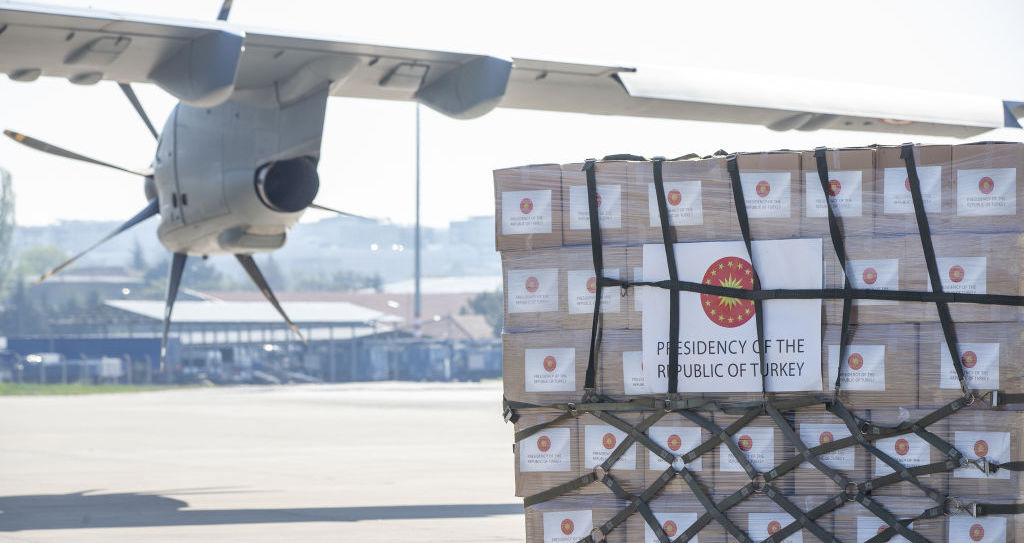
Even before the coronavirus upended life around the world, Turkey’s President Recep Tayyip Erdogan was already grappling with a host of problems. Then COVID-19 hit the country. Many argue the virus will exacerbate Erdogan’s problems but where others see a problem, Turkey’s president sees an opportunity. He is using the crisis to undercut the opposition, distribute government contracts to his loyalists, and punish his critics. Erdogan is relying on the virus to score foreign policy points as well. Sending medical aid to its neighbors and beyond helps assert Turkey’s leadership and improves its shattered image. The coronavirus likewise provides an excuse to remove a long-time irritant in Ankara’s ties with Washington and perhaps end its isolation in the region.
“Self-rule” in Aden and the implications for Russia
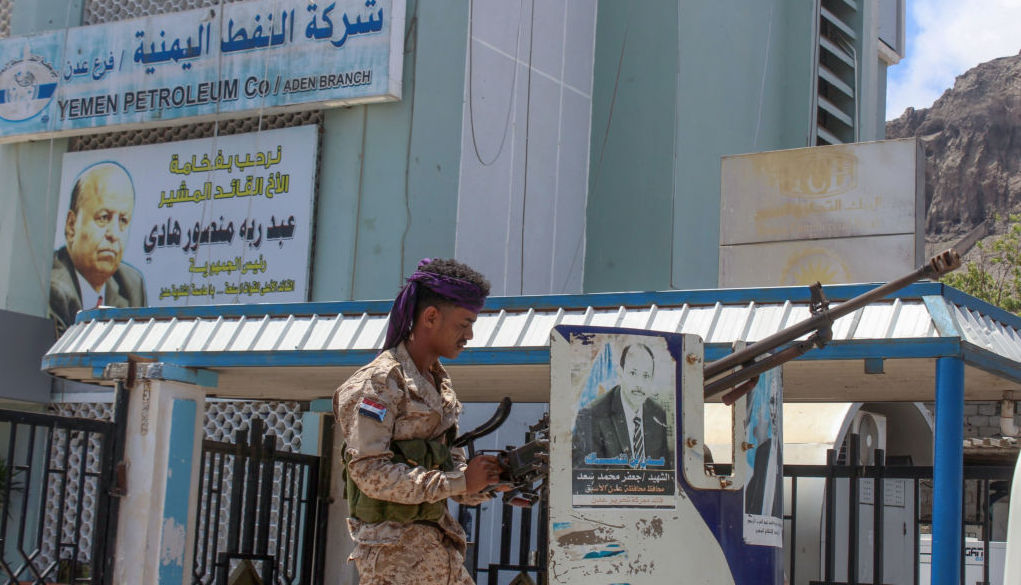
Russia acts as a “key if quiet player” in southern Yemen, where its approach has been based on strategic neutrality. The goal has been to position Moscow as a greater stakeholder in mediation between the various Yemeni parties and outside players. Moscow has engaged the Southern Transitional Council, the UN-recognized Yemeni government led by President Abed Rabbo Mansour Hadi, the Houthi rebels, as well as the three main regional powers intervening in Yemen — Saudi Arabia, the UAE, and Iran.
Yemen's competition for Saudi patronage heats up as the STC declares self-rule
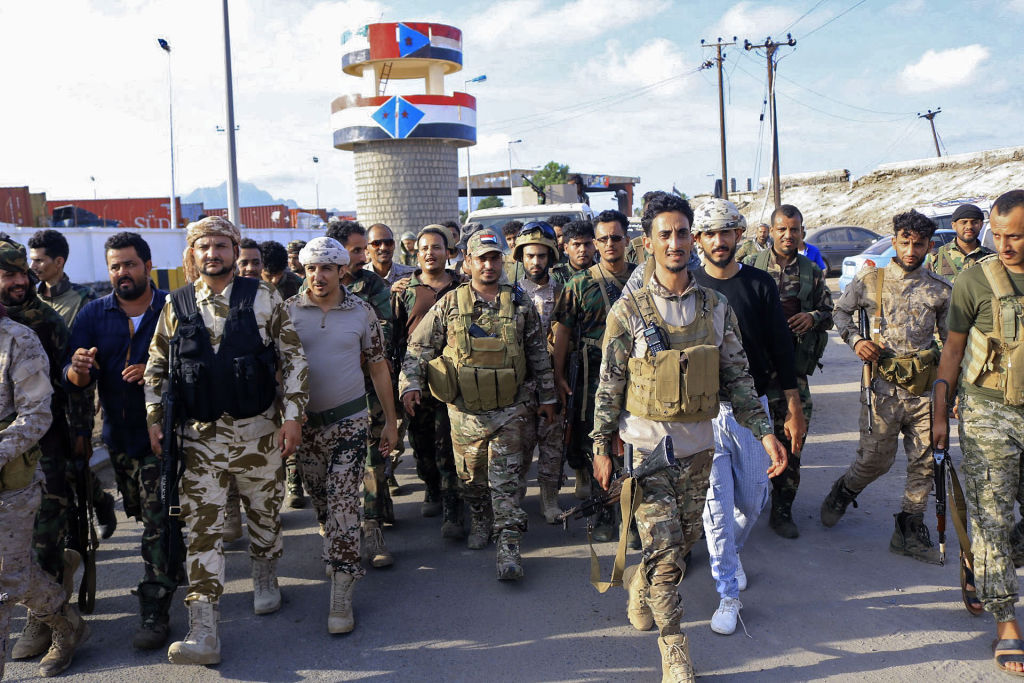
On April 25, the Southern Transitional Council declared self-administration and claimed authority over state institutions in the interim capital of Aden. The declaration demonstrates the region’s volatility, the limited reach of Yemen’s government, and the difficulty of imposing a solution to the problem of secessionism. It is also sparking political competition for Saudi patronage, and all of this poses a major diplomatic challenge for the Saudis.
Everything is changing rapidly amid the COVID-19 pandemic. These changes are occurring primarily at the national level, affecting politics, society, and economics, but the pandemic is also having a major impact on international relations.
The Impact of the Coronavirus Pandemic on China’s Belt and Road Initiative in the Middle East
The coronavirus has hit the Middle East at a time when the region is already burdened with multiple problems, including a series of long-running conflicts, sectarian tension, economic crises, and widespread political unrest. This article provides a preliminary assessment of the effects of the covid-19 virus on China’s Belt and Road partners and activities in the region.
While there is no shortage of rhetorical opposition to Israeli annexation from all corners, the question now is whether any of them intend to follow up their strong words with concrete actions.
Iraq’s political jockeying continues as Baghdad-Erbil tensions flare up
The current state of affairs is a clear indication that the post-2003 system of apportionment of political posts on ethno-sectarian lines is no longer working.
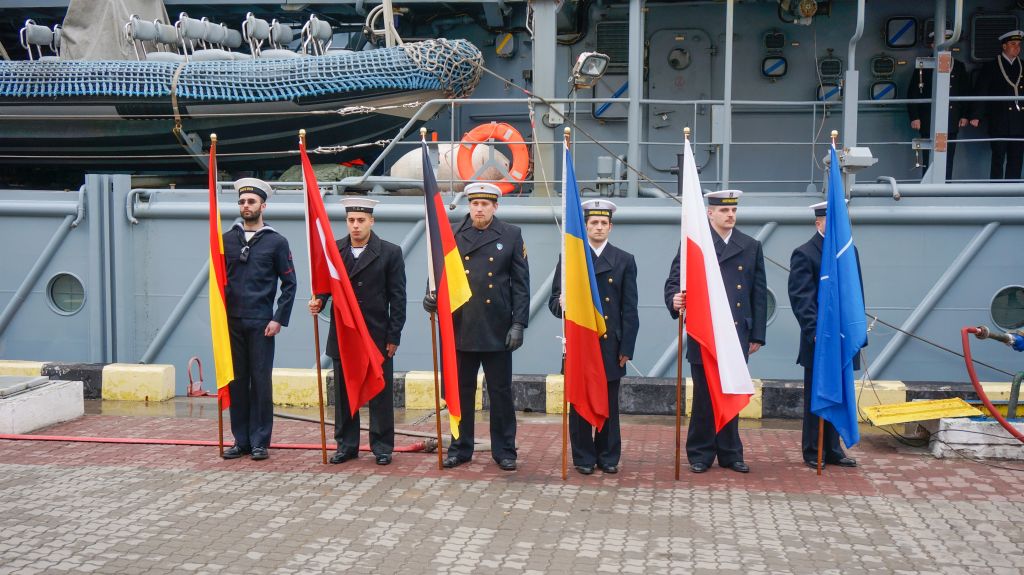
For an organization whose primary mission is collective security in the North Atlantic area, the Black Sea is a very important region for the North Atlantic Security Organization (NATO). This region forms the southeastern frontier of NATO’s area of responsibility. Thanks to Russia’s actions in the region, there are more miles of coastline under illegal military occupation along the Black Sea than in any other place in the world.
Supporting refugee communities during the pandemic
Basma El Husseiny (Action for Hope) and Samar El Yassir (Anera) join guest host Lyne Sneige to discuss the impact of the COVID-19 pandemic on refugee communities and the NGOs that work with them.
Gantz leaves the door open for Arab states to counter annexation
The April 20 Netanyahu-Gantz agreement legitimized the possibility of an Israeli law that will act as a unilateral annexation of parts of the West Bank to start as early as July 1, based on the controversial Trump Middle East plan. Articles 28 and 29 of the deal condition such annexation on the “consent of the Trump administration” and note that such a move would only be possible if the annexation preserves “the security and strategic interests of the state of Israel including the need to keep regional stability, keep existing peace agreements, and pursue future peace agreements.”
Ravaged by war, Syria’s health care system is utterly unprepared for a pandemic
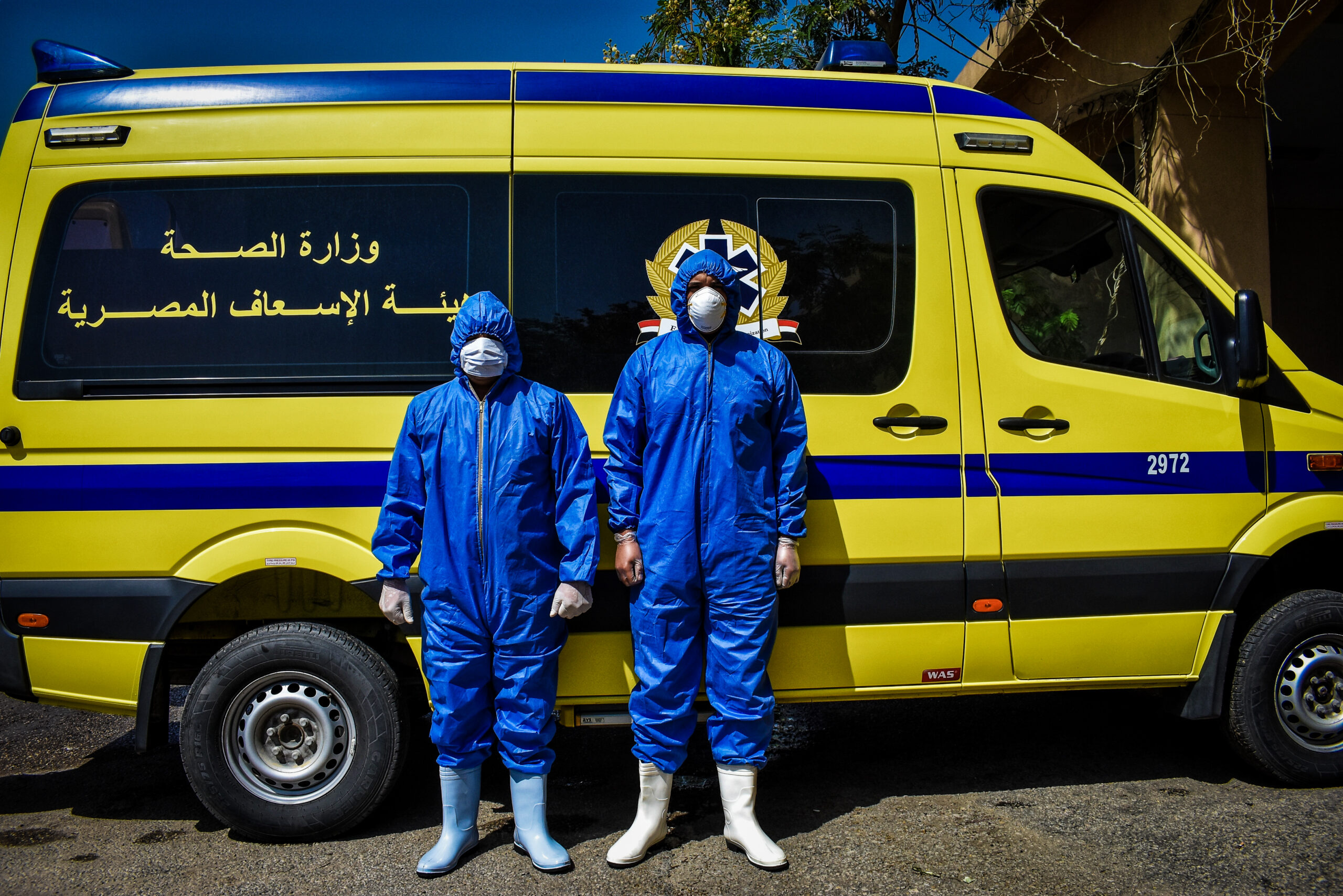
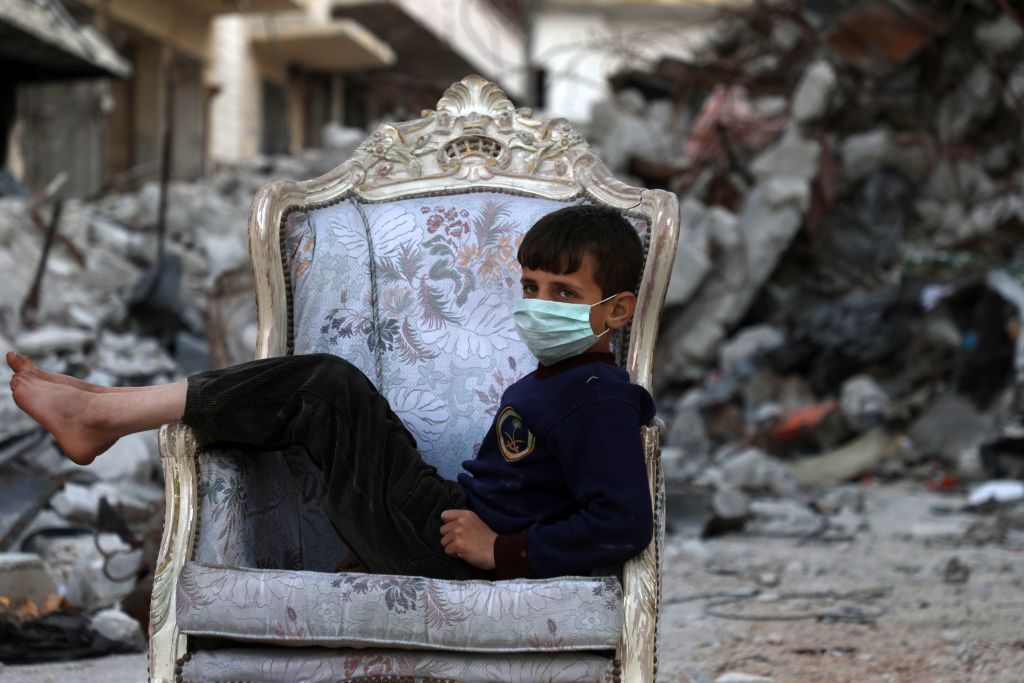
Officially, Syria has just 42 COVID-19 cases, all but one of them in regime-held areas, as testing capacity is almost non-existent elsewhere. The actual number is certainly higher, but there appear to be few severe cases at the moment. Yet, interviews with doctors and NGO workers conducted over the phone and via messaging apps across all areas of control in Syria — from regime-held areas and the northeast to Idlib and the Turkish-controlled region — paint a grim picture of a health care sector utterly unprepared for a pandemic.
The oldest peer-reviewed publication dedicated to the study of the modern Middle East, MEI’s flagship journal covers politics, society, and culture in the region.