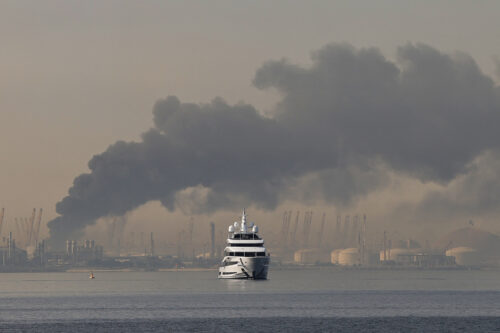
Geopolitical influence over trade increasingly rests on controlling the systems that make them work. The Middle East illustrates the stakes. US ports, cable corridors, cloud facilities, artificial intelligence (AI) investments, and maritime routes connect regional economies to global commerce while exposing them to external decisions and disruptions. For the United States, the challenge is to translate technological advantage into resilient networks rather than rely on centrality that can itself become a source of vulnerability and coercion.
Bonus Episode: Previewing Israel’s First Post-October 7 Election
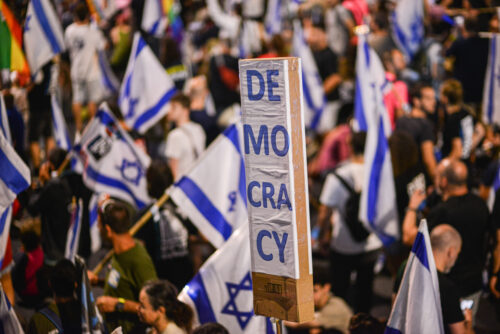
Israel is preparing to hold what may be its most consequential election in decades. On October 27, Prime Minister Benjamin Netanyahu will face his first electoral test since October 7, 2023. In this bonus episode of Middle East Focus, we present the audio from a recent MEI webinar, hosted in Israel on the eve of the vote. Senior Fellow Natan Sachs is joined by Dr. Shira Efron, Distinguished Chair for Israel Policy and senior fellow at the RAND Corporation, and Neri Zilber, veteran journalist and Financial Times correspondent. They explore what’s at stake in this historic election and how different outcomes could reshape Israel’s domestic politics and the wider region.
Israel Was Built on Hope. This Election May Be Our Last Chance to Save It
Israel’s national anthem, Hatikva, means “the hope.” Israel is not just another country, but the culmination of a 2,000-year-old dream of national redemption. The rebirth of the Jewish people’s ancestral homeland, just three years after the Holocaust, was a miraculous triumph of hope over all odds.
Today, that hope has been shattered and the elections on October 27 have become the most consequential in Israel’s history.
Since 1967, Israeli settlements in the West Bank have been a contested feature of the Israeli-Palestinian conflict. The ultimate disposition of the settlements and ongoing activity related to their growth have repeatedly defied agreement in negotiations over a resolution to the conflict.
The Houthis are a political-military faction and Zaydi religious movement founded in northwestern Yemen in the 1980s. A key member of Iran’s Axis of Resistance with links to other militant organizations in the Arabian Peninsula and the Horn of Africa, the group has continued to pose a threat to Western interests on a global scale.
The India-Middle East-Europe Economic Corridor (IMEC) is a proposed multinational infrastructure initiative aimed at upgrading connectivity between the three regions through integrated trade, energy, and digital networks. Announced at the G20 summit in New Delhi in September 2023, IMEC is envisioned partially as a counterweight to China’s international infrastructure project, the Belt and Road Initiative.
After a decade of post-Arab Spring isolation, Turkey’s leaders have recognized that their ambition to position the country as an agenda-setter on the world stage requires active engagement in all directions. President Recep Tayyip Erdoğan’s consolidation of executive authority has centralized foreign policy decision-making and tied it to his domestic political priorities, transforming the country’s revisionist approach to one shaped primarily by personal and pragmatic interests.
MEI Senior Fellow Brian Katulis engages friends, colleagues, and policy experts in casual conversations on the most important happenings in the Middle East.
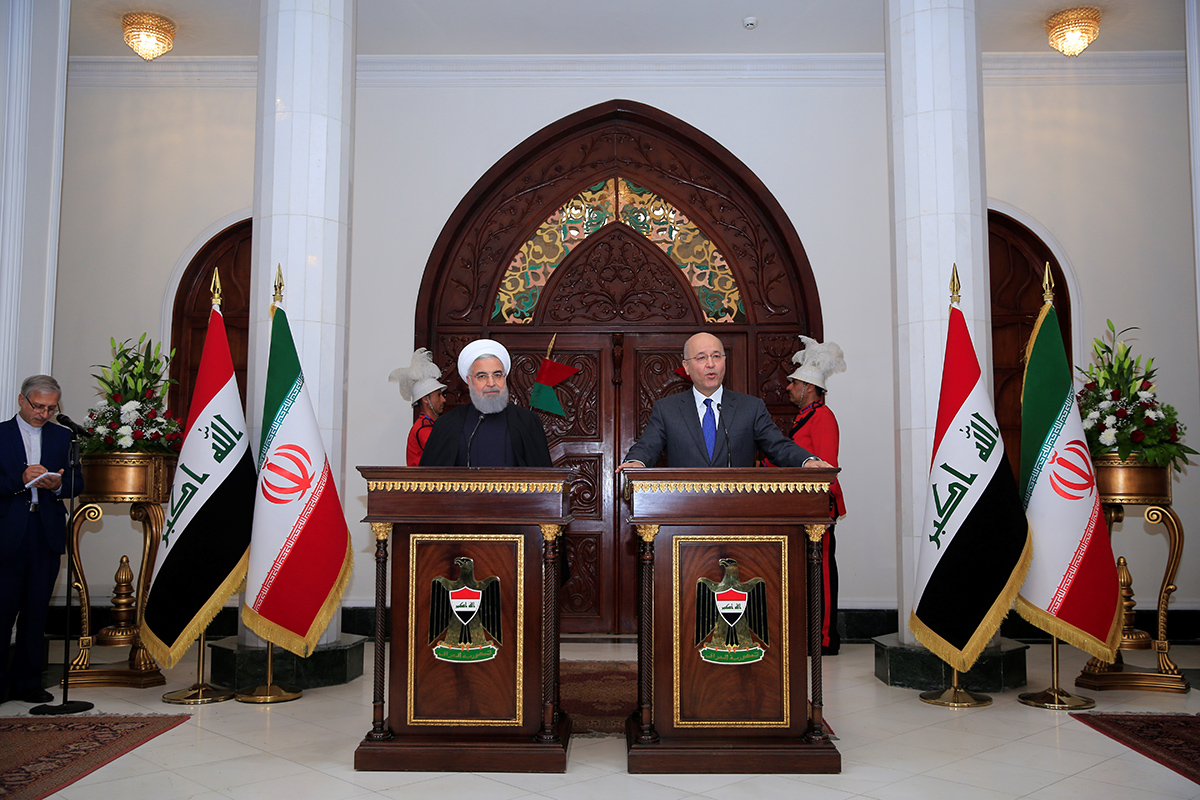
In this week’s Monday Briefing, MEI experts Randa Slim, Robert S. Ford, Marvin G. Weinbaum, James P. Farwell, Emadeddin Badi, Guney Yildiz, and Jean-François Seznec provide analysis on recent and upcoming events including Iranian President Hassan Rouhani’s visit to Baghdad, reconstruction efforts in Syria, the crackdown on militant Islamists in Pakistan, Iran’s cyber attack capabilities, upcoming elections in Libya, Turkish-Egyptian tensions, and Qatar’s $12B loan from bond markets.
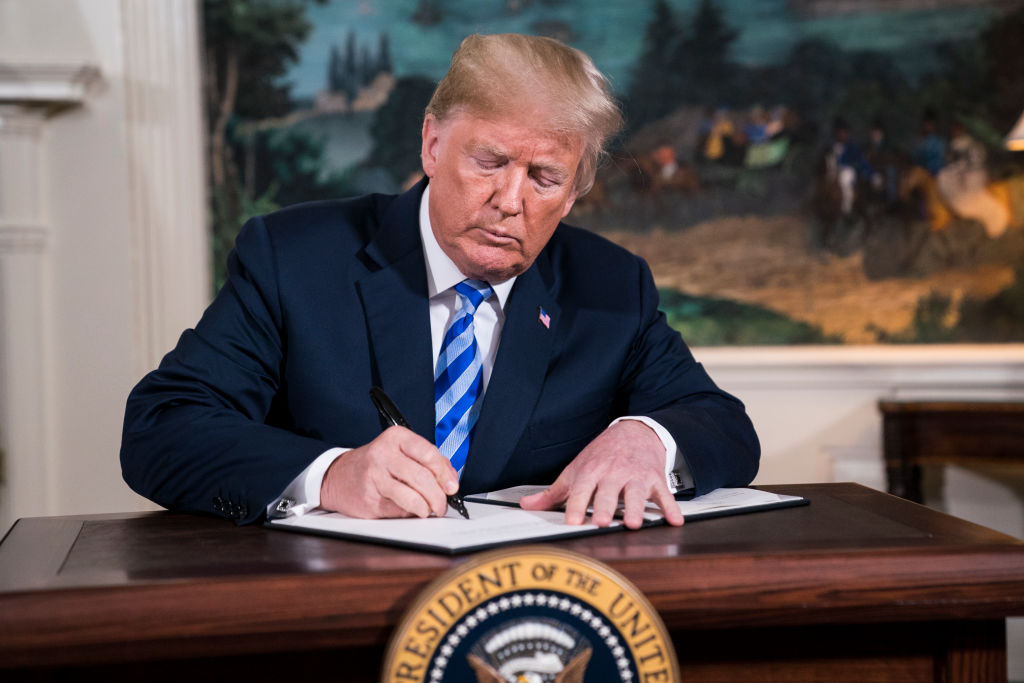
Both the U.S. State Department and the American intelligence community have concluded that President Trump’s “maximum pressure” policy toward Iran is not working. Yet, Trump seems determined to carry on. To achieve its stated goal of changing Iran’s policies, the U.S. should adopt a more proportional approach that focuses on Tehran’s most threatening actions, such as its ballistic missile tests.
William Lawrence, visiting professor of political science and international affairs at George Washington University’s Elliott School, and MEI’s Robert Ford join host Alistair Taylor to discuss mounting protests and political turmoil in Algeria in the lead up to next month’s presidential elections.
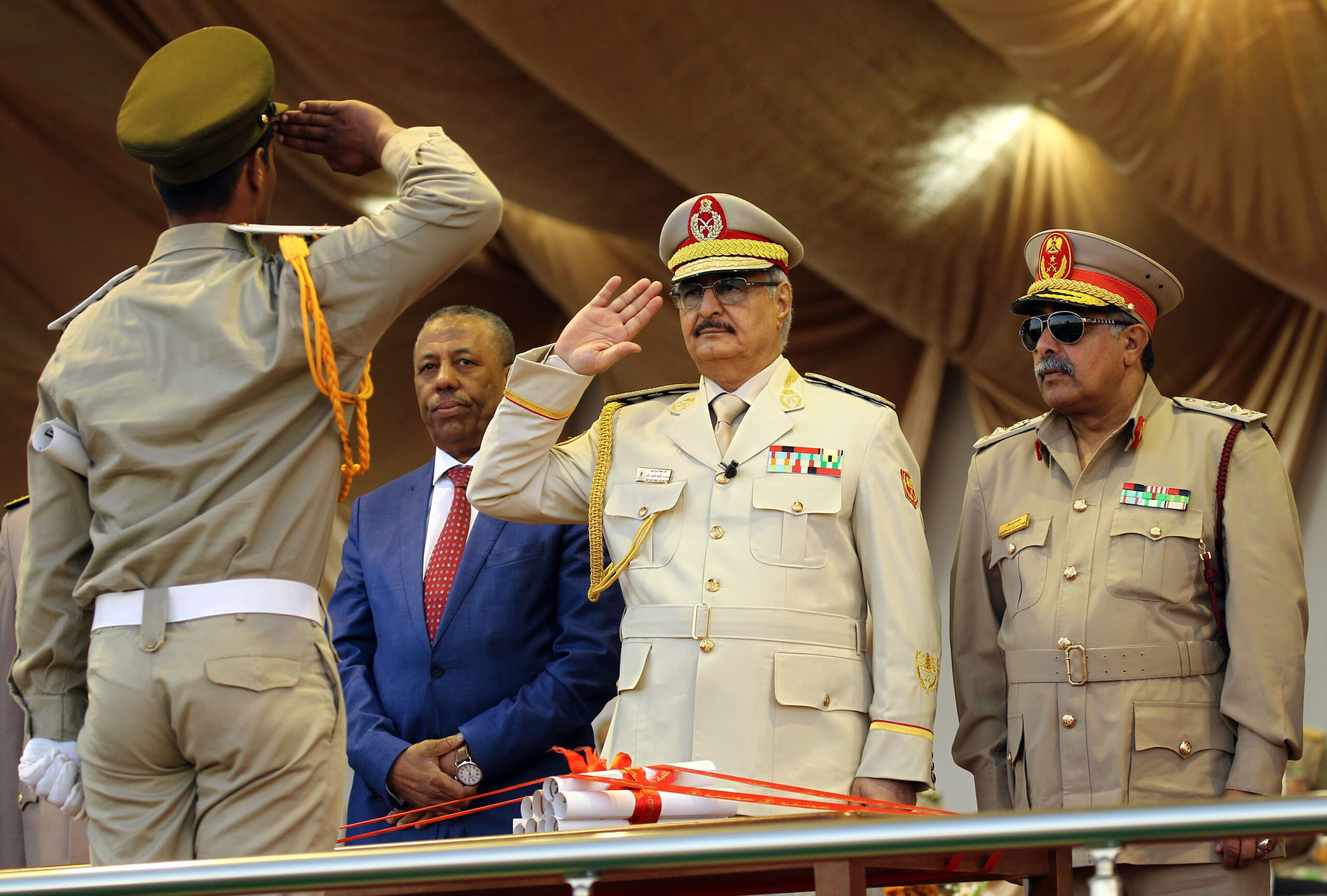
General Hifter’s southern strategy and the repercussions of the Fezzan campaign
The Libyan National Army (LNA) loyal to General Khalifa Hifter has launched a military operation to capture the Fezzan region in Libya’s southwest. While the move seems to have garnered significant international and regional support, it is unclear what the implications of this operation may be for the country’s fragile stability and the country’s dialogue-based political process.
US foreign policy towards the Middle East: Pumping air into a punctured tire
Theorizing the future of the Arab Gulf states and the broader Middle East requires a proper assessment of the state of power distribution in the region. Is there a new balance of power emerging in the Middle East, or is the distribution of power heading in a more dangerous direction?
Finding a way forward in the Baghdad-Erbil oil dispute
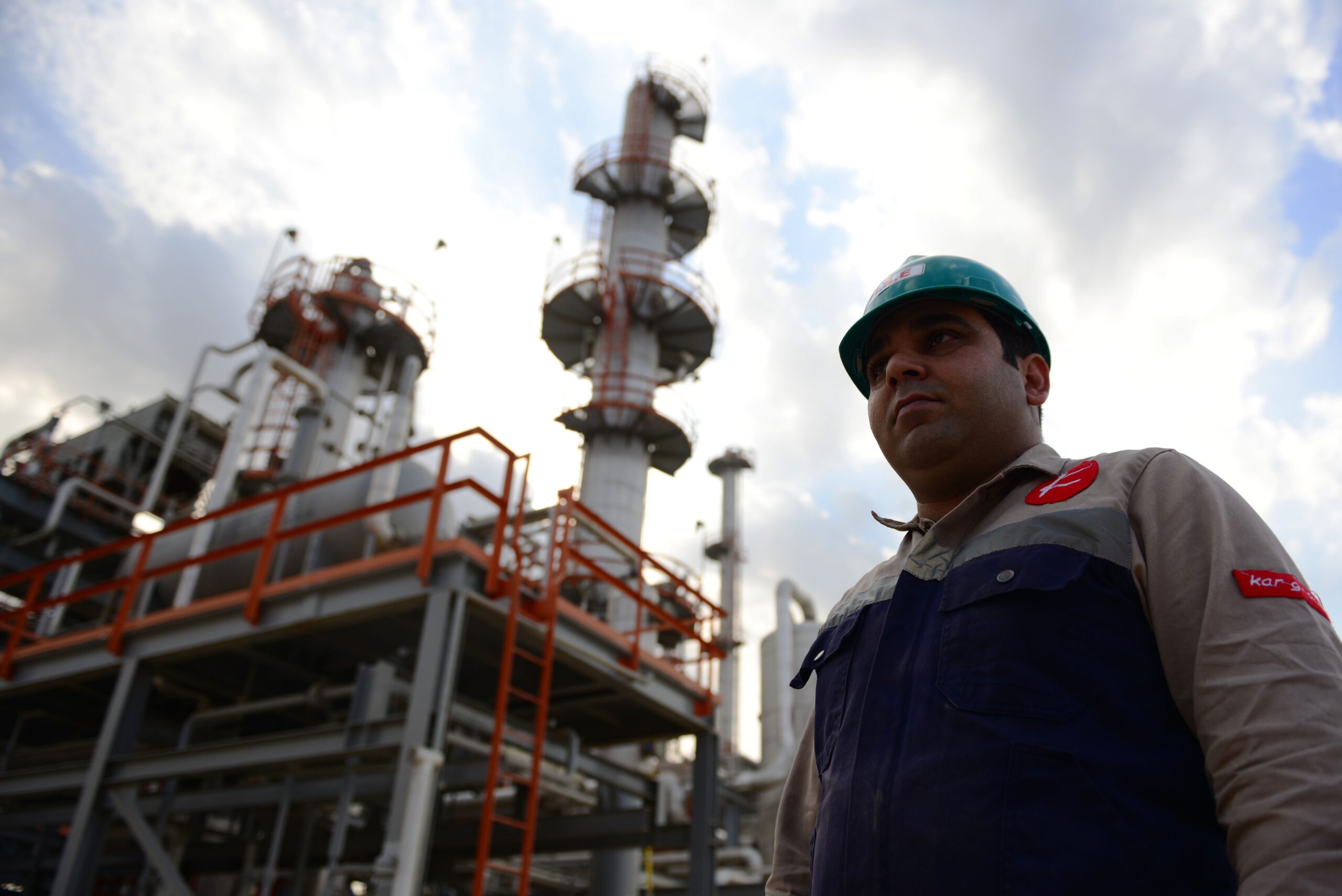
Disagreements between Baghdad and the Kurdistan Regional Government over oil policy have been one of Iraq’s most stubborn problems. Resolving this issue would allow for better development of natural resources, generate more revenue that’s badly needed for reconstruction, and might potentially deflate competing claims to disputed territories.
Mounting tensions between Morocco and Saudi Arabia
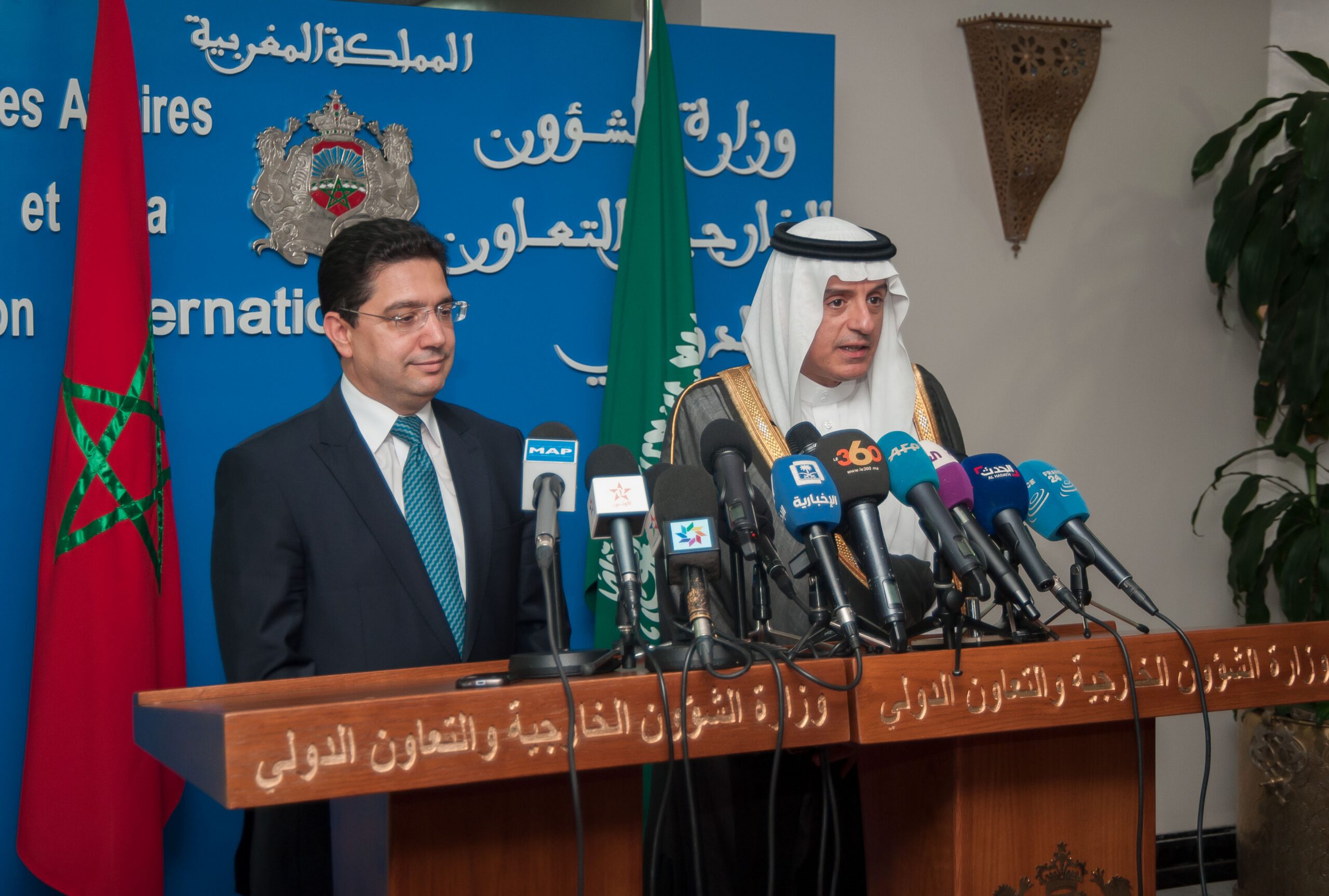
The alliance between Morocco and Saudi Arabia has historically been strong, bolstered by shared concerns about regional turmoil in the aftermath of the 2011 Arab Spring protests, but recent tensions have brought bilateral relations to an all-time low. Last month, frictions between Rabat and Riyadh came to the fore when Morocco recalled its ambassador from Saudi Arabia.
Japan and the Middle East: Navigating U.S. Priorities and Energy Security
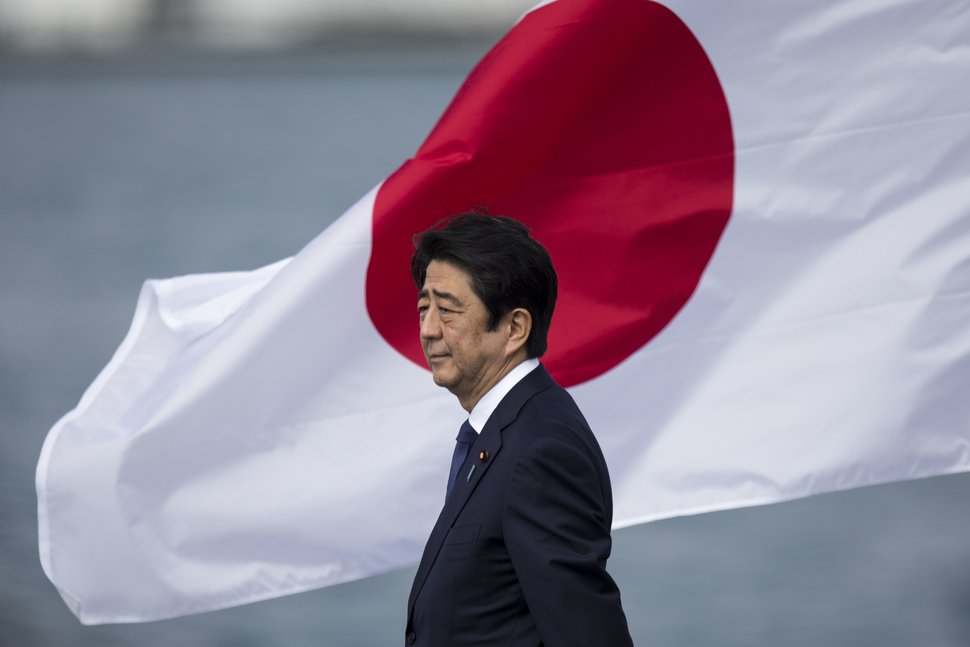
How have Prime Minister Shinzo Abe’s efforts to recalibrate Japan’s foreign policy affected his approach to the Middle East? Japanese policy in the region has often been forced to balance between U.S. priorities and Tokyo’s own energy security needs. As the authors argue in this article, even on those rare occasions when Japan has shown signs of a more activist foreign policy in the Middle East, the pendulum tends to swing back to a cautious, energy security-focused approach that reflects caution, neutrality, and the avoidance of military entanglements.
Monday Briefing: Tenuous promise in Pakistan and Afghanistan
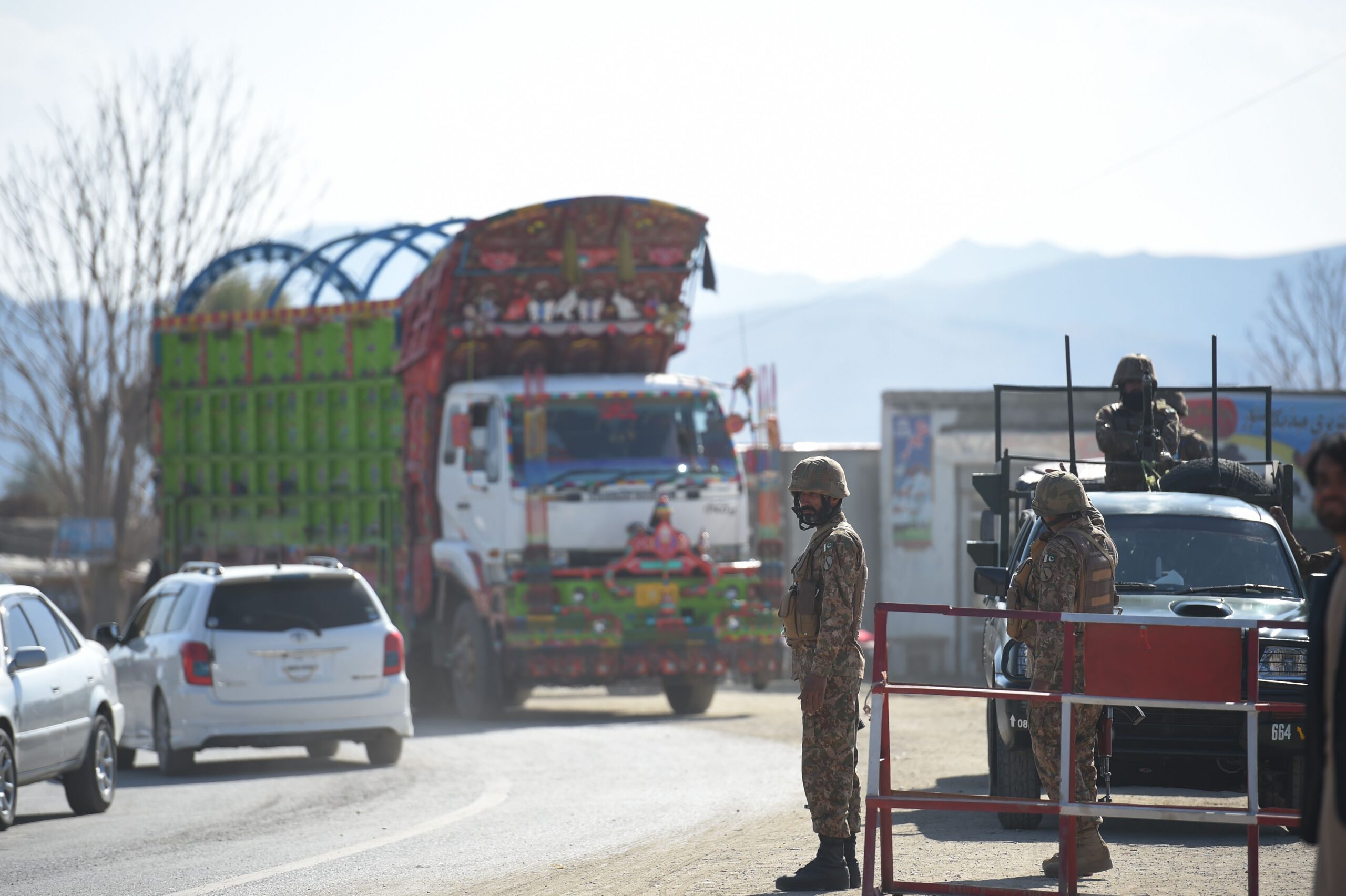
In this week’s Monday Briefing, MEI experts Marvin G. Weinbaum, Robert S. Ford, Alex Vatanka, and Birol Baskan provide analysis on recent and upcoming events including a potential agreement between Pakistan and Afghanistan, protests in Algeria, Rouhani’s planned trip to Baghdad, and recent Turkish naval exercises.
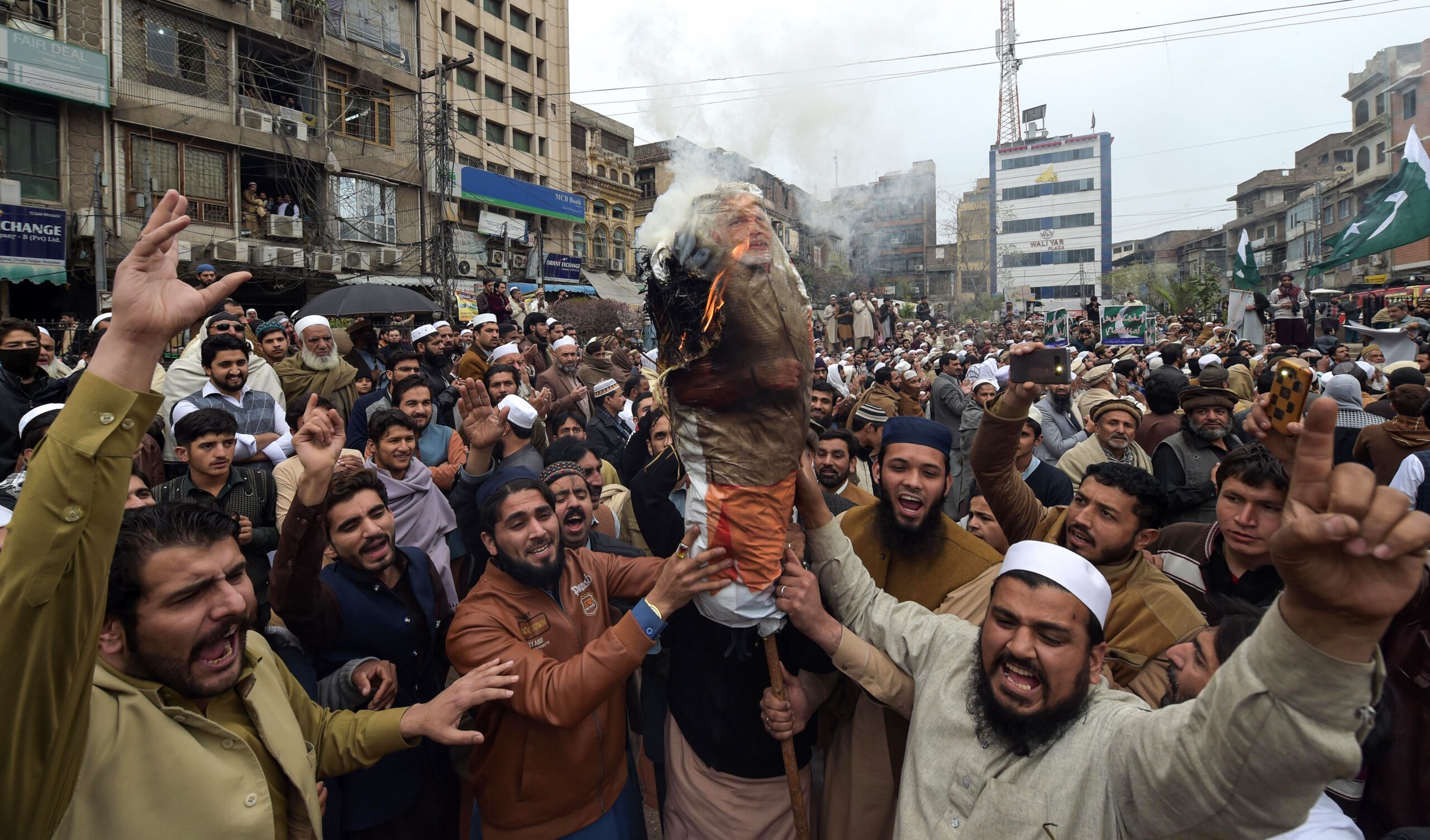
Madiha Afzal, visiting fellow at Brookings, and MEI’s Marvin Weinbaum join host Alistair Taylor to discuss Pakistan’s latest flare-up with India, the recent visit of Saudi Crown Prince Mohammed bin Salman, the US-Taliban talks, and the political and economic challenges facing the government of Imran Khan.
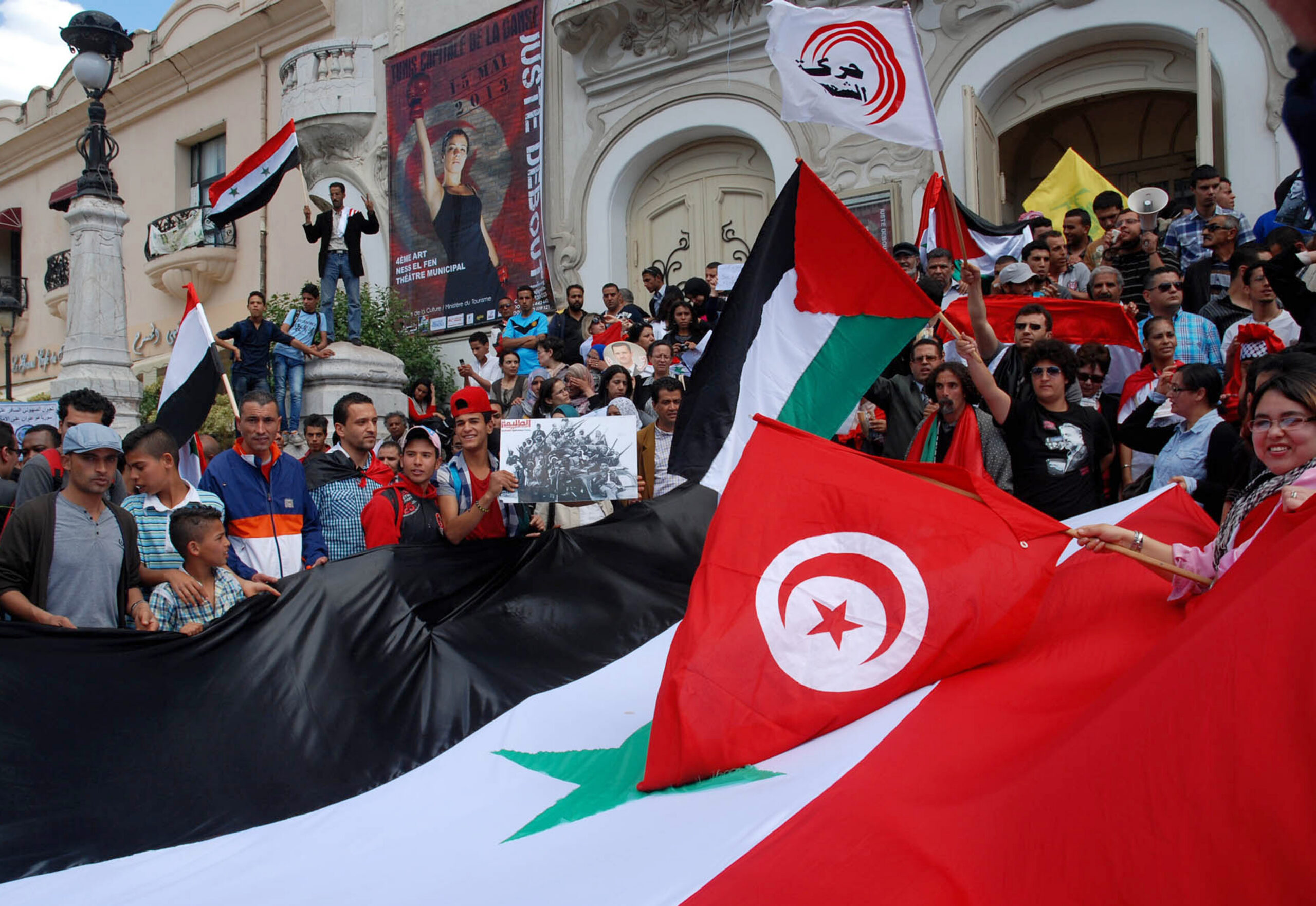
Observers of political affairs in the Arab world are keeping a close eye on the upcoming Arab League summit, set to be held at the end of March in Tunis. Although Syria will not participate in the meeting, the question of when, or how, to bring Damascus in from the cold after an eight-year suspension from the body will be the most important issue on the agenda.
After Warsaw is there a future for the Arab Peace Initiative?
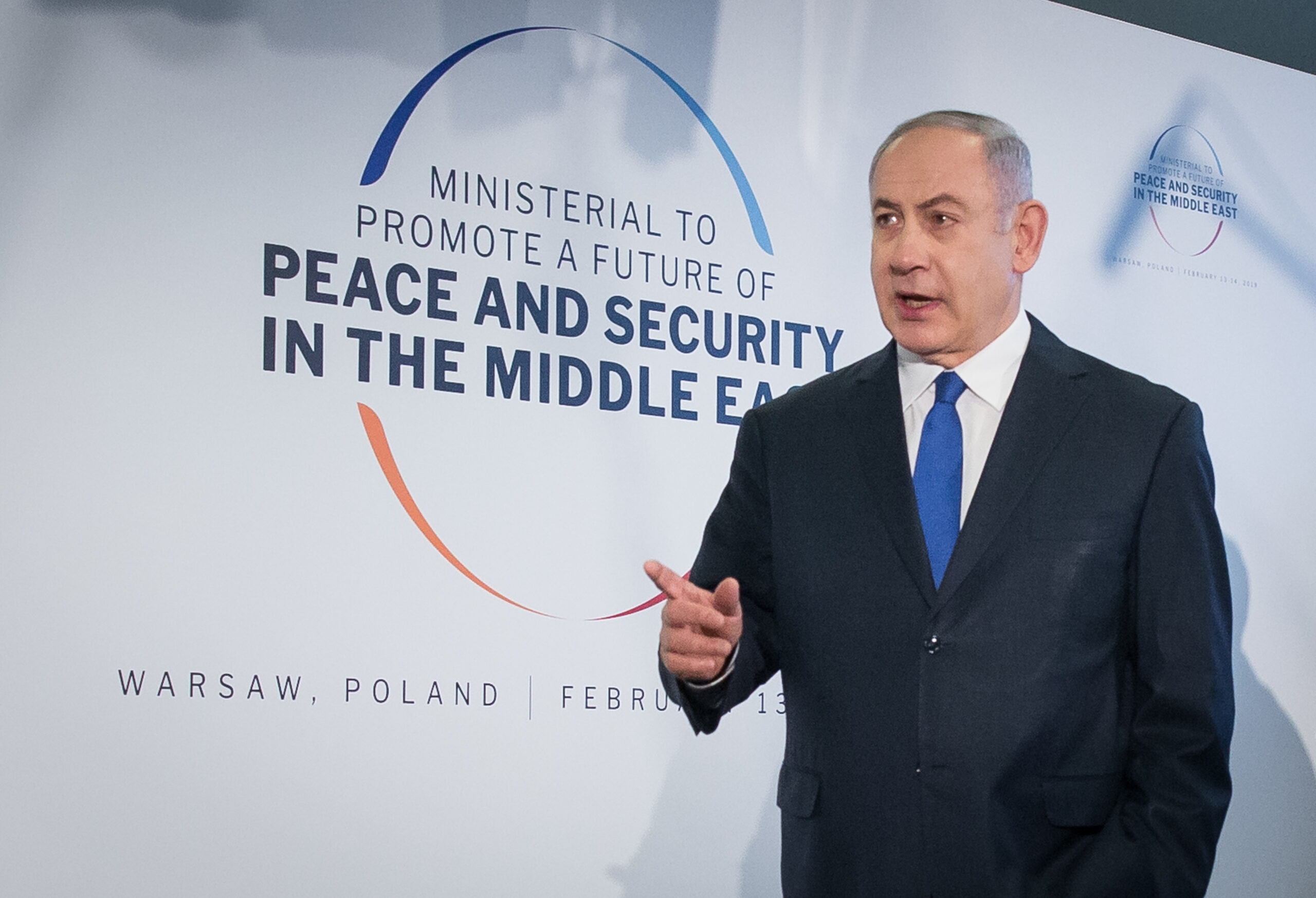
Washington devised the recent Middle East summit in Warsaw in the hope of mobilizing a broad front against Iran. In the end though, it was Israeli Prime Minister Benjamin Netanyahu who reaped the greatest reward.
Indonesia’s Democratization Underpinned by Major Islamic Groups and Consensus on National Ideology
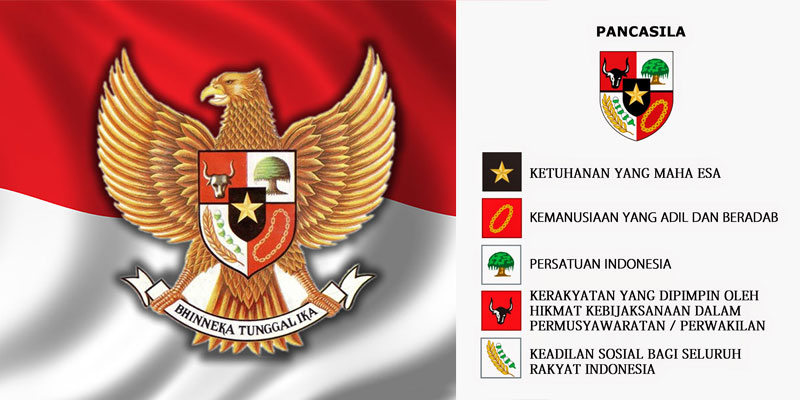
One of the most important reasons for Indonesia’s relative success is undoubtedly the existence of Pancasila, the pluralist State ideology. Equally important is the presence and role of major Islamic social and political groups, including the large Islamic mass organizations and Islamist political parties, that have supported the development of a truly inclusive, pluralistic and participatory democracy in Indonesia based on Pancasila.
Targeting the Revolutionary Guard: Why Iran’s blame game is not the answer
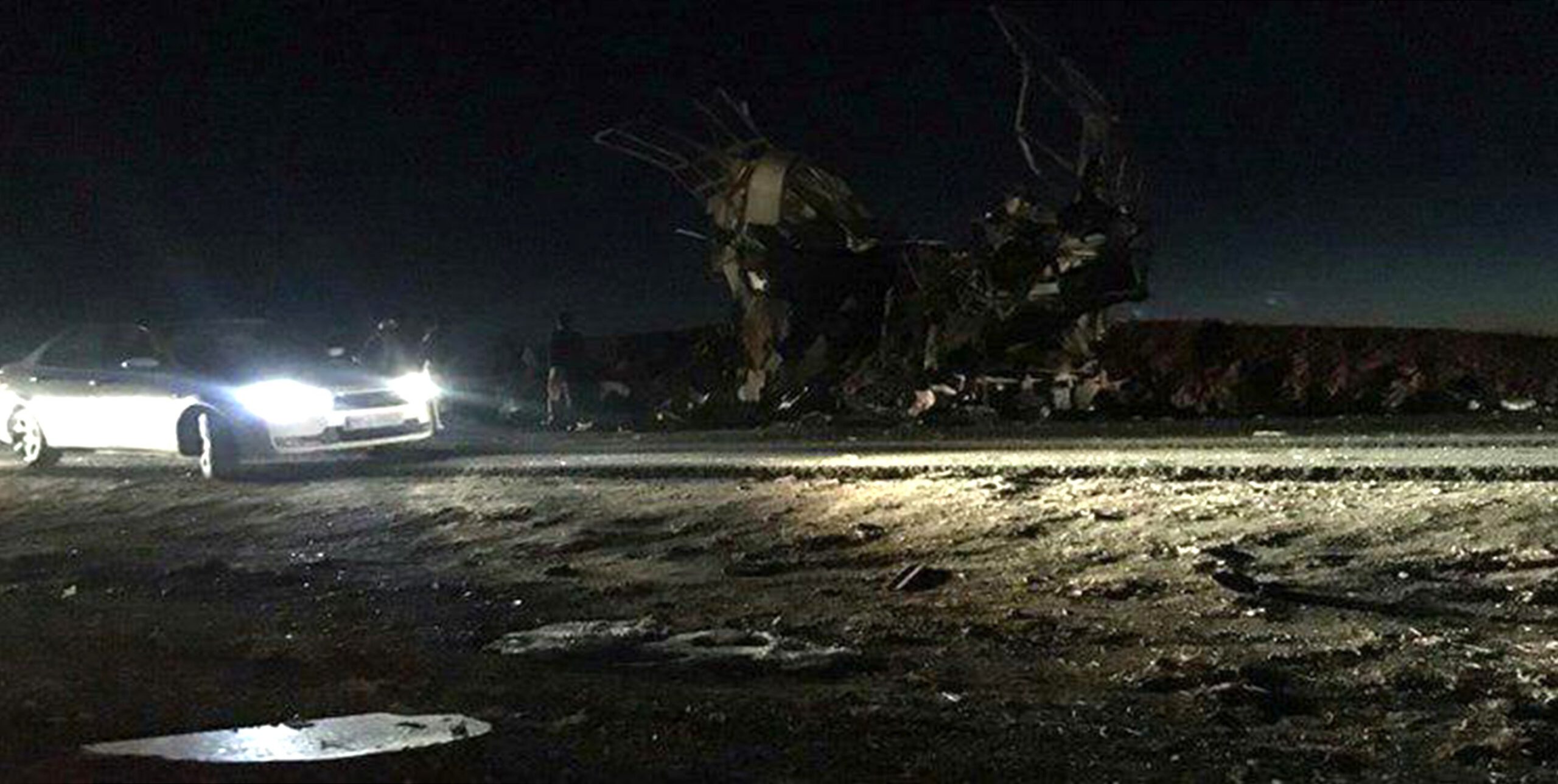
Following the Feb. 13 truck bomb on members of Iran’s Islamic Revolutionary Guards Corps in Sistan-Baluchistan, the government was quick to blame foreign powers. Iranian officials aim to deflect attention from the country’s intractable internal problems, such as the persecution of its Sunni minority, a deep-rooted issue that has often been overlooked by the international community.
Gerald Feierstein, MEI’s senior vice president, discusses the context of the resignation and its implications for Iran’s foreign policy, including the nuclear deal, as well as for its domestic politics.
The oldest peer-reviewed publication dedicated to the study of the modern Middle East, MEI’s flagship journal covers politics, society, and culture in the region.