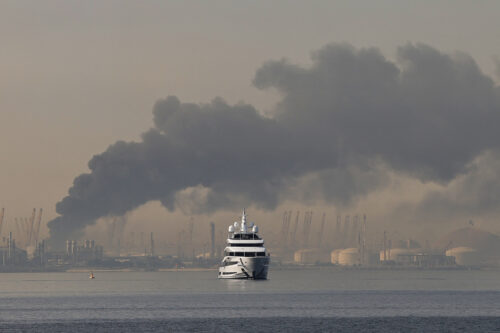
Geopolitical influence over trade increasingly rests on controlling the systems that make them work. The Middle East illustrates the stakes. US ports, cable corridors, cloud facilities, artificial intelligence (AI) investments, and maritime routes connect regional economies to global commerce while exposing them to external decisions and disruptions. For the United States, the challenge is to translate technological advantage into resilient networks rather than rely on centrality that can itself become a source of vulnerability and coercion.
Bonus Episode: Previewing Israel’s First Post-October 7 Election
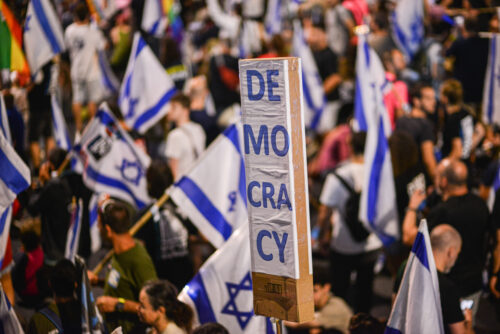
Israel is preparing to hold what may be its most consequential election in decades. On October 27, Prime Minister Benjamin Netanyahu will face his first electoral test since October 7, 2023. In this bonus episode of Middle East Focus, we present the audio from a recent MEI webinar, hosted in Israel on the eve of the vote. Senior Fellow Natan Sachs is joined by Dr. Shira Efron, Distinguished Chair for Israel Policy and senior fellow at the RAND Corporation, and Neri Zilber, veteran journalist and Financial Times correspondent. They explore what’s at stake in this historic election and how different outcomes could reshape Israel’s domestic politics and the wider region.
Israel Was Built on Hope. This Election May Be Our Last Chance to Save It
Israel’s national anthem, Hatikva, means “the hope.” Israel is not just another country, but the culmination of a 2,000-year-old dream of national redemption. The rebirth of the Jewish people’s ancestral homeland, just three years after the Holocaust, was a miraculous triumph of hope over all odds.
Today, that hope has been shattered and the elections on October 27 have become the most consequential in Israel’s history.
Since 1967, Israeli settlements in the West Bank have been a contested feature of the Israeli-Palestinian conflict. The ultimate disposition of the settlements and ongoing activity related to their growth have repeatedly defied agreement in negotiations over a resolution to the conflict.
The Houthis are a political-military faction and Zaydi religious movement founded in northwestern Yemen in the 1980s. A key member of Iran’s Axis of Resistance with links to other militant organizations in the Arabian Peninsula and the Horn of Africa, the group has continued to pose a threat to Western interests on a global scale.
The India-Middle East-Europe Economic Corridor (IMEC) is a proposed multinational infrastructure initiative aimed at upgrading connectivity between the three regions through integrated trade, energy, and digital networks. Announced at the G20 summit in New Delhi in September 2023, IMEC is envisioned partially as a counterweight to China’s international infrastructure project, the Belt and Road Initiative.
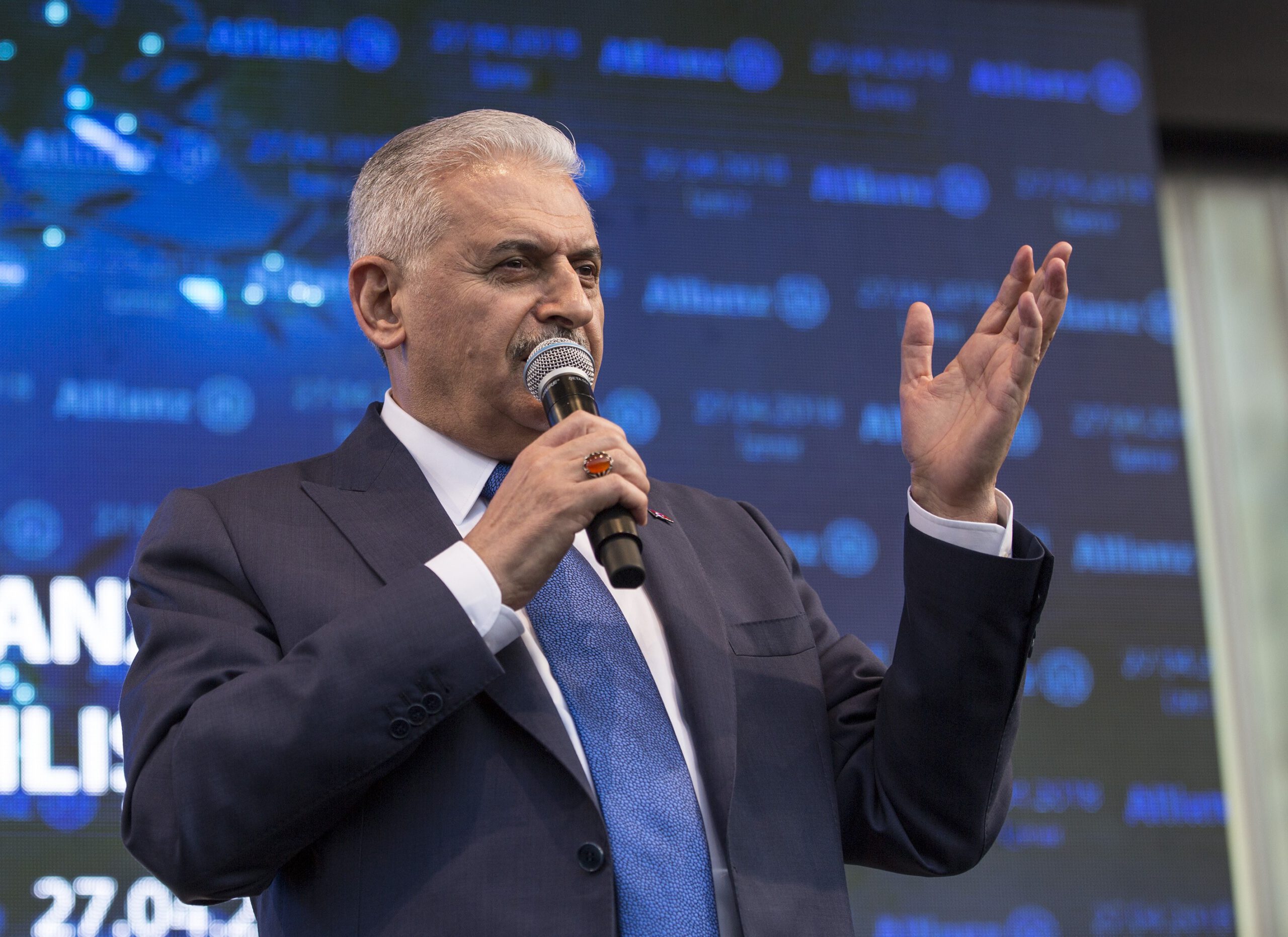
After a decade of post-Arab Spring isolation, Turkey’s leaders have recognized that their ambition to position the country as an agenda-setter on the world stage requires active engagement in all directions. President Recep Tayyip Erdoğan’s consolidation of executive authority has centralized foreign policy decision-making and tied it to his domestic political priorities, transforming the country’s revisionist approach to one shaped primarily by personal and pragmatic interests.
MEI Senior Fellow Brian Katulis engages friends, colleagues, and policy experts in casual conversations on the most important happenings in the Middle East.
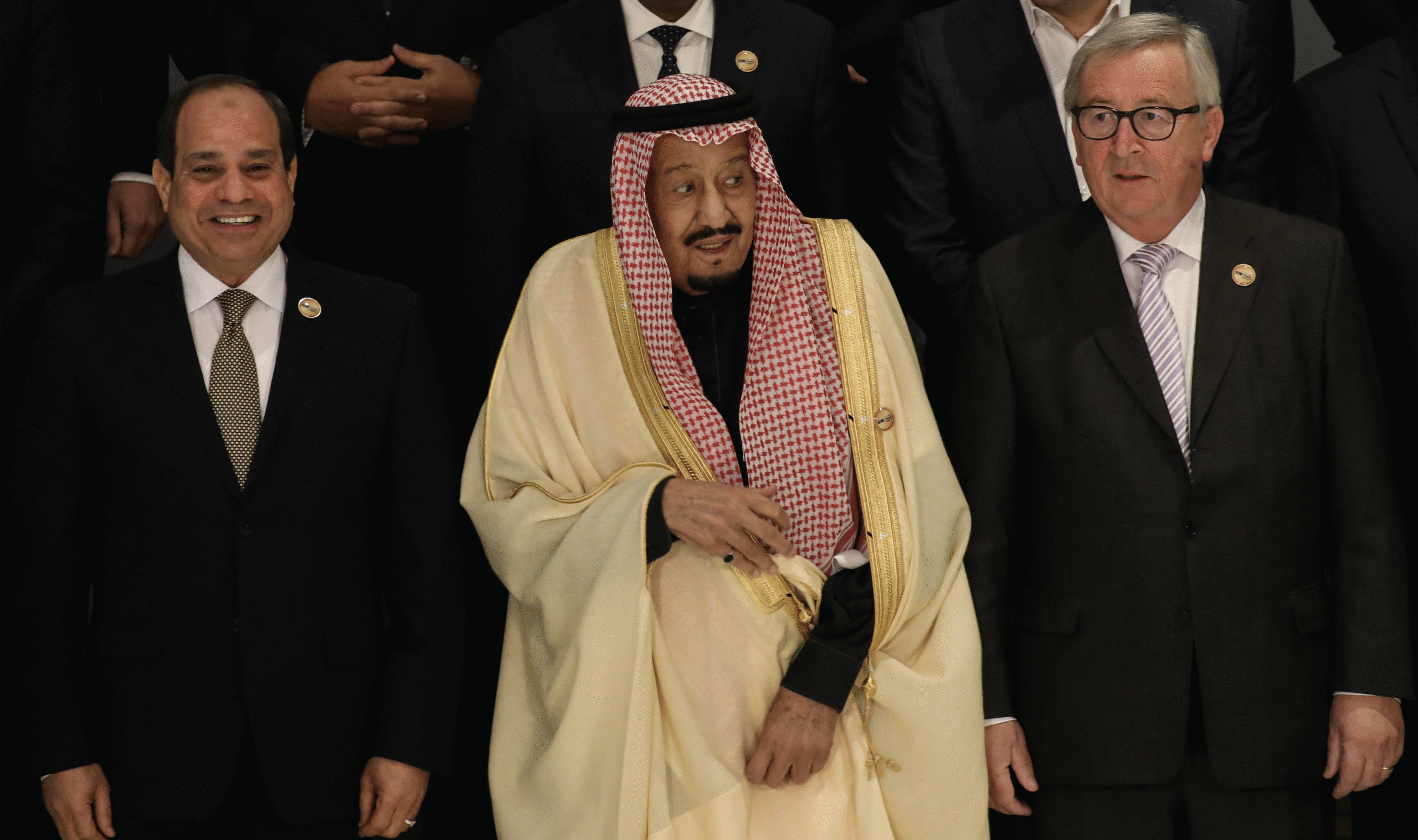
Monday Briefing: Egypt hosts first EU-Arab League summit
In this week’s Monday Briefing, contributors Mirette F. Mabrouk, Gerald Feierstein, Marvin G. Weinbaum, Przemysław Osiewicz, Grace Wermenbol, and W. Robert Pearson provide analysis on recent and upcoming events including the EU-Arab League summit, the progress in US-Taliban talks, challenges to Israeli Prime Minister Benjamin Netanyahu’s power, consequences of the Kashmir attack, and Turkey’s next steps in Syria.
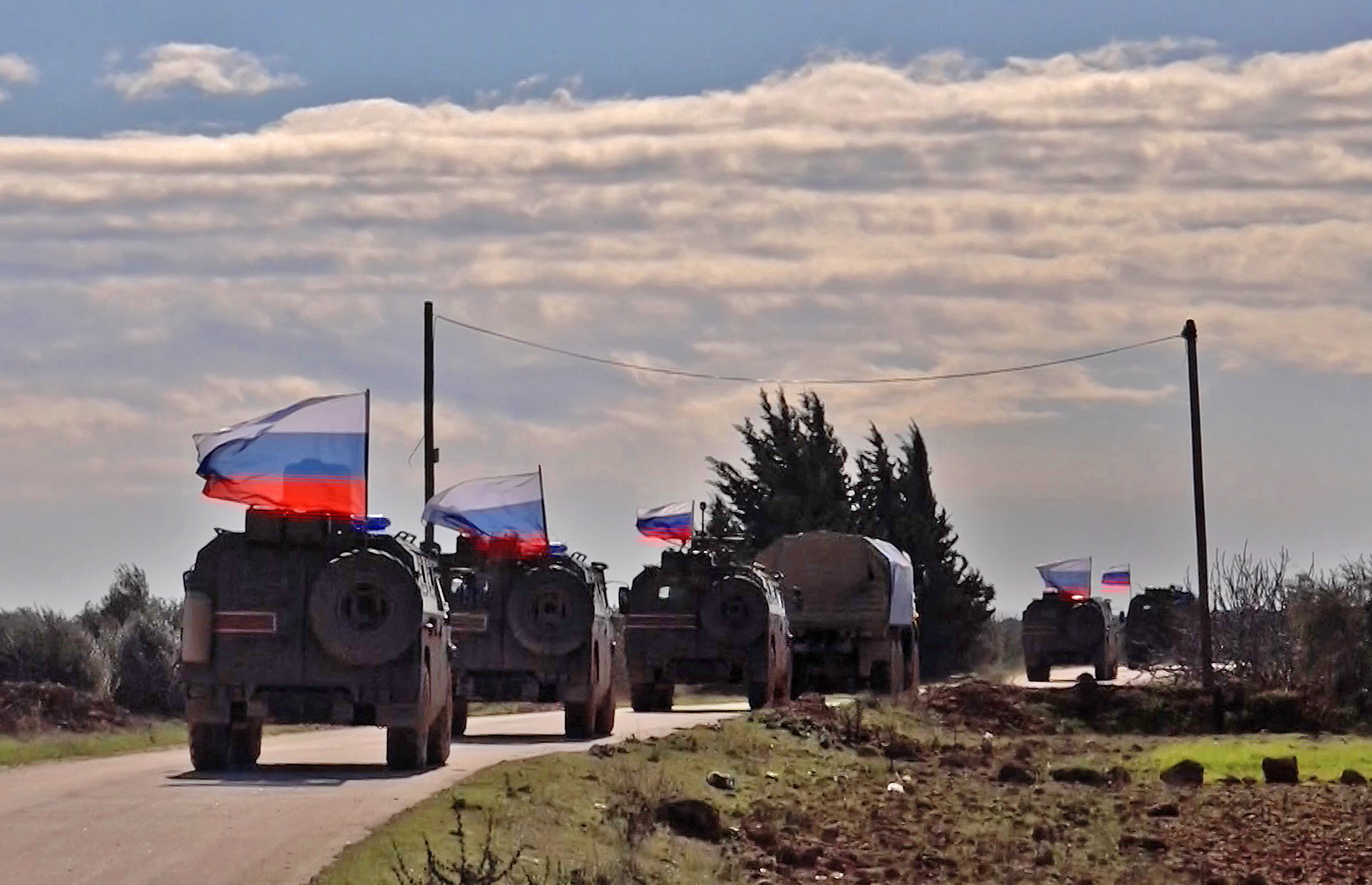
As the Sochi talks made clear, for all their efforts, Russia and Turkey remain far from a joint resolution on Manbij. But the two sides do not have equal clout on the issue. Russia’s significant and expanding military police presence in the Manbij countryside gives Moscow the final say on what will happen there, a reality that could result in Ankara losing some or all of the region to its Syrian rivals in Damascus.
The EU-Arab League Summit and the African migration crisis
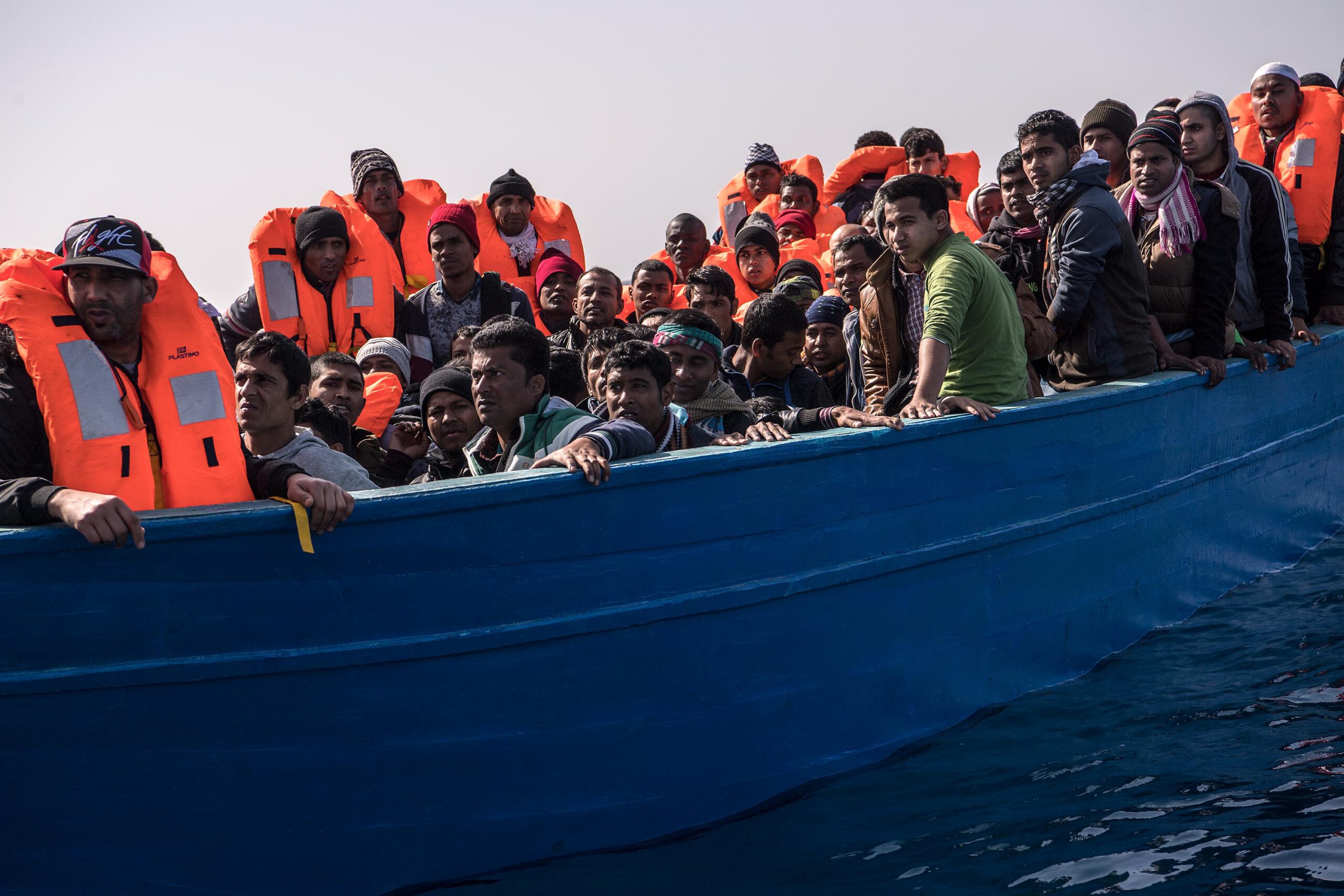
When this month’s EU-Arab League Summit in Egypt was announced last September, the issue of African migration to Europe topped the agenda. Other high-priority issues have since been added — such as solving five regional conflicts and addressing security, trade, and multilateralism — but migration remains the highest priority for a Europe still reeling from the 2015 migrant crisis.
The Middle East summit in Warsaw: Dead on arrival?
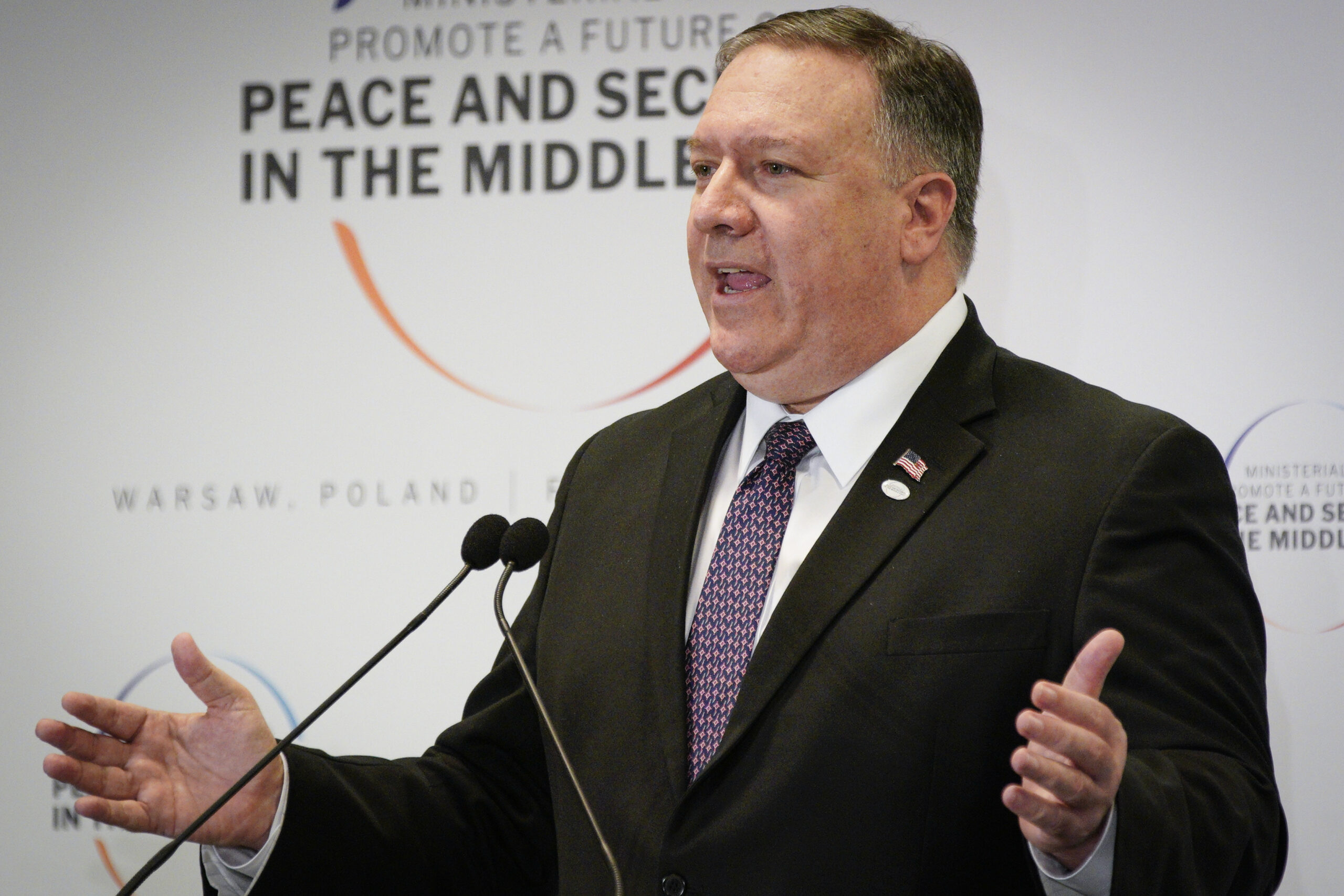
The Middle East Summit held last week in Warsaw, Poland, has been heavily criticized as a meeting to bolster anti-Iranian sentiments, rather than a genuine attempt at peace negotiations. This carries serious implications for the Middle East as well as US-EU relations.
Kenneth Pollack, resident scholar at AEI, joins host Alistair Taylor to discuss his new book, Armies of Sand: The Past, Present, and Future of Arab Military Effectiveness.
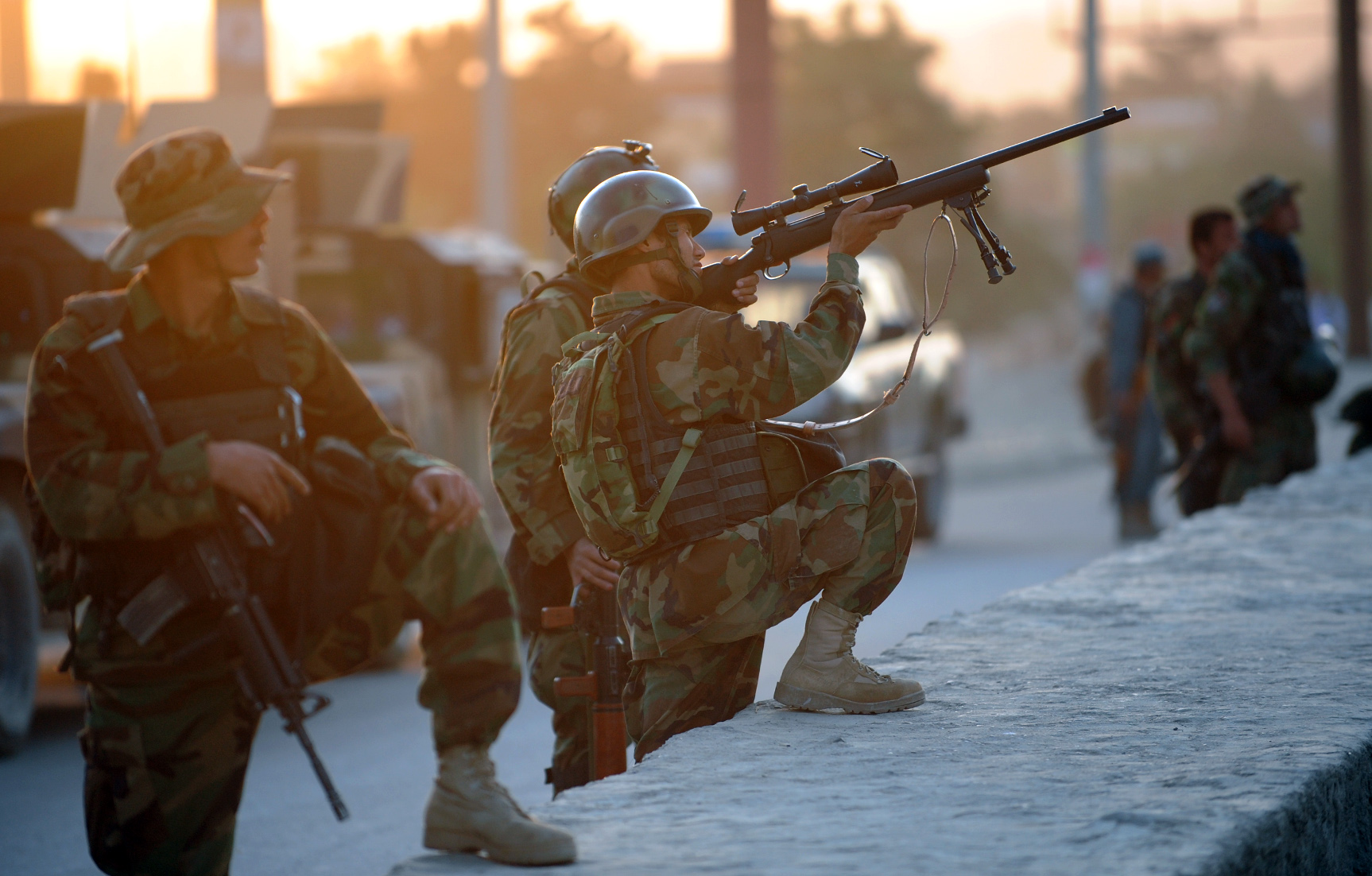
The current conflict in Afghanistan, the latest in a series of perpetual wars and episodes of civil strife over the past 40 years, is strategically stalemated. While the Taliban are willing to negotiate with the U.S. about the withdrawal of foreign troops from the country, they continue to reject direct talks with the Afghan government for a political settlement. Even with inclusive peace talks, there is reason to question whether the Taliban’s vision of a future Afghan state and society can be reconciled with a liberal, democratic constitutional order.
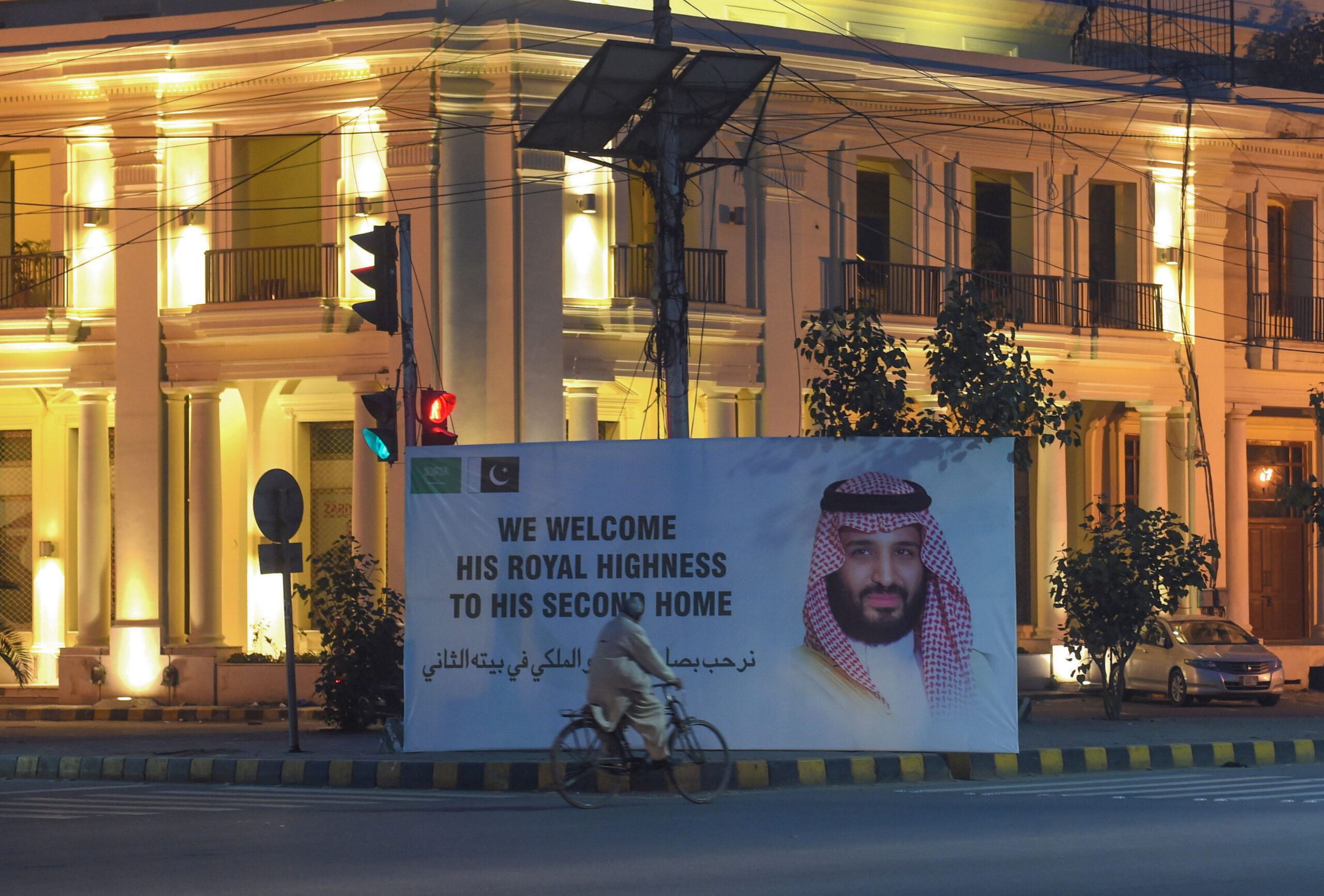
Weekly Briefing: MBS South Asia swing aims to shore up relations
In this week’s briefing, MEI experts Gerald Feierstein, Charles Lister, Marvin G. Weinbaum, and W. Robert Pearson provide analysis on Saudi-Pakistan relations, Turkish politics in the lead-up to March municipal elections, and the question of what to do with ISIS prisoners after the group’s territorial collapse.
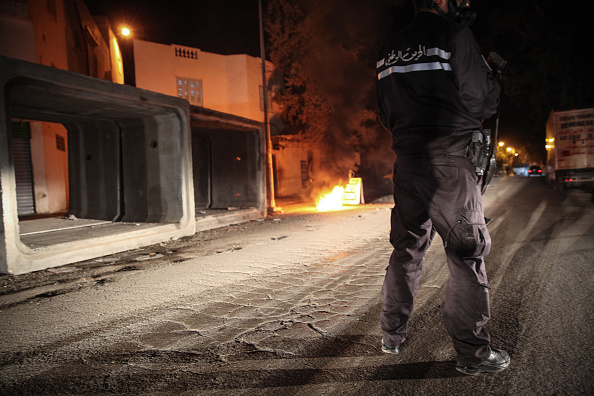
Since the intensive campaign of civil resistance that culminated in the January 2011 ousting of President Zine El Abidine Ben Ali after 24 years in power, Tunisia has undergone a political transition that has produced a new constitution, unharnessed civil society, and delivered much-needed political and economic reforms. Although the transition process has also included security sector reform (SSR), Tunisians remain insecure — subjected to a steady, unabated diet of everyday violence.
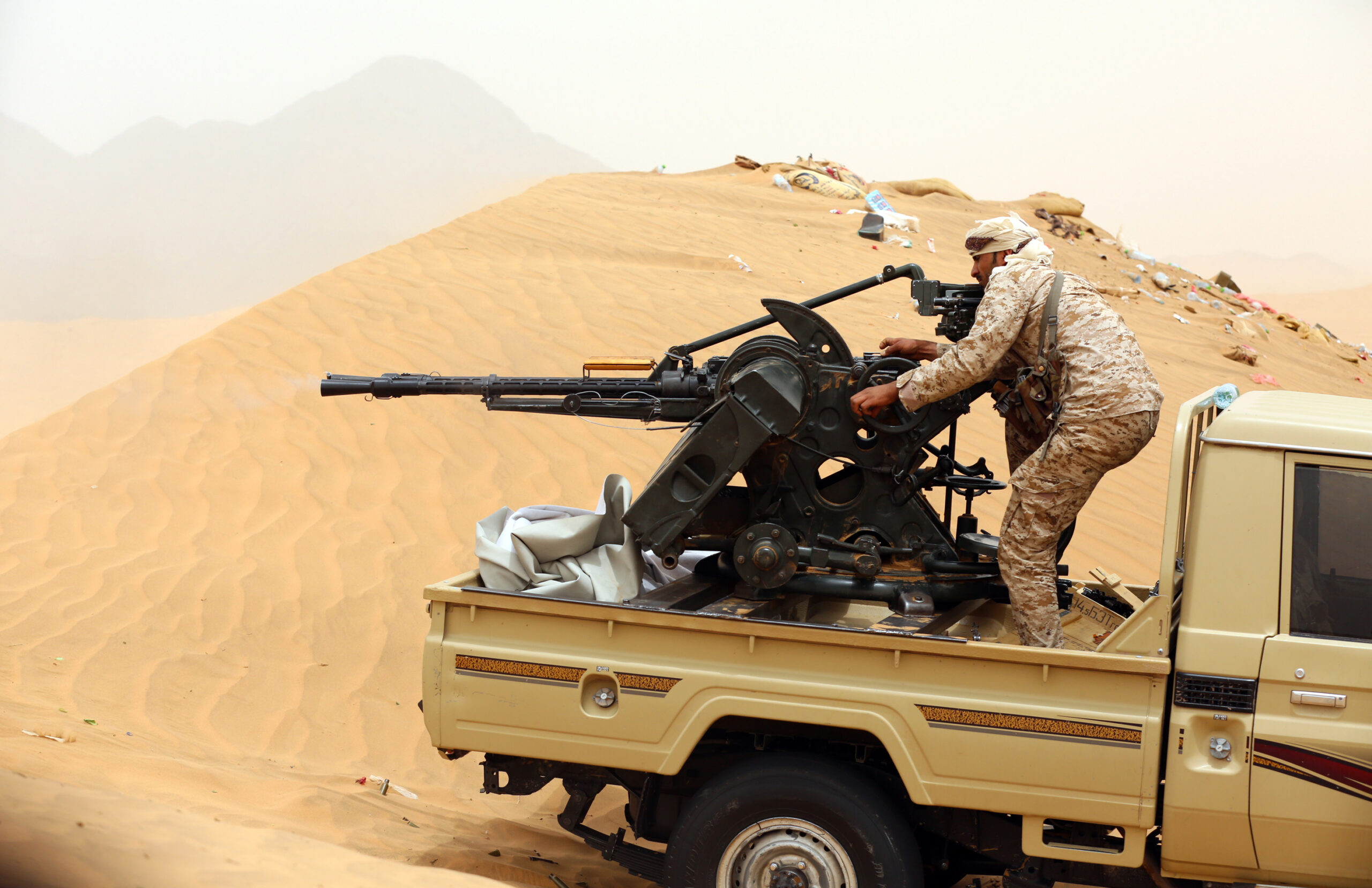
The ongoing civil conflict in Yemen is a continuation of a cycle of violence, political upheaval, and institutional collapse, caused by the failure of Yemeni society to address and resolve the popular anger and frustration arising from political marginalization, economic disenfranchisement, and the effects of an extractive, corrupt, rentier state.
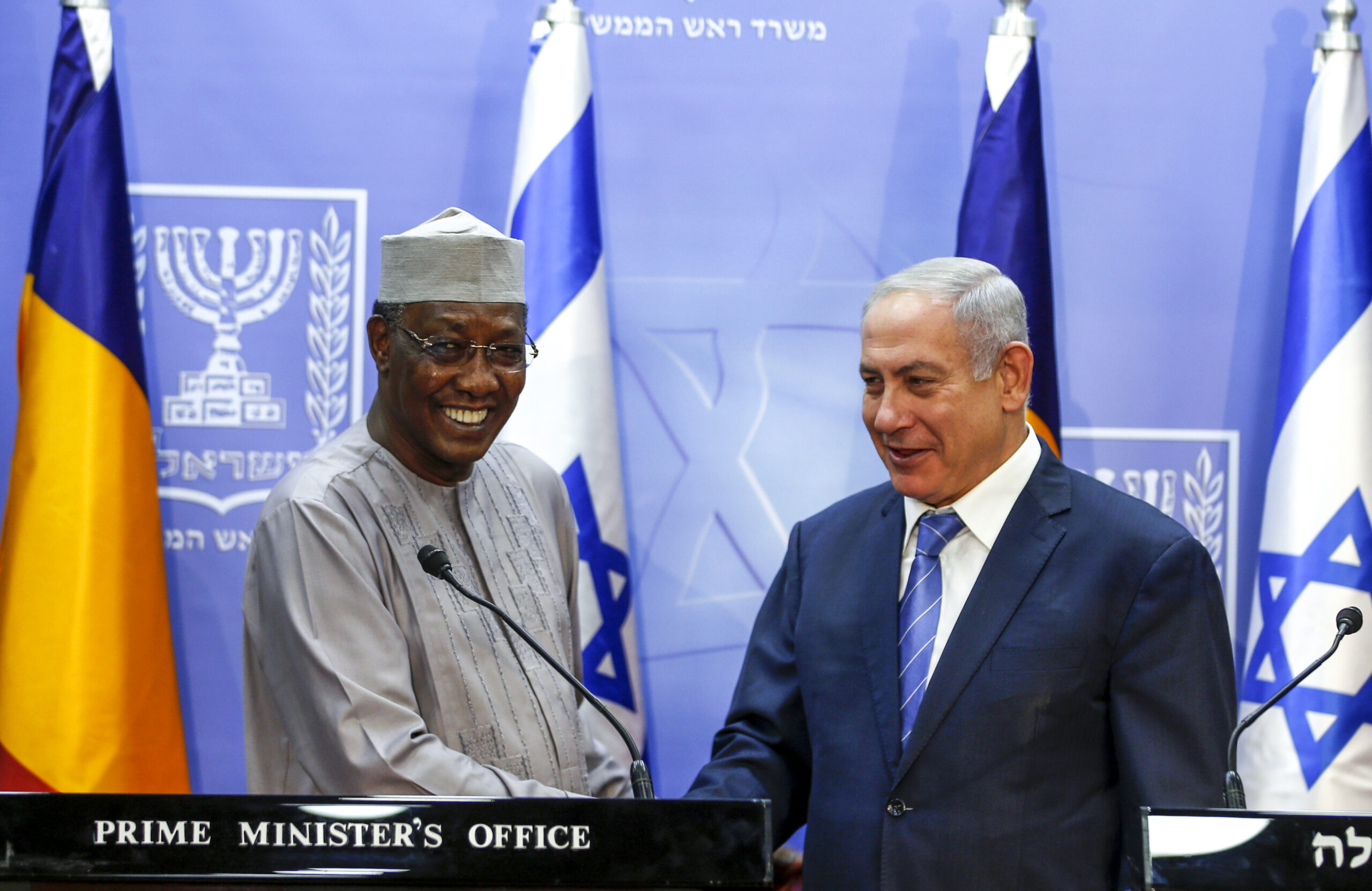
Recently, Israeli Prime Minister Benjamin – Netanyahu began a mission to cultivate ties with African nations– through incentives of economic aid and defense technology– in order to strengthen Israel’s position in the international community. Chadian President Idriss Deby’s visit to Jerusalem in January is only one component of a long line of Israel-Africa visits and agreements.
Turkish President Recep Tayyip Erdogan angles to gain further influence as a leader of the Sunni Islamic world through an unlikely vehicle – Islamic insurance, or takaful.
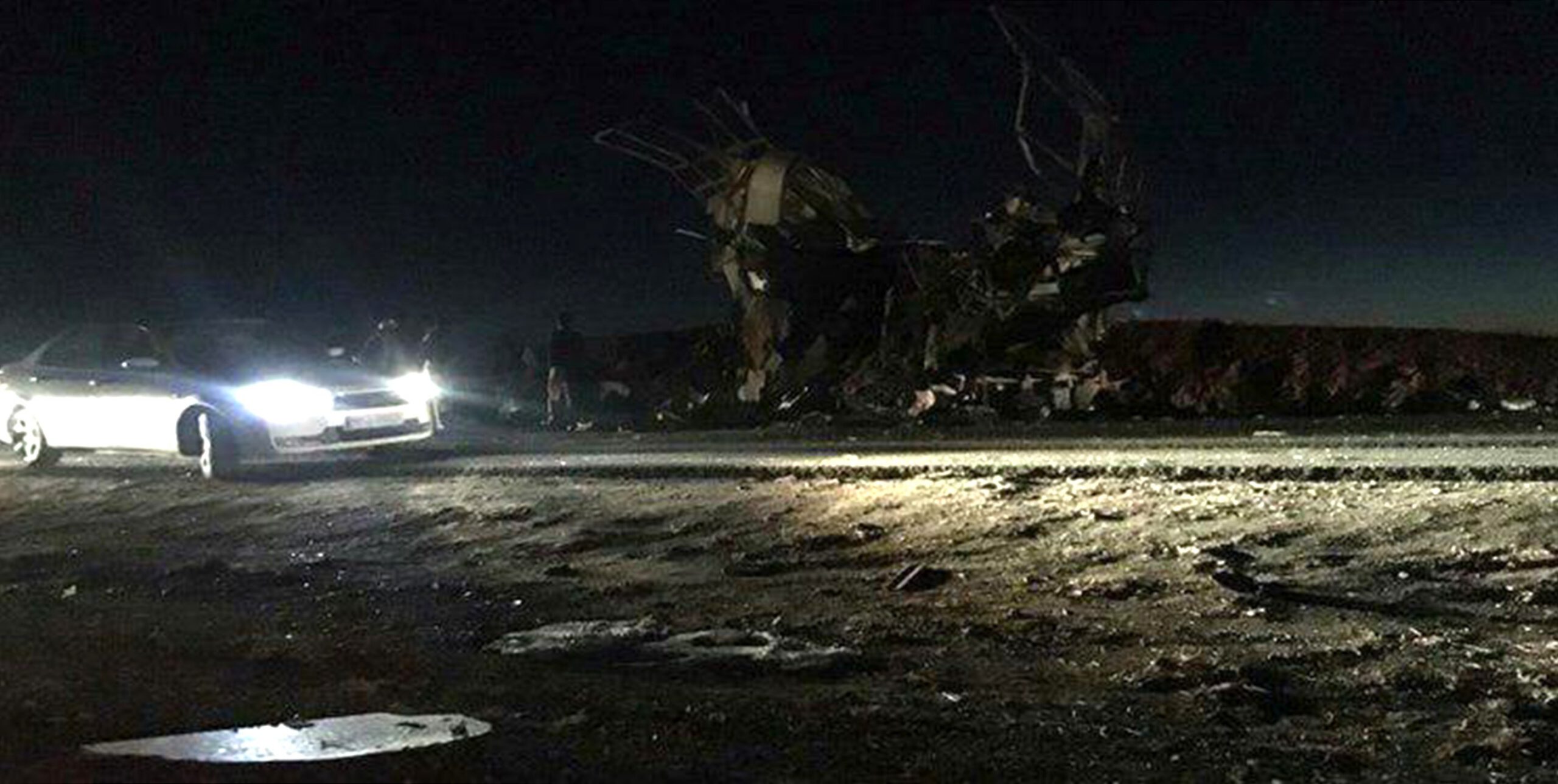
The suicide attack today, which killed at least 20 members of the Islamic Revolutionary Guards Corps (IRGC) in Iran’s southeastern province of Sistan and Baluchistan, may have serious implications for the Iranian government’s ability to maintain the legitimacy of its regional intervention in the eyes of the Iranian people.
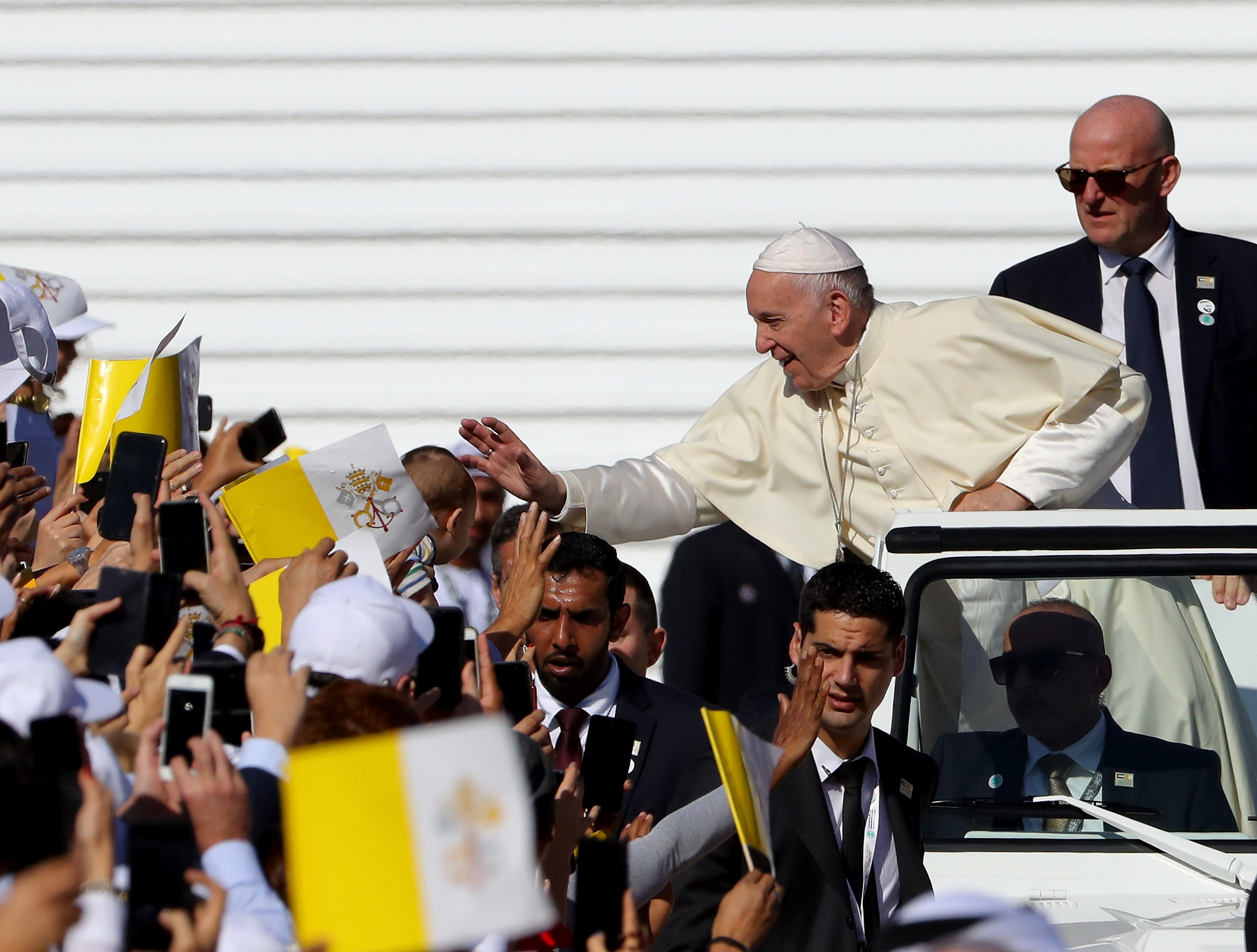
Pope Francis’s recent visit to the UAE is not only a landmark event for inter-religion relations and tolerance, but also represents a strategic geopolitical move by the Emirati government.
John Limbert, former Deputy Secretary of State for Iran under the Obama administration, and MEI senior fellows Alex Vatanka and Ahmad Majidyar join host Alistair Taylor to discuss the 1979 revolution and its continuing impact on US-Iran relations and the region.
Responding to Natural Disasters in the MENA Region and Asia: Rising to the Challenge?
A “disaster” refers to a sudden, calamitous event that disrupts the functioning of a community or an entire society. Natural disasters range from earthquakes, tsunamis, and landslides to droughts, floods, and storm surges. Some disasters result from a complex combination of natural and man-made causes, and are typically characterized by extensive violence and mass displacement.
The oldest peer-reviewed publication dedicated to the study of the modern Middle East, MEI’s flagship journal covers politics, society, and culture in the region.