Washington says it doesn’t know who runs Iran. Tehran insists its leadership is united. MEI Senior Fellow Alex Vatanka joins hosts Alistair Taylor and Matthew Czekaj to sort out where the truth lies. They look at the small circle of political and military figures now steering the war effort in Tehran: who they are, how they make decisions, and how unified they really are. They also discuss the current state of US-Iran negotiations, the role of the upcoming midterm elections in the United States, and how the Islamic Republic is preparing for a potential renewal of conflict afterward.
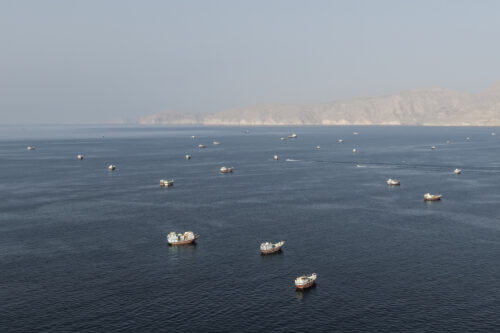
Crude oil is flowing out of the Gulf again, but the market is no better prepared for another disruption in the Strait of Hormuz. It has assembled a temporary system for managing one. Crude exports from the Gulf, excluding Iran, returned to pre-war levels in September, while total Gulf shipments reached 15.5 million barrels a day, more than 80% of the pre-conflict volume.
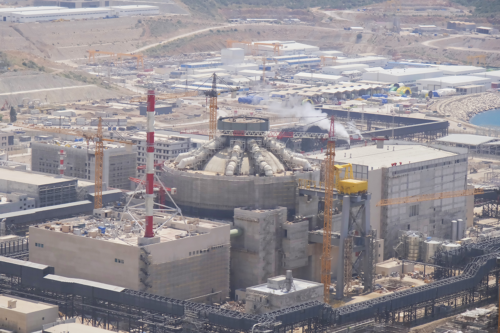
As a result of the Iran war, Turkish thinking about nuclear weapons appears to be shifting. Iran’s emergent ability to threaten regional states (and possible determination to acquire a nuclear weapon itself), growing concern about Israeli aggressiveness, doubts about US security guarantees, and greater Saudi nuclear autonomy are all pushing Ankara to consider a future nuclear option.
Since 1967, Israeli settlements in the West Bank have been a contested feature of the Israeli-Palestinian conflict. The ultimate disposition of the settlements and ongoing activity related to their growth have repeatedly defied agreement in negotiations over a resolution to the conflict.
The Houthis are a political-military faction and Zaydi religious movement founded in northwestern Yemen in the 1980s. A key member of Iran’s Axis of Resistance with links to other militant organizations in the Arabian Peninsula and the Horn of Africa, the group has continued to pose a threat to Western interests on a global scale.
The India-Middle East-Europe Economic Corridor (IMEC) is a proposed multinational infrastructure initiative aimed at upgrading connectivity between the three regions through integrated trade, energy, and digital networks. Announced at the G20 summit in New Delhi in September 2023, IMEC is envisioned partially as a counterweight to China’s international infrastructure project, the Belt and Road Initiative.
After a decade of post-Arab Spring isolation, Turkey’s leaders have recognized that their ambition to position the country as an agenda-setter on the world stage requires active engagement in all directions. President Recep Tayyip Erdoğan’s consolidation of executive authority has centralized foreign policy decision-making and tied it to his domestic political priorities, transforming the country’s revisionist approach to one shaped primarily by personal and pragmatic interests.
MEI Senior Fellow Brian Katulis engages friends, colleagues, and policy experts in casual conversations on the most important happenings in the Middle East.
Shifting sentiments in the Sahel: Anti-France or pro-Russia?
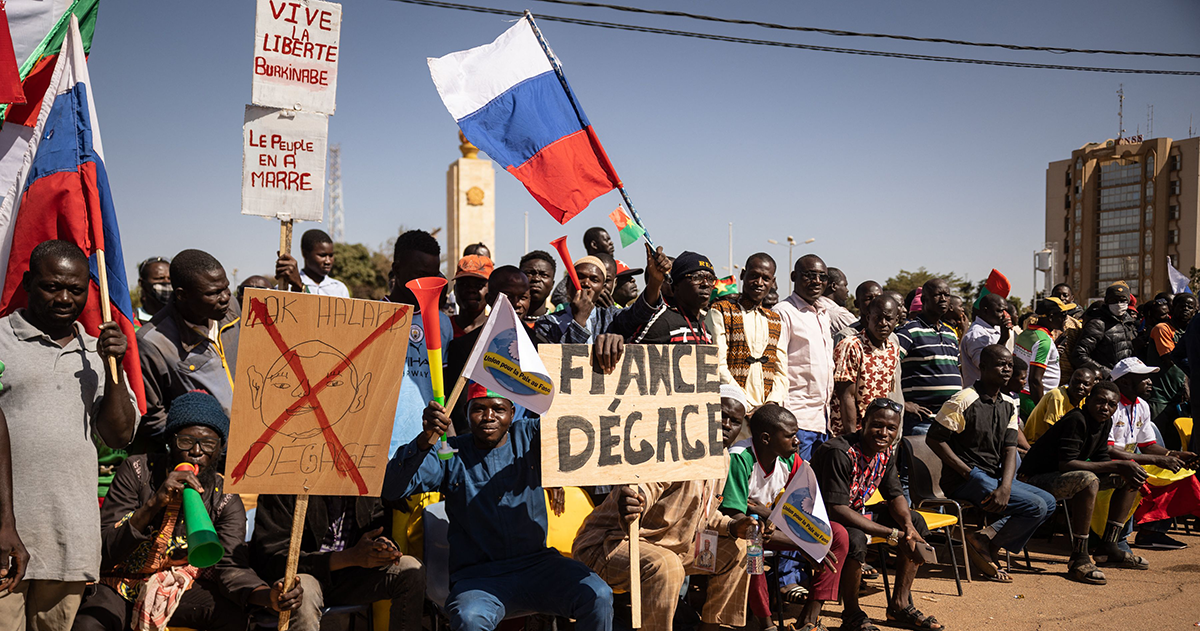
In recent months, fervent anti-French sentiment has been on the rise in Burkina Faso and Mali. In February 2023, the Burkinabe army announced the end of the French Sabre Force in the West African country. This came three weeks after the transitional government withdrew from the 2018 defense agreements with France that had previously allowed 400 French troops to be stationed in a cantonment outside of the capital, Ouagadougou.
Navigating complex maritime security challenges in the Black and Mediterranean seas: Insights from the updated EUMSS
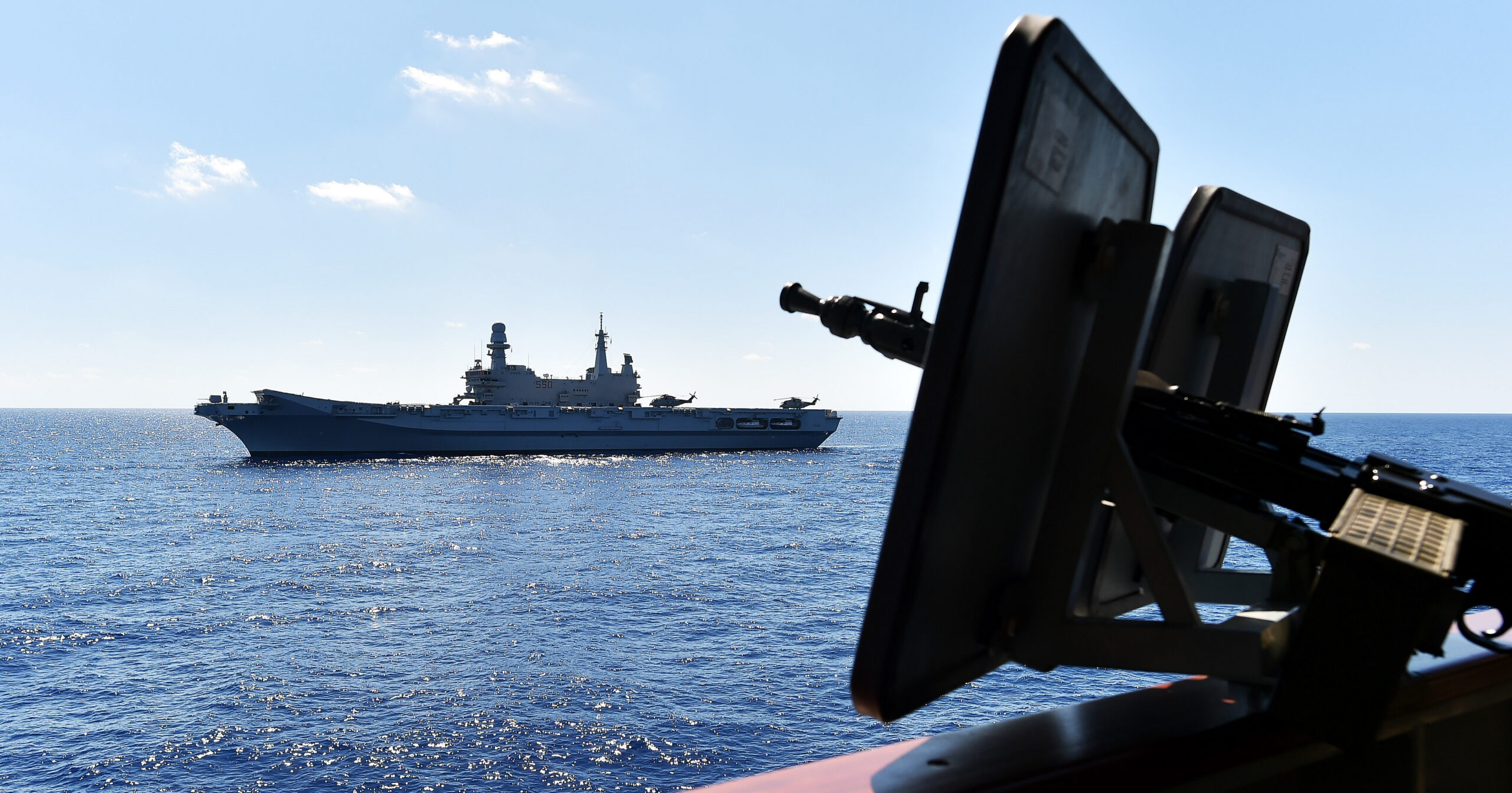
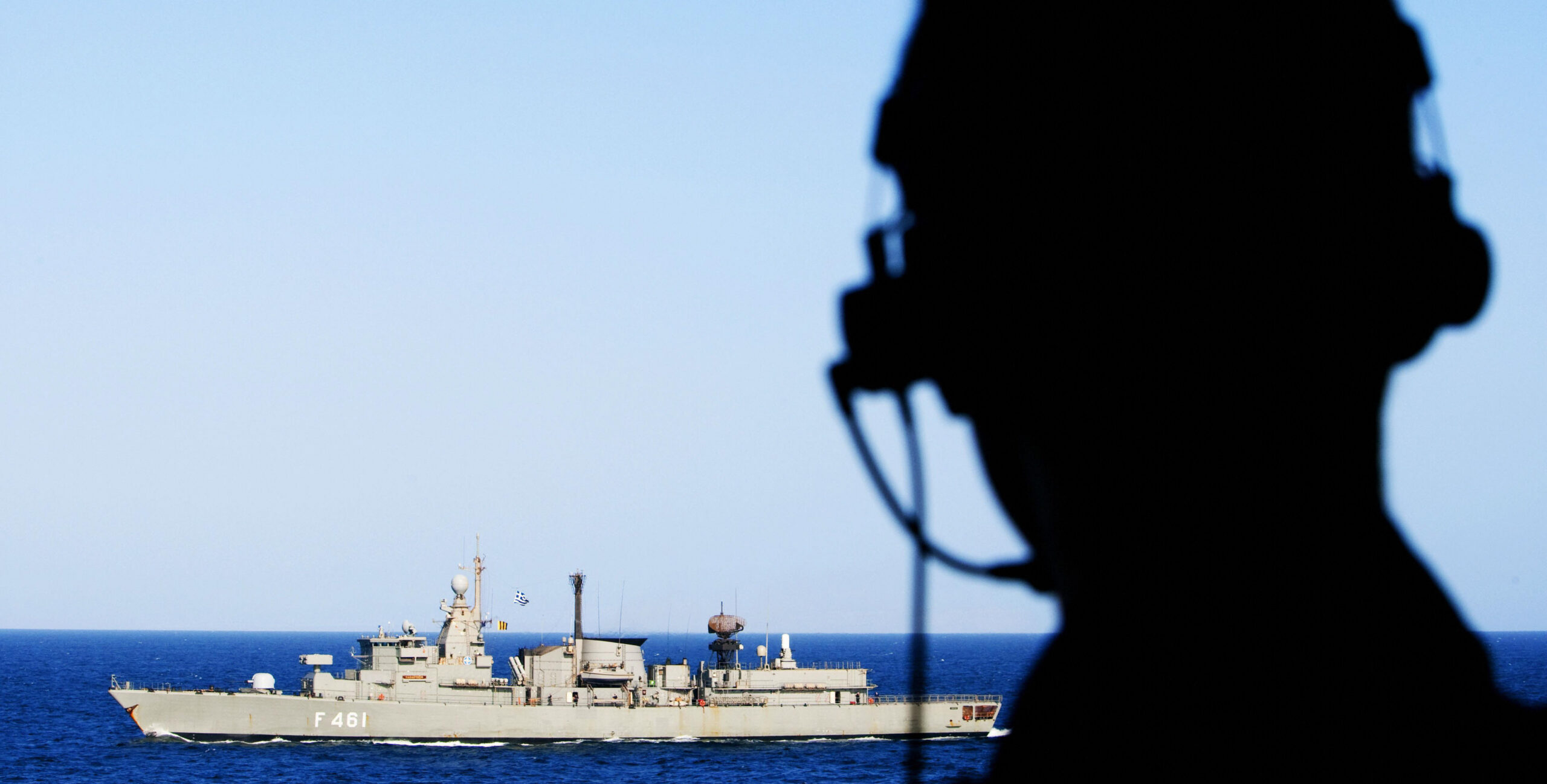
Russia’s February 2022 full-scale invasion of Ukraine helped influence the updated European Maritime Security Strategy’s approach to the Black and Mediterranean seas, with implicit and explicit references to the war dispersed throughout the document. The updated EUMSS showcases the wide array of security issues present in the region, including seaborne UXOs, human and drug trafficking, and threats to critical infrastructure. But security in the Black and Mediterranean seas will require greater cooperation with non-EU countries.
Is blue the new green? Opportunities for developing a climate-resilient blue economy in the MENA region
The blue economy can offer huge potential in climate change mitigation and resilience, given the fact that marine habitats, such as mangroves, tidal marshes, and seagrass meadows, provide significant protection from erratic climate events. MENA countries would benefit from developing the blue economy to aid in reversing natural resource degradation, sustaining inclusive economic development, and building resilience to climate change.
On this week’s episode Alistair Taylor, MEI’s editor-in-chief, is joined by Gönül Tol, the founding director of MEI’s Turkey Program and the author of “Erdogan’s War: A Strongman’s Struggle at Home and in Syria,” to discuss Turkey’s critical upcoming elections. After two decades in power, President Recep Tayyip Erdogan and the Justice and Development Party (AKP) are facing unprecedented challenges, including an economy in shambles, the ongoing impact of the devastating early February earthquakes, and a united opposition.
Joining the pieces together: Toward a comprehensive EU maritime approach for the Northwestern Indian Ocean, Persian Gulf, and Red Sea
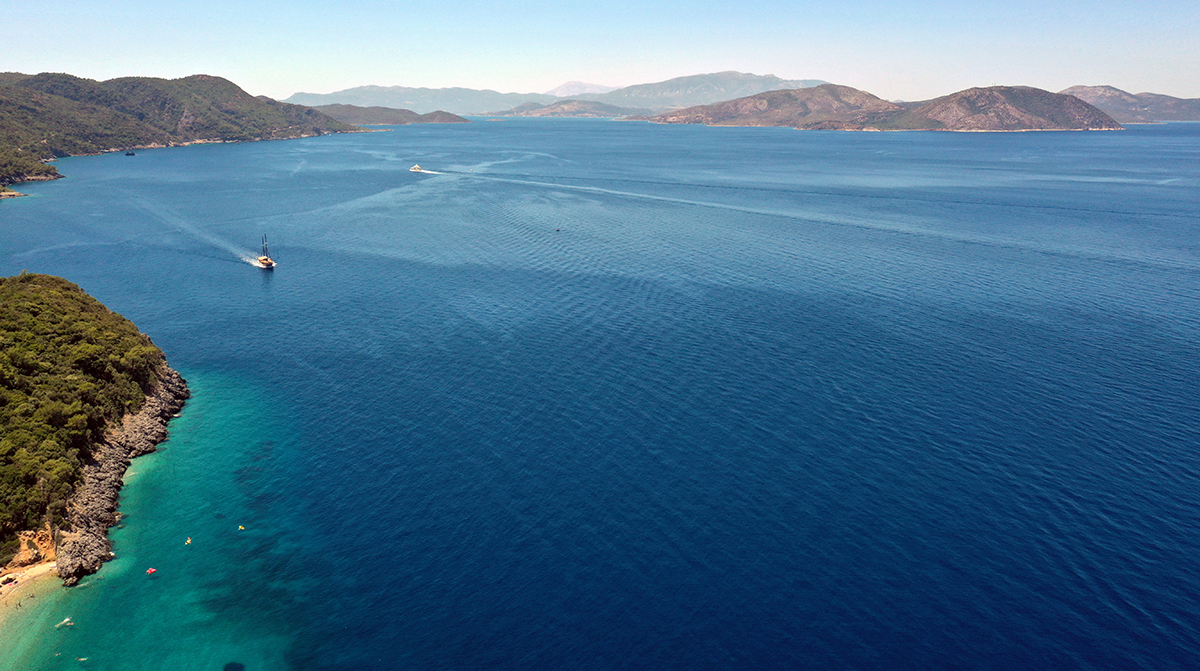
Until recently, the EU has favored a piecemeal approach toward the Northwestern Indian Ocean, the Gulf, and the Red Sea, despite their close interdependence and inter-connectedness in the security, political, and economic realms. But the EU is now signaling a growing desire to steer its naval policy toward a more holistic and organic process, creating an opportunity for Brussels to become a more relevant security actor in the waters off the Arabian Peninsula.
The economic impact of Turkey’s elections: Six potential scenarios
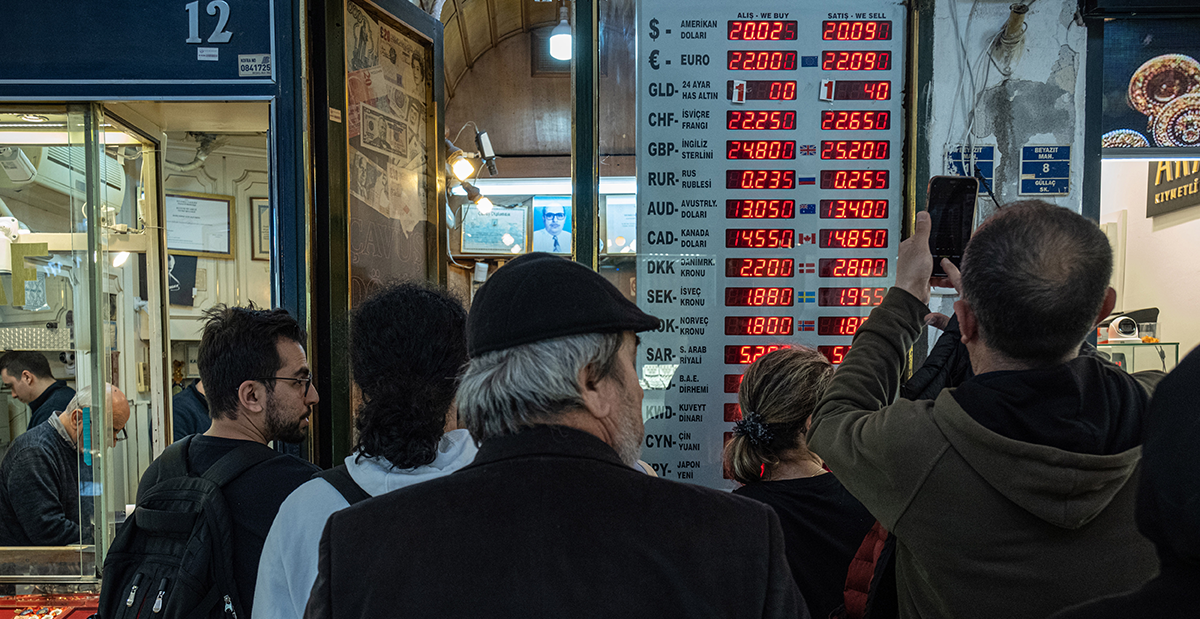
As Turkey heads to the polls for presidential and parliamentary elections this month, the consequences for its troubled economy are likely to be significant and wide-ranging. Financial stability, business confidence, purchasing power, and asset prices all depend on whether President Recep Tayyip Erdoğan’s two-decade-long rule will continue; at the same time these factors will also determine his chances for re-election. There are a number of potential election outcomes that could lead to greater uncertainty and volatility rather than clarity and stability.
If Turkish President Recep Tayyip Erdoğan and his AKP are defeated in this month’s elections, the next government, led by the CHP, will likely prove more agreeable — or at least no more difficult — on virtually every issue of importance to the United States and Turkey’s other allies in the NATO. There undoubtedly will still be areas of contention, including some of the same ones that have bedeviled the West’s relations with Turkey under Erdoğan. For reasons both ideological and economic, however, a new Turkish government would want a closer relationship with the West than Erdoğan has pursued for many years.
Assessing competing scenarios for Turkey’s parliamentary elections
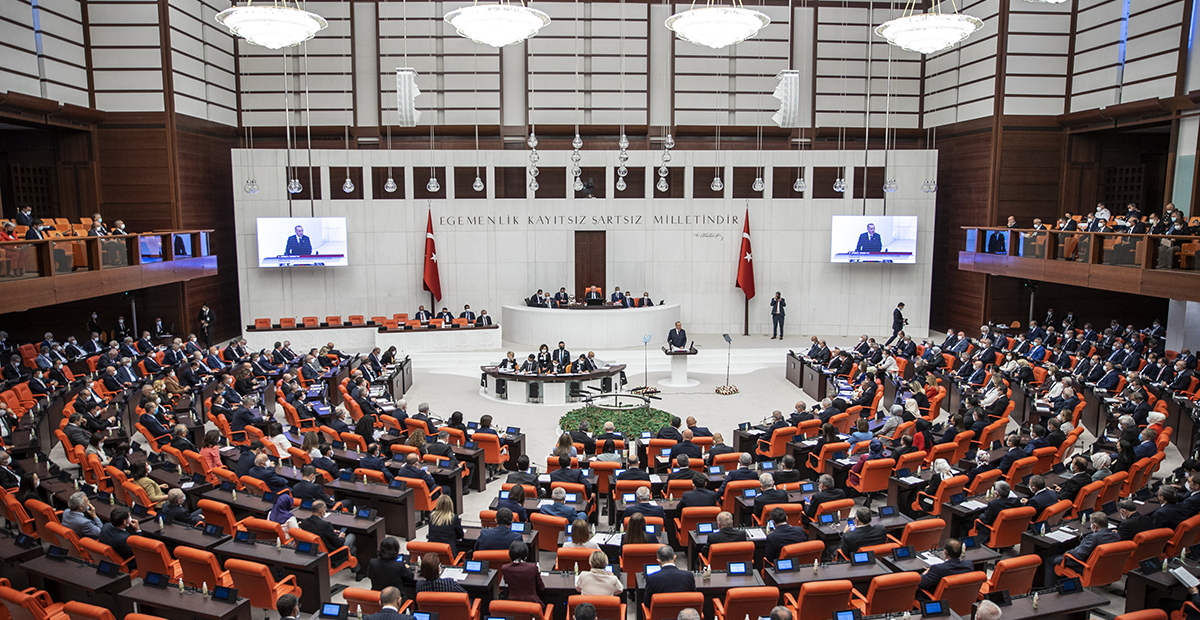
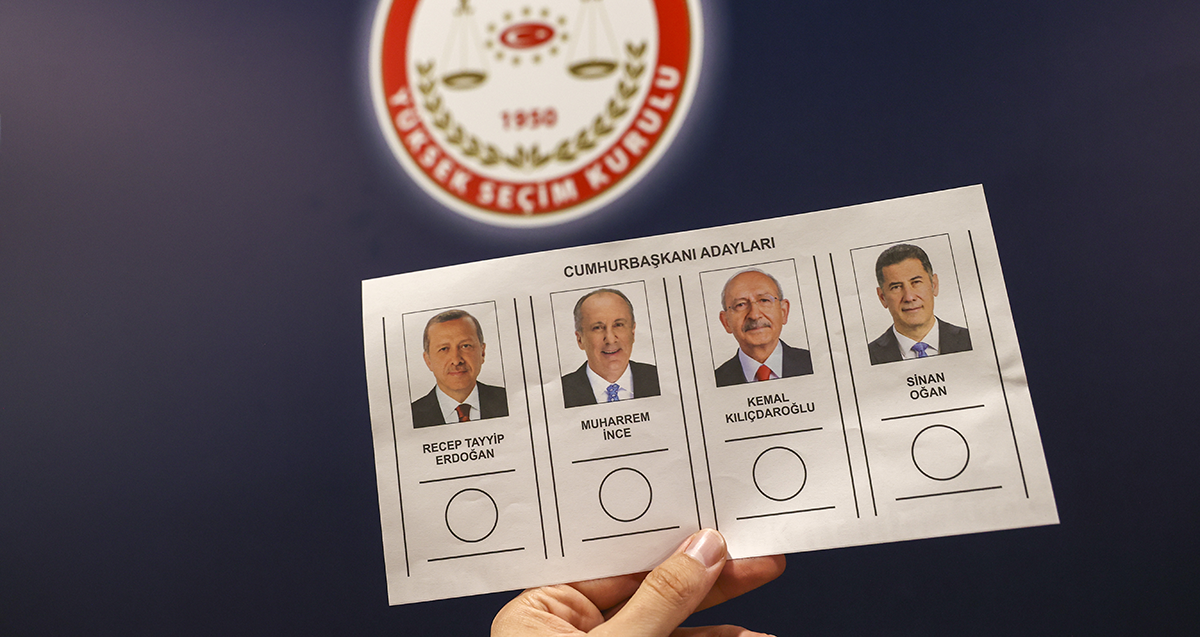
On May 14, Turkish voters are headed to the polls for twin elections — presidential and parliamentary — that are expected to shape the country’s political trajectory for years to come. While the presidential race has generated wide interest in the international media, there is little informed discussion when it comes to the parliamentary elections. Unlike the presidential elections, which quickly turned into a tight contest between President Recep Tayyip Erdoğan and the main opposition leader, Kemal Kılıçdaroğlu, the parliamentary races are more unpredictable at this point.
Polarizing populism vs. inclusive positivity: Erdoğan and Kılıçdaroğlu’s dueling campaign strategies
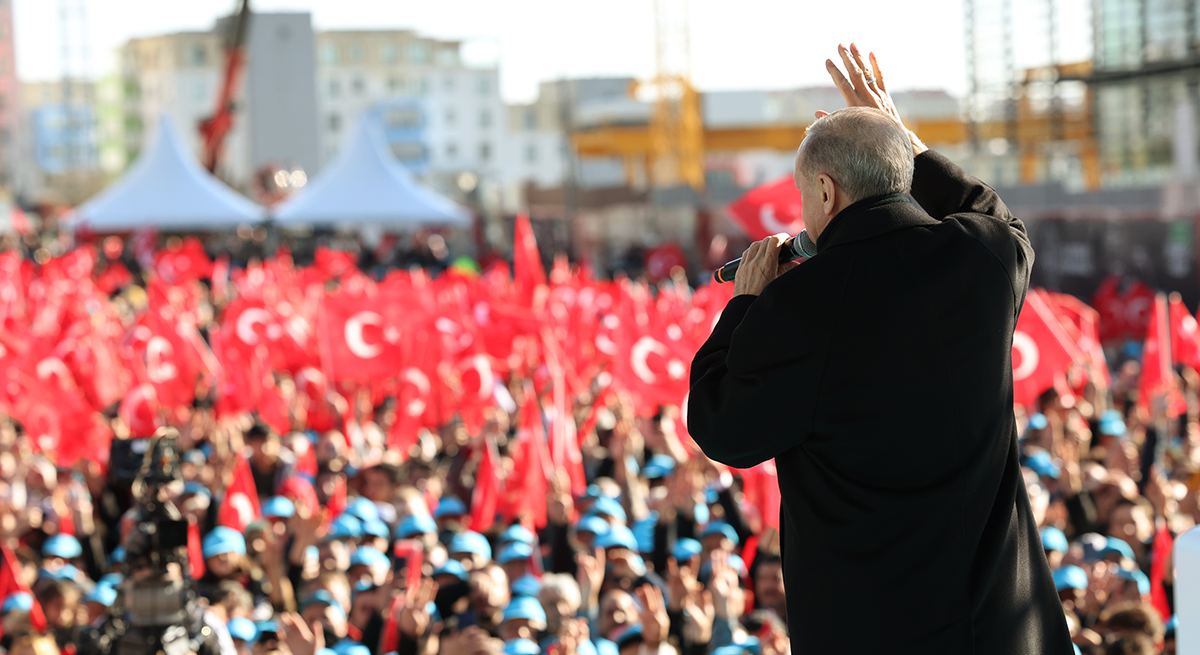
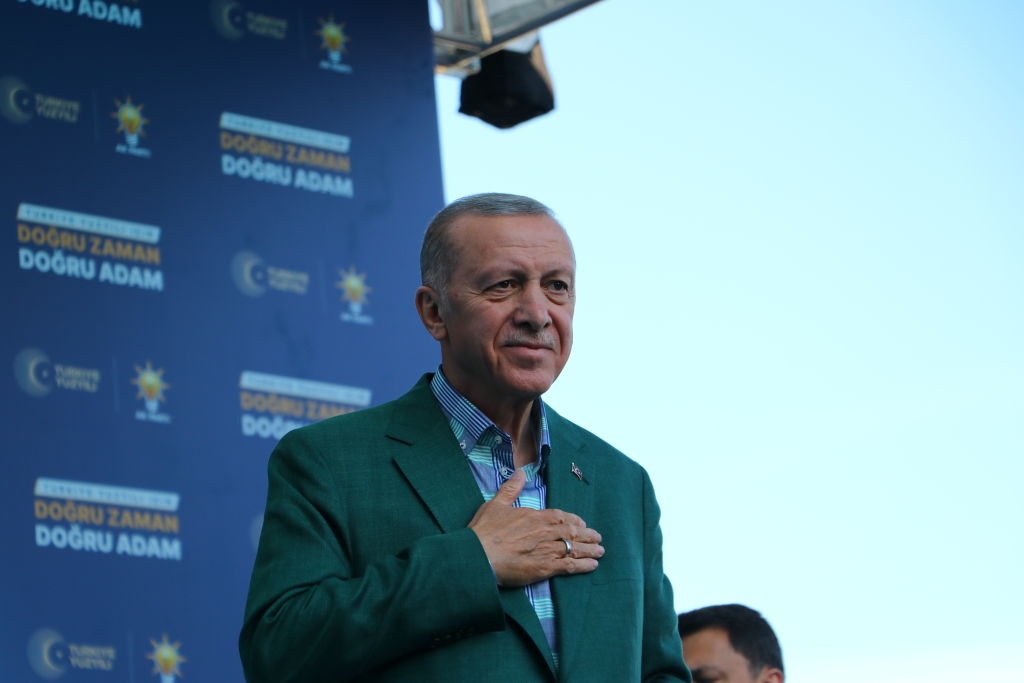
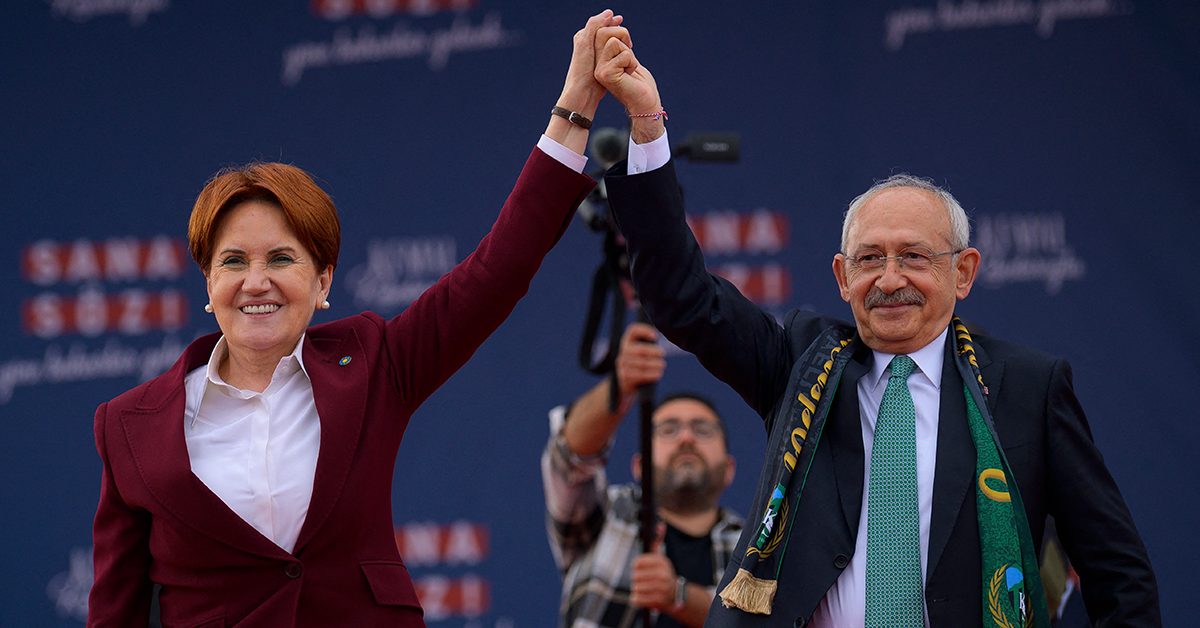
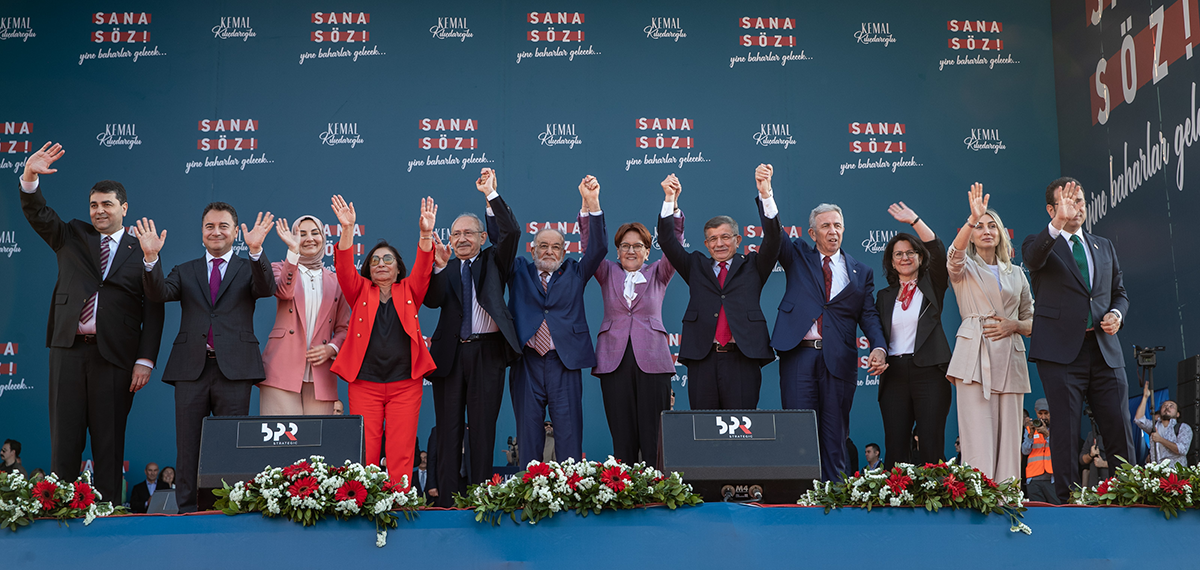
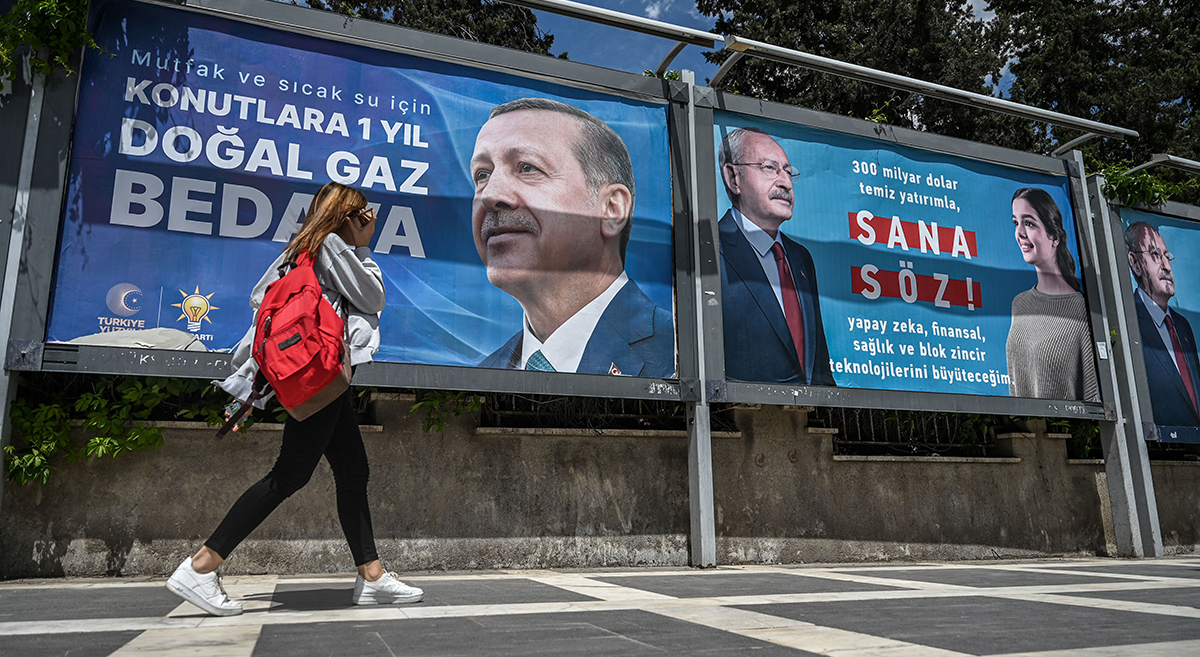
As Turkey gears up for a crucial election, the country is currently witnessing two very different political campaign styles. President Recep Tayyip Erdoğan, who is seeking re-election, is competing against Kemal Kılıçdaroğlu, the joint candidate of the Nation Alliance. The two candidates’ wildly different political and governing styles are apparent in their campaigns: President Erdoğan follows a polarizing, negative, and fear-based approach focused on energizing his base, while Kılıçdaroğlu’s campaign is dynamic, inclusive, and positive.
The dust has not yet settled ahead of Turkey’s elections
We’re only in May but it’s safe to say that 2023 has been one of the longest years in the history of Turkish politics. The main issues in the presidential and parliamentary elections on May 14 are the deteriorating economic conditions and identity politics. For the first time in two decades President Recep Tayyip Erdoğan is heading into an election not in the lead.
Turkey's 2023 Elections: Perspectives on a Critical Vote
It is a cliché for politicians to claim that an upcoming election is the most critical vote in the history of the country. In Turkey’s case, however, the presidential and parliamentary elections on May 14 are indeed the most consequential ever. The prospects for Turkey’s democratic future are at stake.
Turkish Election Watch: The Week of April 30-May 7
Catch up with the latest developments about Turkey’s May elections with weekly updates from MEI’s Turkey Program. In this week’s installment of Turkish Election Watch: more signs of opposition strength, the stoning of İmamoğlu’s campaign bus in Erzurum, Babacan’s economic role, and the ruling coalition takes off the gloves.
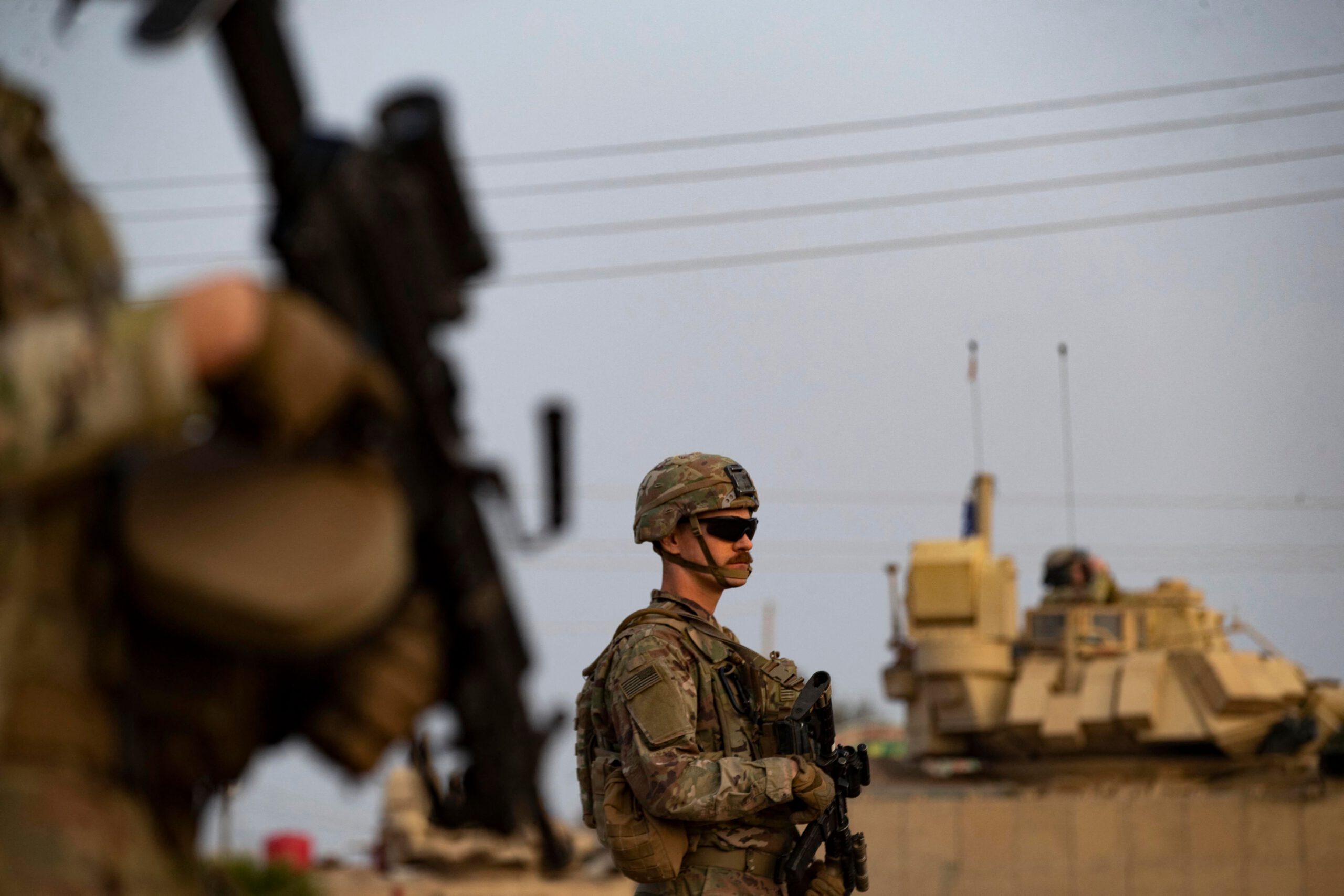
The U.S. administration is tacitly contributing to growing acceptance and re-normalization of Syrian President Bashar al-Assad, the 21st century’s most notorious war criminal, putting in jeopardy the continuation of our counter-terrorism mission in Syria. Assad is toasting his survival on the ashes of his victims — but within the small community of optimistic actors in Syria, ISIS is sitting pretty comfortably too.
The oldest peer-reviewed publication dedicated to the study of the modern Middle East, MEI’s flagship journal covers politics, society, and culture in the region.