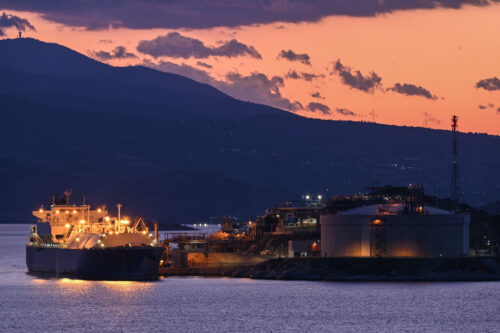
In less than two decades, a string of offshore discoveries has turned the Eastern Mediterranean into a significant gas-producing region, making Israel an exporter, twice lifting Egypt into the ranks of liquefied natural gas (LNG) exporters, and giving Cyprus finds it has yet to bring to market. This backgrounder explores the potential and challenges of exploiting and managing LNG resources in the region.
Deadlock in Gaza and the West Bank at a Breaking Point
A year after world leaders gathered in Sharm el-Sheikh to mark the end of the war in Gaza, Israel controls about 70% of the Strip, Hamas retains its arms, and reconstruction has yet to begin. Meanwhile, in the West Bank, record settler violence and settlement expansion are colliding with a Palestinian Authority on the brink of fiscal collapse. Hosts Alistair Taylor and Matthew Czekaj are joined by MEI Associate Fellow Tahani Mustafa to discuss why the Gaza peace plan is deadlocked, an increasingly emboldened Israel in the West Bank, Mahmoud Abbas’s postponement of Palestinian elections, the Palestinian Authority’s deepening economic crisis, and what role the US could play.
MINURSO’s Future: What the Security Council’s Choice May Reveal
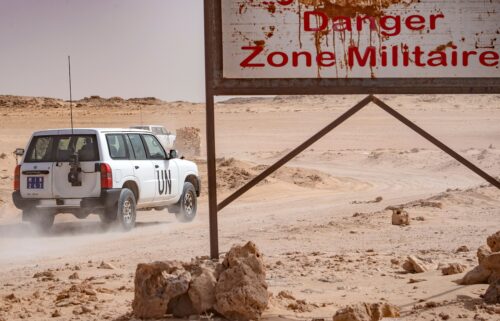
As the United Nations Security Council (UNSC) approaches the October 31 renewal deadline of the UN Monitoring Mission in Western Sahara (MINURSO), the mission’s longer-term future remains uncertain. Another largely unchanged renewal remains a likely immediate outcome. But beyond that holding pattern, three possible scenarios are also on the table.
Since 1967, Israeli settlements in the West Bank have been a contested feature of the Israeli-Palestinian conflict. The ultimate disposition of the settlements and ongoing activity related to their growth have repeatedly defied agreement in negotiations over a resolution to the conflict.
The Houthis are a political-military faction and Zaydi religious movement founded in northwestern Yemen in the 1980s. A key member of Iran’s Axis of Resistance with links to other militant organizations in the Arabian Peninsula and the Horn of Africa, the group has continued to pose a threat to Western interests on a global scale.
The India-Middle East-Europe Economic Corridor (IMEC) is a proposed multinational infrastructure initiative aimed at upgrading connectivity between the three regions through integrated trade, energy, and digital networks. Announced at the G20 summit in New Delhi in September 2023, IMEC is envisioned partially as a counterweight to China’s international infrastructure project, the Belt and Road Initiative.
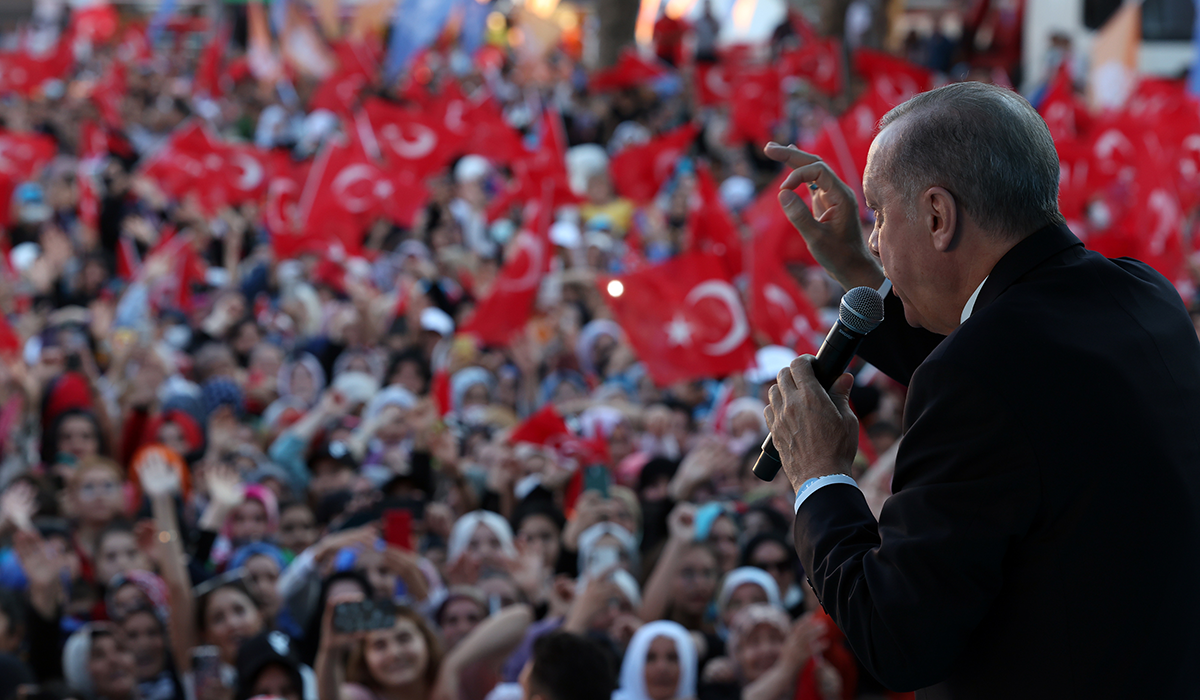
After a decade of post-Arab Spring isolation, Turkey’s leaders have recognized that their ambition to position the country as an agenda-setter on the world stage requires active engagement in all directions. President Recep Tayyip Erdoğan’s consolidation of executive authority has centralized foreign policy decision-making and tied it to his domestic political priorities, transforming the country’s revisionist approach to one shaped primarily by personal and pragmatic interests.
MEI Senior Fellow Brian Katulis engages friends, colleagues, and policy experts in casual conversations on the most important happenings in the Middle East.
Pragmatic jihadist or opportunistic warlord? HTS’s Jolani expands his rule in northern Syria
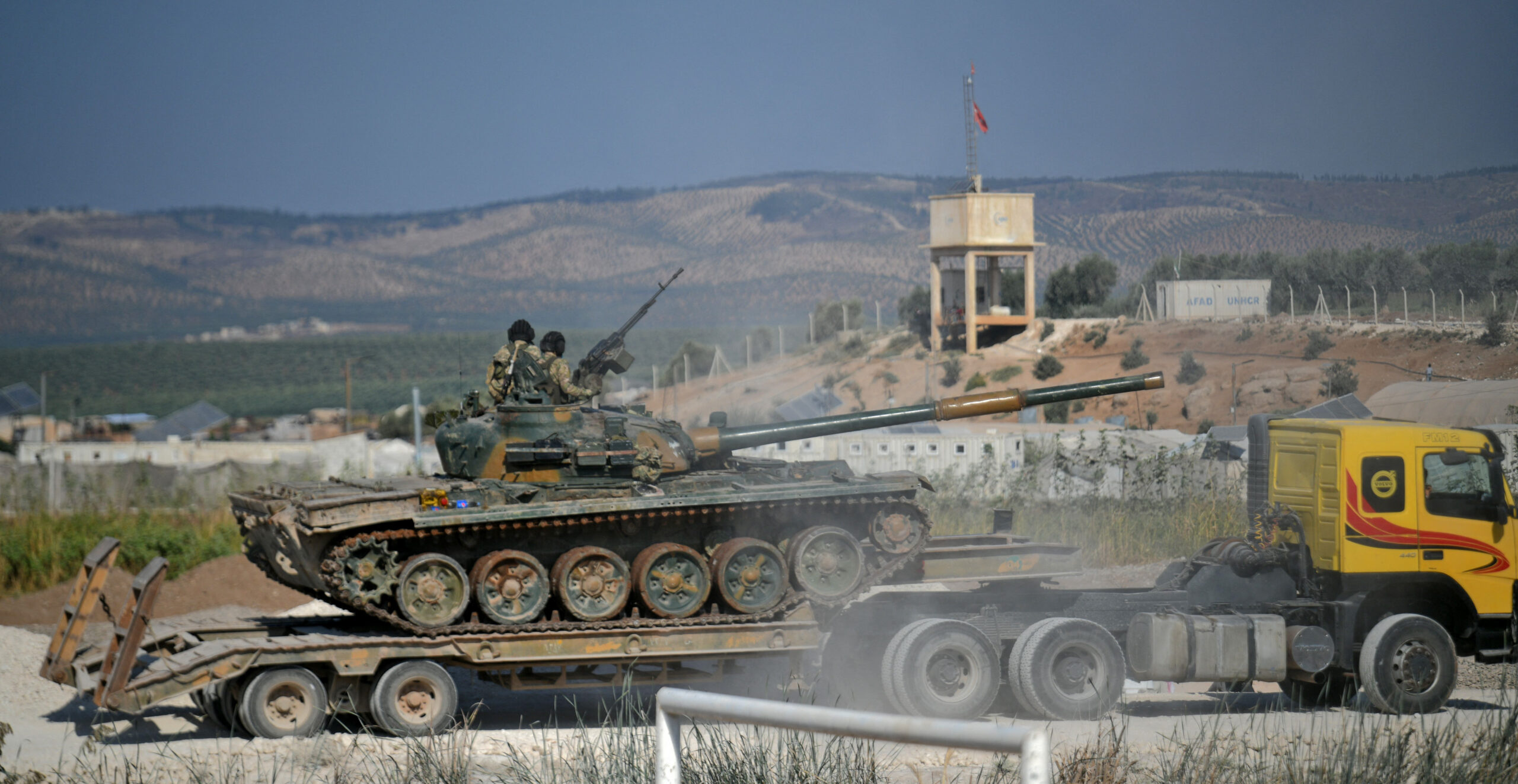
The jihadist group Hayat Tahrir al-Sham (HTS) in Syria has dispatched its fighters from greater Idlib eastward, taking full control of Afrin city and at least 26 towns and villages to its southwest, most without a fight. This has placed many of its jihadist opponents back under HTS’s control. The dynamics of northwestern Syria are shifting, and the consequences look likely to be extremely significant.
Over the past decade, Turkey has been on a steadily downward economic trajectory. Throughout this long period of turmoil the government has pursued a range of different economic policies, most of which were inconsistent with one another. The transition to a presidential system under Erdoğan has had a disastrous impact on Turkey’s economic institutions and administration. This paper explores the impact of the presidential system on the Turkish economy, the country’s economic outlook, and potential solutions to the current crisis, as well as the opposition’s role and ability to implement them, with an eye to the June 2023 elections.
Pakistan's Climate, Economic, and Political Crises
Relentless floods in Pakistan have resulted in thousands of deaths, widespread displacement, and economic devastation. Today, we discuss these impacts as well as Pakistan’s broader economic and climate change challenges, the ongoing political crisis, and developments on the foreign policy front.
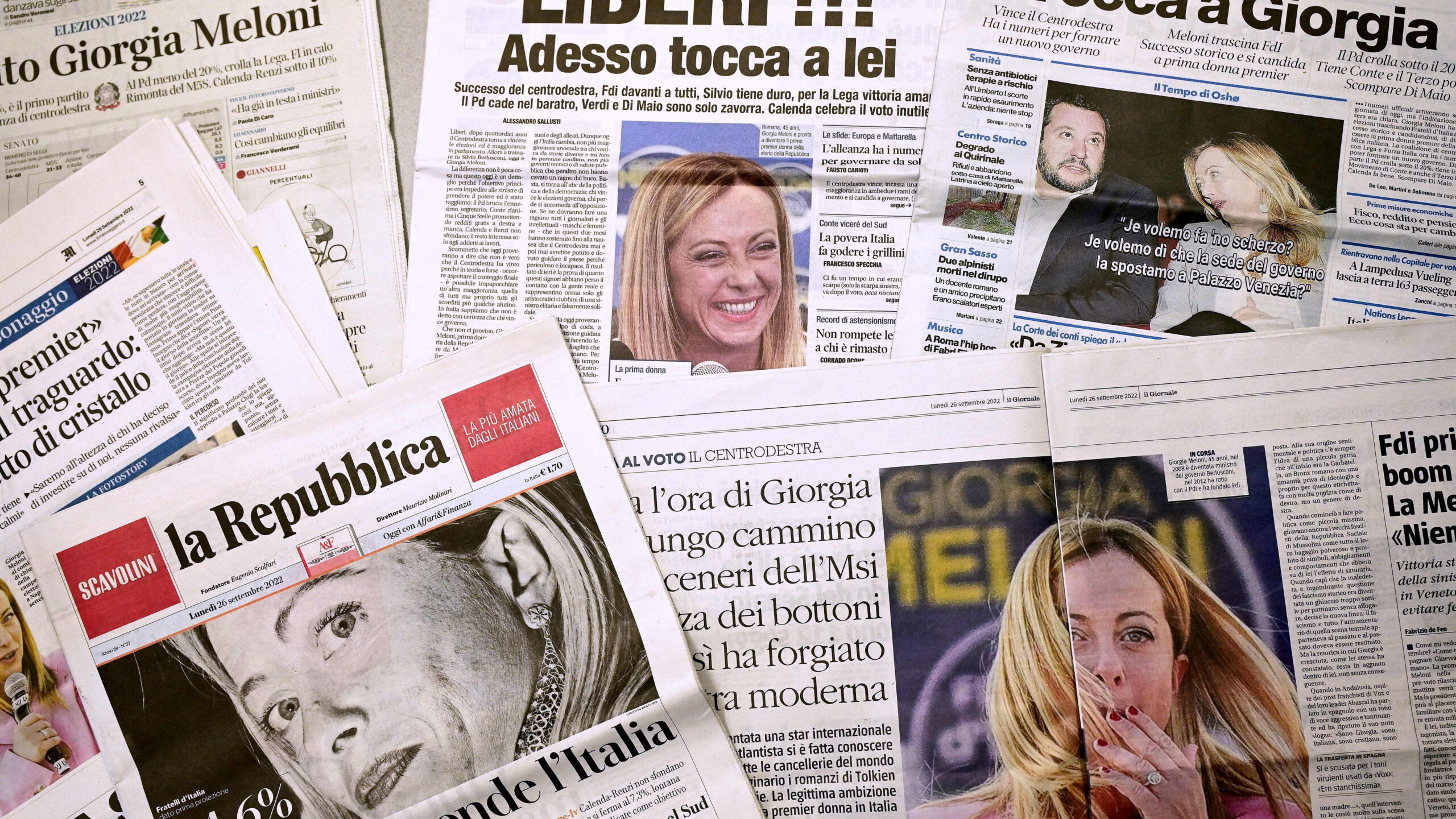
Will Italy’s MENA policy change under the new government?
Although Italians have elected the most far-right government of the postwar era, the future might be marked more by evolution than drastic change, at least in the short term. This is especially true when it comes to Italian foreign policy, including toward the Middle East and North Africa.
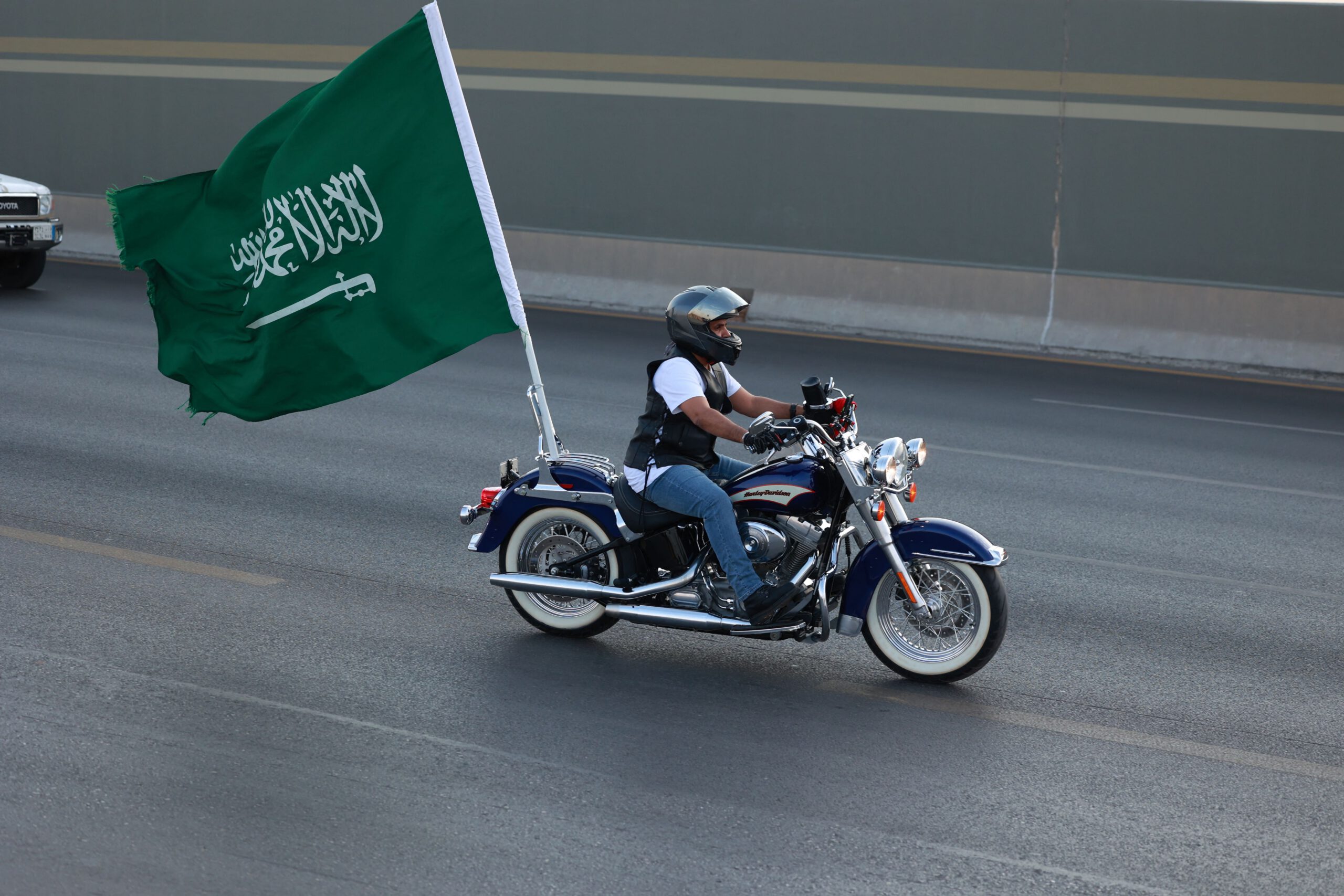
Saudi Arabia at 90: Ushering in a Neo-Saudi state?
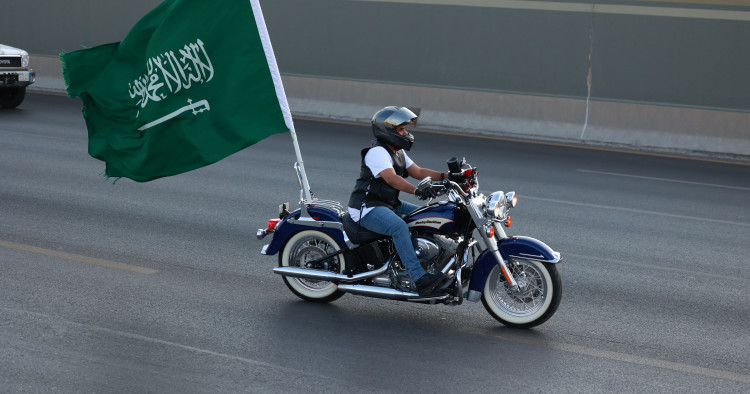
Since being named crown prince of Saudi Arabia, Mohammed bin Salman has launched a series of far-reaching socio-economic reforms known as Vision 2030 and introduced a new form of nationalist identity — “Neo-Saudism.” Taken together, some see these changes ushering in what essentially amounts to a fourth Saudi state.
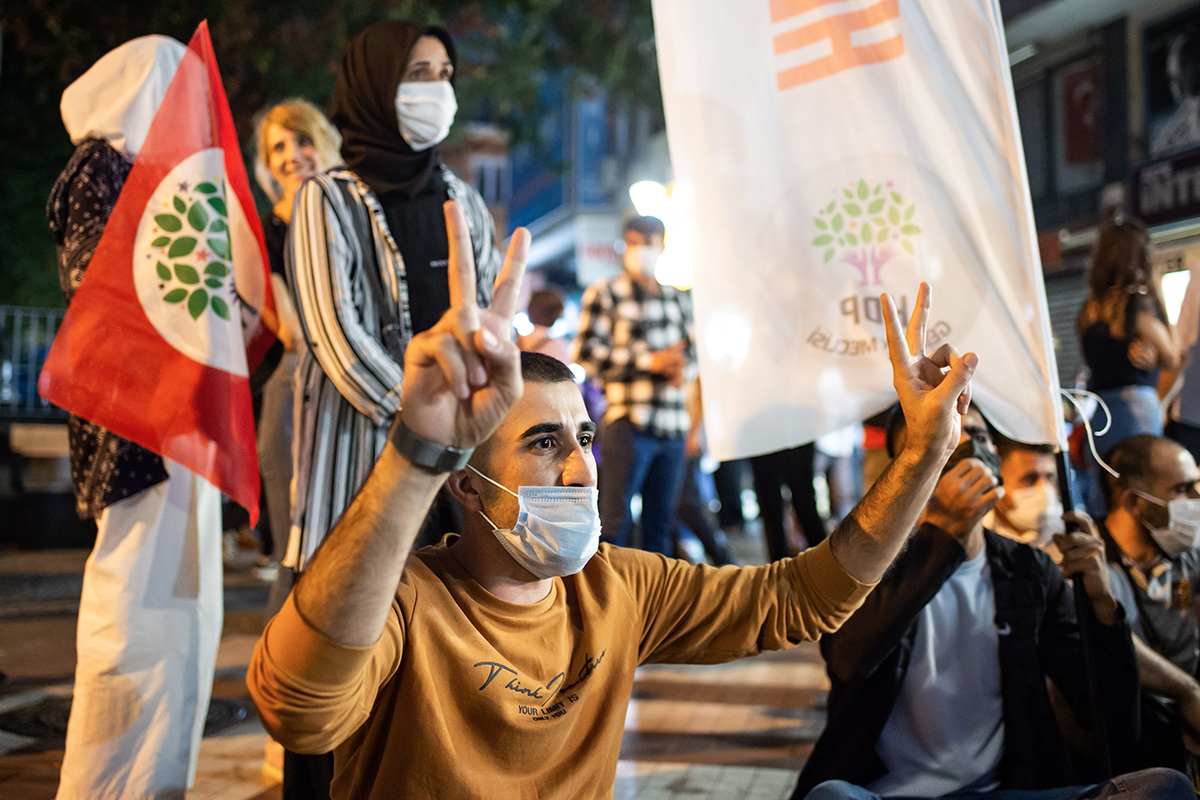
Since Erdoğan adopted a nationalist and militarist approach to reverse the results of the June 2015 elections, the Kurdish political movement has faced immense pressure. The line between the PKK and other non-violent political actors has blurred in the eyes of the elites in Ankara. Leaders and officials of the pro-Kurdish HDP have been arrested and the party has been demonized in the media. This paper aims to understand the motivation behind Erdoğan’s approach to the Kurdish question and explore the potential implications for the upcoming elections in June 2023.
Religion, Nationalism, and Populism in Turkey Under the AKP
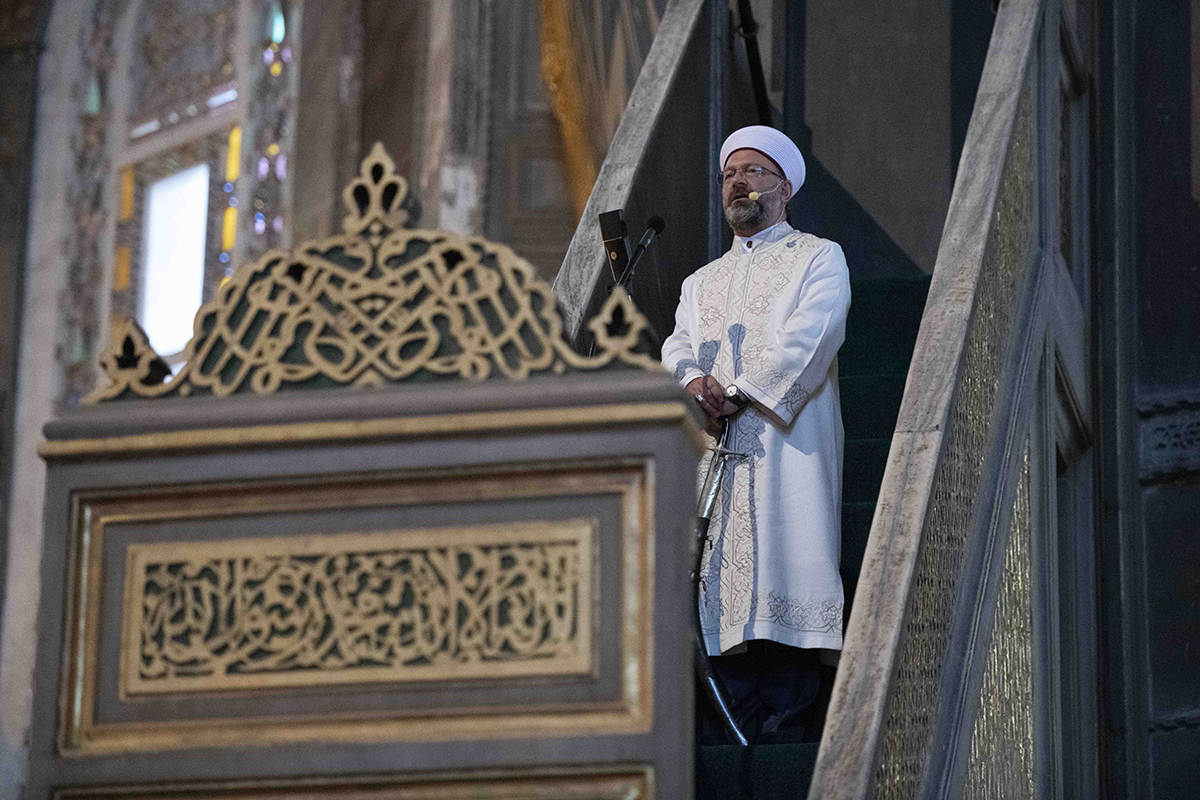
Over its two decades in power, the AKP has shaped relations between different social groups in Turkey based on religious belonging. It altered people’s perceptions of national identity by making “being a Muslim Turk” more appealing for many at home and abroad, and created new public spaces and collective memories embellished with national heroism sacralized by religious references. Moving beyond Turkey’s oft-cited secular-pious cleavage, this paper aims to shed light on the AKP’s complex relationship with religion through the lens of nationalism, populism, and performance as a means of political mobilization.
Iran’s rising Generation Z at the forefront of protests
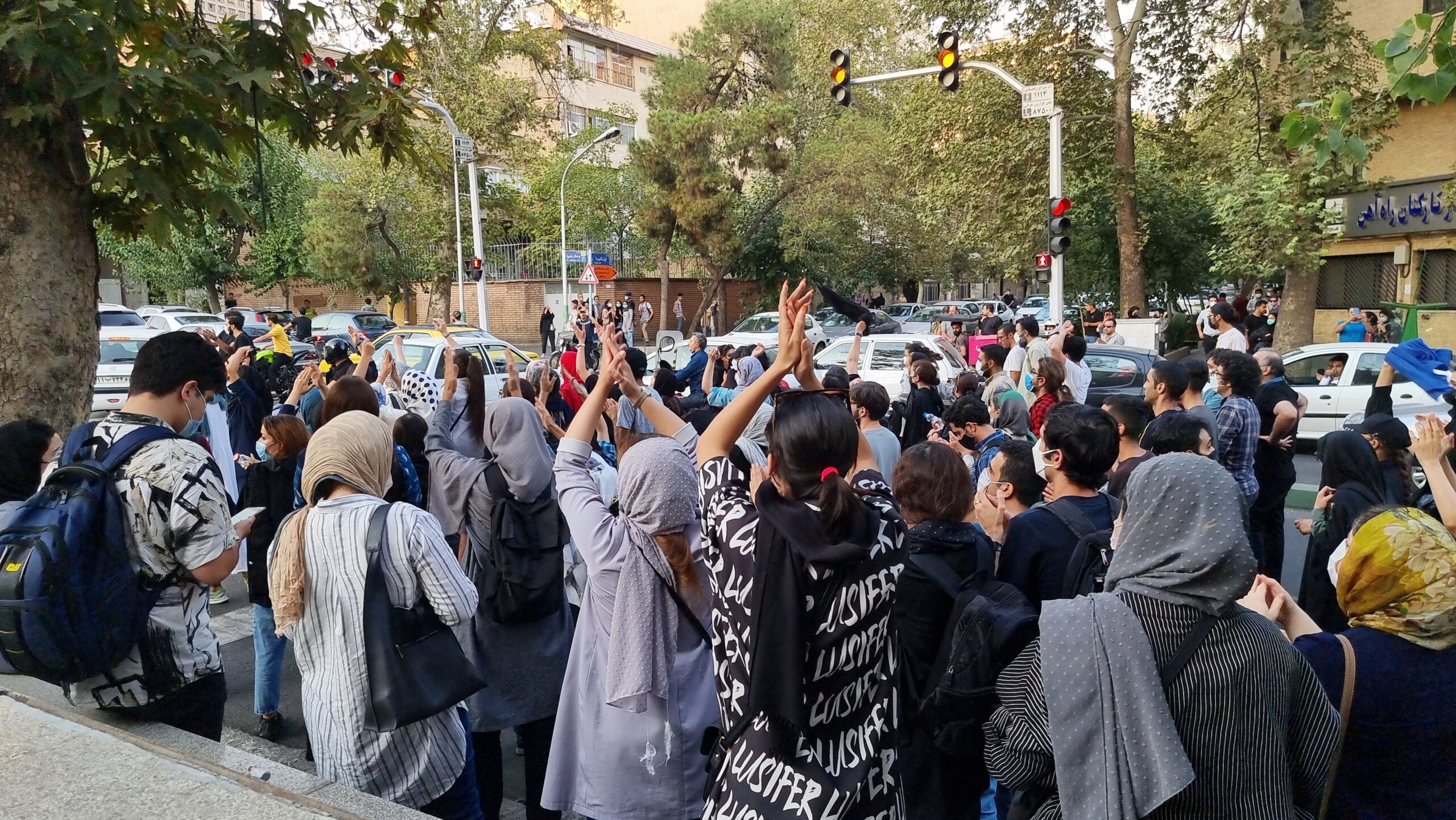
Although anti-regime protests aren’t unheard of in the Islamic Republic, a key difference between the current and previous waves of demonstrations has been the prominent role played by the country’s Generation Z, which is better informed, more plugged in, and more skeptical of authority than previous generations.
Today’s two-part episode is a study in contrasts. On one hand, the Partnership for Peace Fund strives to create a social and economic environment in which sustainable peace can become possible. On the other, hard political realities and gridlock undermine cooperation at every turn.
The Strategies and Struggles of the Turkish Opposition under Autocratization
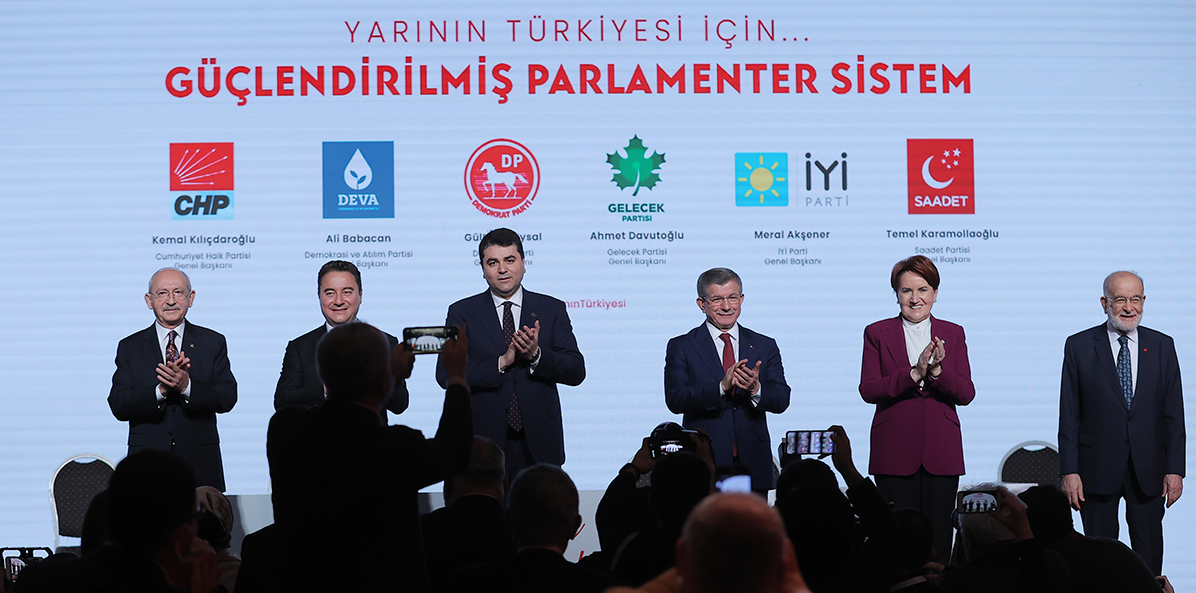
President Recep Tayyip Erdoğan has thus far enjoyed a fragmented opposition and utilized polarization to cement divisions. However, the introduction of a hyper-presidential system after the 2017 constitutional referendum and Erdoğan’s 2018 election victory have provided the necessary impetus for the opposition parties to form an alliance. This paper charts Turkey’s autocratization under AKP rule, addresses the strategies adopted by its political opposition, and maps out the opportunities and risks they face in the run-up to the June 2023 presidential elections.
Turkish Views: Crisis and Opportunities for Turkey in 2023
As the Turkish Republic enters its centennial year, it seems to be at an inflection point. What has been the impact of the AKP’s rule and how might the opposition change Turkey’s direction if they manage to come to power? In this series of papers, seven prominent Turkish scholars weigh in on these questions, thinking about this from a wide variety of perspectives and focusing on a range of specific fields of policy, explaining how we got to the current juncture and where Turkey might go from here.
The oldest peer-reviewed publication dedicated to the study of the modern Middle East, MEI’s flagship journal covers politics, society, and culture in the region.