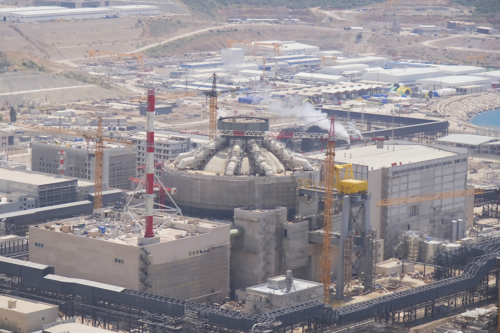
As a result of the Iran war, Turkish thinking about nuclear weapons appears to be shifting. Iran’s emergent ability to threaten regional states (and possible determination to acquire a nuclear weapon itself), growing concern about Israeli aggressiveness, doubts about US security guarantees, and greater Saudi nuclear autonomy are all pushing Ankara to consider a future nuclear option.
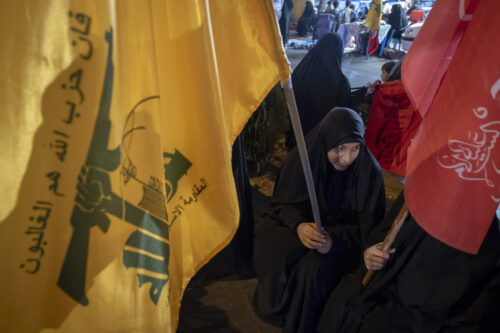
Hizballah: The murderers of elected Lebanese politicians, the killers of peacekeepers, the thugs of the streets they dominated because all other militias had disarmed, the agents of destruction of their own communities on behalf of foreign paymasters reigning 1,000 miles away from Beirut, the brainwashers of children into an ideology of “resistance” that only invited invasion. That’s the Hizballah that today is begging the Lebanese state to return to them the 1,000 pounds of explosives so rudely taken from them by Lebanese soldiers doing their job at a checkpoint in the Bekaa Valley.
Many of the immediate consequences of the Israeli-American war with Iran are already clear. The further emergence of drones and missiles as dominant weapons of war; the danger to the global economy from the threats to vital chokepoints such as the Strait of Hormuz and the Bab el-Mandeb; and the inadequacy of US weapons procurement, among other issues, have garnered widespread and entirely merited attention.
Since 1967, Israeli settlements in the West Bank have been a contested feature of the Israeli-Palestinian conflict. The ultimate disposition of the settlements and ongoing activity related to their growth have repeatedly defied agreement in negotiations over a resolution to the conflict.
The Houthis are a political-military faction and Zaydi religious movement founded in northwestern Yemen in the 1980s. A key member of Iran’s Axis of Resistance with links to other militant organizations in the Arabian Peninsula and the Horn of Africa, the group has continued to pose a threat to Western interests on a global scale.
The India-Middle East-Europe Economic Corridor (IMEC) is a proposed multinational infrastructure initiative aimed at upgrading connectivity between the three regions through integrated trade, energy, and digital networks. Announced at the G20 summit in New Delhi in September 2023, IMEC is envisioned partially as a counterweight to China’s international infrastructure project, the Belt and Road Initiative.
After a decade of post-Arab Spring isolation, Turkey’s leaders have recognized that their ambition to position the country as an agenda-setter on the world stage requires active engagement in all directions. President Recep Tayyip Erdoğan’s consolidation of executive authority has centralized foreign policy decision-making and tied it to his domestic political priorities, transforming the country’s revisionist approach to one shaped primarily by personal and pragmatic interests.
MEI Senior Fellow Brian Katulis engages friends, colleagues, and policy experts in casual conversations on the most important happenings in the Middle East.
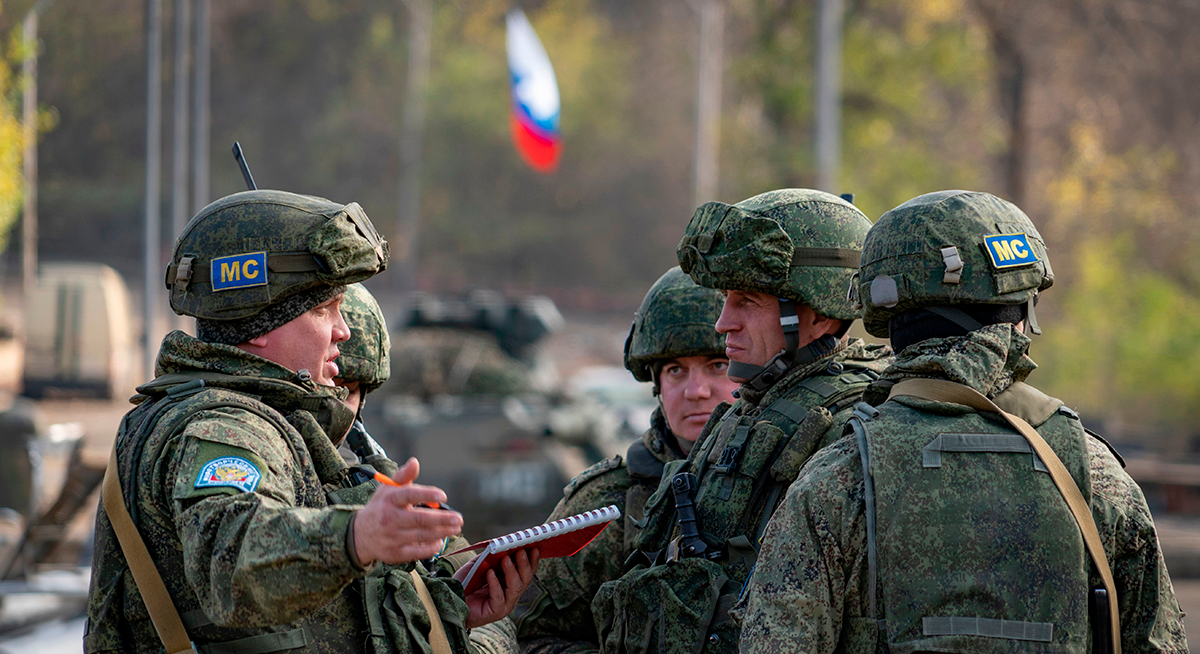
The recent ceasefire agreement signed by Armenia, Azerbaijan, and Russia halted the armed phase of the Nagorno-Karabakh conflict following 45 days of fighting and thousands of military and civilian lives lost on both sides. Russian peacekeepers have already been deployed to the conflict zone to oversee implementation of the agreement. It now remains to be seen whether they will be joined by Turkish counterparts, either in the field or at a joint monitoring center in Azerbaijan. The latter is the first disagreement between Moscow and Ankara over peacekeeping in the region.
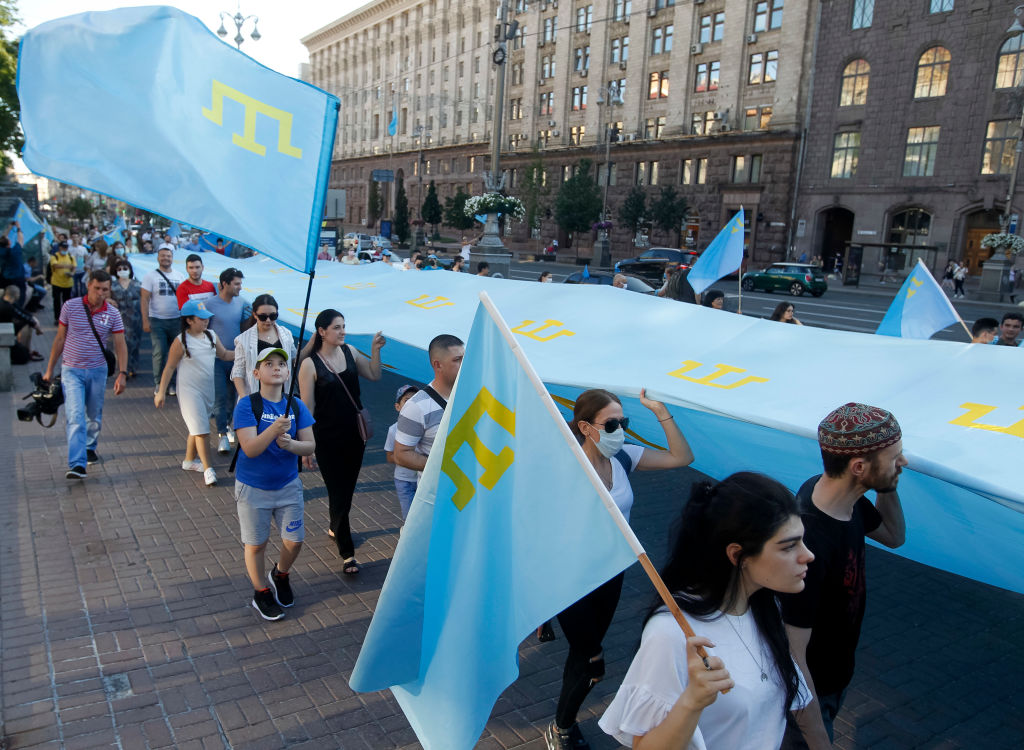
The geopolitics of Crimea are important, but we mustn't overlook the persecution of Crimean Tatars
When commentators and policymakers discuss Russia’s illegal annexation of Crimea in 2014, the focus is often placed on geo-politics and Black Sea security. This is understandable. While the geo-politics of Crimea are important, one should not overlook the tragedy taking place to many of the people living there. This is especially true with the Crimean Tatar community – an ethnically Turkic and religiously Sunni Islam minority population which has faced decades of religious and political persecution under Russian domination.
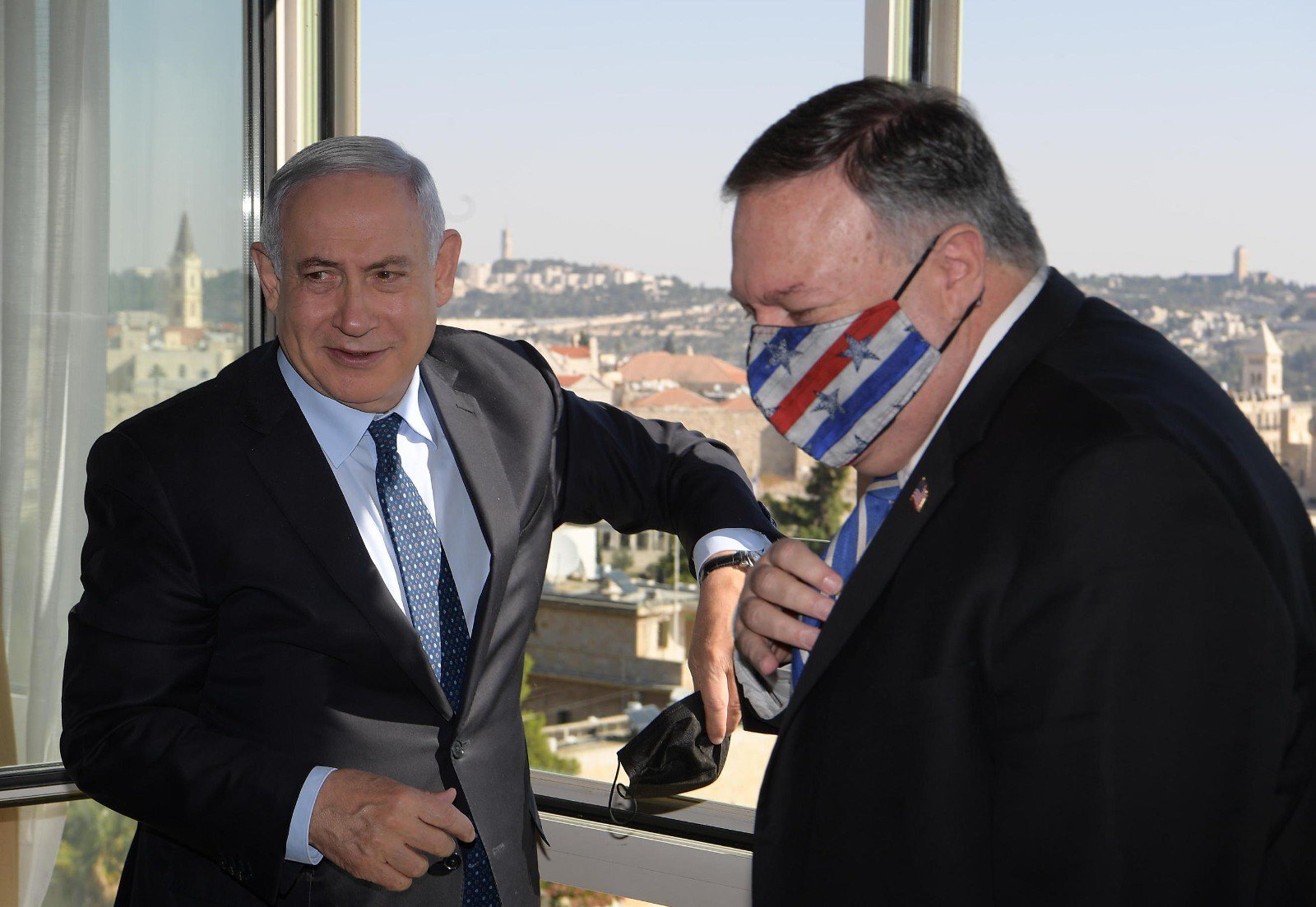
Pompeo’s settlement visit caps a four-year effort to destroy the two-state solution
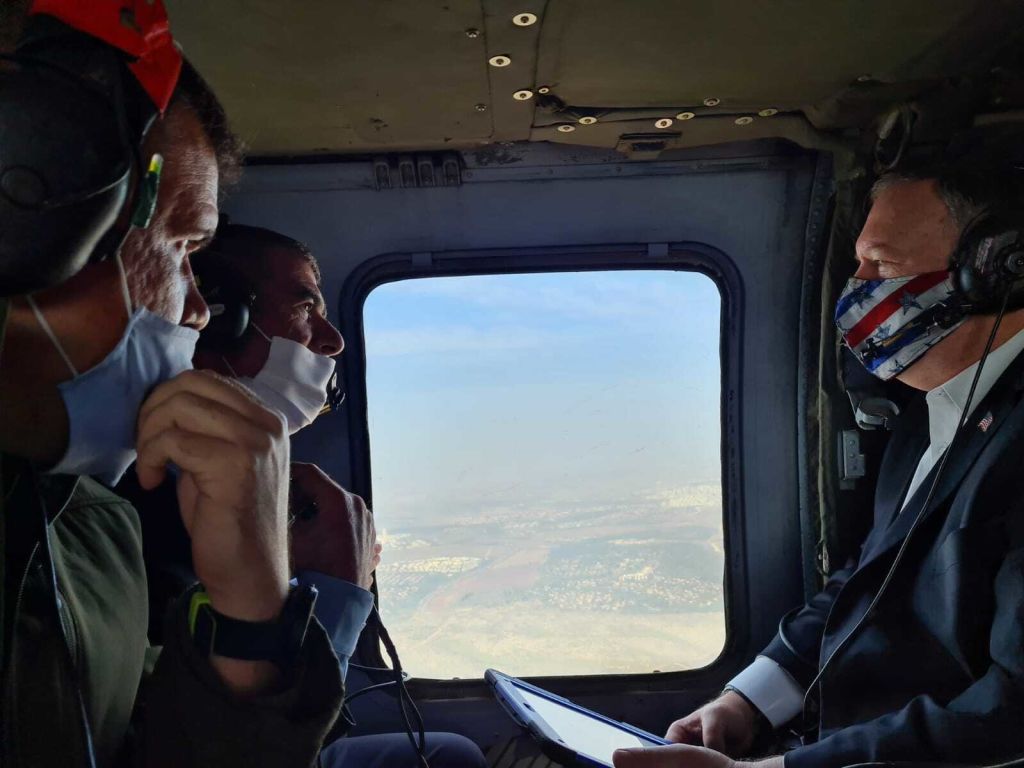
Secretary of State Mike Pompeo made history this week by visiting two Israeli settlements, the Psagot winery located on the outskirts of Ramallah in the heart of the Israeli-occupied West Bank, and the City of David located in the Palestinian neighborhood of Silwan just outside Jerusalem’s Old City, the first ever such visits by a sitting American secretary of state. The visits were clearly aimed at legitimizing and normalizing Israel’s settlement enterprise, which is considered illegal under international law, in keeping with the administration’s approach of the last three years.
The Consequences of Inaction: US and NATO Syria Policy
In recent years of the Syrian crisis, the reluctance of NATO states to take decisive action to secure their interests and protect Syrian lives has had drastic repercussions in both Syria and the wider region. Where NATO members have shown indecisiveness and a refusal to engage, their geopolitical rivals, Iran and Russia, have seized the moment and cemented their influence. However, as the regime is challenged by a crippling economic crisis, a new U.S. administration may offer an opening for the U.S. and its NATO allies to develop a collective approach in Syria that will secure their interests and bolster regional security.
Despite fresh comments from Hezbollah’s leader Hassan Nasrallah that Joe Biden’s victory in the U.S. elections would not dramatically alter America’s pro-Israeli foreign policy in the Middle East, Hezbollah appears largely optimistic of its future under the new administration. The Party of God seems wary of the next few months, however, until President Donald Trump leaves the White House in January. While Hezbollah will certainly benefit from a reboot in diplomatic relations between the U.S and Iran, which could translate into much-needed liquidity for the organization and a strengthening of its internal position, it still faces numerous domestic challenges that money alone cannot solve.
Iran’s strong hand in the Arab world is missing in the Caucasus
Iranian military advisers and pro-Iran foreign proxy groups are present from Yemen and Iraq to Syria and Lebanon. Tens of thousands of armed men operating across the Middle East look to Tehran for guidance and patronage. This sort of sway has made Iran into a regional power broker — at least in the Arab world. But Tehran’s deep ideological and financial investments in Arab states have come at the expense of neglecting Iranian interests closer to home.
مع الفنان ورسّام الكاريكاتير السوداني خالد البيه، نناقش وضع الكاريكاتير في العالم العربي، ما يحاول تحقيقه، والصعوبات التي تواجّه الرسّامين. في القسم الأخير من الحلقة ننتقل لمناقشة الوضع في السودان بعد الثورة، وبعد رفع السودان من قائمة العقوبات واتفاقية تطبيع العلاقات مع إسرائيل.
The UAE eyes AI supremacy: A key strategy for the 21st century
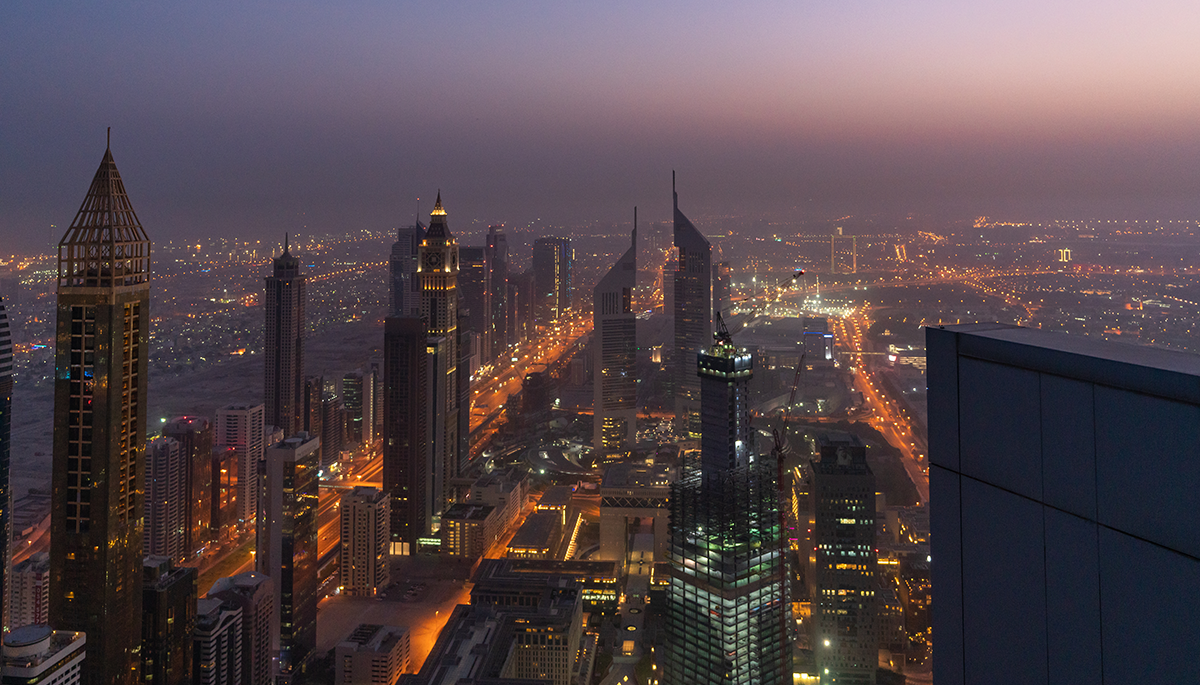
The (UAE is laying the groundwork for regional supremacy in AI. By fostering a web of novel institutions and partnerships, the Gulf state aims to augment its capacity to execute lofty AI policy initiatives. Further signaling its resolve, Abu Dhabi is lavishing the nascent sector with a host of incentives: financial privileges, office space, and even health care coverage. The embrace of AI comes as the UAE is cultivating emerging technologies as a means of boosting and diversifying its rentier economy, as well as signaling its innovation capacity and viability as a global trade powerhouse.
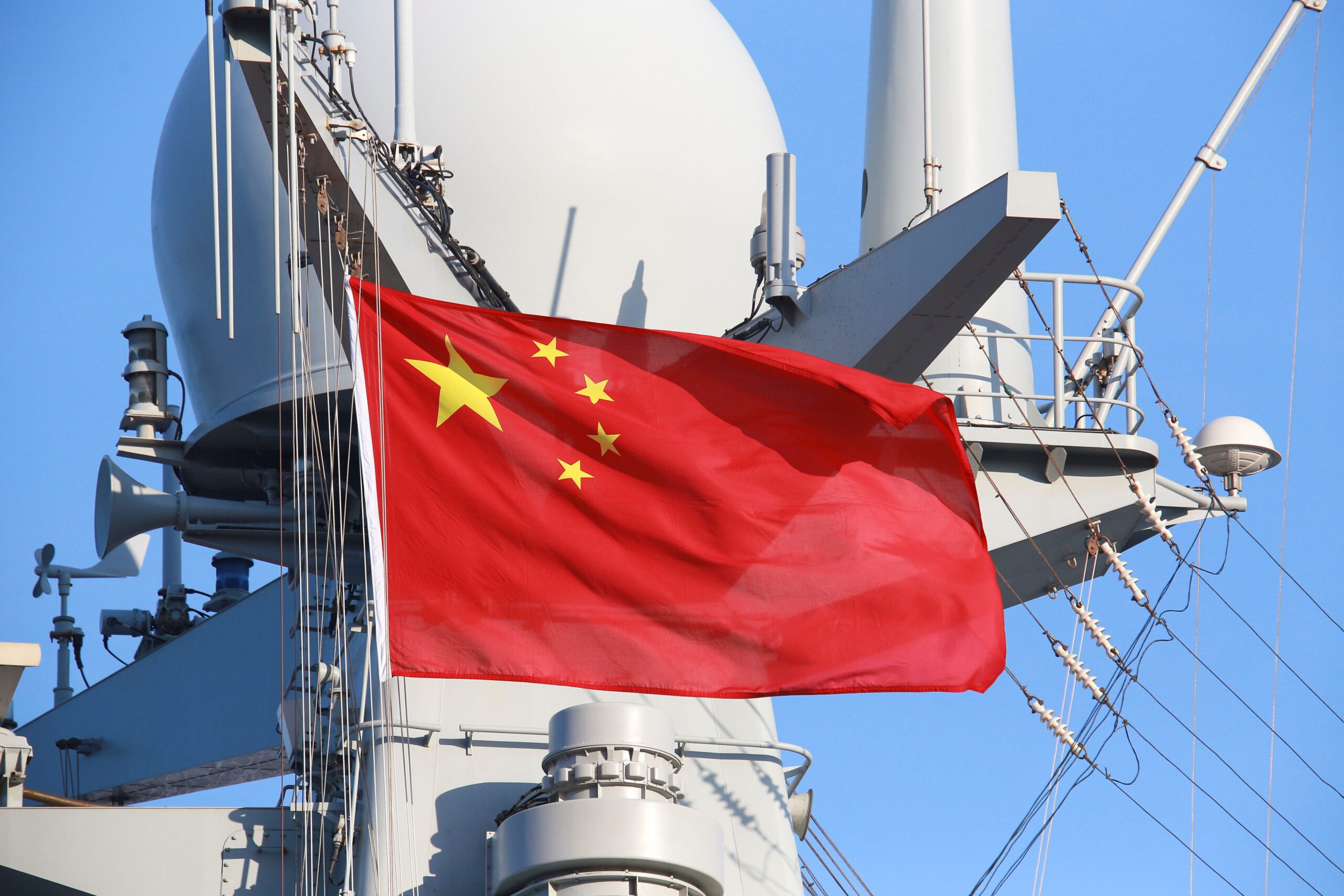
Through its Belt and Road Initiative, China seeks to play a larger role in the Black Sea region. China has been wooing littoral states in hopes of securing new markets for its goods and investing in infrastructure projects. But some worry that there is more to Chinese actions in the region than meets the eye. The worry is that China will increase its political and diplomatic clout in a region that is considered vital for Russian interests and create tension between Moscow and Washington. Despite the uneasiness in the West about China’s increasing presence in the Black Sea, there is not enough focus on the issue in the scholarly debates in Western capitals. The MEI’s Frontier Europe Initiative aims to contribute to the debate on the role of China in the Black Sea. We hope the articles in this report will help to address several important unaddressed questions.
Trusted networks: How the Assad regime subverts clan ties in Daraa
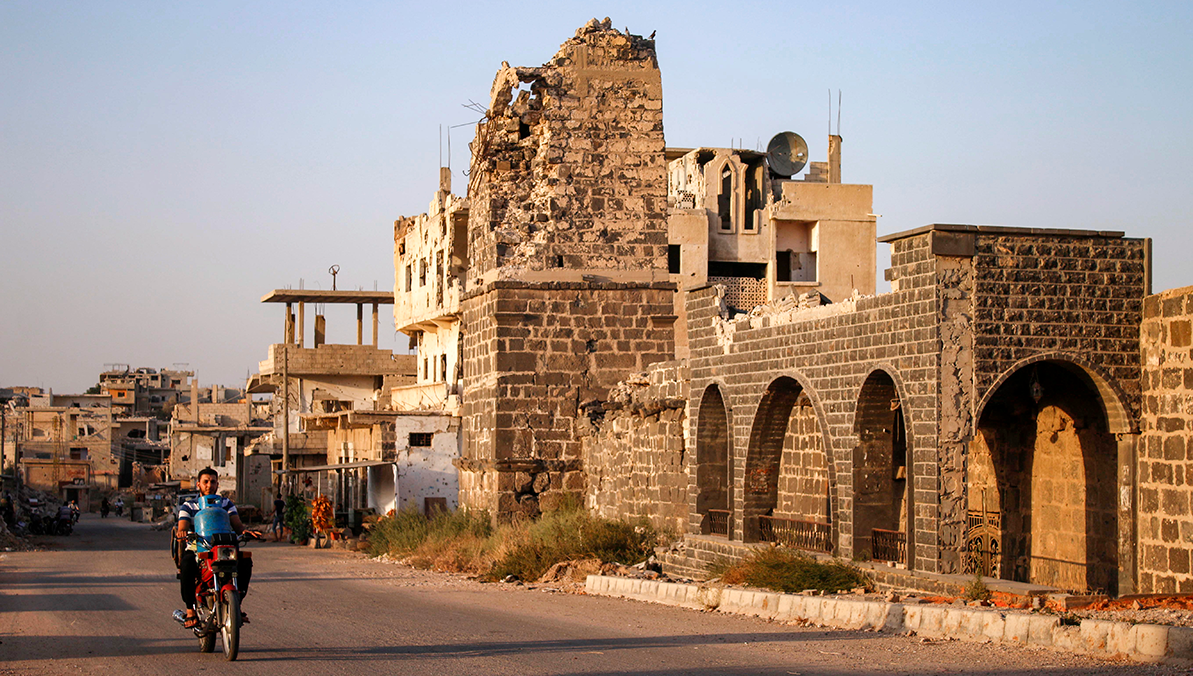
In 2018, Assad’s Syrian government forces, with Russian support, managed to regain control of opposition-held areas in Daraa. Russia has emerged as the primary power broker by arranging agreements between the rebels and the regime, which, in turn, has allowed the rebels to keep some of their arms under the banner of the Russian-formed Eighth Brigade. Nevertheless, since 2018, the tight-knit tribal networks in Daraa have functioned as a nucleus for the continuation of the uprising against the Assad regime. The same tribal attributes that create interconnectedness among the people of Daraa, however, also render them susceptible to the regime’s strategy of pitting clans against each other and leveraging the resulting strife to justify the use of force with the goal of asserting full control.
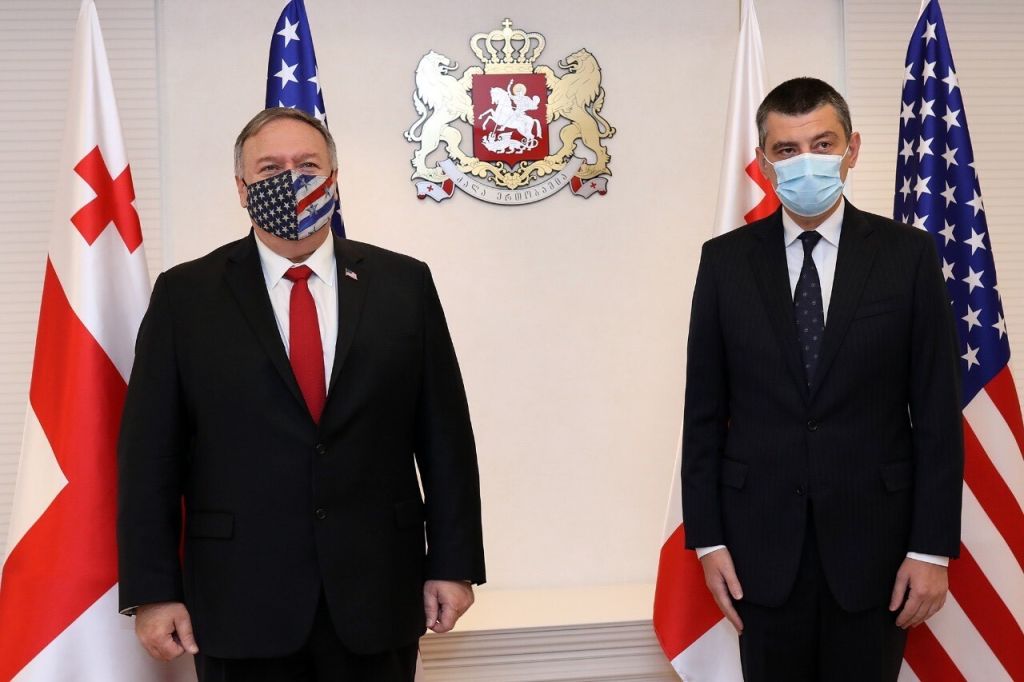
Pompeo’s visit to Tbilisi is a both a victory lap and an opportunity
Pompeo’s visit to the small post-Soviet democracy Georgia reflects U.S. efforts to reassure Georgia of its support as a strategic partner. As possibilities for Western engagement in Eastern Europe and the South Caucasus are increasingly diminished by Russia’s rising force projection, the visit is an opportunity to consolidate President Donald Trump’s regional focus on great power competition with China and Russia.
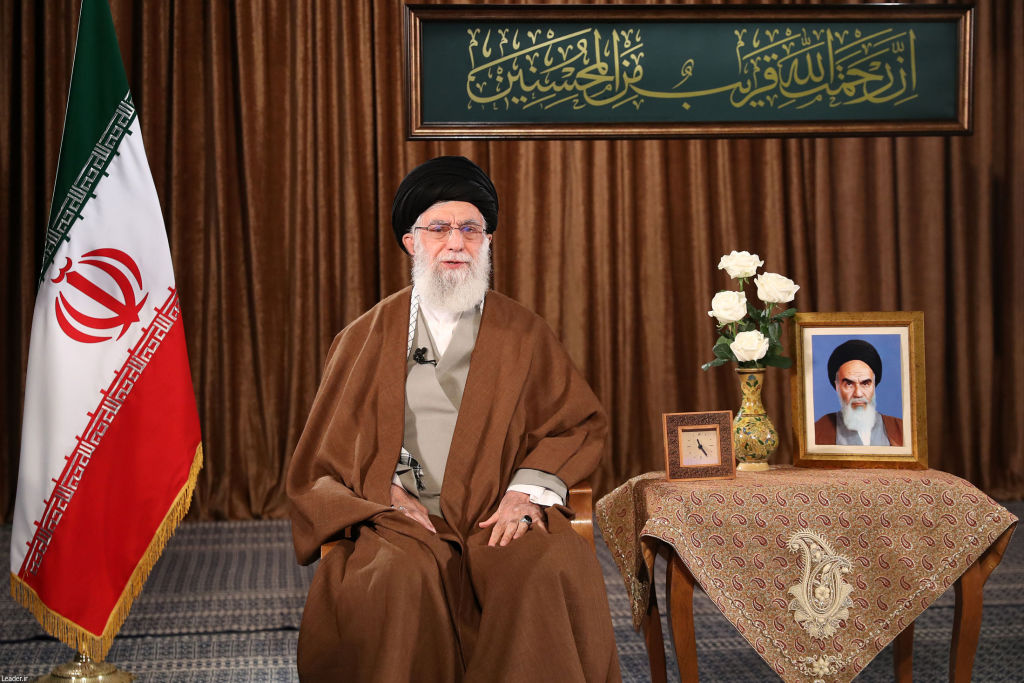
Five lies Iran will try to spread, and how Biden must combat them
It should come as no surprise that Iran’s Ayatollah Khamenei is once again predicting America’s “political, civil and moral decline” in the wake of the U.S. elections. But the regime’s preemptive attacks on President-elect Biden as an “iron fist in a velvet glove” and its demands that his administration “compensate for past mistakes” mark a departure from the Islamic Republic’s more restrained approach to previous transitions — and portend a flurry of commentary coming out of Tehran over the next two months.
The oldest peer-reviewed publication dedicated to the study of the modern Middle East, MEI’s flagship journal covers politics, society, and culture in the region.