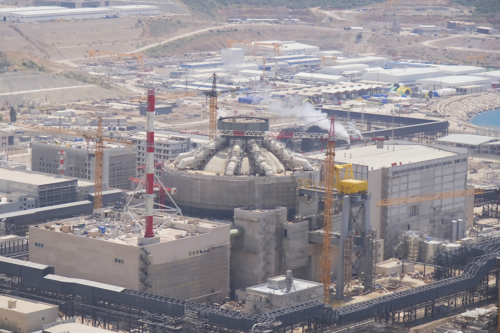
As a result of the Iran war, Turkish thinking about nuclear weapons appears to be shifting. Iran’s emergent ability to threaten regional states (and possible determination to acquire a nuclear weapon itself), growing concern about Israeli aggressiveness, doubts about US security guarantees, and greater Saudi nuclear autonomy are all pushing Ankara to consider a future nuclear option.
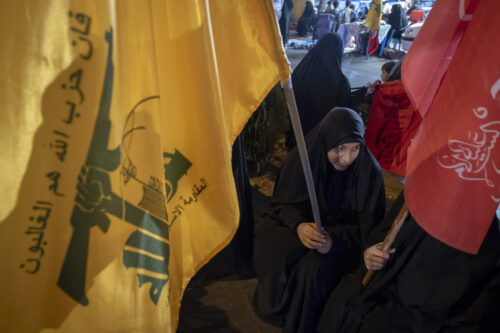
Hizballah: The murderers of elected Lebanese politicians, the killers of peacekeepers, the thugs of the streets they dominated because all other militias had disarmed, the agents of destruction of their own communities on behalf of foreign paymasters reigning 1,000 miles away from Beirut, the brainwashers of children into an ideology of “resistance” that only invited invasion. That’s the Hizballah that today is begging the Lebanese state to return to them the 1,000 pounds of explosives so rudely taken from them by Lebanese soldiers doing their job at a checkpoint in the Bekaa Valley.
Many of the immediate consequences of the Israeli-American war with Iran are already clear. The further emergence of drones and missiles as dominant weapons of war; the danger to the global economy from the threats to vital chokepoints such as the Strait of Hormuz and the Bab el-Mandeb; and the inadequacy of US weapons procurement, among other issues, have garnered widespread and entirely merited attention.
Since 1967, Israeli settlements in the West Bank have been a contested feature of the Israeli-Palestinian conflict. The ultimate disposition of the settlements and ongoing activity related to their growth have repeatedly defied agreement in negotiations over a resolution to the conflict.
The Houthis are a political-military faction and Zaydi religious movement founded in northwestern Yemen in the 1980s. A key member of Iran’s Axis of Resistance with links to other militant organizations in the Arabian Peninsula and the Horn of Africa, the group has continued to pose a threat to Western interests on a global scale.
The India-Middle East-Europe Economic Corridor (IMEC) is a proposed multinational infrastructure initiative aimed at upgrading connectivity between the three regions through integrated trade, energy, and digital networks. Announced at the G20 summit in New Delhi in September 2023, IMEC is envisioned partially as a counterweight to China’s international infrastructure project, the Belt and Road Initiative.
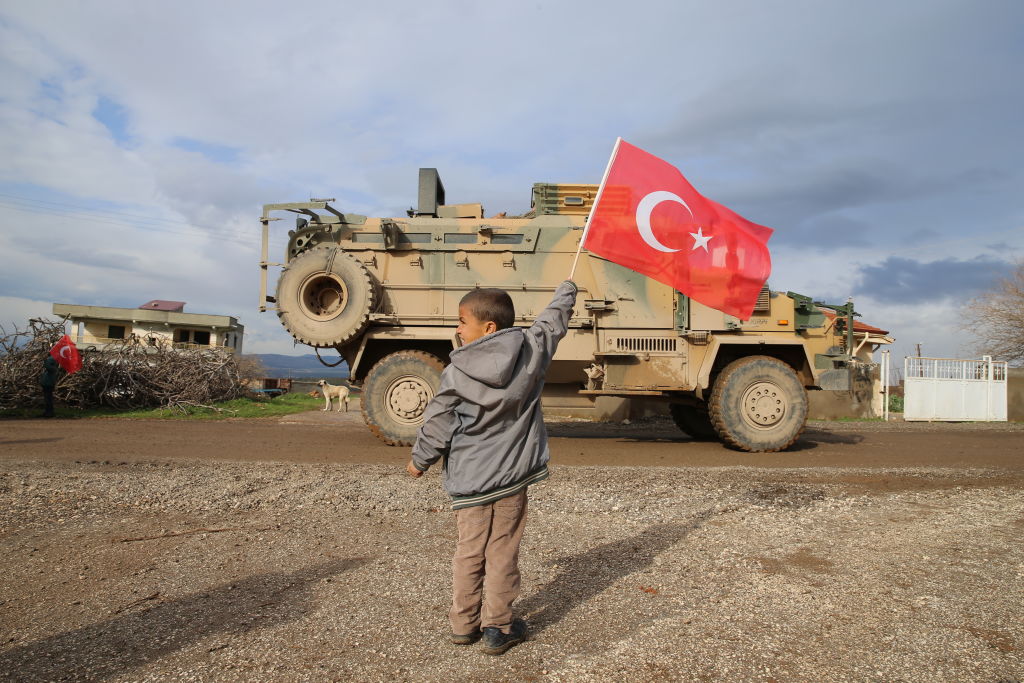
After a decade of post-Arab Spring isolation, Turkey’s leaders have recognized that their ambition to position the country as an agenda-setter on the world stage requires active engagement in all directions. President Recep Tayyip Erdoğan’s consolidation of executive authority has centralized foreign policy decision-making and tied it to his domestic political priorities, transforming the country’s revisionist approach to one shaped primarily by personal and pragmatic interests.
MEI Senior Fellow Brian Katulis engages friends, colleagues, and policy experts in casual conversations on the most important happenings in the Middle East.
Election 2020: The Future of U.S.-Black Sea Relations
In Frontier Europe Initiative’s new briefing book, entitled Election 2020: The Future of Black Sea-U.S. Relations, MEI scholars and external contributors identify key issues across the region, highlight U.S. interests at stake, and provide policy insights and recommendations for the path forward. The pieces in this book serve as a contribution to the broader discussion about the challenges and opportunities for U.S. policy in the region
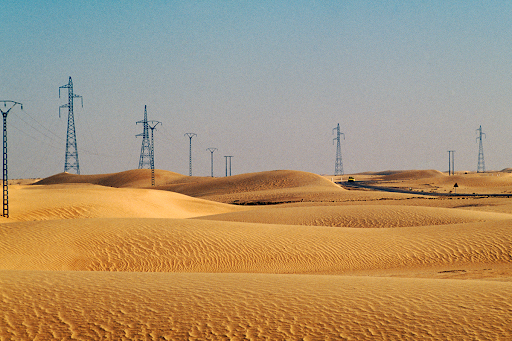
Algeria charts a path for renewable energy sector development
Algeria is at a critical stage in its energy sector development. The nation has both the potential and the incentive to maximize its natural resources and become a renewable energy leader. In addition to its status as the second-most-populous country in North Africa, Algeria is noteworthy for its relative size, wealth, location, gas reserves, renewable energy potential, and greenhouse gas emissions. Recent oil and gas price volatility and increasing domestic electricity demand provide impetus for Algeria to prioritize clean energy investment.
Afghanistan’s Terrorism Challenge: The Political Trajectories of al-Qaeda, the Afghan Taliban, and the Islamic State
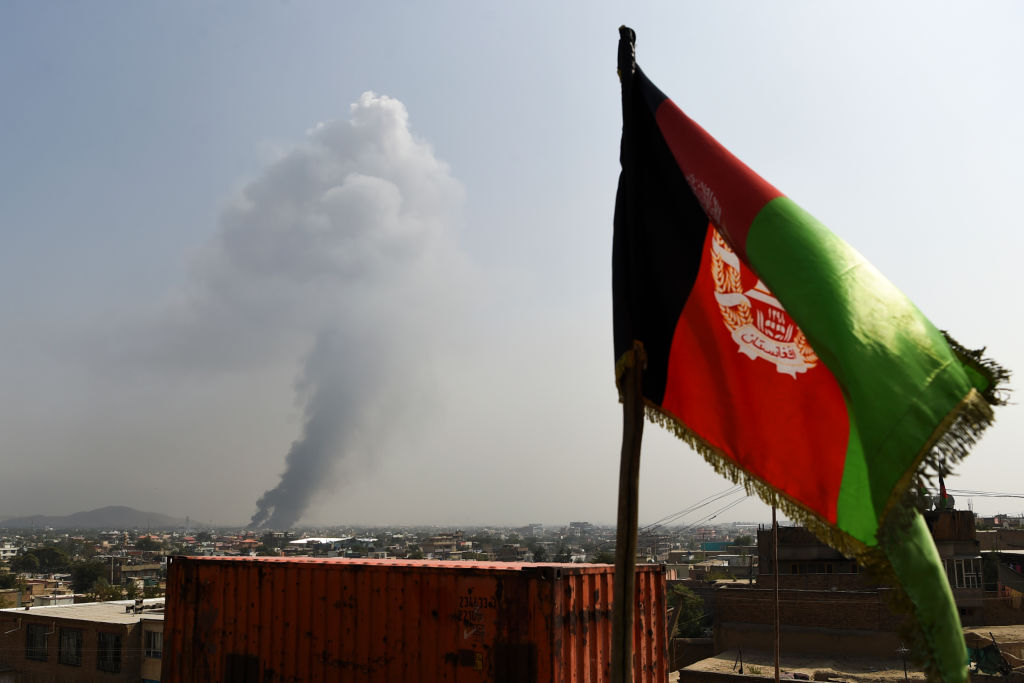
Afghanistan remains at the center of U.S. and international counterterrorism concerns. As America prepares to pull out its military forces from the country, policymakers remain divided on how terrorist groups in Afghanistan might challenge the security of the U.S. and the threat they pose to allies and regional countries. Advocates of withdrawal argue that the terrorism threat from Afghanistan is overstated, while opponents say that it remains significant and is likely to grow after the drawdown of U.S. forces. This report evaluates the terrorism challenge in Afghanistan by focusing on the political trajectories of three key armed actors in the Afghan context: al-Qaeda, the Afghan Taliban, and the Islamic State.
Monday Briefing: Secret diplomatic visit to Damascus raises questions about US Syria policy
This week’s briefing on recent news and upcoming events in the region featuring Charles Lister, Ruba Husari, Marvin G. Weinbaum, and W. Robert Pearson.
Protracted conflicts and security challenges in the Black Sea
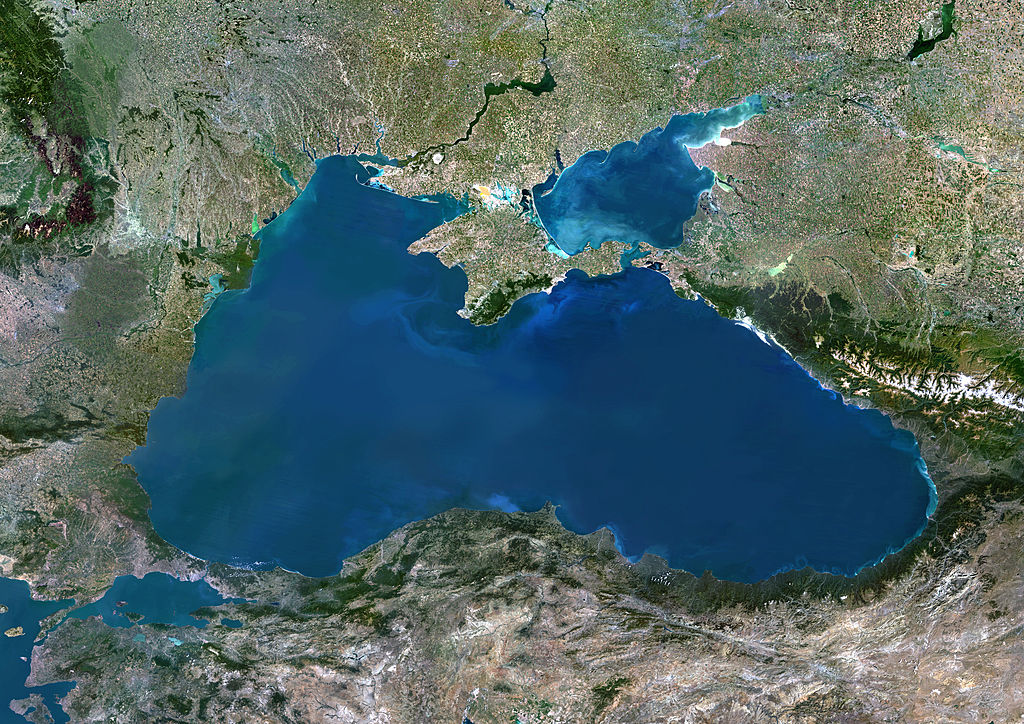
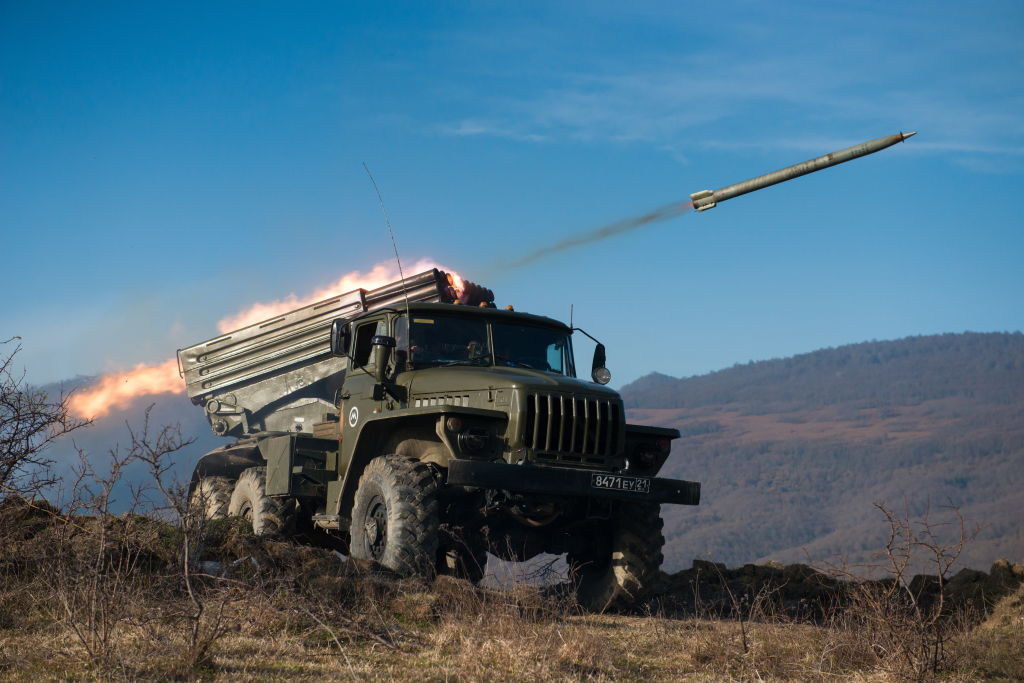
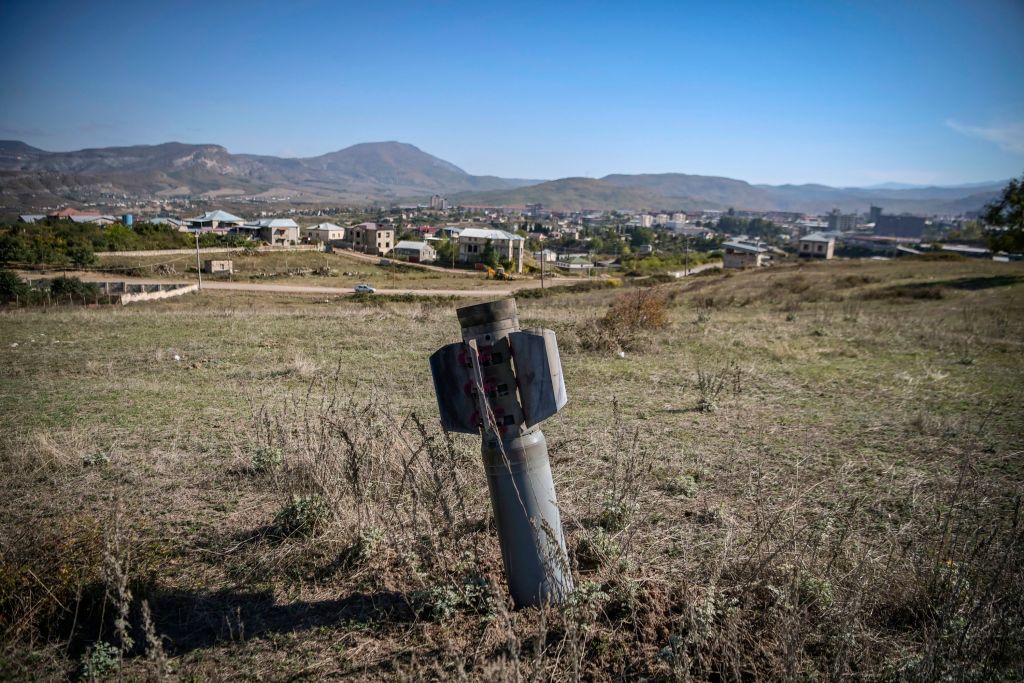
Protracted regional conflicts affect the security and stability of the Black Sea region in a number of ways, including through increased militarization, the growing influence of disinformation, and an absence of comprehensive domestic and regional peacebuilding policies.
Robert Ford, Hafsa Halawa, and Randa Slim join host Alistair Taylor to discuss the political and economic challenges facing Iraq, the state of US-Iraqi relations, and the potential impact of upcoming U.S. elections in November.
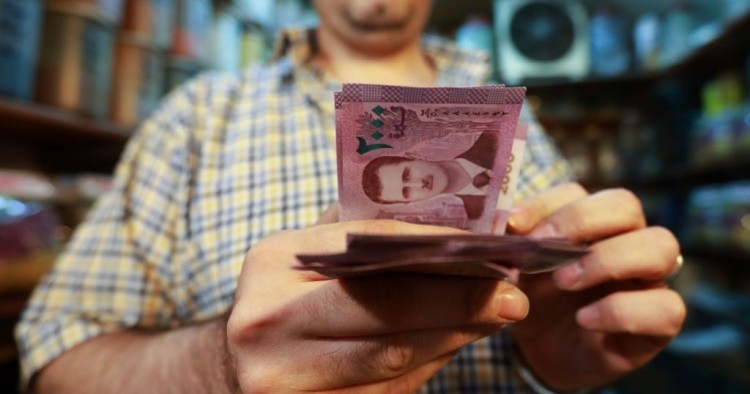
US sanctions hurt Syrian civilians — they need to be worth it
On June 17, 2020, the U.S. State Department’s special envoy to Syria, Joel Rayburn, announced the beginning of the “summer of Caesar,” promising a wave of sanctions designations under the newly activated Caesar Syria Civilian Protection Act. Summer has come and gone, but there’s little to show for it.
How are Russia and China responding to the Caesar Act?
The Caesar Civilian Protection Act sanctions on Syria, which were signed into law by U.S. President Donald Trump in December and took effect on June 17, have polarized the international community. Most European countries have supported the Caesar Act’s use of sanctions to punish Syrian President Bashar al-Assad for war crimes, but Russia and China have stridently criticized the legislation.
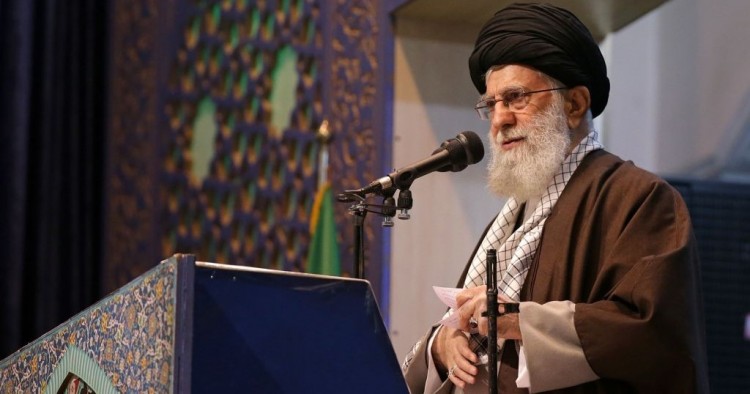
With the latest polls suggesting a likely victory for the Democrats in the November U.S. presidential elections, a looming foreign policy crisis awaits a potential Biden administration: escalating tensions with Iran. While the Democrats’ “diplomacy first” approach has won praise across the Atlantic as the solution to deescalating tensions with Tehran, this Western-centric view ignores the changing reality on the ground in Iran. If Biden thinks he can return to the 2015 status quo, he may be in for a surprise.
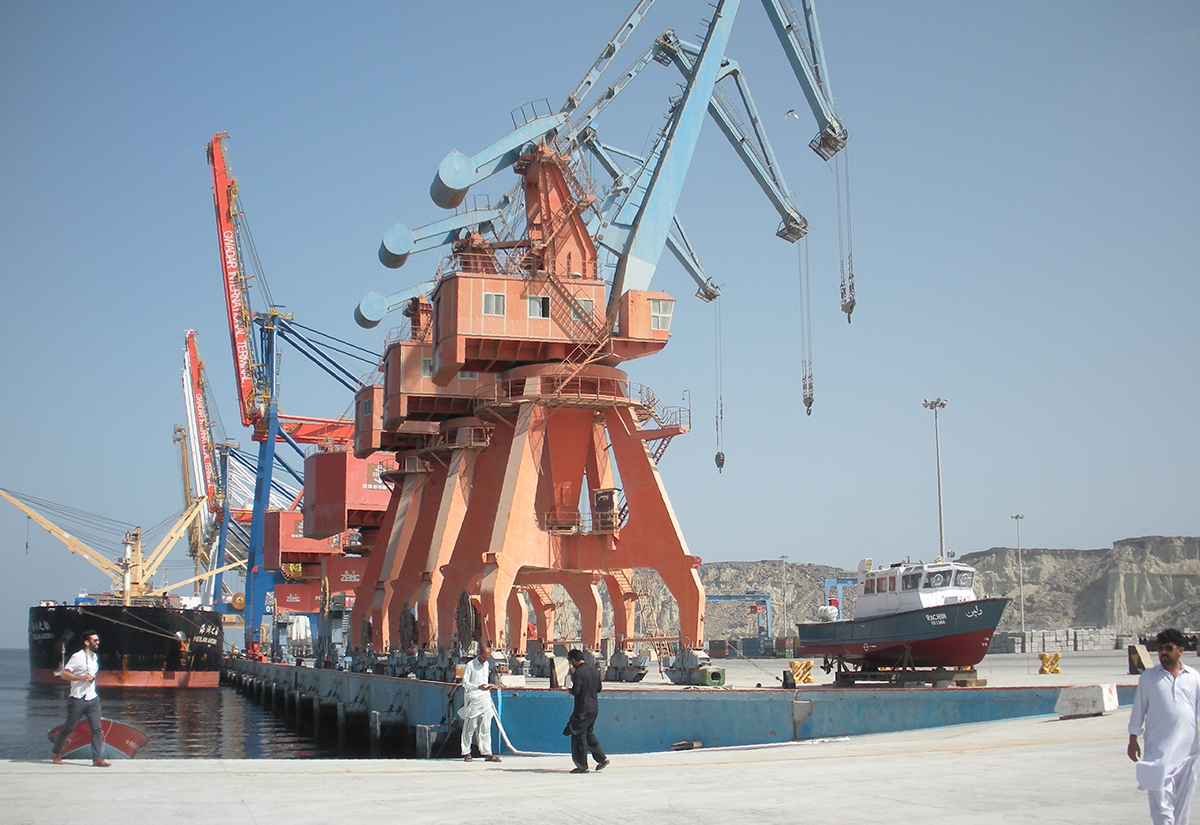
Regional transit trade isn’t enough to drive Pakistan’s Gwadar Port
Landlocked Afghanistan has begun using the Chinese-operated Pakistani port of Gwadar for transit trade — a development Pakistani officials see as marking the start of Gwadar’s role as a gateway port through the China-Pakistan Economic Corridor. Pakistan’s hope to develop the Arabian Sea port into a gateway for Afghanistan, Central Asia, and China’s Xinjiang region has been a long-standing one — and it is misguided. Islamabad should instead focus on local drivers to build the port and use it as a vehicle to develop the impoverished, but resource-rich region of southern Balochistan.
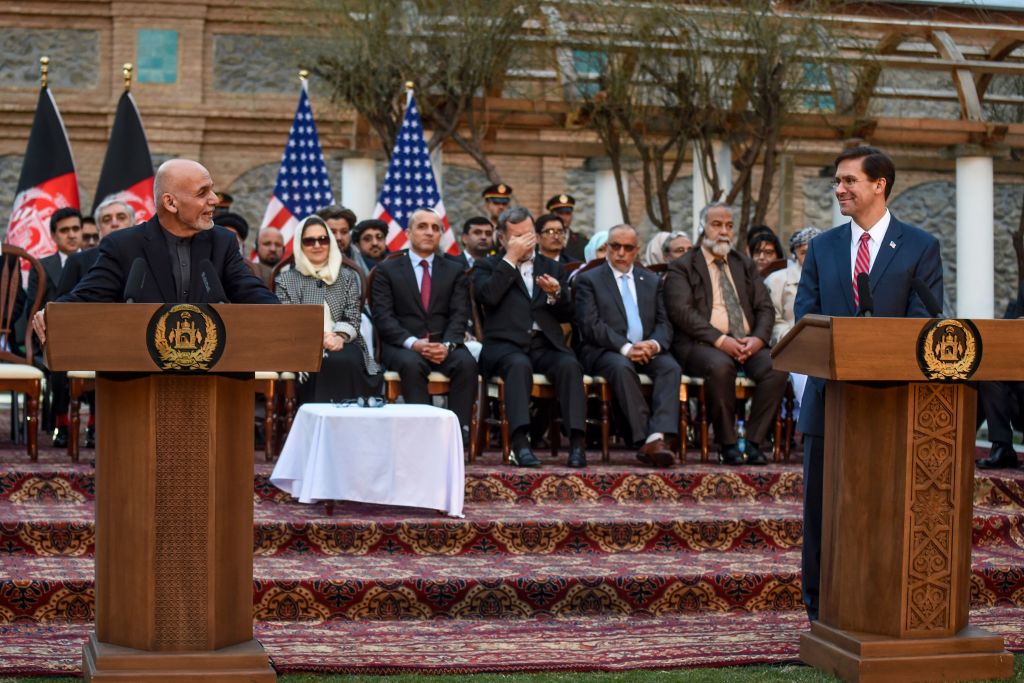
Weekly Briefing: The myth of US conditionality in Afghanistan
This week’s briefing on recent news and upcoming events in the region featuring Marvin G. Weinbaum, Alex Vatanka, Dima M. Toukan, and Syed Mohammad Ali.
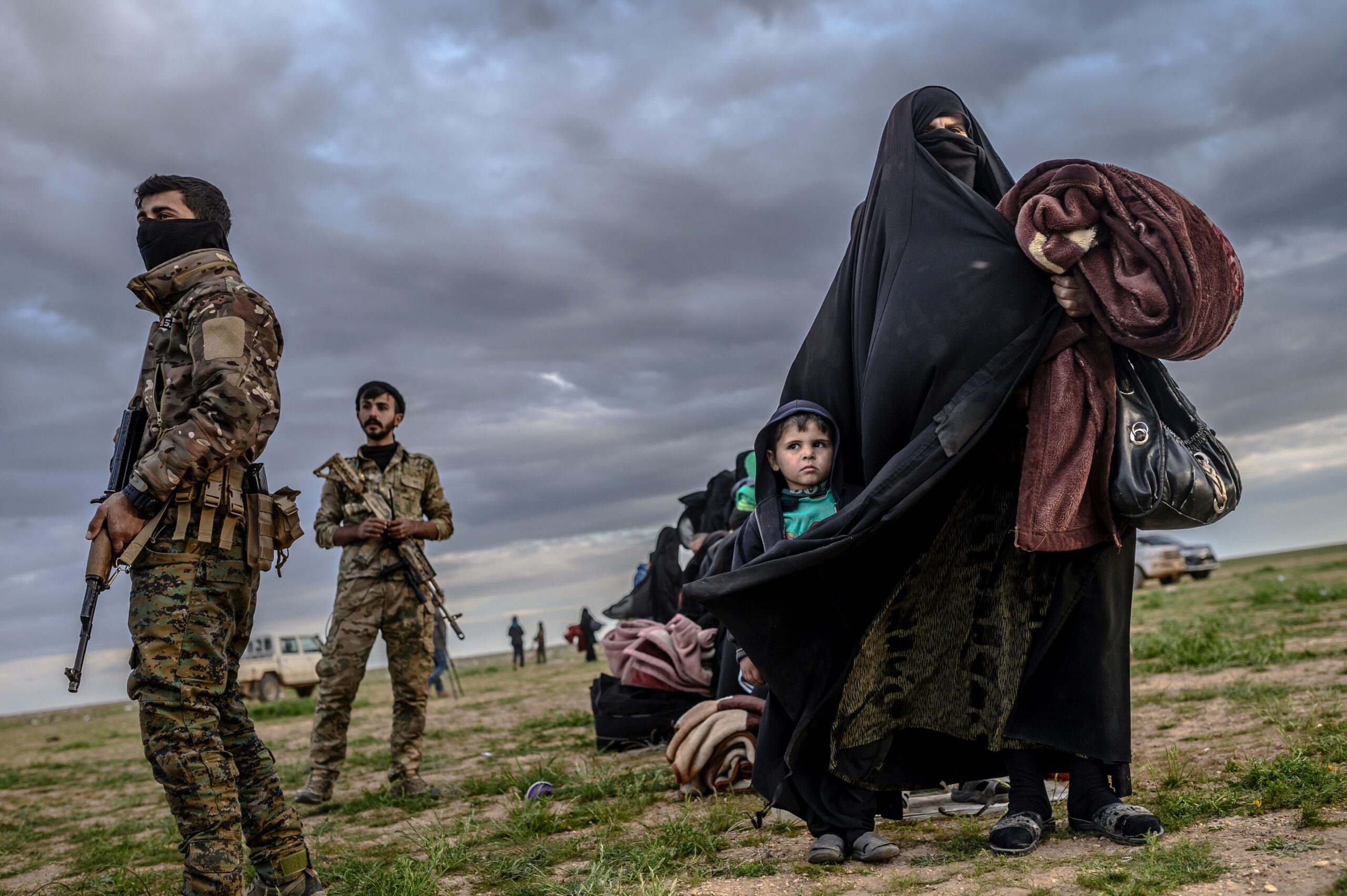
Jannah or Jahannam: Options for Dealing with ISIS Detainees
Thousands of former ISIS fighters and tens of thousands of civilians indoctrinated in the group’s extremist ideology currently sit in prisons and refugee camps across Iraq and Syria. Leaving the detainees there is dangerous, but transitioning them will require some type of accountability for the crimes committed. This paper explores options for international action to deal with the detention of ISIS members from Iraq and Syria and the foreign terrorist fighters who joined the group from around the globe.
The oldest peer-reviewed publication dedicated to the study of the modern Middle East, MEI’s flagship journal covers politics, society, and culture in the region.