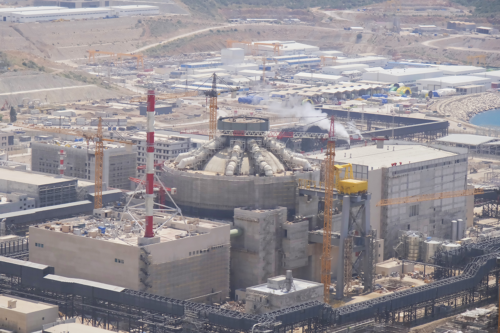
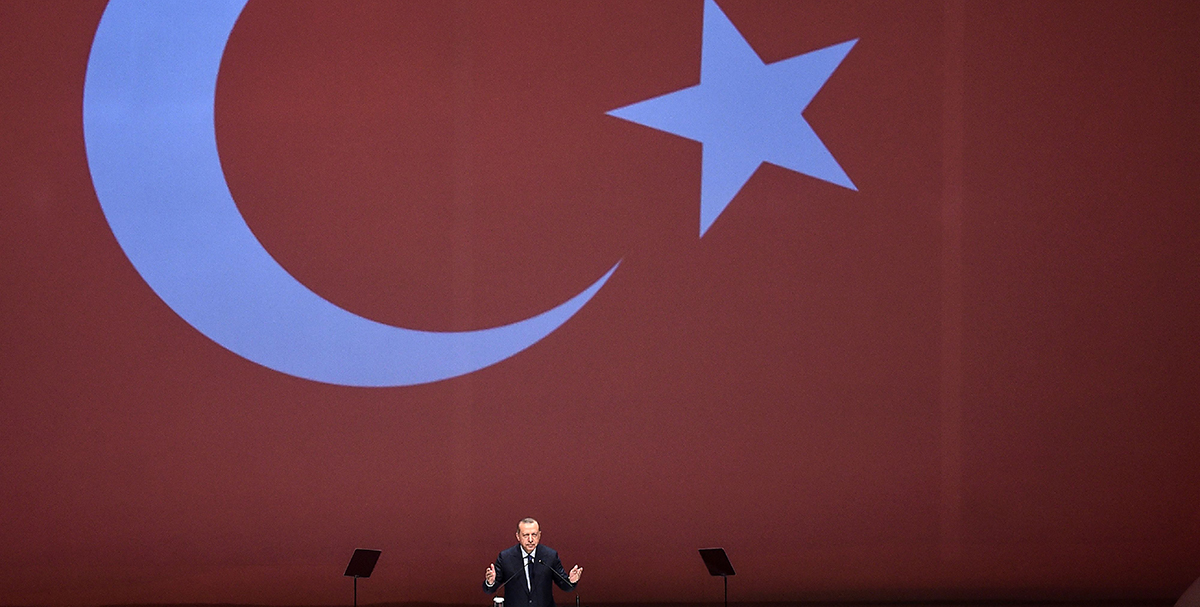
As a result of the Iran war, Turkish thinking about nuclear weapons appears to be shifting. Iran’s emergent ability to threaten regional states (and possible determination to acquire a nuclear weapon itself), growing concern about Israeli aggressiveness, doubts about US security guarantees, and greater Saudi nuclear autonomy are all pushing Ankara to consider a future nuclear option.
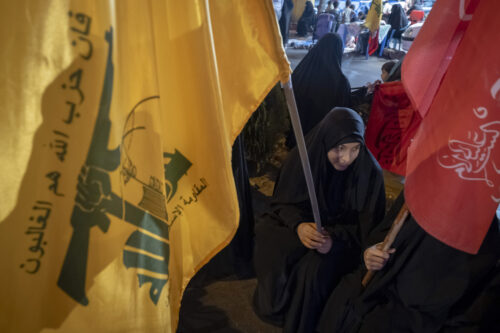
Hizballah: The murderers of elected Lebanese politicians, the killers of peacekeepers, the thugs of the streets they dominated because all other militias had disarmed, the agents of destruction of their own communities on behalf of foreign paymasters reigning 1,000 miles away from Beirut, the brainwashers of children into an ideology of “resistance” that only invited invasion. That’s the Hizballah that today is begging the Lebanese state to return to them the 1,000 pounds of explosives so rudely taken from them by Lebanese soldiers doing their job at a checkpoint in the Bekaa Valley.
Many of the immediate consequences of the Israeli-American war with Iran are already clear. The further emergence of drones and missiles as dominant weapons of war; the danger to the global economy from the threats to vital chokepoints such as the Strait of Hormuz and the Bab el-Mandeb; and the inadequacy of US weapons procurement, among other issues, have garnered widespread and entirely merited attention.
Since 1967, Israeli settlements in the West Bank have been a contested feature of the Israeli-Palestinian conflict. The ultimate disposition of the settlements and ongoing activity related to their growth have repeatedly defied agreement in negotiations over a resolution to the conflict.
The Houthis are a political-military faction and Zaydi religious movement founded in northwestern Yemen in the 1980s. A key member of Iran’s Axis of Resistance with links to other militant organizations in the Arabian Peninsula and the Horn of Africa, the group has continued to pose a threat to Western interests on a global scale.
The India-Middle East-Europe Economic Corridor (IMEC) is a proposed multinational infrastructure initiative aimed at upgrading connectivity between the three regions through integrated trade, energy, and digital networks. Announced at the G20 summit in New Delhi in September 2023, IMEC is envisioned partially as a counterweight to China’s international infrastructure project, the Belt and Road Initiative.
After a decade of post-Arab Spring isolation, Turkey’s leaders have recognized that their ambition to position the country as an agenda-setter on the world stage requires active engagement in all directions. President Recep Tayyip Erdoğan’s consolidation of executive authority has centralized foreign policy decision-making and tied it to his domestic political priorities, transforming the country’s revisionist approach to one shaped primarily by personal and pragmatic interests.
MEI Senior Fellow Brian Katulis engages friends, colleagues, and policy experts in casual conversations on the most important happenings in the Middle East.
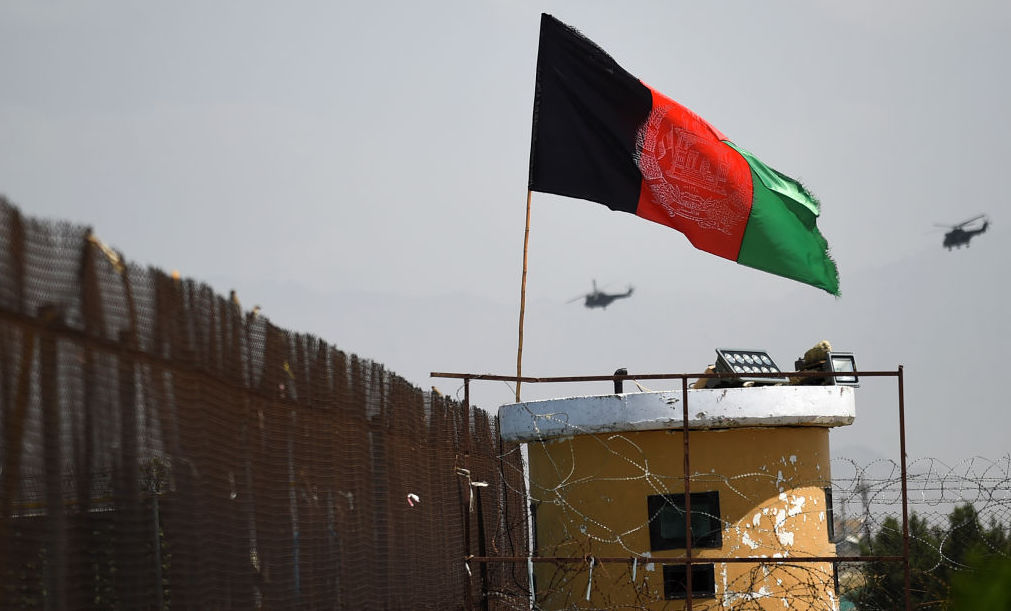
The spread of the virus, unease about a cease-fire, peace talks, and the American withdrawal leave the Afghan people gripped with a heightened sense of uncertainty.
US-Iranian relations remain on track for escalation
Iran is currently facing an incredibly unlucky alignment of pressure sources that are interrelated and will force the regime to engage in risky or experimental behavior, most likely in 2020. The COVID-19 epidemic simply exacerbates the combined challenges of a regime squeezed by an international sanctions network and a restive population reaching a breaking point with economic hardship. A continued acceptance of the status quo is untenable; thus, the regime will likely begin to undertake various initiatives in the coming months, more likely military than diplomatic in nature, that could force the United States to ease the isolation of the country.
The Middle Kingdom and the Middle Corridor: Prospects for China-Turkey ties
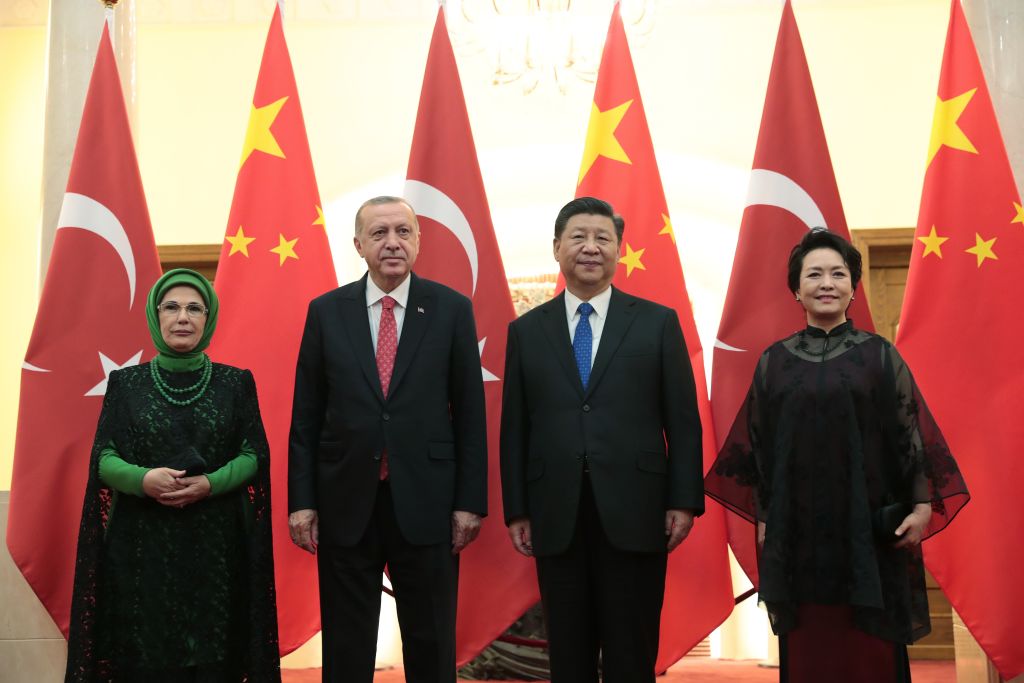
As part of Beijing’s broader strategy of seeking out new markets and cultivating strategic partnerships with countries beyond its backyard, China has been seeking to expand its economic and political ties with Black Sea states. While Beijing’s involvement in the region is still at a nascent stage, it has already prompted fears that its economic engagement masks a political agenda that could hurt Western interests.
Patriarchy and the pandemic: Rethinking “women’s work” in a post-COVID world
The current COVID-19 pandemic has had an unprecedented global impact. In many ways, everyone has been affected by this collective crisis, and everyone is at risk. However, both the virus and its aftermath discriminate strongly against women and girls.
How the battle over energy will reshape Eurasia relationships
The conflict between Turkey and the anti-Turkey bloc is hurting everyone’s energy interests, making an investment in the region costlier for energy companies. Without compromises on all sides, everyone stands to lose.
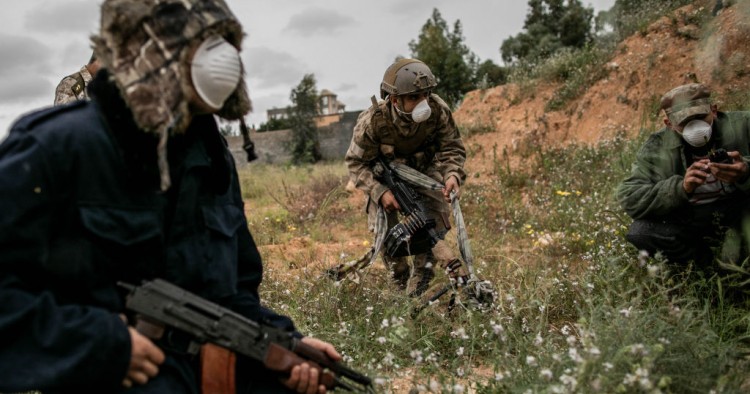
MEI’s Gonul Tol and Jonathan Winer join host Alistair Taylor to discuss the state of the conflict in Libya, where the internationally recognized Government of National Accord (GNA) forces supported by Turkey have made significant gains in recent weeks over Khalifa Haftar’s Libyan National Army (LNA) forces, which are backed by Russia, the UAE, Egypt, and France.
How Russia made Hemeimeem air base its African hub
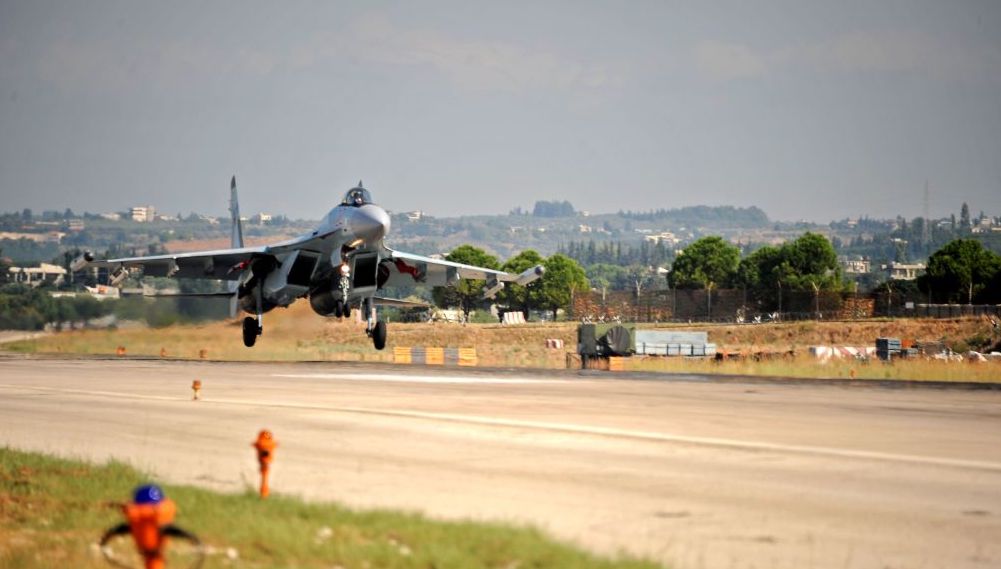
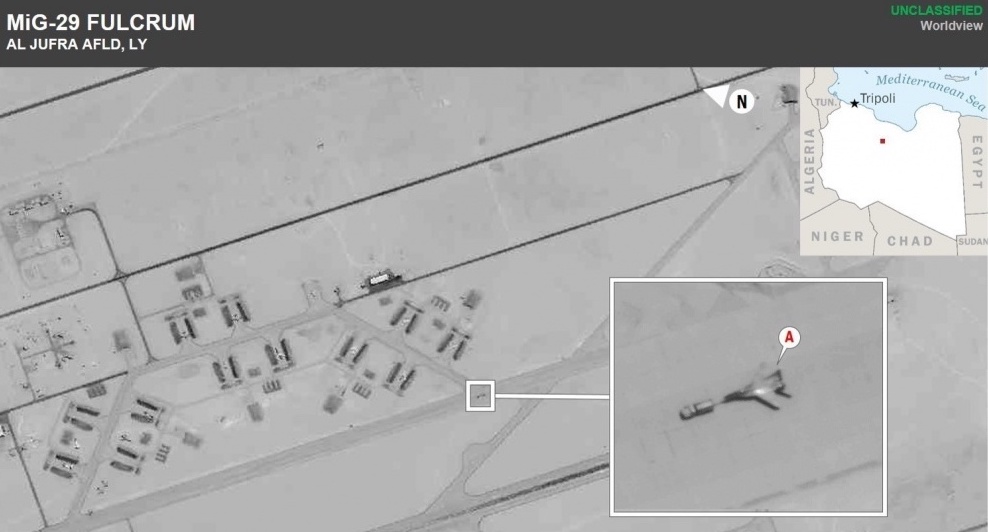
The satellite images published on May 26 by AFRICOM appear to confirm reports that Russian MiG-29 jet fighters had flown to Libya. In fact, the MiG-29s travelled to Libya via Russia’s Hemeimeem air base in Syria, and as this latest episode makes clear, Hemeimeem plays a central role in Russia’s growing involvement in both the Mediterranean and Africa.
Far from his native Tehran in bucolic West Vancouver, Parviz Tanavoli, the 83-year-old “father of modern Iranian sculpture,” contemplates the fate of his homeland. “My heart breaks when I see what is happening in Iran now,” says the renowned artist, who divides his time between a life of relative obscurity on Canada’s Pacific coast, and Tehran, where he is referred to simply as “Master Tanavoli.”
Are the foreign patrons of the Libyan war ready to end it?
Absent major military escalation by his foreign patrons, Khalifa Hifter has now lost the war he initiated against Libya’s internationally recognized government in Tripoli. The question remains, however, of how to end Libya’s proxy war and restart the necessary political process to bring about sustained peace.
As the May 26 AFRICOM statement makes clear, Russia’s strategy is fraught with the risk of new sanctions and its geopolitical maneuvers may not come for free.
Natural gas in the Black Sea: Strengthening cooperation and balancing power
After the collapse of the Soviet Union, Russia used its dominant position as a natural gas supplier to wield outsized influence in the region. But recent changes in the natural gas market have eroded that dominance. Under increasingly globalized and interconnected natural gas markets, Russia has been losing its ability to use its dominance as a gas supplier to influence the region geopolitically and economically.
The oldest peer-reviewed publication dedicated to the study of the modern Middle East, MEI’s flagship journal covers politics, society, and culture in the region.