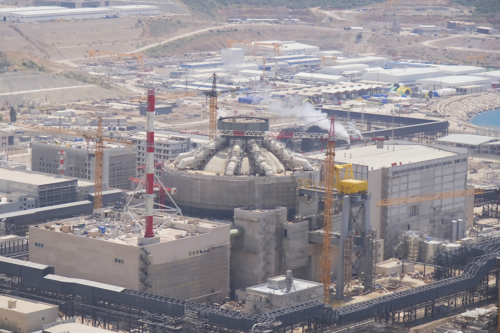
As a result of the Iran war, Turkish thinking about nuclear weapons appears to be shifting. Iran’s emergent ability to threaten regional states (and possible determination to acquire a nuclear weapon itself), growing concern about Israeli aggressiveness, doubts about US security guarantees, and greater Saudi nuclear autonomy are all pushing Ankara to consider a future nuclear option.
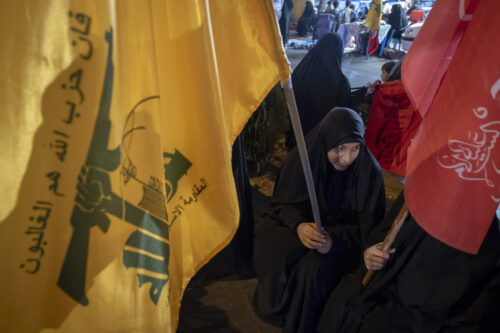
Hizballah: The murderers of elected Lebanese politicians, the killers of peacekeepers, the thugs of the streets they dominated because all other militias had disarmed, the agents of destruction of their own communities on behalf of foreign paymasters reigning 1,000 miles away from Beirut, the brainwashers of children into an ideology of “resistance” that only invited invasion. That’s the Hizballah that today is begging the Lebanese state to return to them the 1,000 pounds of explosives so rudely taken from them by Lebanese soldiers doing their job at a checkpoint in the Bekaa Valley.
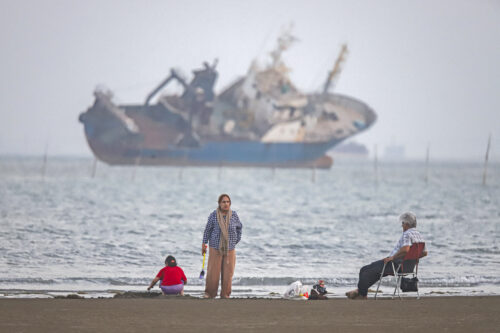
Many of the immediate consequences of the Israeli-American war with Iran are already clear. The further emergence of drones and missiles as dominant weapons of war; the danger to the global economy from the threats to vital chokepoints such as the Strait of Hormuz and the Bab el-Mandeb; and the inadequacy of US weapons procurement, among other issues, have garnered widespread and entirely merited attention.
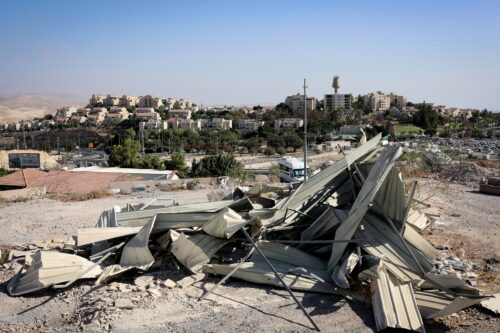
Since 1967, Israeli settlements in the West Bank have been a contested feature of the Israeli-Palestinian conflict. The ultimate disposition of the settlements and ongoing activity related to their growth have repeatedly defied agreement in negotiations over a resolution to the conflict.
The Houthis are a political-military faction and Zaydi religious movement founded in northwestern Yemen in the 1980s. A key member of Iran’s Axis of Resistance with links to other militant organizations in the Arabian Peninsula and the Horn of Africa, the group has continued to pose a threat to Western interests on a global scale.
The India-Middle East-Europe Economic Corridor (IMEC) is a proposed multinational infrastructure initiative aimed at upgrading connectivity between the three regions through integrated trade, energy, and digital networks. Announced at the G20 summit in New Delhi in September 2023, IMEC is envisioned partially as a counterweight to China’s international infrastructure project, the Belt and Road Initiative.
After a decade of post-Arab Spring isolation, Turkey’s leaders have recognized that their ambition to position the country as an agenda-setter on the world stage requires active engagement in all directions. President Recep Tayyip Erdoğan’s consolidation of executive authority has centralized foreign policy decision-making and tied it to his domestic political priorities, transforming the country’s revisionist approach to one shaped primarily by personal and pragmatic interests.
MEI Senior Fellow Brian Katulis engages friends, colleagues, and policy experts in casual conversations on the most important happenings in the Middle East.
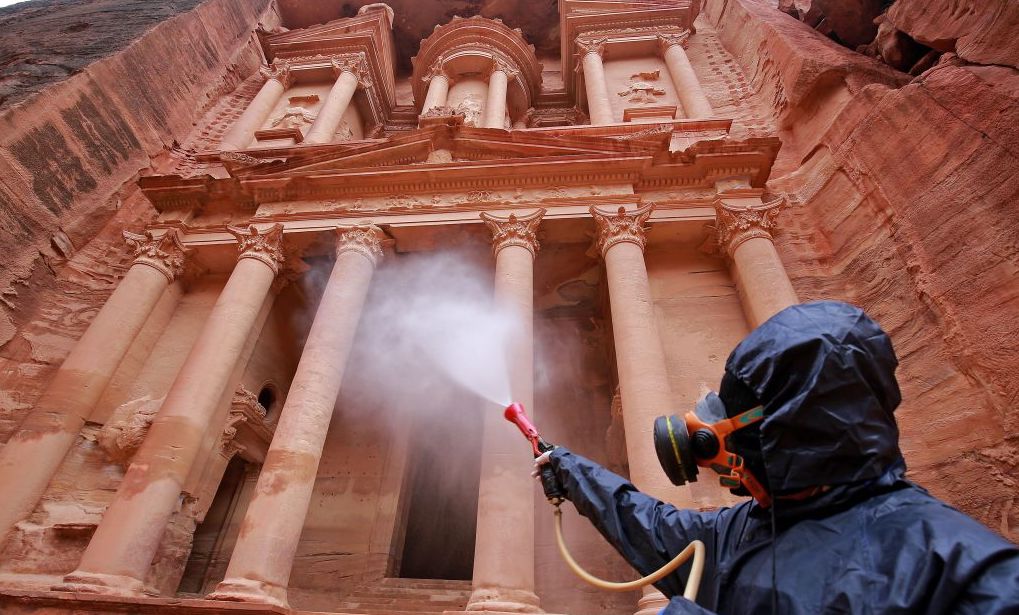
The economic outlook for MENA amid COVID-19 and the oil price drop
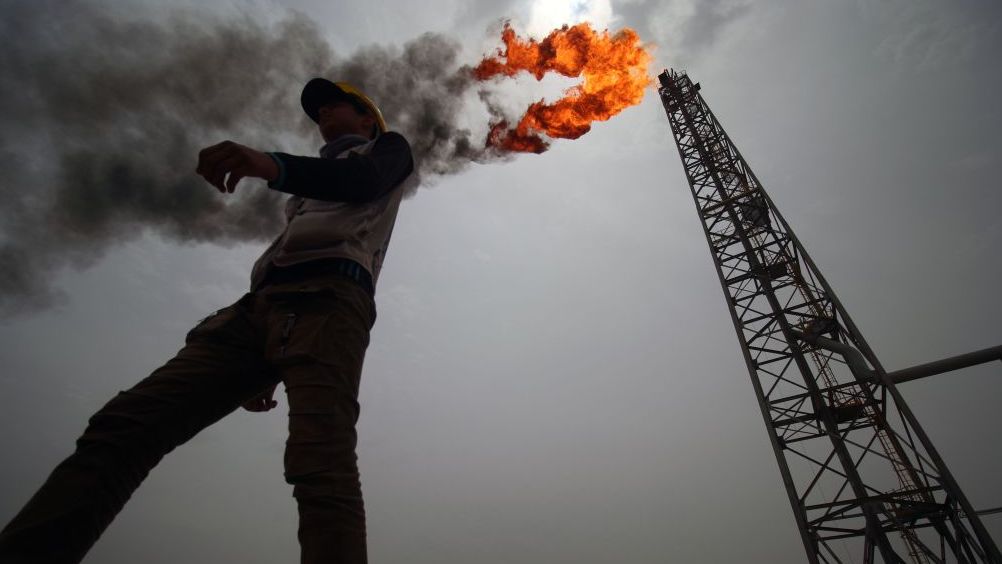
Economies around the world are being battered by two “black swan” events at the same time: the COVID-19 virus and the oil price war between Russia and Saudi Arabia. Naturally, the countries of the Middle East and North Africa (MENA) are also affected, although each in different ways. Those that are net users of energy, which could have benefitted substantially from the vastly lower energy prices, are getting hit hard by COVID-19, while oil and gas producers are suffering from an all-out oil price war made worse by the steep decline in worldwide demand caused by the pandemic.
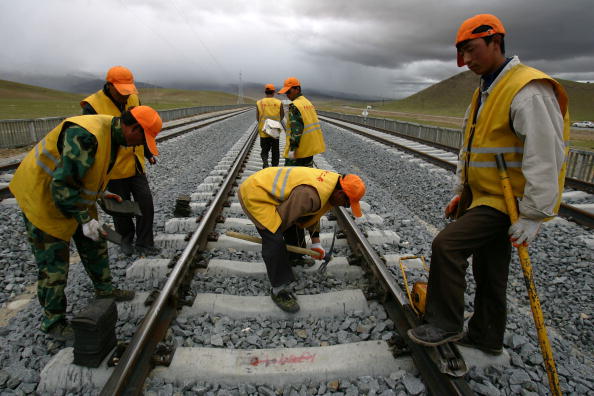
A planned Kashgar to Osh railway is part of China’s Eurasian Intercontinental CR Express rail freight policy. It would require a huge amount of new construction, massive public debt for Kyrgyzstan and would provide no clear economic benefit. The proposed line would also actually be longer than the existing route from Urumqi to Tashkent via Kazakhstan.
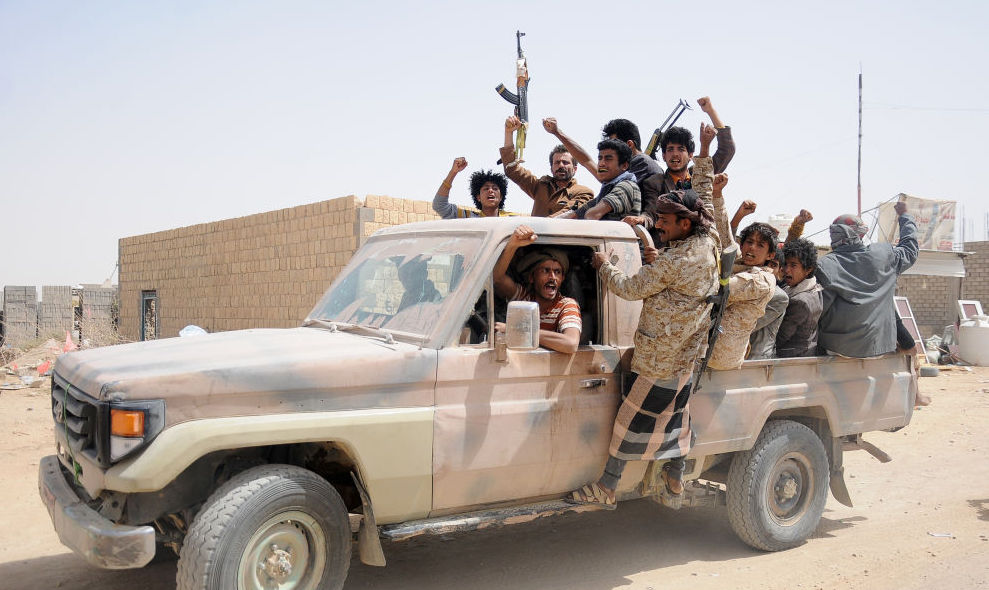
Normalizing Houthi gains in Yemen puts Marib at serious risk
Just a week after Houthi rebels took control of al-Hazm, the capital of al-Jawf Province, on March 1, UN Special Envoy for Yemen Martin Griffiths paid an unprecedented, one-day visit to the Houthis’ likely next target, oil-and-gas-rich Marib, reiterating the urgent need for de-escalation.
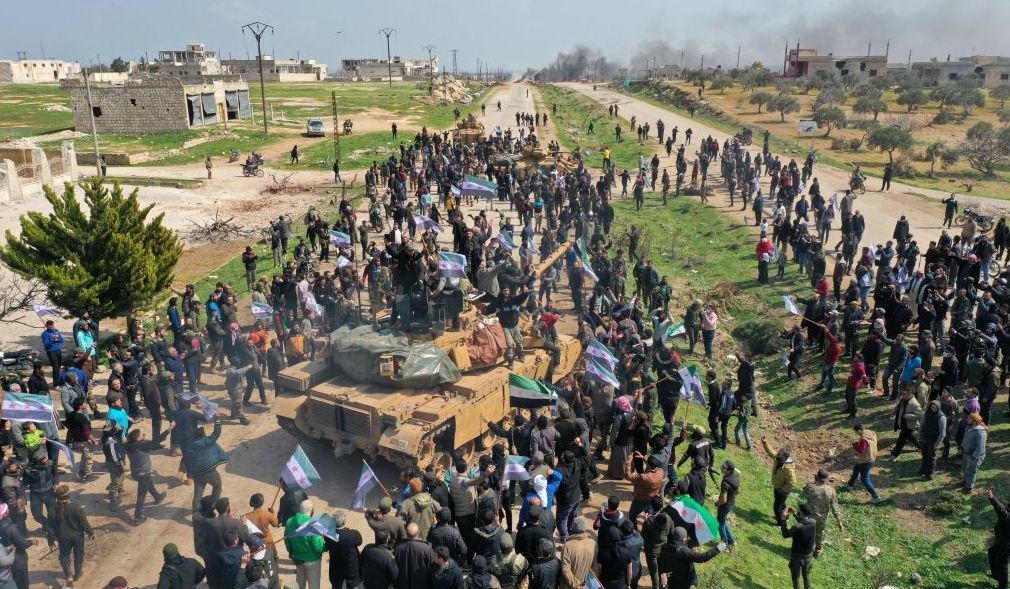
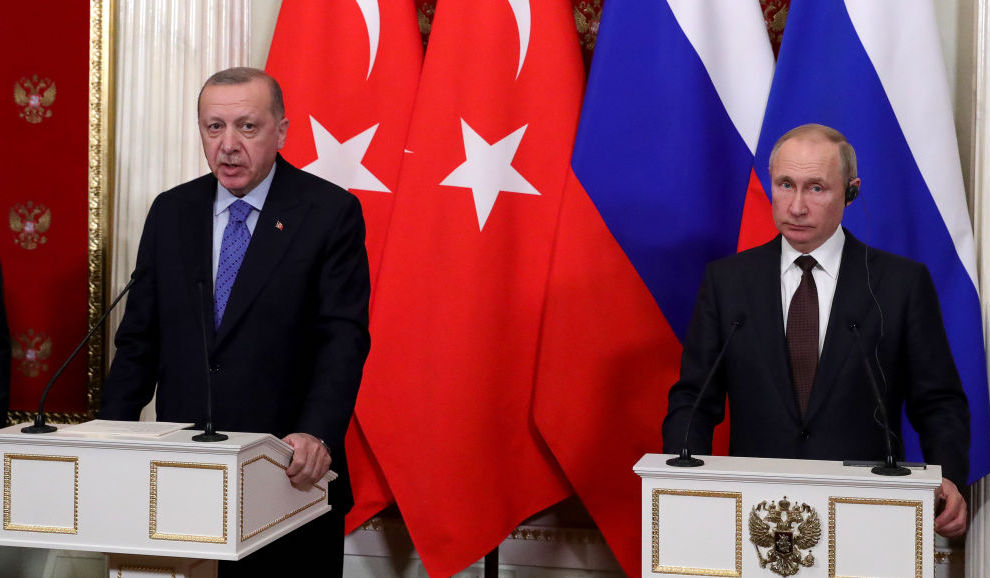
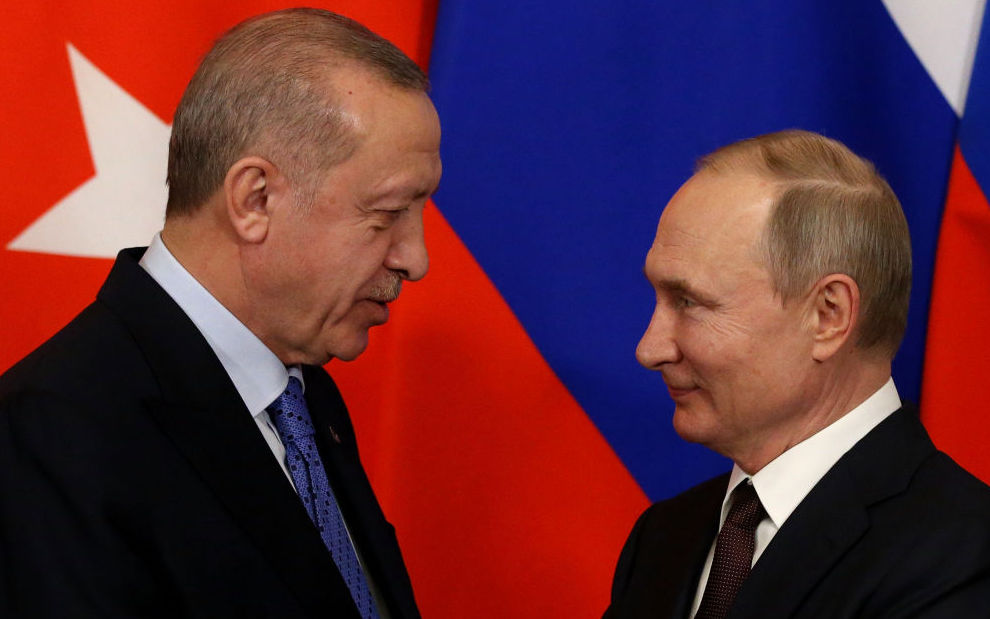
In changing the balance of power on the ground and forcing hostilities to a stalemate, Turkey’s military intervention in Idlib had produced its desired effect. On March 5, Vladimir Putin and Erdogan sat together for six hours and announced to the world a comprehensive cease-fire and the establishment of a secure corridor spanning six kilometers on the north and south sides of the M4 highway.
The story from Iraq since last October has been mainly one of uplifting hope, as mass protests sweep across the country in a fight against corruption, nepotism, and bad governance. But what of the places left behind and ignored? For most of its modern history, Iraq has been embroiled in sectarianism and conflict, most recently with the rise of ISIS. The country has celebrated its ability to fight ISIS and take back the areas the group controlled between 2013 and 2017, but for those that remain in the most vulnerable liberated areas, life is precarious and dangerous, with underserviced communities living in the most dire of conditions.
US-Russia standoffs in northeast Syria: Just getting started
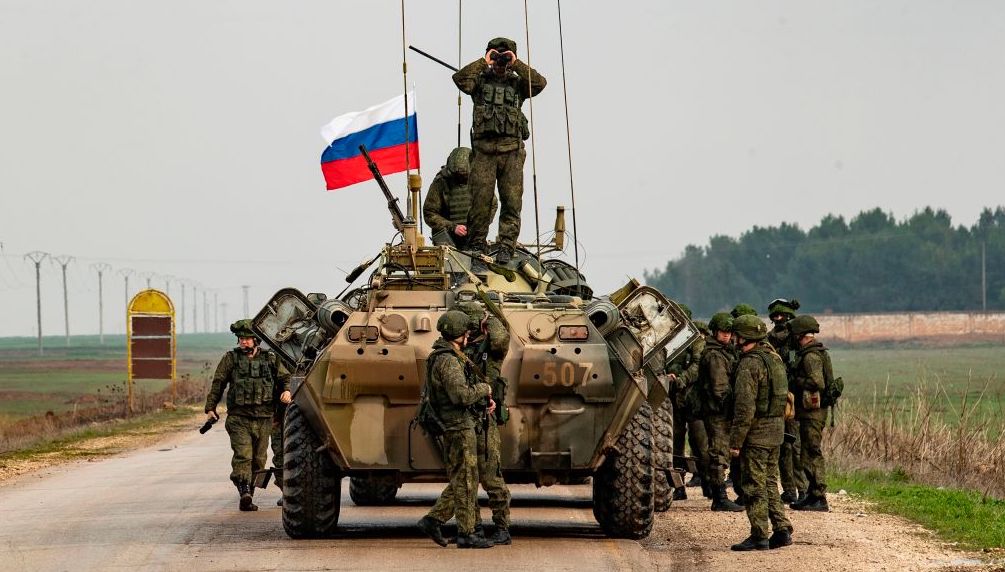
As Syria’s war reaches its ninth anniversary, Russian and U.S. soldiers are increasingly finding themselves face to face — quite literally — in the country’s northeast. A spate of confrontations over the last two months has opened questions about the fate of Syria’s north in the coming year.
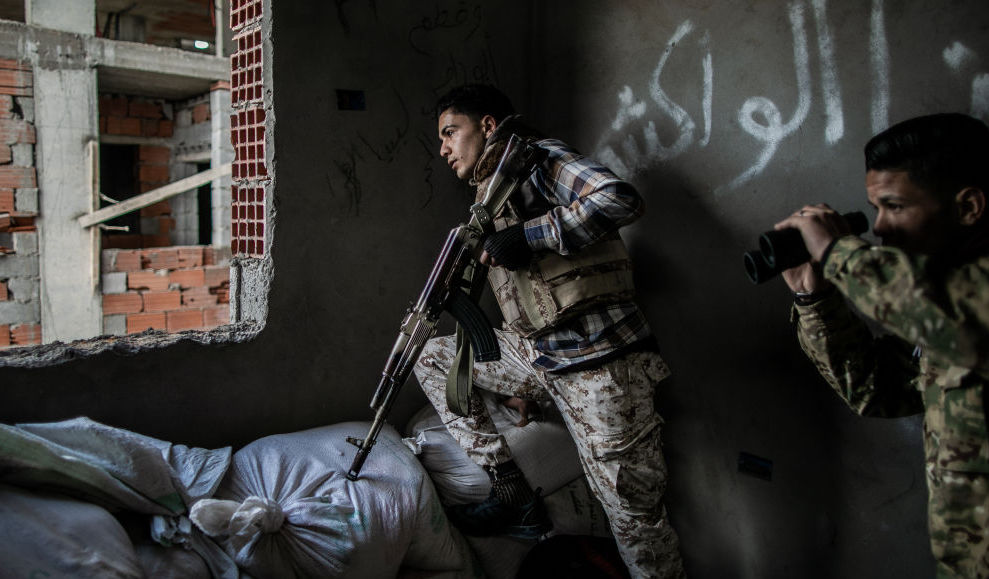
Libyan oil production has collapsed to less than 100,000 bpd as Hifter has continued to amass forces for what some claim to be a final push into the nation’s capital and largest city.
Yasmine Farouk and Jean-Francois Seznec join guest host Gerald Feierstein to discuss the past week’s political and economic drama in Saudi Arabia following the detainment of several members of the Saudi royal family and the nation’s launch of an oil price war with Russia, which triggered a massive drop in global oil prices.
Missing the long game: Washington’s high-risk energy diplomacy in Iraq
Washington’s foreign relations in the Middle East are often characterized by ebb and flow, tracking the region’s dynamic politics. But when it comes to Iraq, this ebb and flow is especially turbulent, and the country’s energy sector has been thrown under the spotlight as Washington presses Baghdad to take swift action to ensure its “energy independence” from Iran.
Uncertainty and chaos as Afghanistan’s political crisis deepens
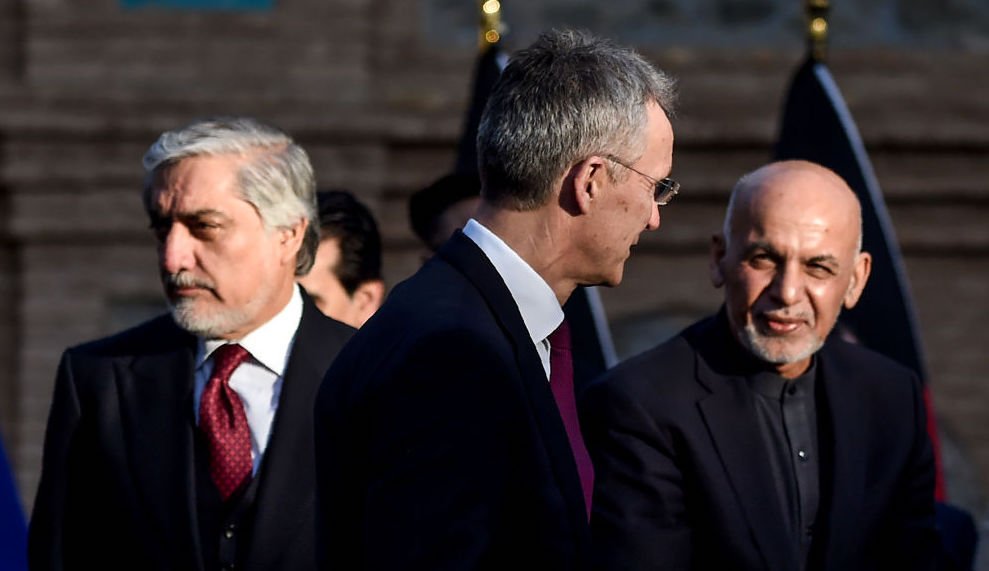
On March 9, Afghanistan’s sitting president, Ashraf Ghani, took the oath of office for a second term. However, on the same day the country’s chief executive, Abdullah Abdullah, also declared himself president at a rival swearing-in ceremony. The controversy has plunged the country into further political uncertainty and potential chaos, dashing hopes of an immediate return to peace following the historic U.S.-Taliban deal on Feb. 29.
After Turkish President Recep Tayyip Erdogan hammered out a deal with his Russian counterpart Vladimir Putin on March 5 to bring an end to the fighting in Idlib in northwestern Syria, he said he was hopeful that the two countries could extend their cooperation to Libya.
The United States has missed a valuable opportunity to use its influence in Iraq to encourage the government to implement the reforms Iraqi protesters have been demanding over the past six months and push back on Iran.
The oldest peer-reviewed publication dedicated to the study of the modern Middle East, MEI’s flagship journal covers politics, society, and culture in the region.