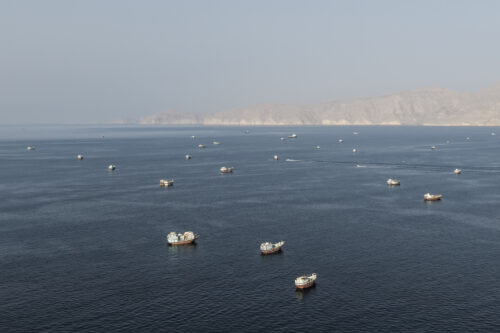
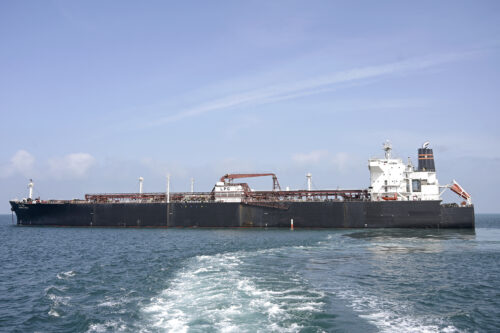
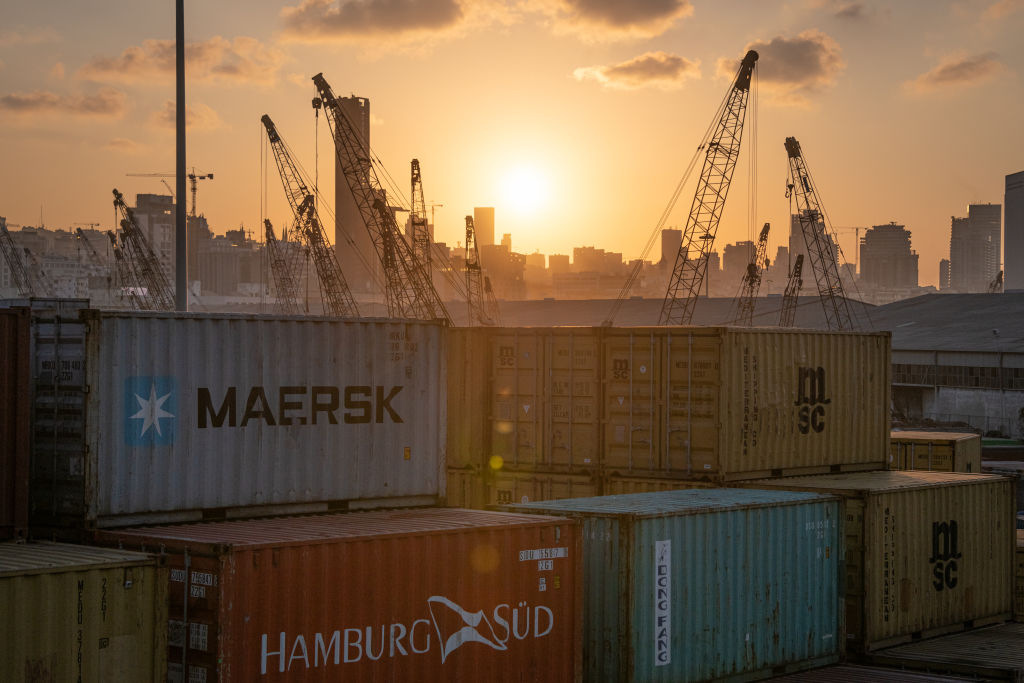
Crude oil is flowing out of the Gulf again, but the market is no better prepared for another disruption in the Strait of Hormuz. It has assembled a temporary system for managing one. Crude exports from the Gulf, excluding Iran, returned to pre-war levels in September, while total Gulf shipments reached 15.5 million barrels a day, more than 80% of the pre-conflict volume.
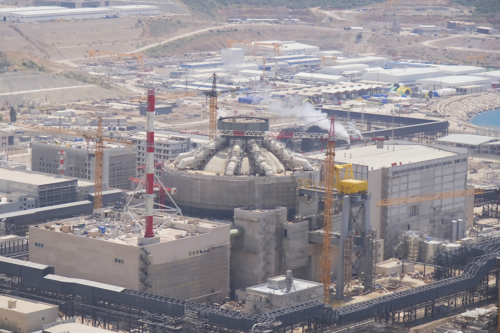
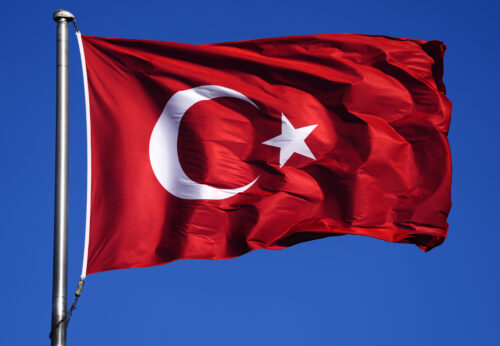
As a result of the Iran war, Turkish thinking about nuclear weapons appears to be shifting. Iran’s emergent ability to threaten regional states (and possible determination to acquire a nuclear weapon itself), growing concern about Israeli aggressiveness, doubts about US security guarantees, and greater Saudi nuclear autonomy are all pushing Ankara to consider a future nuclear option.
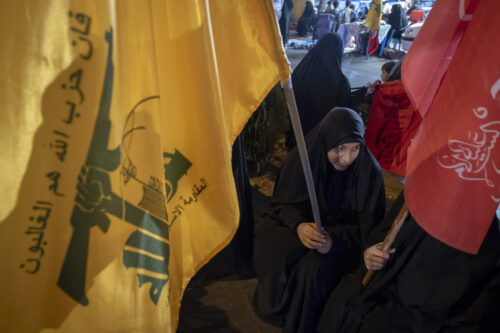
Hizballah: The murderers of elected Lebanese politicians, the killers of peacekeepers, the thugs of the streets they dominated because all other militias had disarmed, the agents of destruction of their own communities on behalf of foreign paymasters reigning 1,000 miles away from Beirut, the brainwashers of children into an ideology of “resistance” that only invited invasion. That’s the Hizballah that today is begging the Lebanese state to return to them the 1,000 pounds of explosives so rudely taken from them by Lebanese soldiers doing their job at a checkpoint in the Bekaa Valley.
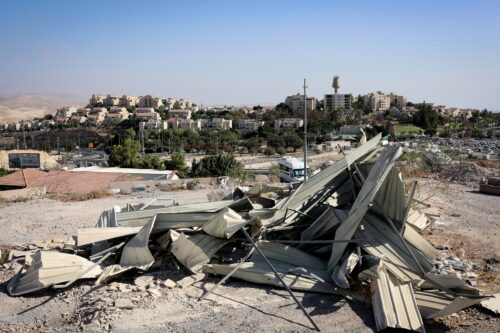
Since 1967, Israeli settlements in the West Bank have been a contested feature of the Israeli-Palestinian conflict. The ultimate disposition of the settlements and ongoing activity related to their growth have repeatedly defied agreement in negotiations over a resolution to the conflict.
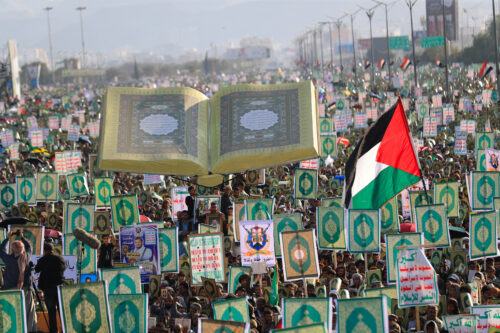
The Houthis are a political-military faction and Zaydi religious movement founded in northwestern Yemen in the 1980s. A key member of Iran’s Axis of Resistance with links to other militant organizations in the Arabian Peninsula and the Horn of Africa, the group has continued to pose a threat to Western interests on a global scale.
The India-Middle East-Europe Economic Corridor (IMEC) is a proposed multinational infrastructure initiative aimed at upgrading connectivity between the three regions through integrated trade, energy, and digital networks. Announced at the G20 summit in New Delhi in September 2023, IMEC is envisioned partially as a counterweight to China’s international infrastructure project, the Belt and Road Initiative.
After a decade of post-Arab Spring isolation, Turkey’s leaders have recognized that their ambition to position the country as an agenda-setter on the world stage requires active engagement in all directions. President Recep Tayyip Erdoğan’s consolidation of executive authority has centralized foreign policy decision-making and tied it to his domestic political priorities, transforming the country’s revisionist approach to one shaped primarily by personal and pragmatic interests.
MEI Senior Fellow Brian Katulis engages friends, colleagues, and policy experts in casual conversations on the most important happenings in the Middle East.
Breaking each other’s fingers: Kurdish parties nervously watch Baghdad — and one another
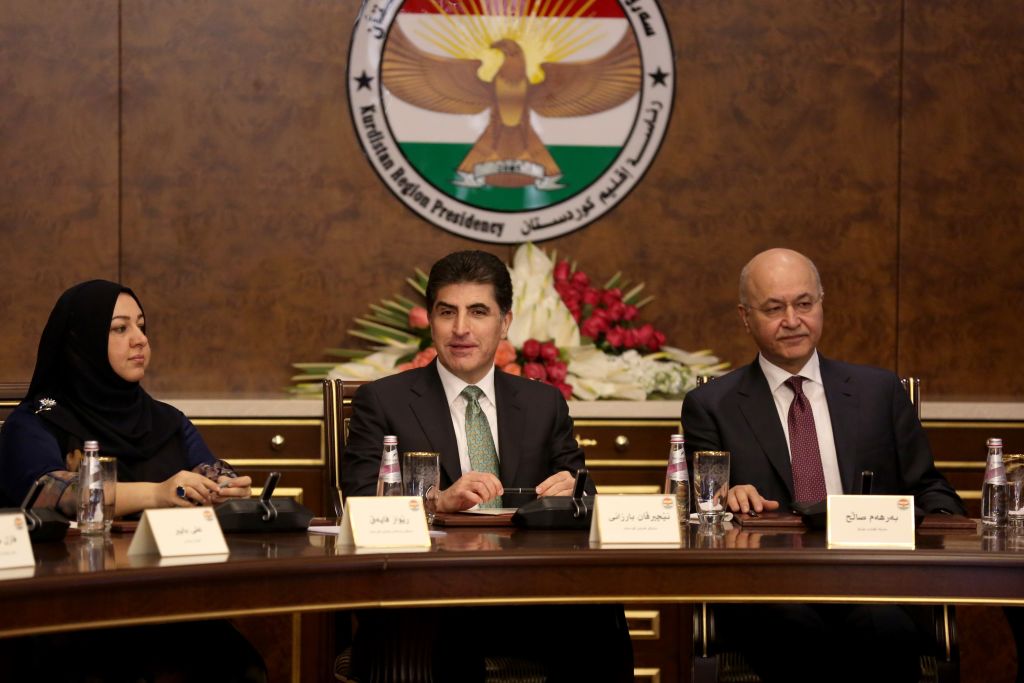
Since early October, the southern provinces of Iraq have been consumed by protests and strikes. While ruthlessly attempting to suppress protests, the Iraqi government has promised legal and political reforms. Yet some of the Kurdistan Region-Iraq’s elites are suspicious that the government’s reform agenda is a “conspiracy” against Kurdish entitlements masquerading as a good faith effort to placate the protestors. The region’s hegemonic parties are concerned that legal, constitutional, and procedural reforms may overhaul the institutions that guarantee their positions of influence in the federal government and secure their territorial claims.
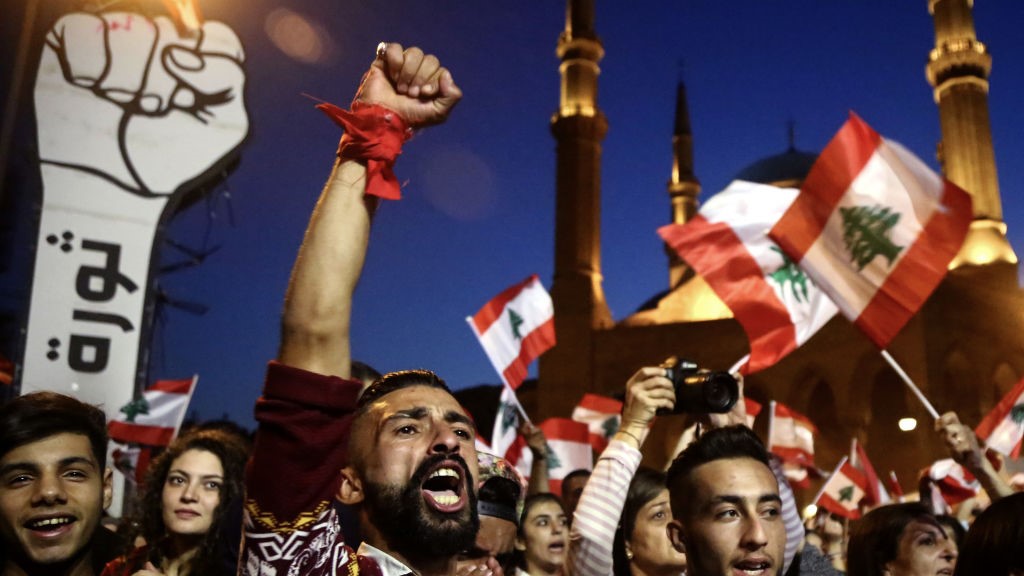
On a recent trip to my native Lebanon I looked on its ongoing, unprecedented protests with both wonder and worry. The country is a month into widespread anti-government demonstrations. The protests’ scale ebbs and flows but the relative calm during my stay had a fleeting if not sinister quality to it. That calm is unraveling. However this chapter of Lebanon’s history unfolds, this complicated country has changed irreversibly.
Russia’s military police face their toughest challenge yet in north Syria
Russia’s ability to control the pace and scope of developments in Syria has been a moving target ever since its intervention four years ago. At varying times, Moscow has found itself both firmly in the driver’s seat and a helpless bystander — the latter most vividly illustrated by events such as the regular Israeli airstrikes on Russia’s Iranian and Syrian regime allies.
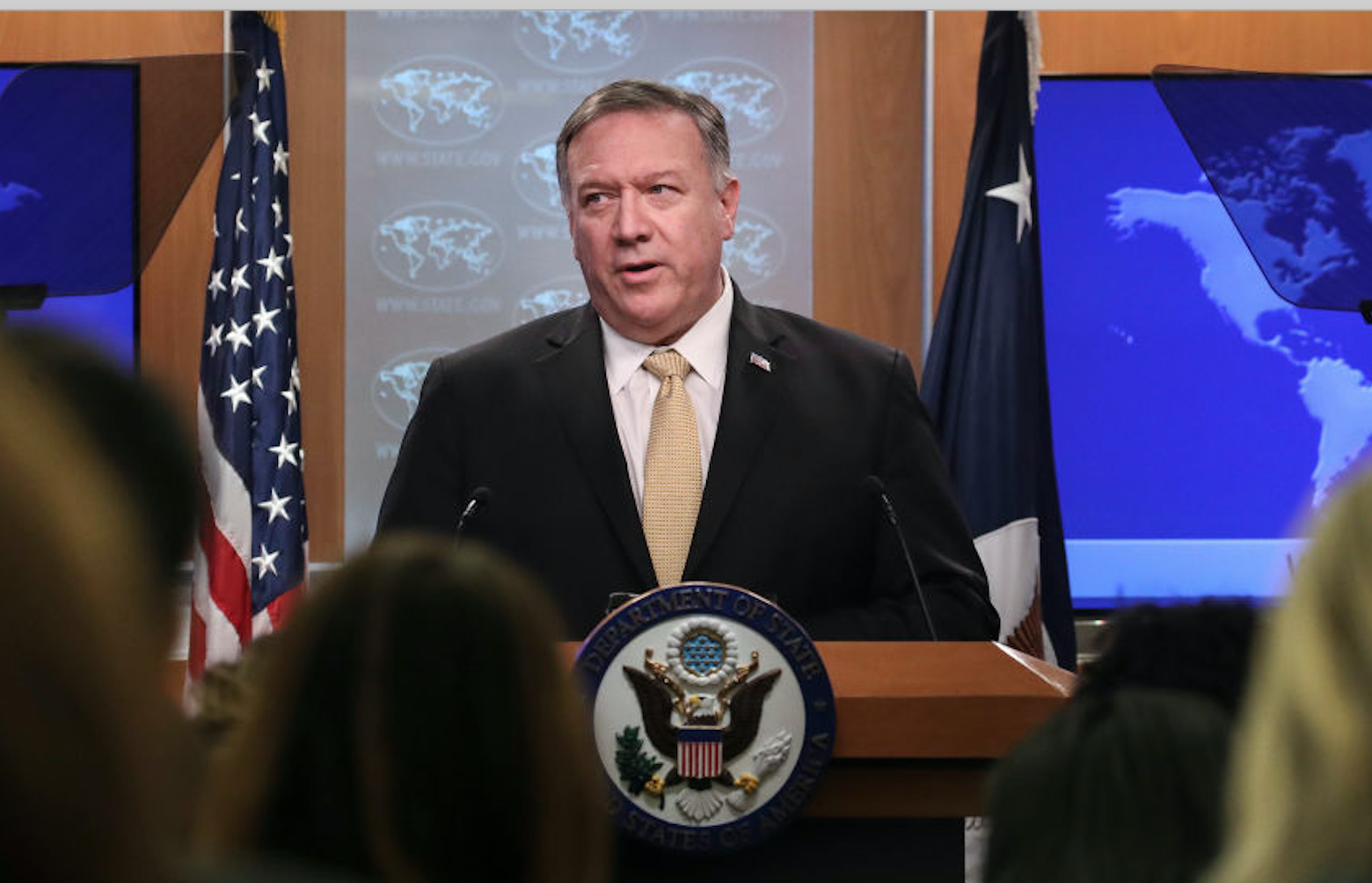
It is not always recognized that Secretary of State Mike Pompeo’s Nov. 18 declaration that Israeli “settlements are not inconsistent with international law” was primarily political, not diplomatic, designed for domestic American consumption as part of the president’s reelection campaign. Secondarily, it was intended to strengthen Israeli Prime Minister Benjamin Netanyahu’s hand in the current coalition negotiations and/or the likely upcoming Knesset election, if coalition negotiations fail. Third on the list, almost an afterthought, is the effect on the Palestinians, whose future state’s boundaries it purports to impact.
Secularism and the Islamophobia Zeitgeist in India and Sri Lanka
Islamist terrorism tends to normalize Islamophobia. For instance, Pakistan’s willingness to use jihadi forces to destabilize India in disputed Kashmir and the renascent Islamism connected to extremism worldwide cause anxiety and promote Islamophobia in states like India and Sri Lanka. In these instances, Islamophobia is induced from abroad. But a nationalist ideology rooted in religion can also fan it and unleash massive violence. This is what the Hindu nationalist ideology in India does by framing the country’s Muslims as a dangerous, predatory, and destabilizing “other.” Post-civil war, Sinhalese Buddhist nationalists resort to similar accusations as they seek to extend majoritarianism and manipulate Islamophobia for political gain.
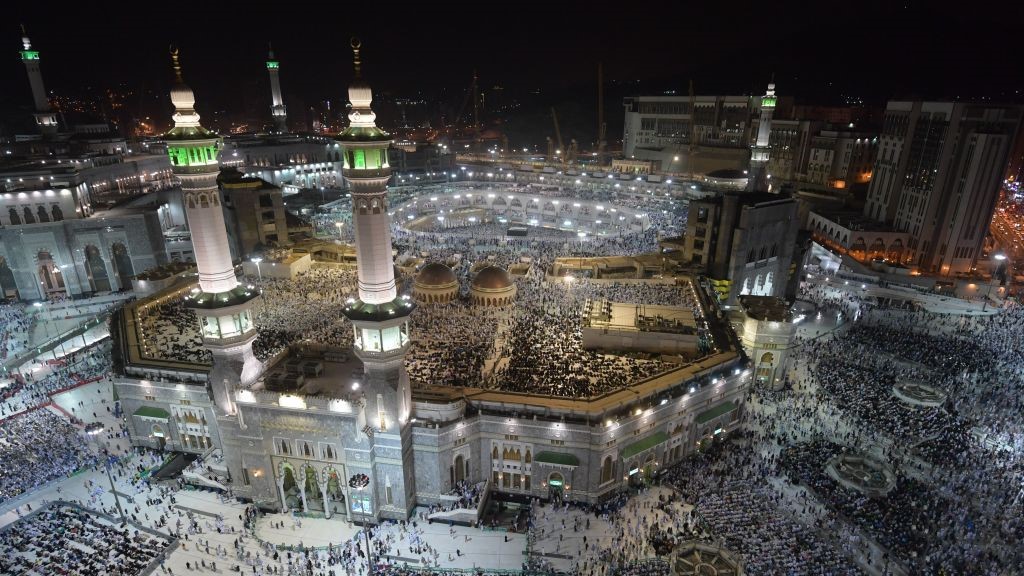
Traces of the 1979 assault on the Grand Mosque still roil the Middle East today
Four decades on, echoes of the November 1979 assault on the Grand Mosque in Mecca continue to reverberate. Coming on the heels of the Iranian revolution and days after the Iran hostage-taking, the Mecca attack, carried out by a group of several hundred Saudi extremist Islamists declaring a new Mahdi, shocked the Sunni world and pushed Muslims in a far more conservative direction.
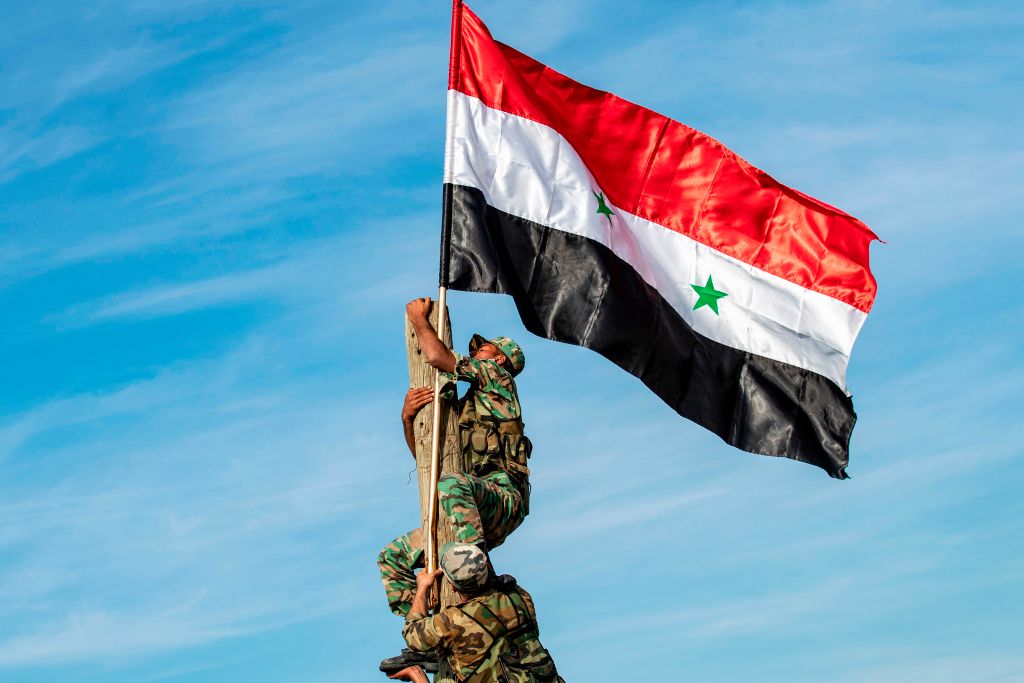
Return to the northeast: Syrian Army deployments against Turkish forces
In mid-October, five years after it was expelled from most of eastern Syria as ISIS swept in, the Syrian Arab Army (SAA) returned to much of the northeast as part of a deal between the Syrian Democratic Forces and Damascus struck just days after Turkey launched an offensive against the region. By examining the distribution and make-up of units sent to the northeast we can better understand the strength of the SAA in the region and the current state of its broader deployments across the country.
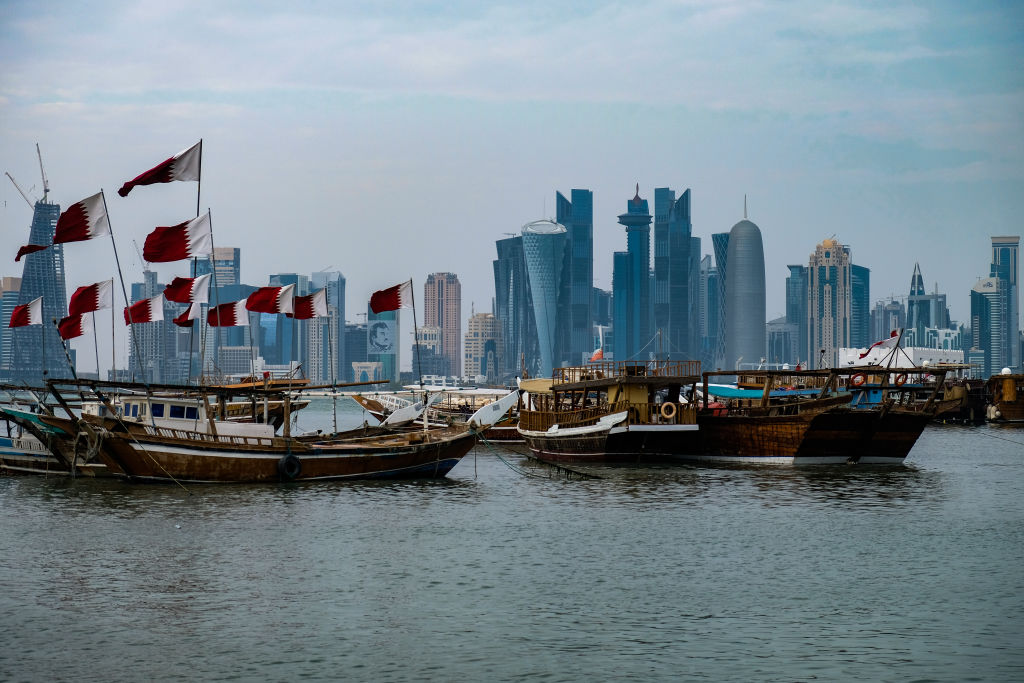
Why Doha should worry: The case for an Iran-Qatar non-aggression pact
Fears of a large-scale war in the Middle East remain heightened as the U.S. continues ratcheting up sanctions against Iran while Tehran takes measures to scale back its restrictive commitments under the Joint Comprehensive Plan of Action (JCPOA). The latest sign of Iranian retaliation against the U.S. withdrawal from the 2015 nuclear accord was its decision, confirmed by the International Atomic Energy Agency (IAEA) on Nov. 11, to begin refining uranium at its Fordow underground enrichment facility.
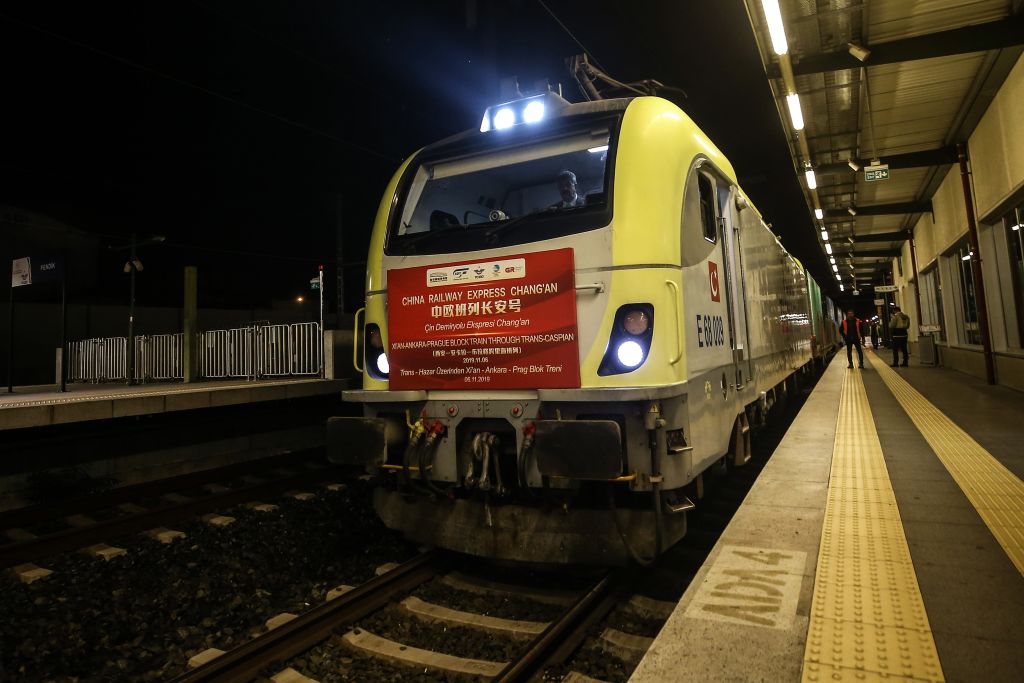
China’s Belt and Road Initiative (BRI) has been a powerful driver of the development of existing and new Eurasian rail routes. A web of competing and complementary rail lines has begun to form across the Eurasian landmass. Railway cargo service between China and Europe has fast become a compelling “middle option” — cheaper than air and faster than sea.
Brenda Shaffer (Georgetown University), Anna Borshchevskaya (Washington Institute for Near East Policy), and Alex Vatanka (MEI) join host Alistair Taylor to discuss how the dynamics between Russia and Iran are playing out in the Caucasus, and what it means for the countries of the region.
Tearing down the walls of vested interests in the Middle East and North Africa
The MENA region needs bolder and deeper economic reforms. GDP growth is projected to be 0.6 percent in the region in 2019, a fraction of what is needed to create enough jobs for its fast-growing working-age population. Even in the few countries that have had periods of higher growth since the 2011 Arab Spring, poverty rates have failed to drop, suggesting the need for reforms to instill fair competition and promote more inclusive patterns of growth.
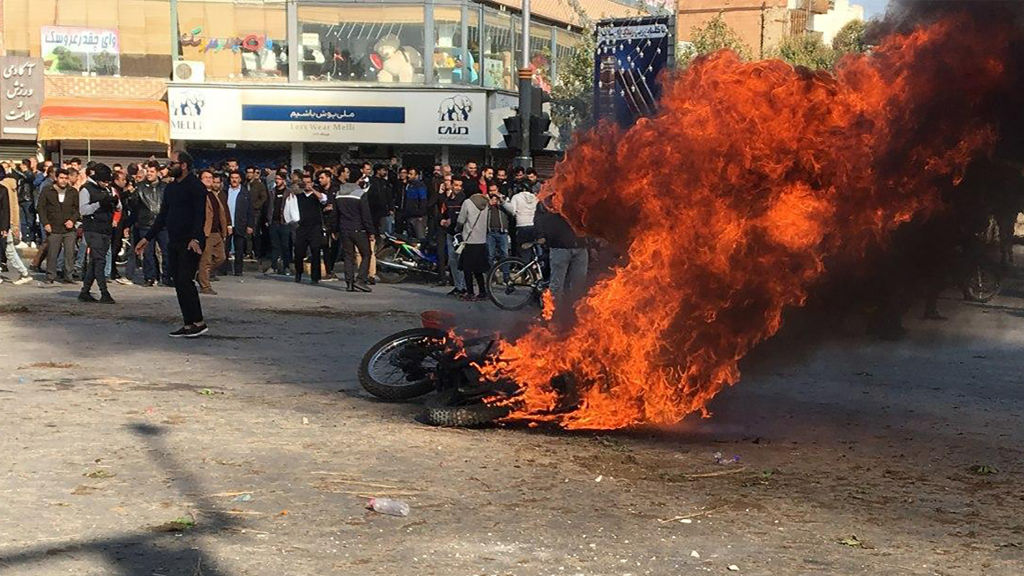
On the surface the latest protests in Iran appear to be not that different from the previous ones in late 2017 and early 2018. In reality, however, things are quite different this time around, and the Iranian authorities are deeply alarmed.
Political fragmentation a major challenge as Tunisia’s Ennahda tries to form a government
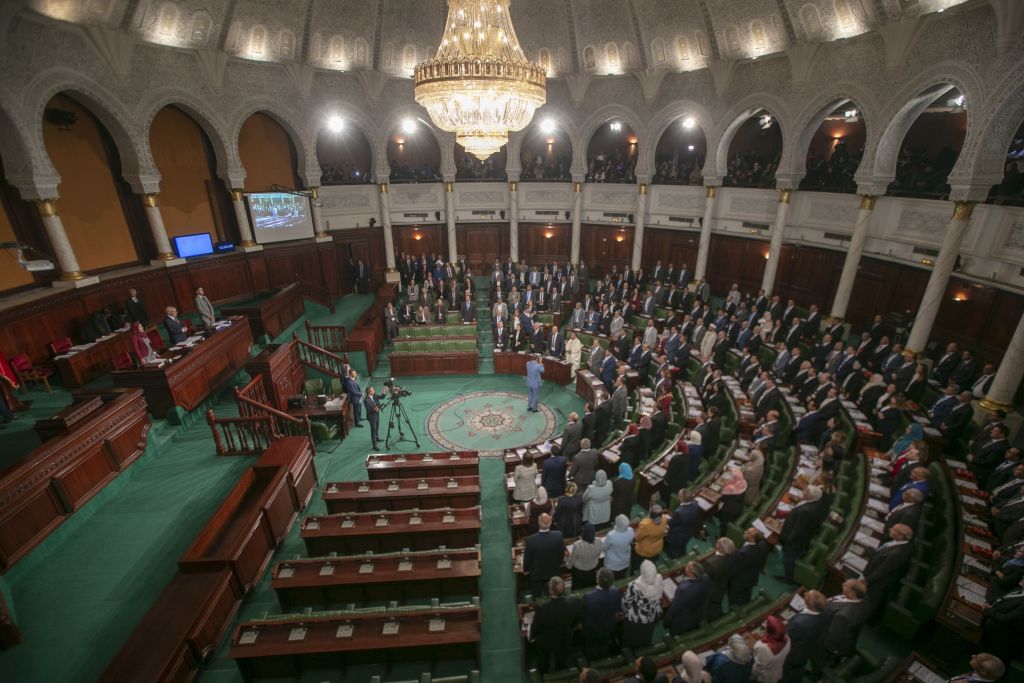
Tunisia’s elections in October swept away many of the dominant political forces, but the Islamist Ennahda retains the largest share of seats in the new parliament. Its leader, Rachid Ghannouchi, was elected president of the parliament on Nov. 13. The Islamist party then announced on Nov. 15 that Habib Jemli, the former junior agriculture minister, should try to form the next government. Jemli, who served under Ennahda prime ministers from 2011 to 2014, has a 30-day period, renewable once, to present a cabinet able to secure a majority vote in the 217-member parliament.
The Saudi Aramco IPO: Short-term success, long-term loss
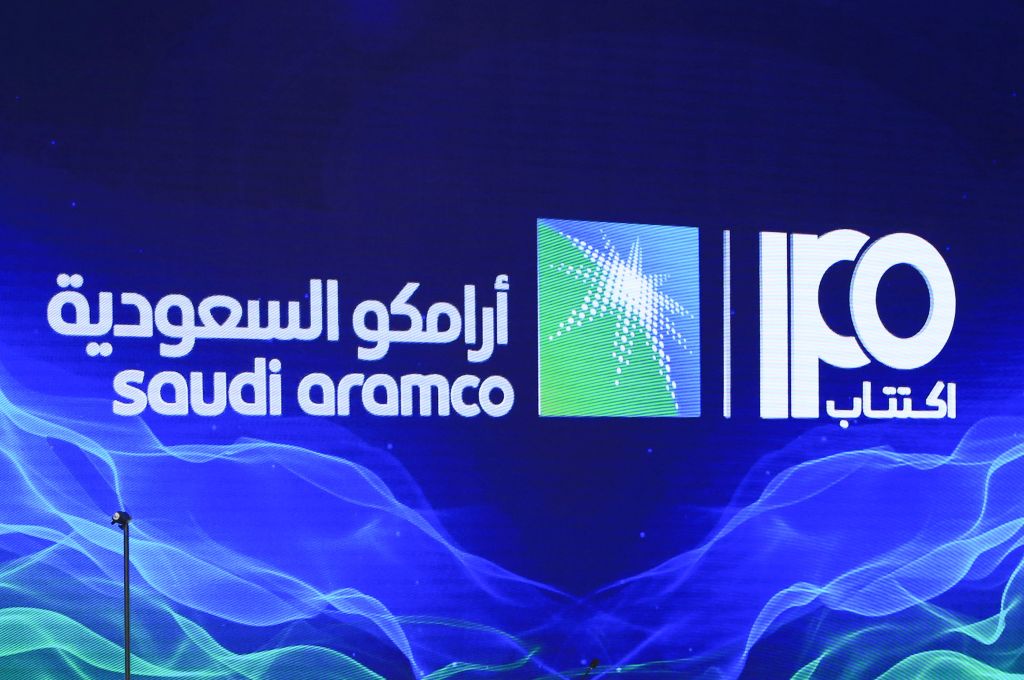
The Saudi Aramco IPO got started this Sunday morning with shares priced at SAR 30-32 ($8-8.50) each, valuing the company at $1.7 trillion, $300 billion below the original estimate. The lower valuation has been expected for some time by most investment banks and many financial analysts. The proceeds are expected to fund the Public Investment Fund’s forays into non-energy-based companies, advanced technologies, and even robot-filled cities.
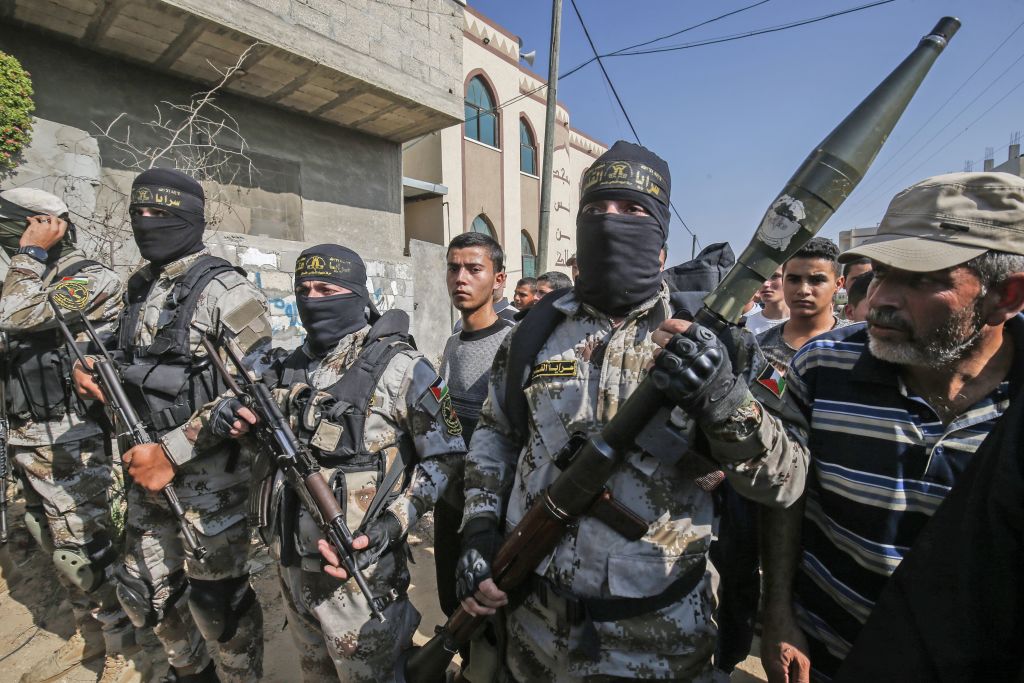
A Nov. 12 Israeli airstrike on the Gaza Strip killed Baha Abu al-Ata, a commander with the Palestinian Islamic Jihad (PIJ) militant group. Over the ensuring 48 hours, the PIJ launched some 450 rockets from Gaza into southern and central Israel. Hamas, the Palestinian political party/militant group that acts as the de facto government of Gaza, stayed out of the fighting — despite relatively high civilian casualties and the killing of one of its fighters.
The oldest peer-reviewed publication dedicated to the study of the modern Middle East, MEI’s flagship journal covers politics, society, and culture in the region.